




If you’ve installed solar panels or you’re seriously thinking about it, chances are you’ve already realized something important: solar power alone doesn’t guarantee lower electricity bills. The real savings come from when you use that power.
That’s where time of use optimization solar becomes the real game changer.
People generate plenty of solar energy during the day, yet still get hit with high bills at night. Why? Because utilities don’t charge the same price all day long.
This article dives deep into time of use optimization solar, breaking down how it works, why it matters more than ever, and how you can actually use it to your advantage with batteries, smart scheduling, and the right inverter settings.
Time of Use pricing isn’t complicated, but it is often misunderstood. Utilities divide the day into pricing blocks:
Under these rules, electricity at 7 pm can cost two or three times more than electricity at noon. This pricing model is exactly why time of use optimization solar exists in the first place.
Solar panels naturally produce the most energy around midday, which often lines up with off-peak or mid-peak pricing. Unfortunately, that’s not when most households consume the most power.
Without time of use optimization solar, excess solar power often gets exported to the grid at low daytime rates. Then, when evening arrives and prices spike, homes pull expensive power back from the grid.
This is where frustration starts. People look at their solar production charts and ask, “Why am I still paying so much?”
The short answer: timing matters more than total production.
At its core, time of use optimization solar means aligning your solar generation, battery storage, and energy consumption with TOU pricing windows.
Instead of using solar energy whenever it’s produced, you strategically store and deploy it when electricity is most expensive.
Think of it like buying groceries on sale and cooking them when restaurants are overpriced. Same food, different timing, very different cost.
Ironically, utilities created the perfect incentive for smarter solar usage. TOU pricing pushes consumers to shift loads, adopt batteries, and focus on energy cost optimization rather than raw kilowatt-hours.
In every system I’ve reviewed, the biggest financial wins came from time of use optimization solar, not from adding more panels.
If solar panels are the muscle, batteries are the strategy. In every serious discussion about time of use optimization solar, batteries sit right at the center. Without them, you’re reacting to the sun. With them, you’re actively managing energy costs.
I’ve seen plenty of systems with excellent solar production that still underperform financially. Almost every time, the missing link is how the battery is sized, programmed, and actually used during peak pricing windows.
At a practical level, time of use optimization solar depends on one simple ability: separating when energy is generated from when energy is used. Batteries are what make that separation possible.
Solar production peaks around midday, but TOU peak pricing usually happens later in the day. Without storage, excess solar energy is pushed to the grid at low daytime rates. Then, during expensive evening hours, the same home buys electricity back at a premium.
Batteries interrupt that cycle. They allow solar energy to be stored when it’s abundant and cheap, then deployed precisely when prices spike. This timing control is the foundation of energy cost optimization in modern solar systems.
TOU arbitrage with battery sounds technical, but in real-world terms, it’s just smart buying and selling of electricity.
In a typical optimized setup:
This strategy directly supports time of use optimization solar by replacing expensive grid energy with stored solar energy exactly when it matters most.
In homes without enough daytime usage, this approach alone can make the difference between an average system and a highly profitable one.
One of the most common misconceptions I encounter is the belief that bigger batteries automatically lead to better results. In reality, time of use optimization solar rewards smart strategy, not just capacity.
An oversized battery that discharges too early wastes potential savings. An undersized battery that empties halfway through peak hours forces the system back onto the grid.
Effective battery sizing should be based on:
When battery capacity and usage strategy are aligned, energy cost optimization becomes predictable and repeatable.
Reserve settings are one of the most overlooked aspects of time of use optimization solar. Many systems default to conservative reserves that protect backup power but limit financial performance.
From an optimization standpoint, reserve levels should be:
The key is balance. Systems that reserve too much energy often miss peak savings opportunities. Systems that reserve too little risk running out of stored energy before peak pricing ends.
Fine-tuning reserve thresholds is often where experienced operators unlock the last layer of savings.
In advanced time of use optimization solar setups, batteries may charge from multiple sources:
This is where smart solar scheduling comes into play. Instead of blindly charging whenever possible, the system evaluates:
Charging decisions based on data—not habit—are what separate optimized systems from average ones.
A realistic discussion of time of use optimization solar must include battery lifespan. Every charge and discharge cycle contributes to wear, and aggressive arbitrage without planning can shorten usable battery life.
That said, intelligent cycling actually improves long-term value. Avoiding unnecessary full discharges, limiting shallow cycling during low-value hours, and focusing battery usage on high-cost periods protects both performance and longevity.
In other words, the goal isn’t to use the battery more—it’s to use it better.
Many homeowners still think of batteries mainly as emergency backup. While resilience is important, the real financial power of batteries lies in time of use optimization solar.
When treated as an active financial asset, a battery:
Once users shift their mindset from “backup device” to “cost-control system,” the entire solar strategy changes.
Across multiple installations and system audits, the best battery-based time of use optimization solar systems consistently show:
These systems don’t chase perfection. They chase consistency—and that’s what delivers lasting savings.
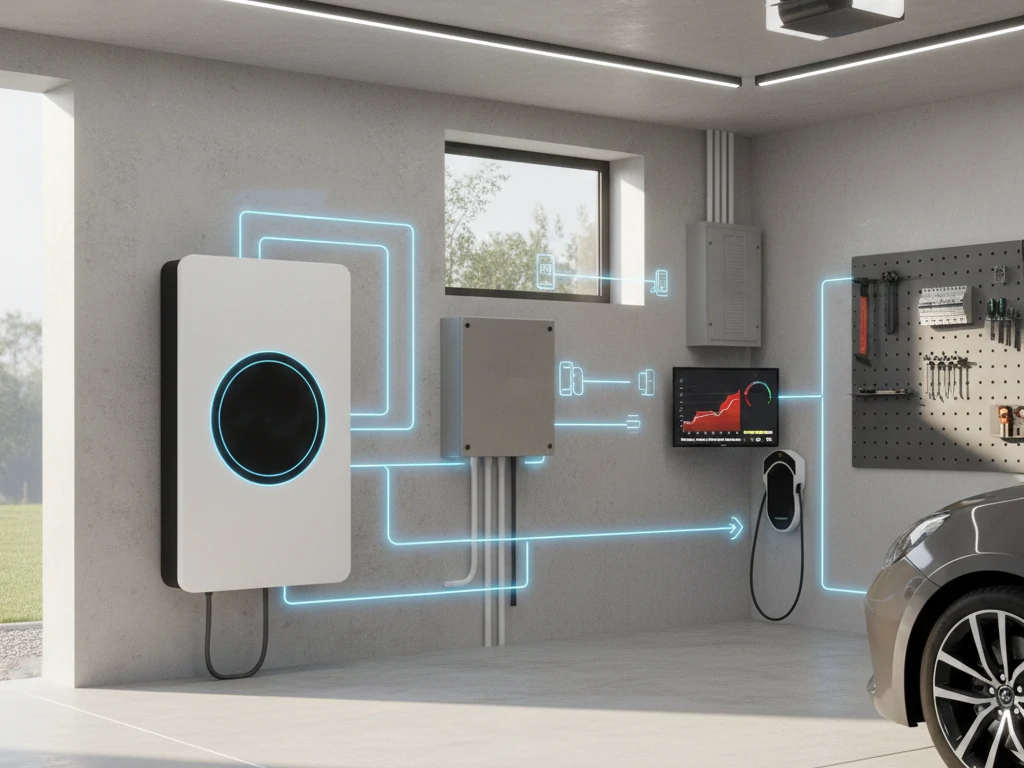
Manual control only works for a while. Once TOU pricing gets complex and household energy use becomes unpredictable, automation becomes essential. That’s why smart solar scheduling plays such a critical role in time of use optimization solar.
Instead of reacting to energy prices after the fact, smart scheduling allows the system to anticipate what’s coming and adjust automatically. This is where optimization shifts from effort-driven to system-driven.
At its core, smart solar scheduling connects three moving parts:
By analyzing these inputs together, the system decides when to store energy, when to hold it, and when to release it. This coordinated decision-making is what transforms a standard solar setup into a fully optimized time of use optimization solar system.
Without scheduling, even the best hardware behaves reactively. With scheduling, energy decisions happen before prices change.
Many homeowners try to optimize manually by changing habits: running appliances earlier, avoiding evening usage, or turning things off during peak hours. While helpful, manual control has limits.
Smart solar scheduling removes guesswork. Instead of relying on memory or discipline, the system automatically:
This hands-off approach dramatically improves energy cost optimization, especially in households with variable schedules.
The real power of smart solar scheduling shows up when it’s tightly aligned with time of use optimization solar goals.
For example:
This timing discipline ensures that stored energy is used when it delivers maximum financial impact.
One overlooked advantage of smart solar scheduling is battery preservation. Instead of cycling the battery constantly, the system focuses usage on high-value hours.
Batteries are long-term assets, and careless cycling reduces their economic value. Smart scheduling limits:
As a result, time of use optimization solar becomes both more profitable and more sustainable over time.
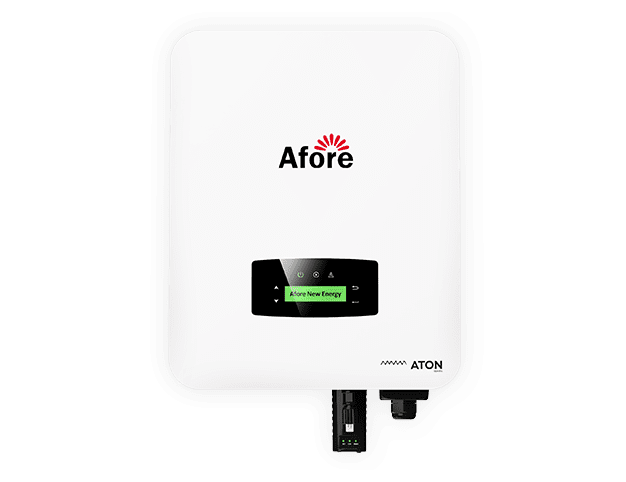
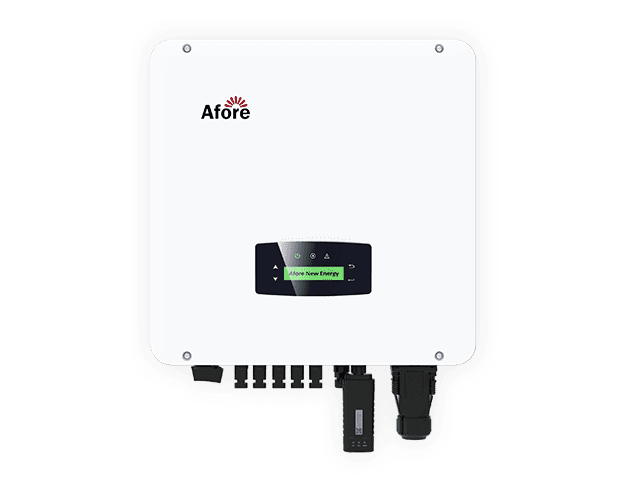
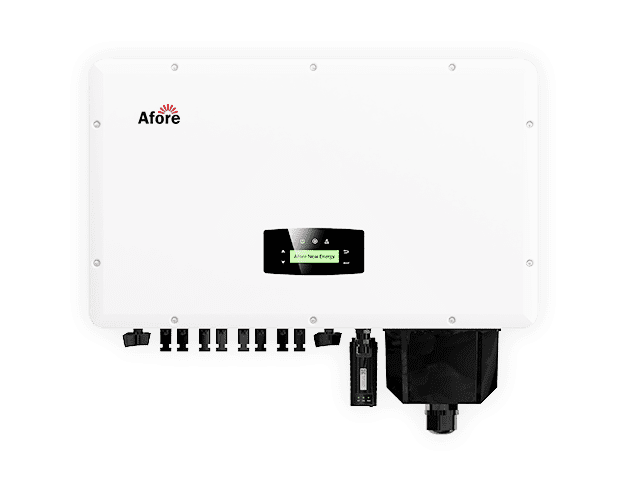
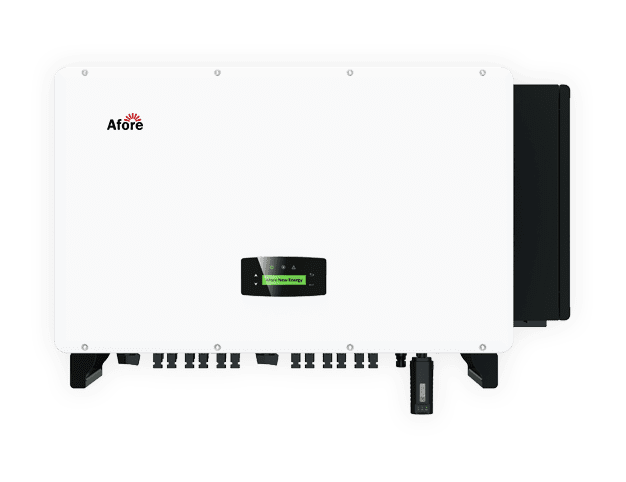
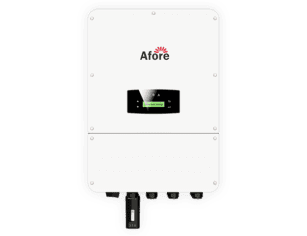
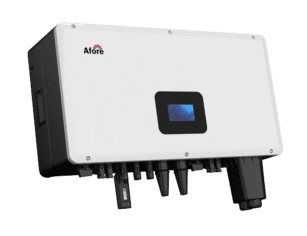
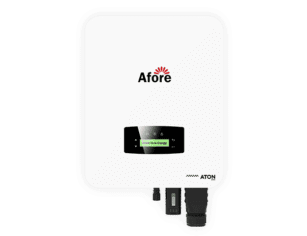
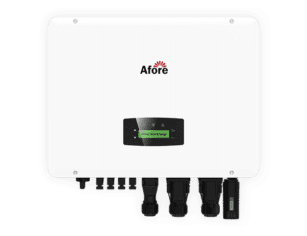
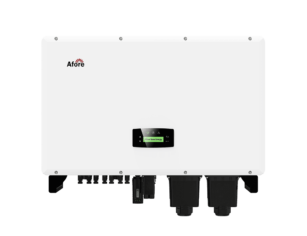
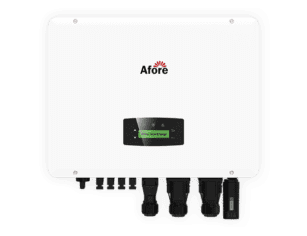
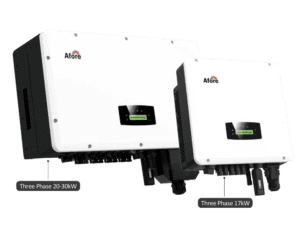
All scheduling decisions ultimately flow through the solar inverter, which acts as the execution layer of the strategy. While the scheduling logic defines what should happen, the inverter decides how and when it actually happens.
In optimized systems, the inverter:
When scheduling logic and inverter settings are aligned, time of use optimization solar runs smoothly in the background without constant user intervention.
Basic scheduling relies on fixed time blocks. More advanced smart solar scheduling incorporates forecast-driven decisions.
This means the system adapts based on:
For example, on a cloudy day, the system may conserve battery energy earlier to ensure peak-hour coverage. This flexibility significantly improves energy cost optimization compared to rigid schedules.
No two households use energy the same way. That’s why the most effective time of use optimization solar systems are lifestyle-aware.
Smart scheduling can be tuned to:
By adapting to real behavior rather than ideal assumptions, scheduling becomes practical instead of theoretical.
Even with automation, mistakes happen. The most common ones include:
Correcting these issues often delivers immediate improvements in time of use optimization solar performance without changing any hardware.
As TOU pricing structures become more dynamic, manual control simply won’t scale. Smart solar scheduling ensures that energy cost optimization continues working even as pricing models evolve.
The systems that perform best aren’t the ones with the most user input. They’re the ones that quietly make the right decisions, day after day, without being noticed.
That’s when time of use optimization solar truly becomes automatic.
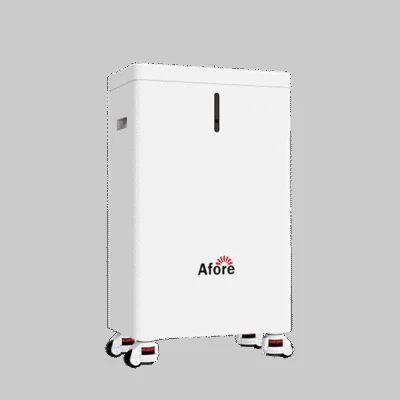
A solar inverter doesn’t just convert DC to AC. In modern systems, it decides:
For time of use optimization solar, inverter programming is critical.
While interfaces vary, most inverters allow:
Incorrect inverter settings can completely negate energy cost optimization, even with high solar production.
If you thought time of use optimization solar was already complex, modern net metering frameworks add another layer of strategy. Gone are the days when exporting solar energy guaranteed full retail credit. Today, the financial value of exported electricity often varies depending on time of day, market rates, and TOU windows.
Understanding these rules is essential to maximizing savings and ensuring your solar system actually pays for itself.
Traditional net metering allowed homeowners to offset consumption with solar production at a one-to-one ratio. But with modern rules:
This is where time of use optimization solar becomes crucial. Without storage and smart scheduling, your system may export cheap midday solar and then pull expensive grid power in the evening—defeating the purpose of having solar in the first place.
Under modern net metering, batteries aren’t just optional—they’re essential. Using TOU arbitrage with battery, you can:
In effect, the battery acts as a financial buffer. By controlling when energy leaves your home, you maximize both self-consumption and cost savings.
Most modern TOU schedules place peak rates in the evening, long after the sun has set. This changes the optimization strategy for time of use optimization solar:
The goal isn’t just to produce energy—it’s to deploy it when it has the highest financial impact.
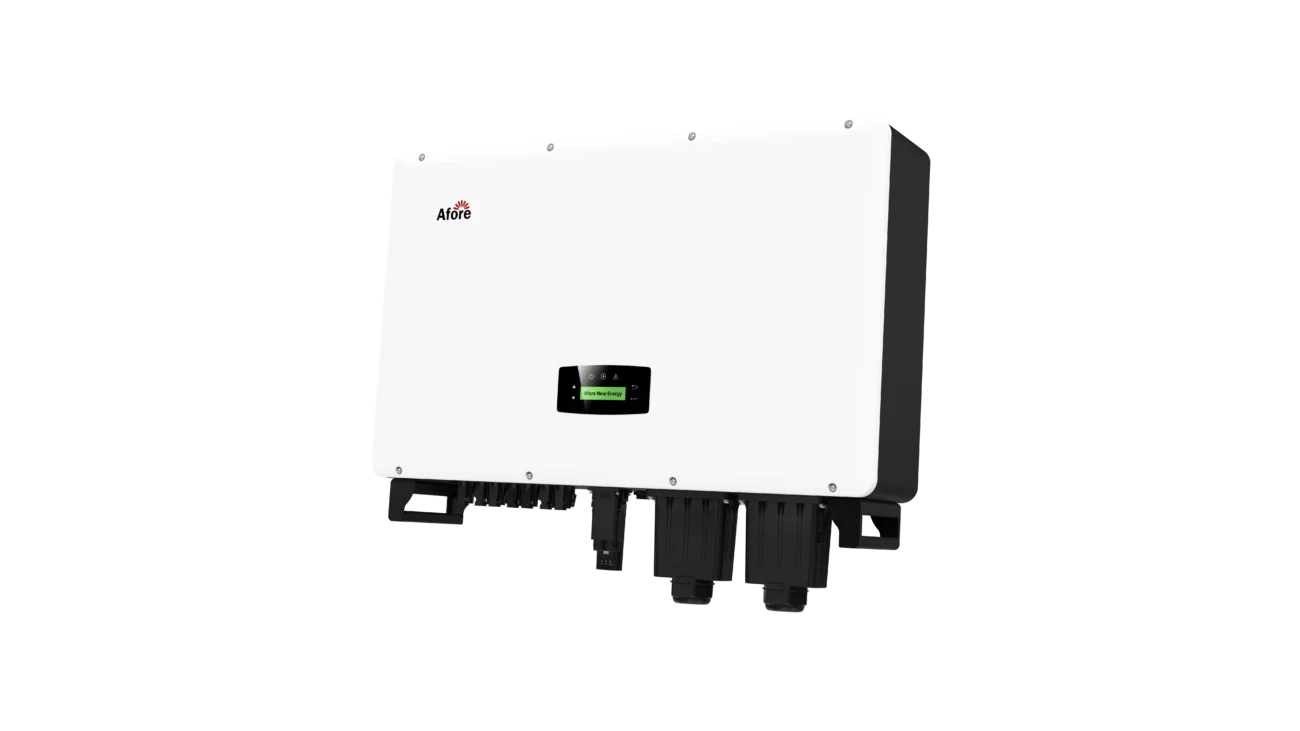
A properly configured solar inverter is the execution engine of your strategy. Under modern net metering:
When combined with smart solar scheduling, inverter logic ensures that every kilowatt-hour is used where it matters most.
To fully benefit from time of use optimization solar under modern rules, consider:
These strategies make energy cost optimization systematic, measurable, and repeatable.
Even experienced users make mistakes under modern TOU rules:
Correcting these issues is often the fastest path to increasing system ROI without adding panels or batteries.
Modern net metering rules mean that time of use optimization solar isn’t just about producing energy—it’s about controlling when and how it’s used. Batteries, smart scheduling, and well-configured inverters are no longer optional; they are essential tools to protect savings and maximize the financial return of your solar system.
In short, the future of solar economics isn’t in exporting every kilowatt-hour—it’s in strategically deploying energy for maximum value.
True energy cost optimization looks at the entire energy ecosystem:
Time of use optimization solar connects all these elements into a single strategy.
In real-world audits, the biggest savings often come from:
These micro-optimizations compound over time.
Solar panels get all the attention, but time of use optimization solar is where real intelligence lives. It’s not about producing more energy. It’s about using energy better.
With the right battery strategy, smart scheduling, and properly configured inverter, solar becomes a financial tool rather than just a green upgrade.
If there’s one takeaway, it’s this: the future of solar isn’t brighter panels—it’s smarter timing.
TOU optimization in solar storage refers to using batteries and system controls to store energy when electricity is cheap and use it when prices are high. Time of use optimization solar focuses on minimizing peak grid consumption rather than maximizing raw solar exports.
To avoid peak prices, a solar inverter is programmed with TOU schedules that restrict battery discharge during off-peak hours and prioritize discharge during peak windows. This is a core part of time of use optimization solar strategies.
In many systems, yes, but export compensation is often lower than the value of self-consumption. Most time of use optimization solar strategies favor using stored energy on-site rather than exporting it.
Savings vary, but batteries paired with time of use optimization solar can significantly reduce peak imports, which is where most costs occur under modern TOU rules.
Yes, TOU arbitrage with battery can work without solar, but solar dramatically improves returns by providing low-cost charging energy. Without solar, profitability depends heavily on the price gap between off-peak and peak rates.








 Turkish
  Romanian