





When it comes to maximizing the efficiency of solar energy systems, one term keeps popping up: solar inverter power factor. You might have seen it in technical specs or heard engineers mention it in discussions about grid stability. But what does it actually mean, and why should you care? In this guide, we’ll explore how optimizing power factor can make your solar system smarter, more efficient, and more profitable.
Whether you’re managing a commercial PV installation, a hybrid inverter setup, or just curious about grid stability services, understanding the solar inverter power factor is key to unlocking the full potential of your solar investment. Let’s dive in.
Power factor is essentially the ratio of real power (the energy actually doing useful work) to apparent power (the total power drawn from the grid). Think of it as a measure of efficiency. A perfect power factor of 1.0 means every watt you draw is doing useful work—no energy wasted.
Now, in solar systems, the solar inverter power factor determines how effectively your inverter converts DC from panels into AC for the grid or building loads. A poor power factor can result in wasted energy, higher utility bills, and even penalties in some regions.
Here’s where it gets interesting. Your inverter doesn’t just deliver real power; it also interacts with reactive power. Reactive power support is what keeps voltages stable across the grid. Without it, you might face flickering lights, transformer stress, or voltage dips.
Many modern PV inverter PF control systems allow you to manage both real and reactive power, ensuring that your solar system doesn’t just feed energy into the grid—it actively contributes to grid stability.

Understanding solar inverter power factor is not just a technical exercise. In real-world systems, it directly shapes how efficiently your solar setup operates, how it interacts with the grid, and how much money you ultimately save or lose. Below, we break this down into practical, experience-driven insights that apply to residential, commercial, and utility-scale systems alike.
At a very practical level, solar inverter power factor determines how much of the apparent power flowing through your system turns into usable, revenue-generating electricity. When the power factor drops, more current is required to deliver the same amount of real power. That extra current creates losses in cables, transformers, and internal inverter components.
From hands-on system audits, one pattern shows up repeatedly: two systems with identical panel capacity can produce noticeably different usable output simply because of differences in inverter power factor settings. A well-optimized power factor allows the solar inverter to operate closer to its thermal and electrical sweet spot, reducing internal stress and improving conversion efficiency over time.
In other words, good power factor management doesn’t just look good on paper. It quietly improves daily performance, especially during peak production hours when inefficiencies are magnified.
A poorly managed solar inverter power factor increases reactive current flow. While reactive power itself is not inherently bad, unmanaged reactive flow places additional load on cables, switchgear, and transformers. Over months and years, this accelerates insulation aging and increases the risk of overheating.
Systems that actively use PV inverter PF control tend to show lower operating temperatures and more stable current profiles. That stability matters. Cooler operation translates directly into longer equipment life and fewer unexpected shutdowns.
For sites using a hybrid inverter, the benefits are even more pronounced. Proper power factor control allows the system to balance solar generation, battery charging, and grid interaction without pushing any single component beyond safe operating limits.
Modern grids expect more from solar systems than simple energy injection. Utilities increasingly rely on distributed resources to help with voltage control and local stability. This is where solar inverter power factor becomes a grid-facing tool rather than an internal metric.
By adjusting power factor dynamically, inverters can provide reactive power support that helps stabilize voltage during sudden load changes. This function is especially valuable in weak grids or areas with high solar penetration, where voltage rise during midday production is a common challenge.
Systems that participate in grid stability services often use non-unity power factor operation intentionally. While this may slightly reduce real power output at certain moments, it significantly improves overall grid compatibility and reduces the likelihood of curtailment or disconnection.
For commercial installations, solar inverter power factor has direct financial implications. Many utilities monitor site-wide power factor and apply penalties when it falls below a defined threshold. These penalties can quietly erode the savings expected from a solar investment.
A well-configured solar inverter can offset inductive loads such as motors, elevators, and HVAC systems by injecting reactive power locally. This reduces the need to draw reactive power from the grid and improves the facility’s overall power factor profile.
In real projects, improving inverter power factor settings has reduced monthly demand charges and avoided reactive power fees without adding external compensation equipment. This is one of the most cost-effective optimizations available in commercial solar systems.
One often overlooked aspect of solar inverter power factor is its effect on available inverter capacity. When an inverter supplies reactive power, part of its apparent power capability is allocated away from real power production.
This matters during high-irradiance conditions. If the inverter is already operating near its apparent power limit, aggressive reactive power support can lead to power clipping. Effective PV inverter PF control strategies account for this by prioritizing real power during peak generation and shifting reactive support to periods when headroom is available.
For systems with battery integration, a hybrid inverter can manage this tradeoff more gracefully by redistributing power flows between solar, storage, and grid interaction.
A major advantage of modern solar systems is adaptability, and solar inverter power factor plays a central role in that flexibility. Grid requirements change, load profiles evolve, and seasonal production varies. Static power factor settings simply cannot keep up.
Dynamic power factor control allows the system to respond to real-time conditions. During low-load periods, the inverter can focus on efficiency. During grid stress events, it can shift toward reactive power support. This adaptability strengthens system resilience and aligns with evolving grid codes.
From an operational standpoint, systems that actively manage power factor experience fewer grid-related alarms, smoother commissioning processes, and more predictable long-term performance.
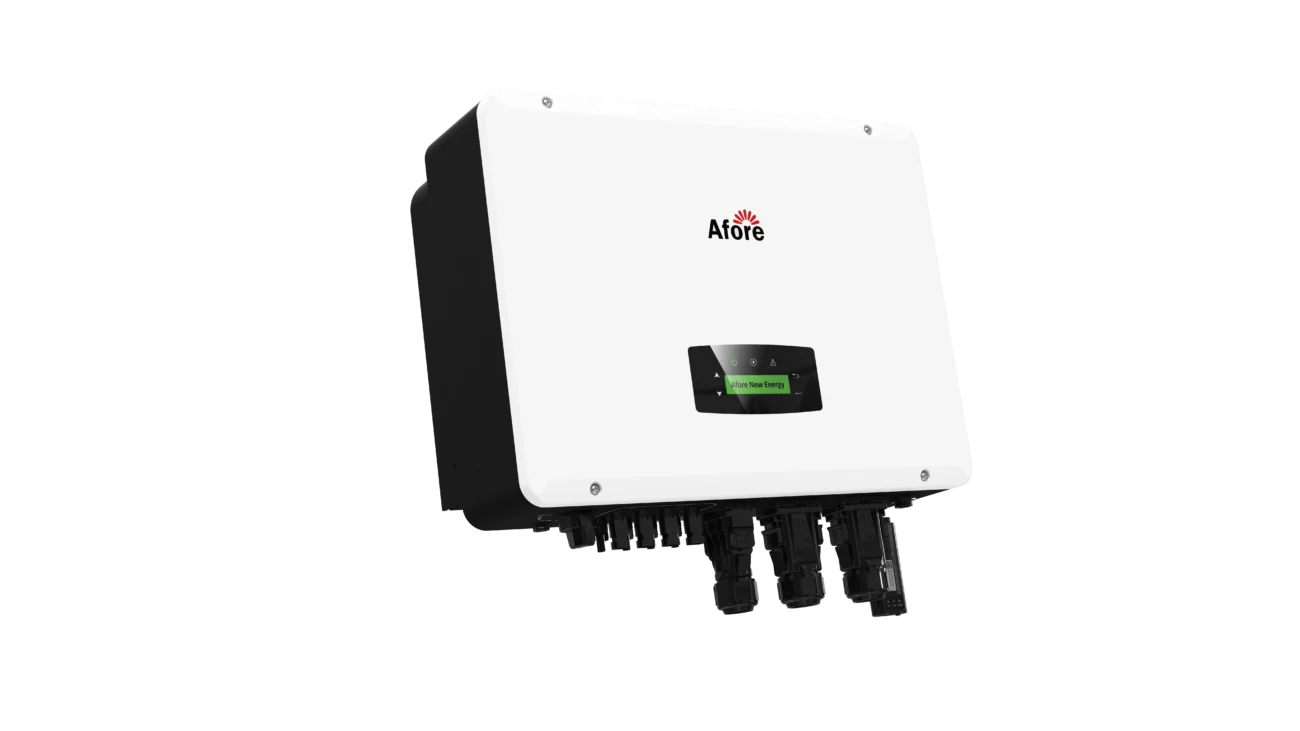
Modern PV inverter PF control allows you to adjust the power factor dynamically. For example, during peak solar production, your inverter can provide some reactive power to the grid, helping with voltage stabilization without reducing real power output.
From my own experience working on medium-scale commercial PV installations, setting a slightly lagging power factor (around 0.95) often improves grid reliability without sacrificing much energy output.
Most inverters operate effectively within 0.8 lagging to 0.8 leading. However, some advanced hybrid inverters can go beyond this range, allowing reactive power injections even during low solar output periods.
Many operators assume that a perfect 1.0 power factor is always ideal. While it maximizes efficiency, sometimes a slightly lower PF benefits the grid and reduces utility penalties. Understanding reactive power support is key to finding the sweet spot.
Reactive power doesn’t do actual work but maintains voltage levels. Think of it as the tension in a stretched rubber band—it doesn’t move the load, but without it, the system can’t function properly.
A solar inverter providing reactive power support helps maintain voltage stability for neighboring consumers and improves your system’s grid compliance.
One crucial consideration: supplying reactive power can slightly reduce your inverter’s real power output. This tradeoff is why PV inverter PF control is so important—you need to balance grid support with energy delivery.
In commercial and industrial environments, solar inverter power factor is not a background technical detail. It directly influences operating costs, grid compliance, equipment reliability, and long-term return on investment. Unlike small residential systems, commercial sites usually operate with complex electrical loads, which makes power factor management both more challenging and more valuable.
Commercial facilities typically rely on heavy electrical equipment such as motors, compressors, pumps, and large HVAC systems. These loads draw significant reactive power, often pulling the overall site power factor below acceptable thresholds.
When a solar system is added to this mix, solar inverter power factor becomes a powerful corrective tool. Instead of acting as a passive energy source, the solar inverter can actively balance reactive demand within the facility. This reduces unnecessary current flow from the grid and stabilizes voltage across internal distribution networks.
From a practical standpoint, commercial sites that ignore power factor often see higher line losses and unpredictable demand charges. Those that actively manage inverter power factor tend to experience smoother electrical operation and more consistent monthly energy costs.
Utilities place stricter requirements on commercial solar installations than on residential systems. Many grid operators expect commercial solar inverters to contribute to voltage regulation and reactive power control as part of broader grid stability services.
A poorly managed solar inverter power factor can trigger compliance issues, including forced curtailment or delayed interconnection approval. In contrast, systems configured for controlled reactive power support are more likely to pass grid studies and maintain full operating permission.
Experienced system operators often coordinate inverter power factor settings with utility guidelines to ensure alignment with local grid conditions. This proactive approach minimizes operational friction and builds long-term reliability into the project.
One of the most tangible benefits of optimizing solar inverter power factor in commercial settings is the reduction of financial penalties. Many utilities apply additional charges when a site’s power factor falls below a defined minimum.
By using PV inverter PF control, a solar inverter can offset inductive loads inside the facility, improving the overall site power factor without installing external compensation equipment. This strategy is particularly effective during business hours when reactive loads peak.
In real operating environments, power factor correction through the inverter has proven to be one of the fastest ways to protect projected energy savings and stabilize cash flow from solar investments.
Commercial operators often worry that providing reactive power support will reduce real power output. While this tradeoff exists, it can be managed intelligently.
Modern inverter control strategies allow reactive power delivery to scale based on available headroom. During periods of high solar generation, the system can prioritize real power. During lower production or high reactive demand periods, the inverter can shift capacity toward voltage support.
This balanced approach ensures that solar inverter power factor optimization supports grid needs without significantly reducing energy yield.
Facilities that integrate battery storage benefit even more from power factor optimization. A hybrid inverter can draw reactive power support from both solar generation and stored energy, increasing operational flexibility.
For example, during evening hours when solar output drops but reactive demand remains high, the hybrid inverter can maintain power factor correction without relying entirely on the grid. This capability enhances energy independence and improves overall electrical stability within the site.
From an operational perspective, hybrid configurations also reduce wear on grid infrastructure and internal transformers by smoothing current flow throughout the day.
Sustained low power factor increases current flow across conductors and switchgear. Over time, this accelerates thermal stress and shortens equipment lifespan. Optimizing solar inverter power factor reduces these stresses and creates a healthier electrical environment.
Field data from long-running commercial installations consistently shows that systems with stable power factor profiles experience fewer breaker trips, lower maintenance frequency, and reduced downtime. These benefits often outweigh the initial effort required to fine-tune inverter settings.
Commercial solar systems are dynamic. Load profiles change with seasons, production schedules shift, and grid conditions evolve. Static power factor settings quickly become outdated.
Ongoing monitoring of solar inverter power factor allows operators to adjust settings as conditions change. Facilities that treat power factor as a living parameter rather than a fixed value achieve better long-term performance and maintain compliance more easily.
In commercial installations, solar is no longer just about kilowatt-hours. By optimizing solar inverter power factor, systems contribute to grid stability services, reduce operational risk, and improve financial predictability.
When viewed through this broader lens, power factor management becomes a strategic asset. It enhances the role of the solar inverter from a simple conversion device into an active participant in both facility operations and grid support.

Unlike standard solar inverters, hybrid inverters integrate batteries, solar panels, and sometimes generators. This setup gives you more flexibility in PF management.
For example, during peak load, a hybrid inverter can inject reactive power into the grid while discharging batteries, maintaining both energy delivery and grid stability.
Consistent monitoring of your solar inverter power factor is crucial. Many inverter systems provide real-time PF dashboards—use them to identify lagging or leading conditions and adjust settings accordingly.
Automated PF control software can help dynamically adjust your inverter to changing grid conditions. This is especially useful in regions with variable loads and strict utility standards.
Engaging with your utility can ensure your system meets grid requirements while maximizing your energy output. Often, utilities provide guidelines for reactive power injection and PF ranges.
Utilities may impose charges if your building operates at a poor PF. Installing solar inverters with advanced PF control, or adding capacitors for reactive compensation, can mitigate these costs.
Industrial sites with motors and heavy machinery often see PF dips. Using a mix of hybrid inverters and PV inverter PF control, you can counteract these dips and maintain grid-friendly operations.
Solar output fluctuates with seasons. Dynamic PF management ensures that even during cloudy days or low irradiance periods, your system provides optimum reactive support without compromising efficiency.
Modern inverters are not just power converters—they’re active participants in grid stability services. By adjusting your solar inverter power factor, your system can respond to voltage drops, frequency fluctuations, and reactive power demands.
By providing reactive power support, your solar system helps reduce stress on transformers, improves voltage regulation for neighbors, and may even qualify for incentives in certain markets.
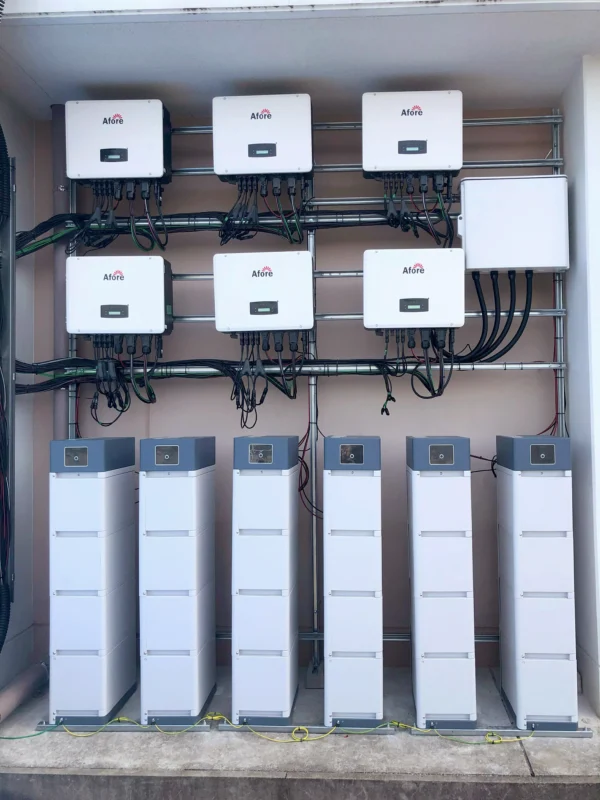
AI-driven PF control and predictive algorithms are emerging, enabling inverters to preemptively adjust PF for maximum efficiency and grid compliance.
As more sites adopt hybrid inverters, PF management will become more dynamic, integrating battery storage and load balancing into reactive power strategies.
Governments and utilities are increasingly regulating inverter PF. Staying ahead by using PF-optimized solar inverters ensures compliance, avoids fines, and improves ROI.
Understanding and managing solar inverter power factor is no longer optional—it’s essential. From improving energy efficiency to providing reactive power support, enhancing grid stability, and leveraging hybrid inverter capabilities, PF optimization touches every aspect of a solar installation.
Whether you’re running a commercial PV site, integrating batteries, or simply looking to maximize your solar ROI, focusing on power factor is one of the smartest decisions you can make. Remember, a well-managed solar inverter power factor doesn’t just save money—it actively contributes to a more stable, efficient, and sustainable grid.
Power factor affects efficiency, energy costs, and grid stability. A low PF can lead to higher electricity bills and utility penalties. Optimizing your solar inverter power factor ensures your system is both efficient and grid-friendly.
Absolutely. Modern inverters with PV inverter PF control can supply reactive power support to the grid, compensating for inductive or capacitive loads in the building.
Supplying reactive power can slightly reduce the real power output of an inverter. Proper PF control balances this tradeoff, ensuring both energy delivery and grid support.
Typically, PV inverters operate between 0.8 lagging and 0.8 leading. Advanced hybrid inverters may exceed this range for specialized grid support.
Yes. Many utilities impose penalties if your building or solar system operates at a low PF. Using solar inverters with PF optimization helps avoid these charges.








 Turkish
  Romanian