



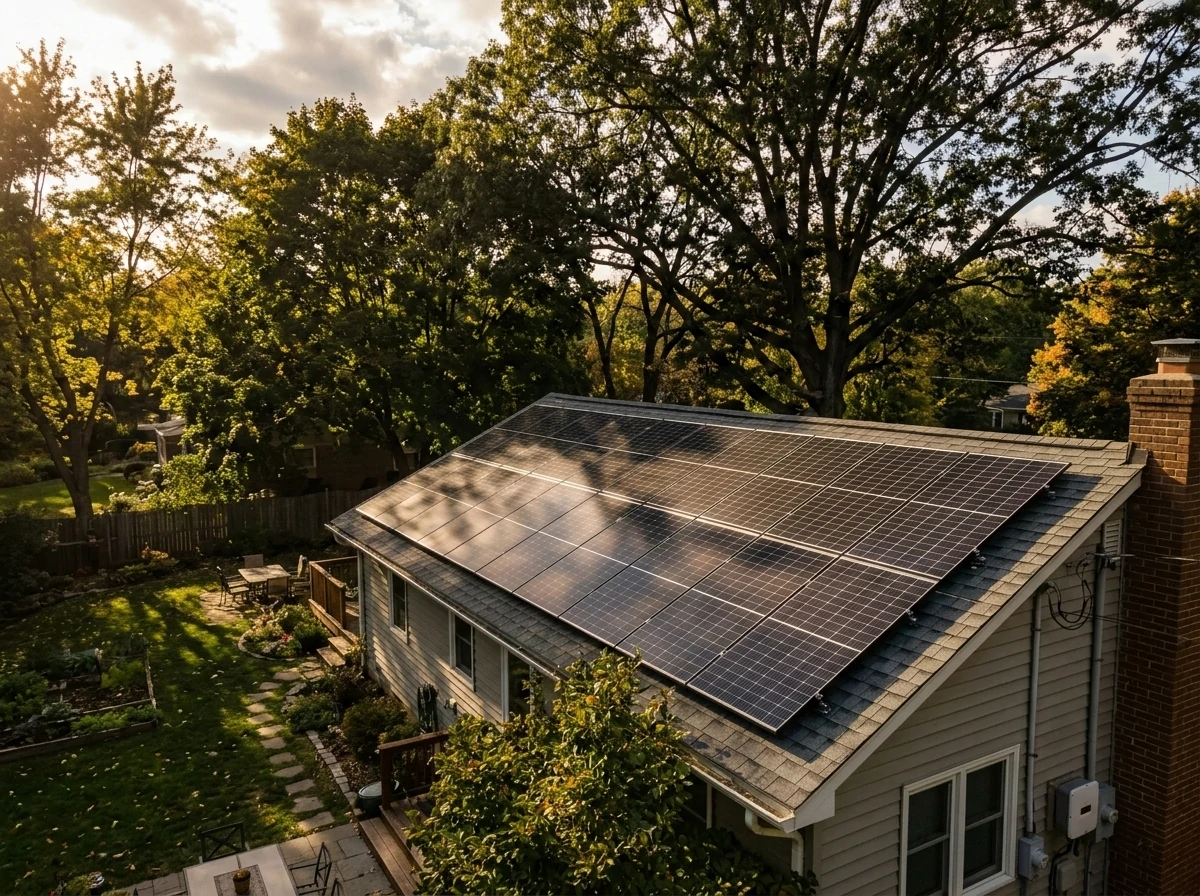
When it comes to maximizing the performance of your solar array, choosing between a string inverter vs power optimizer can feel like navigating a maze. With terms like solar inverter, hybrid inverter, module level power electronics, and PV optimization thrown around, it’s easy to get lost.
In this guide, we’ll cover everything—from how these devices work, to practical pros and cons, to real-world scenarios where one option clearly outperforms the other. By the end, you’ll understand not just the tech, but also how it translates to dollars, efficiency, and peace of mind.
Before we dive into the battle of string inverter vs power optimizer, let’s clarify the key players in a solar setup.
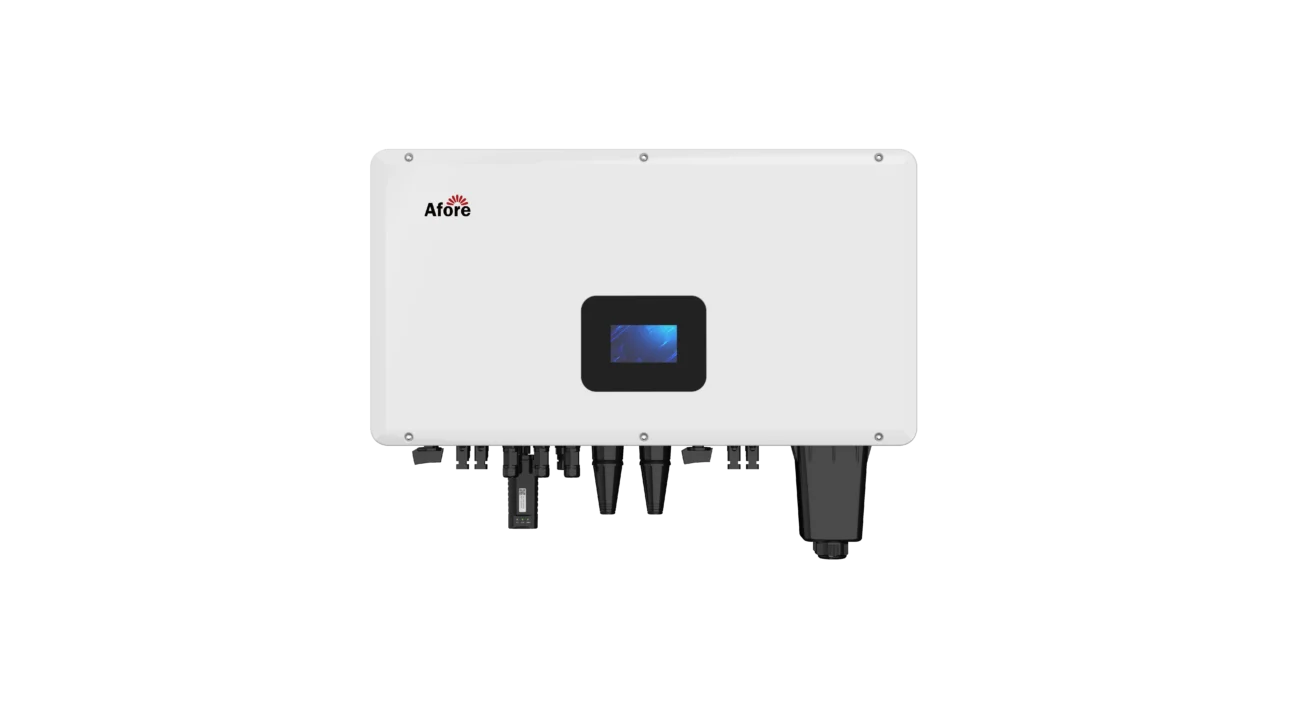
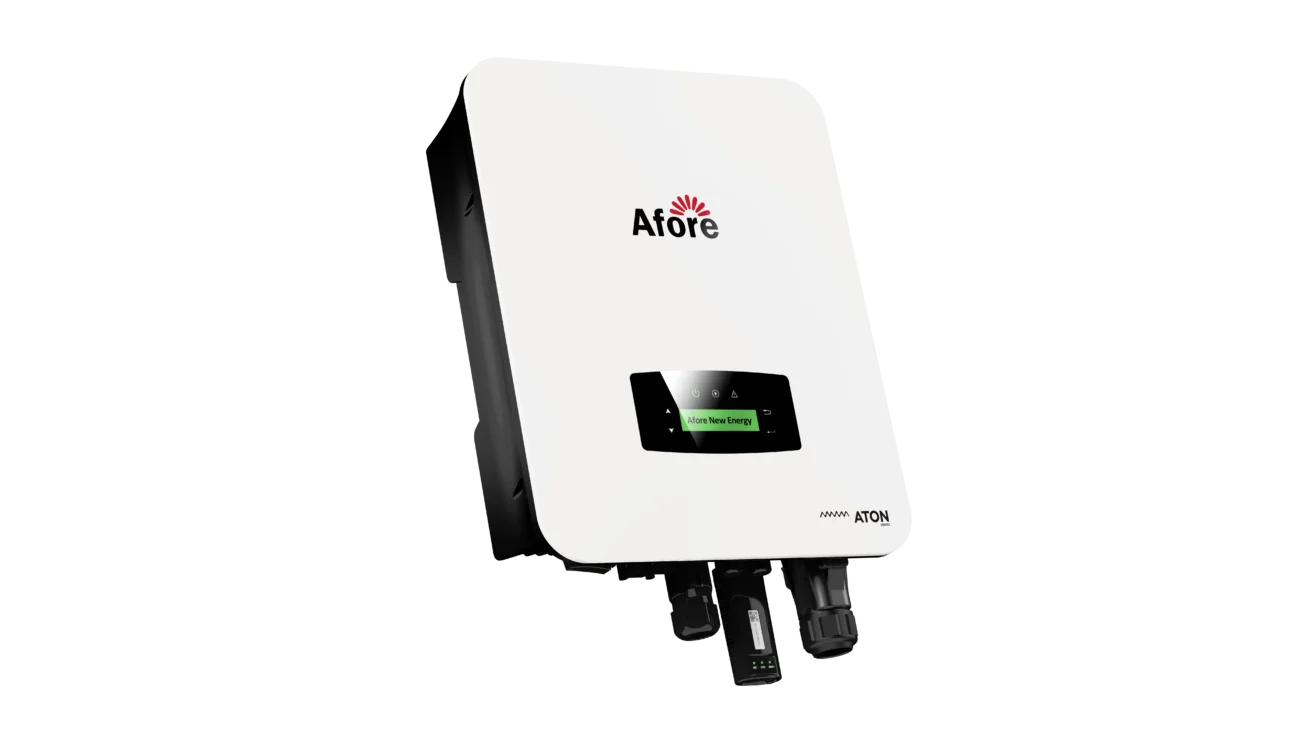
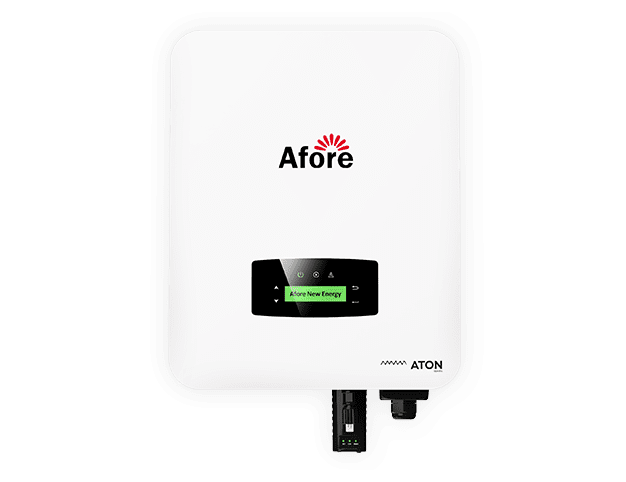
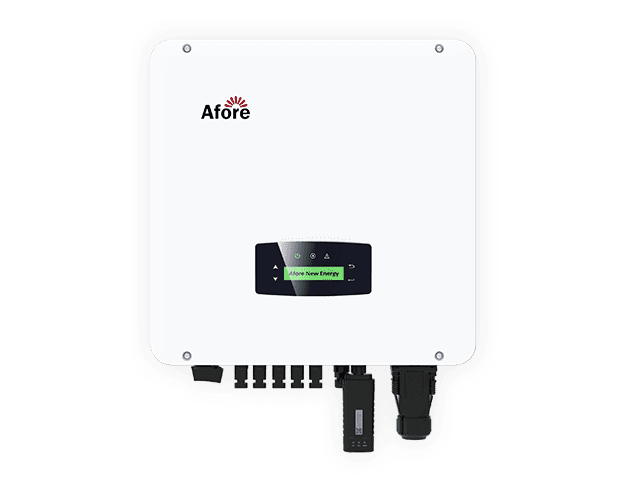
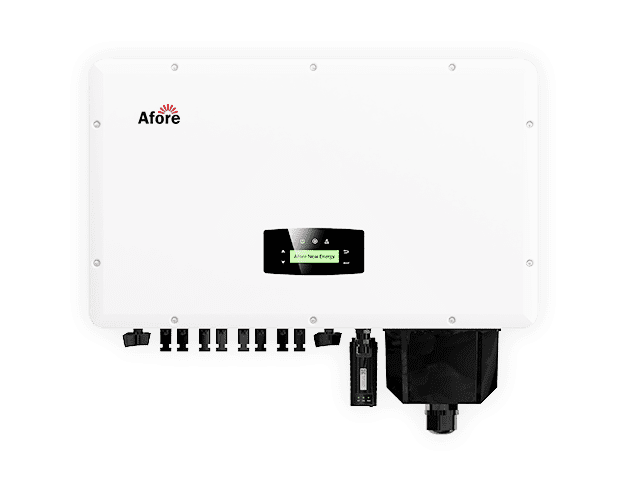
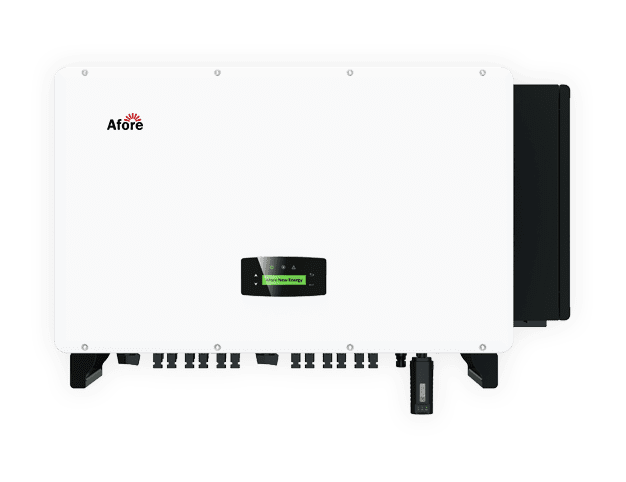
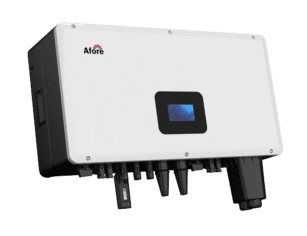
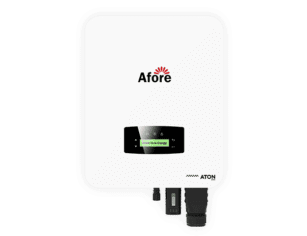
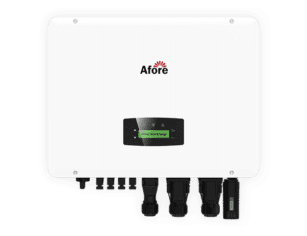
A string inverter is the backbone of a traditional solar installation. It takes the DC power produced by a series (or “string”) of solar panels and converts it to AC power for your home or business. Think of it as a translator: it handles a whole string of panels as one unit.
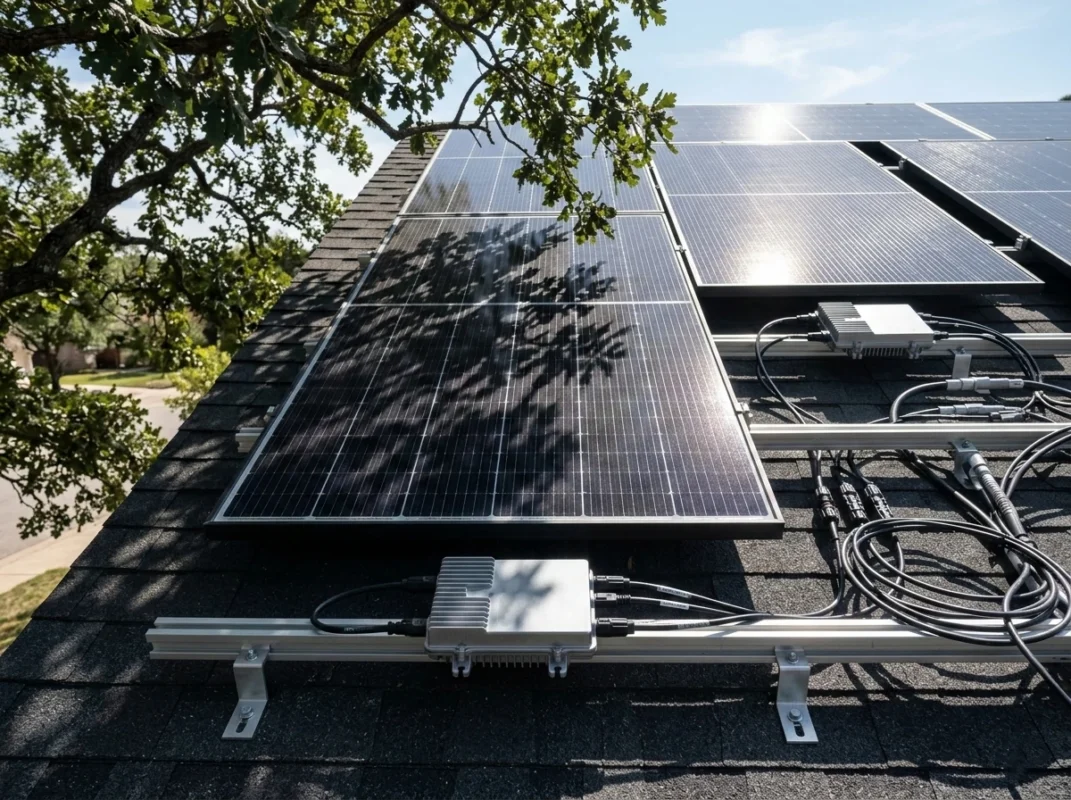
Power optimizers are small devices attached to each solar panel, enabling module level power electronics (MLPE). They condition DC power at the panel level before sending it to a central inverter.
PV systems aren’t just about producing electricity; they’re about PV optimization. This means extracting the maximum possible energy from your array under real-world conditions. Power optimizers shine here, particularly when panels face multiple directions or partial shading occurs.
If you strip away the marketing noise and installer preferences, the real debate in string inverter vs power optimizer comes down to performance under different technical conditions. Not theory. Not sales talk. But physics, wiring logic, and how sunlight actually behaves on your roof at 10:37 a.m. on a humid Tuesday.
This is where the conversation gets interesting.
Because in perfect lab conditions, many systems look similar. But roofs are not laboratories. They’re messy. They deal with clouds, chimney shadows, dust buildup, uneven tilt angles, bird droppings, temperature swings, and real-world electrical limitations.
So let’s break down string inverter vs power optimizer from a purely technical standpoint—efficiency, shading response, and system flexibility—so you can see what actually matters.
Let’s start with the clean, textbook scenario.
Imagine:
Under these conditions, the string inverter vs power optimizer discussion becomes surprisingly straightforward.
A traditional solar inverter connected to a well-designed string performs extremely efficiently. Modern string units regularly reach peak conversion efficiencies above 97–99%. That’s already impressive.
Here’s why:
In a string configuration, panels are wired in series. The system tracks a single maximum power point (MPPT) for the entire string. When every module produces similar voltage and current, that shared tracking point is nearly optimal for all panels.
There’s minimal mismatch loss. There’s no panel dragging the others down. Everything moves in sync.
In this ideal scenario, adding module level power electronics may produce only marginal gains—sometimes in the range of 1–2%. And sometimes even less.
Now let’s be honest.
If you’re designing a large commercial rooftop with:
Then in the string inverter vs power optimizer debate, the string inverter often wins on pure simplicity and cost-efficiency.
From a practical engineering standpoint, fewer electronics on the roof means:
In uniform sun conditions, the efficiency gap between a string inverter system and one using PV optimization tools becomes very small.
That’s why many experienced designers will say:
“If the roof is clean and uniform, don’t complicate it.”
And they’re not wrong.
But here’s the catch—how often is a roof truly ideal?
Now we enter the real world.
And this is where the string inverter vs power optimizer discussion shifts dramatically.
Shading is the great equalizer.
Even partial shading on a single module in a string can reduce the current of the entire string because current in series wiring is limited by the weakest-performing panel. That’s basic electrical physics.
Think of it like Christmas lights wired in series. One weak bulb affects the whole chain.
In a traditional string system:
Now imagine:
Suddenly, the difference in string inverter vs power optimizer becomes substantial.
Power optimizers introduce module level power electronics, meaning each panel tracks its own maximum power point. Instead of forcing all panels to operate at a shared current level, each one operates independently within safe voltage constraints.
This changes everything.
Under shading conditions:
In real-world systems I’ve analyzed, partial shading can reduce total energy yield by 5–25% in a pure string configuration depending on severity and duration.
With PV optimization, that loss often shrinks dramatically.
Does shading always justify optimizers? Not necessarily. But in the string inverter vs power optimizer analysis, shading is the single biggest factor that tips the balance.
And it’s not just shading.
Mismatch from:
All contribute to energy loss in traditional string setups.
Optimizers mitigate those mismatch losses.
More electronics also mean more rooftop components exposed to heat cycles. In very high-temperature climates, that matters. Proper ventilation and professional installation are critical.
So in the string inverter vs power optimizer decision, shading frequency, roof complexity, and environmental stress all need to be evaluated honestly—not assumed.
Now let’s complicate things—in a good way.
Enter the hybrid inverter.
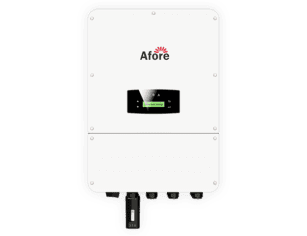
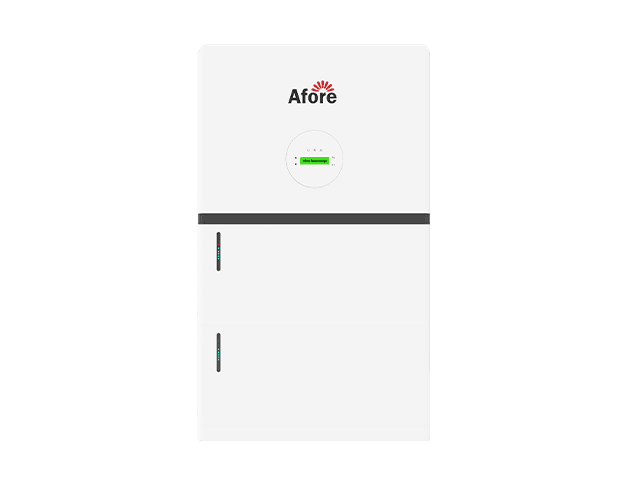
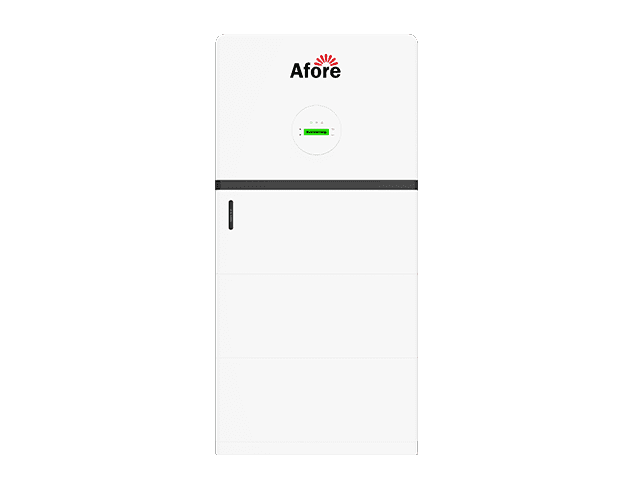
A hybrid inverter is essentially a next-generation solar inverter that integrates battery capability and advanced energy management. Some hybrid units can work in traditional string mode, while others integrate seamlessly with module level power electronics for deeper PV optimization.
So where does this fit into the string inverter vs power optimizer conversation?
A hybrid inverter doesn’t automatically replace optimizers. Instead, it changes system architecture flexibility.
Here’s what hybrid systems bring to the table:
In a well-designed system, a hybrid inverter combined with power optimizers can create:
In other words, maximum flexibility.
But again—flexibility isn’t free.
When evaluating string inverter vs power optimizer within a hybrid environment, consider:
If yes, a hybrid inverter system with optional optimizers may provide strategic value beyond immediate production gains.
However, if the goal is straightforward grid-tied energy production on a clean, uniform roof, a traditional string configuration remains technically sound.
Here’s the key insight:
The string inverter vs power optimizer debate isn’t binary. It’s contextual.
Hybrid inverters don’t eliminate the need to assess shading, mismatch, or cost structure. They expand the toolkit.
From an engineering perspective, I’ve seen hybrid systems outperform expectations when paired thoughtfully with PV optimization components. I’ve also seen overbuilt systems where complexity added cost without meaningful performance gain.
The smartest approach?
Design backward from real site conditions and future energy goals.
Let’s be honest—no matter how technical the debate gets, most decisions around string inverter vs power optimizer eventually come down to money.
Not just the sticker price.
Not just installation cost.
But lifetime value.
When clients ask me whether they should choose a traditional string configuration or add module-level electronics, they’re rarely asking about MPPT curves. They’re asking:
“Will I actually make more money over time?”
So let’s break down string inverter vs power optimizer through a real-world financial lens—upfront cost, long-term ROI, and what installation and maintenance really look like over 20–25 years.
Because solar isn’t a gadget. It’s infrastructure.
This is where the string inverter vs power optimizer difference is the most visible.
A traditional solar inverter system uses one central unit (or multiple string units for larger systems). Panels are wired in series, and there are no electronics attached to individual modules.
That simplicity matters.
Fewer rooftop components typically means:
In clean, open commercial installations, this cost advantage becomes even more pronounced. When scaling to hundreds of modules, the savings can be substantial.
Now compare that to a system using module level power electronics.
Each panel receives a power optimizer. That means:
In most markets, adding optimizers increases system cost somewhere in the range of 8–20%, depending on system size and labor rates.
So from a pure capital expenditure perspective, the winner in the string inverter vs power optimizer comparison is typically the string inverter.
But stopping the analysis there would be incomplete—and frankly, misleading.
Because solar isn’t a short-term purchase. It’s a 25-year performance asset.
And that’s where things get more nuanced.
This is where the string inverter vs power optimizer discussion becomes strategic instead of transactional.
Upfront cost is easy to measure.
Energy production over 25 years? That requires modeling.
Return on investment depends on three primary variables:
If a roof has zero shading, uniform tilt, and minimal mismatch risk, then a traditional string inverter system often delivers excellent ROI. The marginal energy gains from PV optimization may not significantly change payback timelines.
But here’s what I’ve seen repeatedly in field performance audits:
Roofs change.
Trees grow.
Neighboring buildings get constructed.
Panels accumulate uneven soiling.
Modules age at slightly different rates.
Small mismatch losses compound over decades.
In shaded or complex rooftops, adding optimizers can increase annual yield by 5–15%—sometimes more in extreme shading scenarios.
Let’s put that into perspective.
On a commercial 100 kW system:
In these cases, the string inverter vs power optimizer decision shifts toward long-term value rather than initial savings.
Another important ROI factor is fault detection.
With traditional string systems, underperformance might go unnoticed for months if only aggregate monitoring is used.
With module level power electronics, panel-level monitoring helps identify:
Early detection reduces downtime. Reduced downtime protects ROI.
If a site truly has uniform conditions and no shading risk, the incremental energy gain may not justify the additional capital cost.
The smartest ROI decision in the string inverter vs power optimizer debate comes from realistic site analysis, not assumptions.
Financial modeling should include:
That’s how professionals evaluate long-term return responsibly.
Installation complexity is another practical difference in string inverter vs power optimizer systems.
A traditional string inverter setup is straightforward:
Fewer rooftop electronics mean fewer potential wiring errors. Installation crews move faster. Commissioning is typically simpler.
That simplicity can reduce labor cost and installation risk.
But what about maintenance?
Here’s where opinions often diverge.
String systems have fewer rooftop components, which statistically reduces potential electronic failure points. In harsh climates—especially high heat environments—this simplicity can be advantageous.
However, troubleshooting string systems can sometimes be more time-consuming.
If a string underperforms, technicians may need to:
With optimized systems, panel-level monitoring often highlights exactly where the issue is. That diagnostic clarity can reduce service time and labor expense.
Now let’s address a common misconception in the string inverter vs power optimizer conversation:
“More electronics automatically means less reliability.”
That’s not entirely accurate.
Reliability depends on:
Modern module level power electronics are engineered for rooftop conditions, but they do introduce additional components exposed to temperature cycles.
From a long-term asset management perspective, both architectures can be reliable when designed and installed correctly.
Hybrid configurations add another layer.
A hybrid inverter introduces integrated battery capability and more advanced electronics. This doesn’t necessarily increase failure risk, but it does increase system complexity.
So when evaluating installation and maintenance in the string inverter vs power optimizer decision, consider:
In my professional experience reviewing system performance data, the biggest maintenance problems rarely come from architecture choice alone. They come from poor installation practices and lack of monitoring.
Good design matters more than trendy components.
You can read spec sheets all day, compare efficiency curves, and debate architecture theory—but the string inverter vs power optimizer decision becomes crystal clear when you look at real roofs.
Because here’s the truth:
Solar design isn’t about perfect conditions. It’s about adapting to imperfect ones.
I’ve reviewed performance data from warehouses, suburban homes, agricultural buildings, and mixed-use commercial sites. The same conclusion keeps coming back:
The right choice in string inverter vs power optimizer depends heavily on the physical environment.
Let’s walk through the most common real-world scenarios and see how each system performs where it actually matters—on rooftops under real sunlight.
Picture a flat commercial warehouse roof:
This is the ideal battlefield for a traditional string system.
In this type of setup, the string inverter vs power optimizer debate often favors the string inverter—and for good reason.
Here’s why:
In these environments, adding module level power electronics may yield only marginal performance gains. The system already operates near its technical ceiling.
From a financial standpoint, the cost savings of a string inverter architecture can be significant in large-scale installations. When you multiply hardware cost differences across hundreds or thousands of modules, the numbers add up quickly.
There’s another advantage: maintenance simplicity.
Commercial asset managers often prefer fewer rooftop electronics. Fewer components typically mean:
Now, does that mean PV optimization has no role here? Not necessarily.
In certain commercial facilities with:
Optimizers may still provide value. But in a truly uniform commercial environment, the string inverter vs power optimizer comparison leans strongly toward string architecture for cost-effectiveness and reliability.
If the roof behaves like a solar field, keep the design clean and efficient.
Now let’s step into a typical residential setting.
This is where the string inverter vs power optimizer conversation changes dramatically.
Residential roofs are rarely uniform. Instead, you’ll often see:
In these environments, panel output becomes inconsistent across the array.
And inconsistency is where string systems struggle.
Because panels wired in series must operate at the same current level, one underperforming module can limit the output of the entire string.
This is exactly where module level power electronics demonstrate their value.
With power optimizers:
In residential settings with complex roof geometry, the string inverter vs power optimizer comparison often favors optimizers—not because string systems are outdated, but because the physical constraints demand flexibility.
There’s another factor homeowners care deeply about: monitoring.
Panel-level visibility gives homeowners confidence. If a module underperforms due to shading, dirt, or degradation, it’s visible in performance data. That transparency improves long-term system trust and maintenance response.
And if a homeowner plans to add battery storage later, pairing optimizers with a compatible hybrid inverter can offer greater flexibility for future expansion.
In short:
For multi-directional residential roofs, the string inverter vs power optimizer equation often tilts toward power optimizers for both performance stability and long-term adaptability.
Now let’s talk about one of the most common real-world challenges: trees.
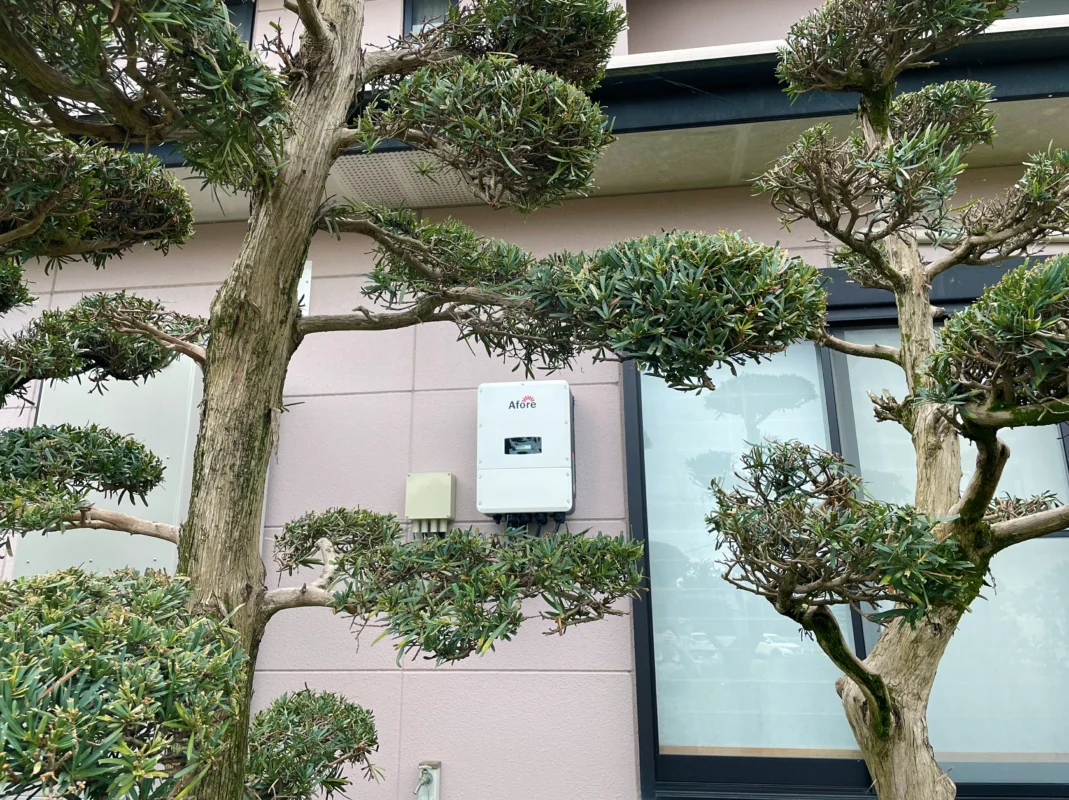
Shading from trees is rarely consistent. It moves throughout the day and changes with the seasons.
Morning shade.
Afternoon shade.
Winter long shadows.
Summer partial canopy coverage.
In a pure string system, dynamic shading can cause recurring production losses across entire strings—even if only one or two panels are partially affected at any given time.
This is where the string inverter vs power optimizer decision becomes less theoretical and more measurable.
Under variable shading conditions:
With PV optimization, each panel adjusts independently. Shaded modules produce less—but unshaded modules continue operating near peak levels.
The net result?
More stable daily output curves.
Higher annual energy yield.
Reduced mismatch losses.
I’ve seen systems near tree lines lose double-digit percentages of annual production in traditional string configurations. In similar layouts using module level power electronics, those losses were dramatically reduced.
Now, an important professional note:
If heavy shading affects large portions of the array for extended periods, optimizers won’t magically create sunlight. They mitigate mismatch losses—they don’t eliminate shading loss itself.
But in moderately shaded conditions, the difference in the string inverter vs power optimizer comparison can be financially meaningful over a 20-year horizon.
There’s also a safety and service angle to consider.
Some optimized systems offer rapid voltage reduction capabilities at the panel level, which can enhance maintenance safety during shutdown scenarios. While safety codes vary by region, this can be an additional benefit in certain installations.
Reliability is crucial—after all, downtime costs money.
String inverters are generally very reliable. Fewer components mean fewer points of failure. In large-scale utility systems, this is why they’re still widely used.
Optimizers add more components, which could introduce failure points. However, high-quality optimizers have a proven track record, and panel-level monitoring often allows issues to be spotted and corrected faster.
Monitoring can be a game-changer in system performance.
Imagine being able to see which panel is dusty, shaded, or malfunctioning without climbing onto the roof. That’s the kind of insight module level power electronics brings to the table.
Let’s clear up some myths.
Not necessarily. In uniform sunlight with no shading, the performance gains from power optimizers can be marginal.
Far from it. They’re cost-effective, simple, and highly reliable. The choice isn’t about outdated vs modern—it’s about the right tool for the right situation.
Whether you choose a string inverter or a system with optimizers, maintenance is key.
Proactive maintenance ensures your investment keeps producing electricity efficiently.
Here’s a simplified decision matrix:
| Scenario | Recommended Option | Why |
|---|---|---|
| Large, uniform sun commercial roof | String inverter | Cost-effective and simple |
| Residential roof with multiple orientations | Power optimizers | Handles shading and panel-level optimization |
| Roofs near trees or obstacles | Power optimizers | Prevents individual panels from dragging down system |
| Systems with storage integration | Hybrid inverter + optimizers | Offers maximum flexibility and PV optimization |
At the end of the day, the string inverter vs power optimizer debate isn’t about which technology is universally “better.” It’s about the context—shading patterns, roof orientation, project scale, and budget.
A simple string inverter keeps energy flowing efficiently for decades. On the other hand, adding optimizers transformed a tricky residential roof into a high-performing system, offsetting what initially seemed like a high upfront cost.
Ultimately, consider your roof, environment, and goals. Whether you choose a string inverter, a system with power optimizers, or a hybrid setup, understanding the differences ensures your solar array performs optimally for years to come.
Yes, if your panels face different directions, have shading issues, or you want panel-level monitoring. For uniform, unshaded arrays, the benefits might not justify the extra cost.
A string inverter is better in large, uniform installations where shading is minimal and simplicity is preferred.
String inverters generally have fewer points of failure, making them slightly more reliable. However, optimizers add panel-level monitoring, which can quickly detect and address issues.
Not always. Minor shading or occasional shadows may not significantly impact total output. Optimizers become valuable when shading is frequent or affects multiple panels.
Optimizers can increase upfront costs by 10-20% depending on the system size. However, the long-term gains in energy harvest can offset this within 5-10 years.







 Turkish
  Romanian