





When it comes to off-grid or hybrid solar setups, solar battery compatibility can make or break your system’s performance. Pick the wrong battery, and you risk inefficiencies, premature wear, or even a complete system shutdown. In this guide, I’ll walk you through everything you need to know—from understanding different battery types to ensuring your inverter and battery communicate properly. Whether you’re considering an LFP battery for solar or setting up a complex energy storage inverter, this guide covers it all.
Imagine you’ve invested thousands in solar panels and an inverter, only to find your battery doesn’t cooperate. That’s why solar battery compatibility isn’t just a buzzword—it’s the backbone of a reliable solar system. Compatibility ensures your battery can charge, discharge, and interact with your inverter safely. Mismatched systems can lead to overcharging, undervoltage issues, or worse, permanent damage.
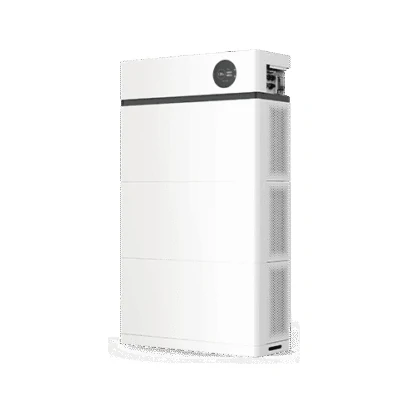
Choosing the right battery chemistry plays a huge role in solar battery compatibility. Different battery types behave very differently when paired with a solar inverter or energy storage inverter, especially when it comes to charging curves, temperature tolerance, and communication with the system controller. That’s why understanding how each battery type affects solar battery compatibility is essential before installing or upgrading a solar energy system.
Lead-acid batteries have been used in solar energy systems for decades, and many older installations still rely on them today. From a solar battery compatibility perspective, they are relatively straightforward because most solar inverter models support their charging characteristics.
However, lead-acid batteries require precise charge control. Overcharging can cause excessive heat and electrolyte loss, while undercharging leads to sulfation, which permanently reduces battery capacity. Because of this, achieving good solar battery compatibility with lead-acid systems depends heavily on configuring the inverter’s charge parameters correctly.
Another consideration is charging efficiency. Lead-acid batteries typically operate at lower charge efficiency compared to lithium technologies. In systems using an energy storage inverter, this means a portion of the solar energy produced may be lost during the charge and discharge cycle.
In practical installations, lead-acid batteries can still work well where cost is a primary concern or where system simplicity is preferred. But when evaluating long-term performance, many installers now look for alternatives that offer better cycle life and easier solar battery compatibility.
Lithium-ion batteries have become increasingly popular in modern solar systems because they offer higher energy density, longer cycle life, and faster charging capability. From a system design perspective, lithium batteries can greatly improve solar battery compatibility, especially in hybrid and grid-interactive installations.
Unlike traditional batteries, lithium systems rely heavily on an internal battery management system. This BMS communicates operational data—such as temperature, state of charge, and current limits—to the solar inverter through a BMS communication protocol. When this communication works properly, the inverter can optimize charging behavior and protect the battery from unsafe operating conditions.
However, lithium technology also introduces a new layer of complexity. If the inverter does not properly support the battery’s communication standard, solar battery compatibility problems may appear. In some cases, the system will fall back to a generic charging profile, which may reduce efficiency or shorten battery lifespan.
For that reason, installers usually verify inverter support for lithium batteries and confirm the correct BMS communication protocol before integrating them into a solar energy system.
Among lithium technologies, the LFP battery for solar applications has gained significant attention. Lithium iron phosphate batteries are widely recognized for their excellent safety profile, thermal stability, and long operational lifespan. These qualities make them particularly attractive when evaluating solar battery compatibility in residential and commercial solar installations.
One major advantage of using an LFP battery for solar systems is its ability to handle thousands of charge cycles with minimal degradation. In practical terms, this means a well-designed solar system can operate reliably for many years without frequent battery replacement.
Still, achieving full solar battery compatibility with LFP batteries requires proper integration with the energy storage inverter. Because LFP cells have a specific voltage curve and charge profile, the inverter must be able to interpret BMS data through the appropriate BMS communication protocol.
When everything is configured correctly—battery chemistry, inverter settings, and communication parameters—an LFP battery for solar setup can deliver excellent reliability and system efficiency. In fact, many modern solar storage systems are now designed specifically around LFP chemistry because it offers one of the most stable foundations for long-term solar battery compatibility.
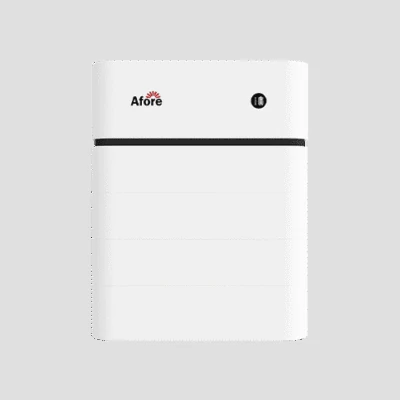
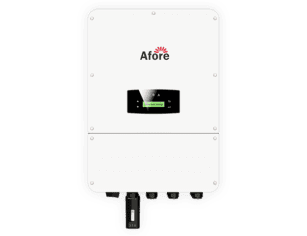
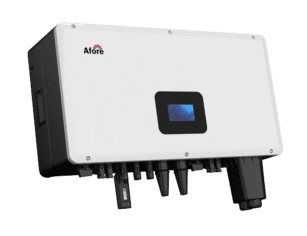
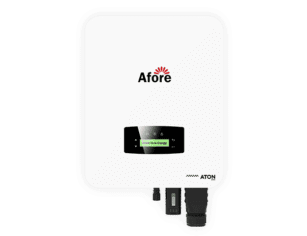
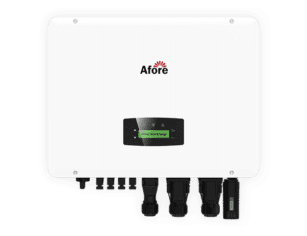
Understanding your inverter type is crucial. A solar inverter converts DC from solar panels to AC for your home. An energy storage inverter, meanwhile, manages energy flow between solar, battery, and grid. The wrong pairing can create energy bottlenecks or system faults.
Even the best battery won’t function if the inverter can’t handle its voltage or amperage. For solar battery compatibility, always cross-check inverter specs with battery ratings. LFP batteries may require higher initial voltage to start charging properly.
Modern inverters rely on BMS communication protocol to optimize charge cycles, prevent overvoltage, and detect faults. Common protocols include CAN, RS485, or Modbus. If your inverter doesn’t speak the battery’s language, the system may refuse to charge or discharge, jeopardizing energy reliability.
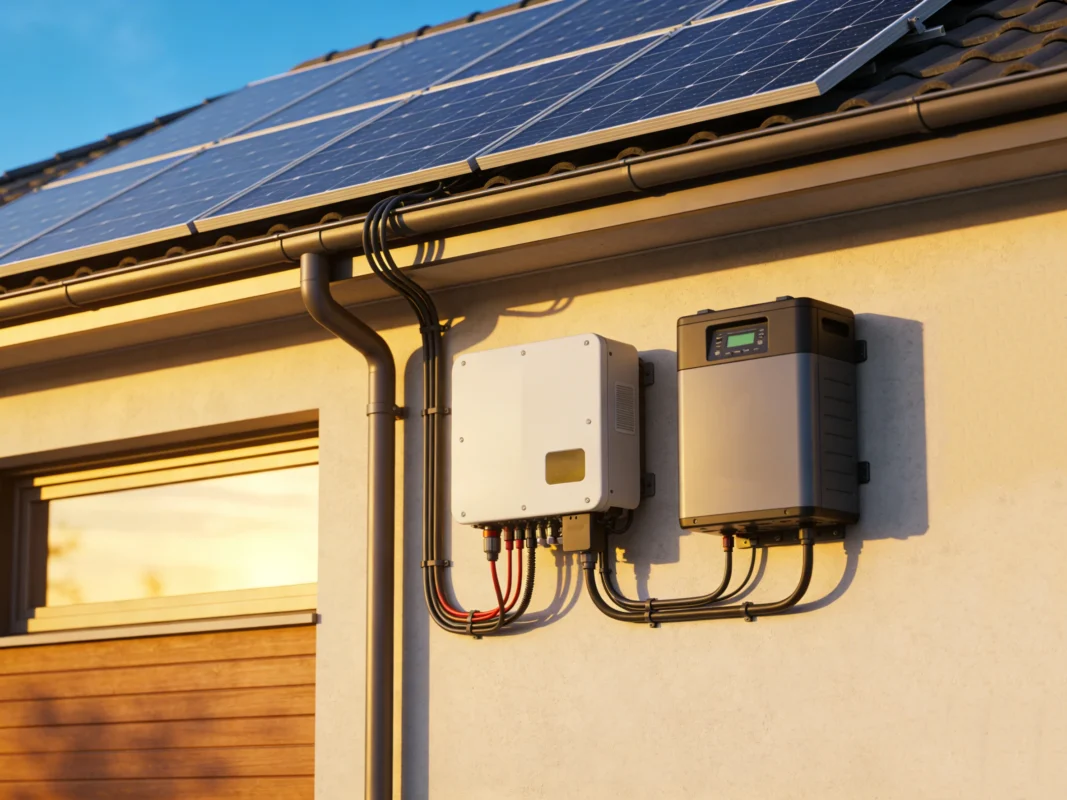
Getting solar battery compatibility right isn’t something you want to leave to guesswork. I’ve seen perfectly good systems underperform—or fail completely—because a few key checks were skipped during installation. The good news? If you follow a structured approach, you can avoid 90% of the common issues and build a system that runs smoothly for years.
Below is a practical, field-tested process you can follow to make sure your battery and inverter actually work together—not just on paper, but in real-world conditions.
The first and most fundamental step in achieving solar battery compatibility is voltage matching. Your battery bank voltage must fall within the operating range of your solar inverter or energy storage inverter.
This sounds obvious, but it’s where many setups go wrong. For example, pairing a low-voltage battery with an inverter designed for higher voltage systems can result in startup failures or inefficient charging.
In real installations, I always recommend double-checking three things:
When these values align, you’re laying the foundation for stable solar battery compatibility from day one.
Not all inverters are created equal when it comes to battery chemistry. Some are optimized for lead-acid, while others are designed specifically for lithium systems like an LFP battery for solar.
This step is critical because each battery type has its own charging profile:
If your inverter doesn’t support the correct profile, even a “compatible” setup can degrade quickly. True solar battery compatibility means the inverter can properly manage the battery’s charge and discharge behavior.
From experience, this is one of the most overlooked areas—especially when upgrading from older battery systems to newer lithium solutions.
Modern lithium batteries rely on communication, not just electrical connection. The BMS communication protocol allows the battery to send real-time data to the inverter, including:
Without this communication, the inverter is essentially “flying blind.” It may default to generic settings, which can reduce efficiency or even damage the battery over time.
To ensure proper solar battery compatibility, check:
In practice, when communication is working correctly, you’ll notice smoother charging behavior and more accurate system monitoring.
Even when voltage and communication are correct, poor parameter settings can still break solar battery compatibility.
This step involves fine-tuning:
For an LFP battery for solar, for example, setting the voltage too high can shorten lifespan, while setting it too low reduces usable capacity. The same applies to discharge limits—too deep, and you stress the battery; too shallow, and you waste storage potential.
In real-world setups, I always recommend starting with conservative settings and gradually optimizing based on performance data. This approach ensures long-term solar battery compatibility without unnecessary risk.
A system might look perfect during installation, but real performance only shows under load. That’s why testing is a non-negotiable step in confirming solar battery compatibility.
Run the system through:
Watch how the energy storage inverter responds. Does it adjust smoothly? Are there sudden voltage drops or communication errors?
From hands-on experience, this step often reveals hidden issues that specs alone won’t show.
Temperature plays a bigger role in solar battery compatibility than most people realize. Batteries—especially lithium types—are sensitive to both high and low temperatures.
An effective system should:
This is where the BMS communication protocol becomes especially valuable. It allows the inverter to react dynamically to environmental conditions, maintaining safe and efficient operation.
In warmer climates, I’ve seen systems lose efficiency simply because ventilation wasn’t considered. Good airflow can make a noticeable difference in maintaining long-term solar battery compatibility.
Finally, think beyond your current setup. A system that works today may not scale well tomorrow if compatibility isn’t considered upfront.
If you plan to expand your battery bank:
Future-proofing is a key part of maintaining solar battery compatibility over time. A well-designed system should allow upgrades without forcing you to replace major components.
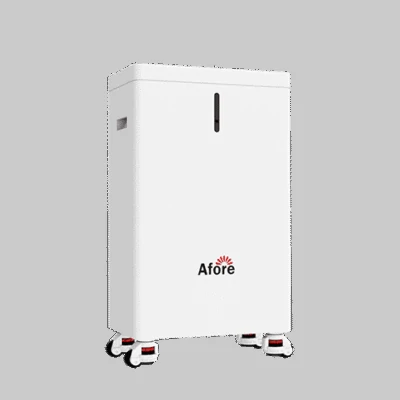
Even with the best intentions, it’s surprisingly easy to get solar battery compatibility wrong. I’ve seen well-built systems fail—not because the components were low quality, but because a few critical details were overlooked during setup. The tricky part is that many of these mistakes don’t show up immediately. Everything might seem fine at first… until performance drops, errors appear, or the battery starts degrading faster than expected.
Let’s break down the most common pitfalls—and more importantly, how to avoid them.
One of the biggest misconceptions in solar installations is that all lithium batteries are interchangeable. On the surface, they may look similar—same voltage range, similar capacity—but when it comes to solar battery compatibility, the differences are significant.
Each lithium battery comes with its own internal logic controlled by a battery management system. That’s where the BMS communication protocol comes into play. If your solar inverter or energy storage inverter doesn’t support that protocol, the system won’t be able to properly read battery data.
In real-world setups, this often leads to:
To avoid this, always verify that your inverter supports the specific lithium chemistry you’re using—especially if you’re installing an LFP battery for solar. Don’t rely on assumptions. Check technical documentation and confirm communication compatibility before installation.
Another common mistake is focusing only on nominal voltage while ignoring actual operating limits. True solar battery compatibility goes deeper than matching “48V” labels—it requires aligning full charge and discharge ranges.
For example, if your battery’s maximum charge voltage exceeds what the inverter can safely deliver, the system may never fully charge. On the flip side, if the inverter pushes too much current, it can stress the battery and shorten its lifespan.
From experience, I’ve seen systems where everything appeared compatible on paper, but poor current matching caused overheating during peak usage. Over time, this leads to reduced efficiency and potential safety risks.
To avoid this:
When these parameters are aligned, solar battery compatibility becomes much more reliable and predictable.
Safety is often treated as an afterthought, but it’s actually a core part of solar battery compatibility. A system that lacks proper communication and protection mechanisms is not truly compatible—no matter how well the specs match.
Modern batteries, especially lithium types, depend on real-time feedback to operate safely. The BMS communication protocol allows the battery to signal issues like overheating, overcurrent, or voltage imbalance. If this communication isn’t established, the inverter can’t respond appropriately.
In practical terms, this can lead to:
A well-matched energy storage inverter should be able to receive and act on BMS data instantly. That’s what turns a basic setup into a safe and optimized energy system.
From what I’ve seen in the field, systems that prioritize safety features—proper communication, accurate monitoring, and responsive controls—tend to last longer and perform more consistently.
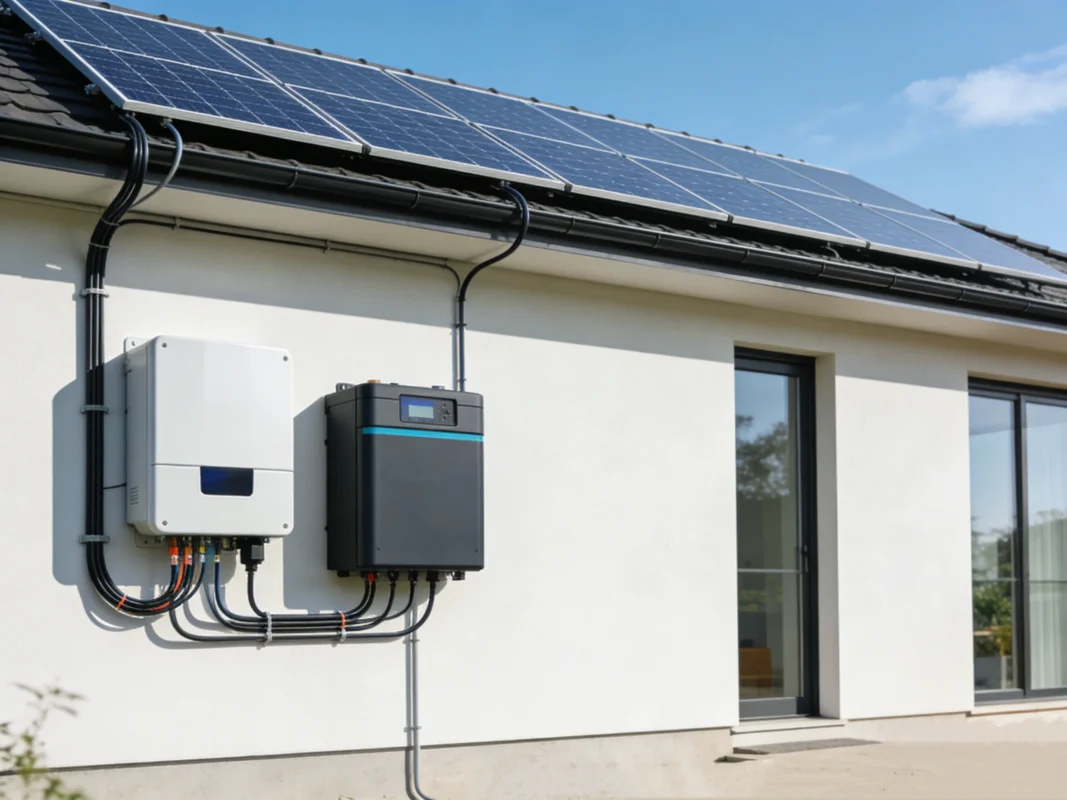
Getting solar battery compatibility right at installation is only half the story. What really determines system performance over time is how well that compatibility is maintained. If you want your system to stay reliable, efficient, and safe, these long-term practices make a real difference.
One of the simplest ways to maintain solar battery compatibility is consistent monitoring. Most modern systems provide real-time data from the battery and energy storage inverter, including charge levels, voltage, and temperature.
Don’t just glance at it—look for patterns:
When a system starts drifting away from optimal solar battery compatibility, the signs usually show up here first. Catching them early can prevent bigger issues later.
Software plays a bigger role than most people expect. Both the battery system and the solar inverter rely on firmware to manage charging logic, safety thresholds, and communication.
Updates can improve:
From experience, outdated firmware is a quiet cause of compatibility issues. A system that once worked perfectly may start behaving unpredictably simply because it’s running on old logic.
Make it a habit to check for updates and review configuration settings periodically.
Temperature and environment have a direct impact on solar battery compatibility. Batteries, especially lithium types, are sensitive to heat and cold.
For stable long-term performance:
In hotter climates, I’ve seen systems lose efficiency just from poor ventilation. Over time, heat stress can affect both battery health and inverter performance, gradually weakening overall solar battery compatibility.
It might be tempting to expand your system by adding new batteries alongside older ones, but this is where compatibility issues can creep in.
Different batteries—even if they share the same nominal specs—can have:
Mixing them can confuse the inverter and lead to uneven charging. This is especially important when working with an LFP battery for solar, where consistency across the battery bank is key.
If you plan to expand, try to use batteries with matching specifications and similar usage history to preserve solar battery compatibility.
Even if everything seems fine, a periodic check can reveal hidden issues. This doesn’t have to be complicated—just a structured review of key system components.
Focus on:
In real-world maintenance, these small checks often uncover loose connections or minor configuration drifts that could eventually impact solar battery compatibility.
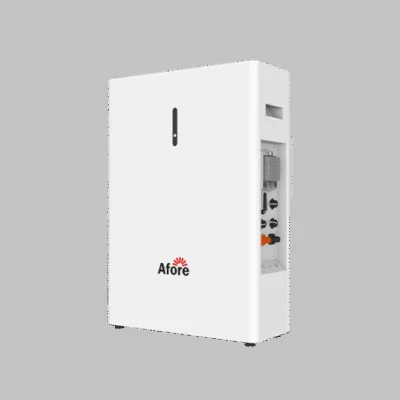
Ensuring solar battery compatibility is more than just matching voltage—it’s about chemistry, communication, and practical setup. By understanding your battery type, confirming inverter support, and checking BMS communication protocol, you can build a system that’s safe, reliable, and efficient. Whether you’re using a single LFP battery for solar or expanding to a multi-battery energy storage inverter system, these steps guarantee smooth operation and peace of mind.
To confirm solar battery compatibility, check three key factors: voltage range, battery chemistry, and communication support. The battery’s nominal and operating voltage must fall within the inverter’s supported range. Next, verify that the solar inverter or energy storage inverter supports your battery type, such as lithium or an LFP battery for solar. Finally, confirm that the inverter supports the battery’s BMS communication protocol so it can receive real-time data for safe charging and discharging.
No, not all lithium batteries are universally compatible. True solar battery compatibility depends on whether the inverter supports the battery’s charging profile and BMS communication protocol. If communication is not supported, the inverter may use generic settings, which can reduce efficiency or damage the battery over time. Always verify compatibility before installation, especially when using an LFP battery for solar.
The BMS communication protocol is the system that allows the battery management system to exchange data with the inverter. This includes state of charge, voltage, temperature, and fault signals. Common protocols include CAN and RS485. Proper communication is essential for maintaining solar battery compatibility, as it enables the inverter to adjust charging behavior in real time and protect the battery.
If the inverter and battery BMS cannot communicate, solar battery compatibility is significantly reduced. The inverter may not charge or discharge the battery correctly, or it may stop working with the battery entirely. In some cases, the system will run in a limited mode using fixed parameters, which can lead to overcharging, deep discharge, or reduced battery lifespan.
An LFP battery for solar is often preferred due to its long cycle life, thermal stability, and safety. From a solar battery compatibility perspective, LFP batteries perform very well when paired with a compatible energy storage inverter that supports their voltage profile and BMS communication protocol. However, proper setup and configuration are still required to achieve optimal performance.
Yes, not all inverters support battery integration. To ensure proper solar battery compatibility, you need a solar inverter or energy storage inverter specifically designed to manage battery charging and discharging. These inverters are built to handle battery communication, voltage control, and system safety, which are essential for reliable operation.
Yes, poor solar battery compatibility can lead to long-term damage. Mismatched voltage, unsupported battery chemistry, or lack of BMS communication protocol can cause overheating, inefficient charging, and reduced battery lifespan. In severe cases, it may result in system shutdown or failure. Proper compatibility checks are essential to protect both performance and safety.








 Turkish
  Romanian