



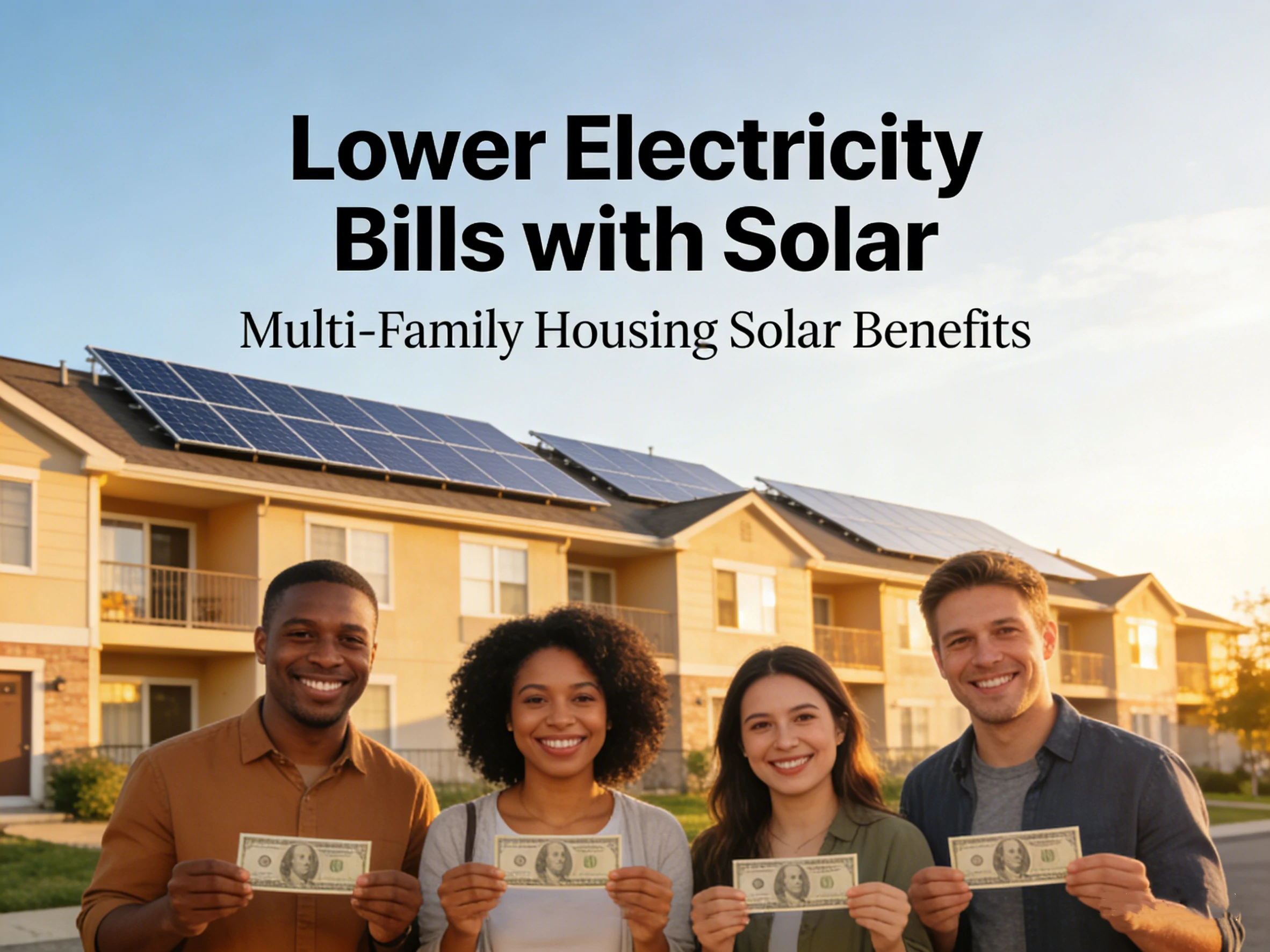
When it comes to reducing utility bills and promoting sustainability, solar for multi-family housing is becoming a game-changer. Whether you manage an apartment building or own a multi-tenant property, implementing apartment solar energy systems can deliver long-term savings while contributing to greener communities. But the journey isn’t as simple as slapping some panels on the roof. There are a lot of technical considerations—from multi-tenant PV systems to solar inverters and virtual net metering—that you need to understand to make it work efficiently.
In this guide, I’m breaking down everything you need to know about solar for multi-family housing, including practical tips, common pitfalls, incentives, and even real-world strategies for billing and distributing energy among tenants.
One of the most compelling reasons to install solar for multi-family housing is the potential for long-term savings. Unlike single-family homes, multi-tenant buildings have higher electricity demands, meaning the return on investment can be significant. By capturing solar energy through apartment solar energy systems, building owners can cut down on peak electricity usage and lower monthly utility costs for tenants.
Think about it this way: if your building has 50 units, and each unit consumes an average of 600 kWh per month, that adds up quickly. A properly designed multi-tenant PV system can offset a large portion of this usage, often paying for itself within 5–7 years. And remember, electricity rates usually rise over time—so those savings can compound.
Beyond the money, there’s a powerful environmental argument. By adopting solar for multi-family housing, you’re reducing your carbon footprint and contributing to cleaner air in urban areas. Multi-family buildings collectively consume massive amounts of electricity, so even a single installation can prevent tons of CO₂ emissions annually. Tenants increasingly appreciate sustainability initiatives, which can improve occupancy rates and tenant satisfaction.
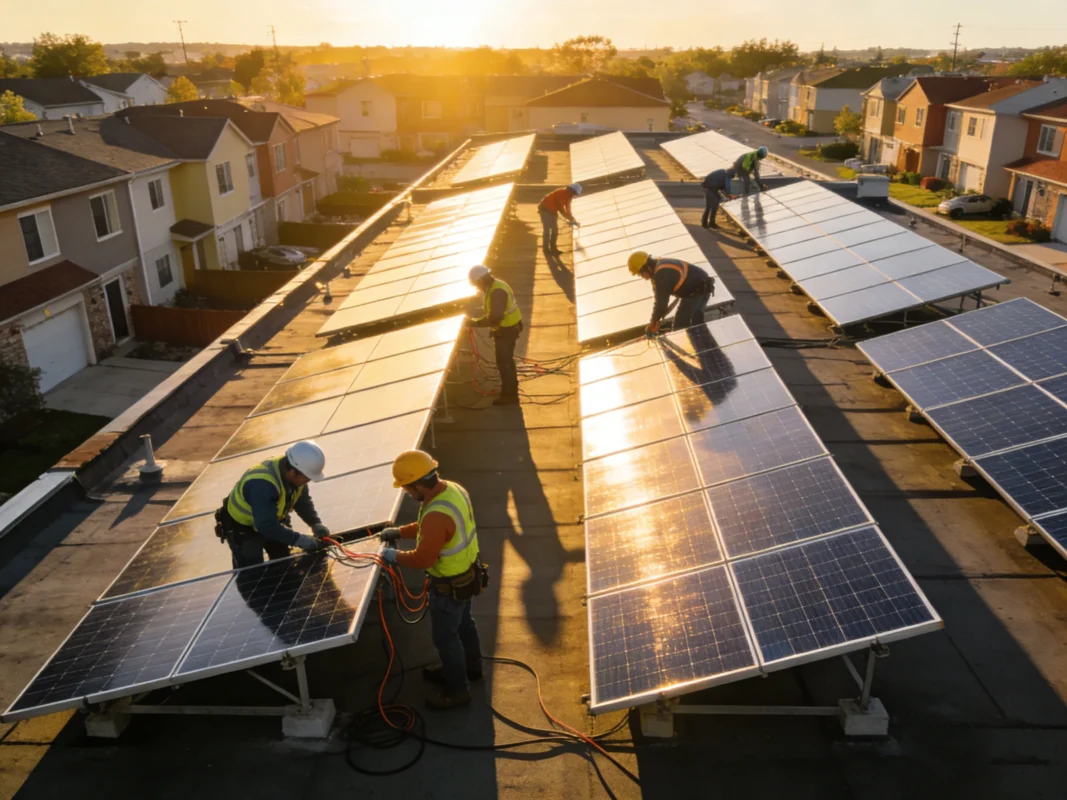
A multi-tenant PV system refers to a solar setup designed to serve multiple residential units simultaneously. Unlike a single-family installation, where one homeowner consumes all the energy, these systems must account for several energy meters, usage patterns, and billing complexities.
For example, some buildings use a centralized solar array on the roof, connected to a solar inverter that manages energy distribution across all tenants. Others combine rooftop solar with individual unit meters, creating a hybrid approach.
While the idea is appealing, there are challenges:
But don’t worry—these challenges are manageable with the right planning and technology.
Here’s where things get interesting. Virtual net metering (VNM) allows energy produced by a centralized multi-tenant PV system to be allocated to individual tenants’ utility accounts, even if they’re not physically connected to the solar array. Think of it as splitting a pie virtually, so everyone gets their fair share of solar energy credits.
VNM is particularly useful in apartment solar energy setups because it simplifies billing and maximizes the financial benefits for tenants who might not have rooftop access themselves.
Not every state allows VNM, but many progressive ones do. These include:
If you’re in a state without VNM, there are often alternative programs, such as community solar subscriptions, that can achieve a similar effect.
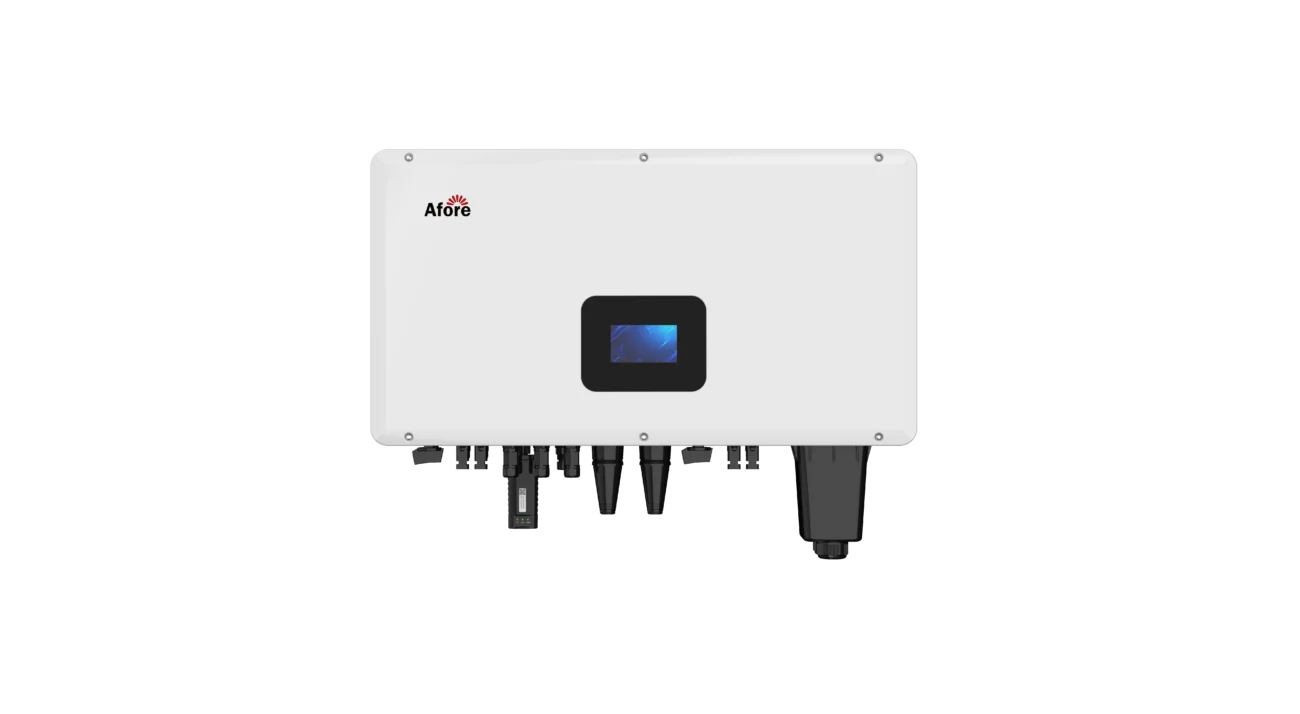
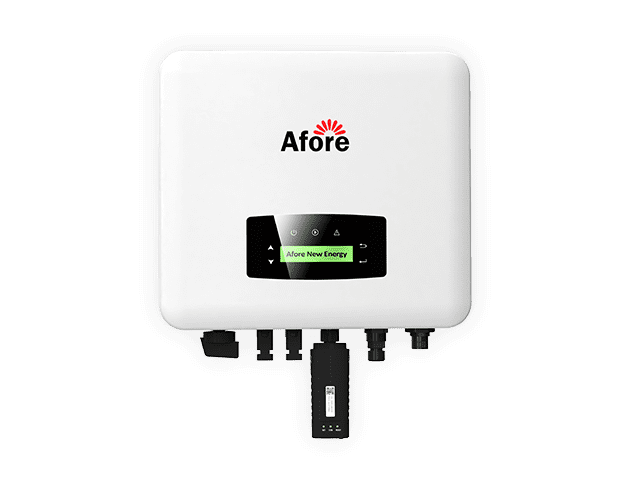
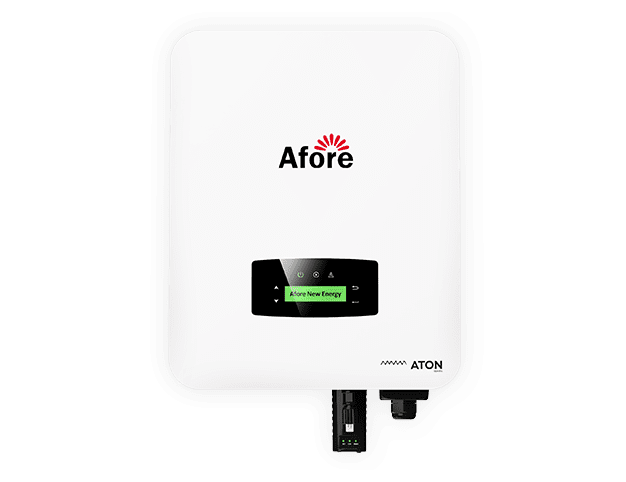
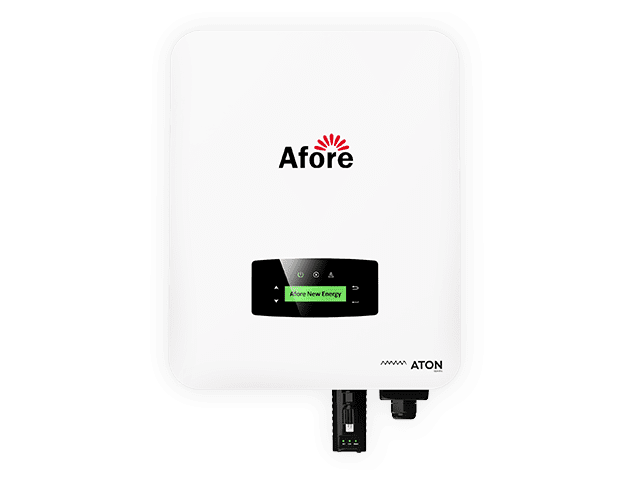
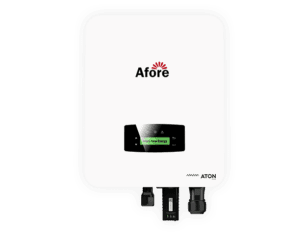
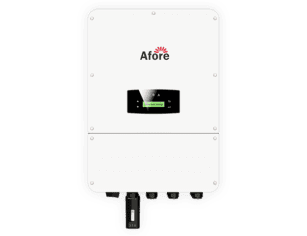
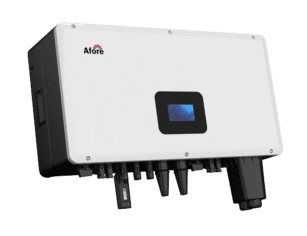
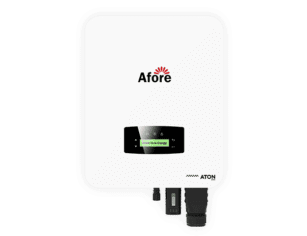
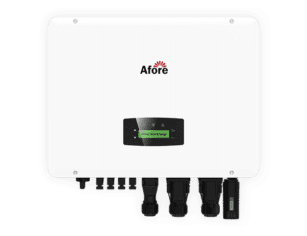
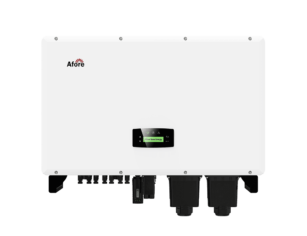
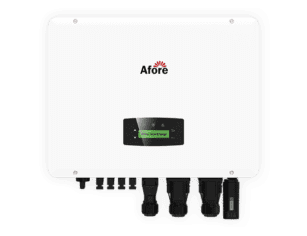
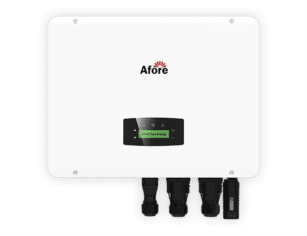
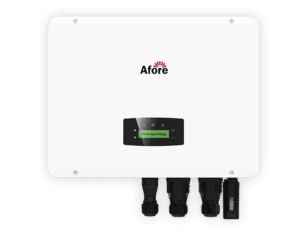
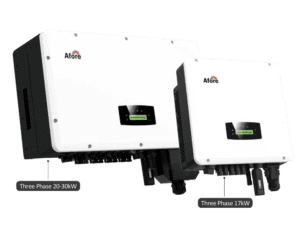
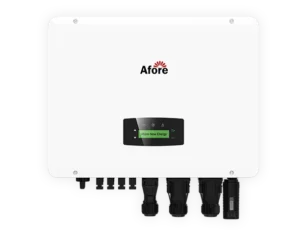
Selecting the right solar inverter is one of the most important technical decisions when planning solar for multi-family housing. The inverter is responsible for converting the direct current (DC) electricity generated by solar panels into usable alternating current (AC) power for apartments. In a multi-tenant PV system, the inverter also plays a key role in maintaining efficiency, system monitoring, and stable energy distribution across multiple units.
Because apartment buildings typically have larger and more complex electrical loads than single-family homes, the inverter configuration must be carefully planned. The goal is not just to convert power, but to ensure reliable operation, accurate energy tracking, and long-term system stability for apartment solar energy installations.
Two common approaches are used in solar for multi-family housing projects: centralized inverters and string inverters. Each has advantages depending on the building layout and the scale of the multi-tenant PV systems.
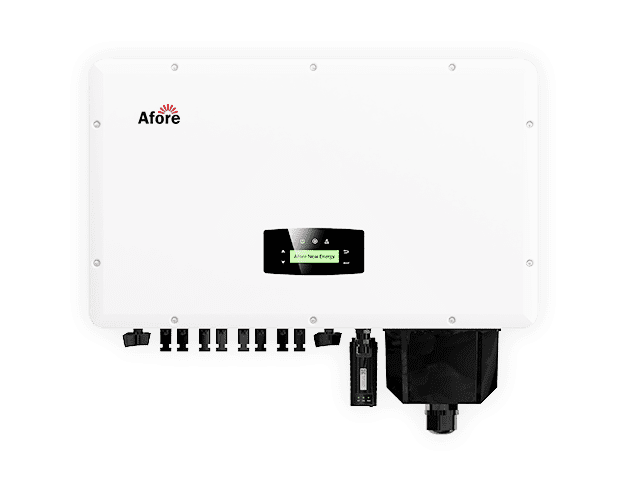
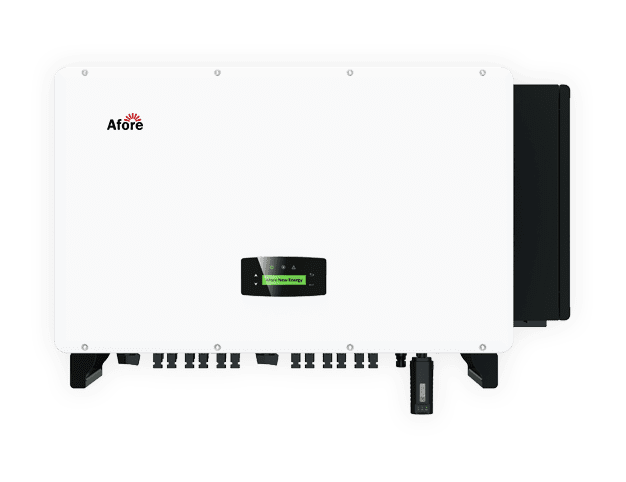
A centralized inverter is often used in larger installations where a single device manages the power from a large solar array. This setup simplifies system architecture and can reduce equipment costs. For apartment complexes with wide, unobstructed roofs, centralized inverters can efficiently handle large amounts of electricity generated by apartment solar energy systems. However, if the inverter experiences a fault, the entire system may temporarily stop producing energy until repairs are made.
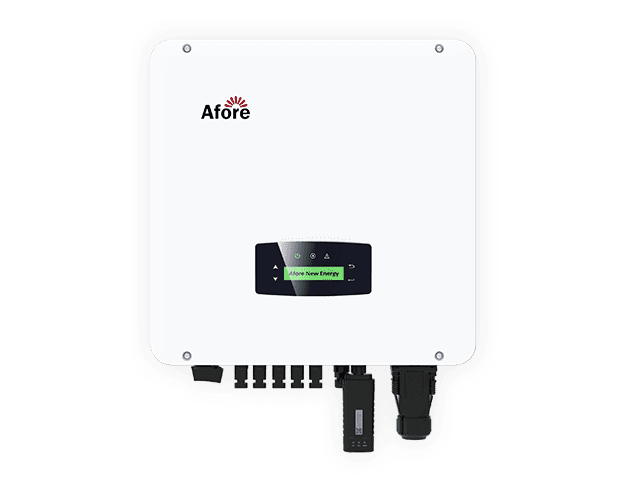
String inverters, on the other hand, divide the solar array into multiple smaller circuits. Each string operates independently, sending power through its own inverter channel. This configuration is particularly useful when roof sections face different directions or when shading from nearby structures is unavoidable. In many solar for multi-family housing installations, string inverters provide better flexibility and easier troubleshooting, since only a portion of the system is affected if one string encounters a problem.
Proper inverter sizing is critical for maximizing the performance of solar for multi-family housing systems. An undersized inverter may limit the system’s ability to convert all available solar power during peak production hours. An oversized inverter, on the other hand, can increase installation costs without delivering proportional benefits.
A common approach is to size the solar inverter slightly below the total DC capacity of the solar array. This strategy, often called DC-to-AC ratio optimization, allows the inverter to operate near its peak efficiency for most of the day. For multi-tenant PV systems, engineers also consider the building’s overall electricity demand, expected tenant consumption patterns, and potential future expansion.
Monitoring capabilities should also be part of the selection process. Modern inverter systems provide detailed performance data, making it easier to track energy production and allocate electricity within solar for multi-family housing environments. Reliable monitoring improves system transparency and helps building owners manage apartment solar energy distribution more effectively.
Installing solar for multi-family housing involves far more planning than a typical residential solar project. Apartment buildings have multiple tenants, complex electrical systems, and often limited rooftop space. Without careful preparation, even a well-funded apartment solar energy project can face delays, unexpected costs, or performance issues.
From my experience reviewing and consulting on several multi-tenant PV systems, the most successful installations follow a simple rule: plan thoroughly before the first panel ever reaches the roof. A well-designed project considers building structure, tenant participation, system layout, and long-term monitoring. When these elements are handled properly, solar for multi-family housing becomes much easier to manage and far more profitable over time.
Below are three practical steps that property owners and project planners should prioritize before launching an installation.
The first step in any solar for multi-family housing project should always be a professional feasibility study. This evaluation determines whether a building is technically and financially suitable for solar.
A good feasibility study examines several key factors. Roof orientation and tilt are crucial because they directly affect how much sunlight the panels will receive throughout the year. Buildings with south-facing or southwest-facing roofs generally produce the most solar energy, although east-west configurations can still work effectively in dense urban areas.
Roof condition is another critical consideration. Installing apartment solar energy systems on an aging roof can lead to costly complications if repairs are required shortly after installation. In many cases, it’s wise to complete roof maintenance or replacement before installing a multi-tenant PV system.
Energy consumption patterns must also be analyzed. Understanding how much electricity the building uses—and when it uses it—helps determine the optimal system size and the appropriate solar inverter capacity. Accurate load analysis ensures the system delivers meaningful savings rather than producing excess electricity that cannot be efficiently utilized.
Finally, local regulations and utility policies should be reviewed carefully. Some regions support virtual net metering, which can simplify credit distribution among tenants. If such programs are available, they can significantly improve the financial performance of solar for multi-family housing installations.
One of the most overlooked aspects of solar for multi-family housing is tenant communication. Unlike single-family homes, apartment buildings require cooperation between property owners and residents. When tenants feel informed and involved, projects tend to move forward more smoothly.
Early communication helps residents understand how apartment solar energy will benefit them. Many tenants worry that solar installations might increase rent or disrupt daily life. Clear explanations about energy savings, sustainability benefits, and billing transparency can address these concerns quickly.
Property managers often find it helpful to organize informational meetings or distribute simple guides explaining how the multi-tenant PV systems work. These materials can describe how electricity will be shared, how billing adjustments may appear on utility statements, and how the solar inverter helps manage energy production.
Another advantage of early engagement is that tenants may become active supporters of the project. In some buildings, residents have even suggested energy-saving initiatives that complement solar for multi-family housing, such as installing efficient lighting or reducing peak electricity usage.
Rooftop space is one of the most valuable resources in solar for multi-family housing, and using it efficiently requires careful design. Apartment rooftops often contain ventilation systems, water tanks, antennas, and other obstacles that can complicate panel placement.
Optimizing the panel layout begins with a detailed rooftop survey. Engineers typically use digital modeling tools to map out every obstruction and identify the most productive panel positions. The goal is to maximize solar exposure while maintaining safe access paths for maintenance crews.
Panel orientation and spacing also play a role in system performance. In densely populated areas where buildings cast shadows at certain times of the day, adjusting panel tilt and spacing can prevent energy losses. Proper layout planning ensures that multi-tenant PV systems deliver consistent production throughout the year.
The placement of the solar inverter should also be considered during layout planning. Inverters are typically installed in well-ventilated locations close to the solar array to reduce energy losses and simplify wiring. Thoughtful equipment placement can improve efficiency and make long-term maintenance easier.
When these design elements are handled correctly, solar for multi-family housing systems can achieve high performance even in complex urban environments. Careful planning, clear tenant communication, and smart panel layout transform apartment solar energy projects from ambitious ideas into reliable, long-term energy solutions.
One of the most practical challenges in solar for multi-family housing is figuring out how to fairly distribute the financial benefits of solar electricity. Unlike a single-family home where one household consumes all the energy produced, multi-tenant PV systems generate electricity that may be used by dozens—or even hundreds—of residents.
Without a clear billing structure, misunderstandings can quickly arise between property owners and tenants. That’s why designing a transparent and well-documented billing strategy is just as important as installing panels or choosing the right solar inverter. A thoughtful billing approach ensures tenants understand how apartment solar energy is allocated and helps maintain trust in the system over the long term.
Below are three commonly used billing methods in solar for multi-family housing projects.
Direct billing is one of the simplest approaches used in solar for multi-family housing. Under this model, tenants pay a fixed or predetermined rate for the solar electricity generated by the building’s multi-tenant PV system. The building owner calculates the average production of the solar installation and assigns a portion of that energy cost to each tenant.
For example, a property manager may divide total solar generation among tenants based on apartment size or estimated energy usage. The solar portion then appears as a separate line item on monthly rent or utility statements.
This method works well in smaller apartment buildings where electricity consumption is relatively consistent among tenants. It is also easy to administer because it requires minimal monitoring infrastructure. However, one drawback is that it may not always reflect each tenant’s actual electricity consumption. Some residents may use more energy than others, yet pay similar solar charges.
Credit allocation is a more advanced billing strategy commonly used when virtual net metering policies are available. In this model, electricity generated by apartment solar energy systems is divided into energy credits and assigned to individual tenant utility accounts.
Instead of paying the building owner directly for solar electricity, tenants receive credits on their monthly utility bills based on the energy produced by the multi-tenant PV systems. These credits reduce the amount of electricity they need to purchase from the grid.
This approach offers several advantages for solar for multi-family housing. It accurately reflects real energy usage and ensures that tenants benefit directly from the solar installation. Because credit allocation relies on utility billing systems, it also provides a transparent record of solar energy distribution.
In many large buildings, property managers choose hybrid billing structures that combine elements of both direct billing and credit allocation. This approach provides greater flexibility while maintaining fairness among tenants.
For example, tenants might pay a small fixed fee that helps cover maintenance of the solar inverter, monitoring equipment, and other components of the multi-tenant PV system. At the same time, they may receive variable solar credits based on the building’s monthly energy production.
Hybrid systems often work well in solar for multi-family housing because they balance predictable revenue for property owners with meaningful energy savings for tenants. When implemented carefully, this billing structure supports the long-term financial success of apartment solar energy projects while keeping energy costs transparent and manageable for residents.
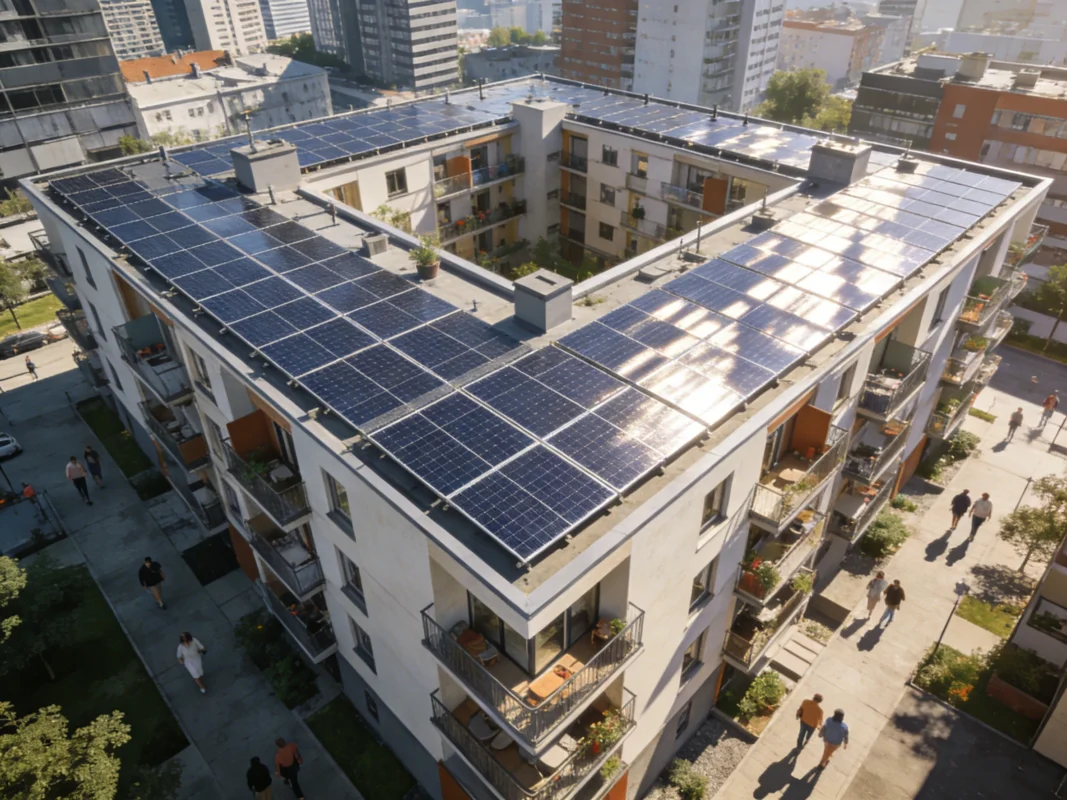
One of the biggest reasons solar for multi-family housing has expanded rapidly in recent years is the wide range of incentives and financing tools available. Installing apartment solar energy systems requires upfront investment, but government programs and flexible financing structures can significantly reduce the financial burden for property owners.
For apartment developers and building managers, understanding these financial mechanisms is essential. When used strategically, incentives and financing can shorten the payback period and make multi-tenant PV systems financially viable even for large residential complexes.
Government incentives play a major role in accelerating solar for multi-family housing projects. At the federal level, tax-based programs allow property owners to deduct a significant portion of solar installation costs from their tax liability. These incentives apply to systems installed on residential rental properties, including apartment solar energy installations that serve multiple tenants.
In addition to federal support, many states offer rebates, grants, or production-based incentives that reward solar electricity generation. These programs can further reduce installation costs for multi-tenant PV systems, making large rooftop arrays more attractive financially.
Some regions also support virtual net metering, allowing solar electricity generated on a shared system to be distributed among tenants through energy bill credits. This policy can increase the economic value of solar for multi-family housing, especially in buildings where tenants maintain individual utility accounts.
Property owners should always review local policies and consult energy professionals before installation. Incentive structures can vary significantly depending on region, building size, and project configuration.
Beyond incentives, several financing approaches can help property owners deploy solar for multi-family housing without heavy upfront costs. Traditional solar loans remain a common option, allowing building owners to finance the installation while paying back the loan through energy savings generated by the apartment solar energy system.
Another option involves third-party ownership models, where an external investor funds the installation and the building purchases electricity generated by the system at an agreed rate. This structure can reduce initial capital requirements while still enabling access to solar energy.
For large apartment developments, financing strategies are often combined with long-term energy planning. When properly structured, financing solutions allow multi-tenant PV systems and their associated solar inverter infrastructure to deliver predictable savings over the system’s lifespan while improving the overall sustainability profile of the property.
Once a system is installed, maintaining performance becomes the next priority. In solar for multi-family housing, consistent maintenance and accurate monitoring are essential for protecting the investment and ensuring tenants receive the expected benefits from apartment solar energy.
Unlike small residential systems, multi-tenant PV systems operate at a larger scale and serve many households simultaneously. Even minor performance issues can affect multiple tenants and reduce overall energy savings. For this reason, building owners should treat maintenance and monitoring as ongoing operational responsibilities rather than occasional tasks.
A well-maintained solar installation can operate efficiently for decades. With the right procedures in place, solar for multi-family housing can deliver stable energy production and predictable financial returns year after year.
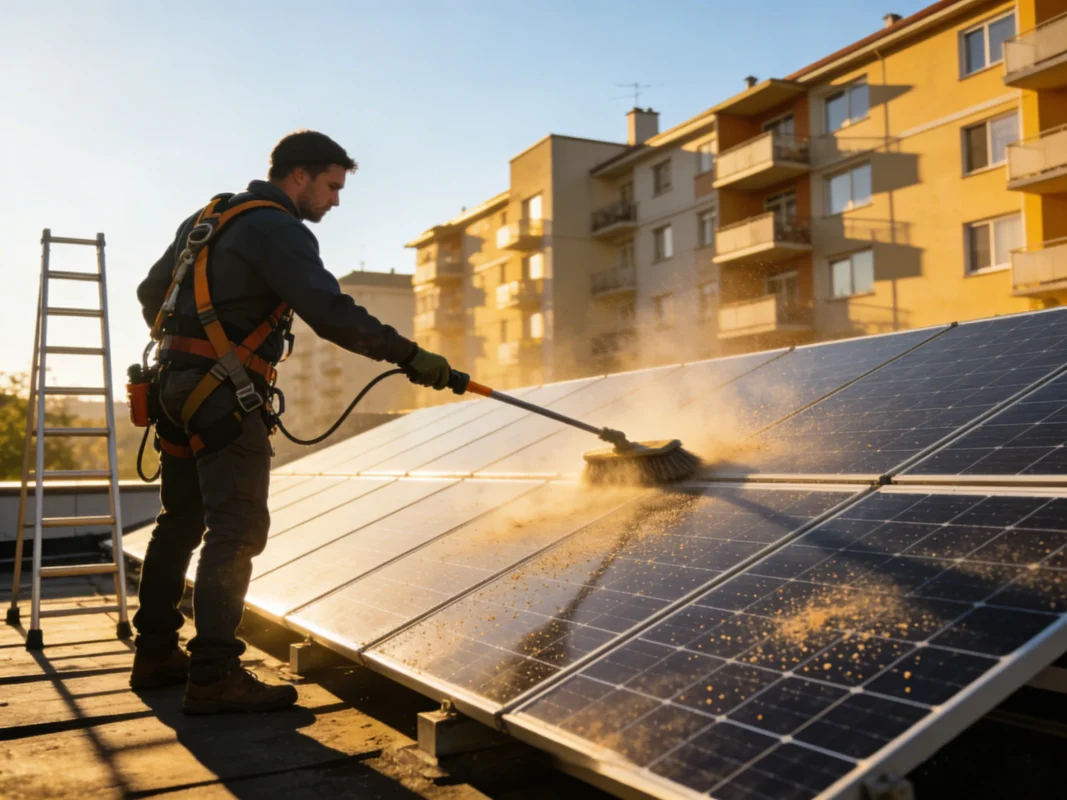
Routine maintenance for solar for multi-family housing is generally straightforward, but it should never be overlooked. The first step is periodic visual inspection of the solar panels. Dust, leaves, and bird debris can accumulate on the surface of panels, especially in urban environments where apartment buildings are surrounded by trees or nearby construction. While light dust rarely causes major losses, heavy buildup can gradually reduce energy output from apartment solar energy systems.
Electrical components should also be inspected regularly. Technicians typically check wiring connections, mounting hardware, and protective equipment within the multi-tenant PV systems to ensure everything remains secure and weather-resistant. Over time, temperature changes and vibration can loosen electrical connections, so periodic inspections help prevent potential faults.
Another critical component is the solar inverter. Because the inverter converts DC electricity into usable AC power, its performance directly affects the entire system. Routine checks help verify that the inverter is operating within normal voltage and temperature ranges. Addressing small issues early can prevent unexpected downtime and keep solar for multi-family housing systems operating smoothly.
While routine inspections are important, continuous monitoring provides the deeper insight needed to maintain optimal performance. Modern monitoring platforms track electricity production, system efficiency, and operational status in real time. This data is particularly valuable in solar for multi-family housing, where energy generation must be carefully managed across multiple tenants.
Long-term monitoring allows building managers to identify trends in energy production. If output from a section of the multi-tenant PV systems begins to decline, the issue can often be traced to shading, equipment wear, or a solar inverter fault. Detecting these changes early helps prevent prolonged energy losses.
Monitoring systems also improve transparency for residents. In many apartment solar energy installations, managers share energy production data with tenants so they can see how solar for multi-family housing contributes to lower electricity consumption. This visibility strengthens tenant confidence in the system and reinforces the environmental benefits of solar adoption.
With consistent maintenance and reliable monitoring, solar for multi-family housing can remain efficient, dependable, and financially beneficial throughout its operational lifespan.
Understanding how solar for multi-family housing works in real projects can make the concept much clearer. While technical explanations and financial projections are useful, real-world examples show how apartment solar energy systems perform in different environments. From dense urban buildings to suburban apartment communities, multi-tenant PV systems can be adapted to a wide range of property types.
Below are two typical scenarios that illustrate how solar for multi-family housing can be successfully implemented in practice.
In a large urban apartment complex with more than one hundred residential units, the building owner decided to install solar for multi-family housing to reduce rising electricity costs and improve the sustainability profile of the property. The rooftop area was limited due to ventilation equipment and other building infrastructure, so the design team carefully planned the layout of the multi-tenant PV systems to maximize sunlight exposure.
A centralized solar inverter configuration was chosen to efficiently manage the electricity generated by the rooftop solar array. Because tenants had individual utility accounts, the project used virtual net metering to allocate energy credits among residents. This allowed the electricity produced by the apartment solar energy system to be distributed fairly without requiring complex wiring modifications.
Within the first year of operation, the building saw a noticeable reduction in grid electricity consumption. Tenants received energy credits on their utility bills, and the property owner benefited from lower operational expenses. The project demonstrated how solar for multi-family housing can be integrated into dense urban environments where space and energy management are both critical factors.
A mid-sized suburban apartment property with around forty residential units approached solar for multi-family housing from a slightly different angle. The building had more roof space available, allowing a larger multi-tenant PV system to be installed across several sections of the roof.
Instead of relying on a single inverter, the project used multiple solar inverter units connected to separate panel strings. This configuration improved system flexibility and helped maintain steady performance even when certain roof sections experienced partial shading during different times of the day.
The building management implemented a simple energy credit system to distribute the benefits of apartment solar energy among tenants. Over time, the installation helped stabilize electricity costs for residents while increasing the overall property value. This example highlights how solar for multi-family housing can be scaled effectively for medium-sized apartment communities.
While the benefits of solar for multi-family housing are clear, the path to a successful installation is not always straightforward. Apartment buildings have unique operational realities that single-family homes simply do not face. Multiple residents, shared infrastructure, and varying electricity usage patterns can introduce complications during both installation and daily operation.
However, most of these challenges can be managed with thoughtful planning and the right system design. By anticipating common obstacles, property owners can ensure their apartment solar energy projects operate smoothly and deliver long-term savings. Below are three challenges frequently encountered in multi-tenant PV systems, along with practical strategies to overcome them.
Tenant turnover is a natural part of apartment living, but it can complicate how energy savings from solar for multi-family housing are distributed. When residents move in or out frequently, maintaining fair billing arrangements becomes more difficult.
One effective solution is to implement clear energy allocation policies supported by automated billing or utility credit systems. For example, virtual net metering can simplify credit distribution by assigning solar energy production directly to each tenant’s utility account. This approach allows credits from apartment solar energy generation to be transferred easily when tenants change, reducing administrative work for property managers.
In addition, maintaining transparent communication about how the multi-tenant PV systems operate helps new residents understand the benefits of the solar installation from the moment they move in.
Another common challenge in solar for multi-family housing is limited rooftop space. Apartment buildings often share their roofs with mechanical equipment, ventilation systems, water tanks, and other structural elements that reduce the available area for solar panels.
To overcome this limitation, designers typically conduct detailed rooftop assessments before installation. Careful placement of panels and optimization of tilt angles can significantly improve energy production even in constrained environments. Advanced layout planning also helps ensure that multi-tenant PV systems capture as much sunlight as possible throughout the day.
In some cases, combining rooftop arrays with nearby ground-mounted panels or community solar programs can help expand the capacity of apartment solar energy projects.
Utility coordination is another factor that can influence the success of solar for multi-family housing projects. Interconnection agreements, grid regulations, and metering requirements vary widely depending on the region. If these details are not addressed early, project timelines can quickly be delayed.
Working closely with the local utility provider during the planning stage helps ensure that the solar inverter configuration and system design comply with grid requirements. Early discussions also make it easier to determine whether programs like virtual net metering are available.
When utilities, property owners, and system designers collaborate effectively, solar for multi-family housing installations can move through approval processes more efficiently and begin delivering the expected benefits to tenants and building operators.
Solar for multi-family housing isn’t just about sustainability—it’s a smart financial move that can benefit both owners and tenants. By leveraging apartment solar energy, multi-tenant PV systems, virtual net metering, and the right solar inverter, building owners can slash energy costs, improve tenant satisfaction, and contribute to a greener future.
If you’ve been considering a solar installation for your apartment building, now is the time to dive in. Plan carefully, engage tenants, and harness the power of the sun for long-term savings and environmental impact.
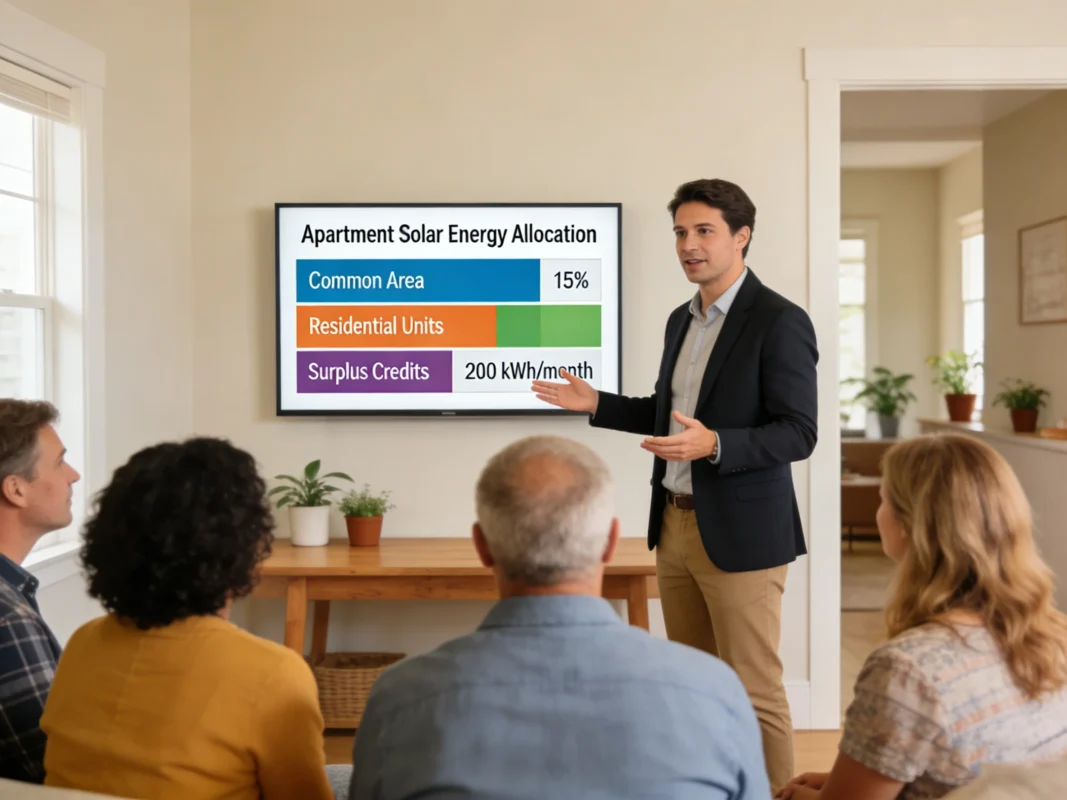
In solar for multi-family housing, electricity is typically shared using allocation methods designed for multi-tenant PV systems. One common solution is virtual net metering, where solar production is divided into credits and applied to individual tenant utility accounts. Another approach is a fixed allocation model in which each unit receives a predefined portion of the building’s apartment solar energy production. Advanced monitoring systems connected to the solar inverter can track energy generation and help ensure distribution remains transparent and accurate for all tenants.
Virtual net metering is a policy that allows electricity produced by a shared solar installation to be distributed across multiple utility accounts. In the context of solar for multi-family housing, it enables tenants to receive energy credits from a centralized multi-tenant PV system even if the solar panels are installed on a shared rooftop. Several regions across the United States support this policy, particularly states that actively promote community and shared solar development. Property owners should always verify current regulations with local utilities before implementing apartment solar energy systems.
For large solar for multi-family housing installations, the best solar inverter configuration depends on the building layout and energy demand. Centralized inverter systems can efficiently handle large solar arrays, while multiple string inverters provide flexibility when rooftops have different orientations or shading conditions. Many multi-tenant PV systems combine several inverter units to improve reliability and maintain stable energy production for apartment solar energy distribution.
Billing for solar for multi-family housing usually follows three main models: direct billing, energy credit allocation, or hybrid systems. Direct billing assigns tenants a fixed share of the solar electricity produced. Credit allocation uses virtual net metering to apply solar credits directly to tenant utility bills. Hybrid models combine a small maintenance fee with usage-based energy credits from the apartment solar energy system. The best approach depends on local utility rules and building management preferences.
Yes. Several federal programs support solar for multi-family housing, including tax incentives that reduce installation costs for multi-tenant PV systems. Some housing programs also encourage energy-efficient upgrades in residential rental properties, making apartment solar energy installations more financially attractive. In addition to federal incentives, many states provide rebates, renewable energy credits, or financing assistance to encourage solar adoption in multi-family buildings.









 Turkish
  Romanian