




If you’re diving into the world of solar energy and large-scale energy storage systems, you’ve probably heard the term dc coupling efficiency bess tossed around. But what does it really mean, and why should you care? In this guide, we’ll break down everything—from DC coupled solar storage basics to round-trip efficiency BESS calculations—so you can confidently design or optimize your solar storage projects.
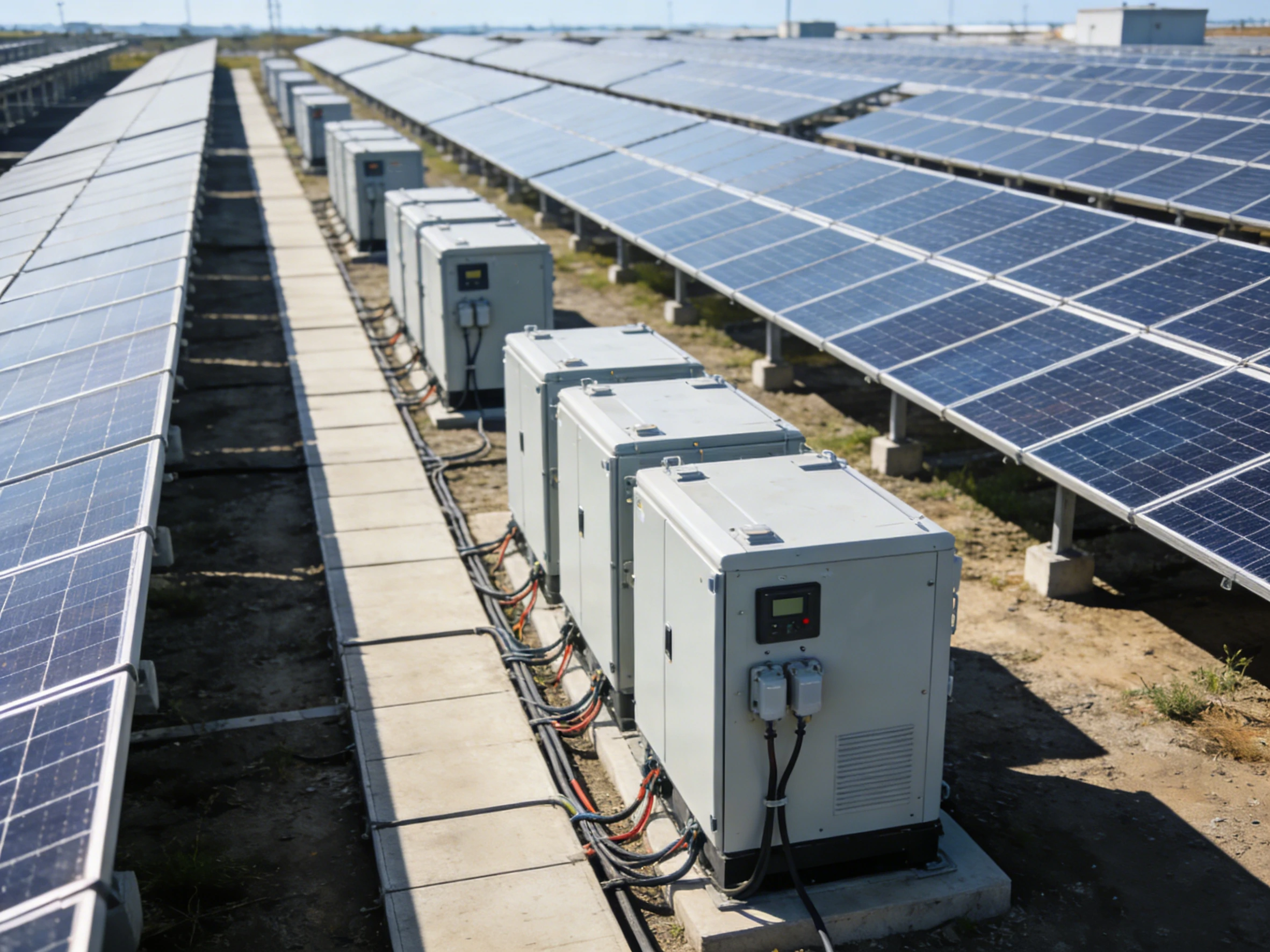
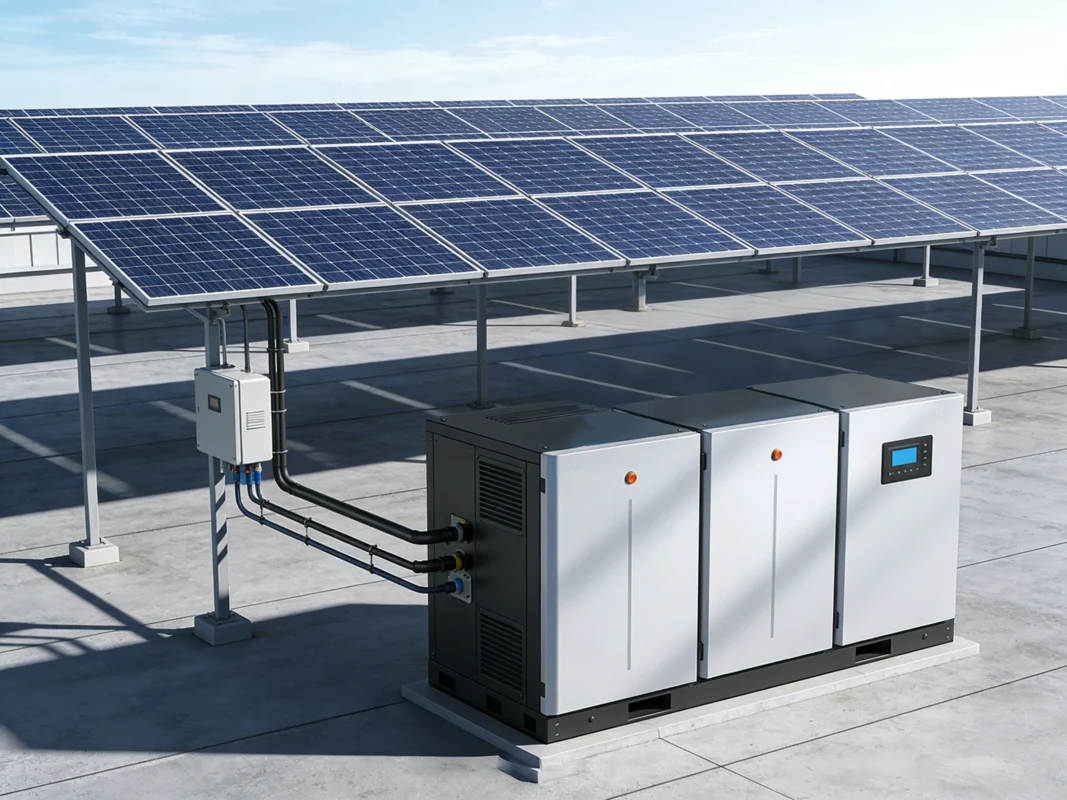
At its core, DC coupled solar storage refers to the configuration where solar PV panels connect directly to the battery energy storage system (BESS) through a shared DC bus. Unlike AC coupling, where solar energy first converts to AC before interacting with storage, DC coupling allows electricity to flow directly into the battery, minimizing conversion losses.
Think of it like this: when sunlight hits your panels, the electrons generated take the most direct path to storage, avoiding unnecessary detours. That’s why dc coupling efficiency bess can be significantly higher than AC-coupled systems, especially in large-scale ESS applications.
A typical DC-coupled solar storage setup includes:
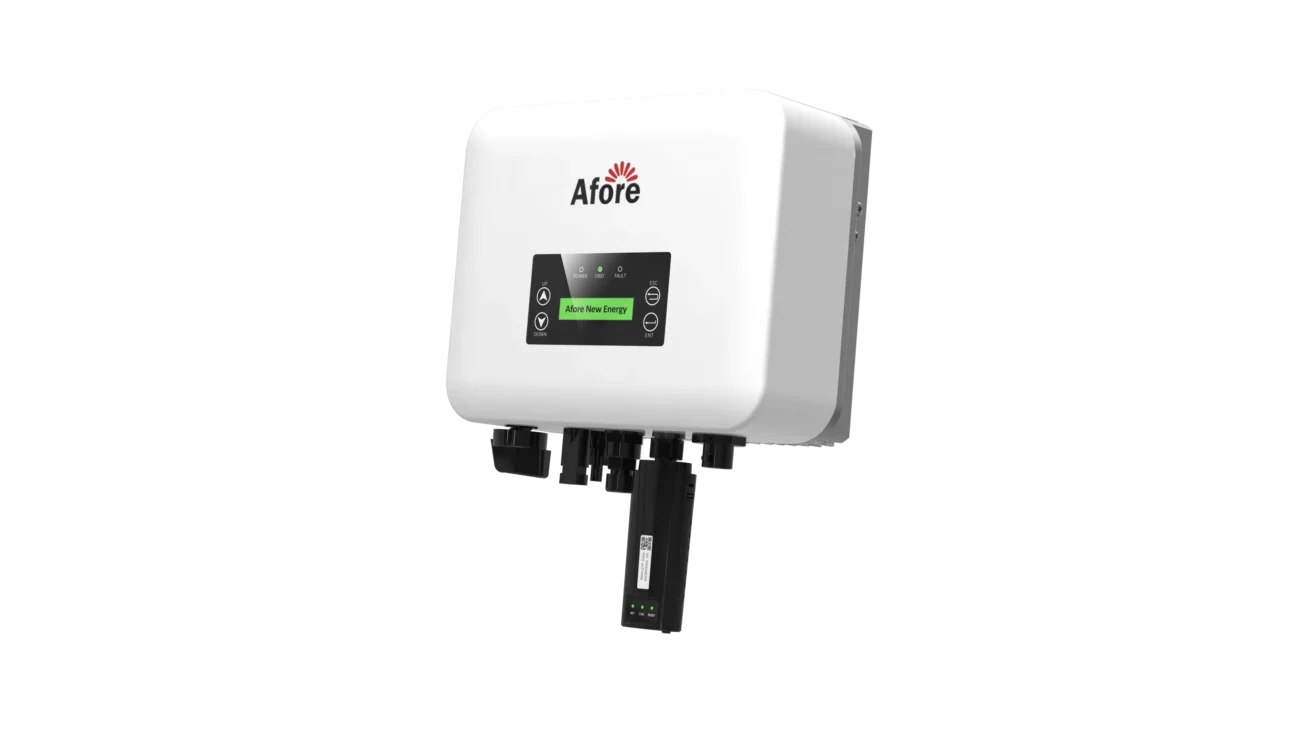
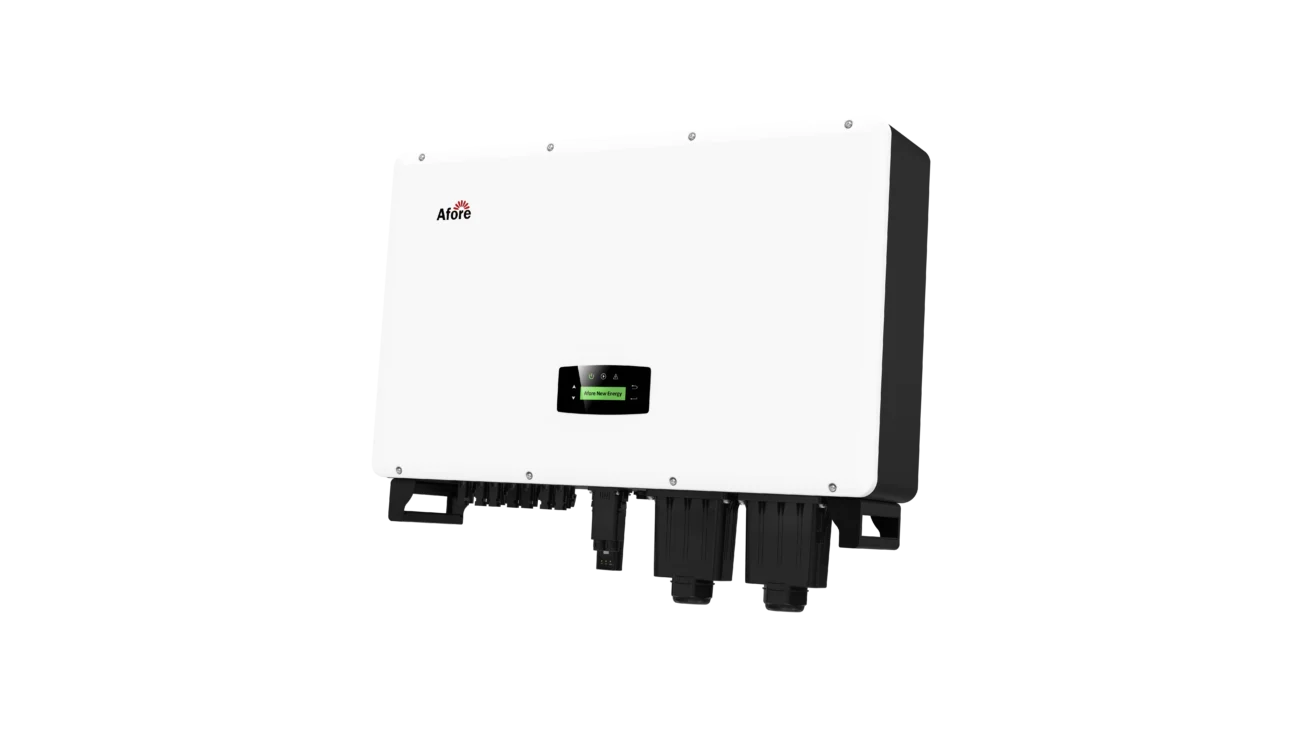
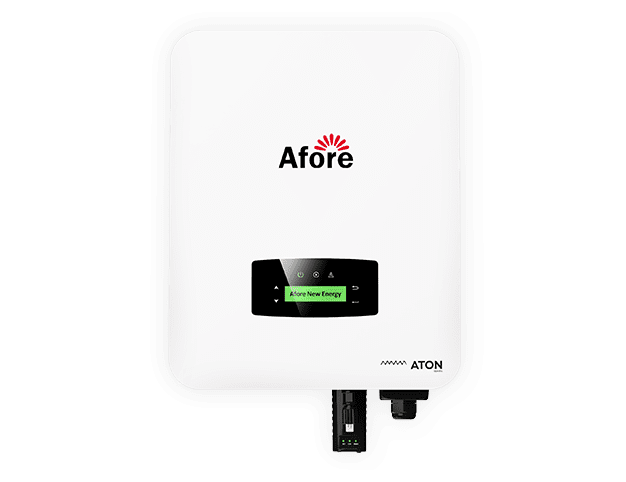
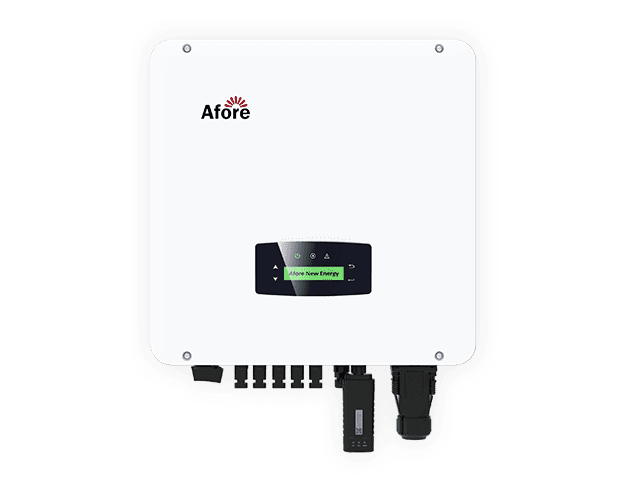
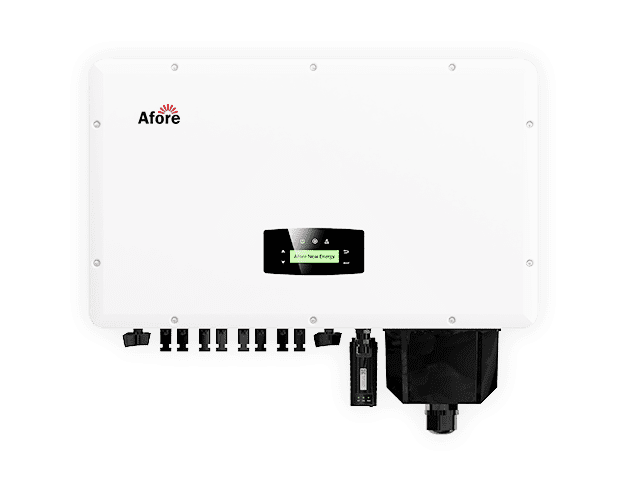
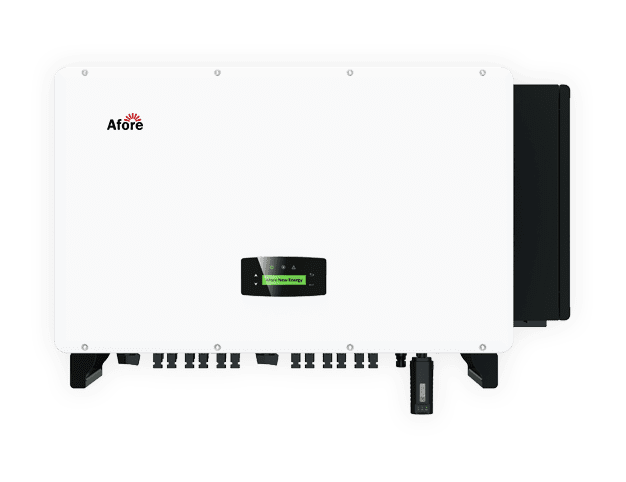
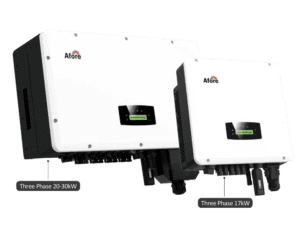
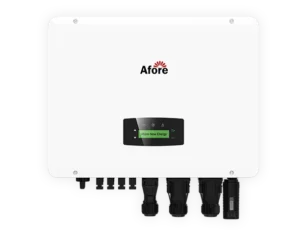
Using a solar inverter optimized for DC coupling ensures minimal loss during energy transfer. By carefully sizing the inverter relative to your PV array and BESS, you can maximize dc coupling efficiency bess, a key metric for project ROI.
Energy loss is the silent efficiency killer in solar storage systems, and it’s often underestimated. In AC-coupled setups, electricity generated by solar panels is first converted from DC to AC by the solar inverter before it can charge the battery. Then, when discharging, the energy goes back through another AC-to-DC conversion. Each of these conversions eats away a small portion of the energy—usually 2–5% per conversion—but when scaled to a large-scale ESS, those small losses can add up to hundreds of kilowatt-hours wasted every month.
With DC coupled solar storage, the electricity flows directly from the PV panels into the battery via a DC bus, bypassing unnecessary conversions. This not only reduces energy loss but also improves system responsiveness. For commercial or industrial facilities, that efficiency translates into real-world savings—more of the solar energy your panels generate actually ends up powering your operations rather than being lost along the way. By minimizing these losses, dc coupling efficiency bess becomes a critical metric for evaluating the true performance and cost-effectiveness of your energy storage system.
Round-trip efficiency BESS measures how much of the stored energy you can actually retrieve compared to what you initially put in. It’s the ultimate test of how well your system retains power. DC coupling shines in this regard because the fewer conversions your energy undergoes, the less energy is lost during storage and retrieval. For example, a well-designed DC-coupled system with high-quality energy storage inverters and optimized battery management can achieve round-trip efficiencies in the range of 88–95%.
This improvement isn’t just a number on paper—it has tangible implications. Higher round-trip efficiency means shorter payback periods, lower operational costs, and better utilization of renewable energy. In a scenario where daytime solar generation exceeds immediate demand, the excess energy stored in a DC-coupled system is captured more effectively, ensuring that nearly every kilowatt-hour contributes to your energy goals. Ultimately, understanding and maximizing dc coupling efficiency bess is essential for anyone looking to build a reliable, high-performing solar storage system that delivers measurable value over time.
DC coupling offers several clear advantages, especially when efficiency and energy optimization are top priorities. First, it maximizes dc coupling efficiency bess by minimizing the number of conversions between DC and AC, which directly reduces energy loss. This is particularly noticeable in large-scale ESS where even a few percent improvement in efficiency translates into significant energy savings over time.
Another advantage is the streamlined system design. With DC coupled solar storage, the PV panels feed directly into the battery via a shared DC bus, simplifying the flow of electricity. This not only improves energy retention but also allows for faster response times when discharging to meet load demands. For commercial and industrial installations, higher round-trip efficiency BESS means more of the solar energy is actually stored and used, rather than lost in unnecessary conversions. In short, DC coupling helps maximize the value of your energy assets and supports more predictable performance over the life of the system.
Despite its efficiency benefits, DC coupling does have some limitations. One of the main challenges is system flexibility. Retrofitting DC coupling into an existing AC-based solar farm can be complex, requiring modifications to the energy storage inverter and the addition of a DC bus. Upfront costs can also be higher because the system must be carefully designed to match PV output, battery capacity, and inverter rating.
Additionally, DC coupling may be less adaptable to situations where modular expansion or independent operation of batteries and PV arrays is needed. Maintenance and troubleshooting may also require more specialized knowledge, as the DC bus configuration differs from conventional AC setups. Understanding these limitations is essential for realistic project planning and ensuring that dc coupling efficiency bess improvements are not offset by operational challenges.
AC coupling can be the better choice in certain scenarios. It’s particularly suitable for retrofits or smaller-scale systems where the flexibility of modular components matters more than maximum efficiency. For instance, if you want to add storage to an existing solar installation without major rewiring, AC coupling simplifies integration.
It’s also favored when multiple inverters are involved or when the system needs to operate independently under varied conditions. While AC coupling typically yields slightly lower dc coupling efficiency bess, its flexibility and ease of installation can outweigh efficiency losses in specific cases. Ultimately, choosing between DC and AC coupling requires balancing efficiency gains against practical considerations like cost, scalability, and operational flexibility.
Designing a DC-coupled solar storage system is both a science and an art. When done right, it can significantly improve dc coupling efficiency bess, maximize energy utilization, and reduce operational costs over time. Unlike AC-coupled setups, DC coupling requires careful planning to ensure that the PV array, battery, and energy storage inverter all work together seamlessly. Let’s break down the critical steps to achieve optimal performance.
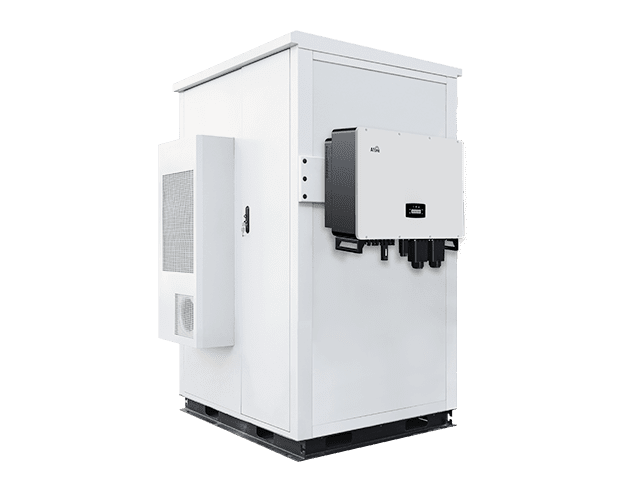
The energy storage inverter is the backbone of a DC-coupled system. It manages both charging and discharging of the battery, so its capacity must match the PV array and battery specifications. Undersized inverters can bottleneck the system, leaving solar energy unused, while oversized inverters may operate inefficiently at low loads. Ideally, you should calculate the inverter rating based on peak PV output and anticipated storage needs, ensuring that it operates within its optimal efficiency range most of the time.
Battery choice directly impacts round-trip efficiency BESS. Lithium-ion batteries are commonly preferred for large-scale ESS due to high energy density, rapid charge/discharge capabilities, and stable efficiency across cycles. Properly sizing the battery relative to the PV array ensures maximum energy capture during peak generation hours and avoids unnecessary cycling, which can degrade efficiency over time.
In DC-coupled systems, energy travels along a DC bus from the PV array to the battery. The length of wiring, cable gauge, and connection quality all influence dc coupling efficiency bess. Using short, low-resistance cables and properly rated conductors minimizes losses, which is especially important in multi-megawatt installations.
A smart monitoring setup allows you to track real-time performance, detect irregularities, and make adjustments. Advanced energy management systems can optimize charging schedules, prevent overcharging, and maximize the efficiency of both the solar inverter and the battery. Integrating monitoring tools helps maintain a consistently high round-trip efficiency BESS throughout the system’s lifespan.
Temperature, shading, and site layout affect DC-coupled performance. Batteries and inverters operate most efficiently within specific temperature ranges, and shading on the PV array can drastically reduce available power. Proper siting, ventilation, and thermal management are key for achieving peak dc coupling efficiency bess.
Let’s take a hypothetical 10 MW solar farm paired with a 4 MWh BESS to illustrate DC coupling in practice.
This example highlights how thoughtful design—right-sizing components, minimizing losses, and integrating smart controls—can transform a standard PV + BESS system into a highly efficient DC-coupled solution. For commercial and industrial projects, or any large-scale ESS, these principles are essential. Not only do they improve dc coupling efficiency bess, but they also enhance financial returns and contribute to long-term sustainability goals.
Accurately calculating dc coupling efficiency bess is essential for designing a high-performing solar storage system. Understanding how much energy actually reaches your load after storage helps you make informed decisions about sizing, cost, and operational expectations. Let’s break down the calculation methods and key factors that influence overall system efficiency.
The basic formula for dc coupling efficiency bess is straightforward but powerful:
This formula measures how effectively the solar energy is captured, stored, and ultimately delivered to your loads. To factor in storage, you also need to consider round-trip efficiency BESS, which reflects how much energy you can retrieve from the battery compared to what was originally stored:
For example, if a DC-coupled system generates 1,000 kWh and delivers 900 kWh to the load after accounting for storage and inverter losses, the dc coupling efficiency bess is 90%. This figure gives a realistic view of how efficiently your DC coupled solar storage performs under real operating conditions.
While formulas provide a clear calculation method, actual efficiency depends on multiple system-level factors. Key sources of losses include:
By accounting for these variables, system designers can generate a realistic estimate of dc coupling efficiency bess and round-trip efficiency BESS, which is essential for planning large-scale ESS projects. Accurate calculations not only guide component selection but also ensure that your solar storage investment delivers predictable and measurable energy savings over time.
DC-coupled solar storage is not just a theoretical concept—it has practical applications across commercial, industrial, and utility-scale projects. Understanding where DC coupling excels helps system designers and operators maximize dc coupling efficiency bess and achieve tangible energy savings.
For commercial and industrial facilities, DC coupling offers a clear efficiency advantage. Many C&I operations have high daytime energy demand, making DC coupled solar storage ideal for capturing excess PV generation and using it immediately or storing it for later. By minimizing conversion losses, DC coupling ensures that more of the generated solar energy reaches the facility load, improving round-trip efficiency BESS and reducing reliance on grid power. This configuration is especially beneficial for factories, warehouses, and large office complexes, where energy costs are significant and operational continuity is critical.
At the utility or multi-megawatt scale, DC coupling becomes even more compelling. In large-scale ESS installations, energy losses from repeated AC-DC conversions can accumulate to substantial amounts. By connecting PV panels directly to the battery via a DC bus, these systems retain more energy, improving overall system performance. Higher dc coupling efficiency bess translates into more predictable energy delivery and better ROI over the system’s lifetime. Operators also benefit from improved load-following capabilities, allowing energy storage to respond quickly to grid demands or peak load events.
Adding DC-coupled storage to existing solar farms is possible, though it requires careful planning. A hybrid system can capture unused solar energy and store it efficiently without extensive rewiring. Integrating a solar inverter capable of managing both PV input and battery charge allows the system to maintain high dc coupling efficiency bess while enhancing flexibility. Hybrid configurations are particularly valuable for retrofits where maximizing energy capture and storage efficiency is more important than complete system redesign. By leveraging DC coupling principles, operators can extend the utility of their existing solar infrastructure, improve round-trip efficiency BESS, and reduce energy waste.
Working with DC coupled solar storage in real-world scenarios reveals nuances that textbooks often overlook. Maximizing dc coupling efficiency bess requires attention to system design, operation, and maintenance. Here are field-tested tips to help achieve reliable, high-performance results.
One of the most common efficiency pitfalls is mismanaging battery charging. Overcharging or deep discharging can significantly reduce round-trip efficiency BESS and shorten battery life. In practice, maintaining the battery within recommended state-of-charge (SOC) ranges ensures that stored energy is used effectively. A well-monitored DC-coupled system allows operators to capture excess solar energy during peak generation hours while avoiding unnecessary losses from inefficient cycling.
The energy storage inverter plays a central role in DC-coupled systems. Field experience shows that inverters operating at high temperatures or near maximum capacity can lose efficiency, impacting dc coupling efficiency bess. Providing adequate ventilation, installing temperature sensors, and designing for consistent thermal management ensures that inverters operate within optimal conditions, maintaining high performance over time.
Solar generation isn’t constant—seasonal changes, weather conditions, and daily irradiance fluctuations affect system output. Field-tested designs take these variations into account by adjusting charging schedules and battery utilization patterns. Doing so helps maintain high round-trip efficiency BESS and ensures the system delivers predictable energy even when solar input varies.
In large-scale ESS, matching PV array output, battery capacity, and inverter size is crucial. Oversizing the battery relative to the PV array can result in unused energy during peak production, while undersizing can prevent full energy capture. Similarly, improperly sized solar inverters or energy storage inverters create bottlenecks, reducing overall dc coupling efficiency bess. Field experience emphasizes careful component sizing and iterative modeling to optimize system efficiency.
Routine inspections are more than preventive—they actively preserve efficiency. Check wiring connections, monitor DC bus voltage stability, and inspect for shading or dirt accumulation on panels. Even small improvements in system health can increase the effective dc coupling efficiency bess, especially in large-scale ESS installations where minor losses scale up.
DC coupling efficiency bess isn’t just a technical metric—it’s the key to maximizing solar storage ROI. By carefully designing your system, sizing inverters, selecting the right batteries, and monitoring performance, you can achieve high round-trip efficiency BESS while meeting your sustainability goals. Whether you’re retrofitting an existing solar farm or planning a new large-scale ESS, DC coupling should be on your radar.
DC coupling is more efficient because it reduces the number of energy conversions. In a DC-coupled system, electricity flows directly from the solar panels into the battery via a DC bus, bypassing unnecessary AC-to-DC and DC-to-AC conversions. This minimizes energy loss, improves dc coupling efficiency bess, and ensures more of the solar energy generated is stored or delivered to loads. For large-scale ESS, even a few percentage points of efficiency gain can translate into significant energy savings over time.
The round-trip efficiency BESS of a DC-coupled system typically ranges from 88% to 95%, depending on the battery chemistry, inverter quality, and system design. This metric measures how much energy you can get out of the battery compared to what you put in. Higher round-trip efficiency means less energy is wasted during storage and retrieval, making DC coupling ideal for both commercial and large-scale installations where maximizing energy utilization is critical.
DC coupling is preferred for commercial and industrial (C&I) systems when daytime solar production closely matches energy demand. Its higher dc coupling efficiency bess ensures that excess PV energy can be stored efficiently and used later, reducing grid dependency and lowering operational costs. AC coupling may be more flexible for retrofits or modular expansion, but DC coupling provides the best efficiency for continuous, predictable energy management.
To calculate total system loss, consider inverter efficiency, battery charge/discharge efficiency, wiring losses, and environmental factors. The simplified approach is:
Total System Loss (%)=100−DC Coupling Efficiency (%)
For example, if your system delivers 900 kWh from 1,000 kWh generated, your dc coupling efficiency bess is 90%, and total system loss is 10%. Accurate assessment helps in component sizing, operational planning, and predicting performance in large-scale ESS projects.
Yes, adding DC-coupled storage to an existing PV farm is possible, but it requires careful planning. You need to integrate a DC bus and ensure that the solar inverter or energy storage inverter can manage both PV input and battery charge. While retrofitting can be more complex than installing AC-coupled storage, the efficiency gains in dc coupling efficiency bess and round-trip efficiency BESS can justify the upgrade, particularly if maximizing energy capture and self-consumption is the goal.









 Turkish
  Romanian