




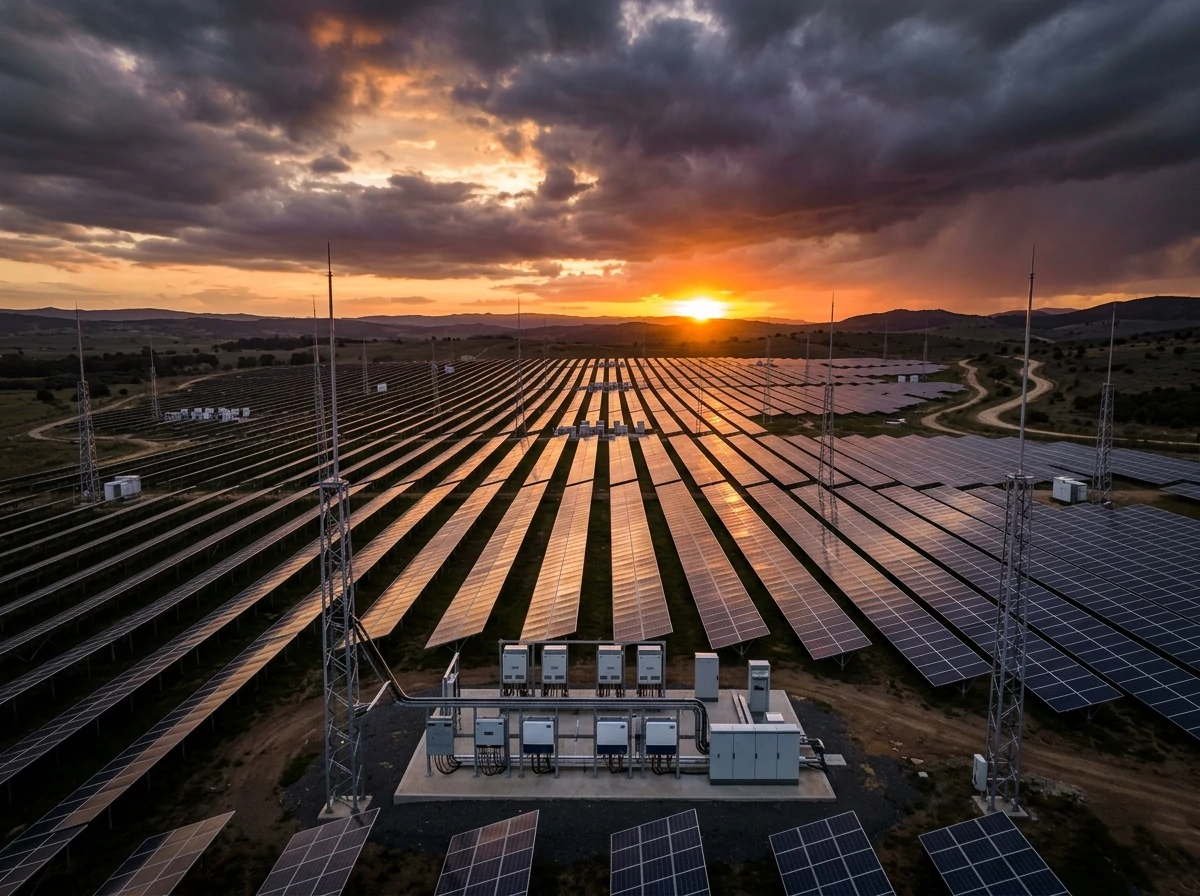
Let’s be honest—most people don’t think about inverter surge protection ratings until something goes wrong. A lightning strike hits nearby, the system trips, and suddenly your expensive setup is down. That’s when this topic stops being “technical jargon” and becomes very real.
If you’re working with a solar inverter, designing a PV system, or running installations, understanding inverter surge protection ratings isn’t optional—it’s critical. In this guide, we’re going deep. Not surface-level explanations, but real-world insights, practical tips, and the kind of details that actually help you avoid costly mistakes.
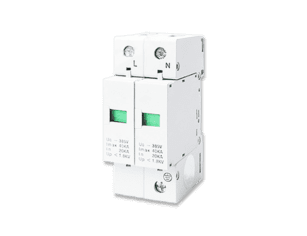
At its core, inverter surge protection ratings define how well a surge protection device (SPD) can handle voltage spikes before failing. These spikes often come from lightning or grid disturbances.
Think of it like this:
Your inverter is the brain of your solar system. A surge is like a sudden electric shock. The SPD is the bodyguard.
If your inverter surge protection ratings are too low? That bodyguard gets knocked out—and your inverter takes the hit.
Here’s what happens when inverter surge protection ratings are ignored:
From experience, one of the most common installation mistakes is underestimating surge risks. Especially in areas prone to storms, weak inverter surge protection ratings can turn into a financial disaster.
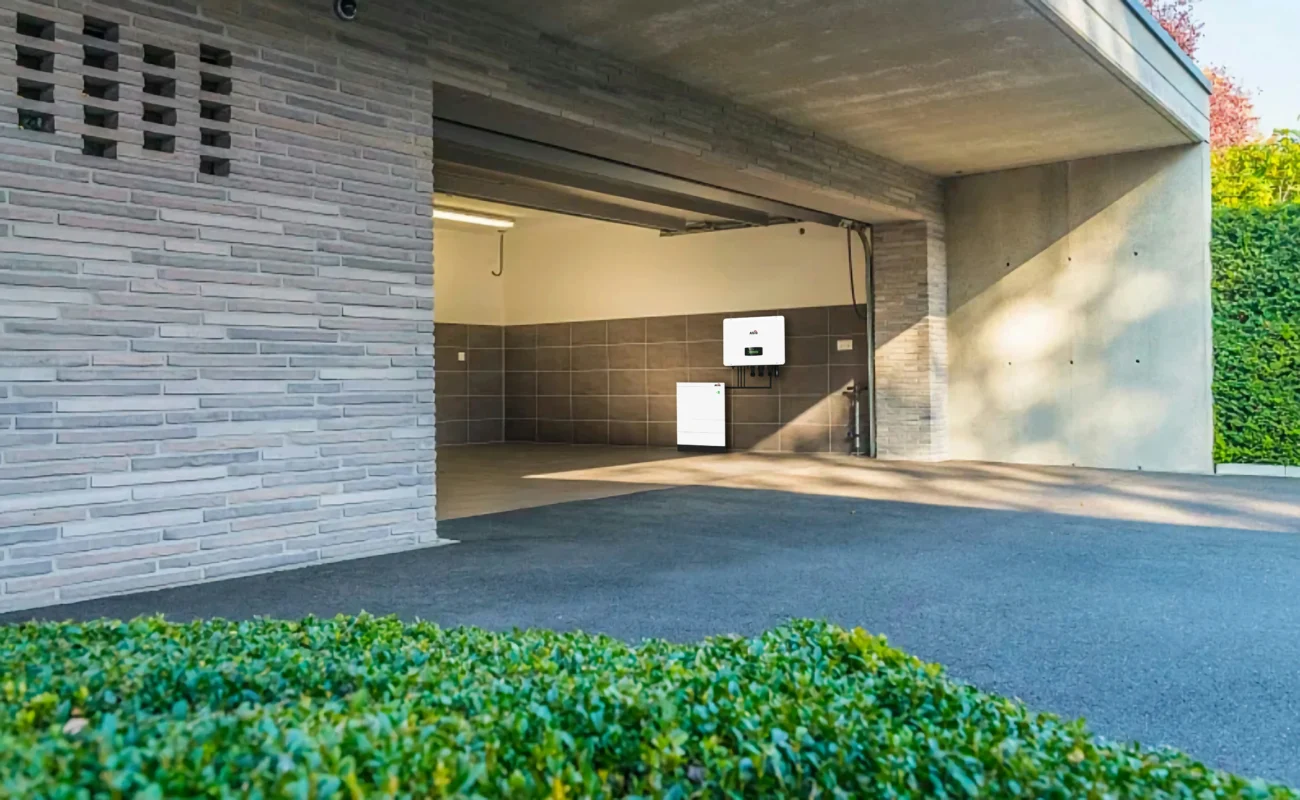
If you’ve ever wondered why some solar systems survive storms while others fail after a single surge, the answer usually comes down to PV inverter SPD requirements—and whether they were taken seriously.
In simple terms, PV inverter SPD requirements define how surge protection devices should be selected, rated, and installed to properly protect a solar inverter from transient overvoltages. These requirements aren’t random; they’re based on electrical standards, field experience, and real-world failure cases.
From a practical standpoint, meeting PV inverter SPD requirements means aligning your setup with three core factors:
Here’s the part many people overlook: even if your inverter surge protection ratings look solid on paper, they’re meaningless if the installation doesn’t follow proper requirements. A well-rated SPD installed incorrectly is basically wasted hardware.
Placement is everything. You can have excellent inverter surge protection ratings, but if your SPD is in the wrong spot, it won’t do its job.
To properly meet PV inverter SPD requirements, SPDs should typically be installed at:
In larger installations, you may also need additional SPDs at combiner boxes or distribution boards. It’s not overkill—it’s layered protection.
Here’s something you don’t see in textbooks: most surge-related failures aren’t caused by weak devices—they’re caused by poor decisions.
In field installations, the systems that consistently perform well all have one thing in common—they strictly follow PV inverter SPD requirements. Not partially. Not “close enough.” Fully.
A few hard-earned lessons:
On the flip side, when installation teams respect placement, grounding, and coordination, the difference is obvious. Even in high lightning zones, systems stay stable.
Bottom line? Meeting PV inverter SPD requirements isn’t just about compliance—it’s about real protection that actually works when it matters.
When people talk about inverter surge protection ratings, the conversation almost always leads to Type 1 vs Type 2—and for good reason. Choosing the wrong type is one of the fastest ways to leave a system exposed.
Here’s the straightforward breakdown:
In real-world solar applications, this distinction matters more than most expect. A solar inverter connected in an exposed area without Type 1 protection is essentially relying on luck during a storm.
On paper, both devices improve inverter surge protection ratings, but they serve very different roles.
In practice, the most reliable systems don’t choose one over the other—they use both, coordinated properly.
This is where theory meets reality. Your inverter surge protection ratings are only as strong as the weakest layer in your protection design.
If you rely solely on Type 2 in a high-risk environment, your ratings may look adequate on paper but fail under real surge conditions. On the other hand, using Type 1 without proper downstream protection can allow residual voltage to reach the inverter.
The key is coordination:
Together, they create a layered defense that significantly improves effective inverter surge protection ratings.
In actual installations, this combination—aligned with PV inverter SPD requirements and supported by solid lightning protection solar design—consistently delivers the best long-term performance.
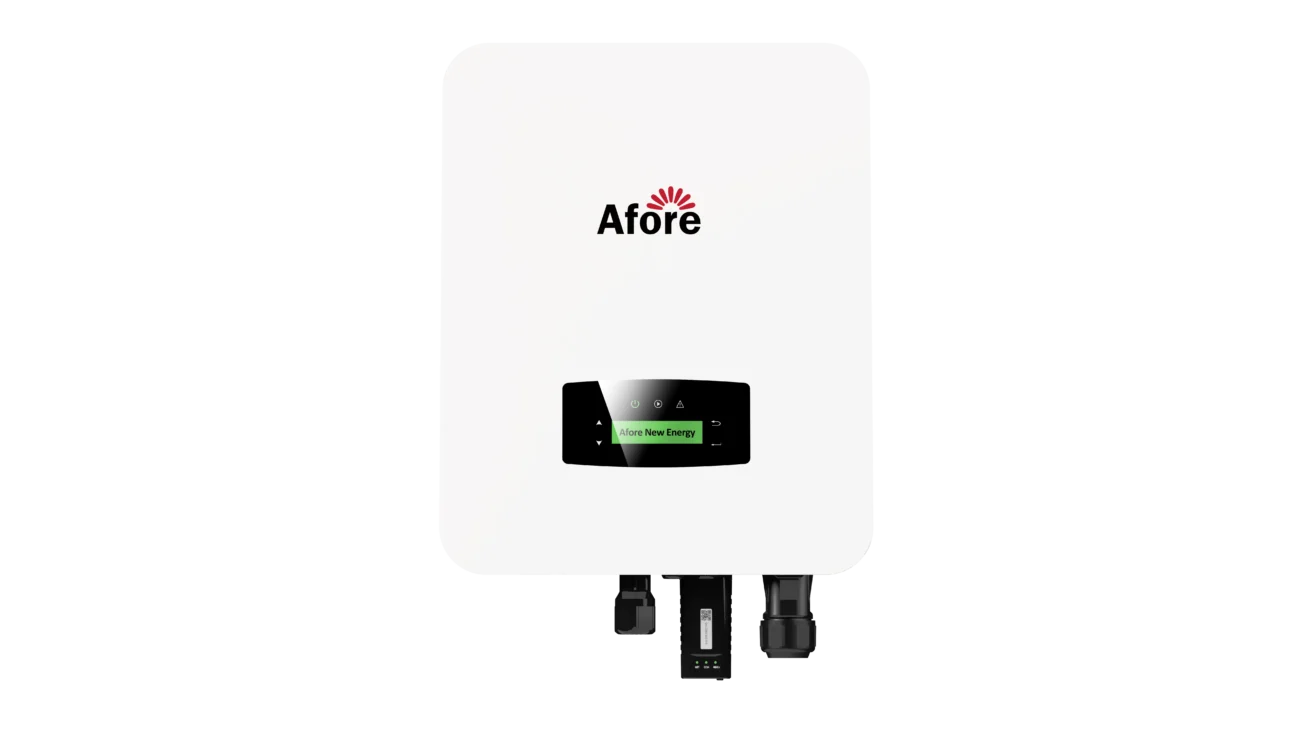
When we talk about protecting a solar inverter, most people immediately think about surge devices. But true lightning protection solar goes far beyond that. It’s a complete system design, not a single component.
A proper lightning protection solar setup typically includes:
In other words, inverter surge protection ratings are just one piece of a much bigger puzzle. Without the supporting infrastructure, even the best-rated SPD won’t perform as expected.
From real-world experience, systems that integrate full lightning protection solar design consistently outperform those that rely on isolated protection measures.
The most common mistake? Believing that installing a surge protector automatically guarantees safety.
It doesn’t.
Many assume that as long as their inverter surge protection ratings are high, the system is fully protected. But lightning doesn’t behave in a neat, predictable way. It looks for the easiest path to ground—and if your system design creates unintended paths, the surge will bypass your protection.
Here’s what often goes wrong:
In these cases, even if the SPD meets PV inverter SPD requirements, the overall system still fails because the protection strategy isn’t holistic.
Let me paint a scenario that’s surprisingly common in the field.
A rooftop solar installation in a storm-prone region had solid-looking specs: good inverter surge protection ratings, correctly sized SPDs, and compliance with basic PV inverter SPD requirements. On paper, everything checked out.
Then a lightning event occurred nearby—not even a direct strike.
The result?
The surge didn’t overwhelm the SPD—it simply found another path.
Contrast that with systems designed with full lightning protection solar principles: short cable routing, proper bonding, and coordinated Type 1 vs Type 2 protection. In similar conditions, those systems remained operational.
That’s the key takeaway—inverter surge protection ratings matter, but only when they’re part of a complete, well-executed protection strategy.
When you start comparing inverter surge protection ratings, it’s easy to get lost in technical numbers. But here’s the truth—those numbers are exactly what determine whether your solar inverter survives a surge or fails when it matters most.
Instead of glossing over specs, let’s break down the key parameters that actually define real-world protection.
Imax represents the maximum surge current an SPD can handle in a single event without catastrophic failure. Think of it as the device’s “last line of defense” capacity.
In practical terms, higher Imax values improve your overall inverter surge protection ratings, especially in regions with high lightning activity. If your system is exposed—rooftop installations, open land, or long cable runs—Imax becomes a critical factor.
But here’s a nuance many overlook: Imax is about surviving extreme events, not everyday performance. A device with a high Imax won’t necessarily perform better under repeated smaller surges if other parameters are weak.
From field experience, relying solely on Imax when selecting SPDs is a common mistake. It gives a false sense of security if the rest of the design doesn’t support it.
If Imax is about extreme events, In (Nominal Discharge Current) is about consistency over time.
In defines the current level the SPD can handle repeatedly without degrading. This is where long-term reliability comes into play. In real installations, most surges are not massive lightning strikes but smaller, frequent transients—grid fluctuations, switching operations, or distant lightning activity.
Strong inverter surge protection ratings always include a solid In value. Why? Because degradation is gradual. An SPD doesn’t usually fail overnight—it weakens over time until one day it simply stops protecting.
In systems that follow PV inverter SPD requirements, selecting an SPD with balanced Imax and In values is standard practice. It ensures both survival during major events and durability under everyday stress.
Now let’s talk about the parameter that directly affects your solar inverter: Voltage Protection Level (Up).
Up defines the maximum voltage that passes through the SPD to the equipment during a surge. Lower Up means better protection.
This is where inverter surge protection ratings become very real. Even if an SPD successfully diverts a surge, the residual voltage (Up) still reaches the inverter. If that voltage exceeds the inverter’s tolerance, damage can still occur.
In practical installations, this is why coordination between Type 1 vs Type 2 devices is so important. Type 1 handles high energy, while Type 2 reduces the residual voltage to a safe level—effectively lowering the Up seen by the inverter.
A common mistake is choosing an SPD with high current ratings but ignoring Up. That’s like having a strong shield that still lets harmful energy leak through.
Here’s the bottom line: inverter surge protection ratings are not about a single number—they’re about balance.
In real-world lightning protection solar systems, all three must work together. A mismatch—like high Imax but poor Up—creates hidden vulnerabilities.
From hands-on experience, the most reliable systems are those that:
Because at the end of the day, inverter surge protection ratings aren’t just technical specs—they’re the difference between a system that keeps running after a storm and one that doesn’t.
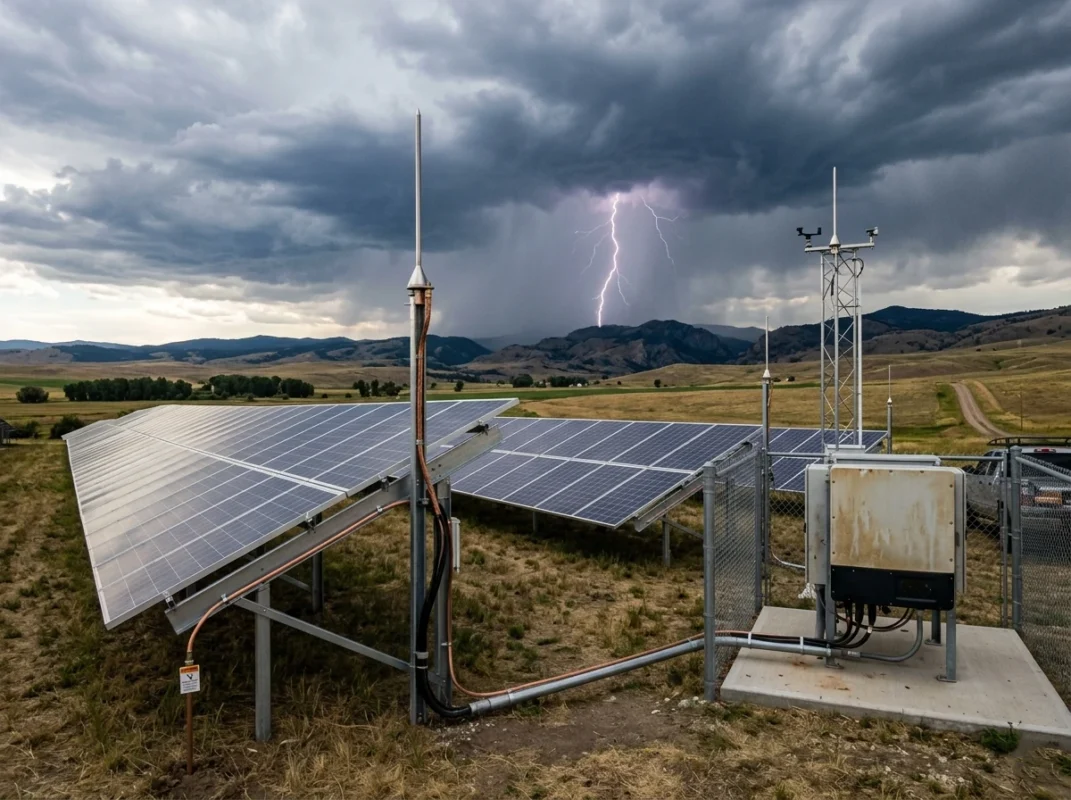
Choosing the right protection isn’t about picking the highest spec on a datasheet—it’s about matching real conditions with the right design. I’ve seen systems with excellent-looking inverter surge protection ratings fail simply because the selection didn’t reflect how the system actually operates.
Let’s walk through a practical, field-tested approach.
Before anything else, evaluate exposure. Open rooftops, rural installations, and long cable runs increase risk. In these cases, relying only on basic protection will weaken your effective inverter surge protection ratings.
This is non-negotiable. Proper PV inverter SPD requirements ensure your SPD selection aligns with system voltage, grounding, and installation standards. Skipping this step is where most protection failures begin.
In many real-world systems, combining Type 1 vs Type 2 provides layered defense and significantly improves actual inverter surge protection ratings.
Always ensure the SPD’s rated voltage aligns with both DC and AC system parameters. Mismatched voltage ratings can cause premature failure or ineffective protection.
Focus on Imax, In, and Up—not just marketing claims. Balanced specs are what define reliable inverter surge protection ratings.
Even the best SPD won’t perform if grounding is poor or cables are too long. Good installation practices are part of the selection process, not an afterthought.
Installing protection only on the DC or AC side leaves gaps. This weakens overall inverter surge protection ratings and exposes the system from the unprotected side.
In regions with frequent lightning, skipping Type 1 is a costly mistake. It directly contradicts proper lightning protection solar design.
Using multiple SPDs without coordination can reduce effectiveness. Proper alignment—especially in Type 1 vs Type 2 setups—is essential.
Long cable runs, loose grounding, and poor bonding can negate even strong inverter surge protection ratings.
Bigger numbers don’t always mean better results. The right configuration, aligned with PV inverter SPD requirements, is what truly protects your system.
In the end, choosing the right SPD is less about theory and more about applying the right decisions in the real world—where conditions are rarely perfect, and details make all the difference.
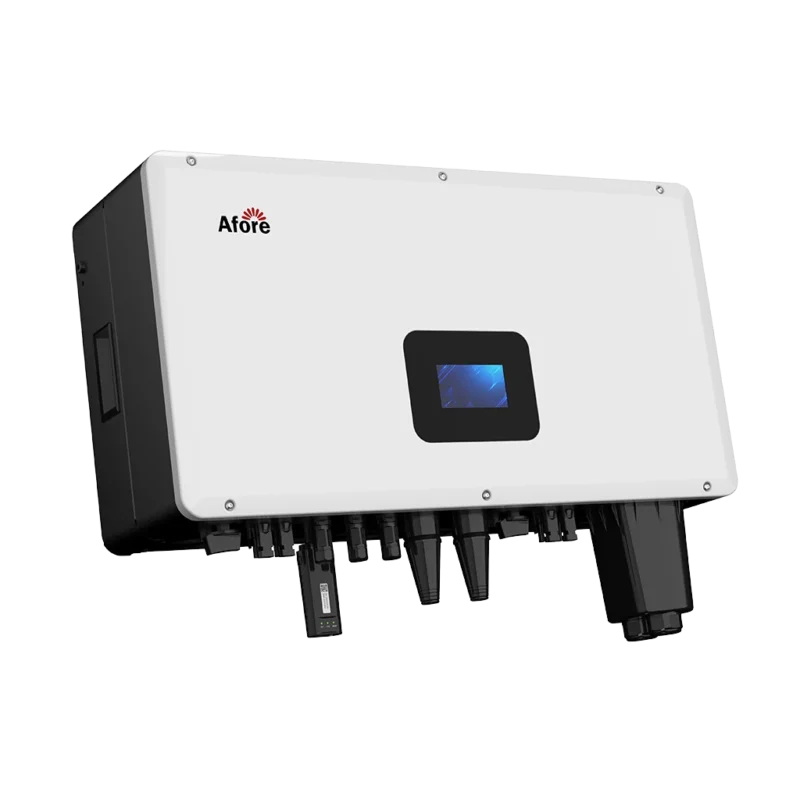
A solar inverter sits right in the middle of two very different worlds—the DC side (solar panels) and the AC side (grid or load). And here’s where many systems go wrong: they only protect one side.
From a real-world perspective, surges don’t follow rules. They can enter from:
If either side is left unprotected, your overall inverter surge protection ratings are effectively cut in half. I’ve seen installations where the DC side was fully protected, but an AC-side surge still took down the inverter—and vice versa.
This is exactly why PV inverter SPD requirements emphasize protection on both ends. It’s not redundancy; it’s necessity.
A reliable system doesn’t rely on a single layer—it builds a coordinated defense.
On the DC side, SPDs protect against external environmental risks. In exposed systems, combining Type 1 vs Type 2 devices can significantly improve inverter surge protection ratings, especially in high lightning zones.
On the AC side, SPDs handle grid-related disturbances and residual surges passing through the inverter. This is critical because even well-managed DC surges can reappear as stress on the AC output.
The key is coordination:
In practice, systems that follow this balanced approach consistently show better durability. Strong inverter surge protection ratings don’t come from a single device—they come from protecting every pathway a surge might take.
Even the best hardware won’t save a poorly installed system. I’ve seen setups with excellent inverter surge protection ratings fail simply because of basic installation mistakes. The truth is, real protection happens in the details—how cables are routed, how grounding is executed, and how tightly everything is integrated.
Let’s focus on the practices that actually make a difference in the field.
Cable length plays a bigger role than most people realize. The longer the cable between the SPD and the solar inverter, the higher the voltage that can develop during a surge.
In simple terms, long cables act like amplifiers for transient voltage. That means even if your SPD has strong inverter surge protection ratings, the effective protection at the inverter terminals is reduced.
From installation experience:
This approach aligns with PV inverter SPD requirements and ensures that the protection you paid for actually reaches the equipment.
If there’s one thing you absolutely cannot compromise on, it’s grounding.
A surge needs a clear, low-resistance path to earth. Without that, it will find another route—often through your inverter. No matter how high your inverter surge protection ratings are, poor grounding can render them useless.
Effective grounding in lightning protection solar systems means:
In real installations, grounding issues are one of the top causes of failure—even when SPDs are correctly selected. It’s not the component that fails; it’s the path.
Cable loops are a silent problem. They act like antennas, picking up electromagnetic energy during lightning events and feeding it straight into your system.
This directly weakens your inverter surge protection ratings, because you’re unintentionally introducing additional surge pathways.
Best practices include:
In well-designed systems, wiring layout is treated as part of the protection strategy—not just an afterthought.
When you combine short cable runs, solid grounding, and clean wiring design, your inverter surge protection ratings finally reflect real-world performance—not just theoretical specs.
Even the most robust system won’t stay protected forever. One of the biggest misconceptions I see in the field is assuming that once SPDs are installed, they can be forgotten. In reality, maintaining inverter surge protection ratings over time requires attention, inspection, and sometimes replacement.
Short answer—no, they don’t.
Every time a surge passes through an SPD, it absorbs energy and degrades slightly. Over time, this wear reduces its ability to protect your solar inverter. The device may still look fine from the outside, but internally, its inverter surge protection ratings can drop significantly.
In systems that follow proper PV inverter SPD requirements, SPDs are treated as consumable components, not permanent fixtures. Their lifespan depends on:
In high-risk areas, degradation happens faster. That’s why periodic checks are not optional—they’re essential.
The tricky part is that SPD failure isn’t always obvious. You won’t always get a dramatic shutdown. Instead, protection quietly weakens until the next surge causes real damage.
Here are the signs to watch for:
A failed SPD can also disrupt the circuit itself, which may stop the solar inverter from producing power altogether. At that point, your inverter surge protection ratings are effectively zero.
If there’s one habit that separates reliable systems from problematic ones, it’s this: always inspect SPDs after major weather events.
In real installations, I’ve seen systems survive multiple lightning seasons simply because the maintenance routine was consistent. After each storm:
And here’s something many overlook—don’t wait for visible failure. Even if everything looks normal, replacing SPDs every 3–5 years is a smart move, especially in systems exposed to frequent surges.
Maintaining strong inverter surge protection ratings isn’t about reacting to failure—it’s about staying ahead of it.
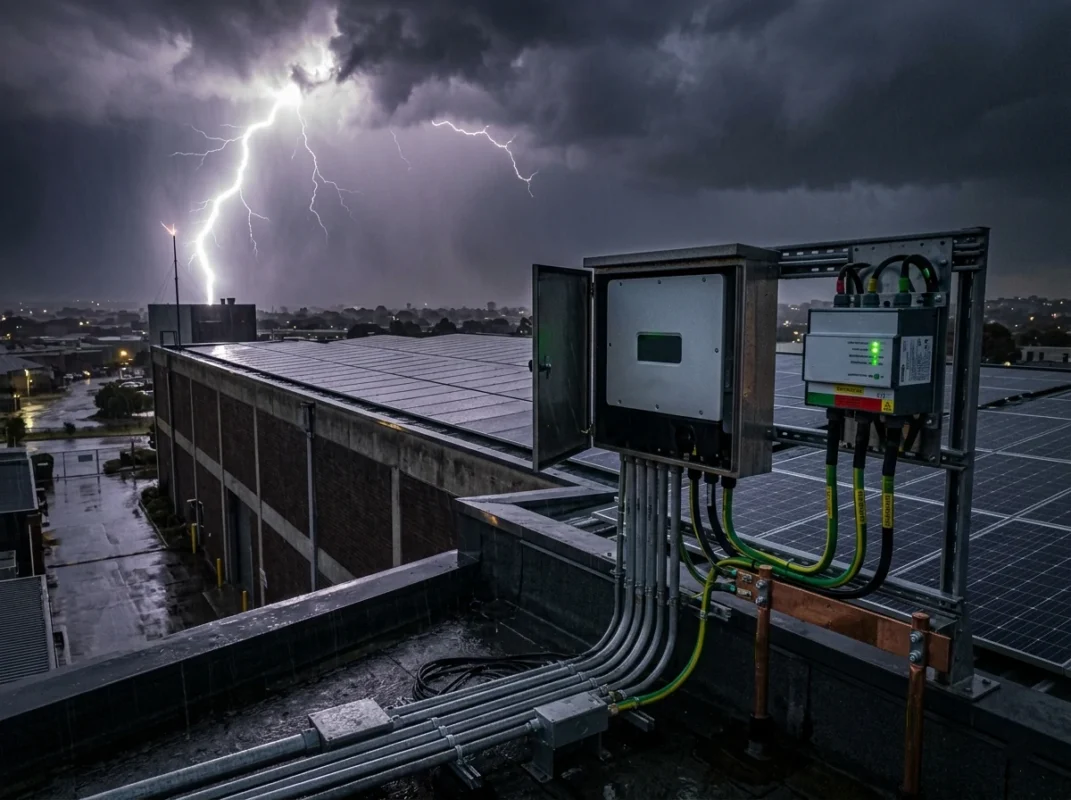
It’s tempting to assume that the highest inverter surge protection ratings automatically mean the best protection. In reality, that’s not always true.
Overspending on oversized SPDs without considering system design often leads to diminishing returns. For example, installing a high-capacity device without proper grounding or correct placement won’t improve real protection—it just increases cost. I’ve seen systems with premium specs fail because they ignored basic PV inverter SPD requirements.
What actually matters is fit, not just rating. The right combination of Type 1 vs Type 2, matched to your environment, will outperform a single high-rated device installed incorrectly.
A smarter approach is to focus on balanced protection:
In practice, well-designed systems with moderate inverter surge protection ratings often outperform poorly designed systems with higher specs.
The goal isn’t to spend more—it’s to spend where it actually improves protection.
If there’s one takeaway here, it’s this:
Inverter surge protection ratings are not just technical specs—they’re your system’s insurance policy.
Whether you’re installing a small residential system or a large commercial setup, getting this right means:
Cut corners here, and you’ll pay for it later. Invest wisely, follow PV inverter SPD requirements, understand Type 1 vs Type 2, and design proper lightning protection solar systems.
Because when lightning strikes—and eventually, it will—you’ll be glad you did.
Type 1 SPDs handle direct lightning strikes and are installed at the service entry, while Type 2 SPDs protect against indirect surges like switching events. For solar systems, combining both ensures layered protection and improves effective inverter surge protection ratings.
A Type 1 surge protector is necessary in areas with high lightning risk or when your system connects to external lightning protection. It acts as the first line of defense, preventing direct lightning currents from reaching your solar inverter.
To shield a solar inverter from direct lightning:
• Install a Type 1 SPD at the service entry
• Ensure proper grounding and bonding throughout the system
• Coordinate with Type 2 SPDs near the inverter
Following these steps maintains strong inverter surge protection ratings and reduces equipment damage risk.
Yes. A failed SPD can either short-circuit or leave the inverter exposed to harmful voltage. In either case, it may cause the inverter to shut down or prevent it from producing power. Regular inspection is critical to maintain effective inverter surge protection ratings.
SPDs degrade over time, even without visible damage. Standard practice is to inspect after major storms and replace every 3–5 years, depending on environmental conditions and system exposure. Proactive replacement ensures your solar inverter remains protected and operational.








 Turkish
  Romanian