





In today’s renewable energy landscape, inverter reactive power compensation has become more than just a technical term—it’s a vital tool for enhancing grid stability and maximizing the efficiency of solar installations. Whether you’re a seasoned solar installer or a curious energy enthusiast, understanding how solar inverters manage reactive power can transform the way you approach PV system design. In this guide, we’ll explore every nuance of inverter reactive power compensation, discuss practical strategies for power factor correction PV, and dive into real-world examples to make this topic accessible and actionable.
At its core, inverter reactive power compensation is the process by which a solar inverter adjusts the reactive power (measured in VARs) flowing into or out of the grid to maintain voltage stability and improve power factor. Think of it like fine-tuning a musical instrument; even small corrections can make a huge difference to overall performance.
Many people get confused between real power (kW) and reactive power (kVAR). Real power actually does work—it lights up your home, spins your appliances, and charges batteries. Reactive power, on the other hand, doesn’t perform work directly. Instead, it supports voltage levels and ensures that current and voltage remain in phase, which is crucial for maintaining grid reliability.
Without proper inverter reactive power compensation, grids can experience voltage fluctuations, energy losses, and even penalties for poor power factor. Utilities increasingly require VAR support inverters for PV systems, especially as solar penetration rises. Proper compensation not only prevents these issues but also allows your solar inverter to actively support the network—even during periods of low sunlight.

Modern solar inverters do much more than just convert DC to AC—they actively manage reactive power to stabilize the grid. Inverter reactive power compensation allows these systems to dynamically inject or absorb reactive power depending on grid conditions. By adjusting VAR output in real time, inverters can maintain voltage within acceptable limits, support weak grids, and prevent potential power factor penalties from utilities. This function is particularly critical in areas with high PV penetration, where voltage fluctuations can become frequent and problematic. In practical terms, reactive power compensation is like giving your PV system a “voltage steering wheel,” letting it guide the flow of energy to keep everything balanced and efficient.
One of the key tools in reactive power management is the volt-var function. This feature automatically changes reactive power output in response to local voltage measurements. For instance, if voltage rises above a predefined threshold, the inverter can absorb reactive power, reducing voltage stress on the lines. Conversely, if voltage drops, it can inject reactive power to help boost it. This dynamic response ensures that both real power production and grid stability remain optimized. From my experience installing medium-sized PV systems, enabling volt-var support often smooths out voltage swings that would otherwise trigger alarms or curtail energy output. It’s essentially like giving your inverter a built-in voltage guardian, continuously fine-tuning the balance between real and reactive power.
Many assume that reactive power compensation is only relevant during daylight, but inverter reactive power compensation can also operate at night. Even without active solar generation, inverters can provide reactive power to maintain voltage levels, prevent line overloading, and support neighboring loads. This capability is especially valuable in grids with low inertia or high variability in demand. While the inverter doesn’t produce real power at night, its ability to adjust VARs means it still contributes to grid reliability. In practice, this allows utilities to rely on distributed PV systems for continuous voltage support, reducing the need for additional infrastructure like capacitor banks or line reinforcements. Essentially, the inverter becomes a 24/7 partner in maintaining a stable and efficient grid.
Inverter reactive power compensation is a crucial element for achieving proper power factor correction PV in solar systems. Power factor (PF) measures how effectively electrical power is being used, comparing real power (kW) to apparent power (kVA). A PF close to 1 means nearly all the energy delivered is performing useful work, while a lower PF indicates that a significant portion of energy is “wasted” in reactive power, creating inefficiencies and potential grid stress. Utilities are increasingly enforcing PF standards, and PV systems that fail to meet them can face penalties. That’s where reactive power management via inverters becomes indispensable.
To put it simply, think of PF as the alignment between voltage and current. When voltage and current are in phase, your PF is optimal. When they’re out of phase, reactive power flows through the system, increasing current without delivering additional real power. This can lead to energy losses, overheating of lines, and inefficient operation of transformers. For PV operators, maintaining a high PF is not just a technical requirement—it’s a financial consideration, since poor PF can trigger additional charges from the utility. In systems without reactive power support, low PF often becomes more pronounced during periods of low solar generation or high reactive load from nearby equipment.
Modern solar inverters actively correct PF by injecting or absorbing reactive power as needed. Using volt-var function and real-time voltage measurements, the inverter dynamically adjusts VAR output to bring PF closer to unity. For example, if the system experiences a lagging PF due to inductive loads, the inverter can supply leading reactive power to balance the flow. Conversely, it can absorb excess reactive power during capacitive conditions. From practical experience, enabling inverter reactive power compensation in medium to large PV installations often improves PF from around 0.85 to 0.98 or higher. This not only keeps the system compliant with utility requirements but also optimizes energy delivery, reduces losses, and minimizes stress on electrical components. Over time, proper PF correction via inverters translates into more efficient operation, less maintenance, and better long-term performance for the PV system.
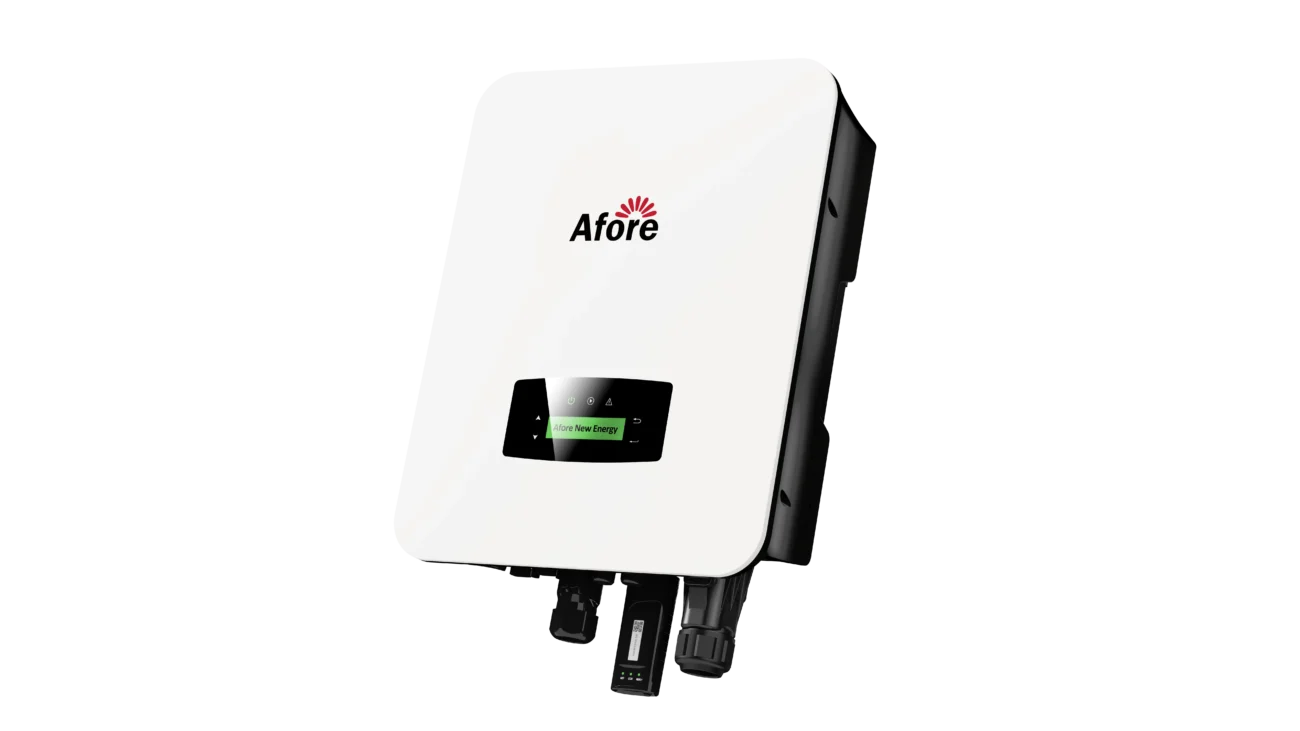
Inverter reactive power compensation is not just a theoretical concept—it has significant practical applications that can improve both the performance of PV systems and the stability of the electrical grid. Understanding how to implement reactive power strategies effectively can make a noticeable difference in real-world solar installations, whether for small commercial rooftops or large utility-scale PV farms. Let’s break down some of the key applications.
One of the most immediate benefits of inverter reactive power compensation is its ability to enhance grid reliability. Voltage fluctuations are a common challenge, particularly in areas with high solar penetration or weak distribution networks. Sudden changes in solar generation, such as cloud cover or shading, can cause voltage swings that ripple through the grid. By injecting or absorbing reactive power in real time, solar inverters act as distributed voltage regulators, smoothing out these fluctuations. From my field experience, even a handful of properly configured inverters can significantly reduce voltage volatility on low- and medium-voltage networks. Utilities increasingly recognize this value, requiring PV systems to provide VAR support inverter capabilities to ensure that distributed generation contributes positively to overall grid stability rather than exacerbating disturbances.
Another practical application of reactive power compensation is minimizing stress on existing electrical infrastructure. Transformers, transmission lines, and distribution equipment are all affected by reactive power flow. When reactive power levels are unbalanced, currents can rise unnecessarily, causing overheating, increased losses, and accelerated wear. With inverter reactive power compensation, these issues can be mitigated. The inverter continuously adjusts reactive power output, helping maintain voltage levels within safe limits. In large PV installations, this approach can prevent line overheating and reduce the risk of protective device tripping, ultimately extending the lifespan of the electrical network and saving operators significant maintenance costs. Properly applied, reactive power compensation ensures that the infrastructure supports both real and reactive loads efficiently without costly upgrades.
For decades, utilities and large facilities relied on physical capacitor banks to manage reactive power. While effective, capacitor banks are bulky, require maintenance, and lack the flexibility of modern inverter solutions. Today, advanced VAR support inverters can perform the same functions as capacitor banks while offering additional benefits. By dynamically adjusting reactive power output based on real-time voltage conditions, inverters provide more precise control than fixed capacitor setups. This flexibility allows operators to respond to changing load profiles, variable solar generation, and transient grid events without the need for additional hardware. From a practical standpoint, replacing traditional capacitor banks with reactive power-capable inverters reduces system complexity, saves space, and improves overall efficiency. Many installations I’ve overseen report immediate improvements in power factor and voltage stability after enabling reactive power features, proving that inverters can be a modern, cost-effective alternative to conventional solutions.

Implementing inverter reactive power compensation effectively requires more than just turning on a setting. Success depends on careful planning, proper configuration, and ongoing monitoring. When applied correctly, reactive power strategies can enhance system efficiency, maintain grid stability, and ensure compliance with utility requirements. Here’s a detailed look at practical steps for implementation.
The first step in successful inverter reactive power compensation is selecting an inverter capable of providing dynamic reactive power. Not all solar inverters support volt-var function or variable VAR output, so it’s essential to verify these features before installation. Inverters designed for reactive power management allow operators to adjust output based on grid voltage, provide VAR support inverter functionality, and maintain a near-unity power factor. Additionally, consider the size of your PV system and the typical load profiles on your network. For larger installations, distributed inverters with reactive power capabilities can reduce the need for costly grid upgrades. From experience, systems with properly specified inverters not only comply with utility PF requirements but also optimize energy delivery and reduce equipment stress across the network.
Once the inverter is selected, the next step is configuring the volt-var function. This involves setting voltage thresholds and defining how reactive power should respond to changes in grid voltage. For example, if voltage rises above a set point, the inverter can absorb reactive power to prevent overvoltage. If voltage drops, it can inject reactive power to support the grid. Fine-tuning these parameters requires careful analysis of historical voltage data and understanding local grid conditions. In practice, installers often start with standard thresholds, such as maintaining voltage within a 0.95–1.05 per unit range, and then adjust based on observed performance. Correct programming ensures the inverter responds quickly to fluctuations without unnecessarily curtailing real power output.
Implementation doesn’t end once the inverter is configured. Continuous monitoring and maintenance are critical for maximizing the benefits of inverter reactive power compensation. Modern inverters provide real-time dashboards that track voltage, reactive power flow, and power factor. Monitoring these metrics allows operators to detect anomalies early, adjust volt-var settings, and ensure the system continues to meet utility requirements. Scheduled maintenance, such as inspecting connections and verifying software settings, also helps prevent performance degradation over time. In large-scale PV installations, remote monitoring can alert operators to changes in grid conditions, allowing proactive adjustments before voltage or PF issues escalate. Proper monitoring not only preserves system efficiency but also extends the life of electrical components and maximizes energy yield.
While inverter reactive power compensation offers numerous benefits, real-world implementation comes with its own set of challenges. Understanding these obstacles and knowing how to address them is key to ensuring that PV systems perform reliably and efficiently.
One common concern is the tradeoff between reactive power support and real power output. Injecting or absorbing reactive power can slightly reduce the amount of real power (kW) that a solar inverter delivers to the grid. In practice, this reduction is usually minimal—often just a few percentage points—but it is important to account for it when designing the system. The key is to program the volt-var function carefully, balancing reactive power provision with maximum energy generation. From field experience, properly configured inverters maintain high real power output while providing substantial reactive power, effectively satisfying utility requirements without significant energy loss. Operators should also monitor the system over time, adjusting settings if real power output drops more than expected during peak generation periods.
Another challenge lies in the variability of grid regulations. Different regions have distinct standards for power factor, voltage ranges, and reactive power support. What works in one area may not be compliant in another. This makes it critical for installers and operators to consult local utility guidelines before configuring inverter reactive power compensation. In some locations, the rules may require continuous VAR injection even at night, while in others, reactive power provision is only mandated during daylight hours. Understanding these nuances ensures that PV systems remain compliant, avoid penalties, and contribute positively to overall grid stability.
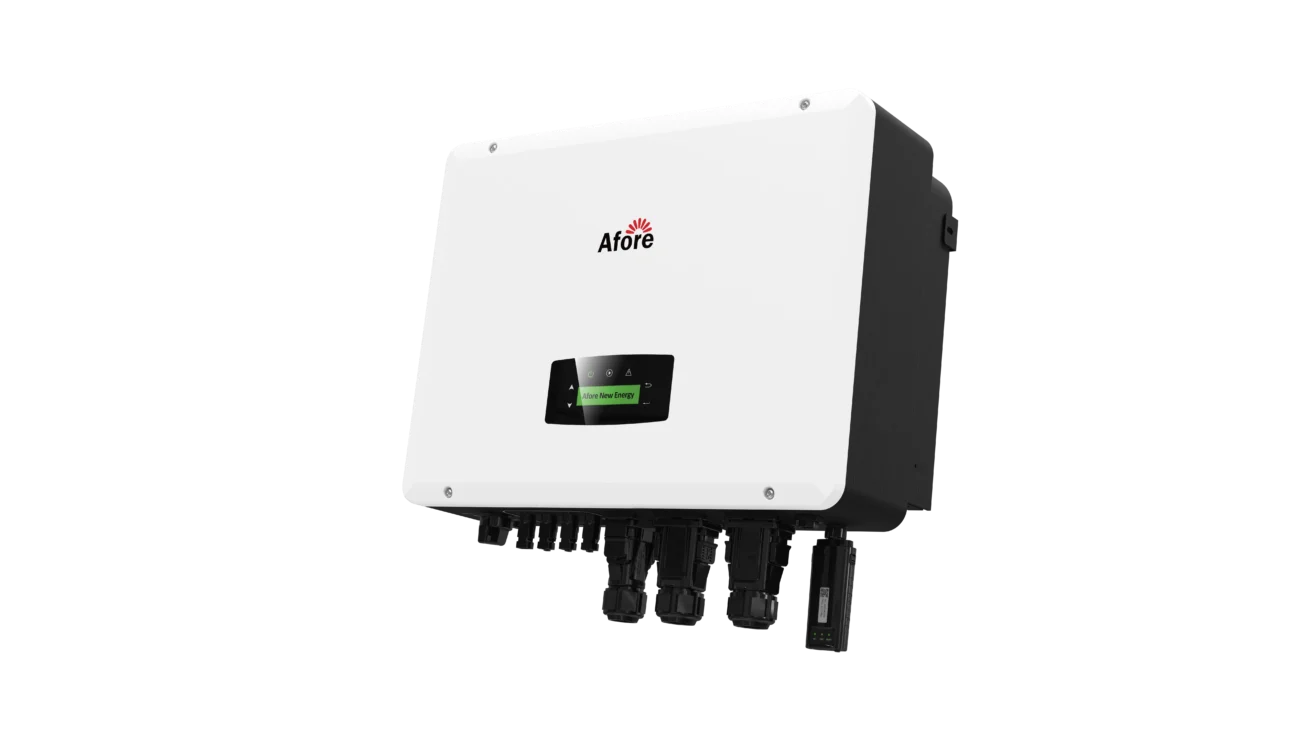
In the evolving world of solar energy, ignoring inverter reactive power compensation is no longer an option. From improving power factor correction PV to providing VAR support inverter capabilities and utilizing the volt-var function, modern solar inverters play a pivotal role in grid stability and energy efficiency. By understanding and implementing reactive power strategies, installers and operators can unlock the full potential of their PV systems—boosting performance, avoiding penalties, and contributing to a more resilient energy future.
Utilities require reactive power support to maintain stable voltage and reduce losses across the grid. Without proper inverter reactive power compensation, voltage fluctuations can occur, causing inefficiencies and stressing equipment. By using VAR support inverters, PV systems can dynamically inject or absorb reactive power, helping the grid remain balanced and improving overall reliability.
Even without active solar generation, inverters can supply reactive power to support the grid. This is done by controlling current to adjust voltage levels without producing real power (kW). The volt-var function allows the inverter to operate at night, maintaining grid stability, supporting neighboring loads, and helping utilities avoid the need for extra infrastructure.
Yes, advanced solar inverters equipped with reactive power capabilities can replace conventional capacitor banks. Unlike fixed capacitor setups, VAR support inverters provide dynamic reactive power injection and absorption based on real-time voltage measurements. This flexibility reduces hardware footprint, minimizes maintenance, and ensures more precise power factor correction PV.
Injecting or absorbing reactive power can slightly reduce real power output, but modern inverters are designed to minimize this tradeoff. In most cases, the reduction is negligible, allowing inverter reactive power compensation to provide grid support while maintaining near-optimal energy generation. Properly tuned volt-var settings ensure minimal loss of real power.
Absolutely. By managing reactive power flow, power factor correction PV keeps the system’s power factor close to unity. Maintaining a high PF prevents penalties imposed by utilities for inefficient energy delivery. In practice, enabling reactive power features in inverters often improves PF from 0.85 to 0.98 or higher, ensuring compliance and maximizing system efficiency.
Volt-var settings dictate how an inverter responds to voltage fluctuations. Properly configured, they help the PV system absorb or inject reactive power precisely when needed. This reduces voltage swings, stabilizes the network, and minimizes stress on transformers and distribution lines, making inverter reactive power compensation more effective.
Yes, each inverter has a rated capacity for reactive power output. Attempting to exceed this rating can reduce efficiency or trigger protective limits. Selecting the right solar inverter and programming appropriate volt-var thresholds ensures reactive power support without compromising system safety or real power output.










 Turkish
  Romanian