



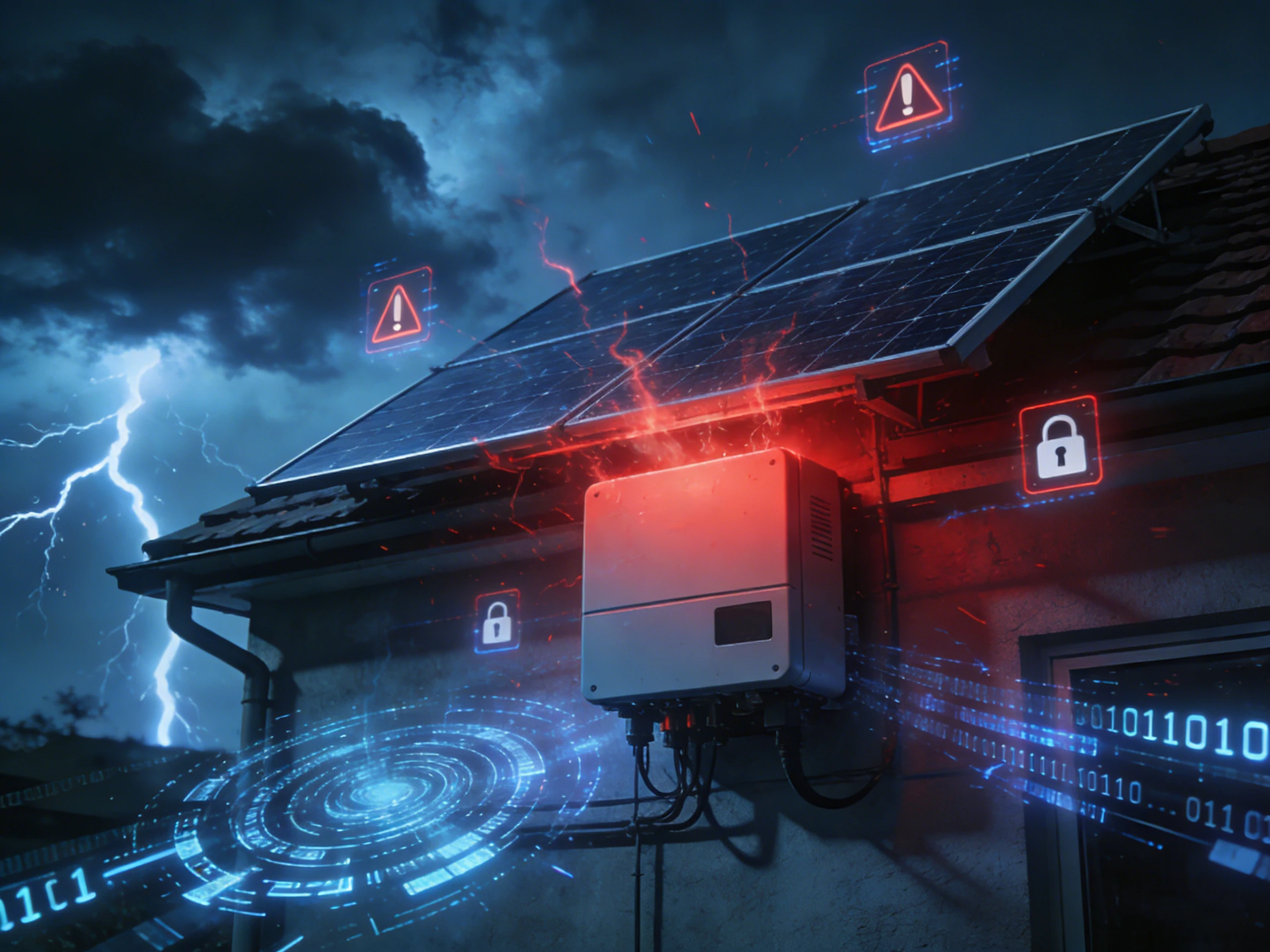
In today’s rapidly evolving energy landscape, solar inverter cybersecurity has become more than just a technical buzzword. With millions of distributed energy resources (DERs) feeding electricity into the grid, ensuring that your solar inverter and associated systems are secure is critical. But what exactly does cybersecurity mean for solar energy systems, and how can homeowners, operators, and engineers implement robust safeguards without sacrificing efficiency? Let’s dive in.
At its core, solar inverter cybersecurity refers to the strategies and technologies deployed to protect inverters and their networks from unauthorized access, data breaches, and malicious attacks. Unlike traditional cybersecurity for computers, this domain intersects heavily with energy systems, communication protocols, and grid stability.
Many people assume that solar panels are “just passive energy producers,” but the reality is different. Modern solar inverters are essentially smart devices with embedded microcontrollers, communication modules, and cloud connectivity. This connectivity makes them vulnerable to:
Think about it—if someone can manipulate a solar inverter remotely, they can disrupt not only a single home or business but potentially impact the broader electricity grid.
The concept of DER cybersecurity (Distributed Energy Resource cybersecurity) comes into play when we consider interconnected systems. A solar inverter isn’t isolated—it’s part of a network that may include energy storage, rooftop PV systems, and utility-scale installations. Protecting each component is essential to prevent cascading failures.
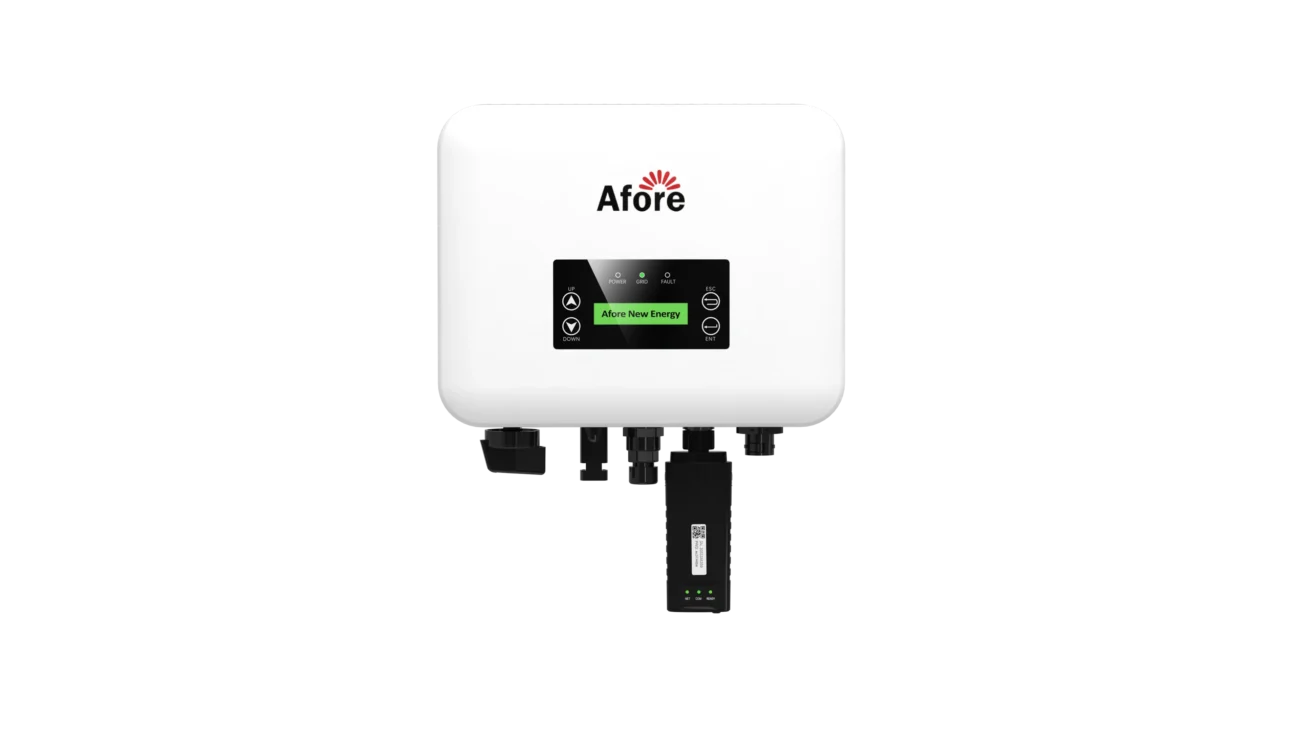
When it comes to solar inverter cybersecurity, relying on guesswork is not an option. The energy sector has already developed structured frameworks and technical guidance to help operators secure their systems. The challenge is not the lack of standards—it’s knowing how to apply them effectively in real-world scenarios.
Standards provide a common language between engineers, installers, utilities, and regulators. Without them, every system would follow its own security logic, creating gaps that attackers could easily exploit.
In practical terms, strong solar inverter cybersecurity standards help you:
From my experience working with distributed systems, the biggest risks often come from inconsistent setups rather than sophisticated attacks. That’s exactly what standards aim to eliminate.
The IEEE 1547.3 standard plays a critical role in guiding DER cybersecurity practices. It focuses on secure integration of distributed energy resources, including solar inverter systems, into the grid.
What makes this standard particularly valuable is its practical approach. It doesn’t just define “what secure looks like”—it explains how to get there.
Key recommendations include:
If you’re serious about solar inverter cybersecurity, aligning with the IEEE 1547.3 standard is one of the smartest starting points.
At a broader level, DER cybersecurity is built on layered protection. Think of it as a “defense-in-depth” strategy rather than a single solution.
Here are the core principles that consistently work in the field:
These principles are simple, but when consistently applied, they significantly strengthen solar inverter cybersecurity.
A major part of solar inverter cybersecurity revolves around how data moves between devices, servers, and operators. Weak communication channels are often the easiest entry point for attackers.
To improve PV monitoring data security, focus on:
In real deployments, I’ve seen unsecured APIs become the weakest link—even when the inverter hardware itself was well protected. That’s why PV monitoring data security should never be treated as an afterthought.
Standards are only useful if they’re actually implemented. The gap between theory and practice is where most security failures happen.
To bridge that gap:
By translating guidelines into repeatable processes, you ensure that solar inverter cybersecurity becomes part of daily operations—not just a one-time setup task.
In any modern PV system, data is just as valuable as the electricity being generated. From performance metrics to real-time alerts, monitoring platforms provide critical insights—but they also introduce risk. That’s where solar inverter cybersecurity intersects directly with PV monitoring data security.
If data flows aren’t properly protected, even a well-configured solar inverter can become a weak link. I’ve seen systems where the hardware was locked down, yet exposed APIs quietly leaked operational data. That’s why securing monitoring data isn’t optional—it’s foundational.
Let’s be honest—most attacks don’t start with dramatic system takeovers. They begin with small, often overlooked vulnerabilities in data handling.
Some of the most common threats include:
In the context of solar inverter cybersecurity, these risks go beyond privacy. Manipulated monitoring data can lead to incorrect system adjustments, financial discrepancies, or even grid instability in large-scale deployments.
Strong PV monitoring data security doesn’t require overly complex systems—it requires consistency and attention to detail.
Here are practical, field-tested measures that make a real difference:
From experience, the biggest wins come from getting the basics right. You don’t need cutting-edge tools to improve solar inverter cybersecurity—you need disciplined implementation of proven practices.
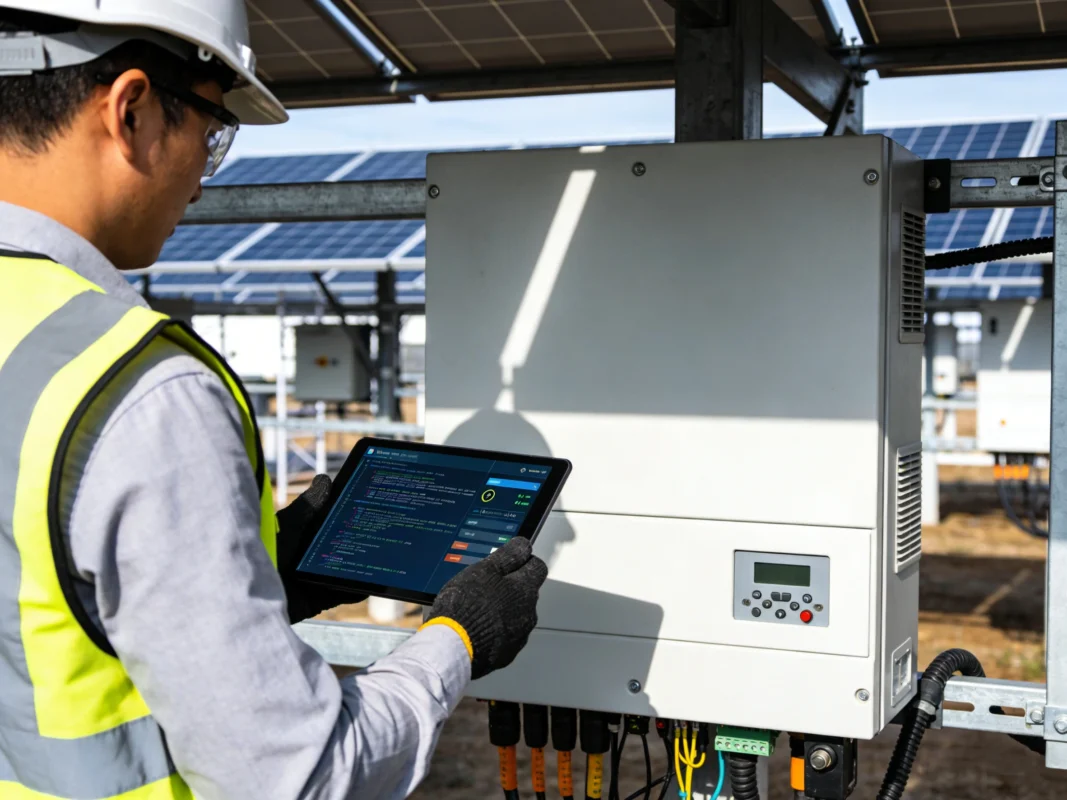
Cloud connectivity has completely changed how we interact with solar systems. Today’s solar inverter can stream real-time data, send alerts, and even allow remote configuration from anywhere. From an operational standpoint, that’s incredibly convenient. But from a solar inverter cybersecurity perspective, it also expands the attack surface in ways many users underestimate.
The reality is simple: the more connected your system is, the more carefully it needs to be secured.
Cloud-enabled systems introduce several entry points that didn’t exist in traditional setups. In my experience, most vulnerabilities don’t come from the inverter itself—they come from how it connects to external services.
Key risks include:
Within solar inverter cybersecurity, these risks are particularly concerning because they can enable remote manipulation of system behavior—not just data access.
The good news? Most cloud-related risks are preventable with disciplined setup and ongoing management.
Here’s what actually works in the field:
When properly configured, cloud-connected solar inverter systems can be both powerful and secure. The key is treating connectivity as a responsibility—not just a feature.
In industrial environments, solar inverter cybersecurity doesn’t stop at cloud access—it starts on the ground. Most large-scale PV systems rely heavily on local communication networks to connect inverters, controllers, and monitoring equipment. If this internal layer is exposed, the entire system becomes vulnerable, regardless of how secure the cloud side is.
From what I’ve seen in real deployments, local networks are often the most overlooked part of solar inverter cybersecurity—and sometimes the easiest entry point for attackers.
Industrial PV systems frequently use protocols designed for reliability, not security. That’s where problems begin.
Typical weaknesses include:
In the context of solar inverter cybersecurity, these vulnerabilities can lead to unauthorized command execution, data manipulation, or even system shutdowns—especially in high-capacity installations.
Modbus remains widely used in industrial PV systems, but it requires additional safeguards to meet modern DER cybersecurity expectations.
Here’s how to strengthen your local network:
Use secure variants of Modbus
Whenever possible, deploy Modbus over TCP with TLS encryption to protect data in transit.
In practice, securing local networks isn’t about replacing existing infrastructure—it’s about reinforcing it. Done right, these measures significantly reduce risk without disrupting operations.
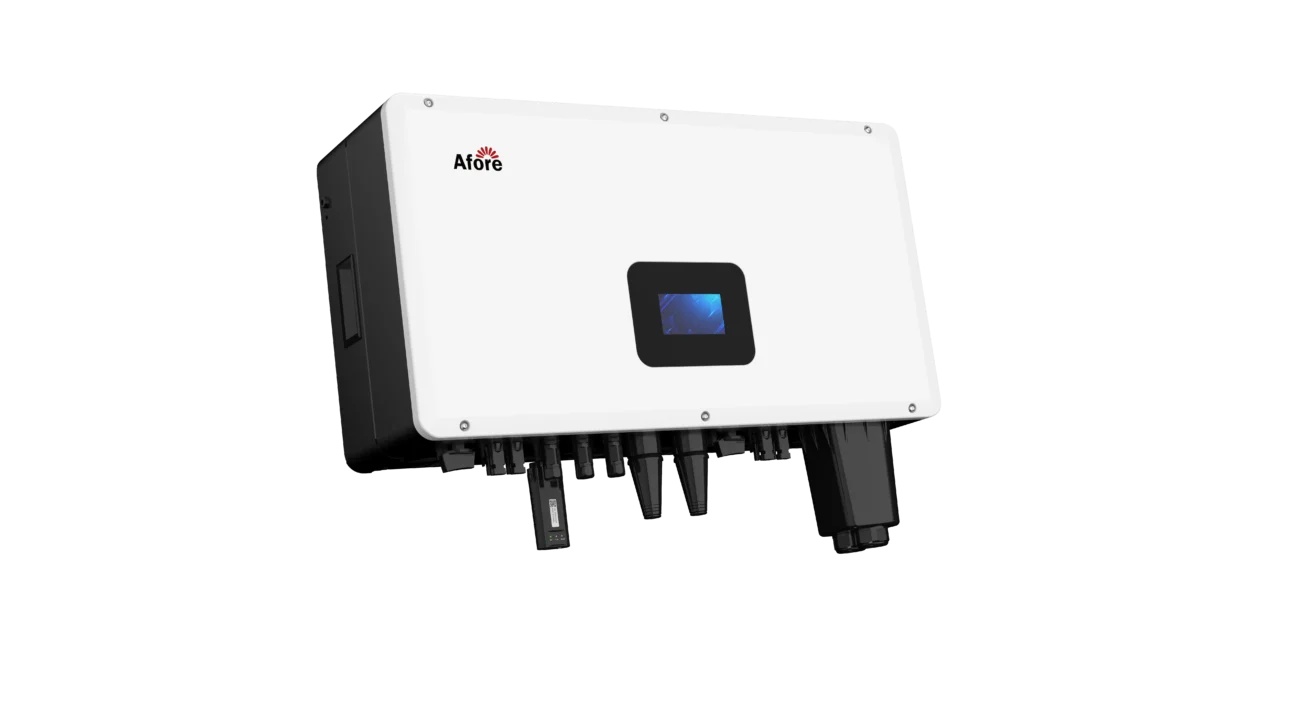
For homeowners, solar inverter cybersecurity might sound like something only engineers or large-scale operators need to worry about. In reality, residential systems are just as exposed—sometimes even more so, because they’re often installed with default settings and minimal follow-up configuration.
The good news? You don’t need advanced technical skills to significantly improve the security of your solar inverter. A few smart habits can go a long way.
One of the most common mistakes is leaving factory settings unchanged. Default usernames and passwords are widely known and often targeted first.
This simple step alone can dramatically strengthen your solar inverter cybersecurity.
Your inverter is only as secure as the network it connects to. If your Wi-Fi is vulnerable, your entire system is at risk.
From experience, isolating devices is one of the easiest ways to improve overall solar inverter cybersecurity without adding complexity.
Remote monitoring is convenient, but it should be tightly controlled.
Keeping an eye on who connects to your system helps catch issues early.
Outdated systems are a major risk. Updates often include patches for known vulnerabilities.
Consistent updates are a key part of maintaining long-term solar inverter cybersecurity and protecting your home energy system.
Even as awareness grows, solar inverter cybersecurity is still surrounded by misunderstandings and practical challenges. In real-world projects, I’ve noticed that the biggest risks don’t always come from advanced cyberattacks—they often come from false assumptions, overlooked details, and gaps between design and implementation.
Let’s break down some of the most common issues so you can avoid them before they become costly problems.
This is probably the most dangerous assumption in solar inverter cybersecurity. Many homeowners and even small commercial operators believe attackers only go after large utility-scale systems.
In reality, smaller systems are often easier targets because they:
Attackers don’t always target a single system for its value—they may use it as an entry point into a broader network. A single vulnerable solar inverter can become a stepping stone for larger attacks, especially in interconnected DER cybersecurity environments.
Another common concern is that adding security layers will slow down system performance or reduce efficiency. In practice, this rarely happens when solar inverter cybersecurity is implemented correctly.
Modern encryption protocols and authentication methods are designed to be lightweight. The impact on system performance is negligible compared to the potential damage caused by a breach.
In fact, secure systems often perform better in the long run because they:
So rather than being a burden, solar inverter cybersecurity actually supports system reliability.
This mindset is surprisingly common. Many assume that once a solar system is installed and configured, security is a one-time task.
The truth is, solar inverter cybersecurity is an ongoing process.
New vulnerabilities emerge, software updates are released, and system configurations change over time. Without regular maintenance, even a well-secured system can become exposed.
A more realistic approach includes:
Treating cybersecurity as a lifecycle—not a checklist—is essential, especially in evolving DER cybersecurity landscapes.
One of the trickiest parts of solar inverter cybersecurity is finding the right balance between ease of use and protection.
Operators want:
But every layer of convenience can introduce risk if not managed carefully.
For example, leaving remote access open for convenience might save time today—but it creates a long-term vulnerability. The key is controlled accessibility:
This balance is at the heart of effective solar inverter cybersecurity.
Not all PV installations are built with modern security in mind. Many existing systems rely on older communication protocols and hardware that weren’t designed for today’s threat landscape.
This creates a real challenge:
In these cases, improving solar inverter cybersecurity doesn’t always mean replacing everything. Instead, practical solutions include:
From experience, incremental improvements can still deliver significant risk reduction.
No matter how advanced your technology is, human behavior often determines the effectiveness of solar inverter cybersecurity.
Common human-related risks include:
Training and awareness are just as important as technical controls. When users understand the risks, they’re far more likely to follow best practices.
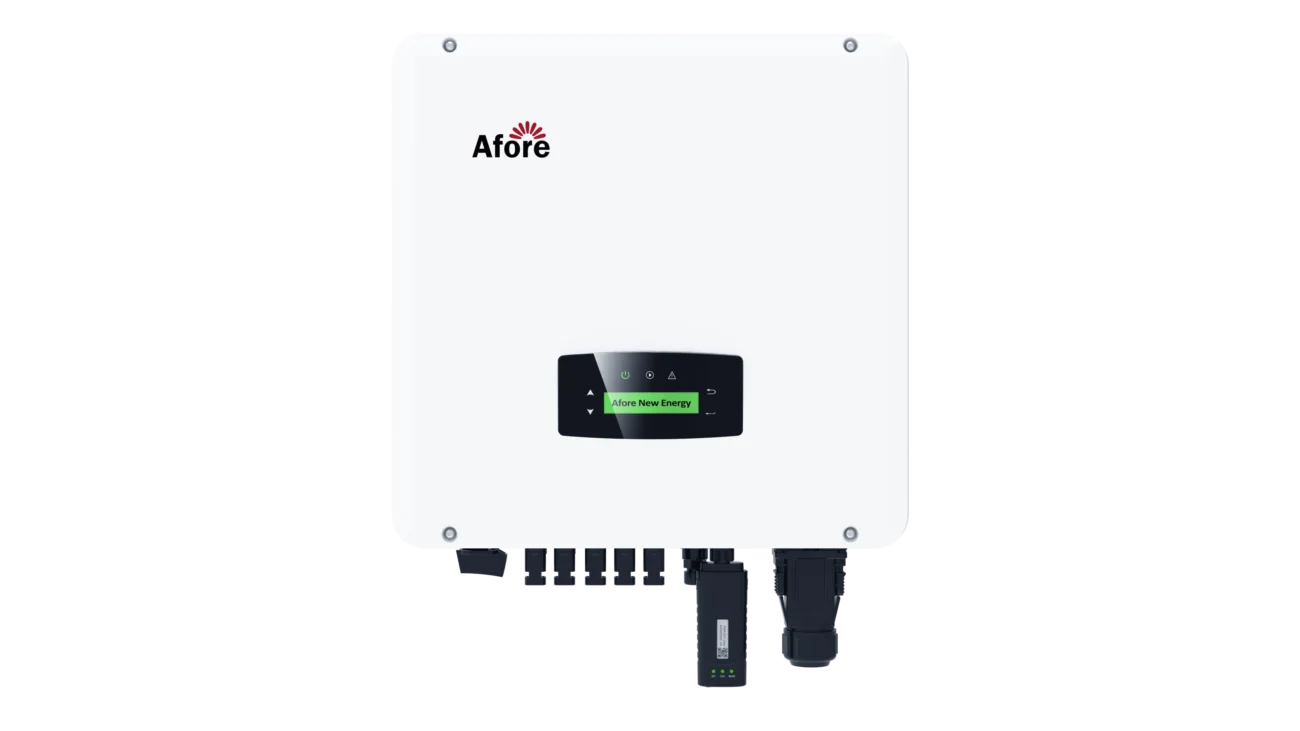
In the age of smart energy, solar inverter cybersecurity is no longer optional—it’s essential. Whether you operate a residential PV system or manage a utility-scale installation, understanding the risks, following the IEEE 1547.3 standard, securing local and cloud networks, and protecting monitoring data are critical steps. By investing in DER cybersecurity today, you safeguard not only your system but also the integrity of the broader electricity grid.
Take these practices seriously, implement them step by step, and you’ll sleep better knowing your solar investment is secure from cyber threats.
The IEEE 1547.3 standard is a technical guideline that outlines best practices for securing distributed energy resources (DERs), including solar inverter systems. It focuses on key areas such as device authentication, secure communication, access control, and incident response. In the context of solar inverter cybersecurity, this standard helps ensure that inverters can safely connect to the grid without exposing vulnerabilities.
To strengthen solar inverter cybersecurity, start by disabling default credentials and enabling strong, unique passwords. Add multi-factor authentication (MFA) for all remote logins, and restrict access using secure methods like VPNs or IP whitelisting. Regular firmware updates and login activity monitoring also help prevent unauthorized access.
Yes—if not properly secured. Cloud-connected solar inverter systems can introduce risks such as unauthorized control, data manipulation, or system disruption. However, with proper solar inverter cybersecurity measures like encrypted communication, strict access control, and continuous monitoring, these risks can be effectively managed.
For strong PV monitoring data security, APIs should use modern encryption protocols such as TLS 1.2 or TLS 1.3. In addition, token-based authentication (e.g., OAuth-style tokens), secure key management, and end-to-end encryption are recommended. These measures ensure that data transmitted between the solar inverter and monitoring platforms remains protected from interception or tampering.
Securing a Modbus network is essential for DER cybersecurity and overall solar inverter cybersecurity. Use Modbus TCP with TLS encryption where possible, segment the network to isolate inverter communications, and restrict device access through firewalls and access control lists. Continuous network monitoring and regular firmware updates further reduce the risk of unauthorized commands or data breaches.







 Turkish
  Romanian