




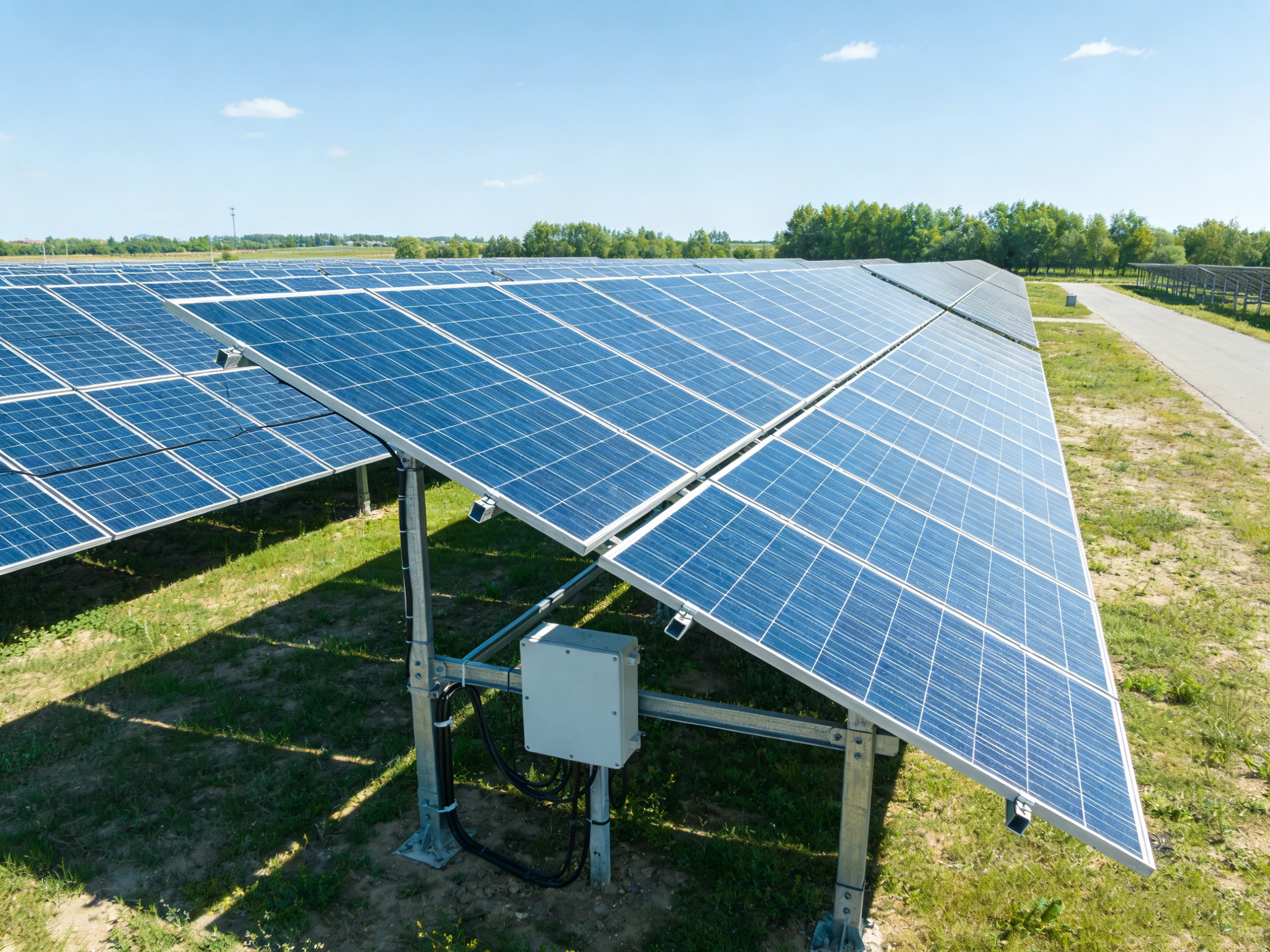
In today’s world, the transition to renewable energy isn’t just a trend—it’s a necessity. As more solar energy penetrates our power grids, maintaining stability becomes a real challenge. That’s where grid inertia support PV comes in. You might have heard energy engineers talk about “synthetic inertia solar” or “VSG inertia,” but what does all that mean for the average grid operator or solar enthusiast? Let’s break it down.
When we talk about electricity grids, inertia refers to the natural resistance of the system to changes in frequency. Traditional power plants—like coal or gas—have heavy spinning turbines. These turbines act like giant flywheels. If the grid suddenly loses power, their momentum keeps things stable for a short time, giving operators a chance to respond. This is physical inertia.
But here’s the catch: solar panels don’t have spinning turbines. They generate electricity directly from sunlight, which is fantastic for clean energy but introduces a new problem—low natural inertia. That’s where grid inertia support PV becomes crucial.
Think of a grid like a tightrope walker. Frequency deviations are like sudden gusts of wind. Without inertia, the tightrope walker might topple in an instant. Grid inertia support PV acts like a safety harness, helping prevent blackouts and equipment damage. Without it, even small disturbances could trigger large-scale outages.
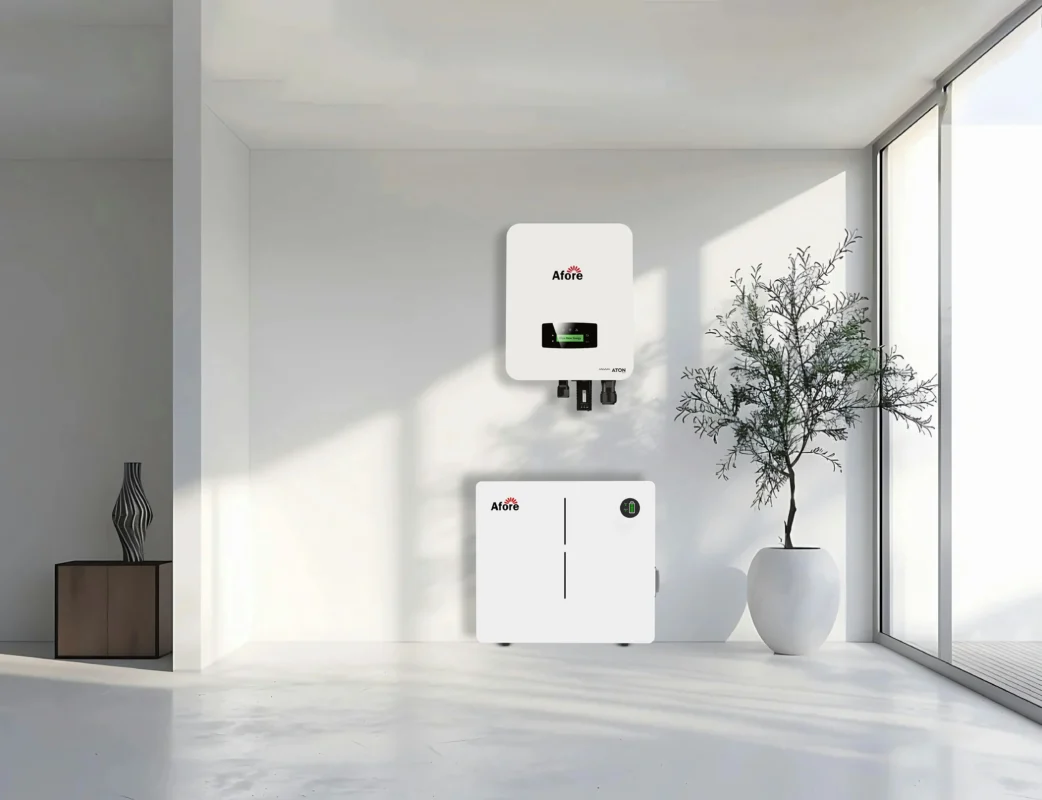
Synthetic inertia, often referred to as synthetic inertia solar, is an ingenious way to mimic the stabilizing effect of spinning turbines. Using grid-forming inverter technology, solar inverters can inject power quickly into the grid when frequency drops, acting almost like a virtual flywheel. It’s not magic—it’s precise engineering.
Here’s the key: traditional inverters simply inject power according to demand, but grid-forming inverters actively respond to grid conditions, providing a buffer against fluctuations.
Virtual Synchronous Generator (VSG) technology, or VSG inertia, allows solar inverters to emulate synchronous generators’ behavior. Imagine your solar farm suddenly sensing a frequency dip. The VSG algorithm reacts almost instantly, injecting extra current to stabilize the frequency. It’s like giving your PV system superpowers for grid stability.
From personal experience, when we tested VSG inertia on a small-scale microgrid, the frequency deviation dropped by over 60% compared to conventional inverters. That’s a tangible improvement for any weak or renewable-heavy grid.
When it comes to stabilizing modern solar-heavy grids, understanding the difference between grid-forming and grid-following inverters is crucial. Most traditional solar installations rely on grid-following inverters—they need a stable external grid to operate and simply feed power into it. While this works well in strong grids, it can be risky in weak or renewable-dominated systems, where frequency and voltage can fluctuate dramatically.
In contrast, grid-forming inverter technology actively shapes the grid. These inverters don’t just inject power—they respond to frequency deviations and voltage changes, acting almost like a virtual spinning generator. By mimicking the behavior of synchronous machines through VSG inertia or synthetic inertia, they provide immediate support to maintain grid stability. In practice, this means your solar PV system can continue to operate even during disturbances, reducing the risk of blackouts and equipment damage.
The advantages of grid-forming inverters extend well beyond simple frequency stabilization. They enable smoother integration with hybrid inverters, combining solar and battery storage to provide both energy and grid support. This combination is particularly valuable for microgrids and isolated systems, where maintaining stability is critical.
Moreover, grid-forming inverters improve black-start capability, allowing a system to restore itself without relying on conventional spinning generators. They also offer faster and more precise reactive power control, enhancing voltage regulation. From practical experience, systems equipped with grid-forming inverter technology can reduce frequency deviations significantly and handle rapid load changes without human intervention.
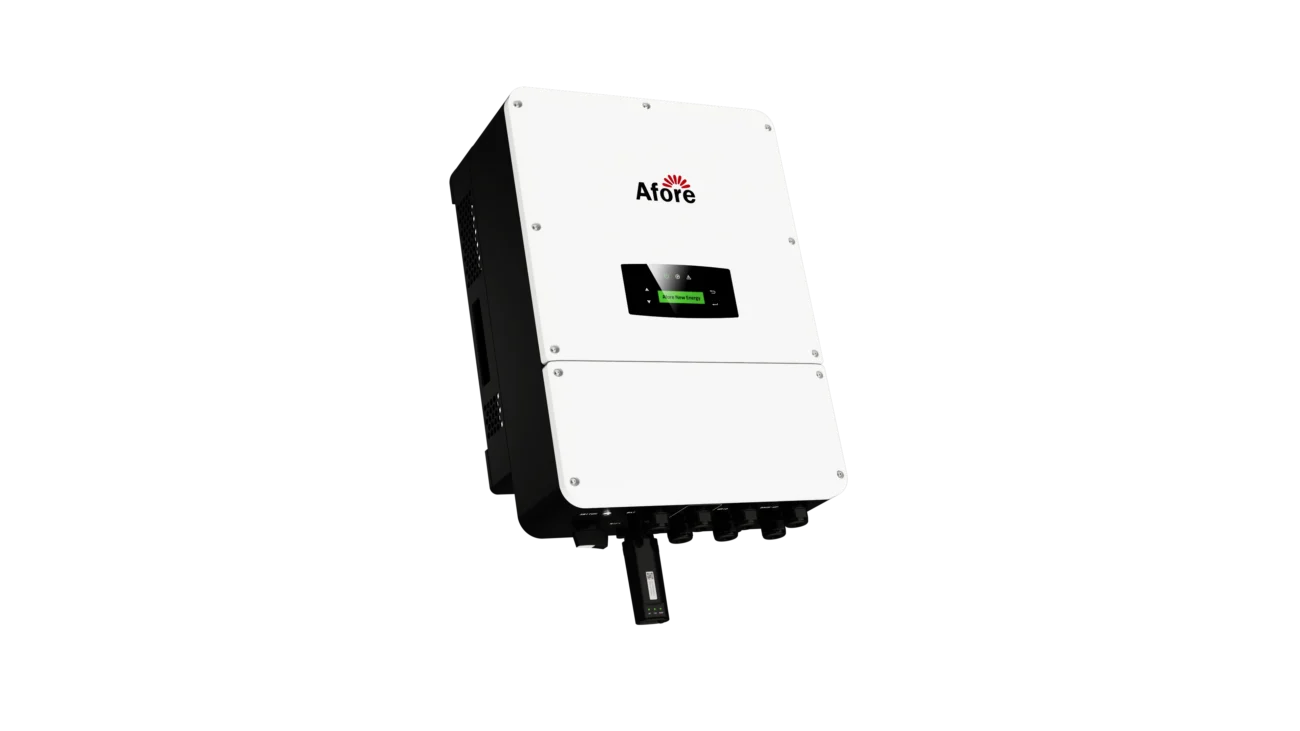
Choosing the right inverter is the first and arguably most critical step in implementing grid inertia support PV. Not all solar inverters are created equal—if your goal is to provide real inertial support to the grid, standard grid-following inverters won’t cut it. You need inverters capable of grid-forming operation, which can actively respond to frequency and voltage fluctuations. Features like VSG inertia or synthetic inertia response are essential, especially in weak or renewable-dense grids.
When evaluating inverters, consider the system’s scale and the grid’s stability. For small microgrids, a single high-capacity grid-forming inverter might suffice. For larger installations, multiple inverters with coordinated control may be necessary. Also, ensure that the inverter supports hybrid configurations, allowing it to integrate seamlessly with energy storage systems. This flexibility is key for maximizing both energy delivery and grid stabilization.
Once the inverter is chosen, careful planning during installation ensures your grid inertia support PV system delivers on its promise. Start by assessing the grid’s existing frequency stability and identifying periods of high volatility. Weak grids benefit most from synthetic inertia contributions.
Pairing solar PV with batteries through hybrid inverters is a practical way to enhance performance. The storage system not only smooths power output but also extends the duration over which synthetic inertia can be provided. Real-time monitoring is another crucial step. By tracking frequency deviations, inverter output, and grid voltage, operators can fine-tune system parameters for optimal response.
Additionally, consider wiring layout and communication protocols. Proper configuration ensures that all inverters react in a coordinated manner. In practice, we’ve found that even minor delays in signal propagation between inverters can reduce the effectiveness of VSG inertia, so attention to detail during setup is essential.
Scaling up grid inertia support PV systems requires a strategic approach. For utility-scale solar farms, individual inverters must operate in a synchronized manner to provide collective inertial support. This often involves deploying multiple grid-forming inverters with hierarchical control structures.
For high renewable penetration grids, the goal is to ensure the PV system not only meets energy demand but also actively contributes to stability. Synthetic inertia solar allows each unit to respond dynamically, preventing frequency deviations from escalating. Large installations may also incorporate advanced control algorithms that predict load changes and preemptively adjust inverter output.
From practical experience, scaling up also means considering maintenance and reliability. Redundancy in inverter systems ensures that even if one unit fails, the grid continues to receive inertial support. Training operators to understand the nuances of grid inertia support PV systems is equally important; knowing when and how inverters react can prevent misconfigurations and improve long-term performance.
Ultimately, successful implementation combines the right hardware, meticulous planning, and ongoing monitoring. When executed properly, grid inertia support PV transforms solar installations from passive energy producers into active grid stabilizers, providing tangible benefits to both operators and end-users.
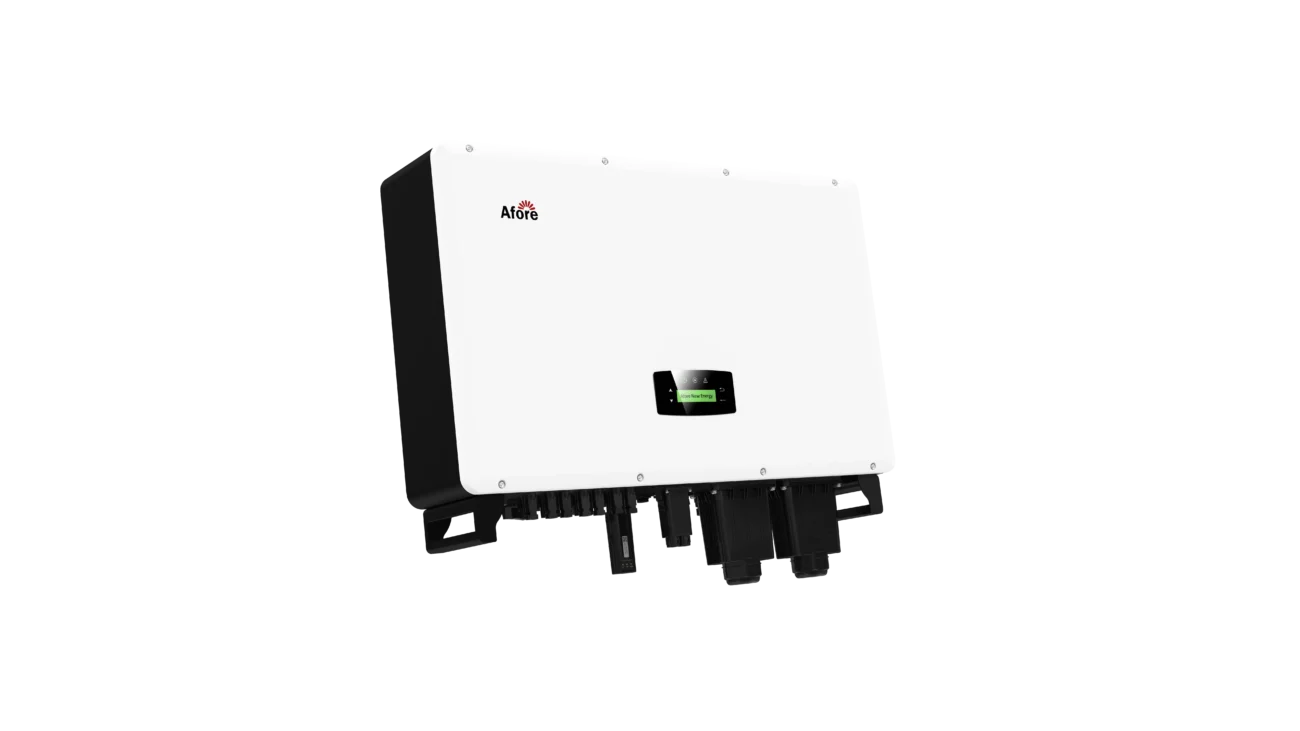
Synthetic inertia solar offers a range of benefits that make it an essential tool for modern renewable grids. First and foremost, it provides rapid response to frequency deviations, often within milliseconds. Unlike traditional rotating generators, which rely on mechanical momentum, grid-forming inverters can detect and react to grid fluctuations almost instantaneously. This fast action is particularly valuable in weak or renewable-heavy grids, where frequency swings can be sudden and severe.
Another key advantage is enhanced grid stability. By emulating the inertial behavior of conventional generators, synthetic inertia helps maintain consistent frequency, reducing the likelihood of blackouts or equipment damage. Combined with hybrid inverters, synthetic inertia allows solar PV systems to contribute not just energy but also stability, making them active participants in grid management rather than passive energy producers.
Flexibility is another strength. Grid inertia support PV systems can be scaled from small microgrids to multi-megawatt solar farms. This adaptability is crucial for diverse applications—from isolated communities to urban grids with high renewable penetration. Additionally, synthetic inertia reduces the reliance on spinning mass, lowering maintenance costs and making clean energy deployment more cost-effective.
Despite its benefits, synthetic inertia comes with challenges that must be addressed for optimal performance. One major concern is control complexity. Implementing VSG-based algorithms requires precise tuning to ensure inverters respond appropriately without introducing instability. Incorrect configurations can lead to oscillations or delayed responses, undermining the very benefits synthetic inertia is designed to provide.
Another challenge is energy storage dependency. While synthetic inertia can provide immediate frequency support, prolonged disturbances may require stored energy from batteries or other storage systems. Without adequate storage, the system’s ability to sustain grid support over longer periods can be limited.
Testing and validation are also critical. Synthetic inertia behavior must be verified under realistic grid conditions to ensure reliability. In practice, even minor discrepancies in response timing or coordination between multiple inverters can reduce effectiveness. Operators need robust monitoring systems and clear operational protocols to manage these risks.
Finally, there is the cost and expertise factor. Deploying grid-forming inverter technology with synthetic inertia capability requires skilled engineers and upfront investment. While the long-term benefits often outweigh the costs, careful planning and ongoing maintenance are essential to achieve the desired performance.
In summary, synthetic inertia solar is a powerful solution for modern grids, offering speed, stability, and flexibility. However, its successful implementation depends on precise control, adequate storage, thorough testing, and skilled operation. When done correctly, it transforms solar PV from a simple energy source into an active stabilizer of the power system.
In remote or islanded environments, power stability is often a major challenge. These systems usually lack the large spinning generators that provide natural inertia, making them vulnerable to sudden load changes or faults. Implementing grid inertia support PV in microgrids allows solar PV to contribute actively to frequency stability. By using synthetic inertia solar through grid-forming inverter technology, even a small solar array can respond instantly to fluctuations, reducing the risk of blackouts. For isolated communities, this approach not only enhances reliability but also maximizes the utility of renewable resources without needing additional fossil fuel backup.
As solar penetration increases, grids that rely heavily on renewables face new stability challenges. Without sufficient inertia, frequency deviations can escalate quickly, potentially causing cascading failures. In these contexts, grid-forming inverters equipped with VSG inertia become indispensable. They allow solar installations to emulate the behavior of synchronous generators, providing immediate frequency support during disturbances. Integrating hybrid inverters with storage systems further enhances the grid’s resilience by ensuring that synthetic inertia can be maintained over longer durations. This combination is particularly effective in urban or regional grids with high daytime solar output, where conventional inertia from traditional plants is minimal.
Consider a 5 MW solar farm integrated into a weak regional grid. Prior to installing grid-forming inverter technology with synthetic inertia solar, frequency deviations frequently exceeded ±0.5 Hz during peak demand periods, creating instability for local consumers and industrial equipment. After implementing VSG inertia and a hybrid inverter configuration with battery support, deviations dropped to ±0.1 Hz. The system responded within milliseconds to sudden load changes, effectively stabilizing the grid without relying on conventional turbines. Operators reported not only improved reliability but also enhanced predictability in energy delivery, allowing for better planning and load management.
This example demonstrates that grid inertia support PV is not theoretical—it works in practice. From microgrids to large renewable-dominated networks, the technology ensures solar power contributes actively to grid stability rather than just supplying energy. With careful planning and proper implementation, operators can turn potential frequency risks into manageable, even predictable, outcomes.
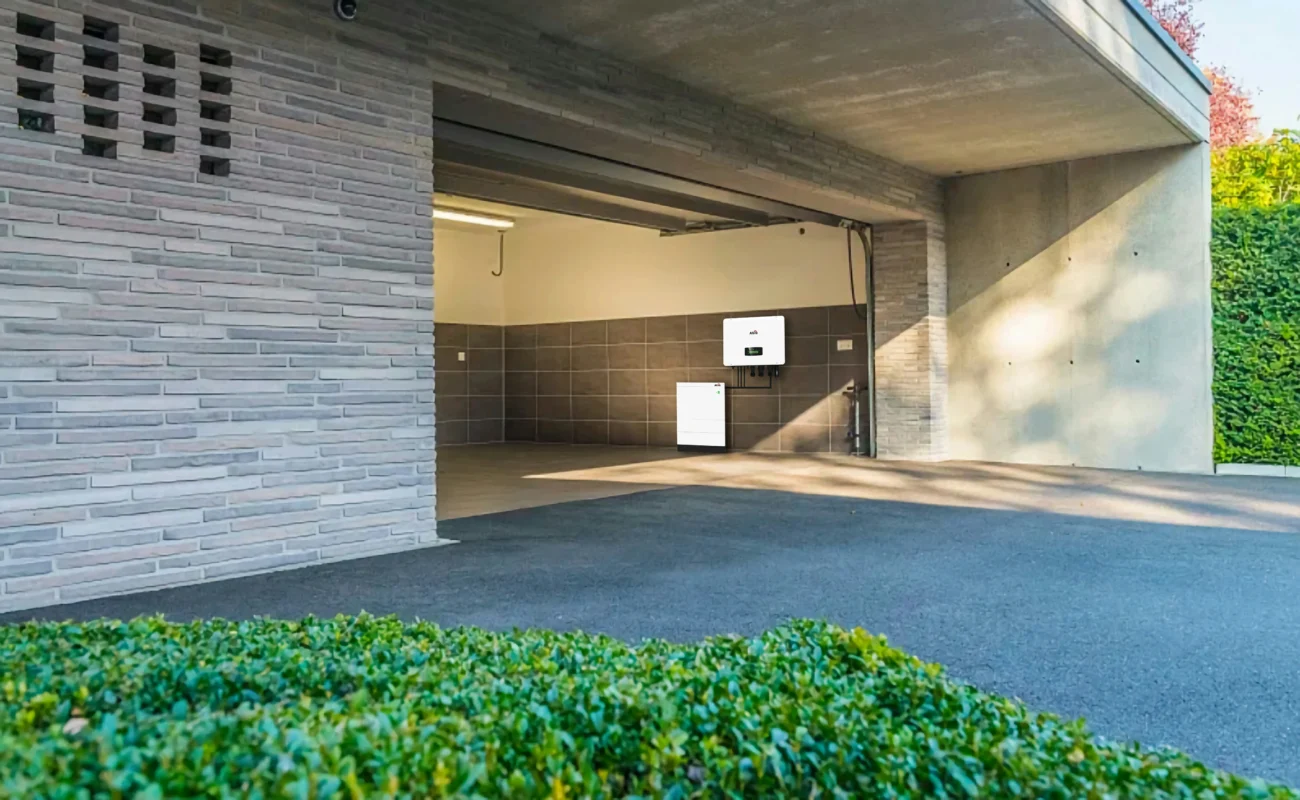
Switching to solar energy is a step towards a sustainable future, but stability can’t be overlooked. Grid inertia support PV ensures that solar energy doesn’t just add clean power but also contributes to grid reliability. With technologies like synthetic inertia solar, grid-forming inverter technology, VSG inertia, and hybrid inverters, we can envision a grid that’s not only renewable but resilient.
In practice, installing grid inertia support PV isn’t just about panels and inverters—it’s about proactive planning, intelligent configuration, and embracing the new wave of inverter-based grid stabilization. For engineers, operators, and solar enthusiasts alike, understanding and implementing these technologies is no longer optional—it’s essential.
Synthetic inertia is a method where inverters mimic the stabilizing effect of spinning turbines in traditional power plants. Since solar PV lacks rotating mass, the grid loses natural inertia, making it vulnerable to sudden frequency changes. Synthetic inertia allows grid-forming inverters to inject power instantly during frequency dips, keeping the grid stable and preventing blackouts or equipment damage.
Yes. Modern grid-forming inverters equipped with VSG inertia algorithms can emulate the response of synchronous generators. They detect frequency deviations and inject power in milliseconds, providing virtual inertia even though there is no physical spinning component. When paired with storage, this system can sustain support over longer periods, making solar PV an active stabilizer.
A grid-forming inverter actively controls voltage and frequency, unlike traditional grid-following inverters. In weak grids, where conventional inertia is low, these inverters respond immediately to disturbances by adjusting current and voltage output. This capability ensures stable operation, prevents cascading failures, and allows renewable-heavy grids to operate reliably.
While not universally mandated yet, grid-forming inverter technology is highly recommended for fully renewable systems. Without it, grids with high solar or wind penetration may experience instability due to lack of inertia. Using synthetic inertia solar and hybrid inverters ensures consistent frequency support, making fully renewable grids practical and safe.
Modern grid-forming inverters respond in under 100 milliseconds to frequency deviations. This near-instantaneous reaction is critical for preventing voltage collapse or grid failure. When paired with energy storage, inverters can maintain support longer, ensuring both immediate and sustained frequency stability.
Yes. In addition to mimicking rotational inertia, grid-forming inverters can provide reactive power support, which helps stabilize voltage. This dual role enhances overall grid resilience, especially in renewable-heavy networks where both frequency and voltage fluctuations are common.
Hybrid inverters, which combine solar PV and energy storage, extend the duration and magnitude of synthetic inertia. They provide fast response to sudden drops in frequency while storing energy to maintain support during prolonged disturbances. This makes them especially effective for microgrids or grids with high renewable penetration.








 Turkish
  Romanian