



Inverters play a crucial role in converting DC to AC power, but ensuring they operate efficiently means managing the heat generated during the process. Cooling is an essential component of inverter performance, and two primary methods are often discussed: fan-based cooling and natural convection. This article dives deep into these methods, comparing their advantages, challenges, and the specific scenarios where each is most effective. Whether you’re a DIY enthusiast or an energy professional, understanding these cooling methods will help you choose the best inverter for your needs.
When people compare inverter cooling: fan vs natural convection, they often jump straight to efficiency or noise. But cooling is more than a spec on a datasheet—it’s directly tied to performance stability, safety, and long-term reliability. Whether you’re installing a residential solar system or designing a commercial setup, understanding how heat is managed will save you from costly mistakes later.
At its core, an inverter converts DC power into usable AC electricity—and that process generates heat. A lot of it. If that heat isn’t properly dissipated, internal components like capacitors and semiconductors start degrading faster. That’s where cooling comes in.
In the context of inverter cooling: fan vs natural convection, the goal is simple: keep internal temperatures within a safe operating range. But how that’s achieved makes a big difference. Poor cooling leads to thermal derating, meaning your inverter quietly reduces output power to protect itself. Over time, that impacts energy yield and system ROI.
From real-world installations, one thing becomes clear: inverter reliability in high heat isn’t just a theoretical concern. In hot climates or poorly ventilated spaces, cooling design can make or break system performance.
Fan cooling is part of the broader category of active cooling vs passive cooling inverters. It uses internal fans to force air across heat-generating components, rapidly removing heat even under heavy loads.
The upside? Better temperature control, especially during peak production hours. This translates to less aggressive thermal derating comparison outcomes and more consistent power output.
But there’s a trade-off. First, noise levels of solar inverters increase noticeably with fans, which can be a dealbreaker in residential settings. Second, fans introduce moving parts—meaning wear and tear. In dusty environments, dust protection in cooling becomes critical, as particles can clog airflow and reduce efficiency.
Natural convection, on the other hand, represents passive cooling. It relies on heat rising naturally and cooler air replacing it—no fans, no moving parts.
In the inverter cooling: fan vs natural convection discussion, this method wins hands down for silence and low maintenance. There’s no fan noise, and fewer failure points over time.
However, the limitation shows up under stress. Passive systems struggle in high ambient temperatures or during sustained high loads. As a result, inverter reliability in high heat can be more challenging to maintain, and thermal derating comparison often favors active cooling.
When comparing inverter cooling: fan vs natural convection, the real distinction comes down to active versus passive cooling. It’s not just about how heat is removed—it’s about how the inverter behaves under pressure, especially in demanding environments.
Active cooling systems use fans or other mechanisms to push air across internal components. In the debate of active cooling vs passive cooling inverters, this approach clearly wins in high-load scenarios. It reacts quickly to temperature spikes, helping maintain stable performance and minimizing thermal derating comparison losses.
From hands-on field experience, active cooling becomes almost essential in hot climates or installations with limited airflow. It directly improves inverter reliability in high heat, ensuring consistent output even during peak solar hours. The trade-off, of course, includes higher noise levels of solar inverters and the need for occasional maintenance due to moving parts.
Passive cooling, often associated with inverter cooling: fan vs natural convection, relies on heat dissipation without mechanical assistance. No fans, no noise, and fewer components that can fail.
This simplicity makes it attractive for long-term reliability, especially in cleaner environments where dust protection in cooling is a concern. However, passive systems respond more slowly to heat buildup. Under sustained stress, inverter reliability in high heat can be challenged, and performance may drop sooner compared to actively cooled units.
When evaluating inverter cooling: fan vs natural convection, the real differences show up in day-to-day use—how loud the system is, how well it handles dust, and how consistently it performs under heat stress. These aren’t minor details; they directly affect user experience and long-term system value.
Let’s be honest—noise levels of solar inverters matter more than most people expect. A fan-cooled unit can produce a constant hum or intermittent bursts of noise, especially during high load or hot afternoons. In a garage, that might be fine. Inside a home or office? It can quickly become annoying.
In the context of inverter cooling: fan vs natural convection, fanless designs are completely silent. No moving parts, no unexpected noise spikes. That’s why passive cooling is often preferred in residential installations where comfort is a priority.
Dust is an underrated enemy. In active cooling vs passive cooling inverters, fan-based systems actively pull air through the unit—which also means pulling in dust, sand, and fine particles.
Without proper dust protection in cooling, buildup can block airflow, insulate heat-producing components, and reduce cooling efficiency over time. This is particularly risky in industrial or desert-like environments.
Natural convection systems, on the other hand, don’t force air intake. That reduces internal contamination, making them inherently better in terms of dust protection in cooling. However, they still rely on clean external airflow, so installation location matters.
Here’s where things get practical. Thermal derating comparison tells you how much power an inverter loses as temperatures rise.
With inverter cooling: fan vs natural convection, fan-cooled systems typically maintain rated output longer because they actively remove heat. This results in smoother performance curves and better energy yield during peak conditions.
Passive systems, while reliable, tend to hit thermal limits faster. As internal temperatures climb, output drops earlier to prevent damage. Over time, this can impact total energy production—especially in hot climates where inverter reliability in high heat is constantly tested.
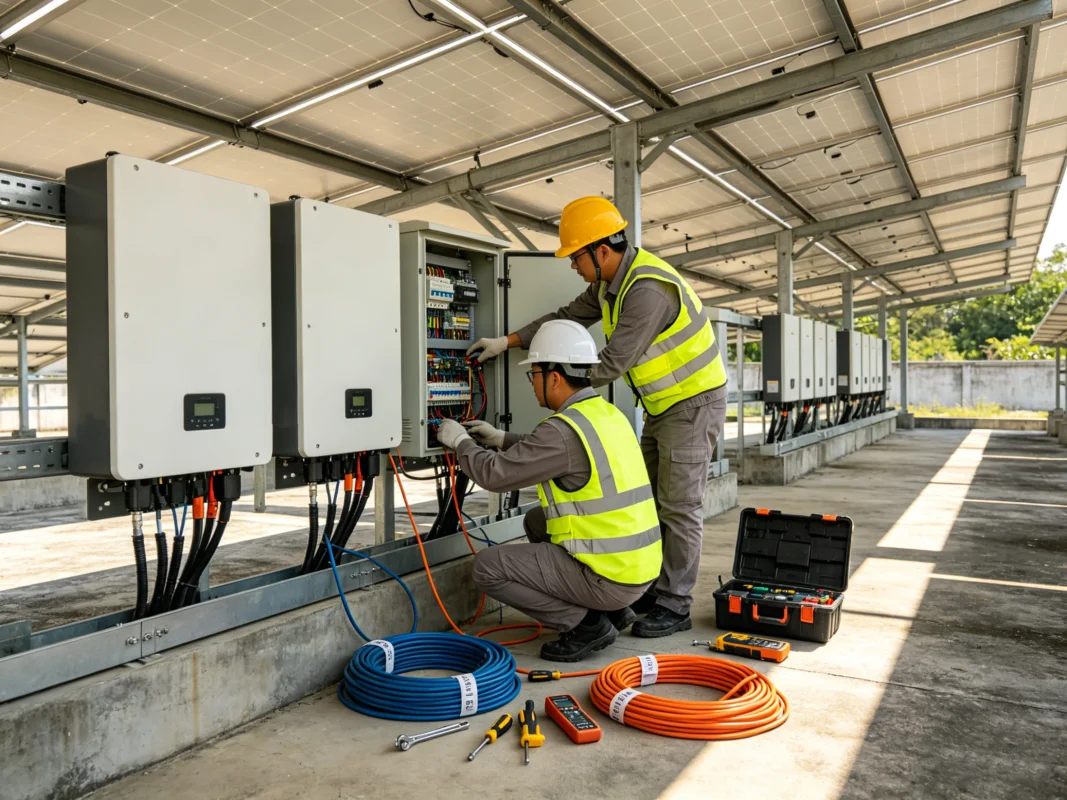
When you really put systems to the test—think rooftops in tropical climates or enclosed utility rooms—the debate around inverter cooling: fan vs natural convection stops being theoretical. Heat is the silent killer. And how an inverter manages it directly determines whether you get 5 years of stable output… or 15.
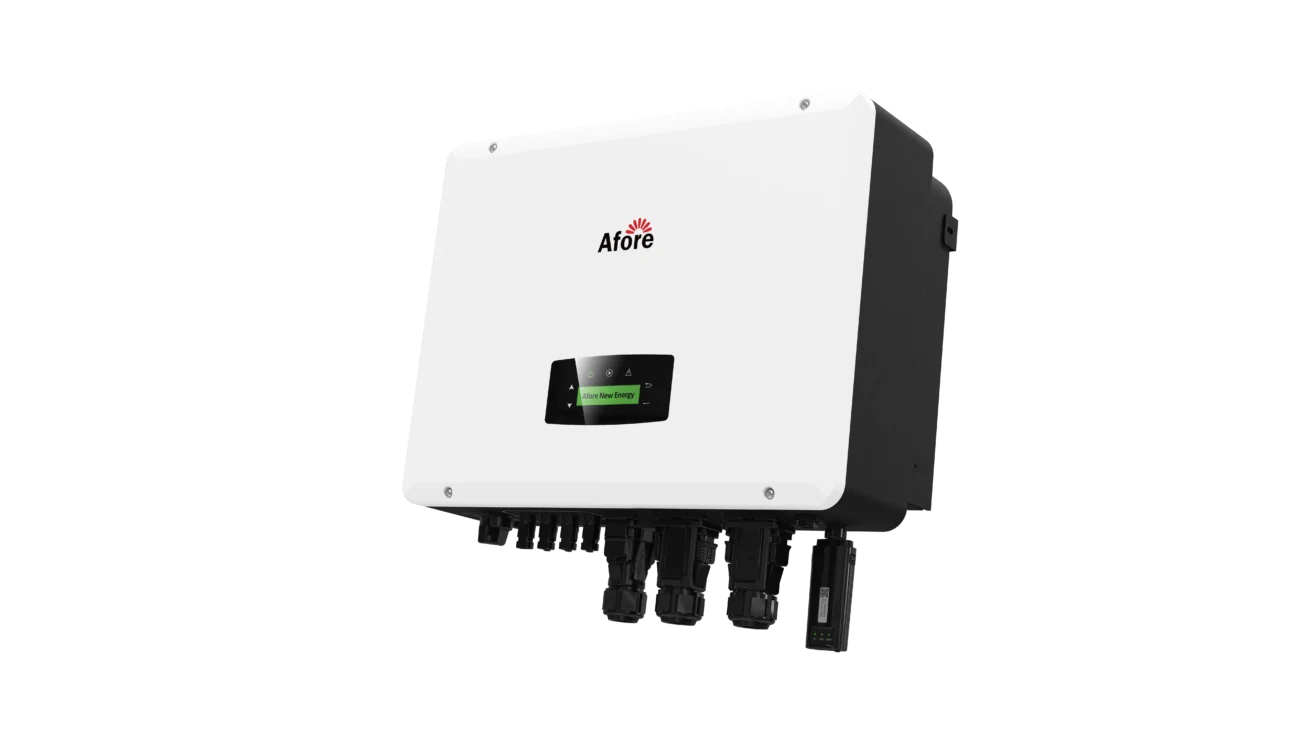
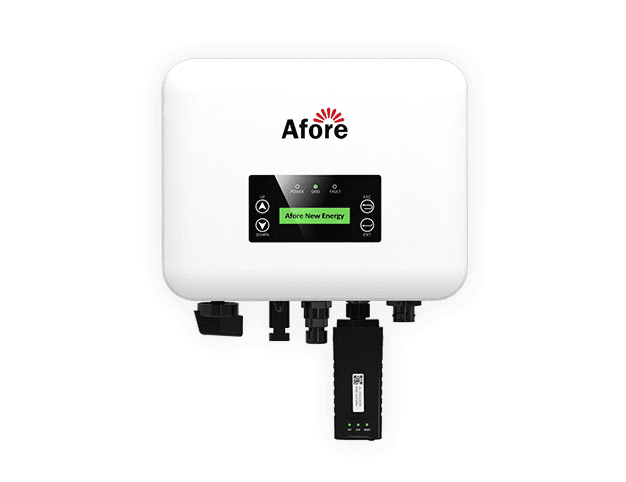
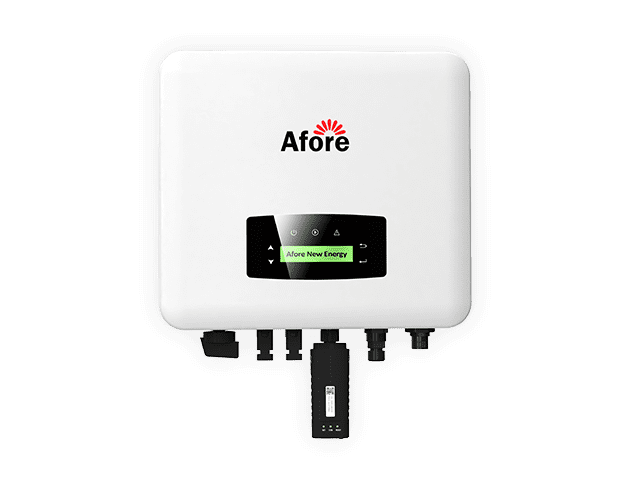
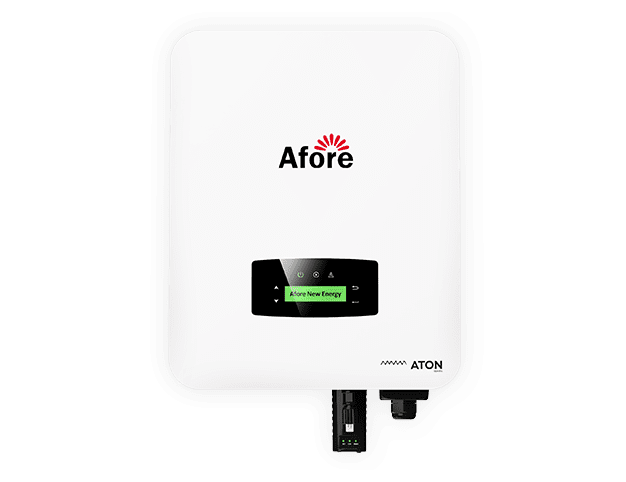
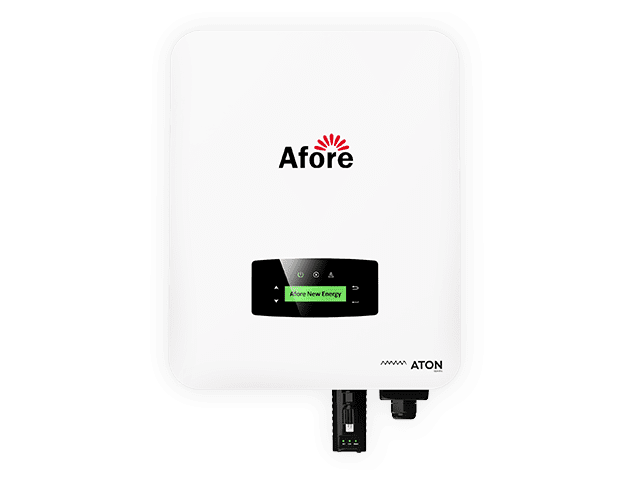
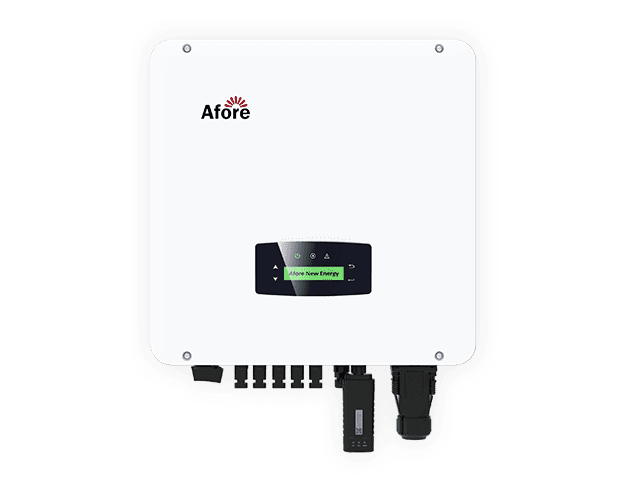
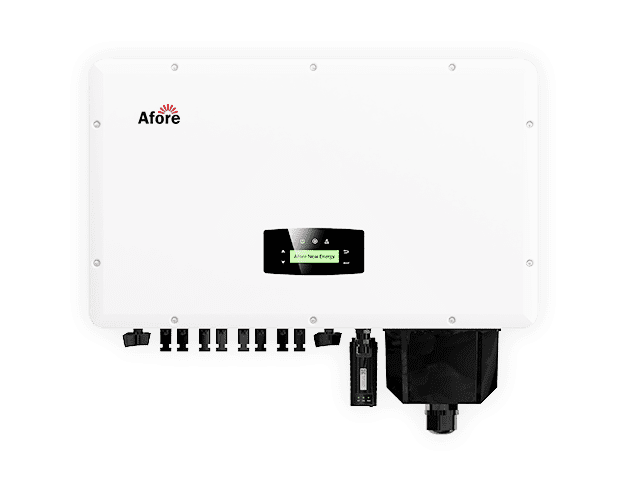
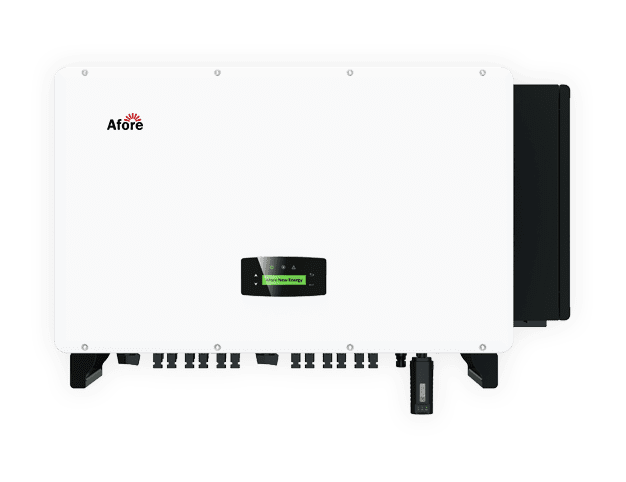
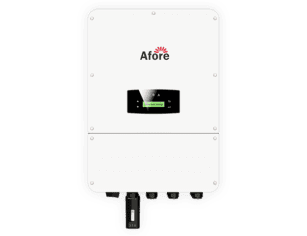
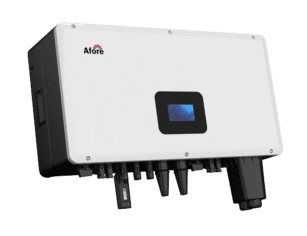
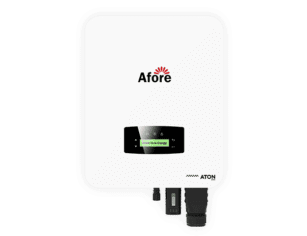
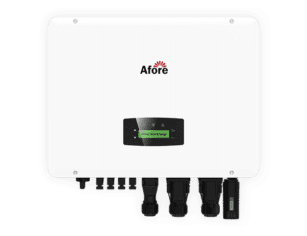
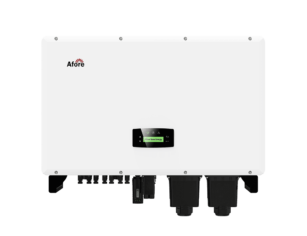
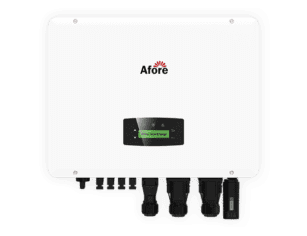
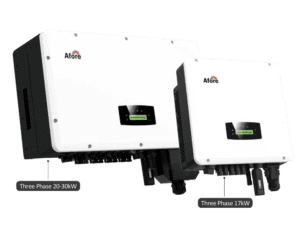
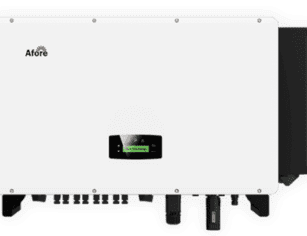
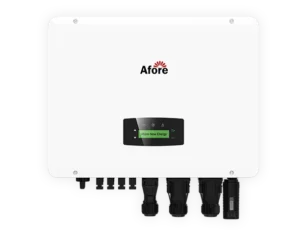
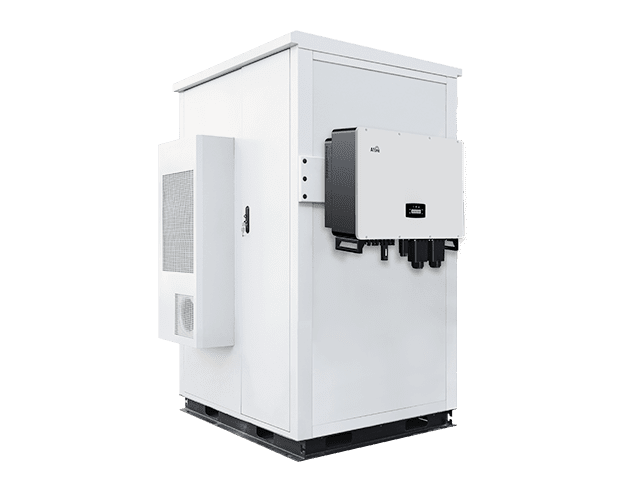
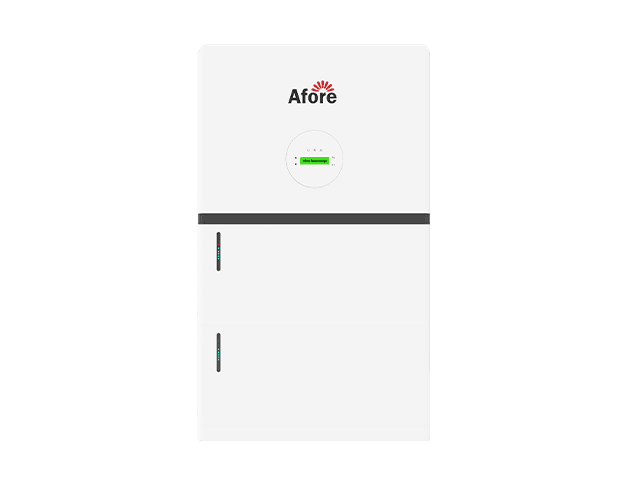
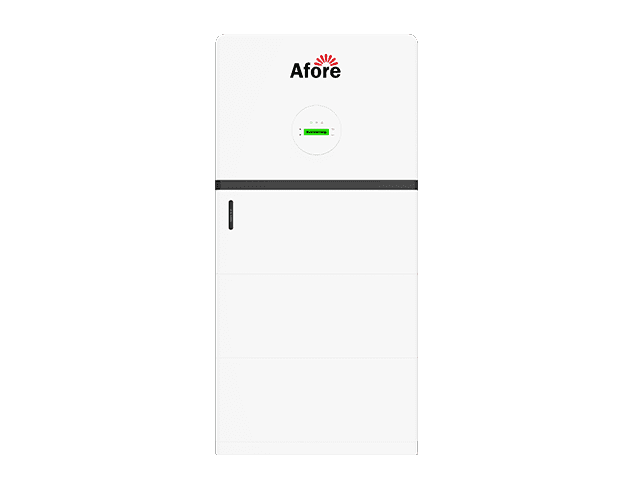
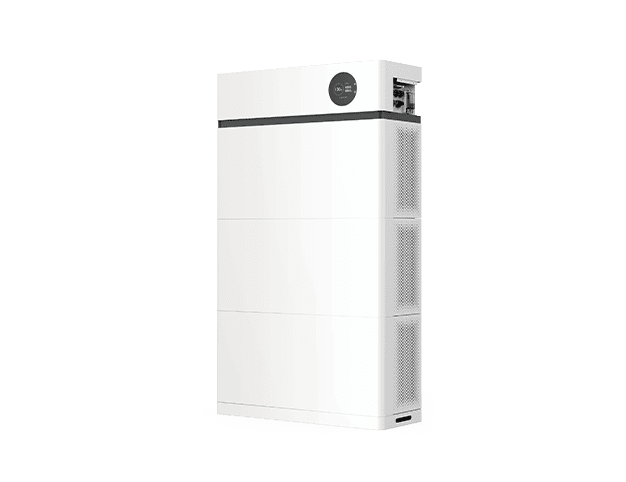
Modern hybrid inverters don’t rely on a single cooling philosophy anymore—they blend strategies. That’s exactly what you’ll notice when you explore solutions from Afore.
Their hybrid systems are designed for both residential and commercial use, supporting wide power ranges (from a few kilowatts up to large three-phase systems) while maintaining stable operation under variable loads . What’s important here isn’t just power—it’s how that power is sustained.
In real-world terms, hybrid units like these often combine optimized heat sink structures with intelligent airflow management. Add features like overload capability (up to 150% peak output) and fast switching for backup (<10ms), and you’re looking at systems built to handle thermal stress without collapsing performance .
If you’re evaluating inverter cooling: fan vs natural convection, this is where things get interesting. Hybrid designs quietly bridge the gap—leveraging passive cooling for baseline efficiency while activating airflow when thermal loads spike.
If your project involves high temperatures or continuous loads, it’s worth taking a closer look at their product.
Short answer? Yes—massively.
In the context of active cooling vs passive cooling inverters, each approach fails differently over time. Fan-cooled systems maintain better temperature control, which improves inverter reliability in high heat, but internal fans can wear out. On the flip side, passive systems avoid mechanical failure points but often operate closer to thermal limits.
From installation experience, the biggest lifespan killer isn’t outright failure—it’s chronic overheating. That’s where thermal derating comparison becomes critical. Systems that constantly throttle output due to heat accumulate stress faster, even if they appear “stable.”
So when thinking about inverter cooling: fan vs natural convection, don’t just ask which is quieter or cheaper. Ask which one keeps internal temperatures consistently low over years of operation. Because in the long run, cooling design isn’t just about performance—it’s about survival.
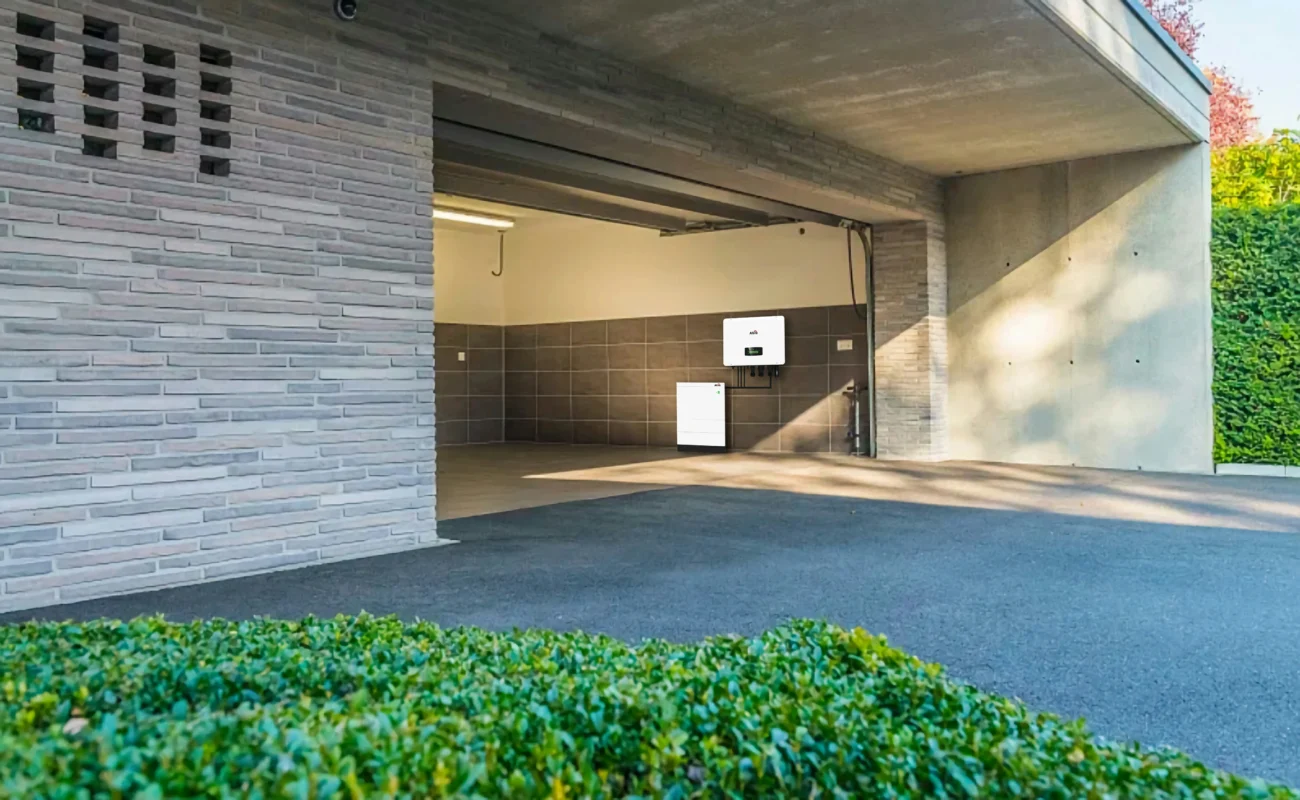
By the time you’ve compared specs and features, the decision around inverter cooling: fan vs natural convection usually comes down to one simple question: where is this system going to run? Environment changes everything—temperature, airflow, dust levels, and load patterns all influence which cooling method actually performs better over time.
If you’re dealing with consistently high ambient temperatures, there’s really no way around it—active cooling has the edge. In the context of active cooling vs passive cooling inverters, fan-assisted systems respond faster to heat buildup and maintain lower internal temperatures during peak operation.
From field installations in hot regions, passive systems often hit thermal limits earlier, triggering thermal derating comparison issues where output drops just when you need it most. That directly impacts energy yield.
More importantly, inverter reliability in high heat improves when heat is actively removed rather than passively managed. While natural convection can still work in well-ventilated, shaded environments, it’s generally less forgiving under sustained heat stress.
Choosing between the two isn’t about which is “better” universally—it’s about fit.
Fan-cooled systems make sense when:
Yes, you’ll deal with higher noise levels of solar inverters, and you’ll need to consider dust protection in cooling, especially in harsher environments. But in return, you get stronger thermal control.
On the other hand, natural convection is ideal when:
In the ongoing debate of inverter cooling: fan vs natural convection, the smartest choice isn’t theoretical—it’s situational. Match the cooling method to your real-world conditions, and the inverter will reward you with stable, predictable performance.
Not necessarily—it depends on the use case. In the debate of inverter cooling: fan vs natural convection, natural cooling is quieter and requires less maintenance, making it ideal for residential or low-load environments. However, fan cooling performs better in high-temperature or high-demand scenarios, where efficient heat removal is critical to avoid thermal derating and maintain stable output.
Fan-cooled systems generate audible noise due to internal airflow, especially under heavy load. This directly affects the noise levels of solar inverters, which can be noticeable in quiet indoor settings. Fanless (natural convection) inverters operate silently, making them a better choice for homes or offices where noise is a concern.
Internal fans can be vulnerable in dusty conditions. Without proper dust protection in cooling, particles can accumulate, restrict airflow, and reduce cooling efficiency over time. This may lead to overheating or increased maintenance needs. Passive systems have an advantage here since they don’t actively draw dust into the unit.
Cooling design plays a major role in lifespan. In inverter cooling: fan vs natural convection, fan-cooled systems maintain lower temperatures, which helps protect internal components. However, fans themselves can wear out. Passive systems avoid mechanical wear but may experience more thermal stress, especially in hot climates, potentially shortening lifespan if not properly managed.
For hot climates, active cooling is generally more reliable. It improves inverter reliability in high heat by actively removing excess heat and reducing thermal derating. While natural convection can work in shaded or ventilated setups, fan-assisted systems typically deliver more consistent performance under sustained high temperatures.








 Turkish
  Romanian