




If you’ve spent any time designing or optimizing solar systems, you’ve probably bumped into the phrase inverter clipping and dc:ac ratio more times than you can count. And if we’re being honest, it’s one of those topics that sounds simple… until you actually try to balance performance, cost, and long-term ROI.
We’ll break down inverter clipping and dc:ac ratio from the ground up, show you how pros approach optimizing inverter sizing, and explain why solar oversizing benefits are often misunderstood—but incredibly powerful when done right.
Let’s get straight to it.
Inverter clipping happens when your solar panels produce more DC power than your inverter can convert to AC power.
Think of your inverter as a funnel:
If too much “water” flows in, the excess spills over. That “spill” is lost energy. That’s clipping.
This is the core of inverter clipping and dc:ac ratio—how much you intentionally allow this to happen.
The DC:AC ratio is simply:
Total DC panel capacity ÷ inverter AC capacity
For example:
This ratio is the backbone of calculating DC/AC ratio and drives every decision about system performance.
Here’s the counterintuitive truth:
Slight clipping is not a problem—it’s often a strategy.
When you understand inverter clipping and dc:ac ratio, you stop trying to avoid clipping entirely and start using it to:
When people first hear about inverter clipping and dc:ac ratio, their instinct is usually to avoid clipping at all costs. It sounds logical—why would you design a system that intentionally “loses” energy? But in real-world solar design, that mindset often leaves performance (and profit) on the table.
Oversizing the DC array relative to the inverter isn’t a mistake. It’s a calculated move. When done right, it becomes one of the most effective ways of optimizing inverter sizing and improving long-term system returns.
Solar panels rarely operate at their nameplate rating. That “10 kW system” you install? It might only hit peak output for a handful of hours per year—if that.
Most of the time, real-world conditions reduce output:
So instead of designing for rare peak conditions, experienced installers design for average performance.
This is where inverter clipping and dc:ac ratio becomes a strategic tool. By slightly oversizing the panel array, you ensure the inverter operates closer to its optimal range for more hours per day. In other words, you’re trading a small amount of peak-time clipping for a much larger gain across the rest of the day.
That’s the essence of calculating DC/AC ratio intelligently—not chasing perfection, but maximizing total energy output.
The solar oversizing benefits are more practical than theoretical—they show up directly in energy production and financial returns.
First, there’s maximizing energy harvest. Oversized systems generate more electricity during low-light conditions—early mornings, late afternoons, and cloudy periods. These are hours when undersized systems underperform.
Second, you get better inverter utilization. Instead of running below capacity most of the time, the inverter operates in a more efficient range for longer periods. That improves overall system efficiency without increasing inverter cost.
Third, and most importantly, there’s the cost of clipping vs energy gain advantage. Adding extra panels is often cheaper than upgrading to a larger inverter. Even if you lose a small percentage of energy to clipping, the additional production throughout the year typically outweighs those losses.
From a financial perspective, this is where inverter clipping and dc:ac ratio becomes a profit optimization strategy—not just a technical parameter.
Of course, oversizing isn’t a free pass to push limits indefinitely.
If the DC:AC ratio gets too high, clipping losses increase sharply. Instead of losing a few percent annually, you could start cutting off significant portions of peak production. At that point, the cost of clipping vs energy gain equation flips—and not in your favor.
There are also practical constraints to consider:
This is why optimizing inverter sizing always requires balance. The goal isn’t maximum oversizing—it’s optimal oversizing.
In well-designed systems, inverter clipping and dc:ac ratio sits in a range where clipping is controlled, predictable, and financially justified. Push beyond that, and you’re no longer optimizing—you’re just wasting potential.
Getting the ratio right is where theory meets real-world performance. You can’t just copy a number from another project and expect optimal results. The ideal setup depends on climate, system goals, and how aggressively you want to push inverter clipping and dc:ac ratio for better returns.
In practice, most systems fall within a fairly predictable range. Installers with field experience tend to stay between:
These ranges aren’t arbitrary—they’re based on years of performance data tied to maximizing energy harvest while keeping clipping losses under control.
For example, in hotter regions where panel output drops due to temperature, slightly higher ratios often make sense. In cooler, high-irradiance areas, pushing too far can increase clipping losses quickly.
That’s why inverter clipping and dc:ac ratio should always be adapted to local conditions, not copied blindly.
If you want a reliable baseline, follow a structured process instead of guessing.
Step 1: Calculate total DC capacity Add up the wattage of all solar panels in the system.
Step 2: Determine inverter AC rating Use the inverter’s nominal output power—not peak or surge values.
Step 3: Apply the formula DC:AC ratio = Total DC capacity ÷ Inverter AC capacity
Step 4: Evaluate performance goals Ask yourself:
This is where calculating DC/AC ratio becomes more than math—it becomes strategy. A slightly higher ratio may improve annual yield, even if it introduces controlled clipping.
Here’s the truth: experienced designers don’t rely on static formulas alone.
They simulate.
Using professional modeling tools, you can:
This is critical for understanding the real cost of clipping vs energy gain. What looks efficient on paper might underperform in actual conditions.
Simulation also helps you avoid one of the most common mistakes—oversizing beyond the point of diminishing returns. Without it, you’re essentially guessing how inverter clipping and dc:ac ratio will behave over an entire year.
This is where inverter clipping and dc:ac ratio stops being a technical discussion and becomes a business decision. You’re not just designing a system—you’re deciding how to balance small energy losses against larger long-term gains.
At its core, the trade-off is simple:
The key insight most beginners miss? These two don’t grow at the same rate.
When you slightly increase the DC:AC ratio, you gain energy across many low- and mid-production hours. Meanwhile, clipping only happens during short peak periods. That’s why, in well-designed systems, the gains often outweigh the losses.
Understanding this balance is central to inverter clipping and dc:ac ratio optimization. You’re not trying to eliminate clipping—you’re controlling it.
Let’s break it down with a realistic scenario.
Imagine a system where increasing panel capacity raises total annual production by about 10–12%. At the same time, clipping trims off roughly 2–4% during peak hours.
What’s the result?
Net energy gain of around 6–8%
That’s not theoretical—it’s exactly why solar oversizing benefits are widely adopted in both residential and commercial projects. The system produces more usable energy over the year, even though it “loses” some at the top end.
This is the practical side of calculating DC/AC ratio—you’re aiming for the sweet spot where added production clearly outweighs clipping losses.
From a cost standpoint, the equation becomes even more compelling.
In most markets:
So instead of upsizing the inverter to avoid clipping, designers often accept minor losses and invest in more panels. This improves the cost of clipping vs energy gain ratio and accelerates payback.
For anyone focused on maximizing energy harvest and ROI, the takeaway is clear:
A small, controlled amount of clipping is often the most profitable choice.
That’s why experienced professionals treat inverter clipping and dc:ac ratio not as a limitation, but as a lever to optimize system economics.
When working with inverter clipping and dc:ac ratio, it’s easy to focus only on energy yield and forget that every system is still limited by real hardware boundaries. Inverters are not abstract models—they are physical devices with strict electrical, thermal, and operational constraints that directly affect system performance.
Every inverter is designed with a defined operating window, including maximum DC input, MPPT voltage range, and AC output capacity. These limits determine how much oversizing is safe before clipping becomes excessive or unstable.
In real-world system design, respecting these boundaries is essential. When the DC array significantly exceeds inverter capacity, clipping increases, but more importantly, internal components may operate closer to thermal or electrical stress thresholds.
This is where inverter clipping and dc:ac ratio must be managed carefully. The goal is not only maximizing output but ensuring the inverter operates within a stable, repeatable performance envelope over many years.
Technical specifications are not just recommendations—they define long-term reliability.
Ignoring them can lead to:
This directly impacts optimizing inverter sizing, because a system that looks efficient on paper may degrade faster in real operation.
Proper design always aligns the DC:AC ratio with verified electrical limits. This ensures that maximizing energy harvest does not come at the cost of system stability or equipment lifespan.
Experienced installers rarely push systems to theoretical extremes. Instead, they design with margin.
A common field approach is to allow controlled clipping while ensuring the inverter operates comfortably within its rated conditions most of the time. This balance keeps performance stable and reduces unexpected downtime.
In many commercial projects, installers also coordinate directly with a solar inverter manufacturer inquiry page to confirm acceptable oversizing ranges before finalizing system design:
This step is especially important when scaling systems, as it ensures the chosen configuration aligns with real hardware behavior—not just simulation assumptions.
Ultimately, successful inverter clipping and dc:ac ratio design depends on this combination of engineering data, manufacturer limits, and field experience.
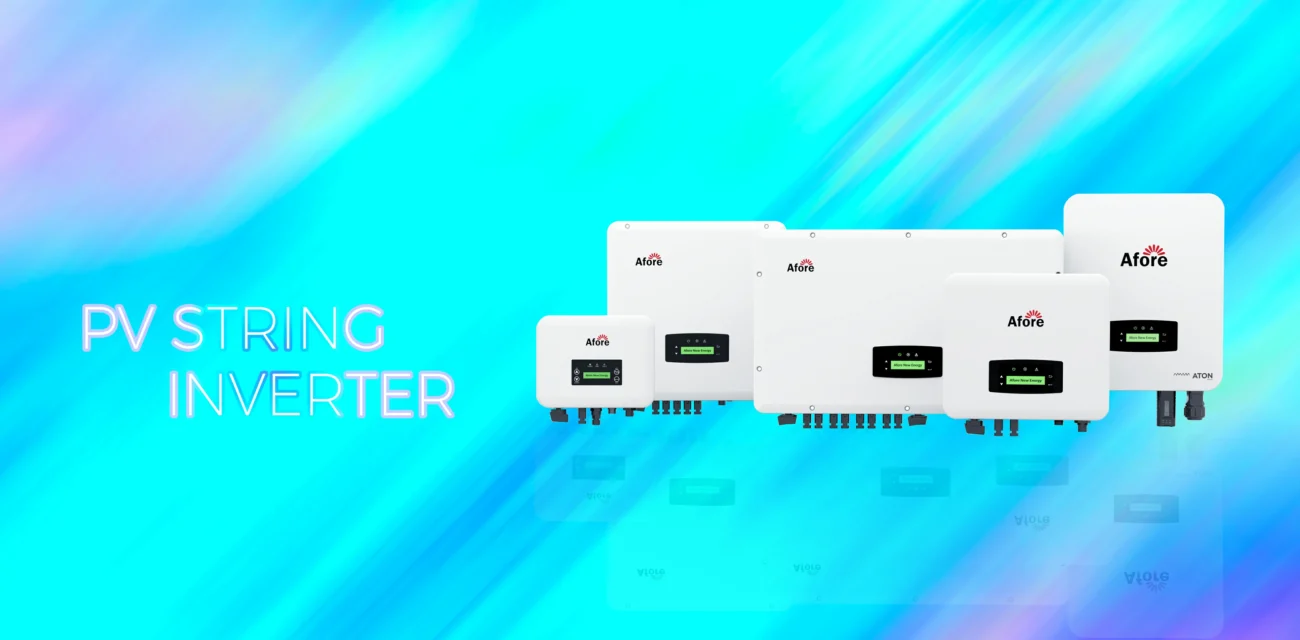
When applying inverter clipping and dc:ac ratio in real system design, string inverter sizing is where theory becomes practical engineering. A well-sized system doesn’t just perform well on paper—it delivers stable output across seasons, load conditions, and real operating environments.
Every proper design starts with understanding the load profile. You need to know when and how energy is consumed:
Without this foundation, optimizing inverter sizing becomes guesswork. The load profile directly influences how aggressive your DC oversizing can be before inverter clipping and dc:ac ratio starts affecting ROI.
Once demand is understood, the next step is aligning the PV array with inverter performance characteristics.
A good design considers:
This is where controlled oversizing makes sense. By slightly increasing DC capacity, you improve maximizing energy harvest during low and mid-light conditions while accepting minimal clipping at peak hours.
The key is balance—ensuring the inverter operates efficiently most of the time without excessive saturation.
Many system inefficiencies come from avoidable errors:
These mistakes distort calculating DC/AC ratio and often lead to either unnecessary clipping or underutilized inverter capacity.
A disciplined approach ensures inverter clipping and dc:ac ratio remains within an optimized range that supports long-term system stability and predictable energy yield.
When it comes to inverter clipping and dc:ac ratio, the real skill in system design is not pushing the system to its limits—it’s finding the point where performance is consistently strong without unnecessary waste or risk. Maximizing energy output is not about installing the most panels possible; it’s about designing a balanced system that performs efficiently across real-world conditions.
Effective system design starts with controlled oversizing. Instead of aiming for maximum DC capacity, experienced designers focus on a balanced approach where the array is slightly larger than the inverter capacity.
This strategy improves maximizing energy harvest during low-irradiance periods such as early morning, late afternoon, and cloudy days. At the same time, it keeps clipping at a manageable level during peak sun hours.
Good design also considers orientation, tilt, and string configuration. These factors directly influence how often inverter clipping and dc:ac ratio comes into play. A well-structured system ensures that clipping remains occasional rather than constant, preserving overall system efficiency.
Local climate plays a major role in system performance. Temperature, shading, and seasonal sun angles all impact output.
In hot environments, panel efficiency naturally decreases, which often justifies a slightly higher DC:AC ratio. In cooler regions with strong sunlight, systems may reach peak output more frequently, increasing the likelihood of clipping.
Understanding these environmental variables is essential for optimizing inverter sizing. A design that works well in one location may perform very differently in another, even with the same equipment specifications.
Even a well-designed system needs ongoing observation. Performance monitoring helps identify whether inverter clipping and dc:ac ratio assumptions are holding true in real operation.
By tracking energy production over time, installers can:
This feedback loop is critical for long-term efficiency. It ensures that initial design decisions continue to support maximizing energy harvest rather than becoming outdated assumptions.
In the end, successful solar performance is not about eliminating clipping entirely—it’s about controlling it, understanding it, and using it strategically.
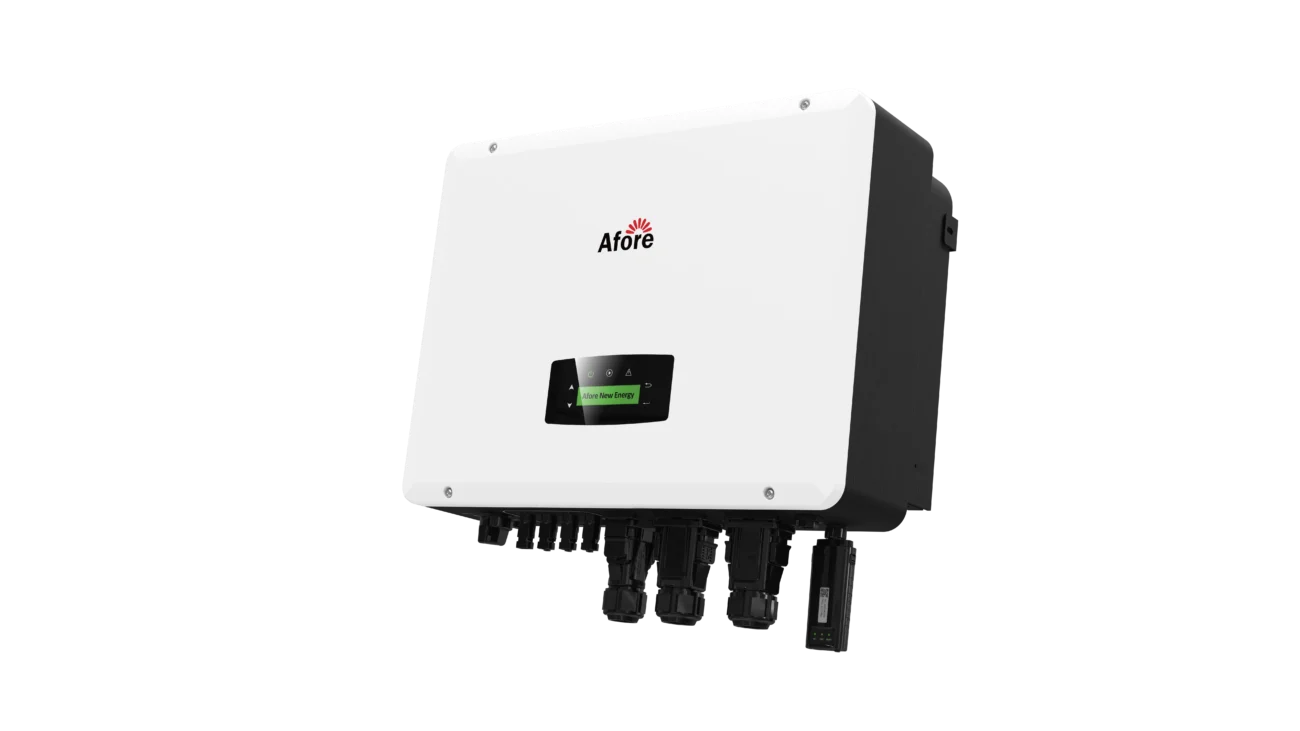
When discussing inverter clipping and dc:ac ratio, one of the most common concerns is whether clipping affects inverter durability. It’s a fair question—after all, pushing equipment closer to its limits can sound risky. But in real-world solar design, the relationship between clipping and lifespan is more nuanced than it first appears.
In most properly designed systems, clipping itself is not dangerous. Modern inverters are built with protective controls that limit output when DC input exceeds AC capacity. This means the inverter is not “overworked” during clipping events—it simply caps production within safe operating boundaries.
From an engineering standpoint, inverter clipping and dc:ac ratio is an expected operating condition, not a fault. Controlled clipping does not inherently reduce lifespan when the system stays within manufacturer-defined limits.
Issues arise only when system design ignores technical constraints. Excessive oversizing beyond recommended DC:AC ratios can lead to:
In these cases, the problem is not clipping itself, but poor optimizing inverter sizing decisions that push equipment beyond intended operating balance.
If clipping becomes constant and extreme, it may indicate that the system is oversized beyond practical efficiency limits, which can indirectly affect long-term reliability.
Field experience shows a consistent pattern: systems with moderate, well-planned inverter clipping and dc:ac ratio levels tend to perform reliably over time.
Installers often observe that slight clipping during peak sunlight hours has negligible impact on long-term inverter health. In fact, many systems operate for years under controlled clipping conditions without noticeable degradation.
The key takeaway is balance. When calculating DC/AC ratio is done correctly and system limits are respected, clipping becomes a normal part of efficient energy design—not a threat to inverter lifespan.
In commercial projects, inverter clipping and dc:ac ratio decisions become significantly more critical because system scale amplifies both gains and losses. A small design inefficiency at residential level can turn into substantial financial impact when multiplied across large installations. That’s why commercial solar design requires disciplined planning, validated assumptions, and performance-driven thinking.
As system size increases, so does the sensitivity to calculating DC/AC ratio. A slightly aggressive design may improve yield, but it can also introduce higher clipping losses if not properly balanced. At scale, even 1–2% inefficiency translates into meaningful revenue differences over time.
Experienced designers focus on controlled oversizing rather than maximum capacity. The goal is to keep inverter clipping and dc:ac ratio within a predictable range that supports stable long-term output. This includes careful evaluation of load profiles, climate conditions, and inverter thermal behavior.
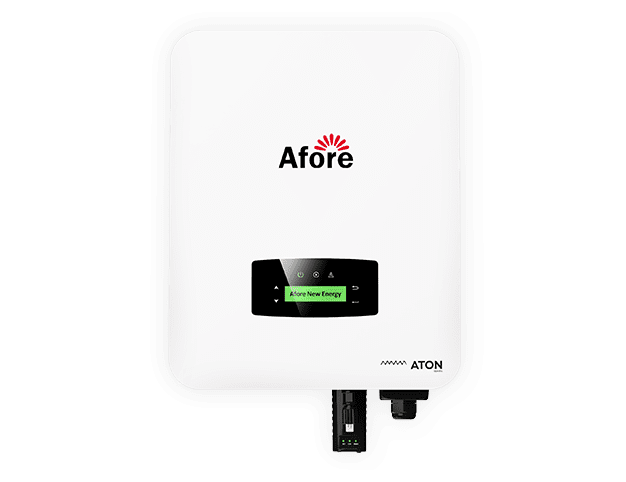
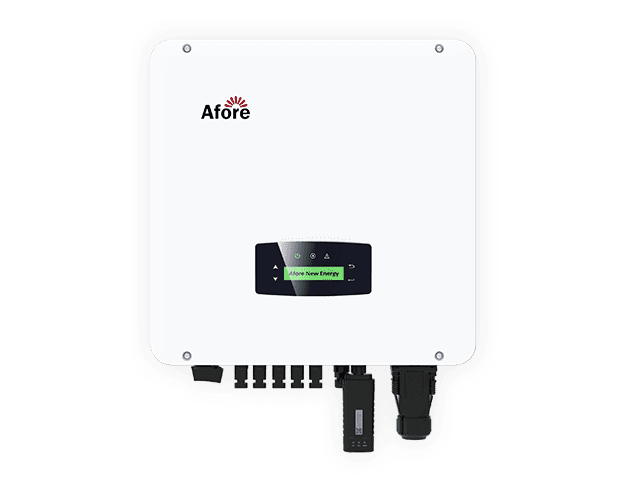
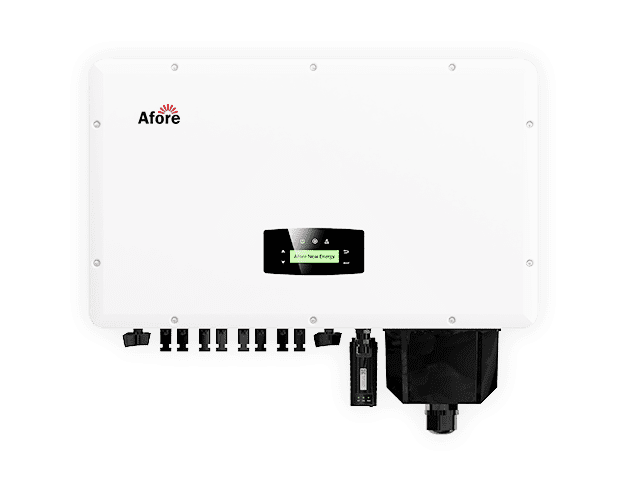
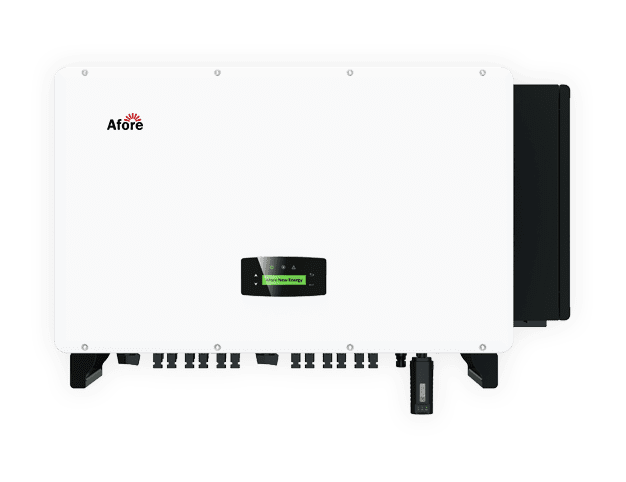
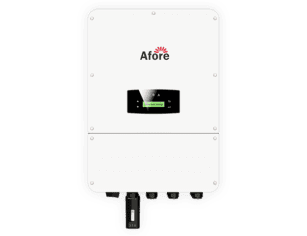
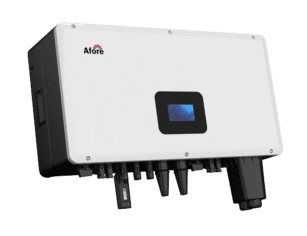
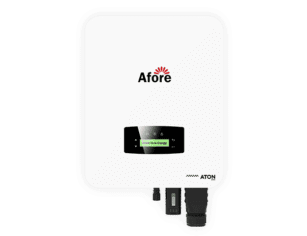
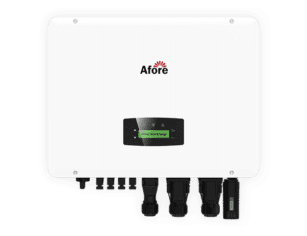
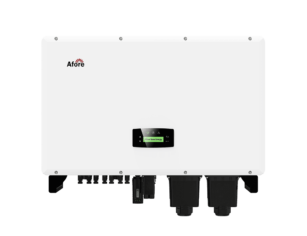
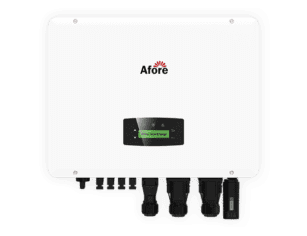
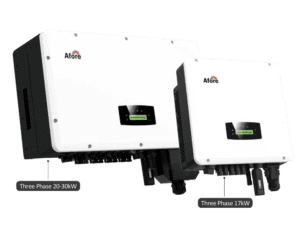
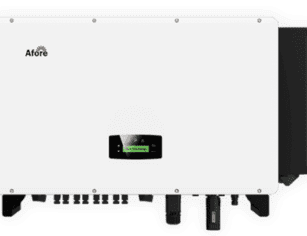
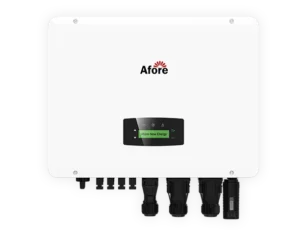
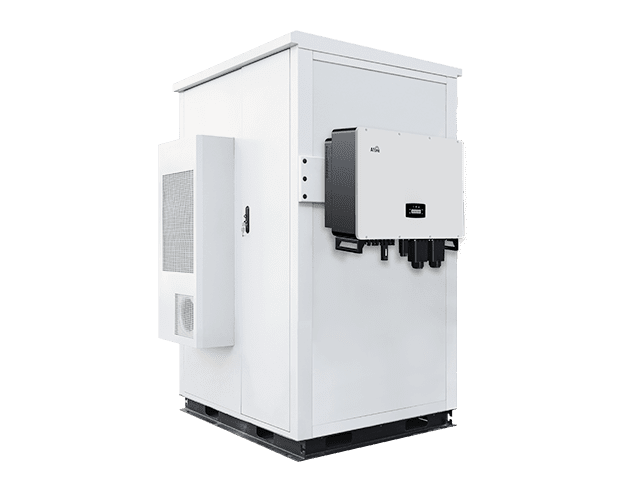
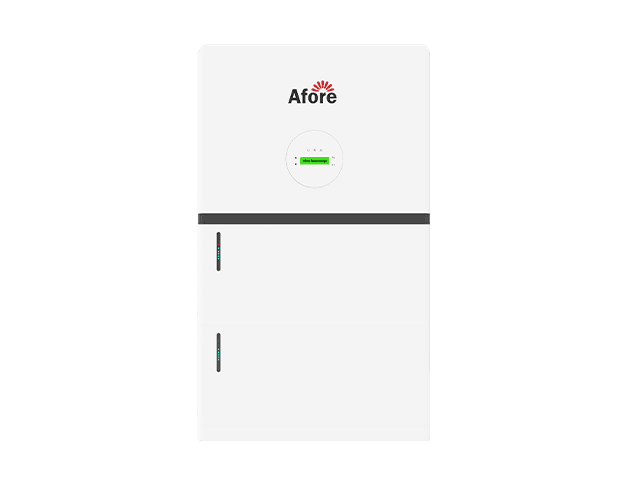
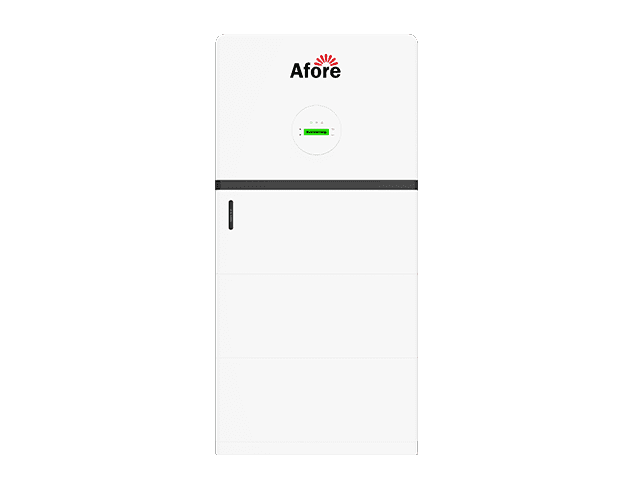
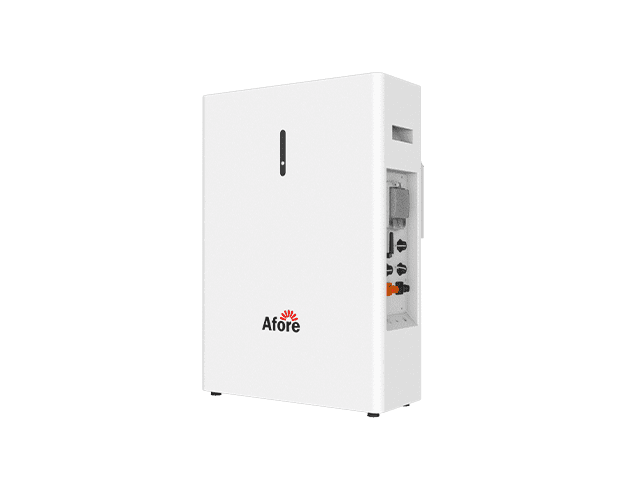
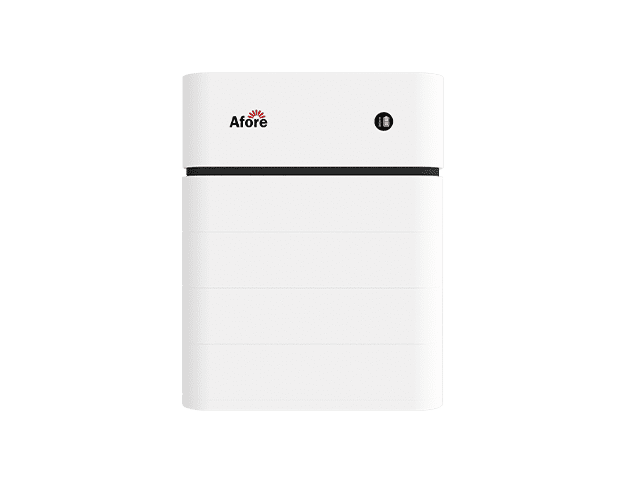
A key practice is selecting equipment designed for flexible system scaling. For example, working with established solar inverter solutions such as Afore can help ensure better alignment between DC input flexibility and AC output stability. .
At commercial scale, design decisions are ultimately financial. The objective is not to eliminate clipping, but to optimize the cost of clipping vs energy gain. A well-balanced system improves ROI by maximizing usable energy while keeping equipment stress within safe operational limits.
When optimizing inverter sizing is aligned with ROI modeling, solar projects achieve stronger payback performance and more predictable long-term returns.
If there’s one takeaway here, it’s this:
Inverter clipping and dc:ac ratio is not a problem to eliminate—it’s a lever to optimize.
The best solar designers don’t chase perfection.
They chase performance, efficiency, and ROI.
And once you understand how to balance:
You stop guessing—and start designing like a pro.
Solar inverter clipping happens when the DC power from solar panels exceeds the inverter’s AC output capacity. The inverter limits (or “clips”) the excess energy, meaning it cannot be converted into usable AC electricity. In the context of inverter clipping and dc:ac ratio, this is a normal and expected behavior in properly designed systems.
There is no single fixed value, but most systems operate effectively between 1.2 and 1.4. This range balances calculating DC/AC ratio with acceptable clipping losses while improving overall system output. The ideal value depends on climate, energy demand patterns, and design goals.
Proper oversizing allows better maximizing energy harvest, especially during low-light periods such as mornings and cloudy days. It also improves inverter utilization and can increase total annual energy production, even if minor clipping occurs during peak sunlight hours.
In well-designed systems, clipping losses are typically between 1% and 5% annually. The actual loss depends on the inverter clipping and dc:ac ratio, local sunlight conditions, and system configuration. In many cases, the extra energy gained from oversizing outweighs these losses.
When kept within manufacturer specifications, clipping has minimal impact on inverter lifespan. Modern inverters are designed to handle controlled clipping safely. However, poor optimizing inverter sizing that pushes systems beyond recommended limits may increase thermal stress over time.
Best practice includes analyzing load profiles, using simulation tools, and selecting a balanced DC:AC ratio. Commercial systems should focus on stable long-term output rather than eliminating clipping entirely, ensuring a strong balance between performance and reliability.
Clipping becomes beneficial when the additional energy generated from oversizing exceeds the small amount of lost peak power. In many cases, accepting controlled clipping improves ROI by lowering equipment costs while increasing total annual energy yield.








 Turkish
  Romanian