




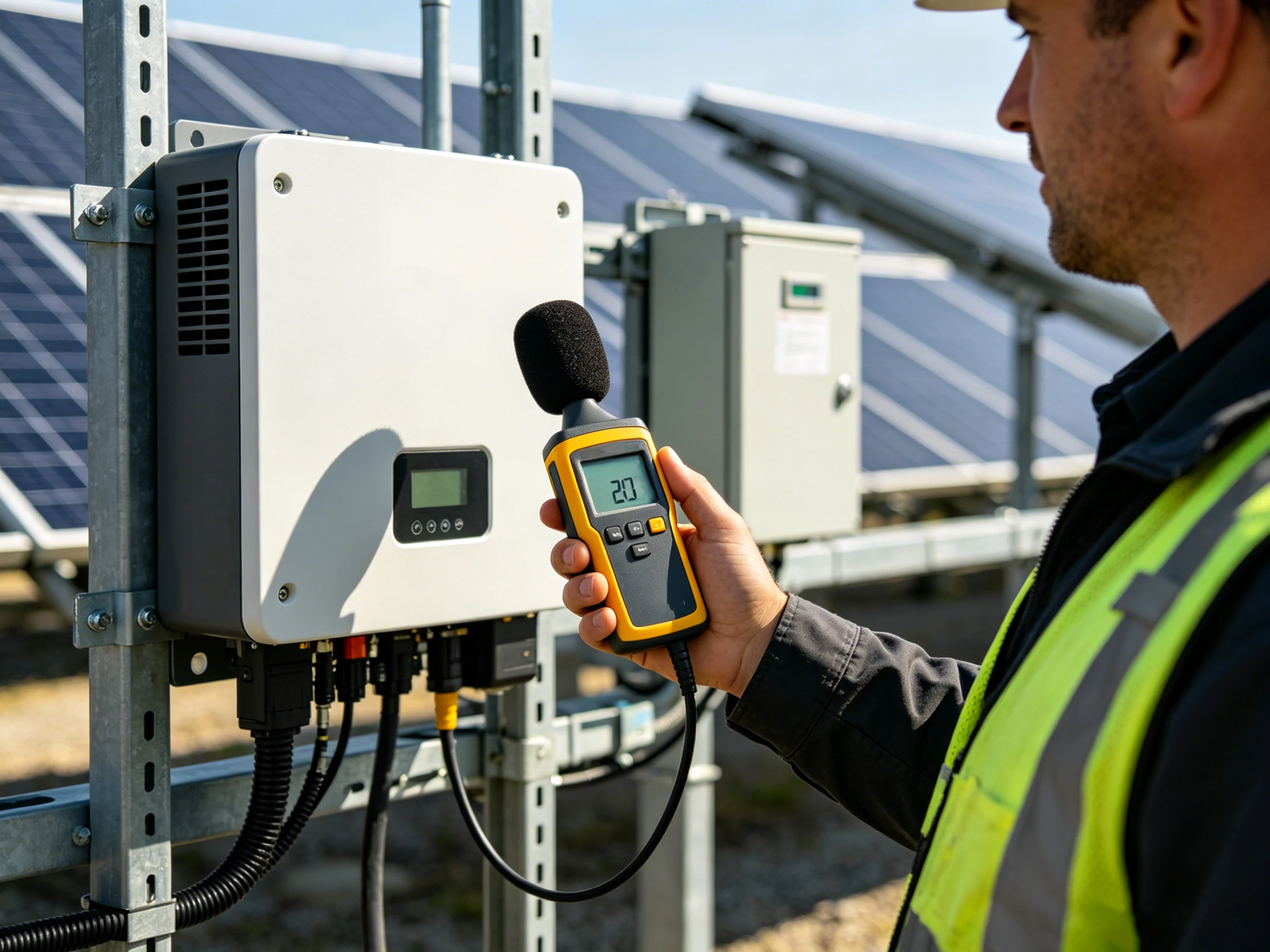
When people talk about solar power systems, they usually focus on efficiency, cost savings, or panel performance. But there’s another factor that often gets overlooked until installation day arrives—commercial inverter noise levels. And trust me, once you’ve stood next to a humming inverter in a quiet office building or a retail space, you start paying attention very quickly.
In this guide, we’re going deep into commercial inverter noise levels, what causes them, how loud they actually are, and—most importantly—how to manage them in real-world commercial environments. Whether you’re planning a rooftop PV system or an indoor inverter installation, understanding noise behavior can make a huge difference in comfort and compliance.
At the core of commercial inverter noise levels is heat management. Most inverters rely on cooling fans, inductors, and transformers—all of which generate sound during operation.
A solar inverter under heavy load naturally produces more heat, and that directly impacts fan speed. Higher fan speed usually means higher noise output. That’s why commercial inverter noise levels can fluctuate throughout the day depending on solar generation intensity.
Even modern quiet solar inverters still produce some level of acoustic output, though it is significantly reduced compared to older systems.
Another key factor affecting commercial inverter noise levels is load variation. When the system is operating at peak PV output, internal components work harder, increasing sound emissions.
This is where dB ratings for PV become important. Many commercial systems range between 40 dB and 75 dB depending on load and design. Understanding these numbers helps facility managers decide placement and shielding strategies.
In real-world terms, commercial inverter noise levels under heavy load can sound like a steady office air conditioner or a quiet vacuum in the background.
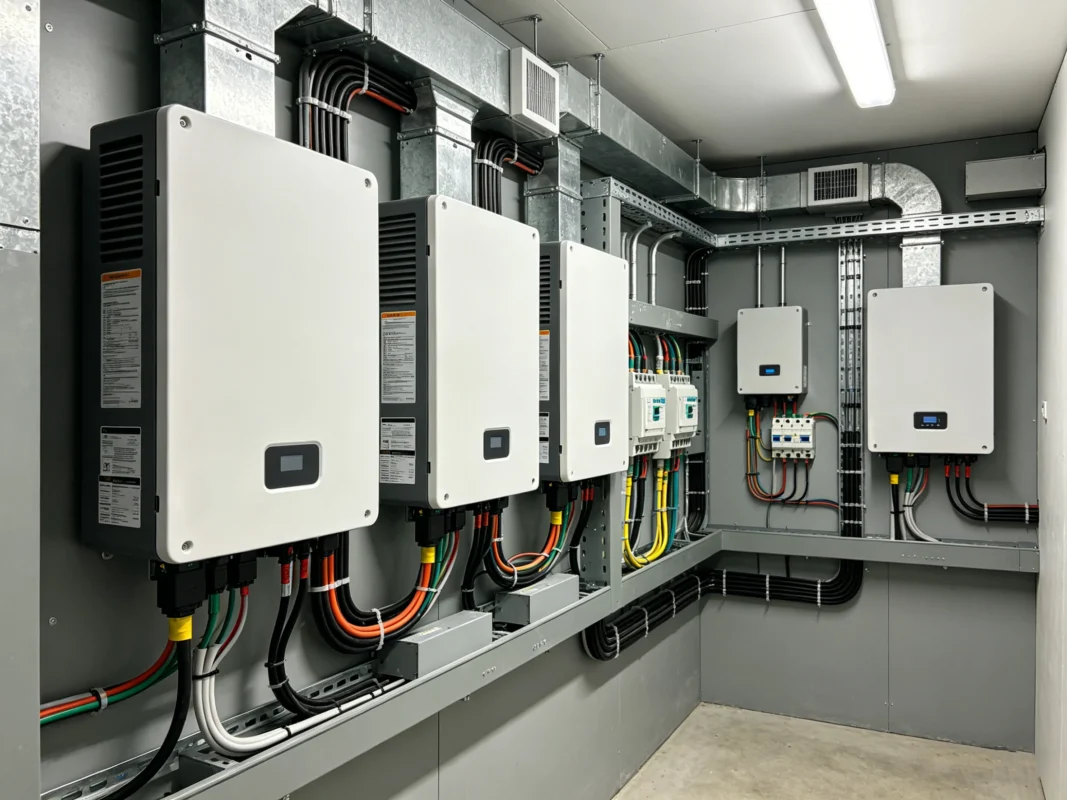
The environment plays a surprisingly big role in commercial inverter noise levels. Wall-mounted setups inside mechanical rooms amplify vibration. Poor ventilation also forces fans to run faster, increasing sound output.
This is why indoor inverter installation needs careful acoustic planning. Even the best solar inverter can become noisy if installed in a confined, echo-prone space.
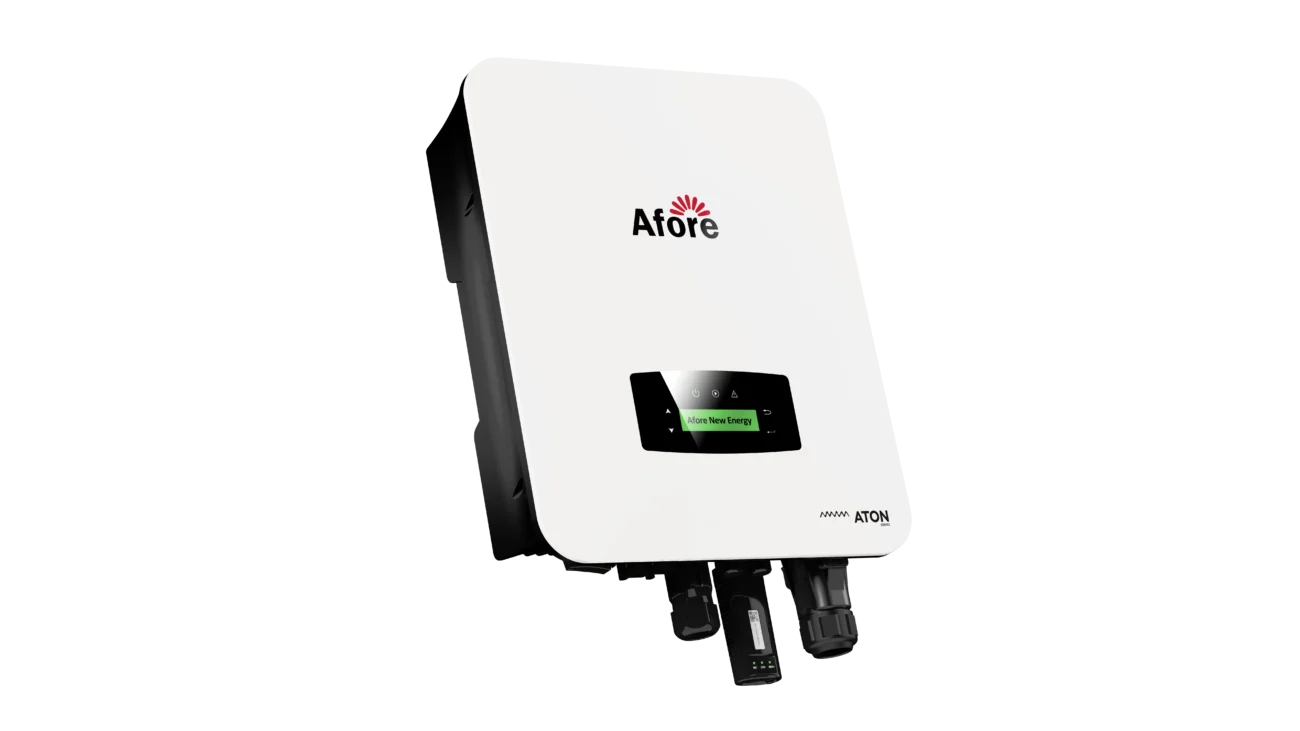
Understanding commercial inverter noise levels isn’t just about reading a number on a datasheet—it’s about knowing what those numbers actually feel like in a real commercial space. From quiet background hums to more noticeable mechanical airflow, the sound profile of a solar inverter changes throughout the day as operating conditions shift.
During early morning hours or periods of low solar generation, commercial inverter noise levels tend to be at their lowest. In this range, most systems operate between 30 and 45 dB, which is comparable to a quiet office or library.
At this stage, many quiet solar inverters rely on passive cooling or minimal fan activity. You might hear a faint electrical hum, but in most cases, it blends into the background. For projects involving indoor inverter installation, this is the ideal performance zone, especially in noise-sensitive environments like offices or clinics.
From an engineering perspective, these low dB ratings for PV systems indicate efficient thermal design and minimal stress on internal components.
As solar production ramps up during mid-morning to afternoon hours, commercial inverter noise levels increase slightly. In this range, typically between 45 and 60 dB, cooling fans begin to operate more actively to dissipate heat.
This level of sound is similar to normal conversation or background office noise. Most occupants won’t find it disruptive, but placement still matters. Poorly planned indoor inverter installation can amplify these sounds through walls or enclosed spaces.
Well-designed quiet solar inverters manage airflow efficiently, keeping noise stable even under changing loads. Evaluating dB ratings for PV at this stage helps ensure the system remains within acceptable acoustic limits for commercial use.
At peak solar output, commercial inverter noise levels reach their highest point. Systems can generate 60 to 75 dB or more, depending on size, cooling design, and environmental conditions.
This is where real-world installation quality becomes critical. A solar inverter operating at full capacity in a poorly ventilated room will run hotter, forcing fans to spin faster and increasing noise output. In contrast, optimized airflow and spacing can significantly reduce perceived sound.
Even with advanced quiet solar inverters, peak conditions will always produce some level of audible noise. That’s why understanding dB ratings for PV in context—and planning accordingly—is essential for maintaining both performance and occupant comfort.
It’s easy to treat commercial inverter noise levels as a minor technical detail—until the system is up and running inside a real building. In practice, noise affects far more than just comfort. It influences productivity, compliance, and even how people perceive the overall quality of a space. From my experience on actual installations, ignoring this factor early on almost always leads to complaints later.
In offices, coworking spaces, or retail environments, consistent background noise can quietly wear people down. While a solar inverter might not seem loud on paper, sustained exposure to mid-range commercial inverter noise levels can become distracting over time.
Even systems that fall within acceptable dB ratings for PV can still create discomfort if the sound is continuous or has noticeable tonal qualities, like fan whine or vibration hum. This is especially true in open-plan offices where sound travels freely.
Thoughtful indoor inverter installation—such as placing equipment away from occupied zones or using sound-dampening materials—can make a noticeable difference. Many newer quiet solar inverters are designed with this in mind, but placement still plays a huge role.
In commercial buildings, commercial inverter noise levels aren’t just about preference—they’re often regulated. Local building codes and workplace standards typically define acceptable dB ratings for PV equipment, particularly for indoor installations.
If a solar inverter exceeds these limits, it may require mitigation measures such as acoustic enclosures or relocation. In some cases, failing to address noise during the design phase can lead to costly retrofits after installation.
This is why experienced engineers always evaluate commercial inverter noise levels alongside electrical performance. Compliance isn’t something you want to fix after the fact.
There’s also a practical side to consider. Unusually high commercial inverter noise levels can be a warning sign. Excessive fan noise or vibration often points to overheating, airflow restrictions, or mounting issues.
A well-installed solar inverter operating within proper dB ratings for PV tends to run cooler and more efficiently, which can extend its service life. On the flip side, noisy systems are often working harder than they should.
From a user perspective, quieter systems simply feel more reliable. Investing in quiet solar inverters and a well-planned indoor inverter installation doesn’t just reduce noise—it builds trust in the system’s overall quality.
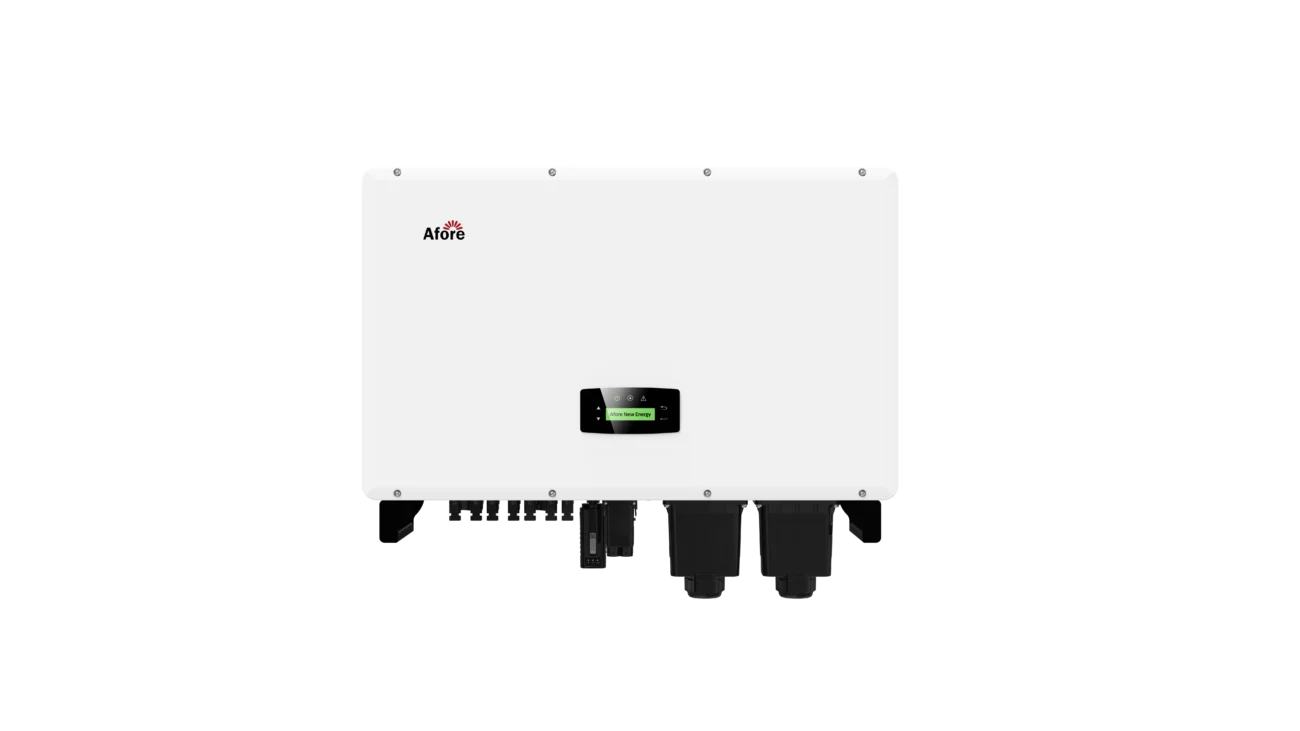
If there’s one lesson that comes up again and again in real projects, it’s this: you don’t “fix” commercial inverter noise levels after installation—you design around them from the start. The good news is that with the right approach, you can dramatically reduce noise without sacrificing performance. It comes down to smart equipment choices, thoughtful placement, and a bit of practical field awareness.
Not all inverters sound the same, even when their power ratings are identical. Choosing quiet solar inverters is one of the most effective ways to control commercial inverter noise levels right out of the gate.
Modern designs use variable-speed fans that adjust based on temperature rather than running at full speed all the time. Some systems also feature improved heat sinks or hybrid cooling methods that reduce reliance on active airflow. In real-world terms, this means fewer sudden noise spikes during peak production hours.
When reviewing specifications, don’t just look at peak dB ratings for PV. Pay attention to how the unit behaves across different load conditions. A slightly lower peak rating doesn’t always guarantee a quieter experience if the fan cycles aggressively throughout the day.
A well-planned indoor inverter installation can make or break your noise control strategy. Even the quietest solar inverter can become disruptive if it’s placed in the wrong location.
Start by avoiding shared walls with offices, meeting rooms, or customer-facing areas. Sound doesn’t just travel through the air—it moves through structures. Mounting an inverter on a thin wall can amplify vibration and increase perceived commercial inverter noise levels far beyond what the datasheet suggests.
Instead, position equipment in dedicated utility rooms with solid construction. Allow enough spacing around each unit to promote airflow. When inverters are crammed into tight spaces, heat builds up, forcing fans to work harder and raising noise output.
From experience, even small adjustments—like rotating the unit or increasing wall clearance—can noticeably reduce commercial inverter noise levels.
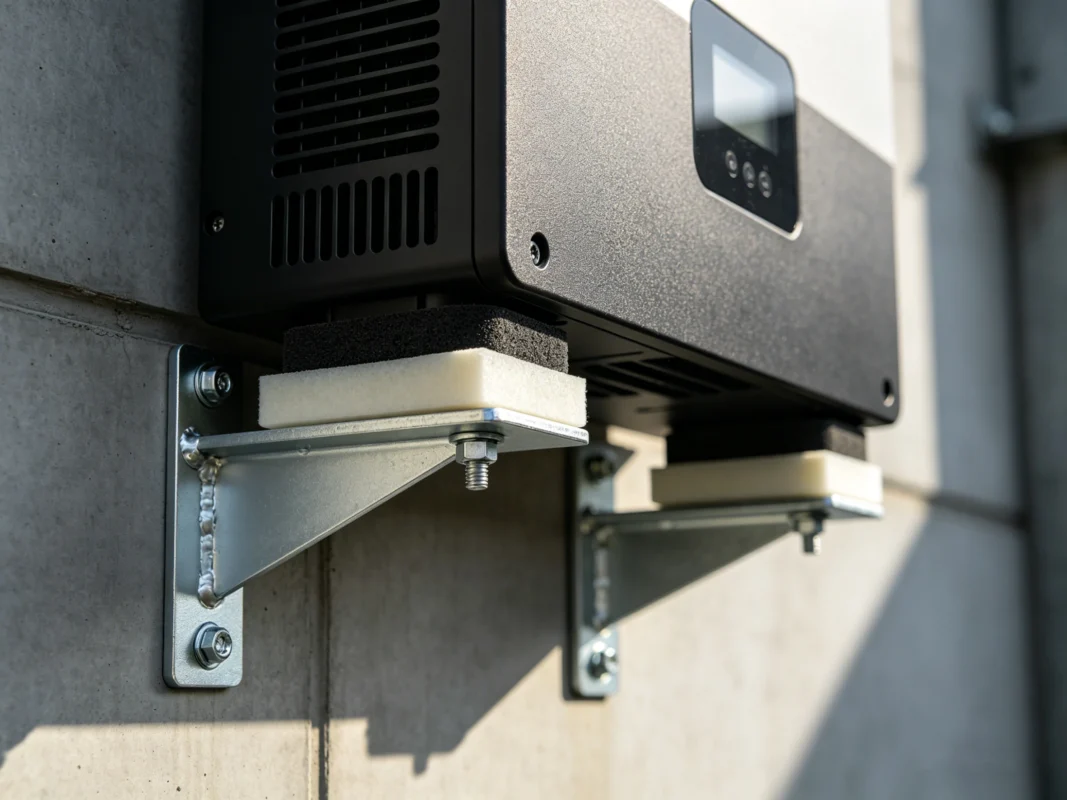
One of the most overlooked contributors to commercial inverter noise levels is structural vibration. When a solar inverter is wall-mounted without proper isolation, even minor internal movement can resonate through the building.
Using vibration-dampening mounts or rubber isolation pads can significantly cut down on this effect. Reinforced brackets also help distribute weight more evenly, reducing stress points that can lead to noise over time.
This is especially important in indoor inverter installation scenarios where equipment is installed close to occupied areas. Controlling vibration at the source is often more effective than trying to block sound after it spreads.
Heat and noise go hand in hand. Poor ventilation is one of the fastest ways to increase commercial inverter noise levels.
When airflow is restricted, internal temperatures rise, triggering higher fan speeds. This not only increases noise but can also impact efficiency. Ensuring proper ventilation helps maintain stable dB ratings for PV systems across all operating conditions.
In practice, this means designing airflow paths that allow hot air to escape easily. Installing vents, fans, or even simple air gaps can make a measurable difference. In larger installations, separating heat-generating equipment into different zones prevents localized hotspots that drive up noise levels.
Even high-quality quiet solar inverters depend on good airflow to perform as intended.
When placement and equipment selection aren’t enough, acoustic treatment becomes the next layer of defense. The goal here isn’t to trap the inverter—it’s to control how sound travels.
Acoustic panels on walls and ceilings can absorb and diffuse noise, reducing the overall impact of commercial inverter noise levels in adjacent spaces. Enclosures can also be effective, but they must be designed carefully to avoid restricting airflow.
A common mistake is sealing off the inverter too tightly. While this may reduce sound temporarily, it often leads to overheating, which increases fan activity and ultimately raises noise again. The key is balance—manage sound while maintaining proper cooling conditions.
Noise levels don’t stay constant over time. Without regular maintenance, commercial inverter noise levels tend to creep upward.
Dust buildup is a major factor. It restricts airflow and forces cooling systems to work harder. Loose components or worn mounts can also introduce new vibrations that weren’t present during initial installation.
Routine inspections help keep the solar inverter running smoothly and within expected dB ratings for PV. Cleaning filters, checking mounting integrity, and ensuring fans operate correctly can prevent small issues from turning into noticeable noise problems.
Even the most advanced quiet solar inverters require ongoing care to stay quiet in real-world conditions.
On paper, commercial inverter noise levels look straightforward—just a decibel range tied to operating conditions. But once you step into real buildings, the story changes. Sound behaves differently depending on layout, materials, and how the system is actually used. Over time, certain patterns show up again and again, and they’re worth paying attention to if you want to avoid costly mistakes.
One of the most common surprises is the gap between listed dB ratings for PV and what people actually hear. A solar inverter rated at 55 dB might seem quiet enough, but in a small utility room with hard surfaces, that same unit can feel noticeably louder.
In several projects, commercial inverter noise levels became an issue not because the equipment was faulty, but because the space amplified sound. Echo and vibration can make even quiet solar inverters seem intrusive. This is why relying solely on specifications without considering the environment often leads to misjudgment.
Installation decisions have a direct and sometimes dramatic effect on commercial inverter noise levels. For example, mounting a unit on a shared wall next to an office can transmit low-frequency vibration into the workspace, even if airborne noise is minimal.
In contrast, relocating the same solar inverter just a few meters away or adding isolation mounts can significantly reduce perceived noise. This is where thoughtful indoor inverter installation proves its value. Small adjustments in placement, spacing, and mounting technique often solve problems that seem much bigger at first.
From experience, the quietest systems are rarely the ones with the lowest rated dB ratings for PV—they’re the ones installed with the most attention to detail.
Over time, commercial inverter noise levels can change. Systems that start off quiet may become louder due to dust buildup, aging fans, or shifting mounts. This gradual increase often goes unnoticed until it reaches a point where occupants begin to complain.
Regular maintenance plays a key role in keeping a solar inverter operating within expected limits. In long-term installations, well-maintained quiet solar inverters consistently deliver stable noise performance, while neglected systems tend to drift beyond acceptable levels.
The takeaway is simple: managing commercial inverter noise levels isn’t a one-time task. It’s an ongoing process that combines smart design, careful indoor inverter installation, and consistent upkeep.
In many projects, excessive commercial inverter noise levels aren’t caused by the equipment itself—they’re the result of avoidable decisions made during design or installation. These mistakes often seem minor at first, but once the system is running, they can turn into persistent noise issues that are difficult and expensive to correct.
One of the most frequent causes of elevated commercial inverter noise levels is inadequate ventilation. When a solar inverter doesn’t have enough airflow, internal temperatures rise quickly. The system responds by increasing fan speed, which directly increases noise output.
In tightly enclosed rooms or poorly designed indoor inverter installation setups, this effect becomes even more pronounced. What should have been stable dB ratings for PV suddenly spike during peak hours.
From field experience, simply improving airflow—adding vents, spacing units properly, or reducing heat concentration—can noticeably lower commercial inverter noise levels without changing the equipment at all.
Another common issue is improper mounting. Installing a solar inverter directly onto lightweight or hollow walls can amplify vibration, making commercial inverter noise levels seem much higher than they actually are.
This type of structural resonance often produces a low-frequency hum that travels through walls and floors, reaching nearby workspaces. Even high-quality quiet solar inverters can become problematic in this scenario.
Using reinforced mounting points and vibration isolation materials is critical during indoor inverter installation. Skipping this step is one of the fastest ways to turn a quiet system into a noisy one.
Many projects treat noise as an afterthought. By the time commercial inverter noise levels become noticeable, the system is already installed, and options are limited.
Placing equipment too close to occupied areas, neglecting sound reflection, or failing to evaluate dB ratings for PV in context can all lead to avoidable problems. Once complaints start, solutions often involve retrofitting—adding barriers, relocating units, or modifying structures.
In contrast, projects that integrate acoustic planning from the beginning tend to perform much better. Thoughtful placement of the solar inverter, combined with the use of quiet solar inverters, keeps commercial inverter noise levels within acceptable limits from day one.
Managing commercial inverter noise levels is not just a technical detail—it’s a critical part of designing comfortable, compliant, and efficient solar installations.
By choosing quiet solar inverters, understanding dB ratings for PV, and planning a thoughtful indoor inverter installation, you can significantly reduce noise impact while maximizing system performance.
At the end of the day, a well-designed solar inverter setup shouldn’t just generate clean energy—it should do it quietly, reliably, and without disturbing the people around it.
A 50kW system typically produces commercial inverter noise levels between 55 and 75 dB, depending on load conditions and cooling design. During peak solar production, fan activity increases, which raises noise output. In well-ventilated environments using quiet solar inverters, the perceived sound is often closer to background office noise rather than something disruptive. Proper placement during indoor inverter installation can further reduce how loud it feels in nearby spaces.
Yes, but careful planning is essential. A solar inverter can be installed near workspaces if commercial inverter noise levels are controlled through distance, barriers, and mounting techniques. Positioning the unit in a dedicated room, using sound-absorbing materials, and selecting equipment with stable dB ratings for PV all help maintain a comfortable environment. Without these measures, even moderate noise can become noticeable over time.
Most commercial guidelines recommend keeping commercial inverter noise levels below 60–70 dB for indoor environments, although exact limits vary by region and building type. These dB ratings for PV are designed to ensure that equipment does not interfere with daily operations. For noise-sensitive spaces such as offices or healthcare settings, lower targets are often preferred, especially when planning an indoor inverter installation.
Fanless designs can significantly reduce commercial inverter noise levels, but they do not eliminate noise entirely. A solar inverter without fans may still produce a low electrical hum or minor vibration. However, compared to fan-cooled systems, quiet solar inverters with passive cooling are much less noticeable, making them a strong option for indoor or noise-sensitive applications.
To reduce vibration-related commercial inverter noise levels, use isolation mounts, rubber pads, or reinforced brackets during installation. These materials prevent the solar inverter from transferring vibration into walls and surrounding structures. Proper indoor inverter installation techniques, combined with regular maintenance, help maintain stable dB ratings for PV and minimize long-term noise issues.








 Turkish
  Romanian