



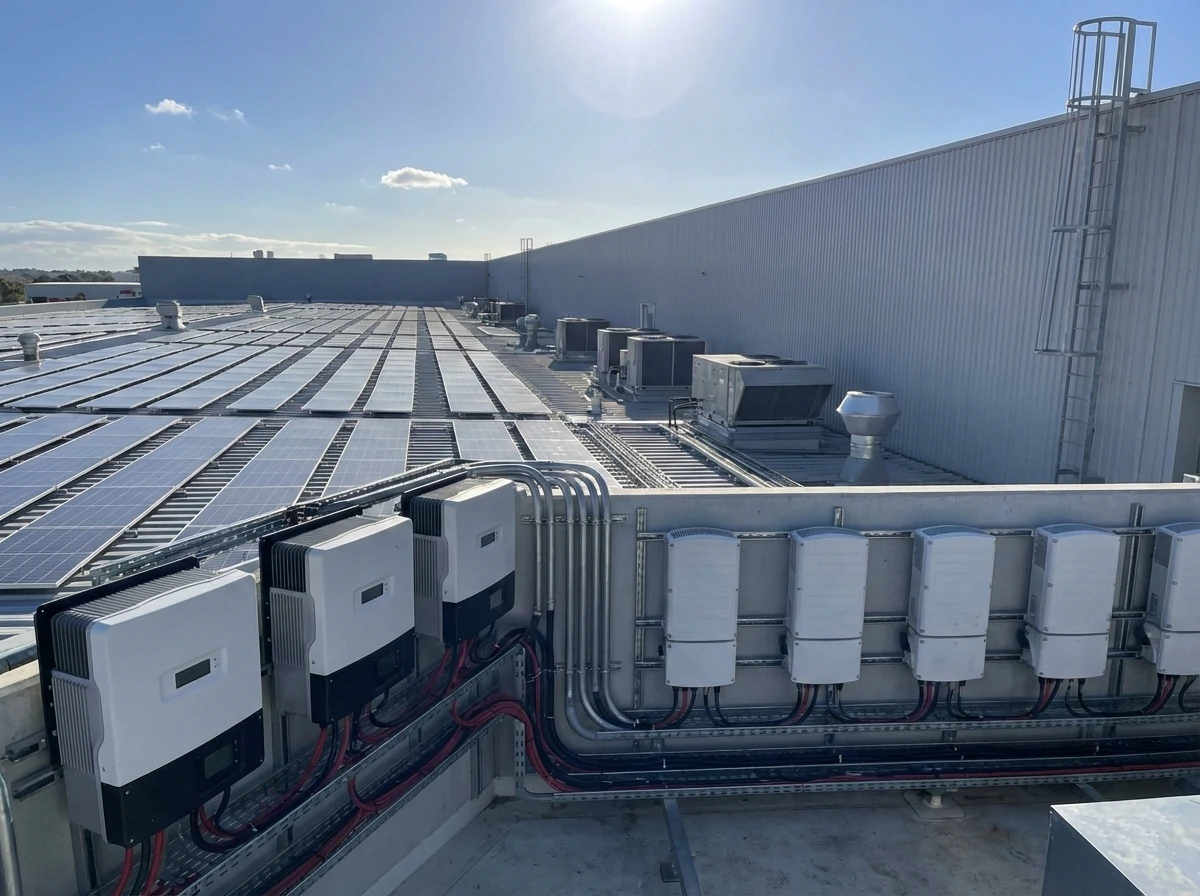
When people talk about commercial solar systems, the conversation almost always turns to one key component sooner or later: the commercial string inverter.
And honestly, that makes sense. In real-world commercial installations, the inverter is where theory meets reality. It’s the bridge between panels on a roof and usable electricity inside a building.
Over the past decade, the commercial string inverter has quietly gone from “one of several options” to a preferred solution for many commercial and industrial solar projects. Warehouses, shopping centers, factories, logistics hubs—you’ll find a commercial string inverter working behind the scenes in all of them.
A commercial string inverter is the core power conversion device used in commercial and industrial solar PV systems. Its primary role is straightforward: converting direct current (DC) electricity generated by solar panels into alternating current (AC) that commercial buildings, factories, and facilities can actually use.
But in real-world commercial applications, a commercial string inverter is far more than a simple converter. It’s a control hub, a performance optimizer, and often the deciding factor between a solar system that looks good on paper and one that performs reliably year after year.
Unlike residential inverters, a commercial string inverter is designed to operate under higher loads, longer daily runtimes, and far more complex electrical conditions. These systems are commonly deployed on warehouses, shopping centers, office complexes, logistics hubs, and industrial rooftops—places where energy demand is continuous and downtime is costly.
In a typical commercial solar setup, multiple solar panels are connected in series to form a “string.” Several of these strings feed into a commercial string inverter, where DC power is converted into usable AC electricity.
What makes a commercial string inverter particularly effective is its ability to manage each string independently using MPPT (Maximum Power Point Tracking). This means the inverter constantly adjusts electrical parameters to extract the maximum possible energy, even when conditions vary across the roof.
In real installations, this matters more than many people expect. Shading from HVAC units, dust accumulation, different panel orientations, or uneven aging can all affect output. A well-designed commercial string inverter minimizes these losses by allowing each string to operate at its own optimal level rather than forcing the entire system to perform at the weakest point.
Most commercial and industrial buildings operate on three-phase electricity. As a result, nearly every commercial string inverter functions as a 3-phase PV inverter by default.
Three-phase output provides:
From an engineering perspective, using a commercial string inverter as a 3-phase PV inverter is not a feature—it’s a necessity. It allows solar generation to integrate smoothly into existing electrical infrastructure without creating voltage imbalance or operational risks.
At first glance, residential and commercial string inverters may look similar. In reality, the gap between them is significant.
A commercial string inverter is built to handle:
Residential units are optimized for simplicity and cost. A commercial string inverter, on the other hand, is engineered for reliability, scalability, and long-term performance under stress. This distinction becomes especially clear in industrial environments, where the inverter must behave more like an industrial solar inverter than a household appliance.
The reason the commercial string inverter has become so common is simple: modularity.
Instead of relying on a single, oversized inverter, commercial systems can deploy multiple commercial string inverters across the site. This approach reduces single points of failure and makes the system easier to maintain.
If one unit experiences an issue, the rest continue operating. From an operational standpoint, this improves system availability and protects revenue—two priorities that matter deeply in commercial solar projects.
This modular design also explains why the string inverter vs central discussion has shifted over time. While central inverters still have specific use cases, many commercial installations now favor string-based designs for their flexibility and resilience.
In industrial settings, the commercial string inverter often overlaps in function with what many engineers refer to as an industrial solar inverter. These environments place additional demands on equipment, including:
A properly specified commercial string inverter is built to withstand these conditions. Field experience shows that distributing power conversion across multiple units reduces thermal stress and simplifies long-term maintenance—both critical in industrial operations.
One of the most practical advantages of a commercial string inverter is scalability. Commercial solar systems rarely remain static. Businesses expand, energy needs change, and regulations evolve.
Because a commercial string inverter system is modular by design, expanding capacity is often as simple as adding more inverters and strings. There’s no need to replace an entire power conversion system just to grow.
For asset owners and system designers, this flexibility turns the commercial string inverter into a long-term infrastructure decision rather than a short-term technical choice.
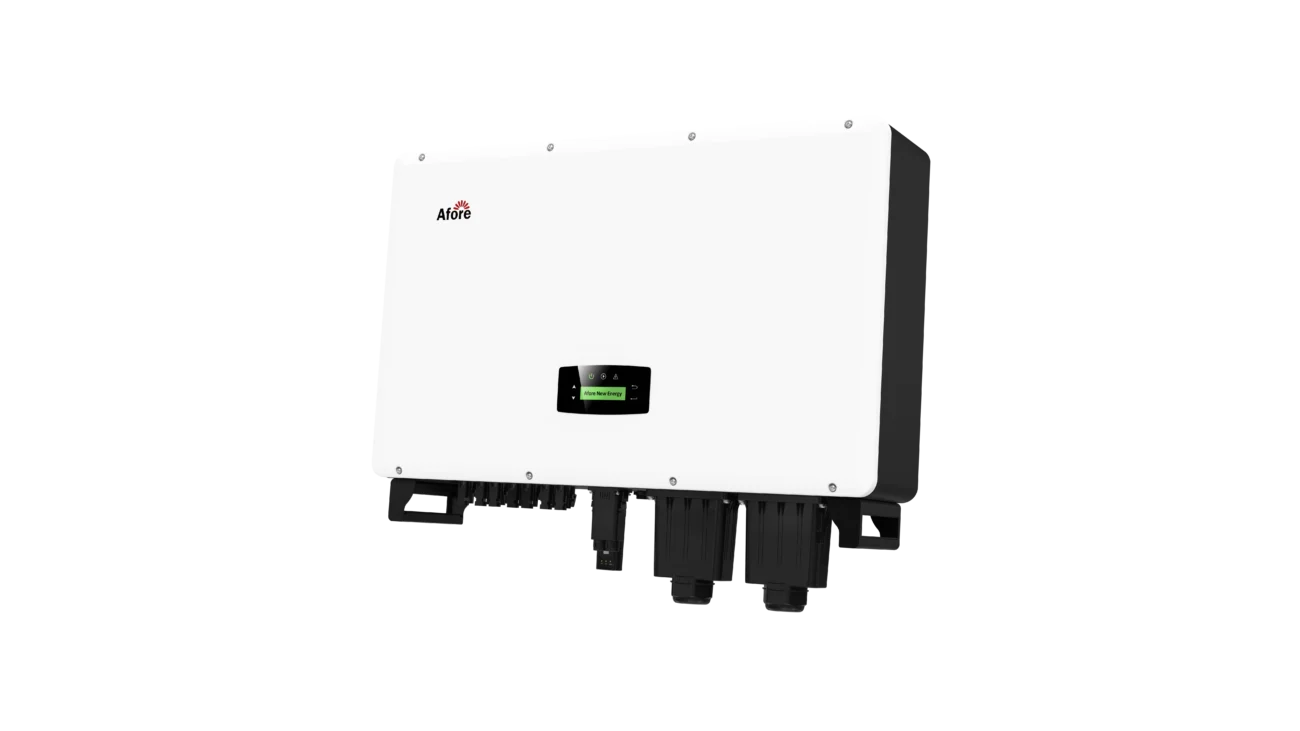
The discussion around commercial string inverter vs central inverter is one of the most practical debates in commercial solar design. This isn’t a theoretical argument or a marketing trend. It’s a decision that affects uptime, maintenance costs, energy yield, and long-term system reliability.
Both architectures can work. The real question is which one works better for a specific commercial site.
Over the last several years, the commercial string inverter has gained serious traction in commercial and industrial projects, largely because it solves problems that centralized designs struggle with in real operating conditions.
A central inverter system is built around one large unit that handles power conversion for the entire solar array. All strings feed into that single inverter. The design is straightforward and compact, but also rigid.
A commercial string inverter system takes a different approach. Instead of one large conversion point, power conversion is distributed across multiple smaller units. Each commercial string inverter manages a defined group of strings independently.
From a design perspective, this distributed architecture aligns far better with the realities of commercial rooftops, which are rarely uniform or obstruction-free.
Reliability is where the difference between commercial string inverter vs central becomes impossible to ignore.
In a centralized system, the inverter represents a single point of failure. If it goes offline due to a fault, maintenance issue, or grid event, the entire solar plant stops producing energy.
With a commercial string inverter setup, failure is localized. One unit going down does not shut down the rest of the system. The remaining inverters continue operating, protecting energy production and reducing financial losses.
For commercial operators who depend on predictable output, this redundancy is often a decisive advantage.
Commercial rooftops introduce unavoidable inconsistencies: shadows from ventilation systems, different panel orientations, dust accumulation, and uneven aging.
In a central inverter system, these issues can drag down the performance of the entire array. The weakest string often limits overall output.
A commercial string inverter mitigates this problem by isolating performance at the string level. Each inverter tracks its own operating conditions and adjusts accordingly. In practice, this leads to higher energy yield over time, especially in complex installations.
This is one of the strongest technical arguments in favor of the commercial string inverter in modern commercial environments.
Maintenance realities often favor the commercial string inverter, especially over long project lifecycles.
Central inverters are powerful but complex. When a fault occurs, diagnosing and repairing the issue can be time-consuming. Replacement often requires heavy equipment, specialized technicians, and extended downtime.
By contrast, a commercial string inverter is easier to access, diagnose, and replace. Faults are isolated, and repairs can be performed without shutting down the entire system. For operations teams, this translates directly into lower operational risk.
Commercial solar systems are rarely static. Businesses expand, rooftops are renovated, and energy strategies evolve.
Central inverter systems are typically designed for a fixed capacity. Expanding them later can be expensive and technically complex.
A commercial string inverter system is inherently scalable. Additional inverters and strings can be integrated with minimal disruption. This flexibility is particularly valuable for warehouses, logistics centers, and industrial sites with phased development plans.
Installation conditions vary widely across commercial sites. Roof load limits, cable routing, inverter placement, and ventilation all play a role.
Central inverters often require dedicated inverter rooms or reinforced foundations. This adds structural and planning complexity.
A commercial string inverter can be distributed across the site, closer to the array itself. Shorter DC cable runs, flexible placement, and simpler mounting options make installation more adaptable to real-world constraints.
Both architectures support three-phase power, but a commercial string inverter often integrates more smoothly into complex electrical networks.
As a 3-phase PV inverter, each unit contributes balanced power to the grid. This distributed interaction reduces stress on the electrical system and improves stability, especially in facilities with variable loads.
From a grid compliance perspective, modern commercial string inverter systems provide fine-grained control and monitoring that centralized systems may struggle to match.
Initial equipment costs don’t tell the full story.
While central inverters may appear cost-effective upfront, long-term operational expenses can offset that advantage. Downtime, repair logistics, and replacement cycles all add hidden costs.
A commercial string inverter system often delivers better lifetime value through higher uptime, easier maintenance, and more predictable performance over decades of operation.
Despite the advantages of the commercial string inverter, central inverters are not obsolete.
They may still be suitable for:
The key takeaway is not that one solution is universally better, but that the commercial string inverter vs central decision should be driven by site conditions, operational priorities, and long-term strategy.
In most modern commercial rooftop and industrial applications, the commercial string inverter offers a more resilient, adaptable, and maintenance-friendly solution.
Its distributed design aligns better with real-world conditions, making it a preferred choice for businesses that value reliability and long-term performance over theoretical simplicity.
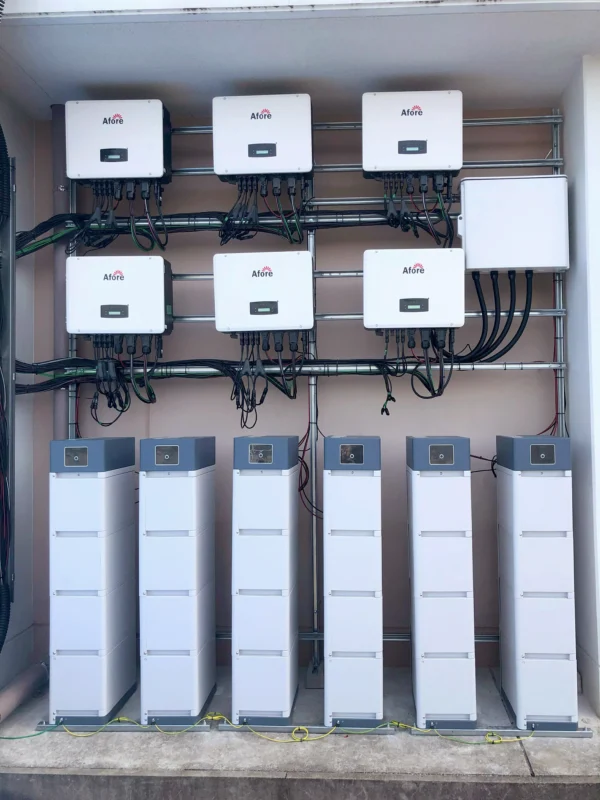
In commercial solar projects, MPPTs are not a secondary feature. They are one of the core reasons a commercial string inverter performs well in real-world conditions.
MPPT, or Maximum Power Point Tracking, is the function that allows a commercial string inverter to continuously adjust voltage and current in order to extract the maximum possible energy from each connected string. On paper, that sounds simple. In practice, it’s one of the most critical performance factors in commercial and industrial solar systems.
Unlike small residential rooftops, commercial sites deal with constant variation—shading, temperature changes, dust, panel mismatch, and uneven aging. Without properly configured MPPTs, these variables can quietly erode system output year after year.
In commercial environments, panels are rarely identical in operating conditions. Even within the same roof section, subtle differences can exist.
A commercial string inverter equipped with multiple MPPTs allows each group of panels to operate independently. This prevents one underperforming string from dragging down the output of the entire array.
From field experience, this difference is not marginal. Over the lifespan of a system, effective MPPT management can translate into a noticeable increase in annual energy yield, especially on complex rooftops.
Partial shading is one of the biggest performance challenges in commercial solar systems. HVAC units, vents, parapets, and nearby structures all create uneven shading patterns that change throughout the day.
With a centralized tracking approach, shading on one string can affect the performance of many others. A commercial string inverter with dedicated MPPTs isolates this impact.
Each MPPT dynamically adjusts to real-time conditions, ensuring shaded strings operate at their own optimal point without limiting unshaded sections. In practical terms, this makes commercial string inverter systems far more tolerant of imperfect installation environments.
The number and configuration of MPPTs directly influence how a commercial system is designed.
When using a commercial string inverter, designers can group panels based on:
This flexibility allows engineers to adapt the system to the building rather than forcing the building to conform to the system. It’s a design advantage that becomes more valuable as roof complexity increases.
Most commercial installations operate on three-phase power. As a result, MPPT performance must align seamlessly with 3-phase PV inverter operation.
In a commercial string inverter, MPPTs feed optimized DC power into a three-phase conversion stage. This ensures stable, balanced AC output while still maximizing energy harvest at the string level.
From a grid integration standpoint, this combination of granular DC optimization and balanced three-phase output improves both efficiency and compliance with utility requirements.
Temperature variations significantly affect solar module output. On large rooftops, temperature differences between strings can be substantial, especially in industrial environments.
A commercial string inverter with multiple MPPTs can adapt to these thermal differences in real time. Hotter strings and cooler strings are tracked independently, preventing thermal mismatch losses that would otherwise reduce total system efficiency.
Over long operating periods, this adaptive behavior contributes to more consistent performance and reduced stress on system components.
There is no universal answer, but experience shows that commercial systems benefit from more MPPTs than residential ones.
A commercial string inverter typically requires additional MPPTs when:
That said, more MPPTs are not automatically better. The goal is strategic alignment between MPPT count and site complexity. Proper design always outweighs raw numbers.
Over time, solar modules age at different rates. Soiling, micro-cracks, and degradation don’t occur evenly across an array.
By isolating strings through independent MPPTs, a commercial string inverter prevents aging-related mismatch from spreading across the system. This protects long-term energy yield and helps maintain predictable output over decades of operation.
From an asset management perspective, this makes MPPT design a long-term risk mitigation strategy, not just a technical feature.
For commercial and industrial solar projects, MPPTs should be treated as a foundational design element.
A well-designed commercial string inverter system uses MPPTs to adapt to real-world conditions, reduce performance losses, and extend the productive life of the system. In many cases, the quality of MPPT integration matters just as much as inverter capacity itself.
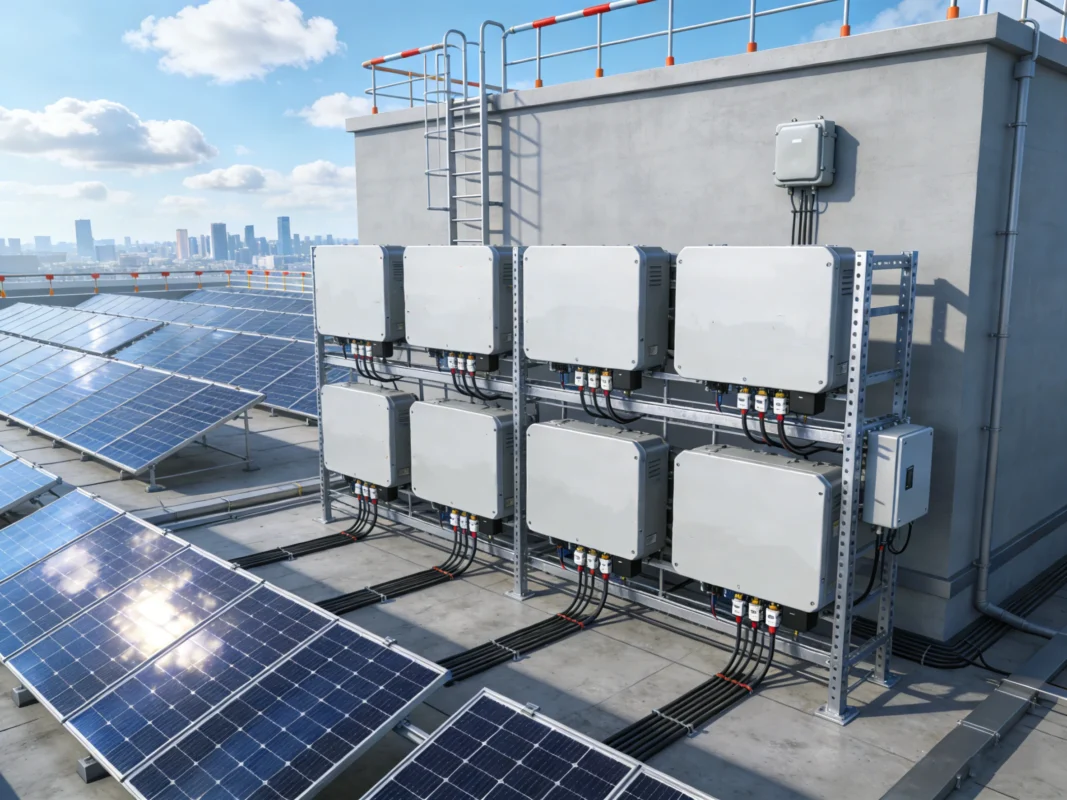
Industrial sites are where solar equipment is truly tested. High temperatures, airborne dust, vibration, and long operating hours create conditions that go far beyond what typical commercial buildings experience. In these settings, the commercial string inverter is no longer just a power conversion device—it becomes a reliability-critical component of the entire energy system.
Factories, processing plants, logistics centers, and heavy manufacturing facilities all place unique demands on solar infrastructure. A commercial string inverter deployed in an industrial environment must be designed to handle continuous operation while maintaining stable performance under stress.
Industrial environments are rarely clean, quiet, or temperature-controlled. These factors directly influence inverter performance and lifespan.
Common challenges include:
A commercial string inverter is better suited to these realities because its distributed architecture spreads thermal and electrical stress across multiple units instead of concentrating it in a single central inverter.
Heat is one of the primary causes of inverter degradation. In industrial facilities, heat sources are everywhere.
A commercial string inverter benefits from decentralized placement. Units can be installed in locations with better airflow and less heat buildup, reducing thermal strain. This approach improves operational stability and extends service life.
From practical experience, systems that distribute multiple commercial string inverters across an industrial site consistently show fewer heat-related shutdowns than centralized designs.
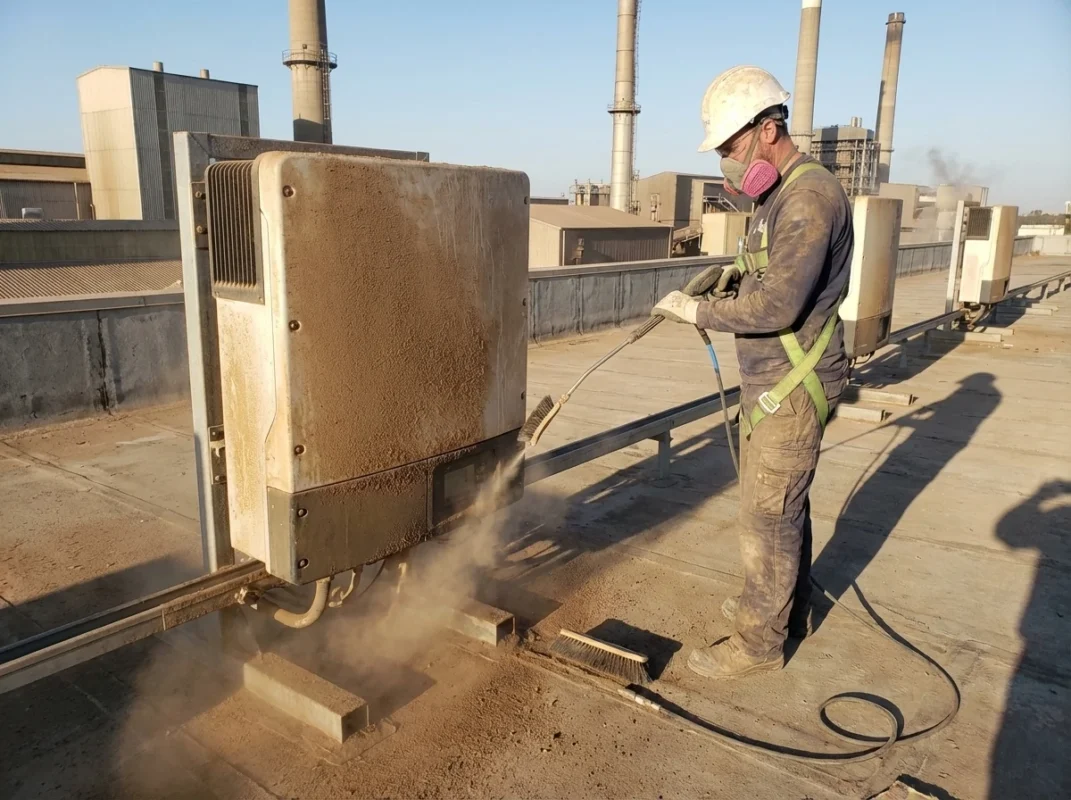
Dust and industrial residue are unavoidable in many facilities. Over time, contamination can affect cooling efficiency and internal components.
Using multiple commercial string inverters allows for targeted cleaning and maintenance. If one unit is impacted by environmental buildup, it can be serviced without interrupting the entire system. This localized maintenance capability is a significant advantage in industrial settings.
In contrast, contamination affecting a central inverter often has system-wide consequences.
Reliability is non-negotiable in industrial operations. Unexpected downtime directly impacts production and revenue.
The commercial string inverter excels here due to redundancy. Each inverter operates independently, so a fault in one unit does not shut down the entire solar plant. This design aligns well with industrial risk management strategies, where redundancy is often built into critical systems.
In industrial-scale applications, this distributed approach often positions the commercial string inverter as a practical form of industrial solar inverter architecture.
Industrial facilities typically operate on complex electrical networks with heavy three-phase loads. As a 3-phase PV inverter, a commercial string inverter integrates smoothly into these systems.
Three-phase output ensures balanced power delivery, reducing stress on electrical infrastructure. This is especially important in facilities running large motors, compressors, and automated production lines.
From an electrical engineering standpoint, the modular nature of commercial string inverter systems makes grid interaction more stable and predictable in industrial contexts.
Industrial sites rarely allow long maintenance shutdowns. Solar equipment must be serviceable without disrupting core operations.
A commercial string inverter supports this requirement by enabling incremental maintenance. Technicians can isolate, inspect, or replace a single unit while the rest of the system continues generating power.
This level of operational continuity is difficult to achieve with centralized inverter systems and is one of the strongest reasons industrial operators favor string-based designs.
Industrial solar systems are expected to perform consistently over decades. Uneven aging, thermal cycling, and mechanical stress can all affect long-term output.
By distributing conversion across multiple commercial string inverters, degradation occurs more gradually and predictably. This makes performance easier to monitor and manage over time, supporting accurate forecasting and asset planning.
Experience from industrial installations highlights a few recurring best practices:
These practical considerations reinforce why the commercial string inverter has become a preferred solution in demanding industrial environments.
In harsh, high-demand settings, the commercial string inverter consistently proves its value. Its modularity, resilience, and adaptability align well with the operational realities of industrial facilities.
For industrial operators seeking reliable, scalable solar generation, the commercial string inverter offers a balanced combination of performance, maintainability, and long-term stability that centralized systems often struggle to match.
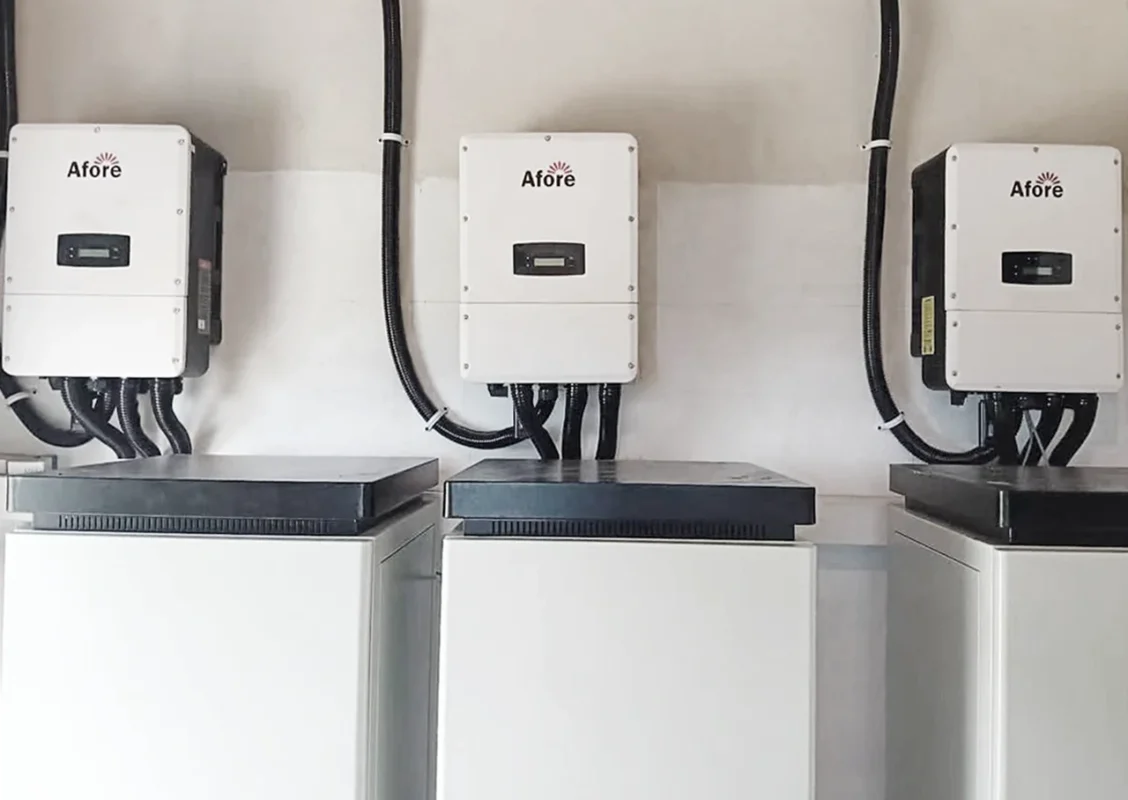
Sizing a commercial string inverter is one of the most important decisions in any commercial or industrial solar project. Get it right, and the system runs efficiently for years. Get it wrong, and performance, reliability, and return on investment all suffer.
Unlike residential systems, commercial installations deal with complex load profiles, larger arrays, and stricter grid requirements. That means choosing the right commercial string inverter size is not about guesswork or rules of thumb—it’s about understanding how the system will actually operate day to day.
A common mistake in commercial projects is sizing the commercial string inverter purely based on available roof space. While panel area matters, energy demand matters more.
Before selecting inverter capacity, evaluate:
For warehouses and industrial facilities, loads often peak during working hours, which aligns well with solar generation. A properly sized commercial string inverter should maximize on-site consumption rather than simply chasing the highest possible installed capacity.
In commercial systems, it is common to oversize the DC side relative to the AC inverter capacity. This practice improves inverter utilization and increases annual energy yield.
However, oversizing has limits. An excessively high DC-to-AC ratio can lead to frequent power clipping and unnecessary stress on the commercial string inverter.
The goal is balance. Field experience shows that moderate DC oversizing, matched to site conditions and load behavior, delivers the best long-term results without compromising reliability.
Understanding when electricity is consumed is just as important as knowing how much is consumed.
A commercial string inverter should be sized to support:
For facilities with strong daytime demand, aligning inverter capacity with working-hour consumption can significantly improve self-consumption rates and reduce grid exports.
Most commercial systems operate on three-phase electrical networks. As a 3-phase PV inverter, a commercial string inverter must comply with grid connection limits and electrical standards.
When selecting inverter size, consider:
Ignoring these constraints can result in costly redesigns or operational restrictions after installation.
Physical layout plays a major role in sizing decisions.
A commercial string inverter system often consists of multiple units rather than a single large inverter. This allows designers to distribute capacity across the site in a way that matches roof sections, shading patterns, and cable routing.
Instead of one oversized inverter, several appropriately sized commercial string inverters often deliver better performance and easier maintenance.
Commercial solar systems rarely stay static. Business growth, electrification, and regulatory incentives can all drive future expansion.
Choosing a commercial string inverter size with expansion in mind can prevent expensive retrofits later. Leaving room in electrical infrastructure and inverter capacity allows additional strings or units to be added without replacing existing equipment.
This forward-looking approach is particularly valuable in warehouses, manufacturing plants, and logistics facilities.
Ambient temperature, altitude, and ventilation all affect inverter performance.
In hot or enclosed environments, a commercial string inverter may experience thermal derating, reducing output during peak conditions. Factoring these conditions into sizing calculations helps avoid underperformance during critical operating hours.
Practical sizing always accounts for real-world conditions, not just nameplate ratings.
Rather than relying on a single large unit, many commercial projects benefit from distributing capacity across multiple commercial string inverters.
This approach improves redundancy, simplifies maintenance, and reduces the impact of individual unit failures. From an operational perspective, distributed sizing enhances system resilience and long-term stability.
When selecting the right commercial string inverter size, experienced designers typically review:
This holistic evaluation ensures that the commercial string inverter supports both current performance and future flexibility.
The best commercial string inverter size is rarely the largest one available. It’s the one that fits the site’s electrical behavior, operational priorities, and long-term goals.
When sizing decisions are grounded in real usage data and practical constraints, the commercial string inverter becomes a stable foundation for reliable commercial solar generation rather than a limiting factor.
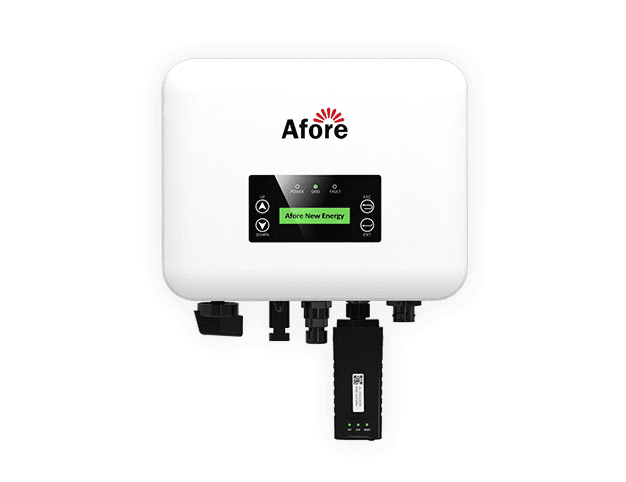
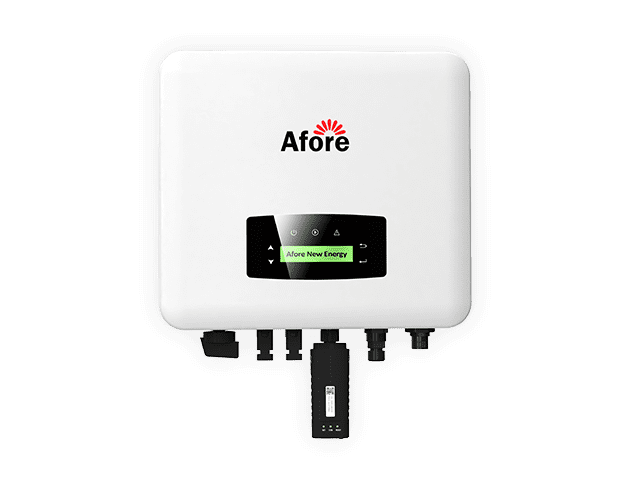
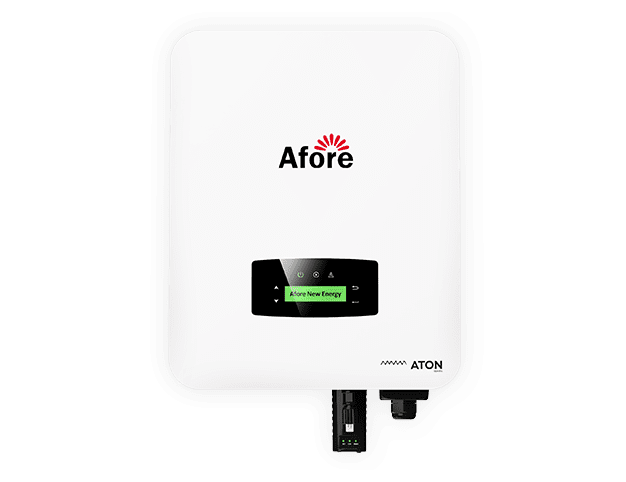
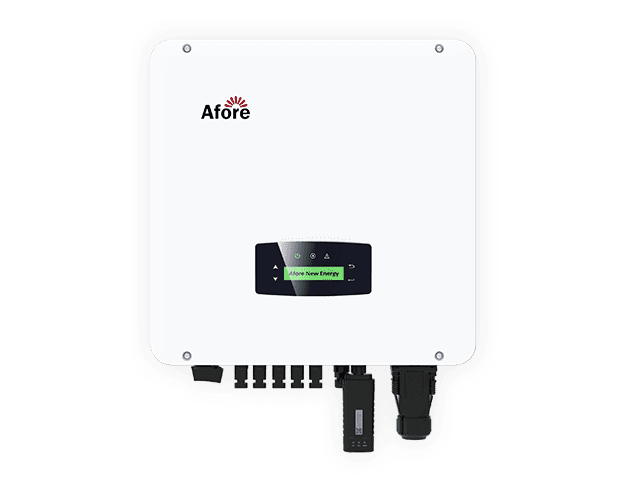
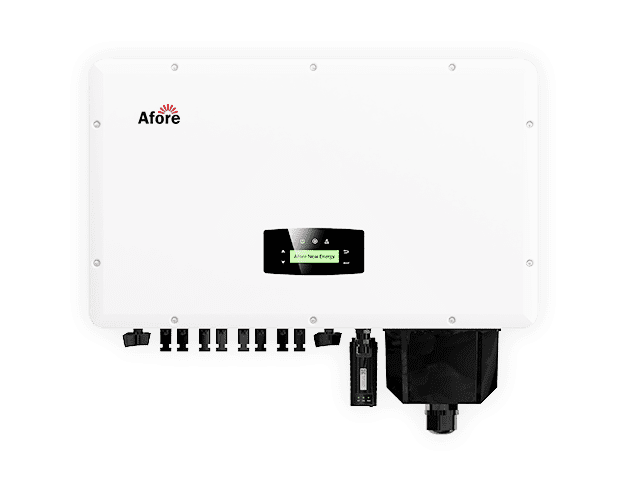
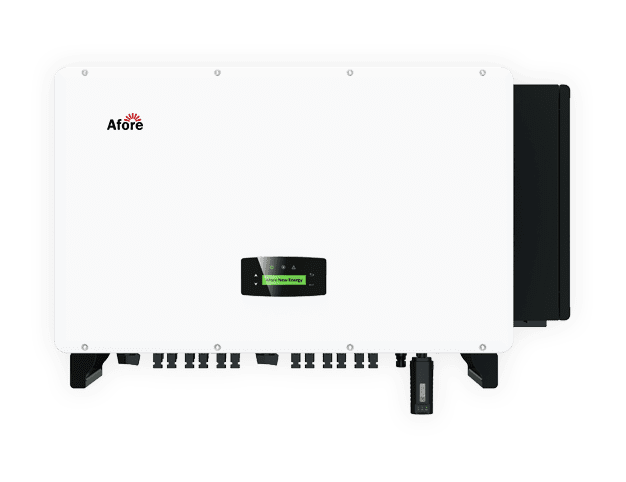
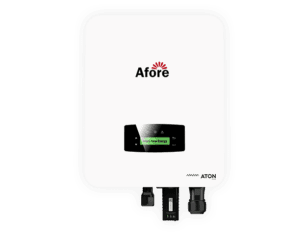
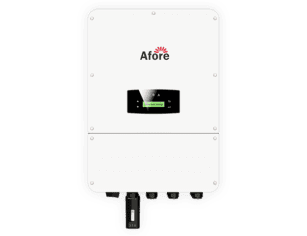
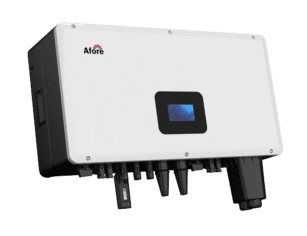
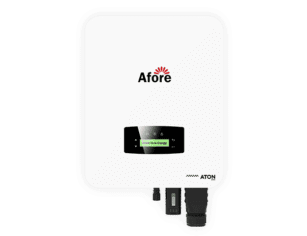
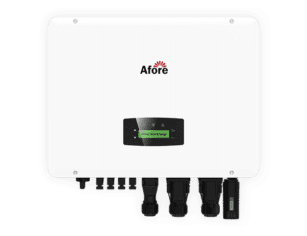
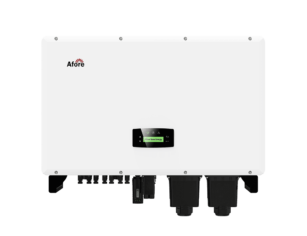
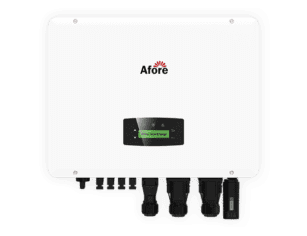
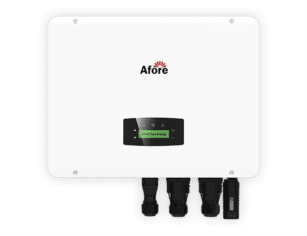
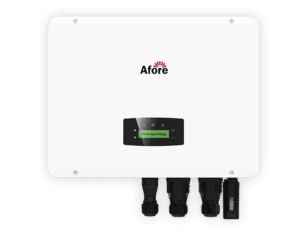
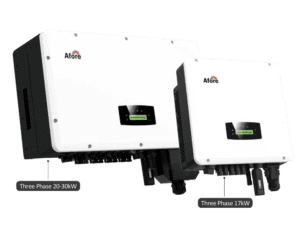
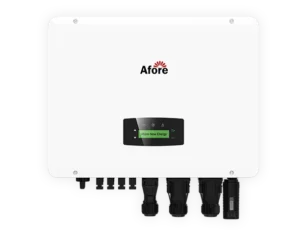
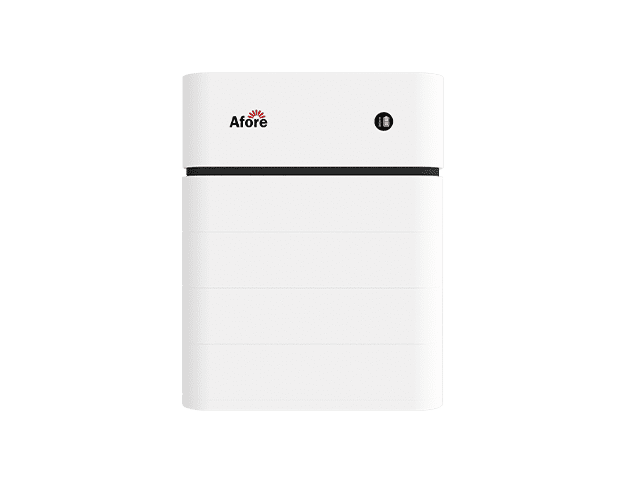
In industry discussions, Afore commercial solutions are often mentioned as a reference point for efficiency benchmarks and system architecture trends.
The broader takeaway is this: modern commercial string inverter platforms are being evaluated not just on power output, but on efficiency consistency, monitoring depth, and long-term serviceability.
The rise of the commercial string inverter isn’t hype—it’s the result of years of real-world performance. From design flexibility to operational resilience, the advantages are hard to ignore.
If you’re planning, upgrading, or managing a commercial solar system, understanding how a commercial string inverter fits into the bigger picture isn’t optional anymore. It’s essential.
The biggest advantages of commercial string inverters are modularity, redundancy, easier maintenance, and better performance under partial shading. They also simplify expansion and reduce downtime compared to centralized systems.
There’s no fixed number. A commercial string inverter typically benefits from multiple MPPTs when rooftops have varied orientations or shading. The right choice depends on layout complexity and system goals.
A well-installed commercial string inverter usually lasts 10–15 years, with many systems exceeding that range when properly maintained and operated within design limits.
Start by analyzing load profiles, roof space, and future expansion plans. A commercial string inverter should align with daytime energy use and allow room for growth without excessive oversizing.
In many cases, yes. The string inverter vs central debate often favors string solutions due to redundancy, easier maintenance, and better adaptability to complex sites. However, site-specific factors always matter.
In industry discussions around Afore commercial solutions, efficiency ratings commonly referenced are in the high-97% range under optimal conditions. This reflects broader market expectations for modern commercial string inverter platforms rather than a specific product claim.








 Turkish
  Romanian