




If you’ve ever wondered how businesses can harness solar energy while maximizing financial returns, solar tax equity for business is your golden ticket. It’s not just about installing panels; it’s about smart financing, strategic planning, and leveraging government incentives to get the most bang for your buck.
Simply put, solar tax equity for business is a financial arrangement where investors provide capital to a commercial solar project in exchange for a portion of the tax benefits. It’s a win-win: businesses get their solar systems installed with minimal upfront costs, while investors reap tax incentives, including depreciation and the ITC.
Think of it like a partnership where one side brings the expertise and infrastructure, and the other brings tax capacity and capital.
For many companies, cash flow is king. Solar installations are expensive, but tax equity financing allows businesses to benefit from solar investment benefits without breaking the bank. Plus, with energy prices constantly rising, installing a solar system can lower operational costs over the long term.
A typical tax equity partnership involves two key players: the solar project owner (usually a business) and the tax equity investor. The investor contributes capital to cover installation costs and, in return, claims the tax credits, primarily the Investment Tax Credit (ITC).
For example, let’s say your business installs a 500 kW solar system costing $1 million. A tax equity investor might cover 70% of that cost, allowing you to enjoy the energy savings while the investor claims a portion of the tax benefits.
Many solar tax equity for business deals use a “tax flip model.” In this setup, the investor retains the majority of tax benefits until reaching a predetermined return. Once that threshold is met, the allocation “flips,” giving the business more ownership and benefits from the energy produced.
This approach aligns incentives and ensures both parties gain fairly from the project.

The ITC for commercial solar is one of the most powerful incentives available to businesses looking to go solar. Simply put, it allows companies to deduct a portion of their solar project costs directly from their federal taxes. In 2026, businesses can claim up to 30% of the eligible project cost, meaning a $1 million system could translate to $300,000 in tax savings. This credit isn’t just a number on paper—it can significantly improve cash flow and reduce the payback period for solar installations.
Here’s how it typically works: a business installs a solar system, and the ITC is applied in the year the system is placed in service. If the business doesn’t have enough tax liability to use the full credit, that’s where tax equity partnerships become invaluable. Investors can step in, claim the ITC, and the business still enjoys the energy savings and eventual system ownership. This setup is particularly useful for companies that might not have enough taxable income to benefit directly from the credit.
Maximizing the ITC often goes hand-in-hand with other incentives like accelerated depreciation under MACRS. When combined, these strategies can improve ROI substantially, making solar a financially attractive option beyond just sustainability. For example, the upfront capital required for a commercial solar system is offset by tax benefits, while ongoing electricity savings boost long-term profitability.
Before claiming the ITC, businesses should ensure the system meets all eligibility requirements, including being installed on business property and operational for generating electricity. Careful planning around project timing and financing structures—like incorporating tax flip models—can further enhance the financial advantages of the ITC.
In short, the ITC for commercial solar is a cornerstone of any solar investment strategy. With thoughtful structuring, businesses can reduce upfront costs, improve cash flow, and secure long-term energy savings while contributing to sustainability goals.
One of the most immediate advantages of going solar is the potential to cut electricity bills. Installing a commercial solar system allows businesses to generate a significant portion of their own energy, which can translate to 20–50% savings on monthly utility costs depending on location and system size. Over time, these savings compound, making the upfront investment increasingly worthwhile. Combining this with solar tax equity for business structures can further lower initial capital burdens, making the switch more accessible.
Adopting solar energy isn’t just a financial move—it’s also a strategic branding opportunity. Businesses that invest in clean energy demonstrate a commitment to environmental responsibility, which resonates with customers, investors, and employees. Highlighting your green initiatives can strengthen your reputation and position your company as a forward-thinking, eco-conscious leader in your industry.
Reliance on the grid exposes companies to fluctuating energy costs and potential supply issues. By installing solar systems, businesses gain greater control over their energy consumption. Coupled with a reliable solar inverter, the system can efficiently convert sunlight into usable electricity, ensuring steady production and reducing vulnerability to utility price volatility.
Beyond direct cost savings, combining solar with incentives like the ITC and accelerated depreciation increases overall ROI. Leveraging tax flip models allows businesses to share the financial benefits with investors while eventually assuming greater ownership of the system, maximizing long-term profits.
In summary, the practical solar investment benefits for businesses extend far beyond energy savings—they include improved cash flow, enhanced sustainability credentials, and a hedge against rising utility costs. Strategically leveraging tax incentives and smart system design ensures the most impactful return.
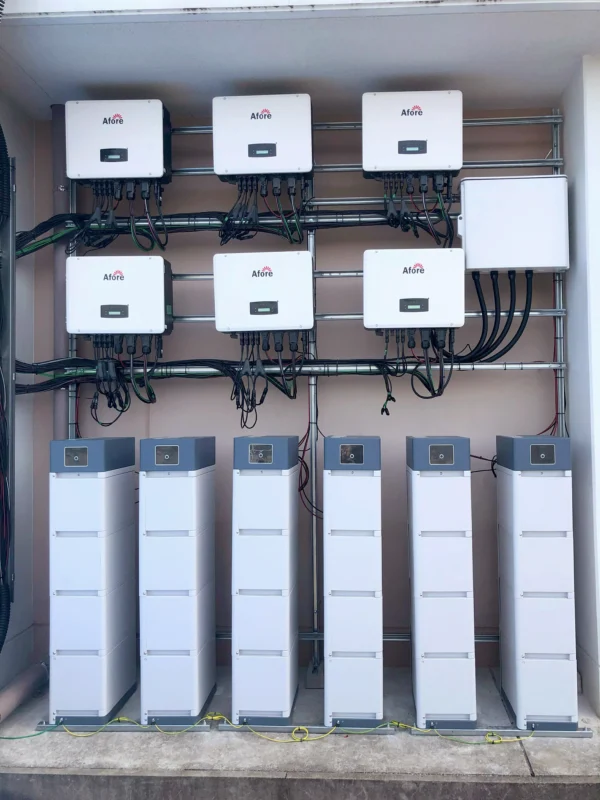
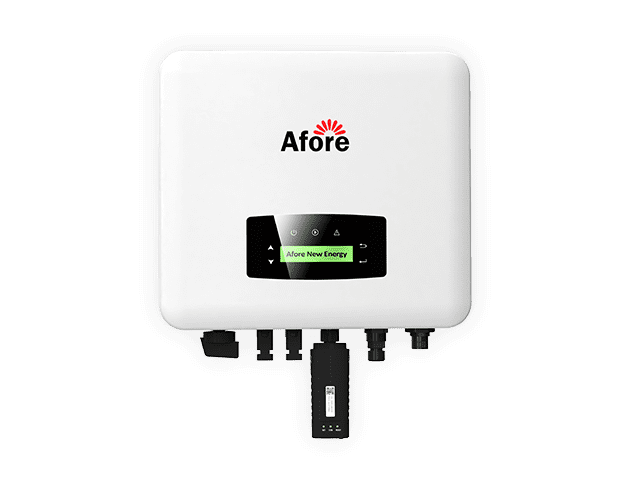
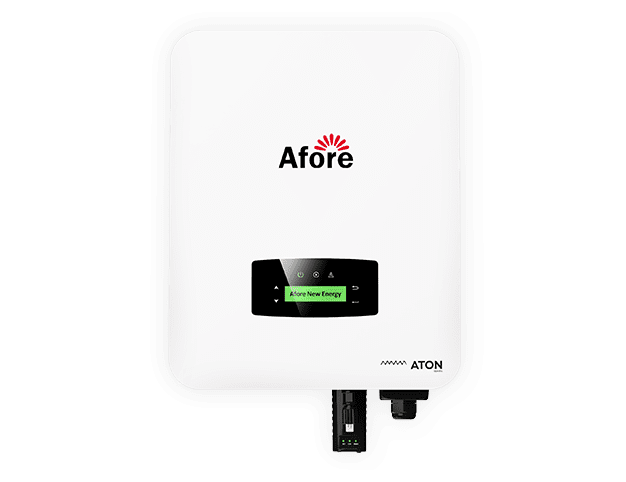
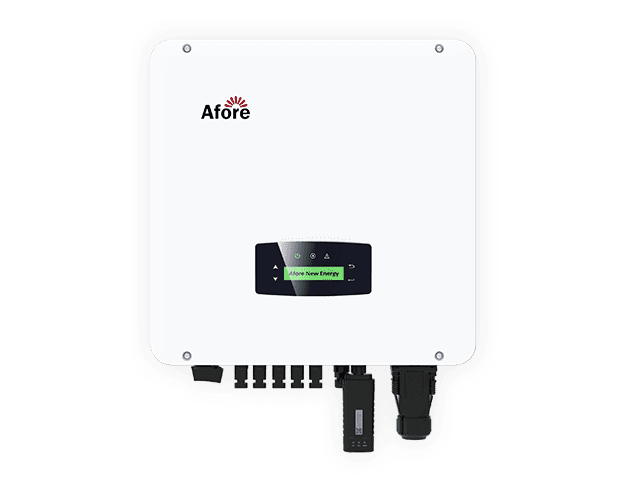
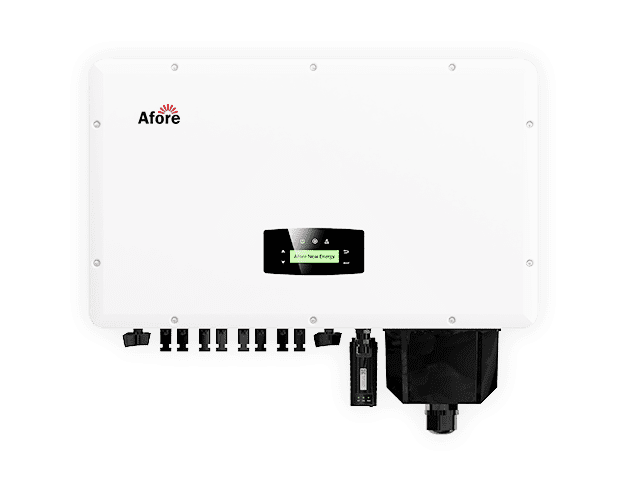
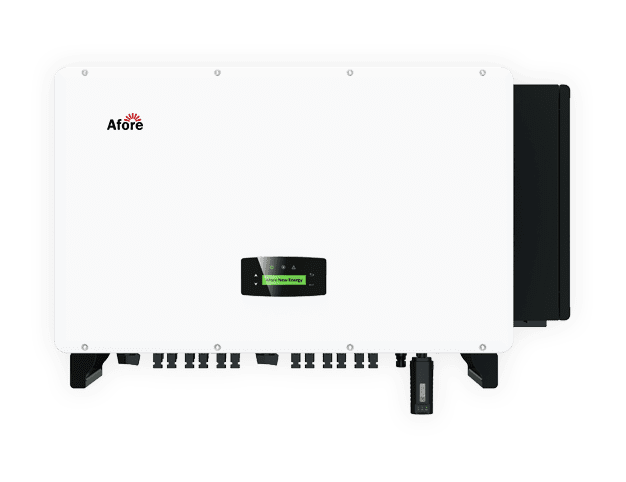
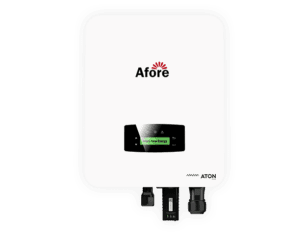
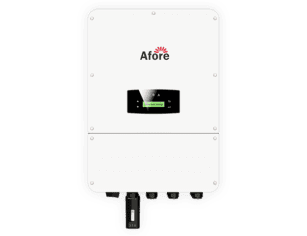
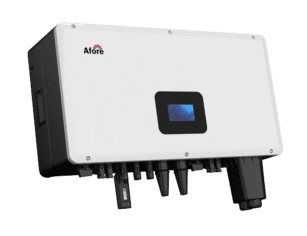
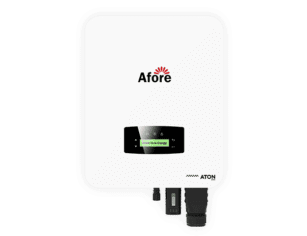
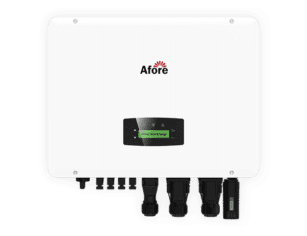
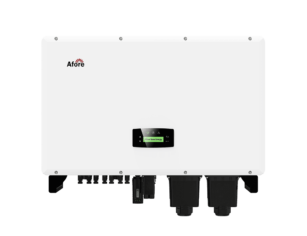
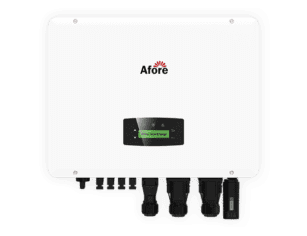
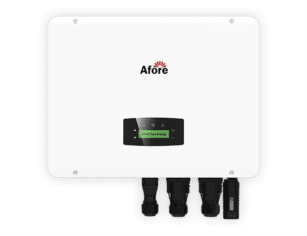
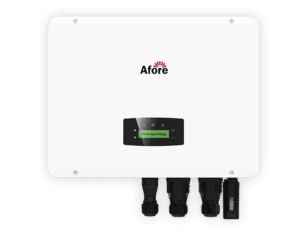
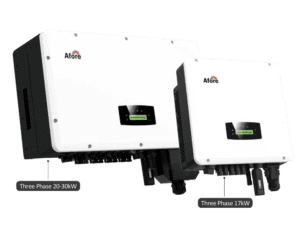
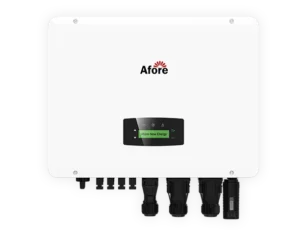
At the heart of every commercial solar system is the solar inverter. Its job is simple but crucial: it converts the direct current (DC) electricity generated by solar panels into alternating current (AC) that your business can actually use. Without a reliable inverter, even the best solar panels can’t deliver consistent power. A well-chosen inverter not only improves system efficiency but also helps protect your investment by reducing downtime and maintenance issues.
Of course, the panels themselves are the energy workhorses. Higher-efficiency panels produce more electricity per square foot, meaning your business can generate more energy without requiring extra roof space. Proper panel placement and orientation are essential to maximize sunlight exposure throughout the day.
The mounting system might not be as glamorous as the panels or inverter, but it’s just as important. Secure, durable mounts ensure that panels withstand wind, weather, and seasonal temperature changes. A well-installed mounting system minimizes wear and tear, contributing to long-term energy production stability.
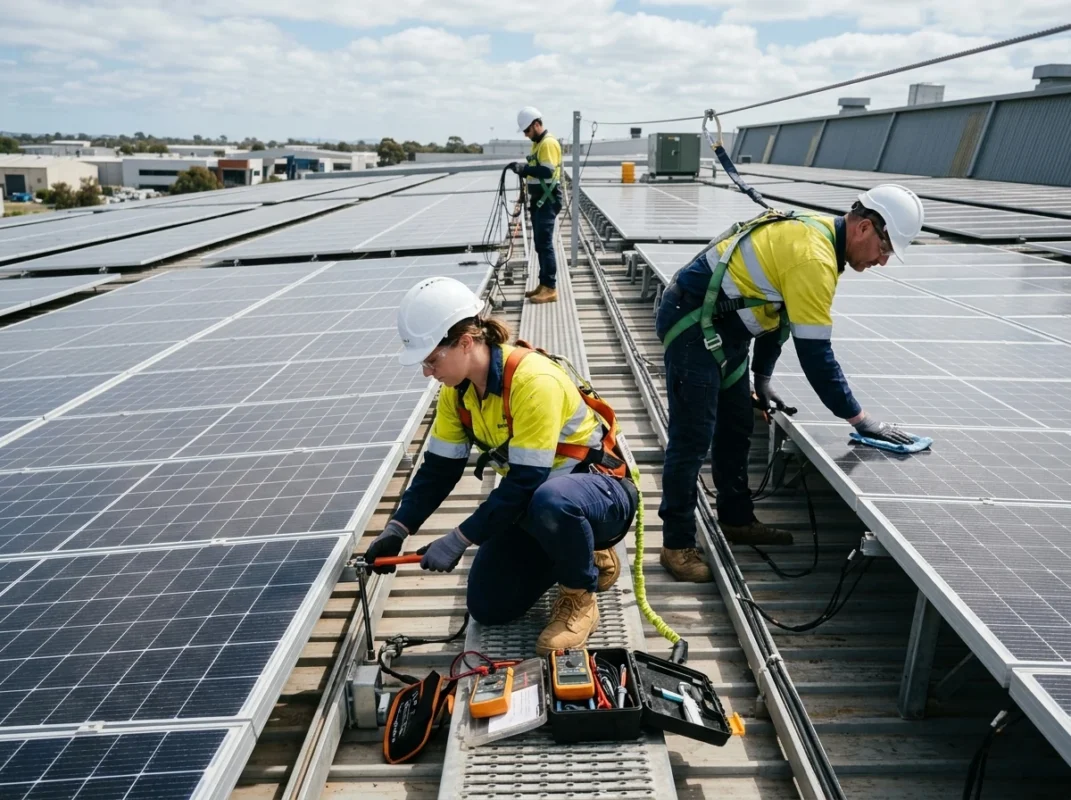
Modern commercial solar systems often include monitoring tools that track energy production and detect potential issues. Monitoring systems allow businesses to spot performance dips early, helping maintain solar investment benefits. Data from these systems can also support reporting for sustainability initiatives or regulatory compliance.
One of the main considerations for tax equity investors is regulatory uncertainty. Federal or state policy changes can directly impact projected returns on commercial solar projects. For example, adjustments to the Investment Tax Credit (ITC) rate, depreciation rules, or renewable energy incentives may reduce the expected financial benefits. Investors need to stay informed about current legislation and plan for potential policy shifts to mitigate exposure.
Even the best-planned solar projects face operational risks. Poor system design, subpar installation, or underperforming solar inverters can lead to lower energy production than expected. Downtime due to equipment failure or inadequate maintenance can erode financial returns. Tax equity investors often require performance guarantees and regular monitoring to ensure the system meets projected output levels and maintains long-term reliability.
Energy prices can fluctuate, and changes in electricity rates may affect the projected savings for the host business. This, in turn, impacts the financial model of the tax equity deal. Investors also face liquidity risks, as capital is typically tied up in the project for multiple years. Accurate forecasting, conservative assumptions, and clear contractual agreements are essential to protect against market volatility.
The complexity of tax flip models and other partnership structures introduces legal and financial risks. Misaligned expectations between the business and the investor, unclear allocation of tax credits, or disagreements over the timing of the “flip” can result in disputes. Well-drafted agreements, clear exit strategies, and professional legal oversight are critical to minimize potential conflicts.
Despite these risks, tax equity investing in commercial solar remains attractive due to significant incentives and solar investment benefits. Investors mitigate risks through thorough due diligence, structured contracts, performance monitoring, and diversification across multiple projects. By carefully managing regulatory, operational, and market challenges, tax equity investors can achieve predictable returns while supporting the transition to clean energy.

Even if your business has little or no federal tax liability, you can still take advantage of solar tax equity for business. Through a tax equity partnership, an investor with sufficient tax appetite steps in to claim the Investment Tax Credit (ITC) and accelerated depreciation. Meanwhile, your company benefits from energy savings and eventual ownership of the solar system. This approach makes solar accessible to a broader range of businesses, not just those with large tax bills.
While the investor claims the tax incentives, the business continues to enjoy all operational advantages. Lower utility bills, improved energy reliability, and sustainability gains remain fully in the company’s control. With proper planning, businesses can maximize solar investment benefits without directly needing a tax liability to claim credits.
In many cases, tax flip models are used to structure these partnerships. Initially, the investor receives most of the tax benefits, but after reaching a pre-agreed return, the ownership flips to the business. At this point, the company captures a larger share of the electricity savings, ensuring a solid long-term financial payoff.
The key insight is that no-tax-liability businesses are not excluded from solar opportunities. With thoughtful structuring and the right partners, even companies that cannot directly use the ITC can still unlock substantial financial and environmental benefits, making solar a viable and attractive investment.
Implementing solar tax equity for business may sound complex, but breaking it down step by step makes it much more manageable. By carefully planning each phase, businesses can maximize tax incentives, optimize returns, and enjoy long-term energy savings. Here’s a practical guide based on real-world experience.
Before diving into financing structures, you need a clear understanding of your current energy consumption. Analyze historical electricity bills to identify peak demand periods, monthly usage patterns, and future growth projections. This data helps determine the appropriate size for your solar system and ensures that the system will generate meaningful savings. A well-sized system also strengthens your case with potential investors who want predictable returns.
If your business does not have sufficient tax liability, a tax equity partnership can unlock the benefits of the ITC for commercial solar projects. Seek investors who understand commercial solar projects and are willing to structure deals using tax flip models. These investors provide upfront capital for the installation in exchange for claiming tax credits and depreciation benefits. Meanwhile, your company enjoys the energy savings from day one.
Structuring the partnership carefully is crucial. Decide on key elements such as the allocation of tax benefits, the timing of the “flip,” ownership percentages, and exit strategies. Clear agreements help prevent future disputes and align incentives for both parties. For example, the investor typically receives most of the tax benefits initially until they achieve a pre-agreed return, after which the ownership flips to the business, allowing you to capture more of the ongoing energy savings.
Equipment selection is more than just a technical choice—it’s a financial one. Invest in reliable solar panels and a robust solar inverter, as they directly impact system efficiency, performance, and maintenance costs. Proper mounting structures and monitoring systems are also essential for ensuring long-term reliability. The right equipment helps maintain predicted energy production and protects both your operational savings and the investor’s expected returns.
Timing is critical for maximizing ITC eligibility. Ensure that your system is installed and placed in service according to IRS guidelines to qualify for the full 30% credit in 2026. Work closely with engineers and installers to optimize panel placement, electrical connections, and grid integration. Coordinating installation and permitting efficiently prevents delays that could affect both financial projections and incentive eligibility.
After installation, continuous monitoring is key to protecting your investment. Monitoring systems track energy production, system health, and solar inverter performance. Identifying issues early reduces downtime and ensures that your business continues to reap solar investment benefits. Routine maintenance also prolongs the system’s lifespan and sustains predictable energy savings.
Periodically assess how the project is performing financially. Verify that tax benefits are being realized as planned and compare energy production to projections. Adjust operational strategies if necessary to ensure long-term alignment with business objectives. Transparency with investors is crucial, especially if the project uses tax flip models, as performance impacts the timing and extent of ownership transfer.
Once the tax equity investor reaches their targeted return and the flip occurs, your business gains greater ownership of the system. This stage allows you to fully capitalize on energy savings and potentially expand the system in the future. Long-term planning ensures that the business continues to benefit from both financial and environmental returns for decades.
Solar tax equity for business is more than just a financing strategy; it’s a pathway to energy independence, cost savings, and sustainable growth. By understanding tax incentives, structuring smart partnerships, and choosing reliable equipment like solar inverters, businesses can maximize returns and make a positive environmental impact.
Whether you’re a small business looking to reduce energy costs or a large corporation seeking sustainability leadership, leveraging solar tax equity can transform your energy strategy.
A tax equity partnership is a financial arrangement where an investor provides upfront capital for a solar project in exchange for claiming federal tax benefits, such as the ITC and depreciation. This setup allows businesses, even those with limited tax liability, to implement solar systems and enjoy solar investment benefits. Typically, a tax flip model is used, where the investor receives most of the tax incentives initially, then ownership gradually shifts to the business after a pre-agreed return.
In 2026, businesses can claim up to 30% of the eligible cost of a commercial solar system through the ITC. This credit directly reduces federal taxes owed, improving cash flow and shortening payback periods. If a business cannot use the credit fully, partnering with a tax equity investor ensures the ITC is utilized while the business still benefits from lower electricity costs and sustainable energy production.
Yes. Companies with no tax liability can participate through a tax equity partnership. The investor claims the ITC and depreciation benefits, while the business enjoys all operational savings, including reduced utility bills and enhanced sustainability. After the “flip” in a tax flip model, the company gains greater ownership of the system and maximizes long-term financial returns.
Tax equity investors face several risks, including regulatory changes that affect ITC eligibility, operational issues like underperforming solar inverters, and market fluctuations that impact projected savings. Legal and structuring challenges in tax flip models can also pose risks. These are typically mitigated through careful due diligence, performance monitoring, and detailed partnership agreements.
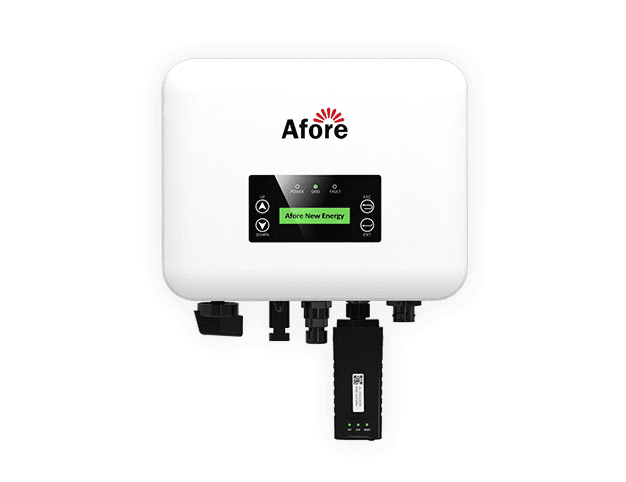
Solar inverters convert DC electricity from solar panels into usable AC electricity. High-quality inverters improve system efficiency, reduce downtime, and protect long-term energy production. Reliable inverter performance ensures the business continues to realize solar investment benefits while maintaining predictable financial returns for both the company and any tax equity investors.













 Turkish
  Romanian