



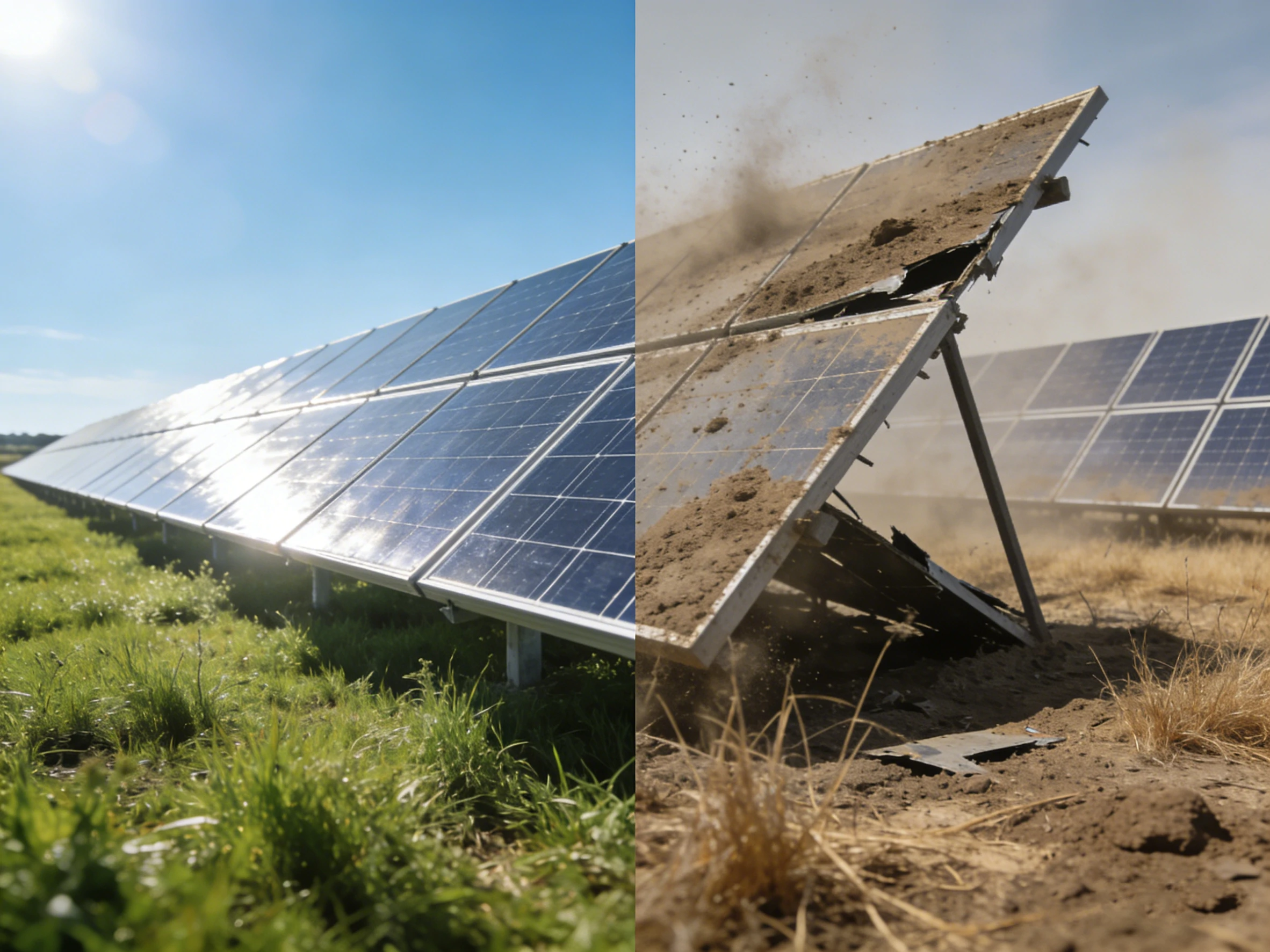
If you’re diving into the world of solar energy, you’ve probably heard the term solar system degradation rates thrown around. But what does it really mean, and why should you care? In short, it’s all about how your solar panels, inverters, and overall system lose efficiency over time. Understanding this can save you money, improve system performance, and extend the life of your PV investment.
When we talk about solar system degradation rates, we’re essentially referring to the natural decline in energy output from a solar array over time. No matter how high-quality your PV panels are, they don’t stay at peak efficiency forever. Understanding these rates is crucial for anyone investing in solar because it directly affects system health over 25 years and the long-term return on your investment.
Every PV panel experiences wear and tear from environmental stressors—sunlight, temperature swings, humidity, and even airborne pollutants. Over the years, this stress slightly reduces the panel’s ability to convert sunlight into electricity. Typically, modern solar panels degrade at a rate of about 0.5% to 1% per year. While that might seem small, over 20 or 25 years, the cumulative effect can be significant. For instance, a panel rated for 300 watts might deliver only 240–260 watts after two decades.
Tracking solar system degradation rates allows system owners to anticipate performance dips and schedule maintenance proactively. It’s not just about preventing power loss; understanding degradation helps in planning financial returns and replacement strategies. For example, knowing that your panels lose roughly 0.7% per year can help you calculate how much electricity you’ll realistically produce in year 15 or year 20, which is essential for long-term energy planning.
Several factors influence how fast your solar panels lose efficiency:
Understanding solar system degradation rates isn’t just technical—it has practical consequences. Degradation affects your energy output, ROI, and overall PV panel longevity. Panels with slower degradation rates contribute to more predictable system health over 25 years, while panels with higher rates may require earlier replacements or inverter upgrades to maintain efficiency. By factoring in these rates, you can make informed decisions about system sizing, warranties, and long-term maintenance plans.
In short, solar system degradation rates are a key metric for evaluating the performance and reliability of your solar installation. Monitoring these rates, accounting for environmental and component factors, and maintaining your system can ensure you get the maximum lifespan and energy yield from your solar investment.
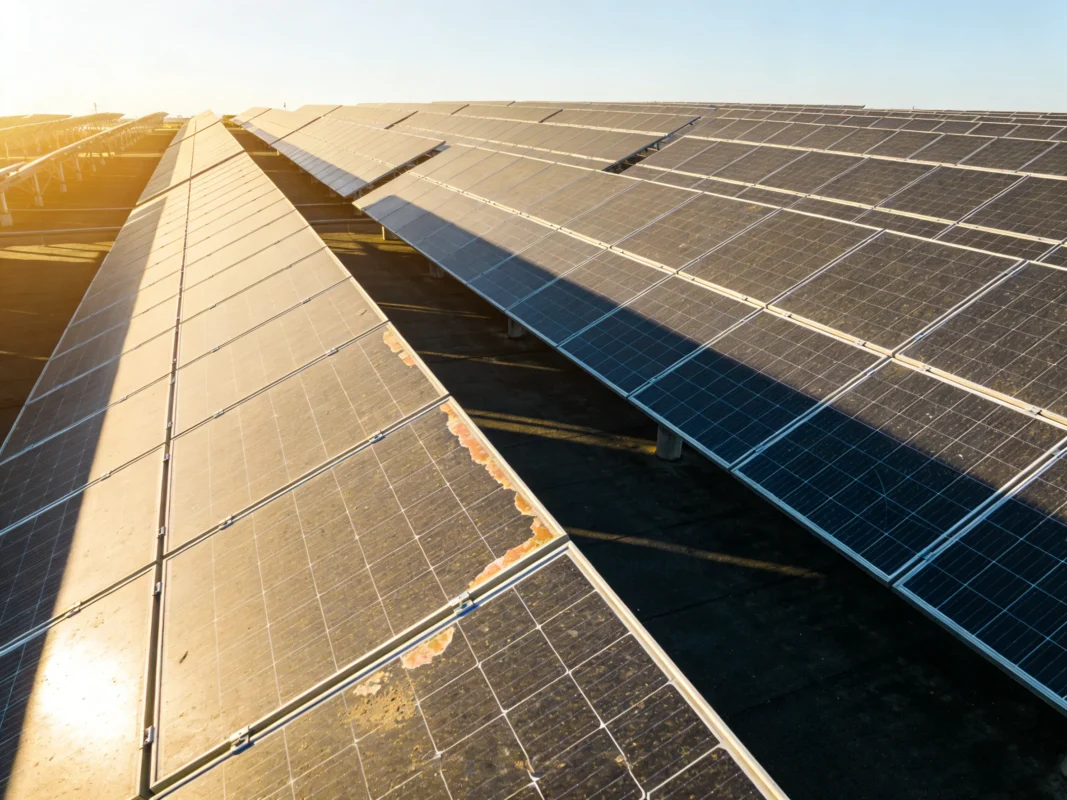
Understanding what drives solar system degradation rates is critical if you want to get the most out of your solar investment. Panels don’t just lose efficiency randomly—various environmental, technical, and operational factors all play a role. By knowing these influences, you can take practical steps to slow degradation, maintain system health over 25 years, and extend PV panel longevity.
One of the biggest determinants of solar system degradation rates is the environment where your panels operate. Sunlight intensity, temperature swings, humidity, and air pollution all impact how quickly PV panels age.
By accounting for these conditions, system owners can predict more accurately how their panels will perform over decades.
The materials and design of your solar system are just as important as environmental factors. High-quality panels degrade more slowly, while cheaper panels may show faster performance loss.
High-quality components aren’t just a luxury—they’re an investment in PV panel longevity and predictable system health over 25 years.
Even with top-tier panels and inverters, neglect can accelerate degradation. Regular maintenance is essential to preserve output and reduce effective solar system degradation rates.
Finally, how a system is installed plays a surprising role in solar system degradation rates. Poor mounting, inadequate ventilation, or improper tilt angles can expose panels to unnecessary mechanical or thermal stress. Ensuring panels are mounted securely, with proper airflow and optimal orientation, helps maintain PV panel longevity and reduces unforeseen degradation over time.
Tracking solar system degradation rates is more than a technical exercise—it’s a practical way to ensure your solar investment performs as expected over decades. By regularly monitoring and measuring performance, you can detect issues early, optimize maintenance, and make informed decisions about PV panel longevity and system health over 25 years.
The first step in monitoring is leveraging your system’s energy output data. Most solar setups allow you to record daily, monthly, and yearly production. By comparing this output to the panel’s original rated capacity, you can calculate real-time solar system degradation rates. For instance, if a 300-watt panel consistently produces only 270 watts after several years, you’re looking at roughly a 10% decline in efficiency.
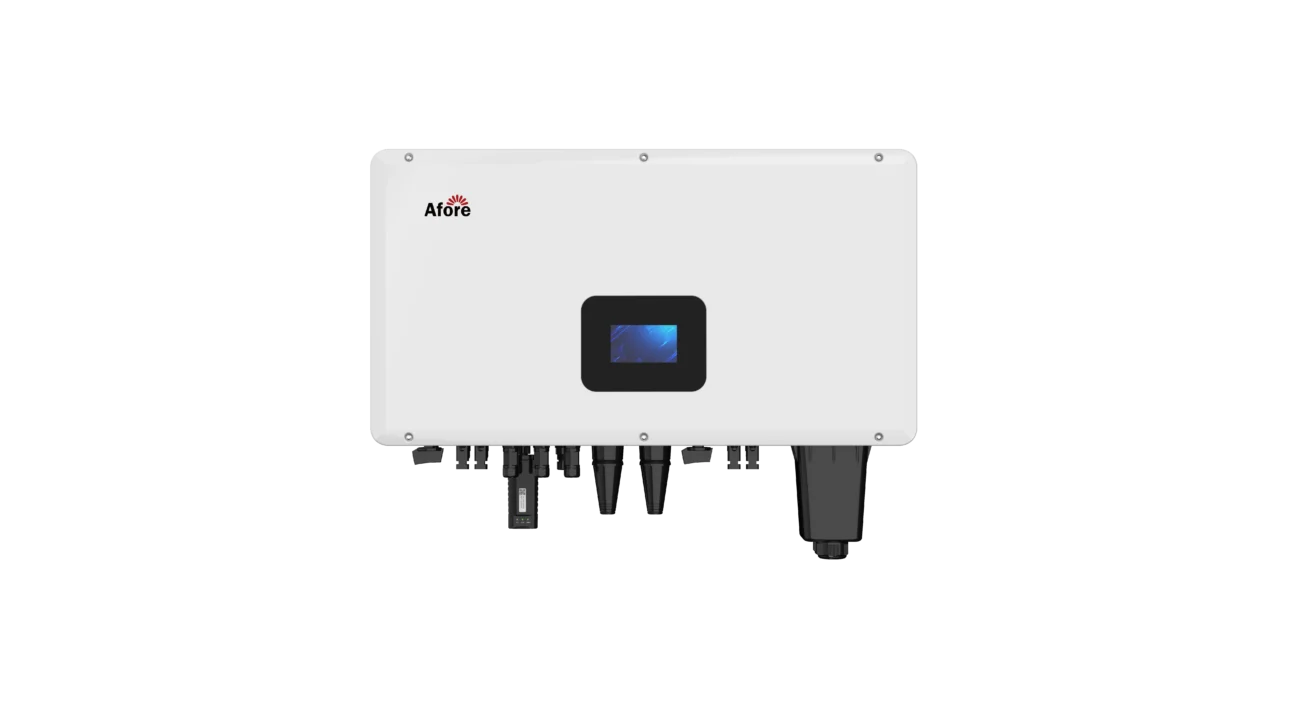
Your solar inverter isn’t just converting DC to AC—it’s also a rich source of performance information. Monitoring inverter logs can reveal anomalies in voltage, current, and energy yield. These metrics help identify inverter impact on PID or other inefficiencies. Tracking inverter data over time allows you to see subtle performance drops that might not be obvious from total energy output alone.
While software monitoring is essential, nothing replaces the value of visual checks. Inspect panels for dirt, debris, micro-cracks, or discoloration. Check connections, junction boxes, and mounting structures for wear or corrosion. Even minor physical issues can falsely suggest accelerated solar system degradation rates if left unaddressed.
For larger installations or precise analysis, tools like IV curve tracers and infrared imaging can measure panel efficiency more accurately. IV curves show the electrical characteristics of each panel, highlighting early signs of performance loss. Infrared imaging detects hot spots or uneven heating, which often precede accelerated degradation. These methods are particularly useful for diagnosing aging systems or assessing system health over 25 years.
Monitoring isn’t just about catching immediate problems—it’s about spotting long-term trends. By combining energy output data, inverter logs, and periodic inspections, you can calculate average annual solar system degradation rates, compare them to industry standards, and make informed decisions about maintenance, inverter upgrades, or panel replacement.
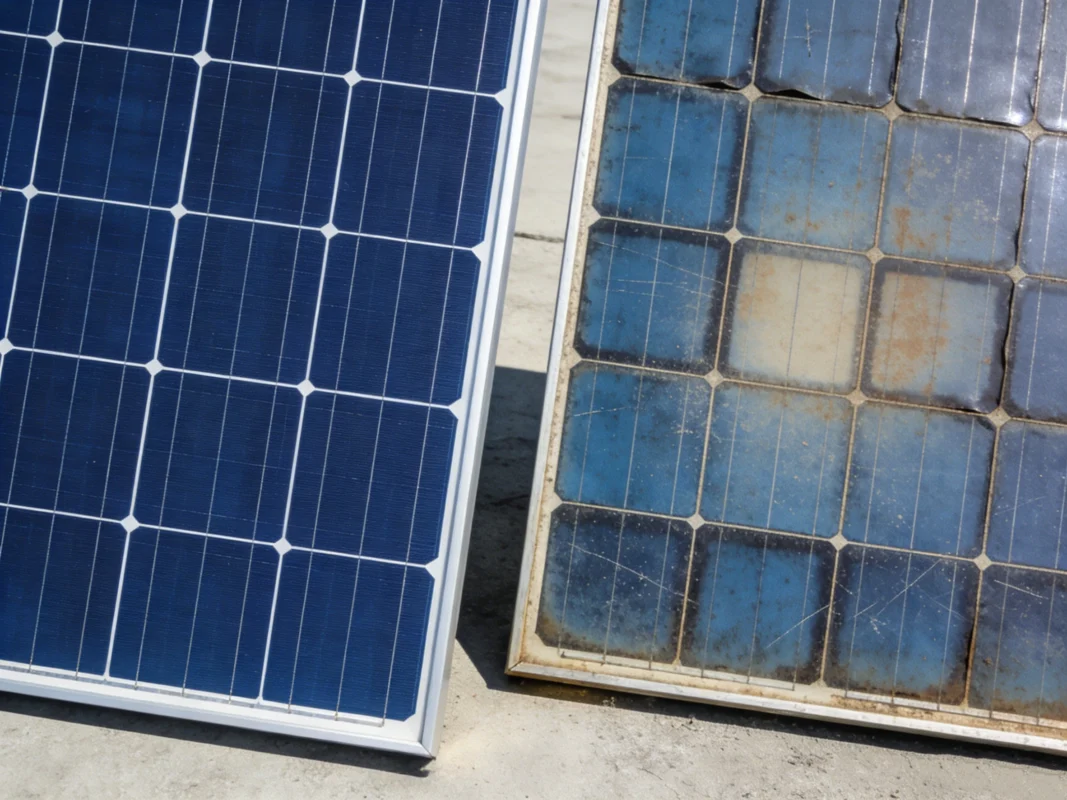
Slowing down solar system degradation rates isn’t just about keeping your energy bills low—it’s about protecting your long-term investment and ensuring system health over 25 years. Fortunately, there are practical, actionable steps that any solar system owner can take to maintain high efficiency and maximize PV panel longevity.
One of the simplest ways to reduce degradation is keeping your panels clean. Dust, dirt, pollen, bird droppings, and pollution can all block sunlight, making your system work harder and appear to degrade faster. Even a small layer of grime can reduce energy output by 5–10%, which over time contributes to apparent increases in solar system degradation rates.
Practical tips include:
By combining cleaning with visual inspections, you can catch minor issues like micro-cracks or discoloration before they worsen.
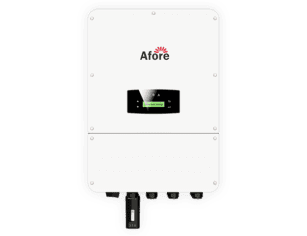
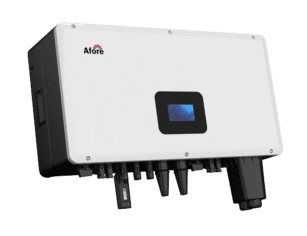
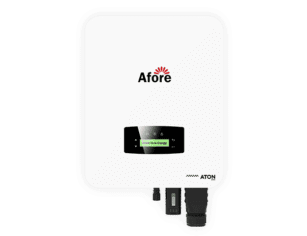
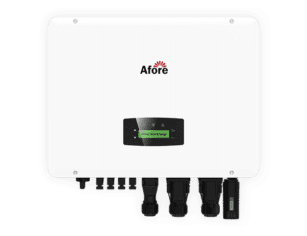
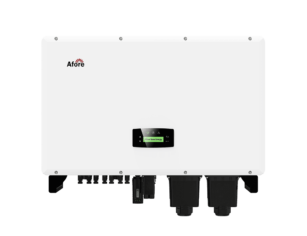
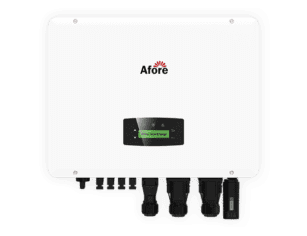
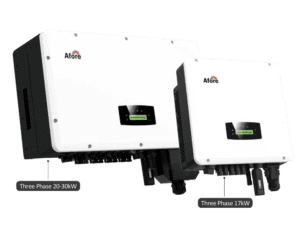
Your solar inverter plays a crucial role in minimizing inverter impact on PID. A high-quality, properly sized inverter regulates voltage and ensures panels operate within safe electrical limits, reducing stress on cells.
Tips for optimizing inverter performance:
In many cases, upgrading the inverter can even help revitalize an aging solar array, slowing further degradation and improving energy yield.
Shading is one of the most underestimated factors affecting solar system degradation rates. Even partial shading from trees, buildings, or debris can increase localized heating and electrical stress on panels, accelerating wear.
Proper shading management not only improves efficiency but also extends PV panel longevity by preventing hotspots and uneven wear.
Regular monitoring is essential for maintaining long-term performance. Keep track of daily, monthly, and yearly energy output to identify trends in solar system degradation rates.
Early detection of anomalies allows for timely maintenance, which slows degradation and maintains system health over 25 years.
Finally, consider the environment in which your panels operate. Panels in hot, humid, or coastal areas degrade faster due to temperature stress, moisture, and salt corrosion.
By proactively managing environmental challenges, you can extend PV panel longevity and keep your system producing reliable energy for decades.
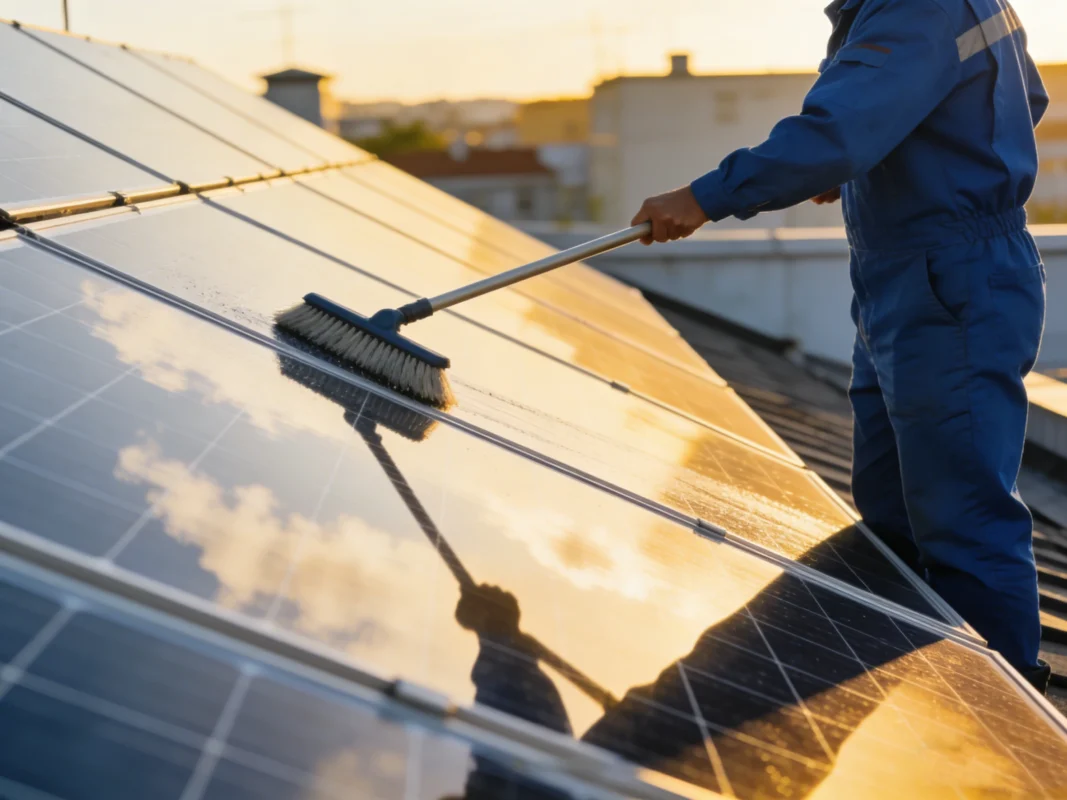
Understanding solar system degradation rates is not just about immediate performance—it’s about knowing what to expect over decades. Accurate long-term expectations help you plan maintenance, forecast energy production, and ensure your solar investment remains reliable throughout its lifespan.
Most high-quality solar panels degrade at an average rate of 0.5% to 1% per year. This means that after 25 years, your panels could still deliver between 75% and 88% of their original capacity. While string inverters and other components may have slightly different degradation patterns, these numbers provide a realistic baseline for planning system health over 25 years. Knowing these averages allows you to anticipate energy production drops and schedule preventative maintenance.
When designing or assessing a solar system, factoring in solar system degradation rates is critical. For example, if your panels start at 300 watts each and degrade 0.7% annually, you can calculate that in year 20, they may still produce roughly 255 watts. This helps estimate long-term electricity generation, inform ROI calculations, and avoid unpleasant surprises in energy output over time.
Long-term expectations aren’t just numbers—they translate into actionable steps. Regular cleaning, shading management, and monitoring can slow degradation, while strategic solar inverter upgrades can mitigate inverter impact on PID. Knowing when components may need replacement or adjustment allows you to preserve PV panel longevity and maintain stable system health over 25 years.
Understanding degradation trends also informs financial planning. Utilities, energy savings, and potential resale value of the system all hinge on predictable performance. By monitoring and projecting solar system degradation rates, you can make better investment decisions, justify maintenance budgets, and optimize long-term returns. This proactive approach ensures your system continues to generate reliable energy and maximize cost savings throughout its lifecycle.
Tracking solar system degradation rates is essential if you want your solar investment to pay off over decades. By monitoring performance, maintaining panels, and upgrading inverters strategically, you can preserve PV panel longevity, minimize inverter impact on PID, and ensure robust system health over 25 years.
Remember, knowledge is power—literally. The more you understand your system’s degradation trends, the better you can protect your investment and enjoy clean, efficient solar energy for years to come.
Yes, inverters do influence solar system degradation rates. A well-matched solar inverter regulates voltage and ensures panels operate within safe limits. Poorly matched or aging inverters can introduce voltage stress or thermal imbalances, which accelerates wear and may exacerbate inverter impact on PID. Regular inverter monitoring and timely upgrades can significantly slow panel degradation.
PID occurs when voltage stress causes power loss in PV cells over time. Modern inverters often include anti-PID functions that neutralize harmful voltages, maintaining consistent output. By stabilizing the electrical environment of your panels, inverters help reduce solar system degradation rates and protect PV panel longevity, especially in large-scale or high-voltage systems.
To measure degradation, compare current energy output against the original rated capacity, adjusting for seasonal variations and shading. Monitoring solar inverter logs, inspecting panels physically, and using performance analysis tools like IV curve tracers can provide precise estimates. Typically, a 10-year-old PV plant should show around 7% cumulative efficiency loss if it follows average degradation trends of 0.5–1% per year.
Yes, in many cases, installing a new solar inverter can improve energy yield. While it doesn’t reverse cell-level degradation, a modern inverter can optimize voltage, reduce inverter impact on PID, and enhance system efficiency. This upgrade often extends system health over 25 years by preventing further stress-induced losses and ensuring older panels operate closer to their rated capacity.
String inverters themselves degrade more slowly than PV panels, typically losing about 0.2–0.5% per year. Their capacity loss affects the overall system only if not monitored or replaced when needed. Proper maintenance and timely replacement of aging inverters help maintain consistent output and reduce the apparent solar system degradation rates across your entire array.








 Turkish
  Romanian