




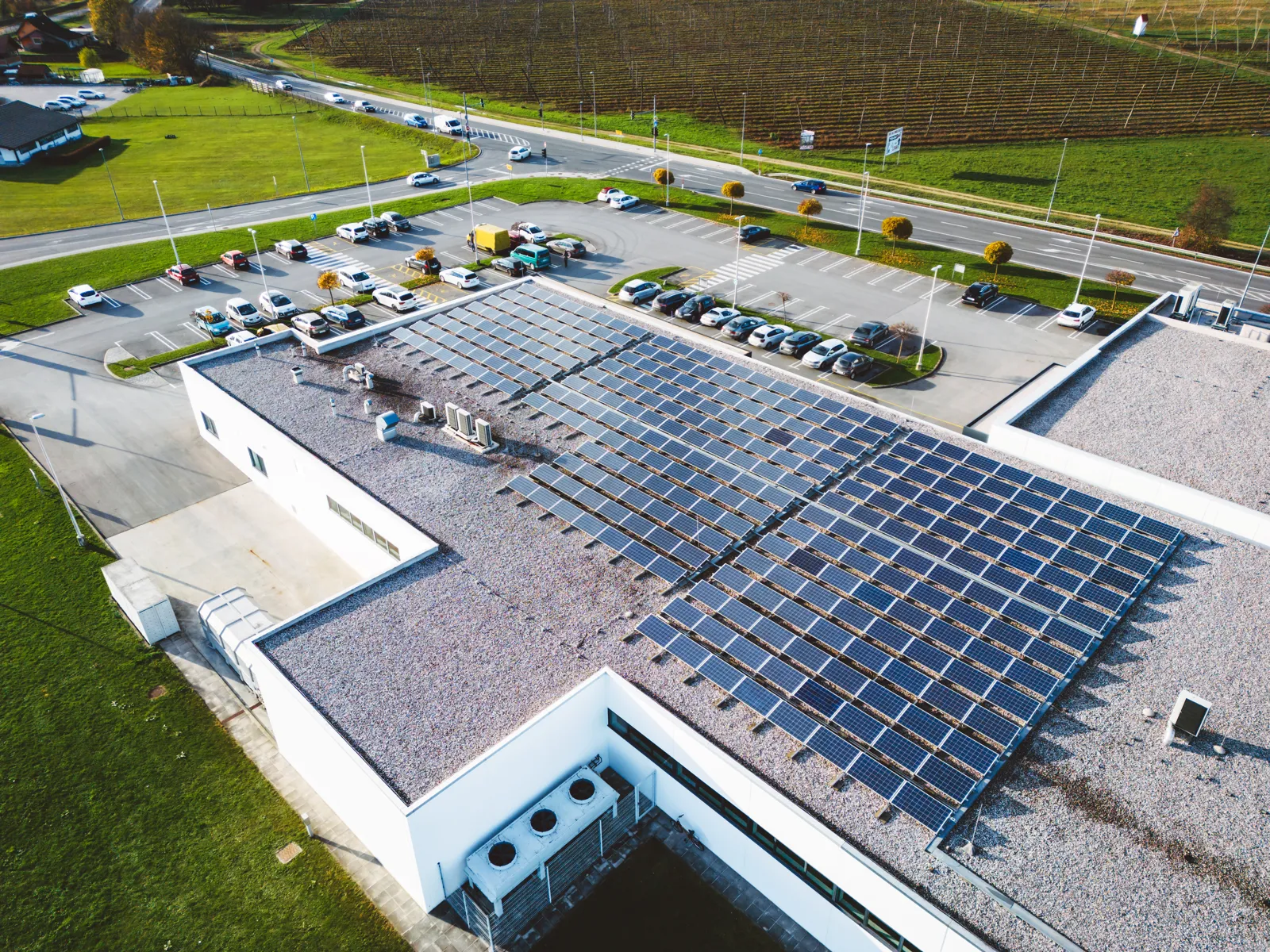
A commercial solar inverter is a core component in commercial and industrial PV systems. It converts DC power from solar modules into grid-compatible AC power while influencing system performance, safety, reliability, and long-term operational stability.
For EPCs, installers, resellers, system integrators, and facility owners, inverter selection affects installation design, system integration, and operational performance. Technical suitability can improve commissioning efficiency and system stability, while mismatched selection can increase installation complexity and operational risks.
This guide explains how to evaluate commercial PV inverter types, sizing methods, grid requirements, commissioning risks, monitoring capabilities, warranty terms, storage readiness, and long-term value for commercial solar projects.
Commercial inverter compliance is also settings-dependent. Even when hardware is fully certified, grid compliance still depends on correct configuration of country profiles, protection parameters, and utility-specific operating settings. These configurations should be verified before procurement to ensure alignment with local grid requirements and approval processes.
A commercial сонячний інвертор is the power electronics and control center of a grid-connected commercial PV system. It converts direct current from solar modules into alternating current that can be used by a facility, exported to the grid, or managed through an energy management system. In commercial and industrial projects, inverters are usually three-phase devices designed for higher power ratings, higher DC input voltages, advanced grid support, and more complex monitoring than residential systems.
The importance of the inverter comes from its position between the PV array and the electrical network. Modules may generate energy for 25 years or more, but the inverter determines how efficiently that energy is converted, how safely the system operates, and how reliably the plant stays online. In commercial projects where savings, export revenue, or PPA performance depend on predictable production, inverter availability is not a minor technical detail; it is a core financial assumption.
In a C&I PV system, the inverter performs several functions at the same time. It tracks the maximum power point of the PV array so that modules operate close to their best output under changing irradiance and temperature conditions. It synchronizes AC output with grid voltage and frequency. It provides anti-islanding protection so the system disconnects when the grid is unavailable. It also manages active and reactive power, reports operational data, and often communicates with meters, controllers, monitoring platforms, and energy management systems.
Modern commercial inverters increasingly act as grid-interactive devices. Utilities may require voltage and frequency ride-through, reactive power control, power factor settings, export limitation, remote shutdown, or curtailment capability. For larger C&I projects, especially those connected at medium voltage, the inverter must support not only production goals but also network stability requirements.
Commercial solar inverters differ from residential units in power scale, electrical architecture, configuration complexity, and operating expectations. Residential systems are often single-phase or smaller three-phase systems with limited MPPT channels and simpler interconnection requirements. Commercial PV systems commonly involve three-phase output, higher AC capacities, multiple MPPTs, larger DC input windows, more demanding grid support, and integration with switchgear, transformers, meters, and facility control systems.
Commercial projects also tend to have more complex physical layouts. A rooftop on a warehouse may include several roof planes, skylights, HVAC units, fire access paths, and partial shading zones. A factory may require coordination with existing low-voltage and medium-voltage infrastructure. A logistics park may deploy PV across multiple buildings and carports. These site conditions make inverter topology, MPPT flexibility, cable routing, access, and monitoring granularity much more important than in a typical residential installation.
Inverter selection affects each project stakeholder differently. EPCs rely on inverter specifications to define string design, DC/AC ratio, AC aggregation, protection design, and grid compliance assumptions. Installers care about unit weight, mounting method, wiring layout, commissioning steps, service access, and spare-part replacement procedures. Resellers must evaluate whether a product portfolio is commercially viable, supported locally, and suitable for repeat projects. System integrators need compatible communication protocols, control interfaces, and stable firmware. Facility owners focus on uptime, monitoring transparency, warranty coverage, and operational risk.
For example, an EPC designing a 1 MW rooftop project may prefer distributed string inverters because they provide flexible MPPT allocation across multiple roof zones. An installer may value modular components and accessible fan replacement because rooftop service calls are costly. A portfolio owner operating PV across 30 retail sites may prioritize standardized monitoring and common spare parts over achieving the lowest purchase price on each individual project.
In financed commercial PV projects, inverter selection is typically reviewed by lenders, investors, insurers, and independent technical advisors as part of project due diligence. Their evaluation focuses on whether the inverter is suitable for long-term operation under real-world grid and environmental conditions.
Key assessment factors include certification compliance, field performance history, warranty structure, service and support network, spare-part availability, and documentation quality. These factors help determine whether the inverter can maintain stable operation throughout the project lifecycle.
Although inverters usually represent a relatively small portion of total system CAPEX compared with modules, mounting structures, and electrical infrastructure, they have a disproportionate impact on system availability and operational risk. A project financial model should therefore not treat the inverter as a commodity component, but instead account for service life assumptions, replacement strategy, warranty limitations, expected response times, and potential revenue loss during downtime.
Bankability is ultimately linked to long-term system reliability and predictable energy production. Inverter performance and availability directly influence revenue stability, making inverter selection a critical factor in investment-grade commercial PV projects.
In addition to layout and O&M considerations, inverter architecture should also be screened for grid-code compliance, control system integration requirements, and utility acceptance strategy during early-stage design.
Choosing the right commercial PV inverter architecture means balancing system size, site layout, redundancy, maintenance access, grid design, and lifecycle economics. There is no universal best option. A rooftop project with multiple orientations may benefit from a different inverter strategy than a 5 MW ground-mounted system with uniform array blocks and centralized medium-voltage equipment.
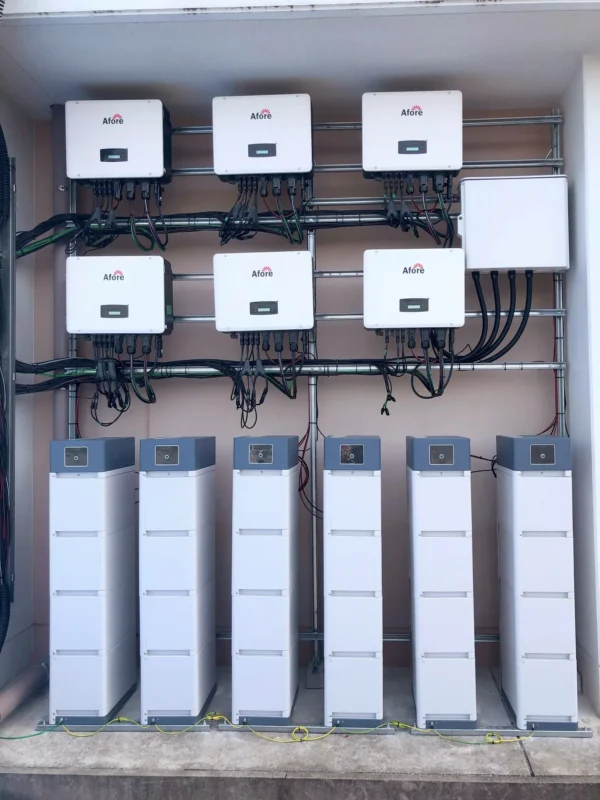
Commercial string inverters are widely used on rooftops, carports, and small-to-midscale ground-mounted projects. They are commonly available in three-phase power classes from roughly 10 kW to more than 100 kW per unit, depending on market and application. Their main advantage is modularity. Instead of relying on one large conversion unit, the system uses multiple distributed inverters, reducing the impact of a single failure.
String inverters are especially useful where array conditions vary. Multiple MPPT channels allow designers to separate roof orientations, tilt angles, shading zones, and module groups. This is valuable on commercial roofs with obstructions or segmented available area. String inverters can also simplify replacement because individual units are smaller than central inverters, although rooftop access, lifting methods, and safe working conditions still need careful planning.
The trade-off is that distributed inverter architecture may require more AC aggregation, more communication connections, and more device-level coordination. EPCs must consider where inverters will be mounted, how heat will be managed, how cables will be routed, and how service technicians will access units over the system lifetime.
Central inverters are higher-capacity units typically used in larger ground-mounted commercial projects, industrial estates, and utility-scale PV plants. They concentrate DC input from many strings or combiner boxes into one or more large inverter blocks, often integrated with transformers and switchgear.
The advantage of central architecture is simplified block-level AC design and centralized maintenance. For uniform ground-mounted arrays, central inverters can provide efficient conversion at scale and reduce the number of individual inverter units. However, the failure impact is larger. If one central inverter goes offline, a significant portion of plant capacity may be unavailable. Central units are also heavier and require more complex logistics, foundations, ventilation, and service procedures.
For MW-scale C&I projects, EPCs increasingly compare traditional central inverter architecture with large string inverter clusters. The right decision depends on the site’s electrical design, O&M strategy, spare-parts approach, and grid connection requirements.
Microinverters and module-level power electronics may be relevant in selected commercial applications, particularly where shading is complex, module-level monitoring is required, or local safety rules encourage module-level shutdown capability. They can improve design flexibility and visibility at the module level.
However, they also increase component count and may raise upfront cost. In large commercial systems, more distributed electronics can mean more field devices to install, monitor, and potentially replace. The business case should compare expected energy gain, safety requirements, monitoring value, and O&M implications rather than assuming module-level electronics are automatically better or worse.
The better architecture depends on project constraints. String inverters often fit rooftops, carports, complex layouts, and projects where redundancy and flexible MPPT design matter. Central inverters often fit large, uniform ground-mounted systems where centralized conversion and maintenance make sense.
| Project factor | String inverter tendency | Central inverter tendency |
|---|---|---|
| Roof complexity | Strong fit for multiple orientations and shading zones | Less flexible for segmented rooftops |
| Розмір системи | Common from small C&I to multi-MW clusters | Common for large ground-mount and utility blocks |
| Failure impact | Lower per unit; more distributed redundancy | Higher per unit; larger block affected |
| Maintenance model | More devices, easier individual replacement | Fewer devices, heavier centralized service |
| AC architecture | More AC aggregation required | More centralized AC design |
| Procurement flexibility | Easier to scale by adding units | Larger logistics and site planning requirements |
EPCs should evaluate architecture based on system design and lifecycle cost, not only inverter price per watt.
The inverter datasheet is more than a list of electrical values. Each specification affects design limits, energy yield, installation choices, and compliance risk. For commercial projects, EPCs should screen inverter options early and validate them with design software, manufacturer configuration tools, and local code requirements before procurement.
Rated AC power determines how much power the inverter can export under defined conditions. In commercial PV systems, the DC module capacity is often higher than inverter AC capacity. This is known as the DC/AC ratio or inverter loading ratio. A moderate DC oversizing strategy can improve inverter utilization during lower irradiance periods and reduce cost per delivered kWh, but excessive oversizing can increase clipping and may exceed manufacturer or interconnection limits.
The optimal DC/AC ratio depends on irradiance, module orientation, temperature, tariff structure, export limits, and financial model assumptions. A self-consumption project with high daytime load may prioritize annual energy production, while a site with strict export caps may size the inverter around grid allowance and load profile. The inverter must also remain within maximum DC input power, voltage, and current limits.
Modern high-power PV modules make inverter input compatibility more important. EPCs need to check MPPT voltage range, maximum DC voltage, maximum input current, short-circuit current rating, and string input configuration. Cold-weather voltage calculations are critical because module open-circuit voltage rises at low temperatures. If the string voltage exceeds the inverter’s maximum DC voltage, the design is unsafe and noncompliant.
Input current also matters. Larger wafer-format modules and bifacial modules can produce higher operating and short-circuit currents. If inverter string current limits are too low, the design may require fewer modules per string, fewer parallel strings, or a different inverter model. These changes can affect cable runs, combiner design, and project economics.
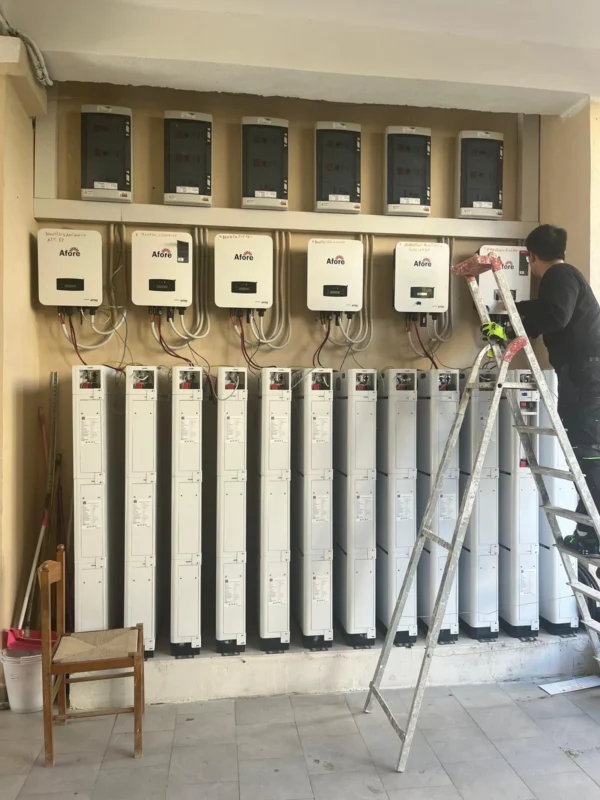
Commercial inverter efficiency is typically high, but actual conversion efficiency depends on the inverter model, load level, temperature, and installation conditions. Weighted efficiency, low-load performance, thermal behavior, and derating curves are often more important for real-world energy yield.
Commercial rooftops and industrial sites can expose inverters to high ambient temperatures, dust, humidity, corrosive air, or limited ventilation. If the inverter derates frequently due to heat, the system may lose energy during high-production periods. EPCs should evaluate operating temperature range, cooling method, altitude derating, enclosure rating, ventilation clearance, and installation location. A shaded, ventilated wall or dedicated inverter area may perform better than an exposed rooftop location with poor airflow.
Commercial solar inverter sizing should begin with the project objective, not only module capacity. The design team should evaluate available roof or land area, facility load profile, grid export allowance, transformer capacity, phase balance, voltage level, and financial targets. Inverter size should be validated through yield simulation and electrical design calculations.
| Design input | Why it matters for inverter sizing | Central inverter tendency |
|---|---|---|
| PV module capacity | Defines available DC power and string design | Less flexible for segmented rooftops |
| Site load profile | Determines self-consumption and export behavior | Common for large ground-mount and utility blocks |
| Grid export limit | May cap inverter output or require control functions | Higher per unit; larger block affected |
| Потужність трансформатора | Limits AC connection capability | Fewer devices, heavier centralized service |
| Irradiance and temperature | Affect clipping and derating assumptions | More centralized AC design |
| Financial model | Determines acceptable CAPEX, yield, and payback trade-offs | Larger logistics and site planning requirements |
Final sizing must comply with manufacturer rules and local electrical codes. For larger commercial systems, utility approval may also depend on inverter capacity and grid-support capabilities.
Grid approval is one of the main reasons commercial inverter selection must be handled carefully. A technically attractive inverter can still create project risk if it lacks the required certificates, grid-code settings, or utility acceptance documentation for the target market.
Commercial inverter compliance should be evaluated in four stages: required grid-support functions, required certifications, settings validation during commissioning, and utility approval procedures.
Commercial inverters may need to support key grid stability functions depending on project size, voltage level, utility requirements, and local grid codes:
These functions are not optional in many utility-scale and C&I projects and are often enforced through grid codes and interconnection agreements.
| Функція | Why utilities require it | What EPCs must verify before procurement |
|---|---|---|
| Voltage ride-through | Maintains grid stability during disturbances | Certified LVRT/HVRT performance |
| Frequency ride-through | Prevents unnecessary disconnection | Operating frequency range + test report |
| Volt-var / watt-var control | Supports voltage regulation | Reactive power control capability |
| Power factor control | Ensures grid compatibility | Fixed + dynamic PF settings |
| Frequency-watt control | Stabilizes grid frequency | Active power reduction function |
| Ramp-rate control | Avoids grid stress | Configurable output ramp limits |
| Export limitation | Prevents grid overload | External control interface + meter compatibility |
Commercial inverter selection should therefore not only focus on power rating, but also on verified grid-support functionality under certified test conditions.
A grid-tied inverter synchronizes with the utility network and continuously monitors voltage, frequency, phase, and grid quality. IEEE 1547 sets requirements for distributed energy resource interconnection, including stable operation during voltage and frequency variations, ride-through, and reactive power support. In commercial systems, the inverter may also need to provide low-voltage ride-through, high-voltage ride-through, reactive power control, power factor control, ramp-rate limitation, and active power curtailment.
In principle, grid support requirements may vary depending on generator category and project size, with larger commercial and industrial installations typically subject to more stringent grid-support obligations than smaller distributed systems.
These functions are not optional in many markets. Distribution utilities increasingly require commercial PV systems to support the grid rather than simply disconnect at the first sign of disturbance. The inverter must therefore be configurable to match utility settings, and the commissioning team must document those settings accurately.
Based on EU Regulation 2016/631 (Requirements for Generators – RfG), commercial solar inverters connected to the European grid must comply with strict technical requirements covering frequency stability, voltage support, and fault ride-through capability.
In addition to certification requirements, inverter settings governance plays a critical role in compliance. The default country profile configured in the inverter may not always match the final utility approval conditions.
Site-specific settings such as voltage thresholds, reactive power response curves, export limits, and ride-through parameters may require utility review or witness testing before energization. In many projects, utilities require verification of these settings during commissioning to ensure compliance with grid codes.
Parameter control and firmware version management are also important. Locked settings, approved configuration files, and controlled firmware versions help ensure that inverter behavior remains consistent with approved grid requirements throughout the project lifecycle.
It is important to distinguish between product safety standard compliance, grid interconnection compliance, and site-level electrical design compliance, as these represent different layers of regulatory and engineering requirements.
Commercial solar inverters are typically evaluated against electrical safety, electromagnetic compatibility, anti-islanding, and grid interconnection standards. Requirements vary by country, utility, voltage level, and project size. For example, one market may emphasize specific low-voltage interconnection requirements, while another may require medium-voltage ride-through certification for larger C&I systems.
Important compliance areas include inverter safety, grid-code conformity, rapid shutdown where applicable, arc-fault protection where required, anti-islanding behavior, EMC performance, grounding compatibility, and protection coordination. EPCs and resellers should avoid assuming that a product approved in one country is automatically acceptable in another.
The required certifications depend on the installation location, utility rules, voltage level, and system capacity. Within the European context, certification frameworks are defined at EU level, but actual compliance evidence is often interpreted and enforced at national or utility operator level. This means that approval requirements may vary depending on the country, grid operator, and project classification.
Commercial inverter models may also require different settings packages depending on the target market. Even when hardware is identical, grid profiles, protection settings, and operational parameters can differ between countries or utilities, requiring site-specific configuration before approval.
Before procurement, the project team should verify certificates, test reports, declarations of conformity, grid-code documents, installation manuals, commissioning instructions, and any local approval lists required by the utility or regulator.
This step is especially important for resellers and EPCs working across multiple markets. A commercial PV inverter may have excellent technical specifications but still delay permitting if the correct documentation is missing, expired, incomplete, or not recognized by the local authority.
Inverter selection must align with the broader balance-of-system design. DC isolators, AC breakers, surge protection devices, grounding arrangements, residual current monitoring, fuses, combiner boxes, transformers, switchgear, and protection relays all interact with inverter behavior.
Protection coordination is particularly important in commercial facilities where PV connects to existing electrical infrastructure. Incorrect settings or mismatched devices can cause nuisance trips, unsafe fault clearing, or commissioning delays. The inverter should be treated as part of the electrical protection system, not as an isolated product.
Inverter architecture also affects several safety-related design aspects in commercial PV systems. Touch-safe service design should be considered to reduce risk during maintenance and inspection activities, especially in rooftop and distributed installations.
DC isolation strategy is another key factor, including how and where DC disconnection is implemented within the system. This influences both emergency response and routine servicing procedures.
Enclosure and environmental ratings determine protection against dust, moisture, and temperature exposure, which directly affects reliability in industrial environments.
Fault detection behavior must be evaluated to ensure that abnormal conditions are identified and isolated correctly. This includes how quickly the inverter detects insulation faults, grid anomalies, or internal failures.
Shutdown sequence design under fault conditions is also critical. The inverter must follow a controlled disconnection process to ensure safe de-energization of both DC and AC sides without creating additional electrical hazards.
Installation and commissioning determine whether the inverter performs as designed. Many inverter-related issues in commercial PV projects are not caused by the inverter hardware itself but by incorrect installation, poor cable termination, wrong grid settings, insufficient ventilation, or communication configuration errors.
Commercial inverters may be wall-mounted, floor-mounted, or skid-mounted depending on size and architecture. The installation location should provide structural support, safe access, adequate ventilation, weather protection, and service clearance. Noise may also matter near offices, residential boundaries, or customer-facing areas.
For rooftop installations, designers must consider roof loading, access routes, fire safety corridors, cable tray routing, and working-at-height procedures. For ground-level inverter stations, the focus shifts to foundations, drainage, security, transformer proximity, and environmental exposure. The correct placement can reduce cable cost, improve thermal performance, and make future maintenance faster.
A robust commissioning workflow typically includes visual inspection, torque checks, insulation resistance testing, polarity verification, string voltage checks, grounding verification, firmware updates, communication setup, grid parameter configuration, monitoring activation, and functional testing. Where required, utility witness testing may also be part of energization.
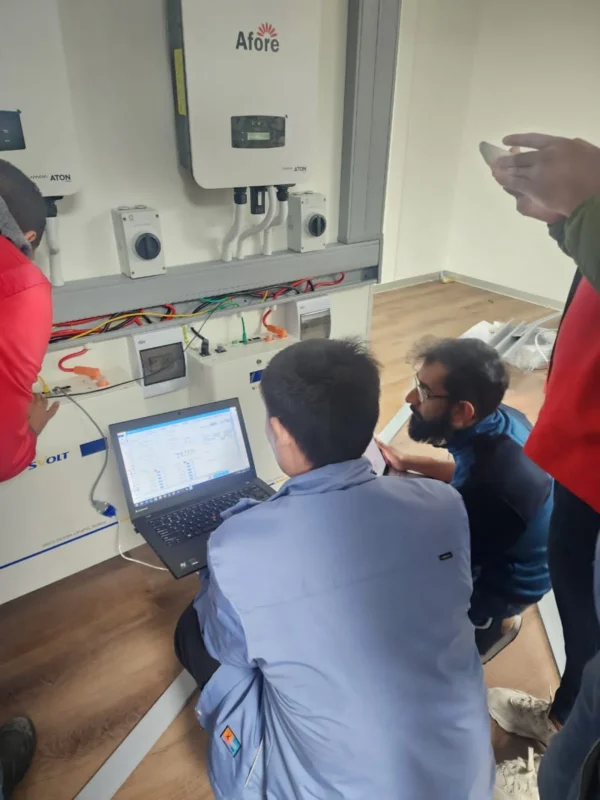
Commissioning for commercial inverters should include verification of all parameters against approved design and utility documentation. This includes confirming grid settings, protection thresholds, and control functions before energization.
Export control response testing should verify that inverter output correctly follows external curtailment signals or active power setpoints. Communication failover testing should confirm system behavior during loss of network connectivity or EMS interruption.
Event and fault log validation should also be performed under normal and abnormal operating conditions to ensure that alarms, trip events, and recovery behavior are correctly recorded and traceable.
Incorrect configuration can cause significant commissioning delays or utility rejection. Errors in voltage ride-through settings, power factor control modes, export limitation parameters, or country profiles may result in failed grid approval or repeated tripping after energization.
All configuration parameters should therefore be verified against approved settings documentation and controlled before final system activation.
At project completion, EPCs should provide a complete set of as-built documentation, including firmware versions, final protection settings, inverter serial number mapping, communication topology diagrams, and approved parameter sets.
This documentation ensures traceability, supports future maintenance activities, and provides a reference for warranty claims, troubleshooting, and compliance audits.
Commercial inverters often interact with low-voltage or medium-voltage transformers, AC combiner panels, protection relays, revenue meters, control meters, and energy management systems. Communication protocols and system interfaces should be validated during the design stage rather than after installation.
Commercial inverter integration depends not only on electrical compatibility but also on communication architecture and control interoperability. This includes defining local and cloud communication dependencies to ensure that core control functions remain available even if cloud connectivity is lost.
Protocol compatibility must be confirmed during system design, including firmware revision alignment, protocol version matching, and interoperability between inverters, meters, and EMS platforms. Mismatched protocol versions or firmware inconsistencies can result in data loss or control failure even when physical wiring is correct.
For operational control functions, meter and device compatibility is required for export limitation, demand response, and load management. The inverter must reliably accept remote setpoints and provide confirmation feedback to ensure that control commands are executed and verified correctly.
Cybersecurity and access control are also critical in commercial installations. Role-based user permissions, password policies, and secure communication channels help prevent unauthorized parameter changes and support operational governance requirements.
From a system perspective, EMS integration typically includes active power control, reactive power regulation, export limitation, load-following operation, and real-time data reporting to SCADA or building management systems. Stable communication and validated control execution are essential to ensure these functions operate as intended under both normal and constrained grid conditions.
Serviceability should be evaluated before product approval. Key factors include unit weight, replacement method, fan access, modular board replacement, communication module availability, cable access, diagnostic tools, and local technical support. A product that is easy to install but difficult to service may create higher lifecycle costs.
For multi-site portfolios, installers and resellers should consider stocking critical spare parts and standardizing service procedures. A common inverter platform across similar projects can reduce training time, simplify troubleshooting, and improve response speed.
Commercial PV owners need visibility into production, faults, and performance trends. Inverter monitoring is one of the most valuable sources of operational data because it shows not only total energy output but also device status, MPPT behavior, alarms, and sometimes string-level performance.
A good monitoring system should provide real-time production data, event logs, fault codes, alarms, performance ratio tracking, and remote diagnostics. Export control and utility curtailment functions depend not only on inverter hardware capability but also on stable command execution between monitoring platforms and the inverter control layer. For EPCs offering performance guarantees, monitoring data supports verification and troubleshooting. For asset owners managing multiple sites, centralized dashboards allow benchmarking and prioritization of service actions.
Monitoring depth should match project value and O&M strategy. Inverter-level monitoring may be sufficient for simple systems. MPPT-level or string-level monitoring may be justified for larger rooftops, complex shading, or portfolios where early fault detection reduces truck rolls. Module-level monitoring may be useful in selected projects but should be evaluated against cost and maintenance complexity.

Commercial inverter alarms may relate to overtemperature, insulation resistance faults, grid voltage trips, communication failures, fan problems, DC input anomalies, firmware issues, or protection settings. However, not every inverter alarm indicates an inverter defect. Grid instability, loose cable terminations, incorrect breaker settings, water ingress, poor grounding, or communication network failures can all appear as inverter events.
This is why O&M teams need both remote diagnostics and field investigation procedures. Reviewing event logs, comparing inverters within the same site, checking environmental conditions, and verifying grid data can help distinguish equipment failure from site-level issues.
Commercial solar inverters commonly have shorter service lives than PV modules. Many project financial models assume one major inverter replacement or refurbishment during a 25-year PV asset life, although actual service life depends on product quality, loading, temperature, environment, maintenance, and warranty terms.
A well-ventilated inverter operating within design limits in a clean environment may last longer than one exposed to sustained heat, dust, humidity, or corrosive conditions. Extended warranties can reduce financial uncertainty, but they should be reviewed carefully for exclusions, labor coverage, response times, and maintenance documentation requirements.
Preventive maintenance helps reduce downtime and supports warranty claims. Practical activities include cleaning ventilation paths, inspecting cable glands and terminals, checking for corrosion, reviewing alarms, updating firmware under controlled procedures, performing thermographic inspections, verifying surge protection status, and analyzing annual performance.
Maintenance records are commercially important. If an inverter fails, documented O&M history can support warranty claims and help determine whether the issue was caused by product failure, installation error, environmental exposure, or external grid conditions.
Commercial inverter procurement should combine technical screening with supplier evaluation. A low unit price can be attractive, but poor documentation, long replacement timelines, limited support, or unstable firmware can create much larger project costs later.
EPCs and resellers should assess whether the supplier offers a coherent commercial product range, including three-phase solar inverter options, commercial string inverter platforms, larger inverter solutions, storage-compatible models, monitoring tools, and relevant certifications. Firmware maturity and documented field performance are also important, especially for new models.
A strong product portfolio allows EPCs to standardize across project sizes while still adapting to site-specific needs. For example, one inverter family may cover small commercial rooftops, while another covers large C&I ground-mount projects using similar monitoring and commissioning tools.
Warranty length alone is not enough. Commercial buyers should review what is covered, what is excluded, whether labor is included, how the RMA process works, where service centers are located, and how quickly replacement units or parts can be delivered. Response time can be as important as the warranty period.
Extended warranties may be valuable for projects with long PPAs, strict performance obligations, or limited internal maintenance capacity. However, the cost should be included in lifecycle analysis rather than treated as an afterthought.
Inverter delays can affect commissioning milestones, grid-connection deadlines, and commercial operation dates. Procurement teams should evaluate production availability, shipping timelines, packaging quality, customs documentation, local inventory, and compatibility with project schedules.
For EPCs managing several projects at once, inverter platform changes or late substitutions can create engineering rework. A replacement model may have different dimensions, MPPT inputs, communication hardware, certifications, or grid settings. Procurement planning should therefore be integrated with engineering and permitting.
Standardizing inverter platforms across multiple projects can reduce installer training, simplify spare-part stocking, improve monitoring consistency, and accelerate technical support. It also helps O&M teams develop repeatable troubleshooting procedures.
However, standardization should not become rigid. A shaded rooftop, export-limited factory, coastal warehouse, and future storage project may require different inverter features. The goal is to standardize where practical while keeping enough flexibility for project-specific design needs.
The financial impact of a commercial solar inverter extends beyond purchase price. Inverter choice affects installed cost, energy yield, downtime risk, maintenance cost, warranty exposure, and future upgrade options.
A fair inverter cost comparison should include hardware, mounting, cabling, AC aggregation, protection equipment, communication devices, commissioning labor, monitoring fees if applicable, spare parts, and expected service expenses. The lowest purchase price may not produce the lowest total installed cost.
For example, an inverter with more MPPTs may reduce design compromises on a complex rooftop. A unit with better remote diagnostics may reduce truck rolls. A platform with strong local support may reduce downtime during a warranty claim. These benefits may justify a higher initial cost in commercial projects where uptime has measurable value.
Inverter efficiency, MPPT behavior, derating, downtime, and DC/AC ratio all influence annual energy production. In large commercial systems, small differences in availability or yield can translate into meaningful financial impact over the project life.
Clipping is not always bad if DC oversizing improves annual output and project economics. However, clipping assumptions should be modeled transparently. Similarly, high peak efficiency is useful, but real-world performance depends on temperature, load profile, site design, and maintenance quality.
Inverter selection affects payback through upfront cost, O&M cost, replacement assumptions, warranty coverage, and production reliability. Commercial decision-makers should compare scenarios using lifecycle cost, net present value, internal rate of return, or levelized cost of energy where appropriate.
A technically resilient inverter strategy may improve the financial model by reducing downtime risk and unexpected service costs. This is especially important for projects with PPAs, leased systems, performance guarantees, or corporate energy targets.
Inverter selection can influence EPC warranty obligations, performance ratio guarantees, liquidated damages exposure, and O&M contract pricing. Contracts should define responsibilities for grid-related trips, communication failures, warranty claims, replacement labor, firmware updates, and utility-mandated setting changes.
Without clear risk allocation, disputes can arise when production losses occur. The inverter may be blamed, even when the root cause is grid voltage, incorrect protection settings, or facility-side electrical changes.
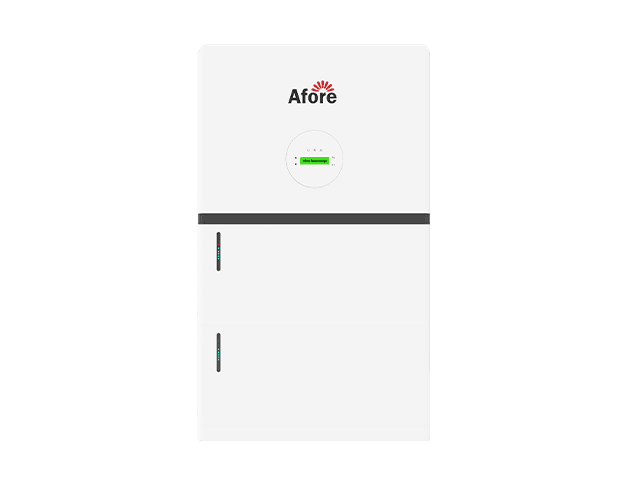
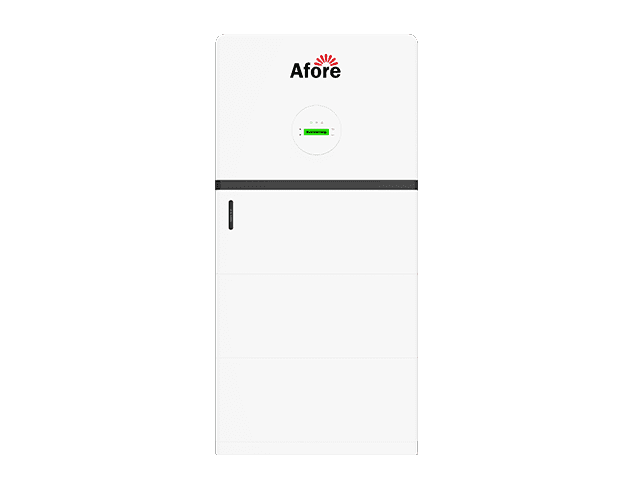
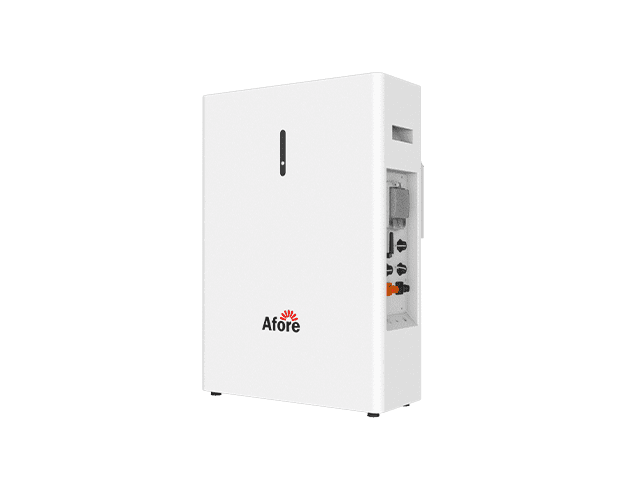
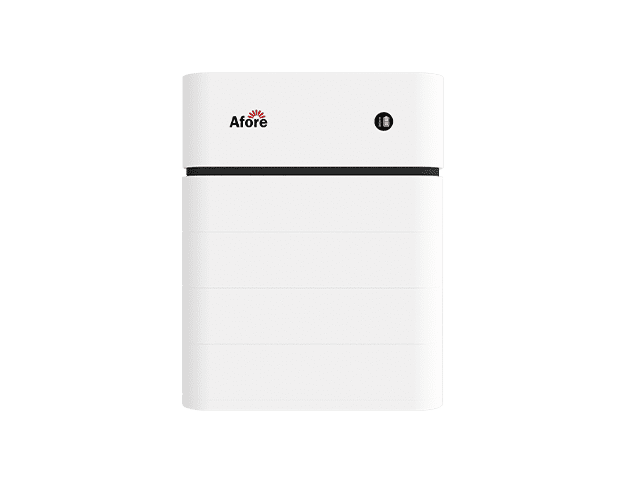
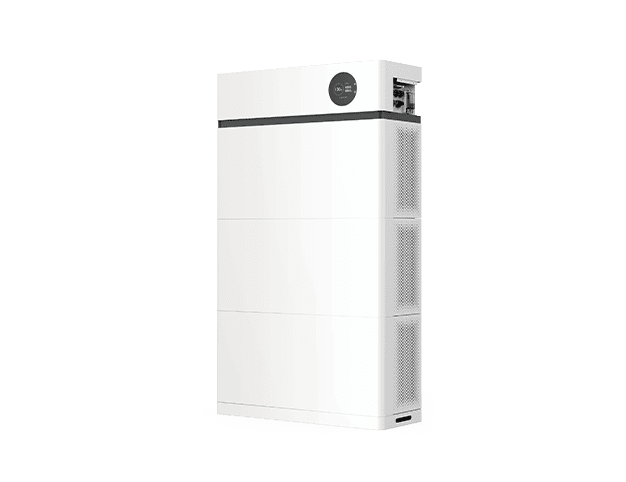
Commercial PV systems are increasingly designed with future storage or energy management in mind. Hybrid and storage-ready inverter solutions such as hybrid solar inverter systems can help enable smoother integration when batteries are added in later project phases. Even if batteries are not installed during phase one, inverter and AC infrastructure choices can affect whether expansion is practical later.
Most standard commercial PV inverters are not battery inverters by design, and storage integration depends entirely on system architecture and control compatibility. Commercial PV inverters can work with battery storage, but compatibility depends on architecture. A standard PV inverter is a grid-following device designed to convert solar DC power into AC power and export it to the grid. It does not inherently provide energy storage or backup functionality. A battery inverter manages battery charging and discharging in an AC-coupled system. A hybrid inverter may share a DC bus with PV and batteries, depending on design. The correct approach depends on whether the project aims for self-consumption, peak shaving, backup power, demand-charge management, or export control.
AC-coupled systems are often flexible for retrofits because batteries connect on the AC side. DC-coupled or hybrid systems may improve certain energy flows but require careful compatibility and control design. In all cases, the EMS must coordinate PV output, battery behavior, facility loads, and grid limits.
Commercial PV inverters typically operate as grid-following devices, meaning they depend on an active grid signal to operate. In contrast, hybrid inverters or microgrid systems can operate in backup-capable modes when combined with appropriate storage and control systems.
Battery integration alone does not automatically enable islanding or backup operation. Islanding capability requires coordinated control logic, transfer switching equipment, and system-level design approval.
Backup power operation depends on additional components such as transfer switches, protection devices, and control logic that define when and how the system disconnects from or reconnects to the grid.
Energy management systems control how PV, storage, and loads interact. In commercial facilities, an EMS may limit export, shift battery charging, reduce peak demand, respond to time-of-use tariffs, or coordinate with building management systems.
The inverter must support the required communication and control functions. Common requirements include meter-based export control, active power setpoints, reactive power setpoints, data polling, and reliable local or cloud communication. These requirements should be specified early because they may affect inverter model selection and network design.
Industrial facilities, logistics parks, campuses, and retail portfolios often expand PV in phases. EPCs can support future expansion by planning inverter capacity, AC cable routes, switchgear space, transformer headroom, monitoring architecture, and communication infrastructure.
A scalable design may cost slightly more initially but reduce future rework. For example, reserving switchgear capacity or standardizing inverter communication protocols can simplify a second PV phase or later battery integration.
For companies deploying solar across multiple facilities, inverter strategy should be treated as a portfolio decision. Standardized models, centralized monitoring, common O&M procedures, consistent documentation, and a defined spare-parts strategy can reduce operational complexity.
This is particularly relevant for EPCs, resellers, and asset owners managing repeatable project pipelines. The technical “best” inverter for one site may not be the best portfolio choice if it creates inconsistent monitoring, training, or service requirements across dozens of installations.
A structured checklist helps EPCs and buyers compare inverter options consistently before detailed design and procurement. The goal is not to replace engineering validation but to identify risks early.
| Category | Key items to verify |
|---|---|
| AC output | Rated power, voltage, phases, frequency, power factor range |
| DC input | Maximum voltage, MPPT range, input current, short-circuit current |
| MPPT design | Number of MPPTs, strings per MPPT, parallel string limits |
| Performance | Peak efficiency, weighted efficiency, night consumption |
| Environment | Operating temperature, derating curve, IP rating, altitude limits |
| Безпека | DC isolation, arc-fault features where applicable, grounding compatibility |
| Зв'язок | Ethernet, RS-485, Modbus, local controller compatibility |
| Grid support | Ride-through, reactive power, export control, ramp-rate functions |
This screening should be followed by string sizing, yield modeling, protection design, and utility documentation review.
Before procurement, EPCs and resellers should confirm that certificates, grid-code approvals, test reports, installation manuals, commissioning guides, warranty documents, monitoring documentation, and local utility requirements are complete and valid. Missing documentation can delay permitting, shipment approval, or interconnection.
For international projects, documentation should be checked for the specific country and grid operator. Similar model names may have different firmware, country settings, or certification status.
Commercial evaluation should include price, lead time, warranty length, extended warranty cost, local stock, RMA process, training availability, spare parts, technical support quality, and service network. For large C&I projects, buyers should also evaluate supplier stability and long-term product roadmap.
| Project scenario | Inverter priorities |
|---|---|
| 300 kW complex rooftop | Multiple MPPTs, shade tolerance, rooftop service access, strong monitoring |
| 1 MW carport | Modular design, weather protection, AC aggregation, safety shutdown strategy |
| 2 MW factory behind-the-meter | Export control, EMS integration, transformer coordination, high uptime |
| 5 MW ground-mount | Architecture comparison, O&M strategy, grid-code compliance, spare planning |
| Multi-site retail portfolio | Standardized platform, centralized monitoring, local support, repeatable documentation |
The strongest inverter option is the one that fits the project’s electrical, operational, regulatory, and financial constraints.
A commercial solar inverter should be selected as part of the complete PV system strategy, not as a standalone component. The right choice depends on architecture, grid requirements, module compatibility, thermal conditions, monitoring needs, service model, warranty structure, and lifecycle economics. For EPCs, installers, resellers, and commercial PV owners, the strongest approach is to define inverter requirements early, verify compliance before procurement, model technical and financial trade-offs, and plan O&M support before the system is energized.
A commercial solar inverter converts DC electricity from PV modules into AC electricity for commercial and industrial power systems or grid export. It is typically a three-phase inverter used in larger C&I solar installations. It performs MPPT tracking, grid synchronization, safety shutdown, and monitoring. It also supports grid functions such as reactive power control and export limitation.
Sizing is based on DC array size, site load demand, and grid export limits. The DC/AC ratio defines the relationship between PV capacity and inverter rating. Voltage and current compatibility between PV strings and inverter inputs must also be verified. Utility constraints such as transformer capacity and interconnection rules further affect final sizing.
String inverters are commonly used in rooftops and complex distributed C&I systems, while central inverters are used in large uniform ground-mounted projects. String systems improve redundancy by limiting the impact of a single failure. Central systems may offer simpler block design and maintenance for uniform layouts. Selection depends on layout, O&M strategy, and grid requirements.
Commercial solar inverters typically last about 10–15 years depending on design, environment, loading, and maintenance. Many 25-year PV project models include at least one inverter replacement or major refurbishment. Heat, humidity, dust, and ventilation conditions are the main lifespan factors. Proper thermal design and maintenance can extend operating life.
Not all commercial PV inverters support battery storage directly. Integration depends on system architecture such as AC-coupled or hybrid/DC-coupled designs. AC-coupled systems use a separate battery inverter, while hybrid systems integrate PV and storage in one platform. Backup power capability requires additional controls, switching equipment, and approved operating modes.








 Turkish
  Romanian