




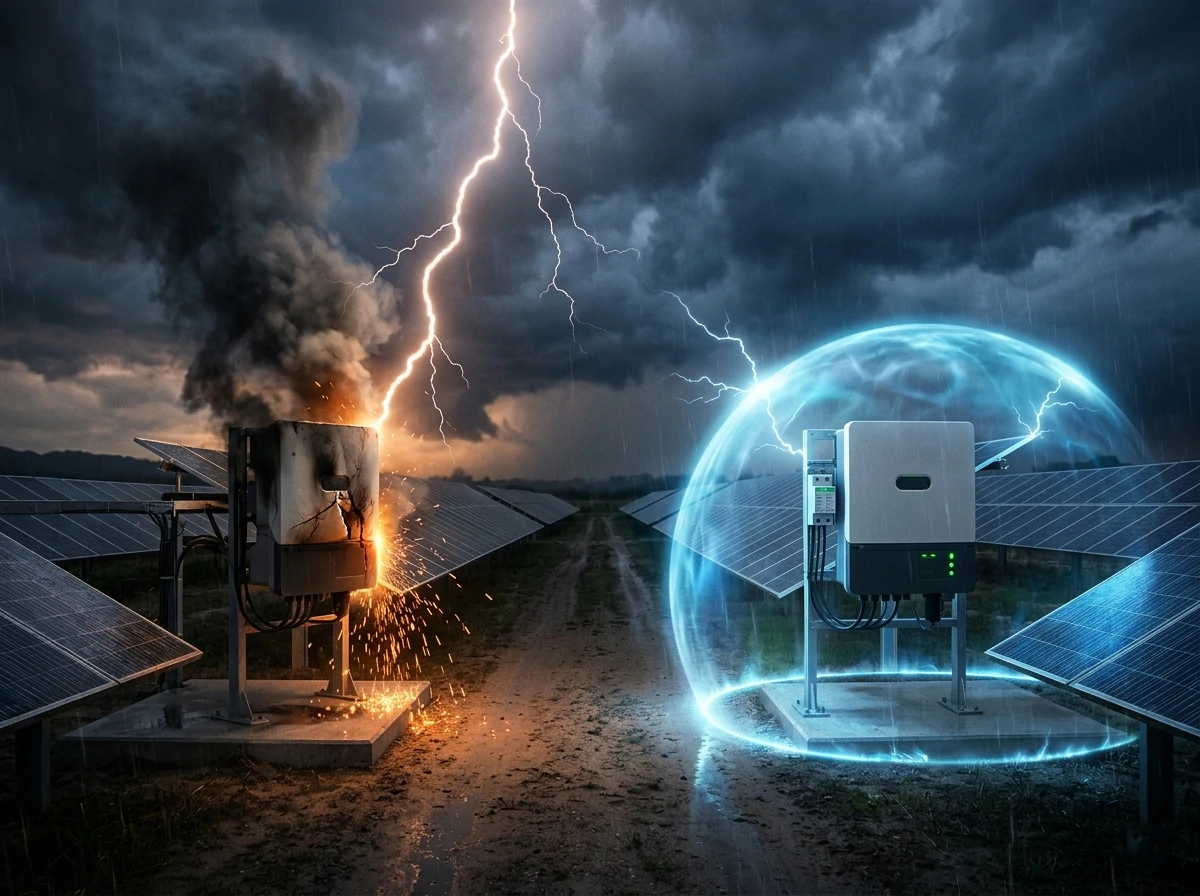
Modern solar installations are more powerful than ever, but they’re also more exposed. Between unstable utility grids, lightning activity, switching surges, and sensitive electronics, one voltage spike can shut down an entire PV system in seconds. That’s exactly why inverter surge protection type 1+2 has become a critical part of commercial and industrial solar design.
If you’ve worked on utility-scale arrays, rooftop commercial systems, or industrial PV projects, you already know the headache: damaged inverter boards, fried communication ports, unexpected downtime, insurance disputes, and expensive service calls. In many cases, those failures could have been avoided with proper surge protection.
Today, more EPCs, installers, and facility owners are prioritizing inverter surge protection type 1+2 not as an optional accessory, but as essential infrastructure.
This guide breaks down how these devices work, why they matter, how they’re maintained, and what modern solar inverter manufacturers are doing to improve built-in protection. We’ll also cover compliance standards, lightning protection strategies, and practical field experience from real commercial PV installations.
At its core, inverter surge protection type 1+2 is designed to defend solar inverters and connected equipment from transient overvoltage events.
These surge protection devices (SPDs) combine the capabilities of:
By combining both into one protection unit, inverter surge protection type 1+2 creates a stronger and more complete defense layer for commercial PV systems.
Solar plants are naturally exposed because they include:
A nearby lightning strike doesn’t even need to hit the system directly. Induced voltage from neighboring strikes can travel through DC strings, AC distribution, or communication cables.
Without proper inverter surge protection type 1+2, that surge energy often ends up inside the inverter.
Years ago, many installers only used Type 2 SPDs. That approach worked in low-risk areas but became insufficient for larger commercial and industrial projects.
Now, SPD requirements for commercial solar increasingly favor combined Type 1+2 protection because it can:
In regions with frequent thunderstorms, Type 1+2 protection is no longer considered “premium.” It’s considered necessary.
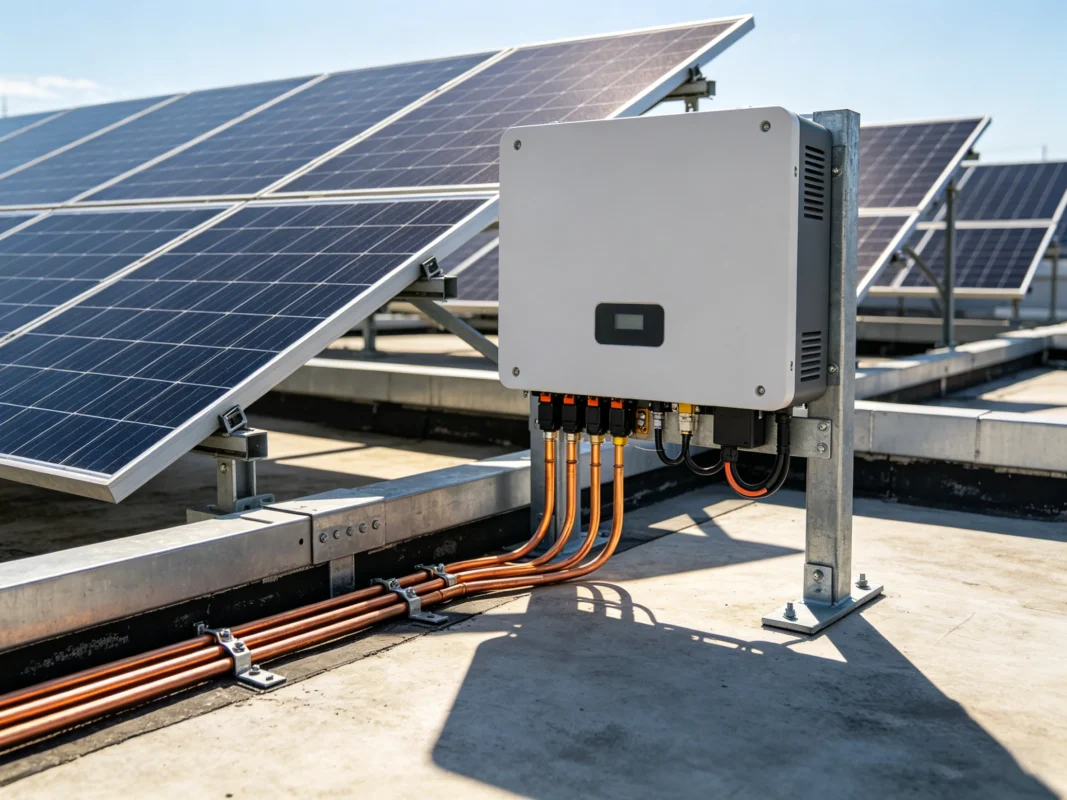
Modern solar systems operate in harsh electrical environments. Between lightning activity, unstable utility grids, and switching transients from nearby equipment, voltage spikes can appear in both DC and AC circuits within milliseconds. That’s where inverter surge protection type 1+2 becomes essential.
Unlike standard surge devices that only handle secondary surges, a combined Type 1+2 SPD is designed to manage both high-energy lightning impulses and lower-level transient overvoltages. This layered protection approach is especially important in commercial and industrial PV installations where downtime can become extremely expensive.
The operating principle behind inverter surge protection type 1+2 is relatively straightforward, but incredibly effective. During normal operation, the SPD remains inactive and allows electricity to flow normally through the system. The moment voltage rises above a safe threshold, the SPD reacts almost instantly and redirects excess energy safely to ground.
You can think of it as an emergency escape route for dangerous voltage.
This process happens within nanoseconds, helping prevent surge energy from reaching sensitive inverter components, communication boards, monitoring devices, and control electronics. In areas with frequent thunderstorms or unstable grids, this rapid response plays a major role in improving overall system reliability and long-term equipment lifespan.
The DC side of a solar installation is highly vulnerable because PV strings often involve long outdoor cable runs exposed to lightning-induced surges. A properly installed inverter surge protection type 1+2 device helps protect critical DC-side components such as:
This is particularly important for large rooftop and ground-mounted projects where induced voltage can travel considerable distances during nearby lightning events. Proper DC protection also supports stronger grid surge resilience and reduces costly inverter replacement risks.
Surges do not only originate from the solar array. Utility switching operations, transformer faults, and unstable grid conditions can also create damaging transient voltages on the AC side.
That’s why inverter surge protection type 1+2 should also be installed to protect AC output circuits, switchboards, transformers, and monitoring systems. A coordinated AC-side protection strategy improves operational stability, enhances electrical safety, and helps commercial PV systems meet evolving SPD requirements for commercial solar installations.
Residential systems and industrial solar plants operate in completely different conditions.
Commercial systems usually involve:
That’s why SPD requirements for commercial solar continue evolving globally.
A failed inverter in a large factory rooftop system can stop production-related energy savings immediately.
In some manufacturing environments, inverter downtime may even interrupt operations tied to energy management systems.
One surge event can cause:
Many EPC contractors now treat inverter surge protection type 1+2 as cheap insurance compared to replacement costs.
This part surprises many project owners.
Insurance providers increasingly evaluate surge protection measures before approving coverage or claims. The Importance of SPD for solar project insurance is growing rapidly, especially in lightning-prone regions.
Insurers may ask for:
Without adequate inverter surge protection type 1+2, claim approvals can become complicated after damage occurs.
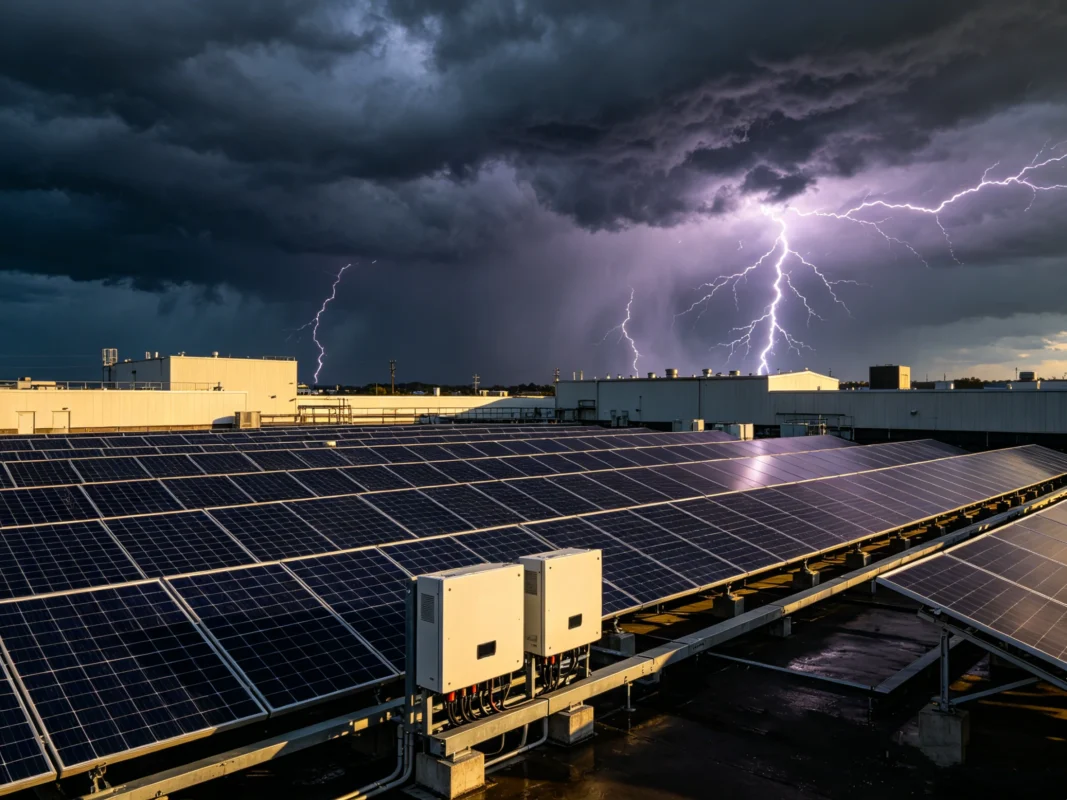
One major trend in recent years is the rise of integrated SPD for inverters.
Instead of requiring separate external devices, many modern inverters now include built-in surge modules.
But are they enough?
There are several reasons installers like integrated SPD for inverters:
Some advanced solar inverter manufacturers now integrate both DC and AC surge protection directly into commercial inverter platforms.
For EPC teams managing hundreds of inverters, this saves serious installation time.
That said, integrated protection isn’t always sufficient alone.
In high-risk lightning regions, external SPDs may still be required at:
Experienced engineers often use layered protection rather than relying entirely on the inverter’s internal SPD.
Proper SPD coordination matters.
If external and internal devices are poorly matched, surge current may not distribute correctly.
Good design ensures:
This layered approach dramatically improves grid surge resilience across the entire solar installation.
Many solar system owners assume surge damage only happens during severe storms. In reality, PV systems face electrical surges from multiple directions almost every day. From lightning activity to unstable utility infrastructure, these transient overvoltages can quietly damage sensitive electronics long before a complete failure becomes visible.
Understanding the real causes behind surge-related failures is critical when designing an effective inverter surge protection type 1+2 strategy for commercial and industrial solar projects.
Direct lightning strikes are among the most destructive threats to a PV installation. A strike near the solar array, mounting structure, or connected electrical infrastructure can release enormous surge currents within microseconds.
Without proper inverter surge protection type 1+2, the energy can travel through DC strings and AC distribution lines, damaging:
Large rooftop and open-field installations are especially vulnerable because of their exposed locations and extensive cable networks. In high-risk regions, direct lightning protection should always work together with properly coordinated SPDs and grounding systems.
Interestingly, a solar system does not need to suffer a direct strike to experience major damage. Indirect lightning surges are actually far more common.
When lightning strikes nearby structures, utility lines, or the ground itself, electromagnetic fields can induce high voltages into long PV cable runs. This is one of the biggest reasons why protecting PV from lightning requires more than basic grounding alone.
Commercial systems with large string layouts often behave like giant antennas during storms. The longer the cable distance, the greater the induced surge risk. Proper inverter surge protection type 1+2 helps redirect these transient voltages before they reach sensitive inverter electronics.
Not all surges come from weather conditions. Utility grid operations can also generate dangerous transient overvoltages.
Common causes include:
These switching events may seem minor compared to lightning strikes, but repeated exposure gradually stresses inverter components over time. Strong AC-side surge protection improves long-term grid surge resilience and reduces hidden electrical wear inside commercial PV systems.
Even high-quality SPDs cannot perform correctly with poor grounding design. Weak grounding remains one of the most overlooked causes of surge-related equipment failure.
Common installation mistakes include:
A properly designed grounding system allows inverter surge protection type 1+2 devices to safely divert excess energy away from critical equipment. Without that low-resistance path to ground, surge energy may still enter the inverter and connected electronics, leading to costly downtime and repairs.
Selecting the right inverter surge protection type 1+2 isn’t just about picking a device off the shelf. A mismatch can leave your commercial solar system vulnerable, compromise compliance, and lead to costly downtime. Proper selection ensures that the SPD can handle both the high-energy impulses from lightning and the everyday switching surges on both DC and AC sides.
The first step in choosing an SPD is confirming that it matches your system voltage. This includes both the PV array’s DC voltage and the AC distribution voltage. If the protection level is too low, surges will penetrate the device; if it’s too high, the SPD may never activate when needed. Always verify that the selected inverter surge protection type 1+2 aligns with the system’s maximum operating voltage to prevent both under- and over-protection scenarios.
Compliance with recognized standards ensures reliability and legal safety. Look for SPDs that meet IEC 61643-11 for low-voltage surge protective devices and IEC 61643-31 for PV-specific applications. Meeting these standards is often part of SPD requirements for commercial solar projects and is essential for insurance approval and warranty validation. Verified compliance signals that the device has been tested to handle real-world surge conditions.
Discharge capacity indicates how much surge current an SPD can safely divert. Higher-risk environments—such as regions prone to lightning or unstable grids—require SPDs with stronger discharge ratings. Key parameters to consider include Iimp, In, Imax, and the voltage protection level (Up). Selecting a device with insufficient capacity may leave your inverters and downstream electronics exposed during critical surge events, undermining grid surge resilience.
Modular SPDs offer practical advantages for long-term maintenance. Instead of replacing an entire SPD after a surge event, modular designs allow technicians to swap out only the damaged cartridge. This approach reduces replacement costs, downtime, and labor, while ensuring continuous protection. For commercial PV systems with multiple inverters, modular inverter surge protection type 1+2 solutions simplify O&M tasks and support systematic maintenance of surge modules without disrupting power generation.
Even the best inverter surge protection type 1+2 devices can fail silently if not properly maintained. Many installers focus on panels, inverters, and combiner boxes, but overlook the condition of surge modules. Neglecting maintenance can leave your system vulnerable to lightning, grid surges, or switching transients, often resulting in costly repairs or downtime.
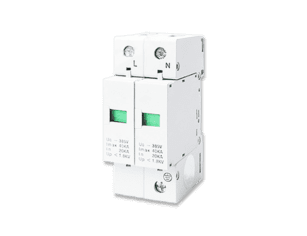
Modern SPDs typically include color-coded indicators to show operational status. Green often signals normal operation, while red or other warning colors indicate that the module has reached the end of its service life. Regular visual inspections allow technicians to identify failing surge modules before a surge event occurs, protecting both DC and AC sides of the inverter and reducing unexpected failures.
Even without major lightning strikes, surge modules experience gradual wear. Repeated transient events and high ambient temperatures accelerate thermal aging, reducing protection effectiveness. Systems located in industrial zones, coastal areas, or regions with frequent storms are particularly susceptible. Scheduled inspections help detect signs of thermal stress, ensuring maintenance of surge modules is proactive rather than reactive.
Experienced operators plan module replacements ahead of peak lightning or monsoon seasons. Swapping out degraded surge modules before high-risk periods ensures that the PV system remains fully protected when storms arrive. This practice is a key part of maintaining grid surge resilience and avoiding costly inverter failures during critical operation periods.
Documentation is often overlooked but essential. Recording each inspection, replacement, and SPD status helps with insurance claims, warranty support, and compliance audits. A well-maintained log also assists O&M teams in tracking the lifespan of inverter surge protection type 1+2 modules and scheduling timely preventive maintenance, reducing long-term risk and improving system reliability.
While inverter surge protection type 1+2 is critical, a comprehensive lightning protection strategy must extend beyond the inverter itself. PV systems include long cable runs, rooftop structures, and sensitive communication networks—all of which can be damaged if surges are not properly managed. Effective system-wide measures ensure both safety and long-term reliability.
Proper DC cable routing reduces the risk of surge induction. Long, loosely arranged cables can act like antennas, picking up transient voltages during nearby lightning events. Bundling positive and negative conductors closely, minimizing loops, and avoiding sharp bends helps limit electromagnetic interference. Strategic routing supports protecting PV from lightning by reducing the amount of surge energy reaching the inverter.
Equipotential bonding ensures all metallic components in a PV system maintain the same electrical potential during surge events. This prevents dangerous voltage differences between panels, racks, and enclosures, which could otherwise damage inverters or other electronics. Combining bonding with properly rated SPDs strengthens grid surge resilience across both AC and DC sides.
In high-risk regions, external lightning protection systems act as the first line of defense. Components like air terminals, down conductors, and grounding meshes intercept direct strikes and safely divert energy to the earth. When coordinated with inverter surge protection type 1+2, these systems significantly reduce the likelihood of inverter or module damage and improve overall system uptime.
PV monitoring and control networks are vulnerable to surges traveling through data lines such as RS485, Ethernet, or SCADA interfaces. Dedicated surge protection on these lines prevents expensive monitoring failures and ensures accurate system reporting. Integrating communication line SPDs with overall industrial PV safety gear completes a layered lightning protection strategy that addresses both power and information pathways.
As solar PV systems become more complex and high-powered, the responsibility of managing electrical surges is no longer just on installers or EPC contractors. Today, solar inverter manufacturers play a central role in designing built-in protection strategies that improve system safety, reliability, and compliance. In modern commercial installations, surge protection is increasingly integrated into inverter architecture rather than treated as an external add-on.
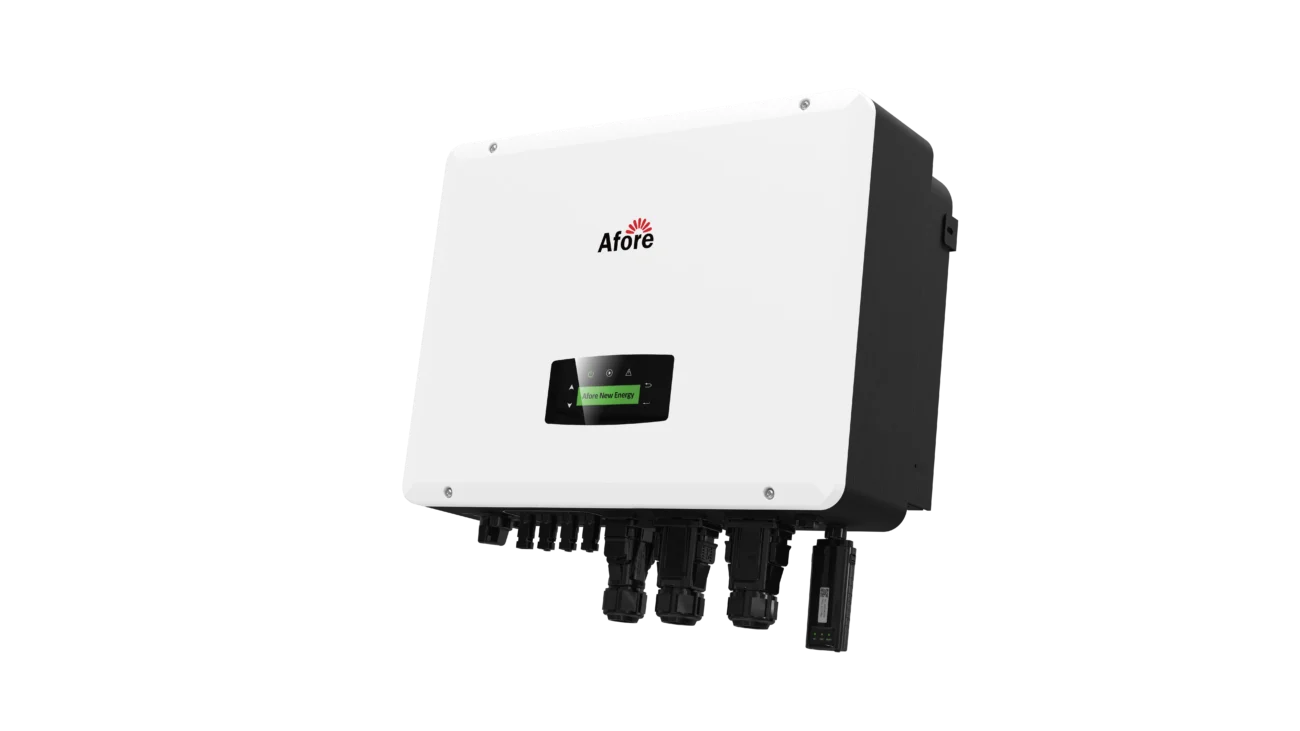
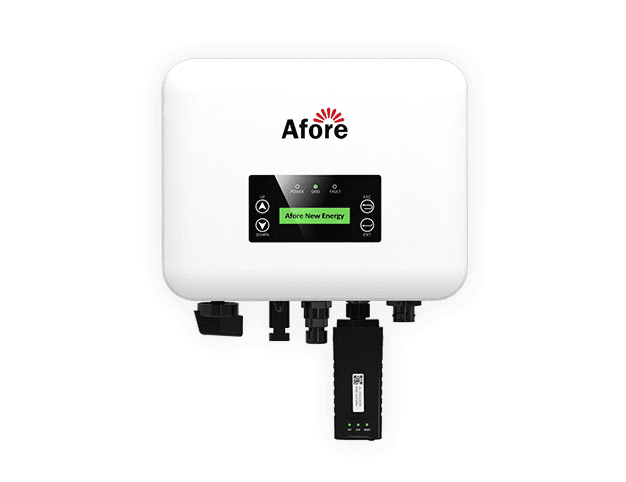
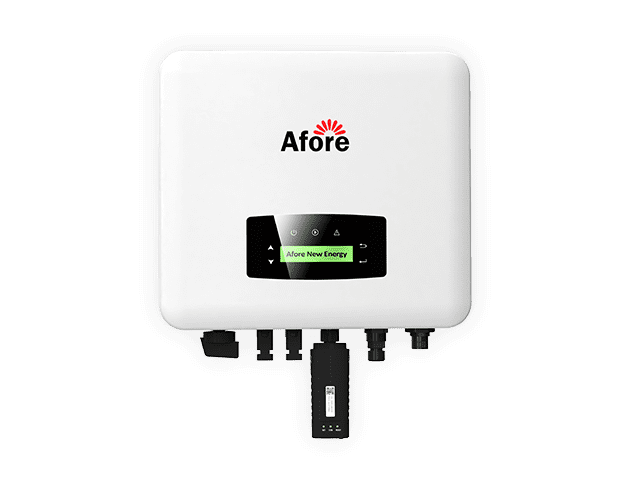
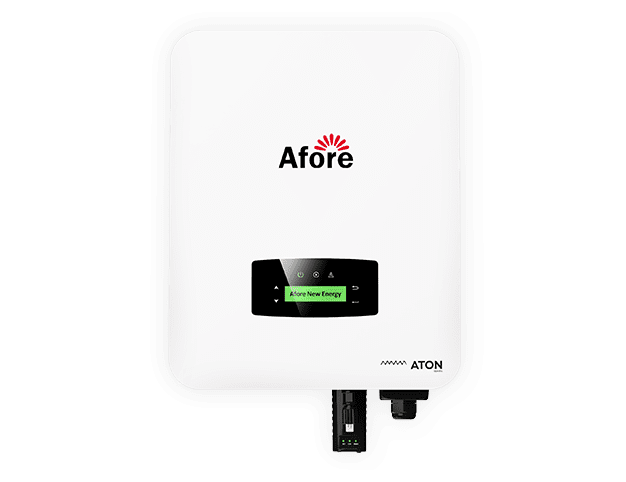
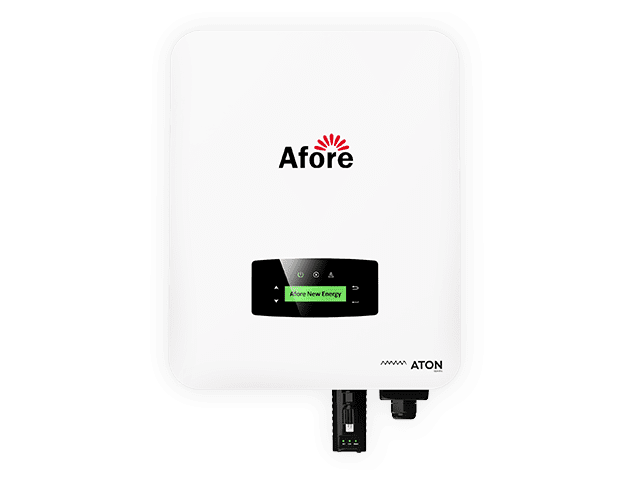
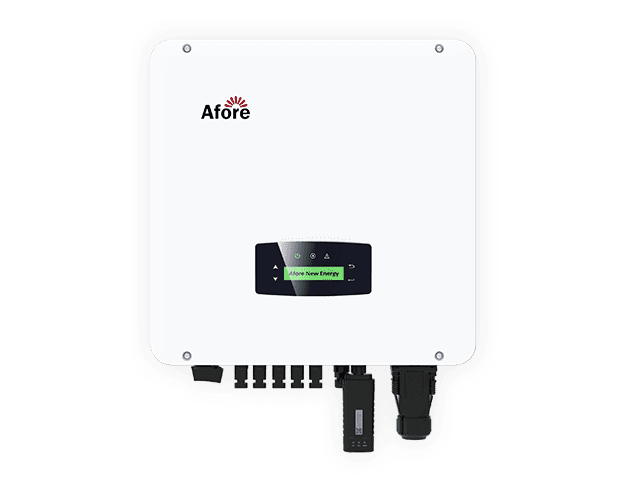
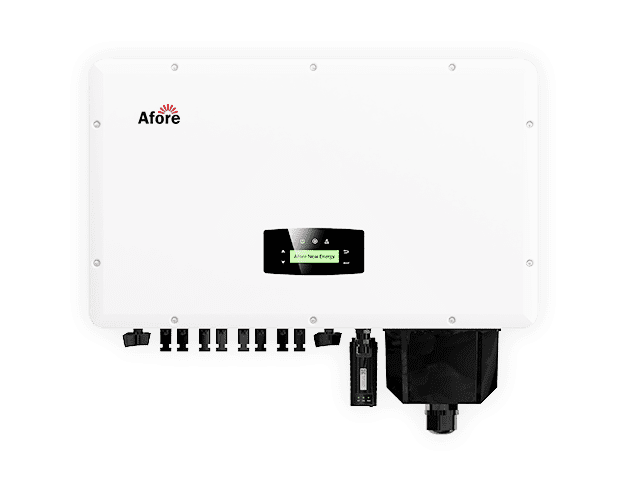
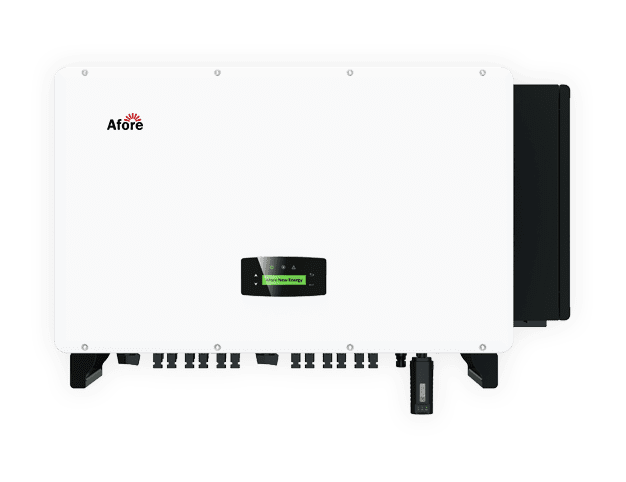
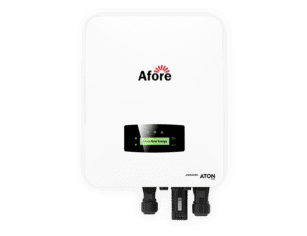
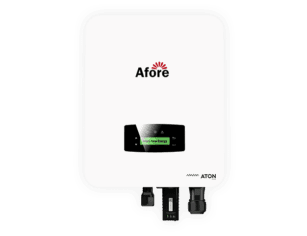
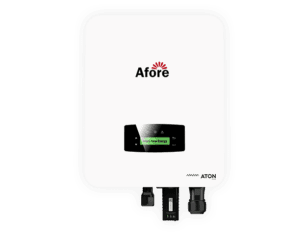
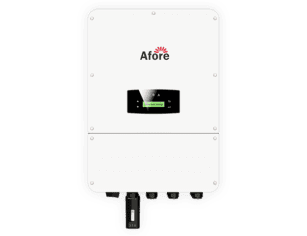
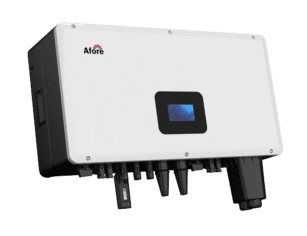
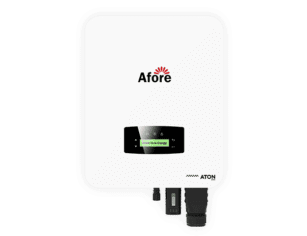
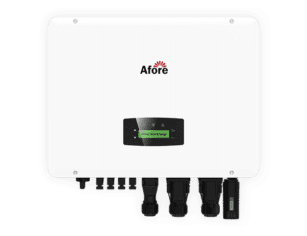
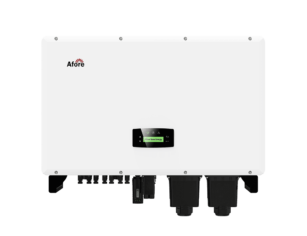
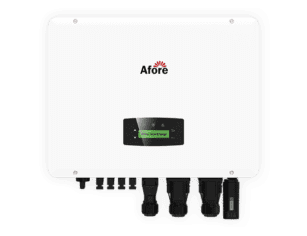
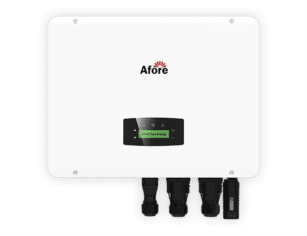
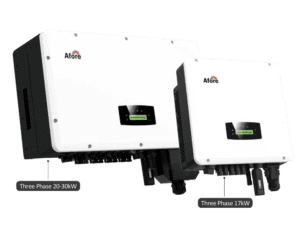
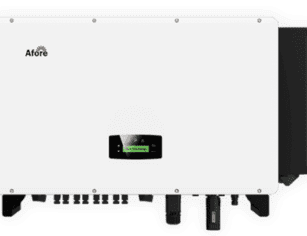
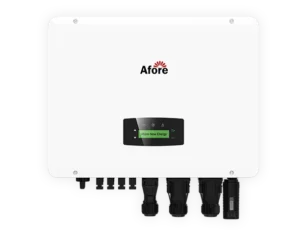
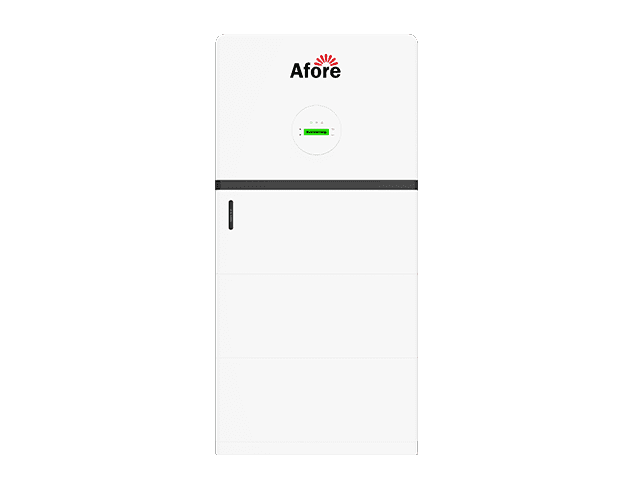
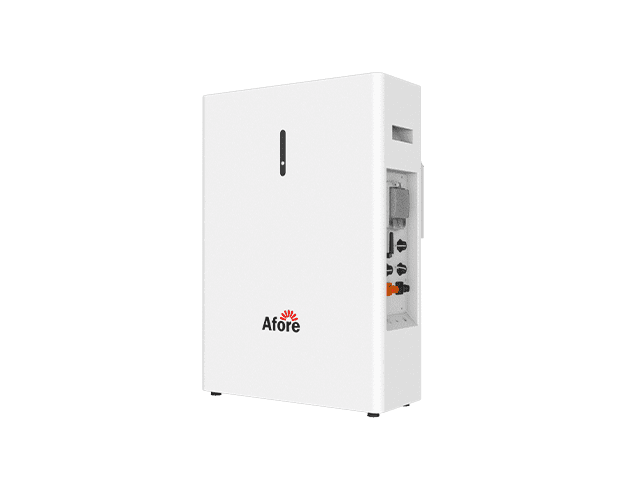
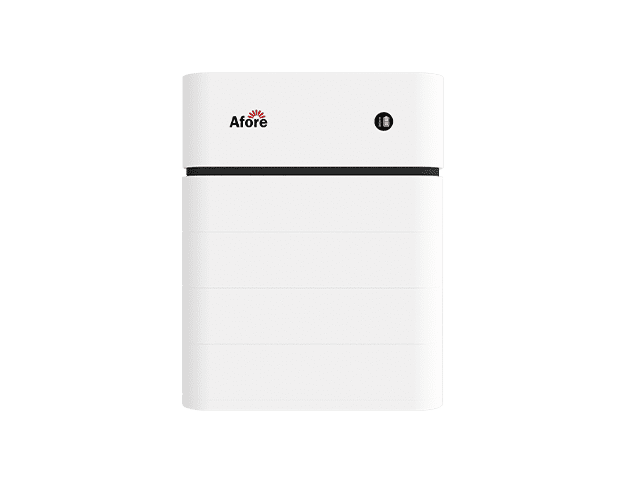
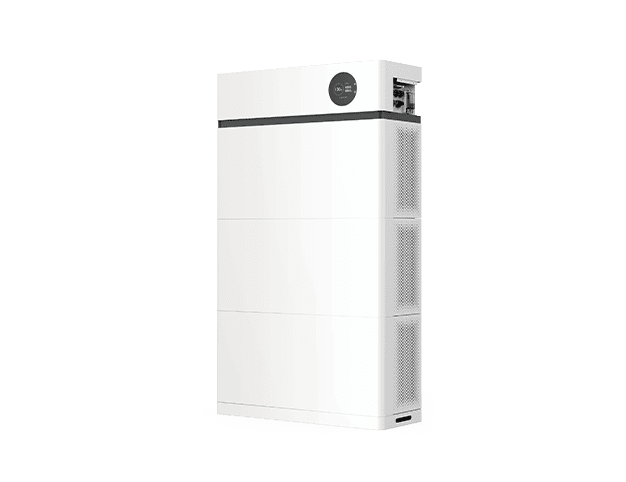
A good example is Afore, a globally recognized solar inverter manufacturer known for its strong focus on safety design and system reliability. Their inverter platforms commonly support integrated protection concepts that align with modern SPD requirements for commercial solar, helping reduce external wiring complexity while improving overall system resilience.
One of the biggest advancements from modern solar inverter manufacturers is the shift toward integrated surge protection systems. Instead of relying only on external devices, many inverters now include internal integrated SPD for inverters, often combining DC and AC protection in a compact design.
This approach helps reduce installation errors, shortens cable lengths, and minimizes let-through voltage caused by long conductor runs. In real-world applications, integrated protection works best when coordinated with external inverter surge protection type 1+2 devices, especially in lightning-prone regions or large-scale commercial PV plants.
Advanced inverters are no longer passive electrical devices—they are intelligent monitoring hubs. Modern solar inverter manufacturers are increasingly incorporating SPD status monitoring into inverter diagnostics.
This allows operators to detect degradation in surge modules early, track fault history, and schedule preventive maintenance before failure occurs. When combined with proper maintenance of surge modules, this improves uptime and reduces unexpected downtime in industrial PV systems.
Grid operators and insurance providers are tightening compliance expectations for solar installations. As a result, solar inverter manufacturers must design systems that meet strict SPD requirements for commercial solar, including IEC-based surge standards and grid interconnection rules.
Well-designed inverters ensure proper coordination between internal protection and external surge devices, improving overall grid surge resilience. This system-level approach is essential for protecting PV assets from lightning, switching surges, and unstable grid conditions while maintaining long-term operational safety.
Surge protection should never operate in isolation.
Effective industrial PV safety gear includes:
A layered strategy spreads risk across multiple defense points.
Instead of depending on one device, the system uses:
This creates stronger overall grid surge resilience.
Factories and industrial zones often experience:
That’s why industrial projects typically require stronger inverter surge protection type 1+2 solutions compared to residential systems.
Field experience teaches lessons that datasheets never mention.
Many installers learn this the hard way.
Low-cost SPDs often fail prematurely, especially in tropical climates with intense storm activity.
Replacing damaged inverters costs far more than investing in quality inverter surge protection type 1+2 from the start.
Some of the worst surge failures happen on systems with poor grounding.
Even premium SPDs cannot compensate for badly designed earth systems.
Many O&M technicians focus heavily on panel cleaning and inverter alarms but overlook surge protection completely.
Proper training on maintenance of surge modules can significantly improve long-term reliability.
Even high-quality inverter surge protection type 1+2 devices can underperform if installation practices are poor. In commercial and industrial PV systems, proper installation directly affects surge diversion efficiency, equipment lifespan, and overall electrical safety. Following proven field practices helps improve protection performance and reduces the risk of inverter damage during lightning or grid-related surge events.
One of the most important installation rules is keeping SPD conductors as short and direct as possible. Long wires increase impedance and create additional voltage drop during surge events, reducing the effectiveness of the protection device.
In practical installations, excessive conductor length can allow dangerous residual voltage to reach sensitive inverter electronics before the SPD fully diverts the surge. Short connections between the SPD, inverter, and grounding point help improve response performance and strengthen overall grid surge resilience.
Large cable loops increase electromagnetic induction during nearby lightning activity. This means even indirect lightning strikes can generate higher transient voltages inside the PV system.
To improve protecting PV from lightning, DC and AC conductors should be routed closely together whenever possible. Clean cable management, tight routing paths, and avoiding unnecessary bends help reduce induced surge energy and improve the performance of inverter surge protection type 1+2 devices.
Every inverter and SPD configuration may have different installation requirements. Proper spacing, grounding methods, conductor sizing, and coordination rules should always follow official technical documentation.
Ignoring installation recommendations can lead to poor SPD coordination, increased let-through voltage, or reduced protection effectiveness. Following approved guidelines also helps maintain warranty compliance and supports long-term system reliability.
A surge protection system is only as effective as its grounding network. Regular grounding inspections help identify high resistance, corrosion, loose bonding points, or deteriorated earth connections before they create serious protection failures.
Routine grounding tests are a critical part of maintenance of surge modules and ensure that excess surge energy can safely dissipate away from sensitive PV equipment.
The solar industry has matured far beyond simple panel installation. Today’s commercial and industrial PV systems depend on sophisticated electronics, sensitive communications, and continuous uptime.
That’s why inverter surge protection type 1+2 is no longer optional.
From improving grid surge resilience to meeting evolving SPD requirements for commercial solar, proper surge protection protects far more than hardware. It protects project profitability, system reliability, insurance compliance, and long-term operational stability.
Whether you’re an EPC contractor, O&M provider, project developer, or facility owner, investing in quality inverter surge protection type 1+2 is one of the smartest decisions you can make for long-term solar performance.
And in the real world of commercial solar, avoiding just one catastrophic surge event can pay for the entire protection strategy many times over.
Type 1 SPD is designed to handle high-energy surge currents caused by direct lightning strikes or lightning protection system discharge currents. Type 2 SPD mainly protects against indirect lightning surges and utility switching transients. In commercial PV systems, inverter surge protection type 1+2 combines both functions into one device, offering broader protection for solar inverters and connected electrical equipment.
Some inverter models from Afore include built-in integrated SPD for inverters depending on the product series and regional specifications. These integrated protection designs help simplify installation and improve system safety. However, large commercial and industrial PV projects may still require additional external inverter surge protection type 1+2 devices for full-site surge coordination.
Most modular SPDs use plug-in cartridges that can be replaced without rewiring the entire protection system. Technicians usually disconnect power, verify electrical isolation, remove the damaged surge module, and install a compatible replacement cartridge. Regular maintenance of surge modules helps ensure continuous protection and reduces the risk of unnoticed SPD failure.
Insurance providers increasingly review surge protection measures before approving commercial solar coverage or processing damage claims. Proper inverter surge protection type 1+2 installation demonstrates risk mitigation and helps reduce the likelihood of costly inverter damage caused by lightning or grid surges. Documented SPD maintenance records may also support insurance compliance requirements.
Solar monitoring systems are vulnerable to surges traveling through communication lines such as RS485, Ethernet, and SCADA connections. Effective protecting PV from lightning strategies should include surge protection for both power circuits and data communication networks to prevent monitoring failures and data loss.
Commercial PV surge protection systems commonly follow IEC 61643-11 and IEC 61643-31 standards. These standards define performance requirements for low-voltage and photovoltaic surge protective devices. Meeting these SPD requirements for commercial solar projects helps improve electrical safety, regulatory compliance, and long-term system reliability.








 Turkish
  Romanian