




UL 1741 SB certified inverters have become a critical procurement and design requirement for many commercial and industrial solar PV projects, particularly in the United States and other markets supplying equipment into North American interconnection frameworks. For EPCs, installers, system integrators, distributors, and commercial asset owners, inverter certification is no longer only a datasheet detail. It can directly affect utility approval, inspection readiness, project timelines, storage compatibility, and long-term operating risk.
The reason is straightforward: distribution grids are hosting more inverter-based distributed energy resources, including rooftop PV, ground-mount solar, battery energy storage systems, EV charging infrastructure, and commercial microgrids. Utilities and authorities having jurisdiction, commonly called AHJs, need these systems to behave predictably during voltage and frequency disturbances. A modern inverter is expected not only to convert DC power into AC power, but also to support the grid through reactive power control, ride-through behavior, frequency response, export control, and communication capability.
For B2B solar professionals, the practical question is not simply “Is this inverter efficient?” or “Is it available at a good price?” The more important question is: “Will this exact inverter model, firmware version, and configuration be accepted by the utility for this project?” UL 1741 SB certification helps answer that question, but it must be understood in the context of IEEE 1547-2018, IEEE 1547.1 testing, local interconnection rules, and field commissioning requirements.
UL 1741 SB is a supplement to UL 1741 for inverter-based distributed energy resources. It provides a recognized pathway for testing inverter functions aligned with modern interconnection requirements, especially those described in IEEE 1547-2018 and validated through IEEE 1547.1 test procedures. The IEEE 1547 standard defines interconnection and interoperability requirements for distributed energy resources connected to electric power systems, while IEEE 1547.1 defines the test procedures used to verify conformity. These standards are central to how utilities evaluate smart inverter behavior. Authoritative standard information is available from IEEE.
For commercial PV projects, the value of using UL 1741 SB certified inverters is not limited to compliance language. It affects engineering decisions from string sizing and AC capacity planning to transformer coordination, monitoring architecture, commissioning records, and lifecycle cost modeling. Selecting the wrong inverter can lead to rejected submittals, delayed permission to operate, redesign work, replacement equipment costs, and missed commercial operation dates. Selecting the right inverter, with verified documentation and utility-compatible settings, reduces those risks before the project reaches the field.
UL 1741 SB certified inverters meet IEEE 1547.1 2020 standards, support solar inverter grid functions, and align with California solar inverter requirements for reliable DER interconnection.
UL 1741 SB certification indicates that an inverter or power conversion system has been tested for advanced grid-support and interconnection functions associated with modern distributed energy resource requirements. It is not merely a general electrical safety listing. For commercial PV, the key point is that the inverter has undergone testing intended to demonstrate behavior under grid conditions that utilities care about: abnormal voltage, abnormal frequency, anti-islanding, power quality, response to control settings, and interoperability-related functions.
In earlier solar markets, many commercial PV systems were treated as relatively simple generation assets. If the grid voltage or frequency moved outside prescribed limits, the inverter would disconnect quickly. That approach made sense when PV penetration was low. However, as PV capacity increases on distribution feeders, simultaneous disconnection of many inverters during a grid disturbance can worsen instability. Modern interconnection standards therefore require many inverter-based resources to ride through certain disturbances and provide controlled grid support rather than immediately tripping offline.
This is where UL 1741 SB certified inverters become important for EPCs and project developers. The certification gives utilities, AHJs, and engineers a standardized basis for reviewing whether the selected equipment can meet current smart inverter expectations. In a permit package or interconnection application, a current certification document can be as important as the datasheet itself. Without it, the reviewing utility may require additional evidence, reject the equipment selection, or request a redesign.
UL 1741 itself is maintained by UL Standards & Engagement, and its scope covers inverters, converters, controllers, and interconnection system equipment for use with distributed energy resources.
Utilities are increasingly focused on how DER systems behave as a fleet. One commercial rooftop system may not appear significant by itself, but hundreds or thousands of similar systems on the same network can influence feeder voltage, reverse power flow, load forecasting, frequency response, and protection coordination. Smart inverter certification gives utilities greater confidence that new DER systems will not create avoidable grid instability.
For AHJs, the concern is slightly different but related. Inspectors and plan reviewers need evidence that equipment is listed and installed in accordance with applicable codes and approved documentation. When inverter certification, model numbers, and field settings are unclear, the project may require additional engineering clarification before approval. For installers, that uncertainty often appears late in the project, when crews are ready for inspection but the documentation package is incomplete.
For EPCs and system integrators, this affects several commercial workflows. Interconnection applications often require inverter datasheets, certification files, single-line diagrams, protection settings, monitoring descriptions, and sometimes utility-specific grid profile confirmation. If the inverter is not accepted by the utility, procurement savings can quickly disappear through re-engineering, schedule delays, and equipment substitution costs.
A common source of confusion is the difference between basic UL 1741 listing, UL 1741 SA, and UL 1741 SB. Basic UL 1741 listing addressed important safety and interconnection requirements, but it does not necessarily confirm compliance with today’s full smart inverter functions. UL 1741 SA was an earlier supplement associated with advanced inverter functions, particularly in connection with California Rule 21 and similar programs. UL 1741 SB reflects the newer generation of requirements aligned with IEEE 1547-2018 and IEEE 1547.1-2020 testing.
The practical takeaway is that EPCs should not assume an inverter listed to UL 1741 or UL 1741 SA automatically satisfies current utility interconnection requirements. Some utilities may still accept SA-listed equipment for certain legacy applications, smaller projects, or grandfathered applications. Others may require SB-certified equipment for new interconnections above specific size thresholds or for applications submitted after a certain date. The requirement can depend on jurisdiction, project size, tariff, system type, and utility review category.
A simple comparison is useful for procurement and engineering teams:
| Certification reference | Typical meaning for project teams | Main procurement risk |
|---|---|---|
| UL 1741 | General safety and interconnection listing basis | May not satisfy modern smart inverter requirements |
| UL 1741 SA | Earlier advanced inverter testing, often linked to Rule 21-style requirements | May be insufficient where IEEE 1547-2018 alignment is required |
| UL 1741 SB | Current smart inverter certification pathway aligned with modern DER interconnection expectations | Must still verify exact model, firmware, grid profile, and utility acceptance |
The distinction matters because many inverter families include multiple variants. A reseller may stock one model that is SB certified and another similar model that is not. A product may also require a specific firmware version or configuration profile to match the certification record. These details should be verified before purchase orders are issued, not after equipment arrives on site.
The most expensive inverter mistake is not always buying the highest-priced product. Often, it is buying equipment that cannot be approved for the project. In a commercial PV project with a fixed construction schedule, an inverter compliance issue can delay engineering approval, utility witness testing, or permission to operate. If equipment has already been delivered, the EPC may face restocking charges, redesign costs, new electrical calculations, and potential contractual penalties.
Consider a multi-site commercial rooftop program where an EPC standardizes on one inverter platform across several facilities. If the first site passes review but a later utility requires UL 1741 SB certification for the exact inverter configuration and the supplied model is only SA-listed, the issue can affect multiple projects at once. The cost is no longer limited to one bill of materials. It can disrupt inventory planning, installation sequencing, technician training, monitoring integration, and client revenue expectations.
For distributors and resellers, this creates a channel risk. Stocking uncertified or poorly documented inverter variants may produce short-term sales but can damage buyer confidence when EPC customers encounter interconnection rejections. In a market where utilities increasingly scrutinize DER behavior, documentation readiness is part of product value.
UL 1741 SB certified inverters must meet IEEE 1547.1 2020 test standards, support solar inverter grid functions, and align with relevant requirements for reliable DER interconnection.
UL 1741 SB certified inverters are closely associated with smart inverter functions that support voltage regulation, frequency stability, power quality, and ride-through performance. These functions are not abstract standards language; they affect how a PV system behaves when the grid is stressed.
Volt-VAR control allows the inverter to absorb or supply reactive power in response to local voltage conditions. On a commercial feeder with high solar output at midday, voltage can rise near the point of interconnection. Volt-VAR response can help moderate that voltage by adjusting reactive power behavior. Volt-Watt control reduces active power output when voltage exceeds defined thresholds, which may be necessary in constrained circuits where voltage rise is a recurring issue.
Frequency-Watt response adjusts active power output based on grid frequency. When frequency rises, indicating generation may exceed load, an inverter may reduce output according to a programmed curve. Ride-through capability determines whether the inverter remains connected during defined voltage or frequency disturbances rather than tripping immediately. Anti-islanding remains essential as well; the inverter must disconnect when it detects an unintended islanded condition, unless the system is specifically designed and approved for microgrid operation.
These capabilities are especially relevant for weak grids, long feeders, industrial sites with fluctuating loads, and regions with high DER penetration. They also influence project financial modeling because curtailment, reactive power behavior, and nuisance tripping can affect annual production.
IEEE 1547-2018 defines performance and interoperability requirements for DER interconnection. IEEE 1547.1 provides test procedures that certification bodies use to validate whether equipment performs as required. UL 1741 SB certification is important because it creates a recognized equipment certification pathway tied to these expectations.
For project teams, the difference between a performance standard and a test standard matters. IEEE 1547-2018 describes what the DER should be capable of doing. IEEE 1547.1 describes how those capabilities are tested. UL 1741 SB connects the inverter certification process to that framework. In practical terms, this gives utilities and AHJs a more reliable basis for accepting equipment documentation.
However, certification does not remove the need for project-level engineering. A certified inverter still has to be configured correctly, installed correctly, and documented correctly. The utility may require a specific ride-through category, power factor setting, export limit, or grid support profile. The inverter must support those parameters in the supplied firmware version, and commissioning records should show that the approved settings were applied.
Utilities may specify different inverter settings depending on DER category, system size, circuit characteristics, and local interconnection rules. A small rooftop PV system, a 1 MW commercial ground-mount system, and a PV-plus-storage plant may all face different requirements even if they use equipment from the same inverter family.
Trip settings define when an inverter disconnects from the grid for abnormal voltage or frequency. Ride-through settings define when it must remain connected and continue operating in a controlled manner. The correct balance is essential. If trip thresholds are too sensitive, the system may disconnect unnecessarily during normal grid disturbances. If settings are inappropriate for the utility’s protection scheme, the project may fail review.
This is why firmware capability and grid profile selection are important procurement questions. EPCs should confirm whether the inverter supports the required utility profile, whether settings can be locked after commissioning, and whether a configuration report can be exported for the owner, AHJ, and O&M provider. For portfolio owners, this documentation becomes a long-term asset. It helps future technicians understand how the system was approved and reduces the risk of accidental non-compliant changes.
Modern commercial inverters increasingly function as data and control devices, not only power conversion equipment. Utilities may require telemetry, remote curtailment, export control, or visibility into inverter status. Commercial asset managers also need monitoring data to track performance, availability, alarms, and grid event behavior.
Common communication and interoperability considerations include local monitoring gateways, Modbus-based communication, utility-facing control protocols, SCADA integration, and cloud-based fleet monitoring platforms. The specific requirement depends on system size and utility practice. A small C&I rooftop may only need standard monitoring access, while a larger commercial or industrial project may require direct integration with an energy management system or utility supervisory control.
The key point is that smart inverter certification and communication architecture should be reviewed together. An inverter may be certified for grid-support functions, but the project still needs a practical method to configure, monitor, and document those functions. Communication failures can also create operational risk. If the inverter is operating correctly but the monitoring platform cannot confirm status, asset managers may struggle to distinguish between production loss, data loss, curtailment, and grid-related events.

Properly selecting UL 1741 SB certified inverters follows IEEE 1547.1 2020 rules, optimizes solar inverter grid support, and meets California solar inverter standards for commercial PV design.
Commercial PV projects use several inverter architectures, and UL 1741 SB certification should be evaluated within the broader design context. String inverters are common on rooftops, carports, and distributed commercial layouts because they support modular design, multiple MPPT inputs, and easier replacement logistics. Central inverters may be suitable for larger ground-mount systems where high power density and centralized equipment pads are preferred. Hybrid inverters and power conversion systems become relevant when battery storage, backup power, or controlled export is part of the project scope.
Multi-MPPT commercial string inverters are especially useful where roof planes have different orientations, shading conditions, or string lengths. They can simplify DC design and improve energy harvest across complex rooftops. However, designers must verify MPPT current limits, maximum DC voltage, short-circuit current compatibility, and module stringing under local temperature extremes.
The right topology depends on project scale, service voltage, layout, O&M strategy, and interconnection constraints. A low-cost inverter that forces awkward stringing, additional combiner equipment, or difficult service access may not be the lowest-cost option at the system level.
Inverter selection has a direct impact on energy yield and interconnection capacity. EPCs commonly design commercial PV systems with a DC/AC ratio greater than 1.0 to improve inverter utilization and optimize project economics. However, excessive DC oversizing can increase clipping losses, thermal stress, and operating hours near maximum output.
The design team should review AC nameplate rating, maximum continuous output current, maximum DC input voltage, MPPT voltage window, MPPT current limits, and allowable DC oversizing. Module short-circuit current under cold, high-irradiance conditions must be compatible with inverter input limits. This is particularly important as high-current PV modules become common in commercial projects.
Clipping is not always a problem. In many projects, moderate clipping is economically rational because additional DC capacity increases energy production during lower irradiance periods. The issue is whether the clipping strategy is intentional and modeled. It should not be an accidental result of mismatched module and inverter specifications.
Commercial PV systems often interconnect at three-phase service voltages such as 208 V, 480 V, 600 V, or through medium-voltage step-up transformers, depending on the market and project scale. Inverter output voltage must coordinate with transformers, switchgear, protection devices, grounding method, and the utility point of interconnection.
Transformer selection is not merely a procurement detail. It affects losses, fault current behavior, grounding compatibility, protection coordination, and equipment footprint. In some projects, the inverter’s voltage class can influence whether a transformer is required at all. In others, transformer configuration may be dictated by the utility.
Protection devices must be coordinated to avoid nuisance trips and ensure safe isolation. Breakers, fuses, disconnects, relays, surge protection devices, and revenue metering equipment should all be considered as part of the inverter selection process. When storage or future expansion is likely, the AC architecture should leave room for additional power conversion equipment and controls.
Commercial PV inverters operate in demanding environments. Rooftops may expose equipment to high heat, limited airflow, and reflective surfaces. Agricultural sites may involve dust, ammonia, or corrosive exposure. Coastal installations require attention to salt mist and corrosion resistance. Desert projects raise concerns around high ambient temperatures, sand, and thermal derating.
Designers should evaluate enclosure ratings, operating temperature range, altitude limits, humidity tolerance, corrosion protection, ventilation requirements, and derating curves. A high-efficiency inverter may still underperform if installed in a location where it frequently derates due to heat. Similarly, a product that is suitable for a climate-controlled equipment room may not be appropriate for an exposed rooftop.
Service access matters as well. Commercial owners care about uptime, and technicians need safe access to inverter displays, disconnects, communication ports, fans, filters, and replaceable components. Inverter placement should support both electrical design and maintainability.
UL 1741 SB certified inverters are key to grid interconnection compliance, aligning with IEEE 1547.1 2020 standards and California solar inverter requirements for smooth permitting.
Not every commercial solar project in every jurisdiction automatically requires UL 1741 SB certified inverters. Requirements depend on the utility, state or regional interconnection rules, project size, application date, DER category, and whether the system includes storage, export control, or backup operation. However, many U.S. utilities increasingly expect SB-certified equipment for new DER interconnections, especially for larger commercial systems.
For global manufacturers, distributors, and EPCs serving North American projects, this distinction is important. A product that is acceptable in one country under IEC-based requirements may still need UL 1741 SB certification for U.S. interconnection. Conversely, UL 1741 SB certification does not replace all local requirements outside North America. Export-oriented suppliers should treat certification strategy as a market-access issue, not only an engineering detail.
The safest approach is to confirm requirements early with the utility, AHJ, and project engineer. Waiting until procurement or installation can create schedule risk.
A strong interconnection package reduces review friction. For commercial PV projects, the package usually includes inverter datasheets, certification documents, NRTL listing evidence, single-line diagrams, site plans, protection settings, grounding details, transformer information, monitoring architecture, and sometimes manufacturer declarations confirming compliance for a specific model and firmware version.
Incomplete documentation is one of the most common causes of delay. Utility reviewers may not reject the project because the design is technically wrong; they may simply be unable to verify that it meets requirements. When inverter certification files do not match model numbers on the bill of materials, or when the single-line diagram shows a different equipment configuration than the submitted datasheet, the application can be sent back for clarification.
For EPCs managing multiple projects, standardized document control is valuable. The same inverter platform may be used across many sites, but each site still needs project-specific settings, drawings, and utility forms. A central compliance folder containing current certification files, approved model numbers, firmware notes, and commissioning templates can prevent repeated errors.
Smart inverter rules vary by jurisdiction. Some regions have adopted requirements closely aligned with modern IEEE 1547 expectations. Others may maintain utility-specific profiles, transition periods, or exceptions for certain project types. Certain high-DER territories may require more detailed grid support behavior, while other regions may focus primarily on safety listing and anti-islanding.
EPCs should avoid relying on assumptions from a previous project in another service territory. Even within the same state, utilities can differ in how they interpret settings, documentation, telemetry, and export limits. Application date also matters because projects submitted before a transition deadline may be treated differently from new applications.
The most practical approach is to verify four items before final equipment selection: the required certification level, the approved inverter list if one exists, the required grid profile or ride-through category, and any communication or control requirements. This verification should happen before procurement commitment.
Certification must be checked at the exact model level. A family name is not enough. The project team should confirm that the specific SKU, AC voltage variant, firmware version, and accessory configuration are covered by the certification file. If an inverter is supplied with a different regional configuration than expected, the utility may not accept it.
For resellers, this means inventory management must align with certification documentation. For EPCs, it means the bill of materials should be cross-checked against certification records before purchase orders are released. If substitution is necessary due to lead time or availability, the substituted inverter should go through the same compliance review as the original selection.
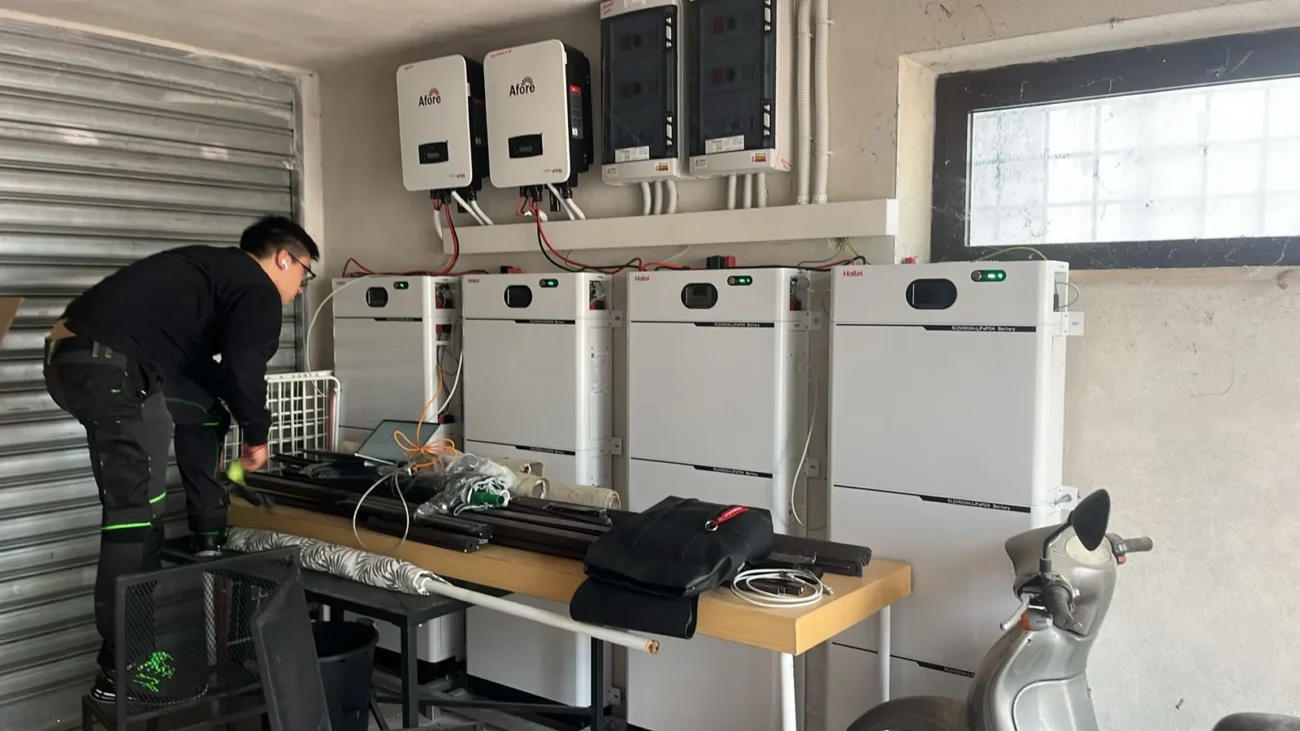
When procuring UL 1741 SB certified inverters, verifying model, firmware and supplier reliability is critical, ensuring alignment with IEEE 1547.1 2020 standards and grid support requirements.
The most important procurement discipline is exact matching. Similar does not mean compliant. A 50 kW inverter model may have several variants for different voltage classes, grid codes, communication options, or regional markets. Only some may be UL 1741 SB certified.
Firmware also matters because many grid-support functions are software-defined. If the certification file references a firmware range or minimum version, the supplied inverter should match that requirement. Commissioning teams should verify the installed firmware before energization and record it in the commissioning report.
Approved configurations may include specific grid profiles, external meters, rapid shutdown equipment, communication gateways, or power control systems. Procurement teams should not treat these accessories as optional if they are part of the approved system configuration.
Commercial PV assets depend on inverter availability not only at installation, but throughout the operating life of the system. A supplier’s production capacity, regional inventory, lead times, spare parts availability, and continuity of certified models can affect both project delivery and long-term O&M.
For resellers, carrying certified inverter product lines requires more than warehouse stock. It requires current documentation, trained technical support, and clarity on which models are appropriate for which project types. For EPCs managing portfolios, continuity is especially important. Standardizing on a certified platform can simplify engineering, technician training, spare parts, and monitoring integration, but only if the supplier can support that platform over time.
Warranty duration is important, but service execution is often more important. Commercial owners should evaluate labor coverage, replacement timing, advance exchange options, RMA procedures, field support availability, and commissioning assistance. Inverter downtime can reduce bill savings, PPA revenue, REC generation, or production-based incentives.
Technical support quality also affects interconnection success. When a utility asks for clarification on certification, firmware, or grid settings, the EPC needs a responsive supplier that can provide authoritative documentation quickly. Delayed support can delay permission to operate even if the inverter itself is technically compliant.
Proper installation and commissioning of UL 1741 SB certified inverters ensure compliance with IEEE 1547.1 2020 standards and reliable solar inverter grid support for smooth PTO approval.
Installation quality determines whether certified equipment performs as approved. Before commissioning a UL 1741 SB inverter, installers should verify the equipment label, model number, firmware version, grid code profile, AC and DC wiring, torque values, grounding, rapid shutdown coordination, monitoring connection, and utility-required settings.
A concise commissioning checklist is helpful:
| Checkpoint | Why it matters | Commercial PV design implication |
|---|---|---|
| Model and firmware verification | Confirms equipment matches certification and submittals | May affect power factor strategy and apparent power loading |
| Grid profile selection | Ensures utility-required smart inverter behavior | Can influence energy yield and curtailment assumptions |
| AC/DC wiring and torque checks | Reduces safety and reliability risks | Important for high-DER grids and utility compliance |
| Grounding and protection coordination | Supports code compliance and fault response | Reduces nuisance trips but requires correct grid profile settings |
| Monitoring and communication test | Enables asset management and utility visibility | Must coordinate with protection and backup-power design |
| Final settings report | Creates evidence for AHJ, utility, owner, and O&M team |
Commissioning records should be retained with project closeout documents. These records are useful for warranty claims, future firmware updates, utility audits, and O&M troubleshooting.
Many commercial inverters allow installers to select a grid profile during commissioning. In some cases, the profile corresponds to a utility or regional requirement. In other cases, specific parameters must be entered manually. The final settings should match the approved interconnection application.
Unauthorized setting changes can create compliance risk. For that reason, many projects require password protection, parameter lockout, or documented access control. O&M teams should know who is authorized to change inverter settings and under what process. A well-controlled settings process reduces the risk that a technician unintentionally changes ride-through, power factor, export limit, or frequency response behavior.
UL 1741 SB certification does not eliminate the need for complete balance-of-system coordination. Disconnects, breakers, fuses, relays, rapid shutdown equipment, arc-fault detection, ground-fault protection, labeling, and metering must all be integrated correctly.
Commercial projects are particularly sensitive to coordination errors because equipment is often distributed across rooftops, electrical rooms, switchboards, and transformer pads. A mismatch between drawings and field installation can lead to failed inspection. Incorrect CT orientation can cause export control or monitoring errors. Inconsistent labeling can delay AHJ approval. Protection settings that do not coordinate with inverter behavior can cause nuisance trips.
Many PTO delays are avoidable. Common issues include mismatched inverter model numbers, outdated firmware, incorrect grid profile selection, incomplete monitoring setup, missing labels, undocumented settings, failed communication tests, and single-line diagrams that do not match installed equipment.
An anonymized example is a commercial warehouse PV system where the inverter family was approved during design, but a different AC voltage variant was delivered due to inventory constraints. The installation was completed before the discrepancy was identified. The utility required updated documentation and engineering review, delaying PTO. The equipment was not defective; the process failed because procurement substitution was not tied to compliance verification.
UL 1741 SB certified inverters play a key role in PV-plus-storage and microgrids, aligning with IEEE 1547.1 2020 standards and supporting residential storage UL certification needs.
PV-plus-storage systems add complexity because the equipment may support bidirectional power flow, battery charging, export control, backup operation, and energy management functions. UL 1741 SB certification should be reviewed alongside battery system listings, power conversion system functionality, battery management controls, and utility interconnection requirements.
A hybrid inverter may be certified for certain grid-interactive functions, but that does not automatically mean every storage operating mode is approved. Charging from PV, charging from the grid, exporting stored energy, and islanding for backup power may each require specific utility review. EPCs should define intended operating modes early and confirm that the inverter, battery, controls, and metering architecture support those modes.
Commercial sites often require limited-export or zero-export operation because the utility interconnection capacity is constrained. Others use storage for demand-charge management, peak shaving, or backup of critical loads. These use cases require accurate measurement, fast control response, and reliable communication between inverters, meters, controllers, and building loads.
Export control should be treated as a system function, not only an inverter feature. CT placement, meter accuracy, controller response time, fail-safe behavior, and utility approval all matter. If the export control system fails or reads power flow incorrectly, the site may violate interconnection limits or curtail unnecessarily.
For portfolio owners, standardized inverter platforms can reduce engineering effort and operating complexity. Using a consistent certified inverter family across multiple sites can simplify design templates, spare parts, technician training, monitoring dashboards, and compliance documentation.
However, standardization should not become inflexible. Different facilities may have different service voltages, roof layouts, load profiles, utility rules, and future storage requirements. The best strategy is usually to standardize around a qualified platform family while preserving enough design flexibility to meet site-specific interconnection and electrical requirements.
UL 1741 SB certification alone does not guarantee microgrid or backup capability. A grid-interactive inverter may support required utility functions while still being unsuitable for intentional islanding. Backup power requires additional design elements such as transfer equipment, grid-forming capability, battery sizing, critical load panels, protection coordination, and controls integration.
For commercial facilities considering resilience, the design team should distinguish between “storage-ready,” “backup-capable,” and “microgrid-ready.” These terms are often used loosely. The actual capability depends on equipment ratings, control architecture, operating modes, utility approval, and code-compliant transfer design.
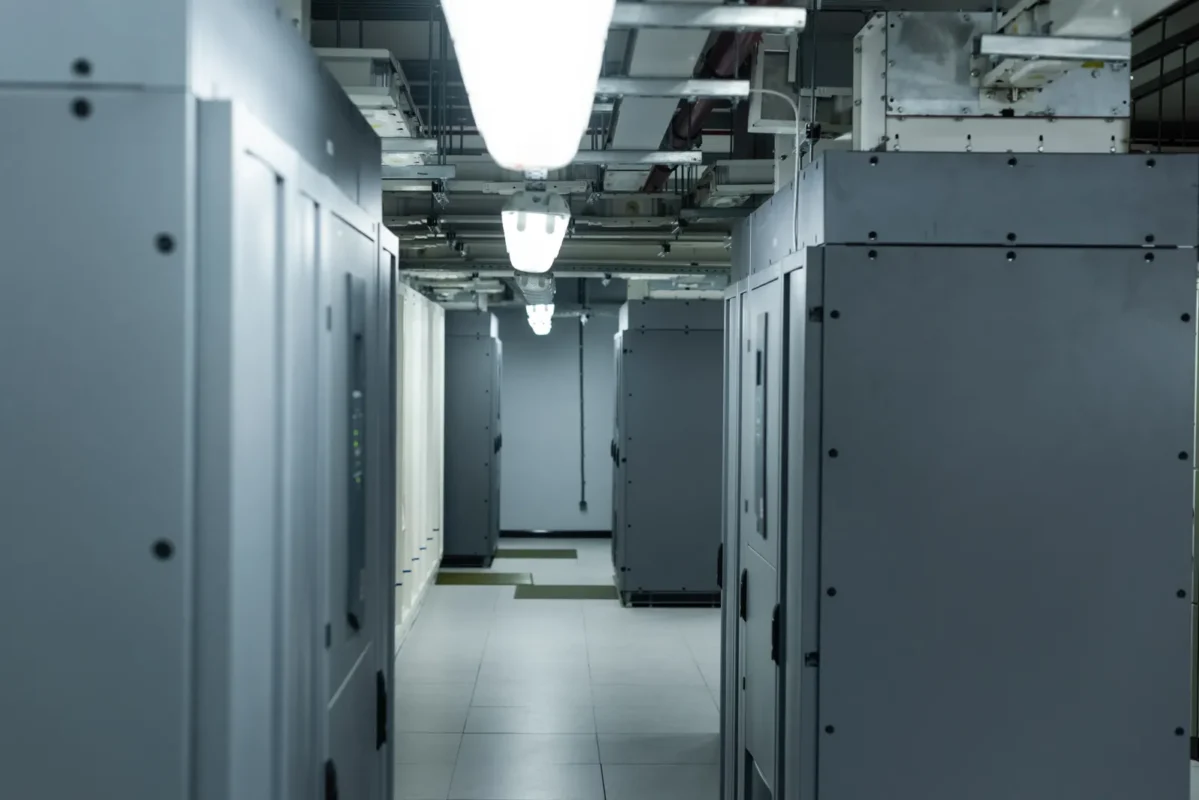
Effective O&M of UL 1741 SB certified inverters, including monitoring and firmware management, ensures long-term compliance with IEEE 1547.1 2020 standards and stable solar grid support.
Commercial owners need visibility into inverter uptime, energy production, alarms, clipping, curtailment, and grid events. Inverter-level monitoring helps technicians identify faults quickly, while portfolio-level monitoring helps asset managers compare sites and prioritize maintenance.
Monitoring should distinguish between production loss caused by inverter faults, grid outages, communication failures, thermal derating, curtailment commands, and normal clipping. Without this visibility, owners may misinterpret performance shortfalls or miss recurring grid-related trip events.
Firmware updates can improve functionality, cybersecurity, communication stability, or grid-support behavior. However, they can also affect certified functions, grid profiles, or utility-approved settings. O&M teams should treat firmware updates as controlled maintenance events rather than routine software housekeeping.
Before updating firmware, the operator should review manufacturer guidance, warranty implications, certification notes, and utility requirements. After the update, settings should be verified and documented. For larger portfolios, a staged update process reduces the risk of introducing the same issue across many sites simultaneously.
Common inverter-related operational issues include fan failure, thermal derating, communication loss, DC insulation faults, surge damage, ground-fault alarms, and nuisance trips caused by grid disturbances. Not all of these indicate inverter defect. Some are caused by site conditions, wiring issues, or utility events.
A spare parts strategy should reflect project value and service logistics. For a high-revenue commercial site, keeping spare inverter units or critical components regionally available may be justified. For smaller sites, a service agreement with defined response times may be sufficient. The economic question is how much production loss the owner can tolerate during replacement.
Initial inverter efficiency is important, but lifecycle value depends on weighted efficiency, availability, thermal performance, service response, monitoring quality, warranty execution, and compatibility with future requirements. A slightly higher upfront cost may be justified if the inverter reduces commissioning risk, avoids interconnection delays, and improves long-term uptime.
Commercial decision-makers should evaluate inverter selection as a lifecycle financial decision. The lowest equipment price does not always produce the lowest levelized cost of energy.
Choosing UL 1741 SB certified inverters balances CAPEX and OPEX, follows IEEE 1547.1 2020 rules, and boosts long-term ROI for commercial PV lifecycle value.
UL 1741 SB certified inverters may carry different upfront costs depending on power rating, topology, communication features, environmental rating, and certification scope. However, inverter price should be evaluated alongside balance-of-system requirements, installation labor, transformer needs, monitoring hardware, documentation readiness, and commissioning complexity.
A lower-cost inverter may become more expensive if it requires additional equipment, creates utility review uncertainty, or lacks local technical support. Conversely, a premium inverter may reduce total project risk when it simplifies documentation, supports required grid profiles, and offers strong commissioning tools.
For commercial PV assets, inverter downtime directly affects financial performance. Lost production can reduce electricity bill savings, PPA revenue, renewable credit generation, and incentive payments. Remote diagnostics, reliable communications, spare parts availability, and responsive warranty service all reduce OPEX risk.
The cost of a service truck roll can be significant, especially for distributed portfolios. Inverters that support remote troubleshooting and clear fault reporting can reduce unnecessary site visits. This is particularly valuable for rooftop systems where access coordination may involve tenants, facility managers, and safety procedures.
Inverter choice influences return on investment through efficiency, uptime, clipping strategy, curtailment behavior, service cost, and replacement timing. A design that maximizes DC capacity without considering inverter thermal behavior may underperform. A design that minimizes upfront inverter cost but increases downtime may extend payback. A design that ignores future storage compatibility may require costly retrofits.
EPCs should model inverter selection using lifecycle assumptions, not only first cost. Relevant inputs include expected annual production, clipping loss, inverter availability, warranty term, replacement cost, service response time, and utility curtailment expectations.
Higher-cost UL 1741 SB certified inverters may be justified in several situations: strict utility interconnection requirements, large C&I rooftops, multi-site portfolios, constrained interconnection capacity, storage-ready projects, weak-grid locations, and projects with firm commercial operation deadlines.
The premium is not only for certification. It may reflect stronger documentation, better commissioning tools, broader grid profile support, improved communication options, and more reliable service infrastructure. For professional PV teams, these features can protect margin and reduce schedule risk.

UL 1741 SB is required for solar inverters to ensure they meet modern solar inverter grid support standards and interoperability requirements aligned with the IEEE 1547.1 2020 standard, as utilities and AHJs need predictable performance during grid disturbances to maintain stability, especially as DER penetration grows. It also helps meet regional requirements like California solar inverter requirements and ensures compatibility with rule 21 compliant inverters in applicable markets.
UL 1741 is the base standard covering safety and basic interconnection for inverters used with distributed energy resources, while UL 1741 SB is a supplement that adds more stringent testing aligned with the IEEE 1547.1 2020 standard and modern solar inverter grid support needs. Unlike the base UL 1741, UL 1741 SB includes interoperability conformance tests and validates advanced grid-support functions critical for meeting requirements like California solar inverter requirements.
Yes, California requires UL 1741 SB for many solar inverters, particularly for new DER interconnections with utilities like PG&E, SCE, and SDG&E, as part of California solar inverter requirements. This aligns with the state’s grid modernization goals and ensures inverters meet the IEEE 1547.1 2020 standard, complementing rule 21 compliant inverters to support reliable grid integration of solar systems.
To verify a solar inverter’s UL listing, you should check UL’s official certification database to confirm the exact model number, firmware version, and configuration are covered by the listing, especially for UL 1741 SB certified inverters. For EPCs and project decision-makers, it’s also critical to cross-check with the manufacturer’s certification documents to ensure alignment with the IEEE 1547.1 2020 standard and relevant regional requirements like California solar inverter requirements.
Hybrid inverters can be covered under UL 1741 SB if they undergo the required testing for modern solar inverter grid support and interconnection functions aligned with the IEEE 1547.1 2020 standard, though certification alone does not guarantee backup or islanding capability. For hybrid inverters used in residential storage setups, additional verification of residential storage UL certification alongside UL 1741 SB is recommended to ensure full compliance.
UL 1741 SB certified inverters should be treated as a project approval, grid compliance, and lifecycle risk-management decision, not just an equipment line item. For EPCs, installers, resellers, and commercial asset owners, the best approach is to verify certification early, match the exact model and firmware to utility requirements—including alignment with the IEEE 1547.1 2020 standard and California solar inverter requirements when applicable—design around real site conditions, document commissioning settings, and evaluate inverter value over the full operating life of the PV asset.








 Turkish
  Romanian