




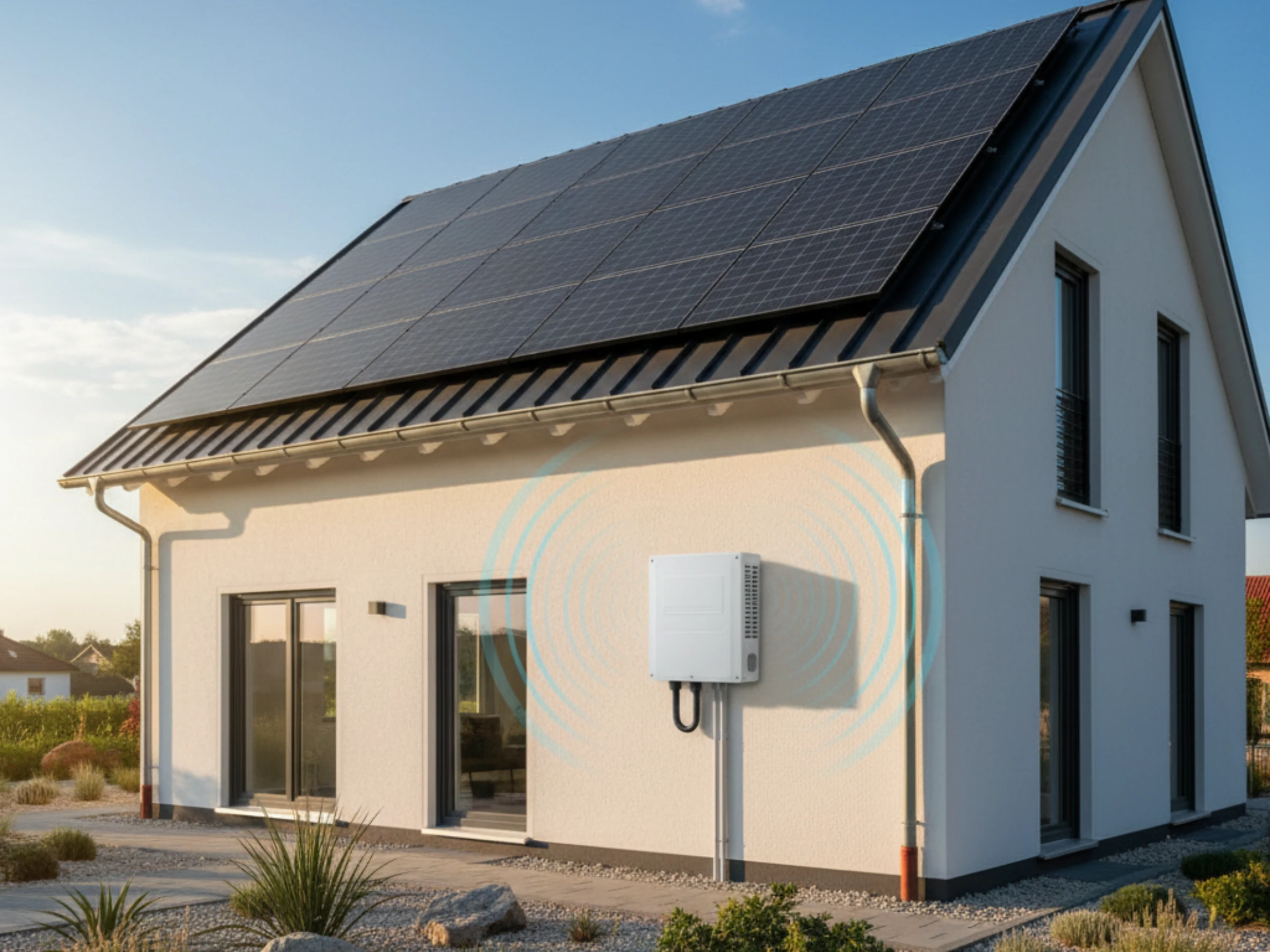
If you’ve ever installed a solar inverter in your home or workplace, you’ve probably noticed it making a sound. Some people shrug it off, while others find it downright annoying. This is commonly referred to as inverter noise. Today, we’ll dive deep into what causes it, why it matters, and how you can minimize it. Trust me, by the end of this article, you’ll feel much more confident understanding the buzzing, humming, or whirring coming from your inverter.
If you’ve ever been near a solar inverter, you might have noticed it making a sound—sometimes a low hum, other times a buzzing or clicking noise. That sound isn’t just background static; it’s what we call inverter noise. But what exactly does that mean, and should you be concerned? Let’s break it down in simple terms.
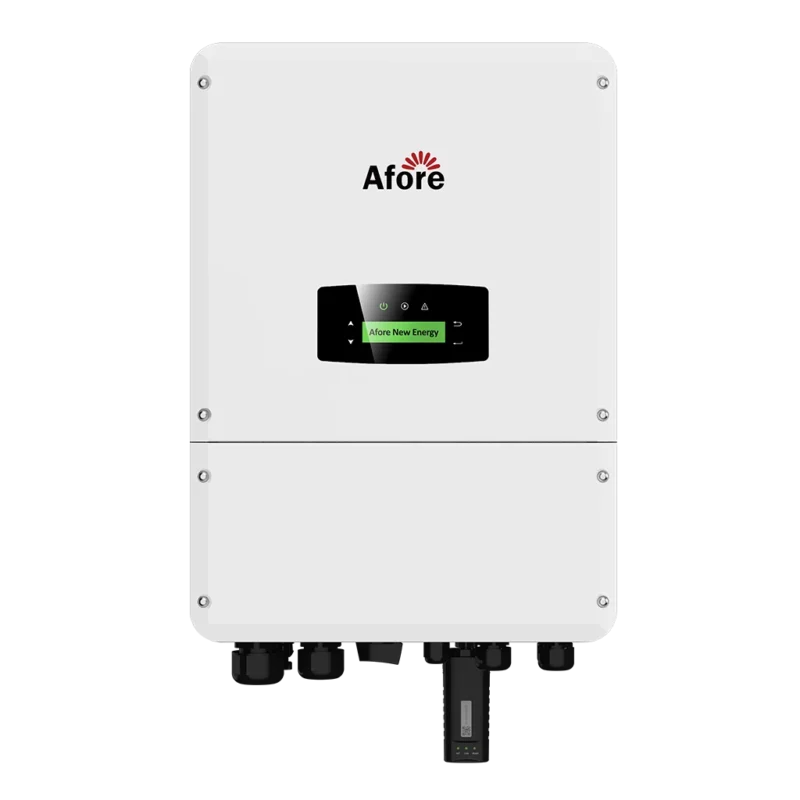
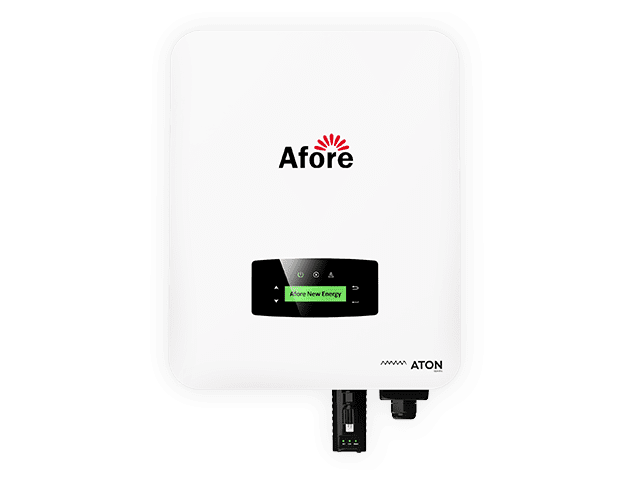
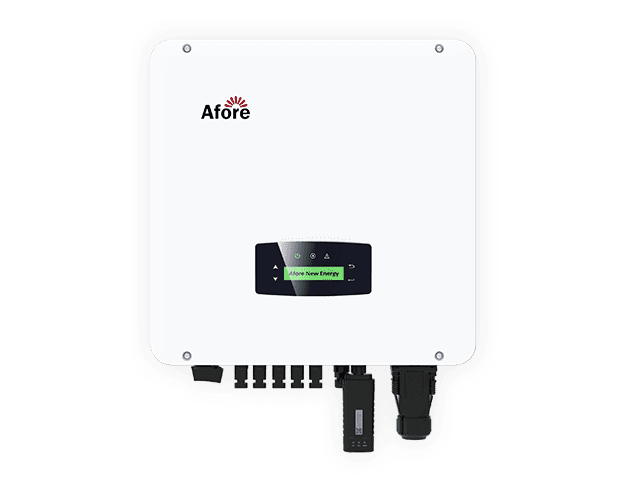
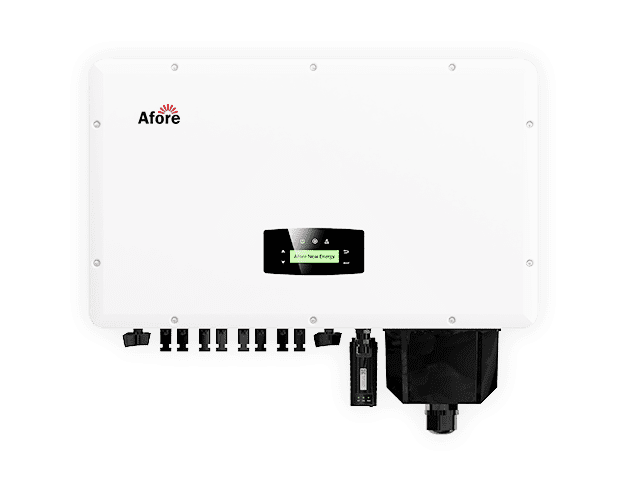
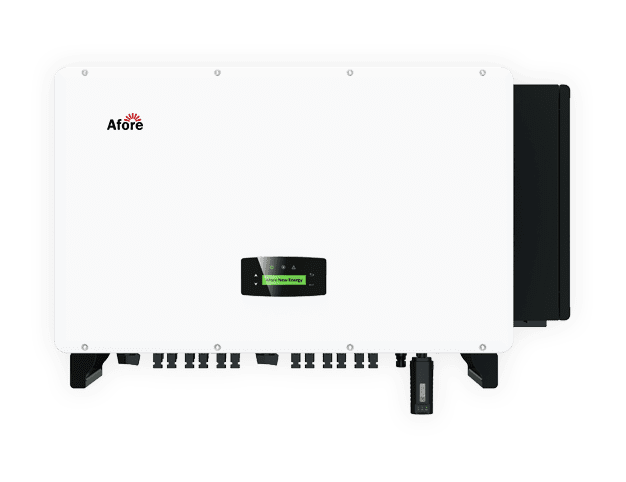
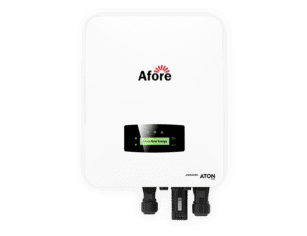
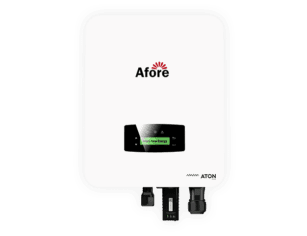
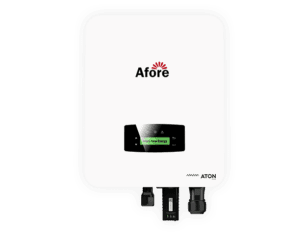
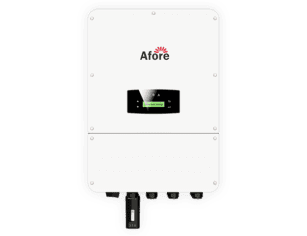
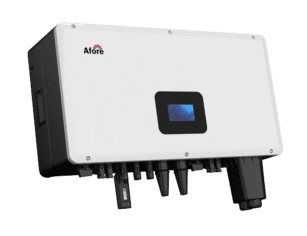
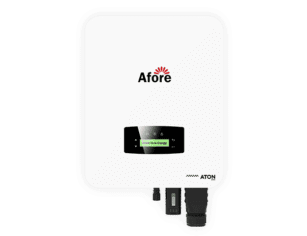
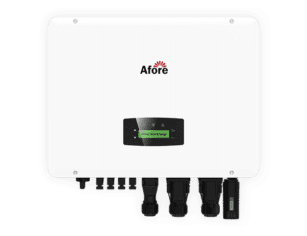
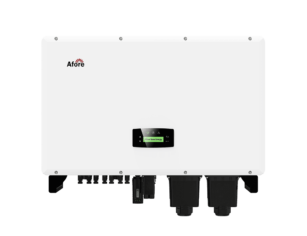
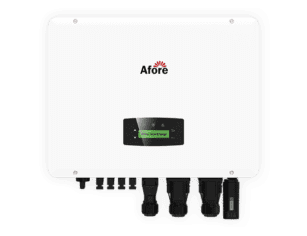
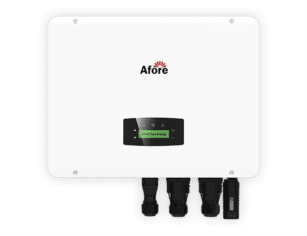
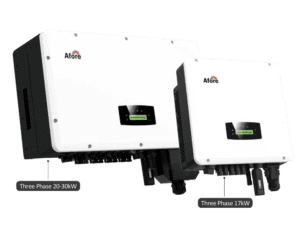
A solar inverter is a critical component in any solar power system. Its job is to convert the direct current (DC) electricity produced by your solar panels into alternating current (AC) electricity that your home can actually use. For businesses looking to source high-quality solar inverters, Afore offers professional solar inverter. This process involves several electronic components, including transformers, capacitors, and circuits, all working together to ensure smooth energy flow.
Here’s the thing: while the inverter is doing its job efficiently, it’s not completely silent. As electricity flows through these components, vibrations and electromagnetic activity generate audible sound—that’s the inverter noise you hear. So, when your inverter hums or buzzes, it’s essentially just “speaking” the language of electricity.
Inverter noise can vary in pitch, tone, and intensity, depending on several factors:
One important thing to note is that not all inverter noise is a sign of trouble. In fact, a gentle hum or low-level buzzing is often completely normal. The key is recognizing what’s typical for your system versus what’s unusual.
Understanding inverter noise isn’t just about comfort—it’s also about safety and efficiency. Regular, expected noises indicate your solar inverter is functioning correctly. On the other hand, sudden changes in volume, pitch, or frequency can signal mechanical wear, electrical issues, or improper installation. By learning the typical sounds of your inverter, you gain an early warning system to catch potential problems before they become costly.
In short, inverter noise is the natural soundtrack of your solar power system. While it can be annoying to some, it’s mostly a normal part of how these devices work—and a helpful indicator that your solar inverter is performing its essential job.
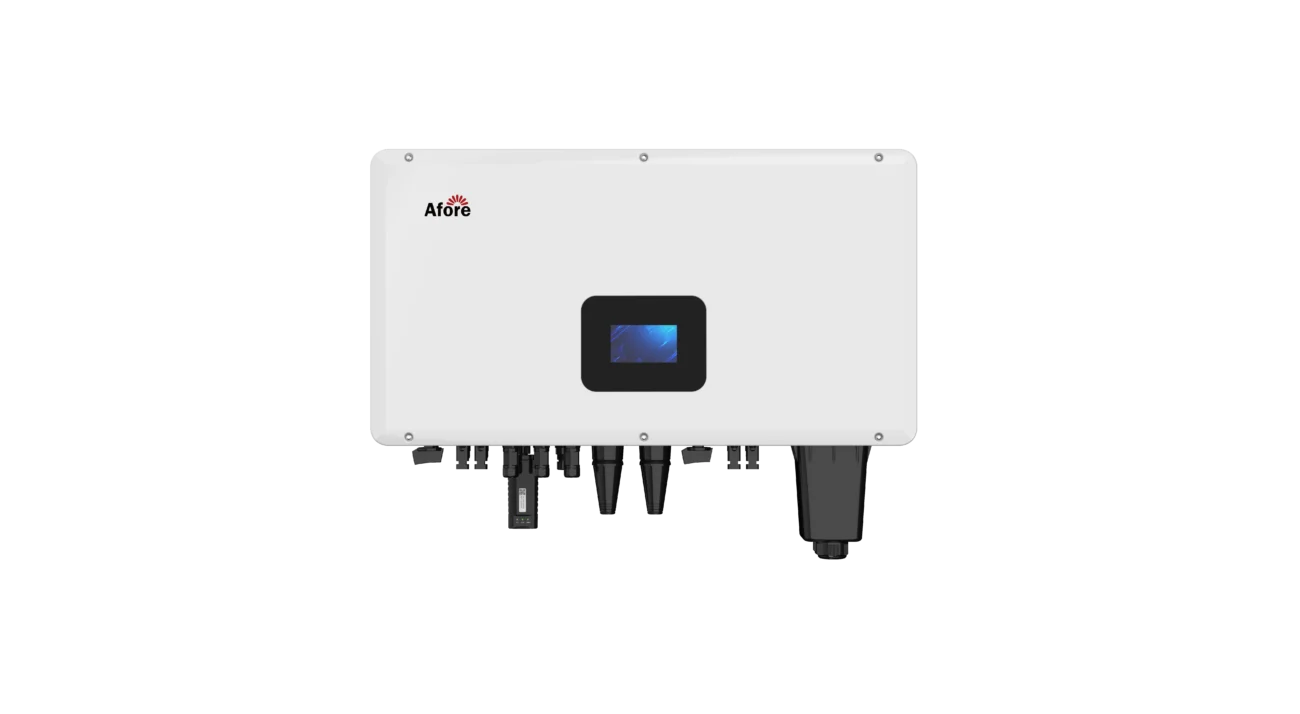
Ever wondered why your solar inverter makes that constant hum or occasional buzzing? Understanding the causes of inverter noise can help you distinguish between normal sounds and potential issues. Let’s dive into the main reasons your inverter might be talking back to you in its own “electrical language.”
One of the most common sources of inverter noise comes from the internal electrical components. Inside a solar inverter, electricity flows through transformers, coils, and capacitors. As current passes through these parts, they can vibrate slightly, producing that familiar humming or buzzing sound.
Think of it like the strings of a guitar—they vibrate when energy passes through. Similarly, the electrical activity in your inverter generates sound naturally. This is generally harmless, but if the buzz suddenly becomes louder or erratic, it may indicate a loose connection or component wear that needs attention.
Fans are the unsung heroes of any solar inverter. Their job is to keep the internal temperature under control, preventing overheating and ensuring efficiency. However, fans themselves can generate inverter noise.
Keeping your inverter’s cooling system clean and well-maintained can significantly reduce noise, improve lifespan, and maintain energy efficiency.
Another major factor contributing to inverter noise is electrical load. The inverter adjusts its operation depending on how much energy is being drawn by your home.
In other words, the volume and character of inverter noise often reflect the stress your system is under. Being aware of this helps you understand when the sound is normal and when it might signal a problem.
Finally, the way your solar inverter is installed can affect noise levels. Inverters mounted on walls or floors without vibration isolation can transfer mechanical vibrations into the surrounding structure, amplifying sound. Even nearby surfaces, such as metal enclosures or concrete walls, can act like amplifiers, making normal operational noise seem louder.
Environmental factors—like extreme temperatures or humidity—can also affect components, sometimes increasing inverter noise. Proper placement, ventilation, and mounting are key to keeping the sound manageable.

Dealing with inverter noise doesn’t have to be a headache. While some level of humming or buzzing is normal, there are several practical ways to minimize it. The goal isn’t just comfort—it’s also maintaining your solar inverter’s efficiency and prolonging its lifespan. Let’s go through the most effective strategies.
Where you install your solar inverter can make a huge difference in how much noise you hear. Ideally, place it in a garage, basement, or outdoor enclosure away from bedrooms or living areas. Hard surfaces like concrete or metal walls can amplify sound, so consider vibration-damping mounts or pads.
Even a small change in location can drastically reduce perceived inverter noise. For example, mounting the inverter on a solid wall instead of directly on a wooden panel can prevent vibrations from transferring into your living space.
Maintenance is key to keeping inverter noise under control. Fans and vents accumulate dust over time, which can increase buzzing or clicking sounds.
A little preventive care goes a long way in keeping your inverter quieter and more reliable. Think of it as giving your system a mini check-up—your ears (and your wallet) will thank you.
Sometimes, reducing inverter noise requires small upgrades. This doesn’t necessarily mean replacing the entire system.
Even minor tweaks can make a noticeable difference, turning a constant hum into a barely noticeable background sound.
Another effective way to manage inverter noise is by being aware of your home’s electrical load. The inverter works harder when multiple appliances run at once, which can increase buzzing or humming.
By managing your load, you not only reduce noise but also improve overall system efficiency.
Minimizing inverter noise isn’t just about comfort—it’s about creating a system that runs efficiently, quietly, and safely. With proper care, most noise can be managed without any major expense, making your solar inverter a silent partner in your energy independence.
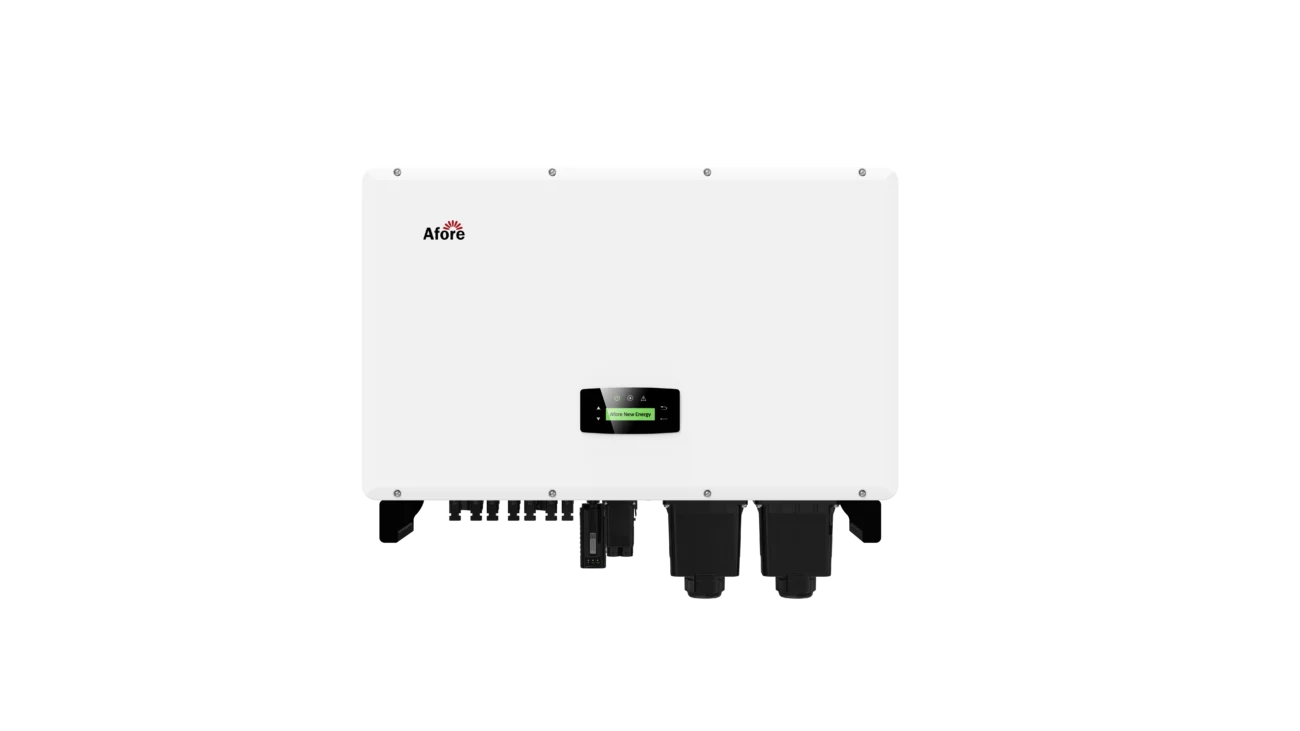
If you’ve been listening closely to your solar inverter, you might have noticed that not all inverter noise sounds the same. Different sounds often have different causes—and knowing which is which can help you address the problem quickly and effectively. Let’s break down the main types of inverter noise and practical ways to deal with them.
Low-frequency humming is one of the most common sounds produced by a solar inverter. This usually comes from transformers or coils inside the device vibrating as electricity flows through them.
Why it happens: Electrical currents create magnetic fields that naturally cause components to vibrate at certain frequencies.
Solutions:
A low-frequency hum is generally harmless, but addressing it can make your home environment much more comfortable.
High-frequency buzzing often comes from the inverter’s switching electronics or capacitors. While it’s usually a normal part of operation, it can become louder if connections are loose or components are aging.
Why it happens: Rapid switching in electronic circuits creates vibrations and electromagnetic interference that manifest as buzzing.
Solutions:
Reducing high-frequency buzzing not only improves comfort but can also prevent minor electrical inefficiencies.
Fans are essential for cooling your solar inverter, but they are also a frequent source of noise. Common sounds include whirring, clicking, or intermittent chirping.
Why it happens:
Solutions:
With regular attention, fan-related inverter noise can be reduced significantly, keeping your system quiet and efficient.
Sometimes, you may notice sudden clicking or chirping sounds. These are often caused by relays switching, fans turning on and off, or protective mechanisms activating.
Why it happens: These are usually normal operational sounds, but repeated or unusually loud clicks may indicate component wear or voltage fluctuations.
Solutions:
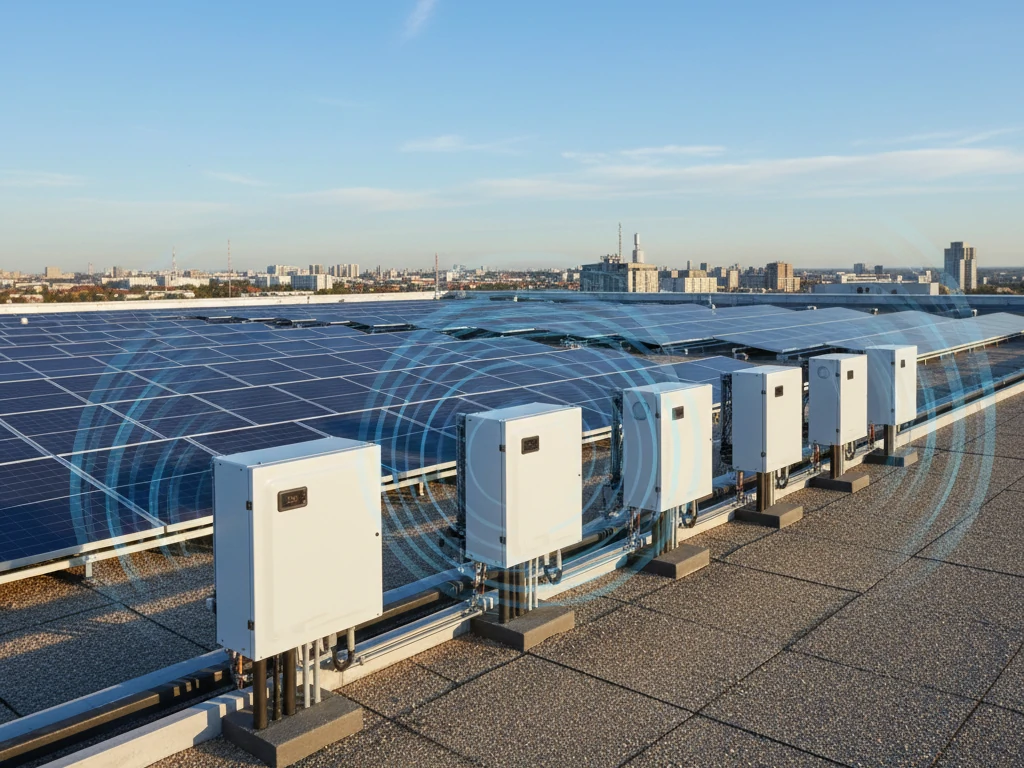
Most of the time, inverter noise is completely normal—a soft hum, occasional buzz, or fan whirring doesn’t usually indicate a serious problem. But there are moments when it’s important to stop guessing and get a qualified professional involved. Knowing when to call someone can save you from costly repairs and keep your solar inverter running safely and efficiently.
If your inverter noise suddenly changes in tone, volume, or frequency, it may signal a problem. Examples include:
These persistent or unusual noises can indicate loose connections, worn components, or internal electrical issues. A professional can inspect your inverter safely and pinpoint the cause before it turns into a bigger problem.
An overheating inverter often produces louder-than-normal humming or fan noise. If you notice that your solar inverter is unusually hot to the touch while also being noisy, it’s a clear sign that something isn’t right.
A professional can check:
Ignoring these warning signs can lead to reduced efficiency, shortened lifespan, or even potential safety hazards.
Some solar inverters have monitoring systems that display error codes or warnings. If these occur alongside abnormal inverter noise, it’s a strong signal to call an expert. Attempting to fix electrical issues without proper knowledge can be dangerous.
A qualified technician can:
If you’ve already cleaned the fans, tightened connections, and ensured proper installation, yet the noise continues, it’s time to bring in a professional. Continuous inverter noise despite preventive measures can indicate subtle internal problems that require specialized tools and expertise.
Living with a solar inverter means dealing with some level of inverter noise, but it doesn’t have to be disruptive. With proper installation, maintenance, and occasional upgrades, most noise can be managed effectively. Next time you hear that buzz, you’ll know exactly what it is, why it’s happening, and how to handle it.
Remember: understanding your equipment is not just smart—it’s empowering. By tackling inverter noise proactively, you ensure your solar inverter works efficiently, quietly, and safely for years to come.
Yes. Most solar inverters produce a soft hum or low-level buzzing during normal operation. This is usually caused by internal components like transformers and fans vibrating as they work.
Typically, normal inverter noise does not damage your system. However, persistent or unusual sounds could indicate loose connections, worn components, or overheating, which may lead to damage if ignored.
Indirectly, yes. Excessive noise can sometimes indicate overheating or overworked components, which may reduce efficiency. Ensuring proper ventilation and maintenance can help your inverter operate quietly and efficiently.
A decibel meter can provide a quantitative measurement. Compare readings to expected operational levels for your inverter. This helps distinguish normal hum from potentially problematic noise.
Absolutely. Acoustic panels, soundproof enclosures, or vibration-damping mounts can significantly lower perceived noise without affecting inverter performance.
Yes, but it’s not just about the type—it’s also about installation quality, cooling systems, and electrical load. Higher-quality components and proper setup usually result in quieter operation.
Not necessarily. Noise depends on component size, cooling method, and load, rather than whether it’s residential or commercial. A well-maintained inverter will remain relatively quiet regardless of type.
Yes. Vibration mounts minimize mechanical vibrations transferring to walls or floors, which is often the main cause of amplified inverter noise in homes.
Definitely. Cleaning fans, checking connections, and inspecting components prevents dust buildup and wear, reducing inverter noise and improving overall system reliability.
Be concerned if you notice:
• Sudden changes in volume or tone
• Persistent buzzing or humming
• Overheating alongside noise
• Error codes or frequent clicking sounds
These signs may indicate electrical or mechanical issues that require professional attention.
Yes. Running multiple high-power appliances at the same time increases inverter workload, often leading to louder humming or buzzing. Managing your load can help reduce noise.
Yes. Temperature fluctuations, humidity, and nearby surfaces (like concrete or metal walls) can amplify sound or affect component vibrations, impacting the level of inverter noise.








 Turkish
  Romanian