




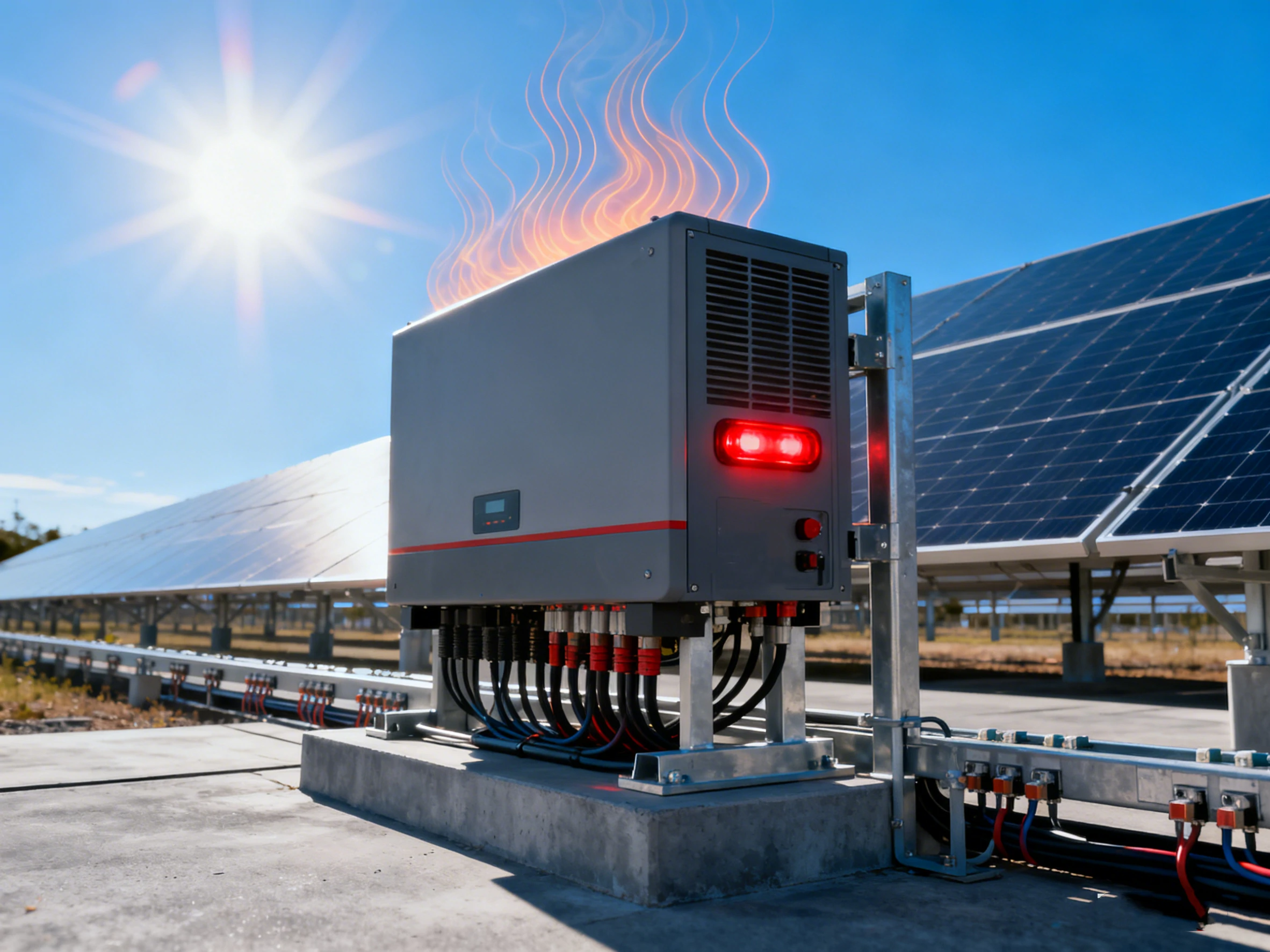
Inverter overheating is a problem that many solar energy users face, yet it’s often misunderstood. If you’ve ever noticed your solar inverter running hotter than usual or shutting down unexpectedly, you know how frustrating it can be. In this comprehensive guide, we’ll dive deep into why inverter overheating happens, what you can do to prevent it, and how to handle it safely.
Inverter overheating is more common than many homeowners or solar energy enthusiasts realize. Simply put, it happens when a solar inverter becomes too hot to operate safely and efficiently. Unlike minor glitches that can be ignored, overheating can lead to serious damage if not addressed promptly.
Think of a solar inverter as the heart of your solar energy system. Its job is to convert the DC electricity from your solar panels into usable AC electricity for your home. When it overheats, it’s like your heart being overworked—everything slows down or shuts off, and long-term damage becomes a real risk.
Every solar inverter is designed to function within a specific temperature range, usually indicated in the installation manual. When temperatures exceed that range, several problems can occur:
In short, uncontrolled heat isn’t just a nuisance—it’s a signal that your solar inverter is struggling to cope with electrical load or environmental conditions.
Recognizing inverter overheating early can save both money and stress. Here are some telltale signs to watch for:
Being aware of these signs allows you to act before the problem escalates. In my experience, homeowners often ignore minor temperature warnings, only to face costly replacements later.
Many people underestimate how critical it is to address inverter overheating. Beyond immediate malfunctions, repeated exposure to high temperatures can shorten the lifespan of your solar inverter and reduce the overall reliability of your solar system.
Moreover, understanding what overheating looks like equips you to prevent it. You’ll be able to make informed decisions, like choosing a better installation location, improving ventilation, or managing electrical load. It’s about keeping your system safe, efficient, and long-lasting.
Understanding the main causes of inverter overheating is crucial if you want to keep your solar inverter running smoothly. Overheating doesn’t happen randomly—it usually points to specific issues in installation, environment, or electrical load. Let’s break down the most common reasons.
One of the leading causes of inverter overheating is inadequate airflow. A solar inverter generates heat as it converts electricity, and if that heat can’t escape, the internal temperature rises quickly.
Many homeowners install inverters in tight closets, small basements, or behind obstacles that block airflow. Even a small obstruction can prevent heat from dissipating, causing components to overwork and potentially fail. In my experience, adding a few inches of clearance or relocating the inverter to a well-ventilated space often resolves the problem almost immediately.
The environment plays a huge role. If your solar inverter is installed in direct sunlight, near heaters, or in a poorly ventilated garage during summer months, it can overheat even under normal load.
High ambient temperatures reduce the inverter’s ability to cool itself. Even the best solar inverter has thermal limits, and exceeding them triggers automatic shutdowns or accelerates component wear. Heatwaves are particularly challenging because they combine maximum solar energy production with peak ambient temperatures.
You might think “more solar panels, more energy”—but that’s not always safe. When a solar array produces more electricity than the inverter can handle, the device must process excess current, generating extra heat. This mismatch is a common but often overlooked cause of inverter overheating.
For example, if your system produces 10 kW of electricity but your inverter is rated for only 7 kW, the extra 3 kW forces the inverter to work harder, raising internal temperatures. Over time, this consistent overload can shorten the inverter’s lifespan or trigger repeated shutdowns.
Electrical problems are another major factor. Loose wiring, corroded connections, or faulty components inside the solar inverter can create resistance, which generates heat. Even minor issues like a slightly loose terminal can gradually push temperatures up.
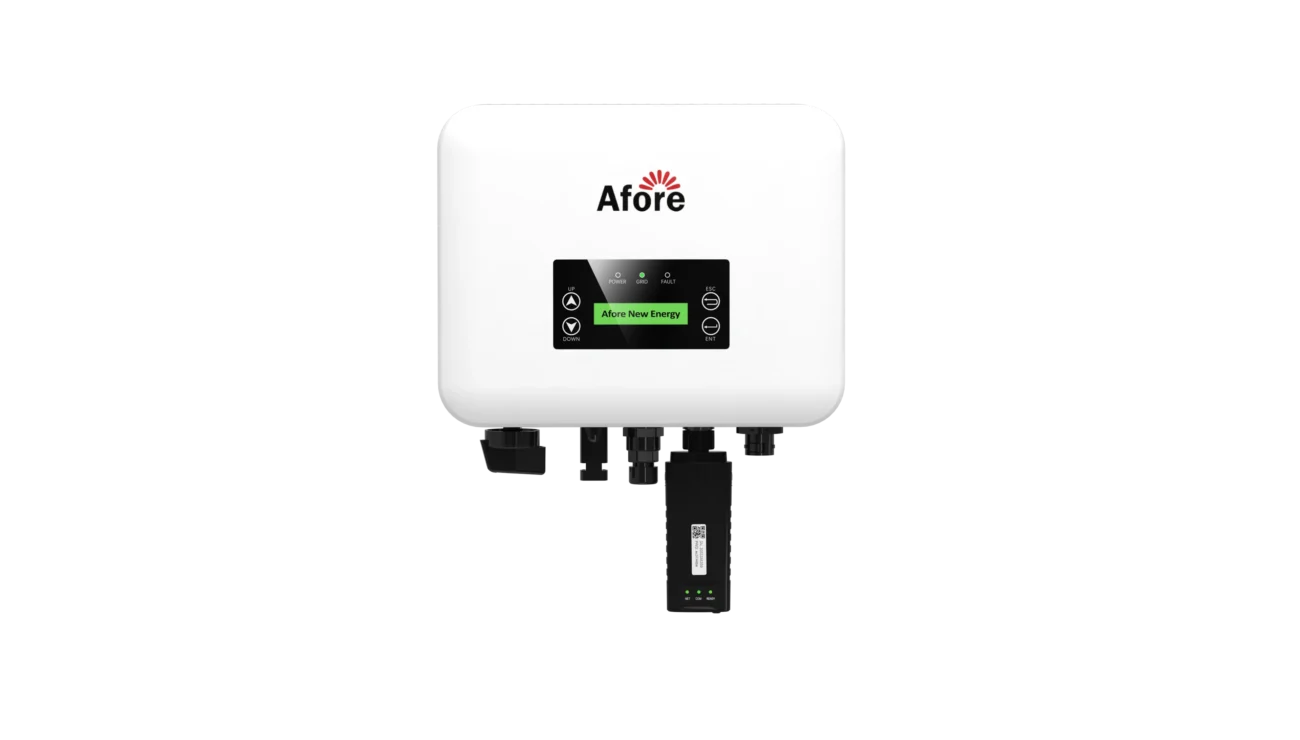
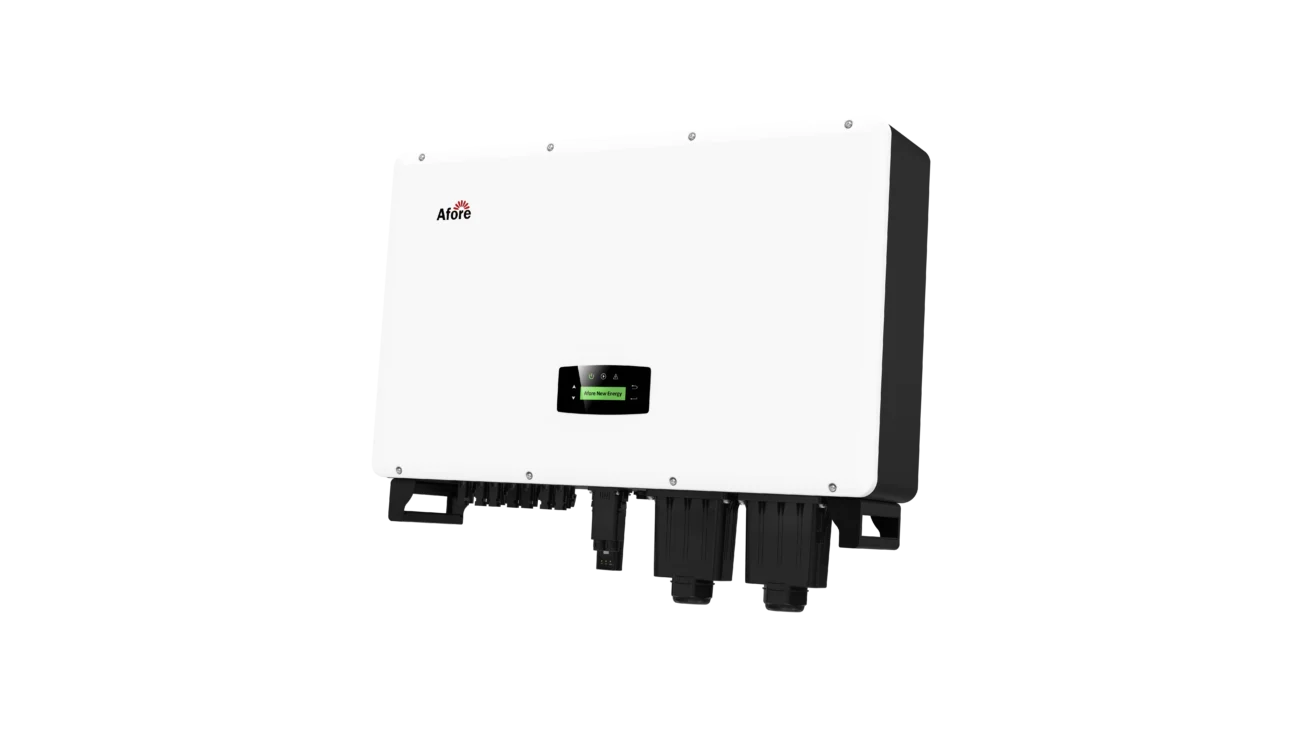
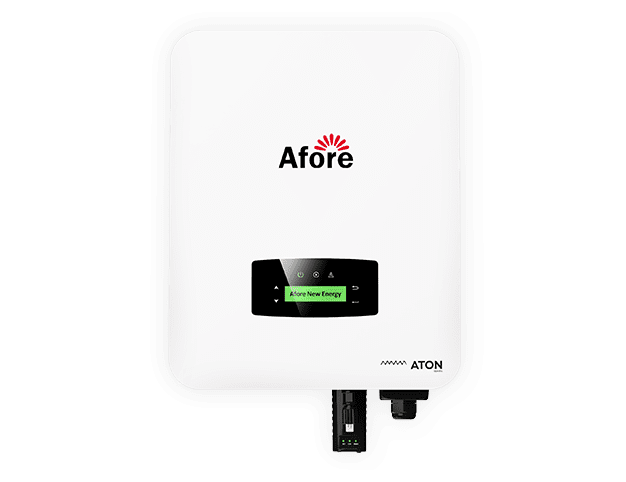
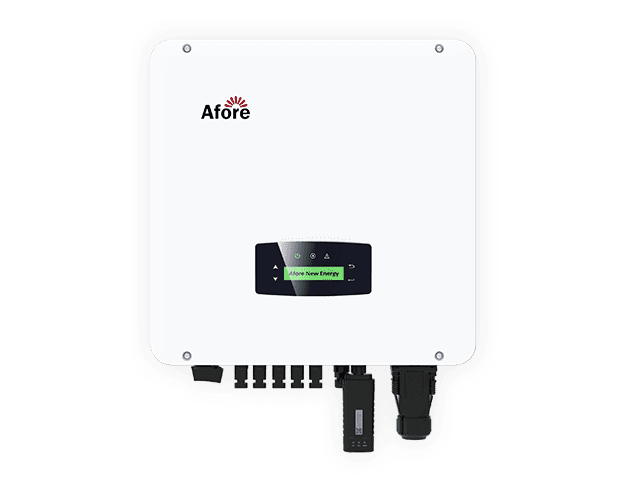
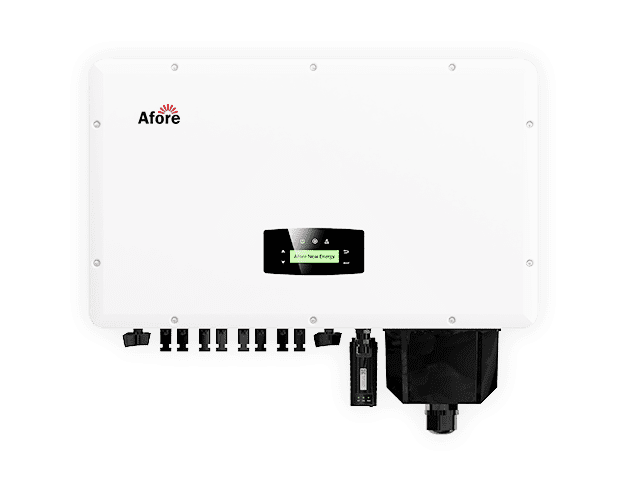
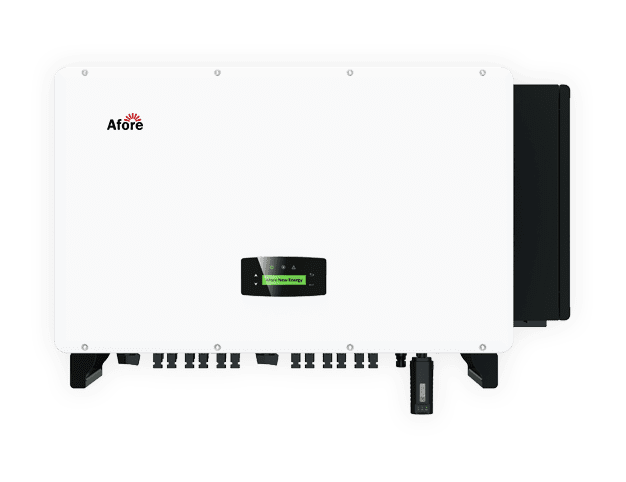
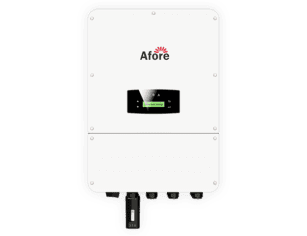
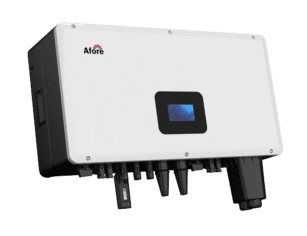
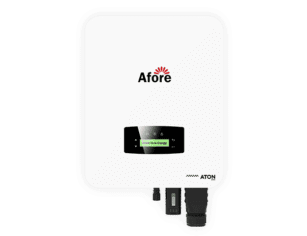
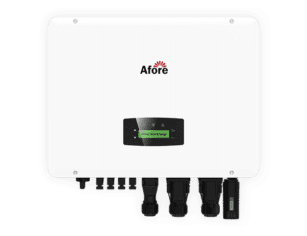
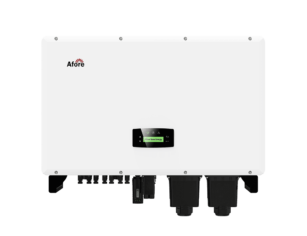
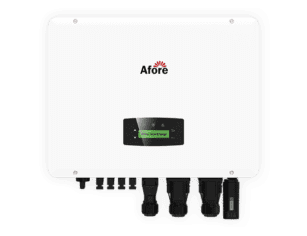
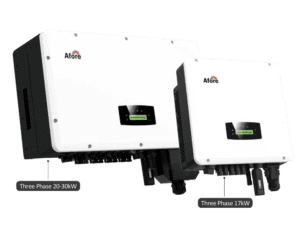
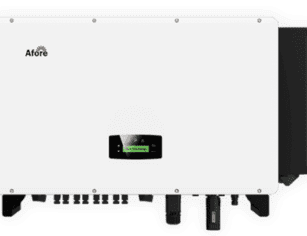
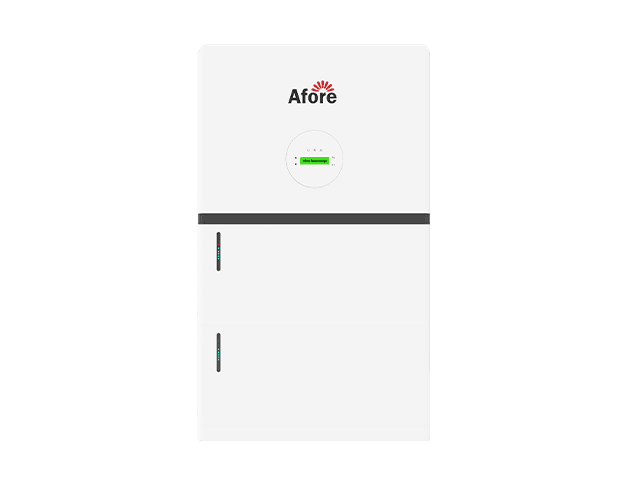
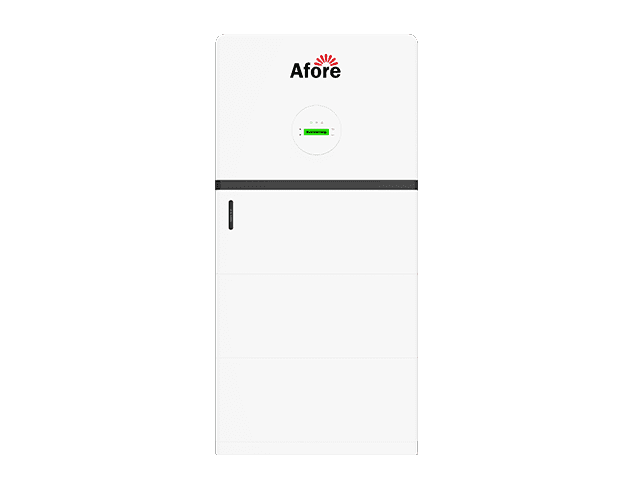
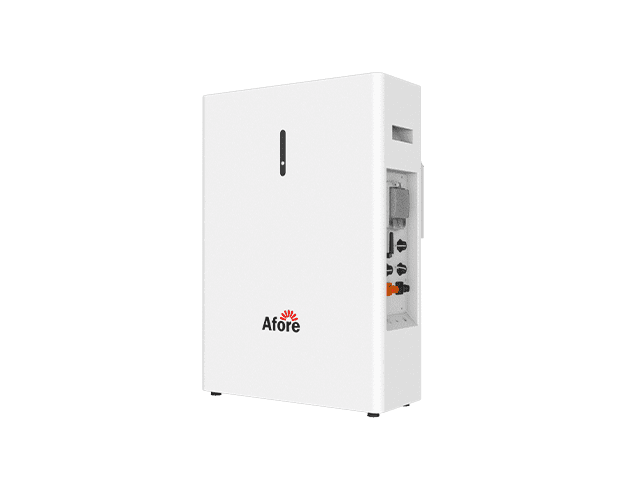
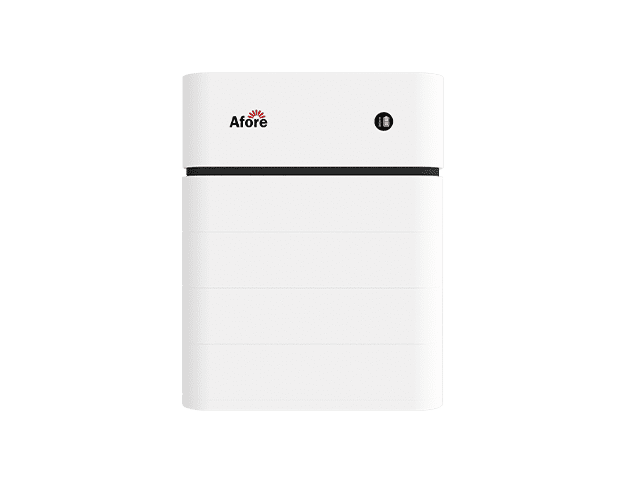
Internal component failure is also a hidden culprit. Capacitors, transformers, and semiconductors are all sensitive to heat. Once one part starts overheating, it can create a chain reaction, stressing other components and worsening the problem. Regular inspections and maintenance help catch these issues early. For those interested in professional-grade solutions, Afore offers a range of solar inverters designed for robust industrial and commercial applications.
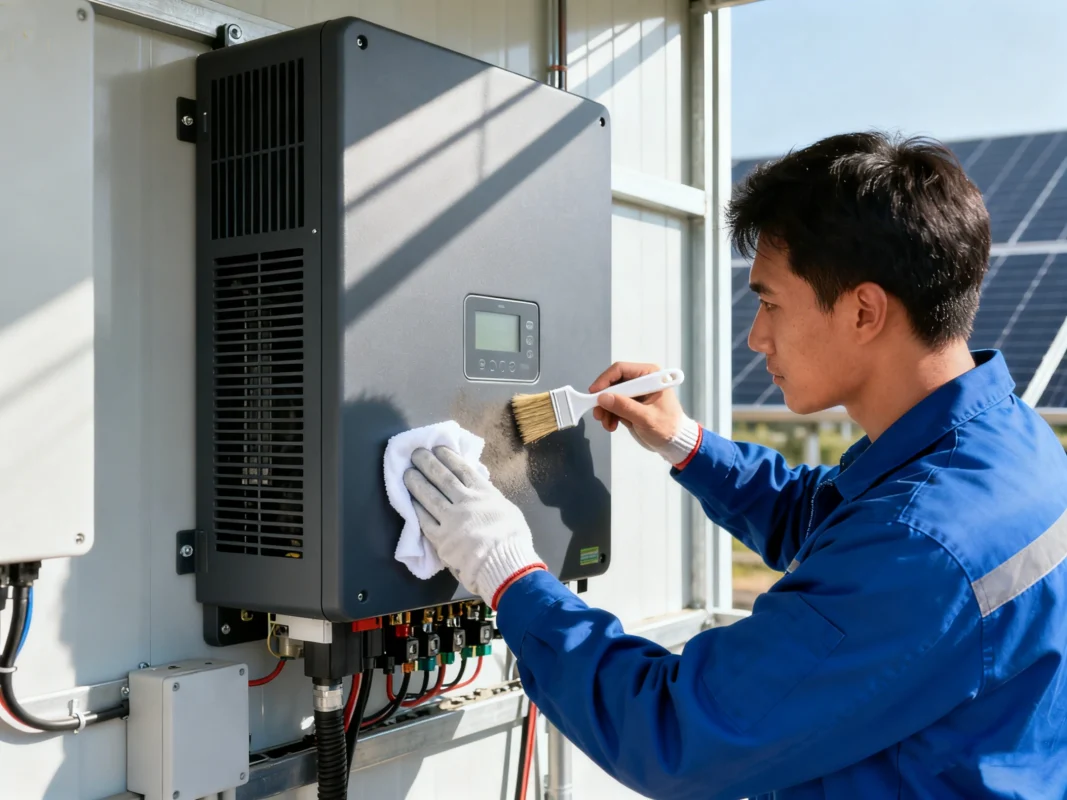
It may seem trivial, but dust accumulation and debris can significantly contribute to inverter overheating. Over time, dirt can block vents, coat heat sinks, and reduce cooling efficiency.
I’ve seen cases where a dusty inverter in an attic would overheat daily, and after a thorough cleaning, temperatures returned to normal. This shows how simple preventative measures can make a huge difference in maintaining optimal performance.
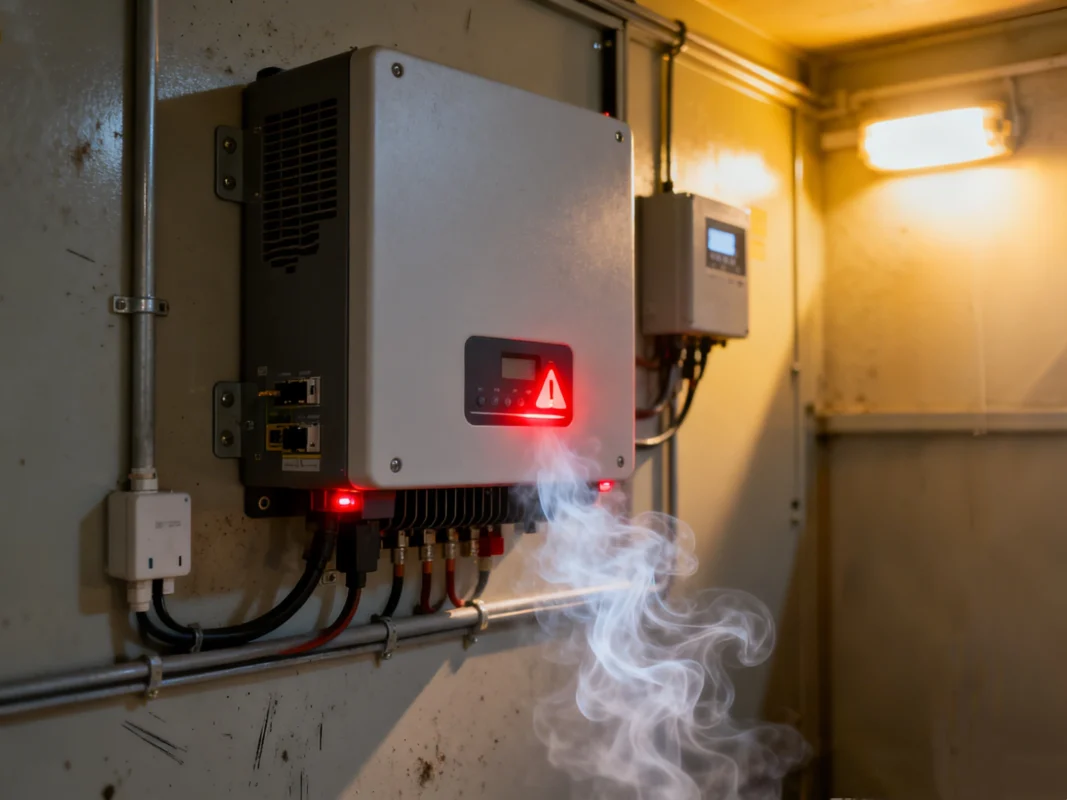
Preventing inverter overheating is always better than fixing it after the damage is done. A little proactive care can save you time, money, and frustration while keeping your solar inverter running efficiently for years. Here are practical strategies to protect your system.
Location is one of the easiest ways to prevent inverter overheating. Install your solar inverter in a cool, shaded area with plenty of airflow. Avoid tight closets, garages without ventilation, or spots exposed to direct sunlight.
Even moving the inverter a few feet to a shaded wall or adding a small vent can make a huge difference. Think of it like keeping a laptop out of the sun—allowing your equipment to “breathe” is key to long-term health.
Good airflow is critical. Make sure there’s at least a few inches of clearance around all sides of your solar inverter. Avoid stacking objects nearby or blocking vents, as trapped heat is the leading cause of inverter overheating.
In some cases, adding a small fan or vent system can help, especially in hot climates. Just ensure the air movement doesn’t bring in dust or moisture, which can create new problems.
Routine maintenance is more than a suggestion—it’s essential. Dust, debris, and insects can block vents or coat internal components, increasing the risk of inverter overheating.
I’ve often seen inverters in dusty attics run 10–15 degrees hotter than clean units. Simple monthly inspections and periodic cleaning can prevent this. Also, check electrical connections for looseness or corrosion, which can generate additional heat.
Many modern solar inverters have built-in temperature monitoring. Keeping an eye on these readings allows you to react quickly if heat levels rise unexpectedly.
Even if your inverter doesn’t have digital monitoring, you can perform occasional checks with an infrared thermometer. Catching a hotspot early is much better than dealing with component failure or a full shutdown.
Matching your solar array to your inverter’s capacity is crucial. Oversized arrays force the inverter to work harder, generating more heat and increasing the risk of inverter overheating.
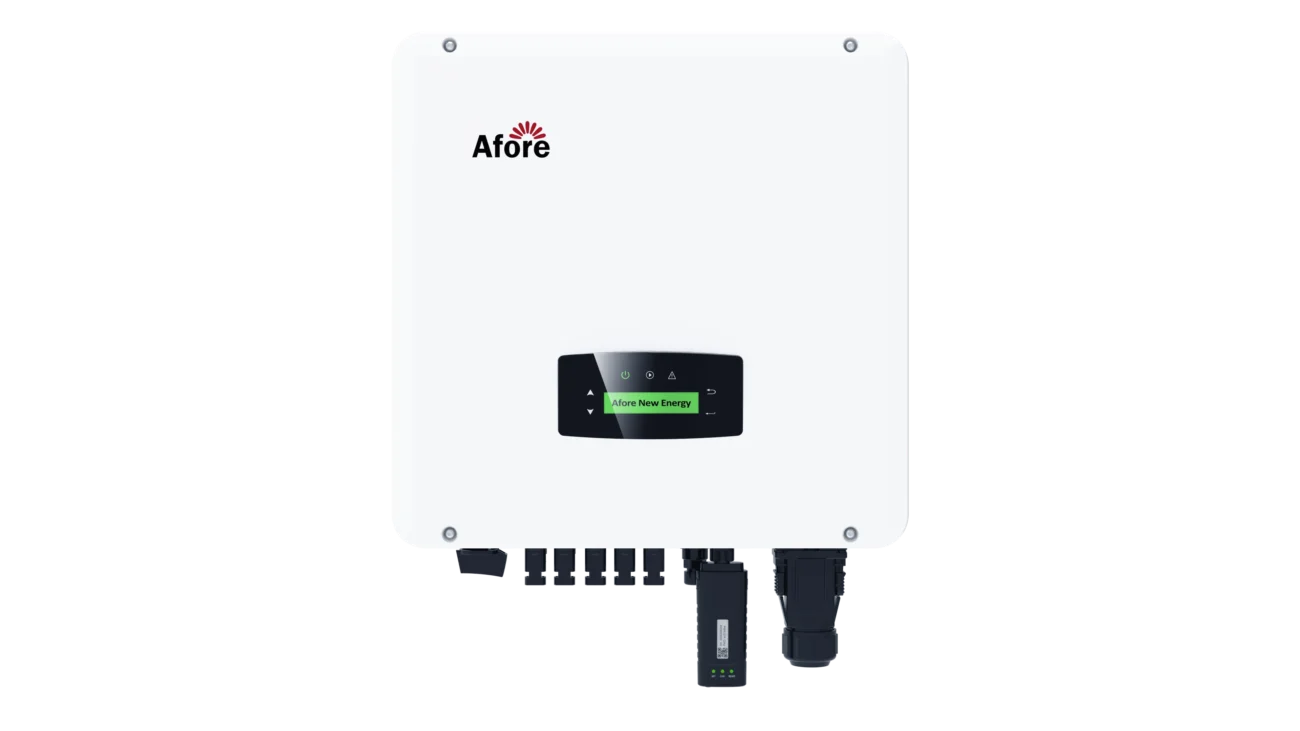
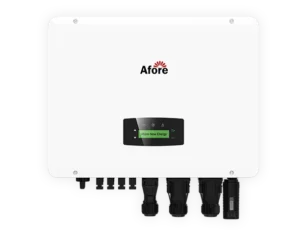
If you’re planning to expand your system, consult with an electrician or energy specialist to ensure your solar inverter can handle the additional load safely. Sometimes a small upgrade or auxiliary cooling solution is far more cost-effective than replacing the inverter entirely. For flexible options that combine solar input with battery storage and grid interaction, consider exploring hybrid solar inverters from Afore.
Even a properly sized solar inverter can overheat if overloaded. Spread high-energy consumption across different times of the day when your panels generate less electricity, and avoid running multiple heavy appliances simultaneously if possible.
Load management may seem minor, but it directly reduces internal stress on the inverter, keeping temperatures in check and preventing repeated inverter overheating episodes.
Even with the best precautions, inverter overheating can still occur. Knowing how to respond quickly and safely can prevent permanent damage to your solar inverter and reduce risks to your home. Handling an overheated inverter correctly is just as important as preventing the problem in the first place.
The first thing to do when you notice signs of inverter overheating—such as excessive heat, frequent shutdowns, or error alerts—is to act calmly and systematically:
Taking these steps immediately reduces the likelihood of permanent damage and gives your inverter a chance to recover.
Heat doesn’t disappear instantly. Give your solar inverter at least 30–60 minutes (depending on severity) to cool down to a safe operating temperature. Avoid turning it back on too soon, as repeated cycling under high heat can shorten the device’s lifespan.
During this cooling period, check that ambient conditions are favorable—adequate ventilation, no direct sunlight, and low dust or dirt levels. These factors help prevent a recurrence of inverter overheating.
Once the inverter has cooled, identify the root cause of the overheating:
Understanding the cause is essential for preventing future problems. This step is where knowledge of your system’s capacity and operating limits becomes invaluable.
Some issues require professional attention. If your solar inverter repeatedly overheats despite following precautions, it’s time to contact a licensed technician. Electrical faults, damaged components, or internal failures can escalate quickly, and attempting repairs without proper expertise can be dangerous.
Professional inspection ensures:
Keeping a record of inverter overheating incidents is a simple but effective practice. Note the time of day, environmental conditions, and any unusual loads on the system. This documentation helps identify patterns, guides preventive measures, and may be useful if warranty claims or future troubleshooting are needed.
Ignoring inverter overheating might seem harmless at first, especially if your solar inverter shuts down and then cools down on its own. But over time, repeated overheating can have serious consequences—not just for your inverter, but for your entire solar energy system and even your home. Understanding these risks helps motivate proactive care.
Repeated inverter overheating affects performance almost immediately. Even when the inverter is operational, internal components stressed by heat convert electricity less efficiently. This means your solar panels produce less usable energy, and your electricity bills may remain higher than expected.
Over time, small efficiency drops accumulate. A system that once provided consistent energy may start falling short during peak sunlight hours, frustrating anyone relying heavily on solar power.
Heat is a silent killer for electronics. Continuous exposure to high temperatures accelerates the degradation of capacitors, transformers, semiconductors, and circuit boards inside your solar inverter.
Eventually, this stress can lead to permanent failures, forcing expensive repairs or even full inverter replacement. Many homeowners underestimate how quickly repeated overheating shortens the lifespan of a high-quality inverter, making preventive action far more cost-effective than reactive fixes.
Excessive heat isn’t just an operational problem—it’s a safety concern. Overheated inverters can, in rare cases, cause electrical fires or other hazards, especially if combined with faulty wiring or dust accumulation.
Ignoring inverter overheating means ignoring warning signs. A small, manageable heat issue can escalate into a serious safety risk if left unaddressed.
When inverter overheating is ignored, maintenance costs rise. Components degrade faster, repairs become more frequent, and the likelihood of needing a full replacement increases.
By contrast, proactive maintenance—ensuring proper ventilation, monitoring temperatures, and keeping loads balanced—prevents excessive wear and reduces long-term costs significantly. Investing a little time in preventive care saves money and stress down the road.
Finally, repeated overheating undermines the reliability of your solar inverter. Unexpected shutdowns or reduced energy output can interfere with daily activities, leaving you dependent on grid power when you were expecting clean solar energy.
For homeowners or small businesses relying on solar power, this unreliability can disrupt routines, reduce confidence in renewable energy, and create frustration that could have been easily avoided.
Sometimes, the best way to understand inverter overheating is through real-life scenarios. These examples illustrate how common mistakes, environmental factors, or system mismatches can lead to problems. They also show practical solutions that prevent recurrence.
One of the most frequent cases occurs during heatwaves. A homeowner installed a solar inverter in a small, unventilated utility room. During peak afternoon sunlight, the inverter began to shut down repeatedly.
Why? High ambient temperatures combined with heavy solar production pushed the device beyond its thermal limits. After relocating the inverter to a shaded, well-ventilated wall and adding a small fan, the overheating stopped, and energy output stabilized.
This example shows how environmental conditions, even in normal operation, can trigger inverter overheating.
Improper installation is another common culprit. I’ve encountered systems where a solar inverter was placed in a closet with only a few inches of clearance on all sides. Initially, the inverter seemed fine, but during hot days, it would overheat, trigger safety shutdowns, and display error messages.
By moving the inverter to a space with better airflow and ensuring vents were unobstructed, overheating was eliminated. This demonstrates that even small installation errors can create serious issues.
A small business installed extra solar panels without upgrading their solar inverter. The inverter struggled to process the excess electricity, generating significant heat. The result? Frequent inverter overheating events, reduced efficiency, and intermittent shutdowns.
After properly sizing the inverter to match the solar array, the system ran smoothly, and overheating was resolved. This case highlights how mismatched system components are a leading cause of repeated overheating.
In another example, an attic-installed solar inverter frequently overheated. Inspection revealed dust accumulation on vents and nearby insulation blocking airflow. Cleaning the inverter and clearing the surrounding space reduced internal temperatures significantly.
This simple preventive step prevented repeated overheating without costly repairs, emphasizing that even minor neglect can cause inverter overheating.
Yes, even in winter, a solar inverter can overheat if it’s in a poorly ventilated space, blocked by debris, or overloaded with electrical demand. Cold ambient temperatures help, but heat generated internally can still cause problems.
Continuous overheating can damage components within hours, depending on severity. Even brief periods of high heat, if repeated frequently, reduce efficiency and shorten the lifespan of your solar inverter.
Absolutely. An undersized inverter relative to your solar array generates more heat because it must process excess electricity. Matching inverter capacity to your system size is critical to prevent repeated inverter overheating.
Yes, supplemental fans can help improve ventilation, especially in hot climates. Make sure the fan doesn’t introduce dust or moisture, which could create new problems inside your solar inverter.
Only with caution. Overheated inverters can become extremely hot, potentially causing burns. It’s best to let the device cool and avoid direct contact unless absolutely necessary.
Inspect monthly and clean dust, dirt, or debris every few months, particularly in dusty or attic installations. Regular cleaning helps prevent airflow blockages that contribute to inverter overheating.
Yes. When a solar inverter is stressed by heat, it converts electricity less efficiently, lowering the energy output from your solar panels and reducing overall system performance.
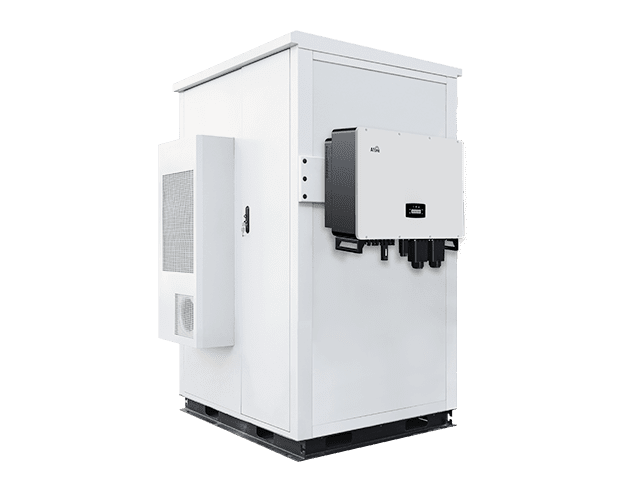
They can be, especially if exposed to direct sunlight or inadequate shade. Outdoor units need proper ventilation and, ideally, a protective enclosure that allows airflow while preventing heat buildup.
Typically, 10–15 years, but repeated inverter overheating can shorten this considerably. Maintaining optimal temperature and performing routine maintenance are essential to reach the upper end of this lifespan.
In many cases, yes. Most inverter warranties require proper installation, ventilation, and maintenance. Ignoring overheating warnings may be considered neglect, potentially invalidating coverage.
Turn off the inverter, allow it to cool, inspect for obstructions or wiring issues, and monitor temperatures before restarting. If overheating persists, contact a licensed technician.
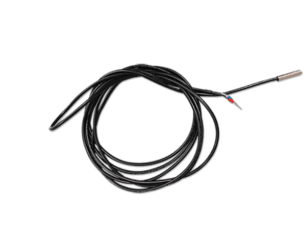
Many solar inverters have built-in temperature monitoring. For units without this feature, infrared thermometers or external sensors can help detect hotspots early and prevent damage.








 Turkish
  Romanian