




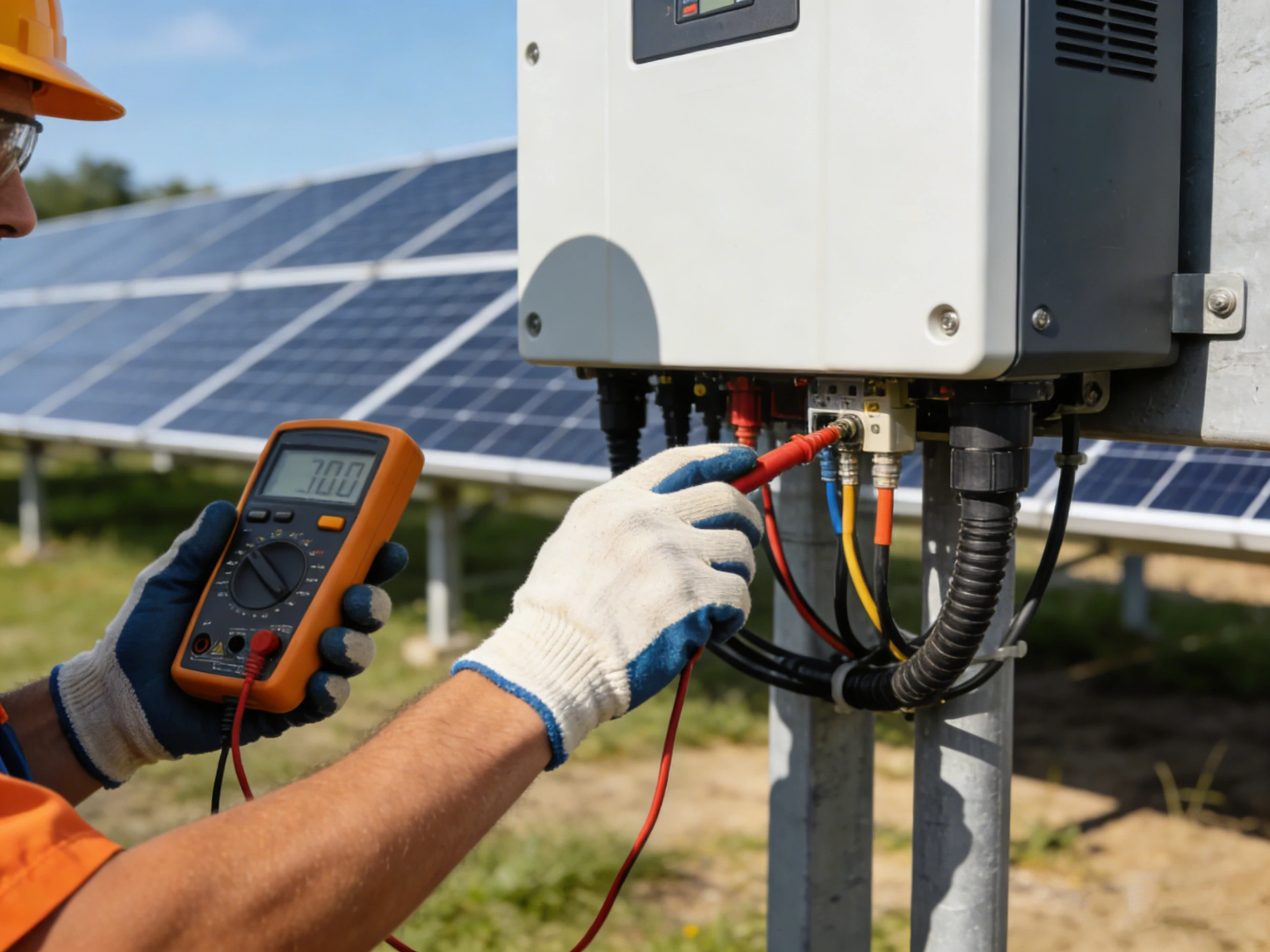
If you’ve ever walked past your energy system and noticed everything suddenly went quiet, chances are you’ve met the frustrating phenomenon known as inverter tripping. It’s one of those issues that feels mysterious at first, annoying in the middle, and downright expensive if ignored.
I’ve worked with countless systems over the years, and trust me—inverter tripping is not rare, not random, and definitely not something you should brush off. The good news? Once you understand why it happens, fixing inverter tripping becomes far less intimidating.
If you’ve ever checked your system and noticed that everything looks fine—sun is out, panels are clean—but power output suddenly drops to zero, there’s a good chance inverter tripping is the reason. This is one of those topics that sounds technical and distant until it starts affecting your daily energy production. Then it becomes very real, very fast.
I’ve dealt with inverter tripping in homes, small commercial setups, and remote installations, and one thing is consistent: people usually don’t care about it until it costs them energy, time, or peace of mind. Understanding what inverter tripping actually is—and why it matters—puts you back in control.
At its core, inverter tripping means the inverter has automatically shut itself down because it detected something outside its safe operating limits. No drama, no mystery. It’s a built-in safety response.
A solar inverter is constantly watching key parameters like voltage, current, frequency, and temperature. When any of these values go beyond what the system considers safe, inverter tripping occurs. The inverter disconnects itself to avoid damage, electrical hazards, or grid issues.
Think of inverter tripping like a smoke alarm. The alarm itself isn’t the problem—it’s reacting to something that might be. In the same way, inverter tripping is usually a symptom, not the root cause.
What’s important to understand is that inverter tripping is not a malfunction by default. In many cases, it’s proof that the inverter is doing its job exactly as designed.
A single instance of inverter tripping during extreme conditions—like an unusually hot day or a short grid disturbance—is generally nothing to panic about. The real concern starts when inverter tripping becomes frequent or predictable.
Here’s why you should care:
First, every time inverter tripping happens, energy production stops. Even short interruptions can add up over weeks and months. I’ve seen systems lose a noticeable percentage of annual output simply because inverter tripping happened daily for an hour or two.
Second, repeated inverter tripping puts stress on internal components. While a solar inverter is designed to handle protective shutdowns, constant cycling shortens its usable life. Over time, that can mean higher maintenance costs or earlier replacement.
Third, inverter tripping often points to an underlying issue—grid voltage problems, poor ventilation, wiring resistance, or load imbalance. Ignoring inverter tripping is like ignoring a warning light on your car dashboard. You might keep driving for a while, but eventually, the problem gets worse.
From a safety perspective, inverter tripping also matters because it prevents more serious electrical faults. If you try to override or ignore it without understanding the cause, you increase the risk of equipment damage or unsafe operating conditions.
In the real world, inverter tripping rarely happens “randomly,” even if it feels that way at first.
One common scenario involves midday inverter tripping on bright, clear days. Everything works fine in the morning, then around noon the system shuts down. This often points to voltage rising too high when energy production peaks. I’ve seen this happen repeatedly in areas where many systems feed power into the same local grid.
Another frequent case is inverter tripping during heatwaves. Poor airflow, direct sunlight on the enclosure, or dust buildup can push internal temperatures beyond safe limits. The inverter trips to protect itself, even though nothing appears visibly wrong.
There are also situations where inverter tripping only happens after new appliances are installed. A larger pump, charger, or workshop tool changes load behavior, and suddenly the inverter starts tripping under conditions it previously handled just fine.
What experienced technicians learn quickly is this: inverter tripping almost always follows a pattern. The key is paying attention to when it happens, how often it happens, and under what conditions. Those details turn inverter tripping from a frustrating mystery into a solvable problem.
Once you understand what inverter tripping really means and why it deserves attention, you’re in a much better position to troubleshoot it, prevent it, and keep your solar inverter running smoothly over the long term.
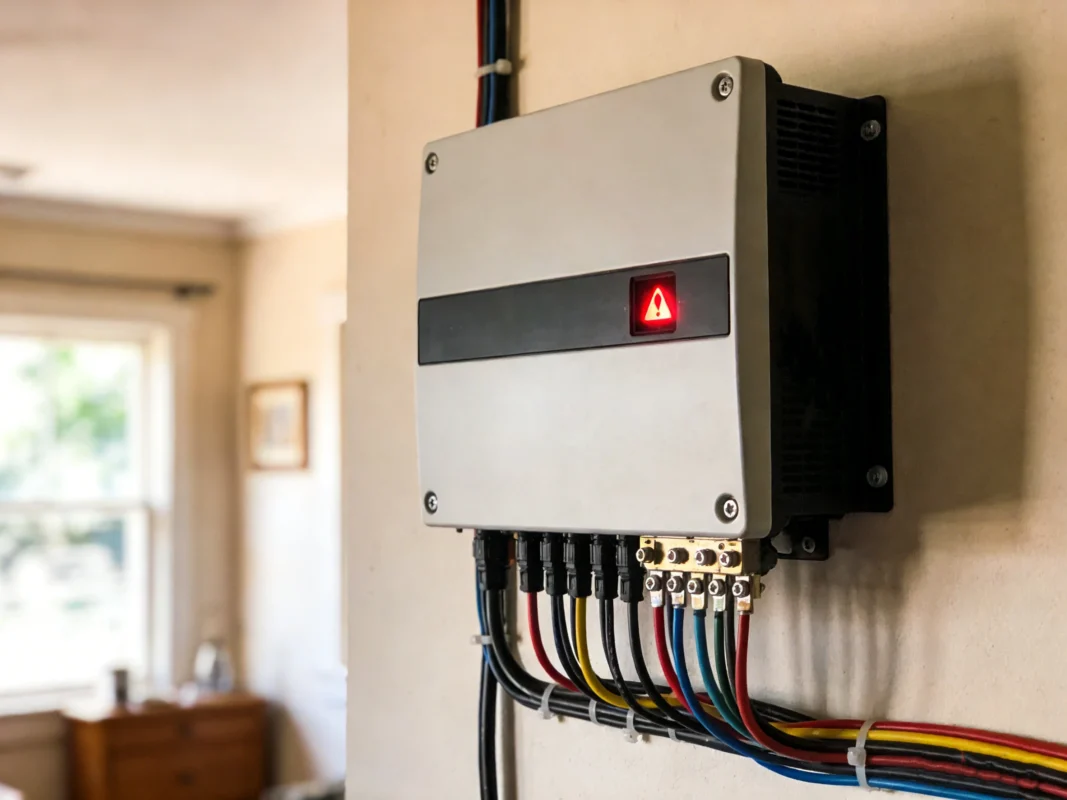
A solar inverter converts DC electricity into usable AC power. Simple in theory, complex in practice. It constantly monitors voltage, frequency, temperature, and load conditions.
When those values drift outside safe boundaries, inverter tripping is the safety response.
Modern inverters are packed with protection logic:
So when inverter tripping happens, it’s often doing exactly what it was designed to do.
This is important: inverter tripping does not automatically mean your inverter is faulty. In many cases, it’s saving itself—and your system—from damage.
When inverter tripping keeps happening, it’s rarely because the inverter is “temperamental” or poorly made. In almost every case I’ve seen, inverter tripping is a logical response to specific conditions in the system or the surrounding electrical environment. Once you understand the most common causes, troubleshooting becomes far more practical—and far less frustrating.
Below are the issues that show up again and again in real installations, whether the system uses a grid connection or operates with a standalone solar inverter.
One of the leading causes of inverter tripping is grid overvoltage. This is especially common in areas with high solar penetration or weaker distribution networks.
Here’s how it happens: when many systems are exporting power at the same time—typically during sunny midday hours—the local grid voltage can rise. If that voltage exceeds allowable limits, inverter tripping occurs automatically. The inverter disconnects to stay compliant with electrical standards and to protect both itself and the grid.
I’ve seen situations where inverter tripping happens like clockwork every day around noon. Homeowners often assume something is wrong with their solar inverter, but the real issue lies upstream. Long service lines, undersized conductors, or lightly loaded grids all make voltage rise more pronounced.
This type of inverter tripping isn’t a defect. It’s the inverter refusing to operate under unsafe or noncompliant grid conditions.
Another very common trigger for inverter tripping is overcurrent. This occurs when the system tries to deliver more current than it’s designed to handle.
In practical terms, this often happens after new loads are added. A larger air-conditioning unit, a workshop tool, or an electric charger can suddenly push demand beyond safe limits. The inverter senses the excessive current and trips to prevent overheating or component damage.
Load imbalance is a closely related issue, especially in multi-phase systems. When loads are unevenly distributed, one phase may be overstressed while others remain underutilized. The result is repeated inverter tripping, even though the total system capacity appears adequate on paper.
From experience, this is one of the most misunderstood causes of inverter tripping because it doesn’t always show up immediately. It may only occur during certain operating conditions, which makes it harder to diagnose without careful observation.
Heat is a silent but powerful driver of inverter tripping. A solar inverter contains sensitive electronic components, and temperature limits exist for a reason.
Poor ventilation, direct exposure to sunlight, dusty enclosures, or installation in confined spaces can all lead to overheating. When internal temperatures rise beyond safe thresholds, inverter tripping kicks in to protect the electronics.
What makes this tricky is that overheating-related inverter tripping is often seasonal. Everything may run smoothly for months, only for inverter tripping to suddenly appear during summer or heatwaves. I’ve encountered systems where simply improving airflow or relocating the inverter reduced inverter tripping dramatically—without changing any electrical components.
Ground faults are another major cause of inverter tripping, and they deserve special attention because of their safety implications.
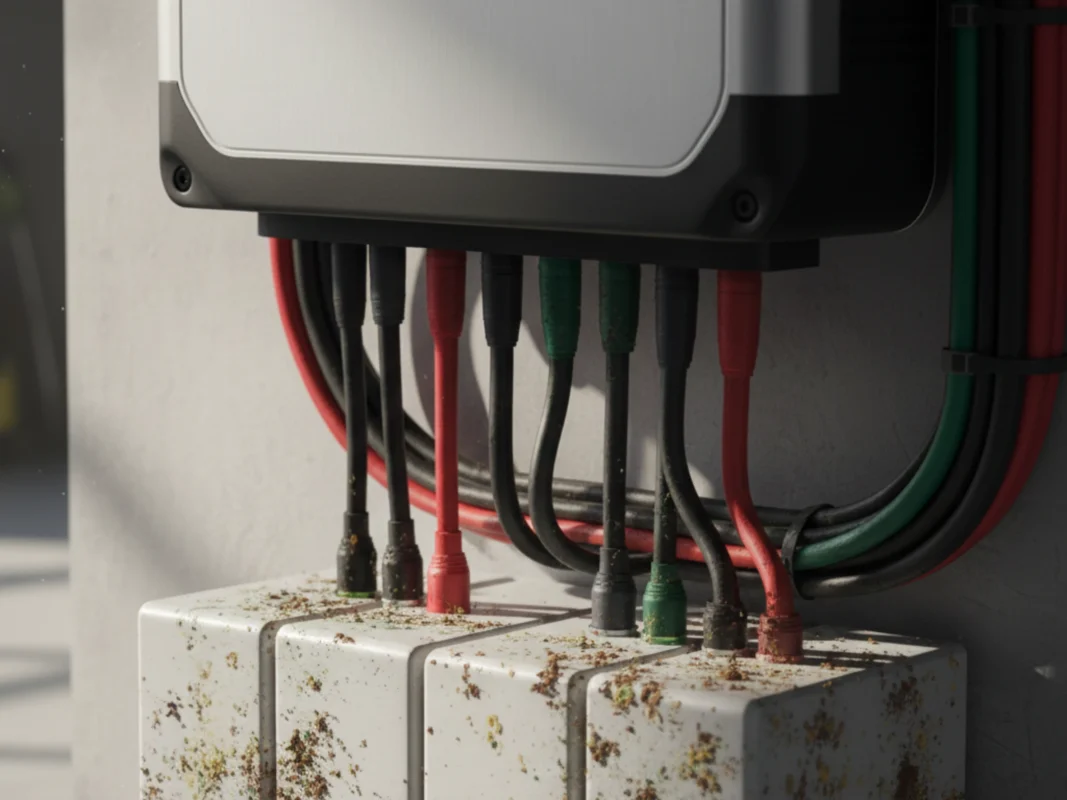
Small insulation breakdowns, damaged cables, moisture intrusion, or aging connectors can allow leakage currents to flow to ground. Modern inverters are extremely sensitive to these conditions, and inverter tripping occurs as soon as abnormal leakage is detected.
This type of inverter tripping may appear intermittent at first, especially in damp or humid conditions. Rain, morning dew, or seasonal moisture changes can temporarily worsen insulation resistance, triggering shutdowns that seem random unless you know what to look for.
From a professional standpoint, ground fault–related inverter tripping should never be ignored. While the inverter is protecting the system, the underlying issue can escalate if left unresolved.
Not all inverter tripping is caused by external conditions. Over time, internal components naturally age.
Capacitors slowly lose capacity, cooling fans wear out, and sensors can drift from their original calibration. As these components degrade, the inverter becomes less tolerant of conditions it once handled easily. The result is more frequent inverter tripping under normal operating loads.
This is particularly noticeable in older systems that have not received regular maintenance. What looks like “sudden” inverter tripping is often the end result of gradual internal wear.
Experienced technicians often recognize this pattern quickly: inverter tripping starts occasionally, then becomes more frequent, even though external conditions haven’t changed. At that point, inspection and preventative maintenance become critical.
I’ve seen perfectly good systems suffer inverter tripping simply because the inverter was installed in a sealed cabinet. Airflow matters—more than most people think.
Long cables and undersized wires increase voltage rise. Loose terminals create resistance. Both can lead directly to inverter tripping.
Humidity and dust may seem harmless, but they’re frequent contributors to inverter tripping over time.
Grid fluctuations are unpredictable. That’s why inverter tripping is more common in grid-tied setups, especially those using a solar inverter in high-penetration areas.
In off-grid systems, inverter tripping often relates to battery voltage swings or charging conflicts.
Hybrid systems reduce some risks but introduce complexity. Without proper configuration, inverter tripping can become a recurring headache.
Dealing with an inverter that keeps tripping can be frustrating, especially when you rely on your solar inverter for uninterrupted power. Don’t worry—this is something many homeowners and small business owners face, and the good news is, with a systematic approach, you can often identify and fix the problem without needing a technician right away. Here’s a practical, step-by-step guide to troubleshoot inverter tripping safely and effectively.
Before you start poking around your solar inverter, remember that safety comes first. Always turn off the main power supply and wear insulated gloves if you’re handling electrical connections. Even though inverter tripping might seem like a minor issue, electricity can be dangerous if not treated with respect. A small precaution here can save you from serious accidents later.
The first culprit in most inverter tripping scenarios is an overloaded system. Ask yourself: Are you running too many appliances simultaneously? High-power devices like air conditioners, heaters, or large kitchen equipment can easily exceed the inverter’s capacity.
Short circuits are another common reason for inverter tripping. This happens when the positive and negative wires accidentally touch, or when there’s a fault in the wiring of connected devices.
If your solar inverter is paired with a battery, poor battery health can trigger frequent tripping. Low voltage, old batteries, or unevenly charged cells often cause the inverter to shut down as a protective measure.
Many inverters trip when they detect irregular input from the grid or solar panels. Fluctuating voltage or frequency can make the inverter enter a safety shutdown mode.
Sometimes, the inverter tripping issue is temporary and can be resolved with a proper reset. Follow these steps carefully:
If the inverter runs smoothly after this, gradually reconnect your appliances one by one to identify if a specific device is triggering the trip.
Even with careful troubleshooting, some inverter tripping issues can be complex, especially if they involve internal faults in the inverter circuitry or advanced battery management systems. In such cases, it’s wise to contact a certified electrician or solar technician. Explain the steps you’ve already taken—they will be able to pinpoint the exact cause faster.
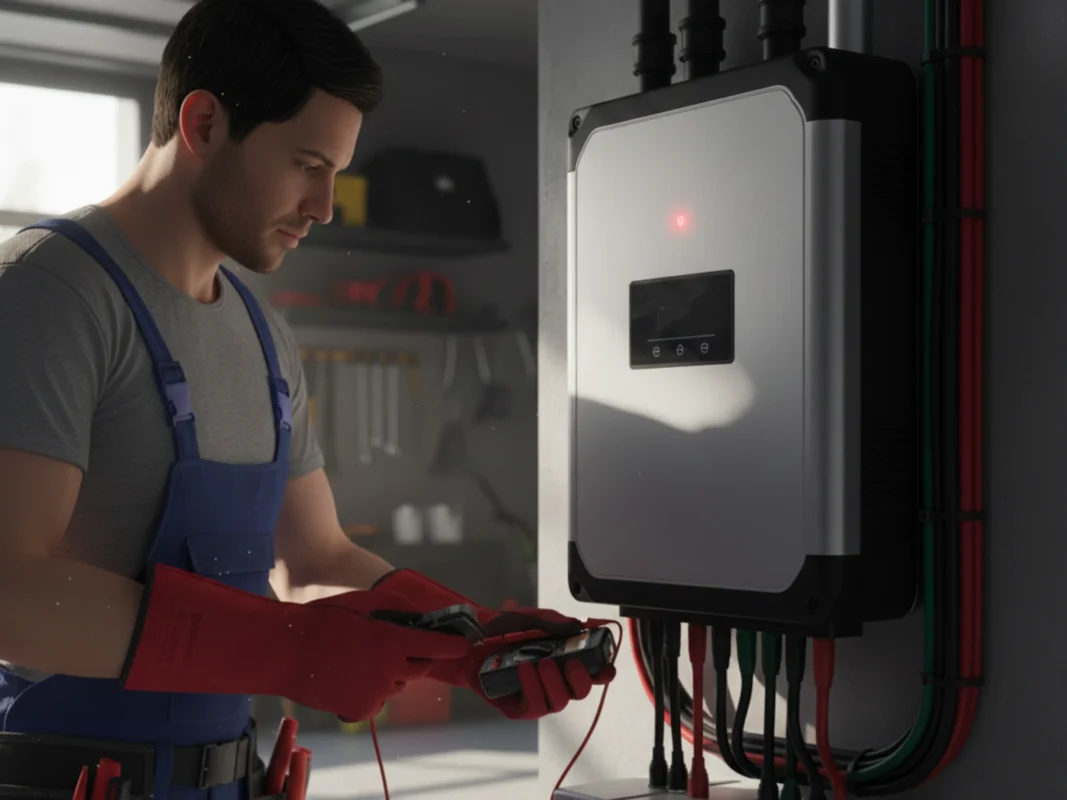
Smart load distribution dramatically reduces inverter tripping.
Sometimes the fix isn’t onsite. Utilities can adjust tap settings to reduce inverter tripping.
Annual inspections, cleaning, and firmware checks go a long way toward preventing inverter tripping.
Modern monitoring platforms can predict inverter tripping before it happens.
When it comes to inverter tripping, there’s no shortage of myths floating around. Some are harmless, while others can lead you down the wrong path, wasting time, money, or even risking safety. Let’s clear up the most common misconceptions so you can tackle your solar inverter issues with confidence.
Many people panic when their inverter tripping occurs, assuming the device itself is faulty. In reality, an inverter is designed to trip as a safety measure. Overloads, short circuits, low battery voltage, or voltage fluctuations often trigger it—not a defective unit.
Some users think inverter tripping only happens with newly installed units. That’s far from true. Even an inverter that has been running flawlessly for years can trip if the conditions change—like adding new appliances, aging batteries, or fluctuating input voltage.
While overloading is a common cause, it’s not the only reason for inverter tripping. Short circuits, faulty wiring, battery issues, or even external factors like lightning strikes or grid fluctuations can cause sudden trips.
It’s tempting to hit the reset button every time your inverter trips, but this doesn’t address the root cause. Repeatedly resetting without troubleshooting may mask underlying issues and potentially damage your system over time.
While solar panels are connected to the solar inverter, they rarely cause random trips unless there’s a wiring fault, shading issue, or panel mismatch. Frequent assumptions that panels are at fault often delay proper diagnosis.
Many homeowners believe that inverter tripping is too technical for them to handle. While some complex issues do require professional intervention, many trips can be diagnosed and even resolved with basic tools like a multimeter and careful observation.
Inverter tripping isn’t your enemy. It’s your system’s way of communicating. Once you listen, understand the patterns, and take action, inverter tripping becomes manageable—and often preventable.
If there’s one takeaway from years in the field, it’s this: most inverter tripping problems aren’t mysterious. They’re misunderstood.
And once understood, they’re usually fixable.
An inverter trips as a safety mechanism. The most common triggers include overloads, short circuits, low or uneven battery voltage, and irregular input from the grid or solar panels. Essentially, the inverter senses something potentially harmful and shuts down to prevent damage.
Yes, frequent inverter tripping without addressing the root cause can stress internal components over time. While one or two trips are usually harmless, repeated trips due to unresolved issues like bad wiring or overloaded circuits can shorten the inverter’s lifespan.
Check the total wattage of all connected devices against your solar inverter’s capacity. If the load exceeds the rated limit, it’s likely the cause. If the load is well within limits, inspect wiring, batteries, and input voltage. Most of the time, the inverter itself isn’t faulty.
Yes, but only after inspecting your system. Resetting is safe once you’ve ruled out overloads, short circuits, and battery issues. Hitting reset repeatedly without investigation can hide the real problem and potentially cause damage.
Absolutely. Low, uneven, or aging batteries are a frequent cause of inverter tripping. The inverter monitors battery voltage closely, and if it’s out of range, it shuts down to protect both the battery and itself. Checking battery health should always be part of troubleshooting.
Yes, factors like voltage fluctuations from the grid, lightning strikes, or even extreme temperatures can trigger inverter tripping. In areas with unstable power supply, using a voltage stabilizer can reduce trips.
Preventive steps include: keeping your load within limits, maintaining battery health, checking wiring periodically, and monitoring input voltage. A regular maintenance schedule can dramatically reduce instances of inverter tripping.
Yes, even new inverters may trip as they adjust to the load and input conditions. Occasional trips are part of normal operation, but persistent or frequent tripping should be investigated.
Definitely. Running multiple high-power devices like heaters, air conditioners, and ovens simultaneously can exceed the solar inverter’s capacity and trigger a trip. Distribute usage or upgrade the inverter if necessary.
If you’ve checked load, wiring, battery health, and input voltage, but inverter tripping continues, it’s time to consult a certified electrician or solar technician. Persistent trips could indicate internal faults that need expert attention.








 Turkish
  Romanian