



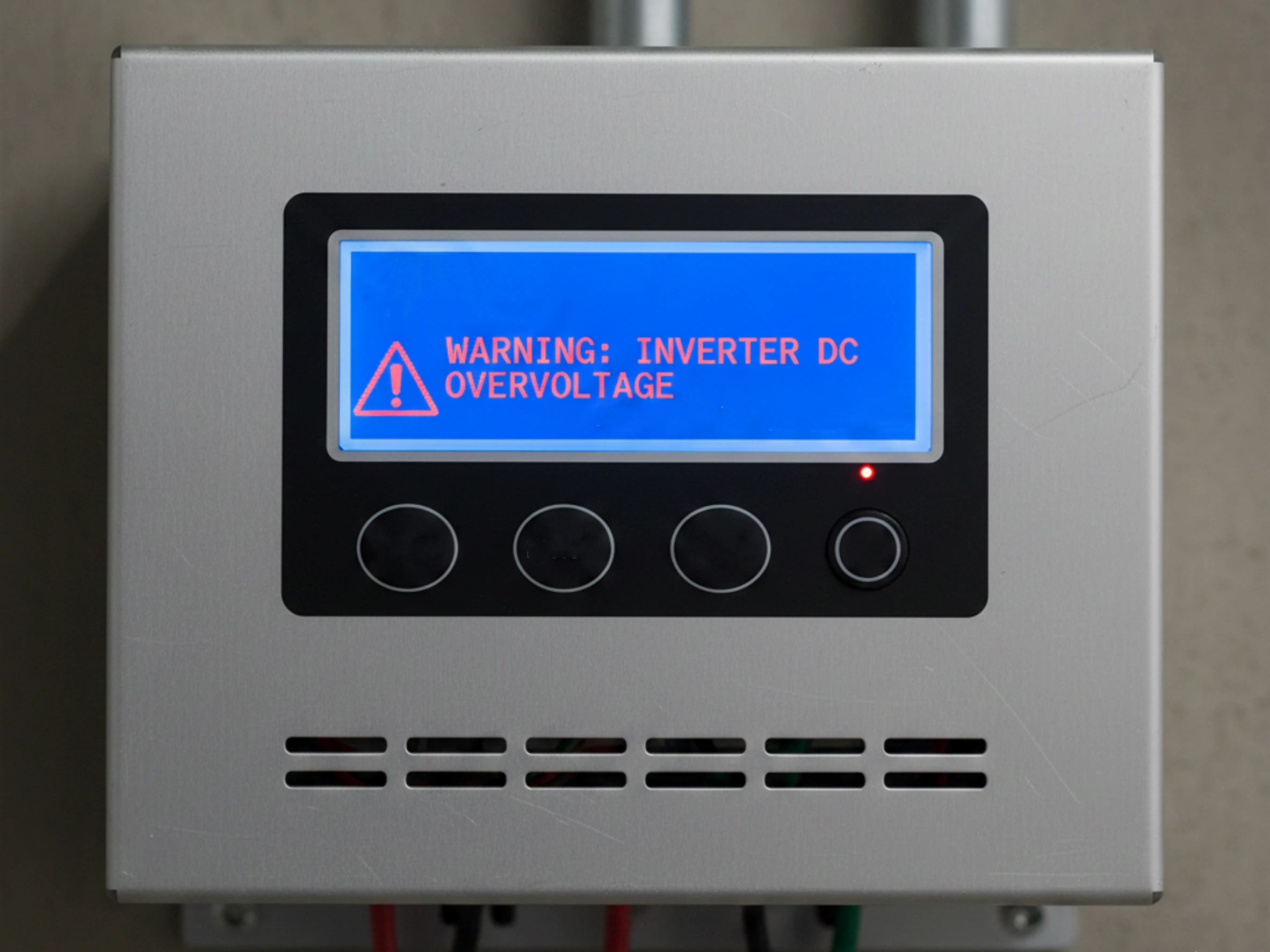
If you’ve ever dealt with an inverter suddenly shutting down for no obvious reason, chances are you’ve run into inverter DC overvoltage. It’s one of those issues that looks simple on paper—“DC voltage too high”—but in real-world systems, especially solar setups, it can become a persistent and expensive headache.
I’ve seen inverter DC overvoltage problems appear in brand-new installations, aging systems, and everything in between. What makes inverter DC overvoltage tricky is that it often hides behind “normal-looking” voltage readings—until conditions change and the inverter trips.
At its core, inverter DC overvoltage happens when the DC voltage feeding the inverter—or building up on the DC bus—exceeds the inverter’s safe operating limit.
Every inverter has a maximum DC voltage rating. When that threshold is crossed, the inverter protects itself by shutting down or triggering a fault. That protection is necessary—but frequent inverter DC overvoltage events mean something deeper is wrong.
Unlike AC overvoltage, DC voltage behaves differently. It doesn’t naturally cross zero, and it can rise quickly under certain conditions, especially in solar systems.
Inverter DC overvoltage is not just an “annoying alarm.” Repeated DC overvoltage stresses:
Over time, inverter DC overvoltage shortens inverter lifespan and increases failure risk. Ignoring it is never a good strategy.
Experiencing an inverter DC overvoltage can be frustrating, especially if you rely on a solar inverter for your energy needs. Overvoltage occurs when the DC input to your inverter exceeds its designed voltage limit, which can damage internal components, trip safety protections, or even shorten the device’s lifespan. Understanding the common causes is the first step toward prevention.
One of the most frequent culprits behind inverter DC overvoltage is a sudden spike in the solar panel output. On sunny days, when sunlight intensity varies rapidly—like when clouds move in and out—your panels may produce higher-than-expected voltage. This is particularly common with older panels or arrays that aren’t matched properly in voltage ratings. A solar inverter needs a stable DC input, so these fluctuations can easily push the system beyond its safe operating range.
Another major cause is wiring or configuration errors. If the solar panels are wired in a series arrangement without considering the inverter’s maximum DC input, overvoltage can happen when multiple panels feed into the system simultaneously. Similarly, setting the inverter for a lower voltage rating than what the array produces will inevitably trigger inverter DC overvoltage alarms. Always double-check series-parallel configurations and ensure the DC input doesn’t exceed the inverter’s specifications.
Interestingly, temperature plays a role in DC overvoltage. Solar panels produce slightly higher voltage in colder conditions. So, in winter or during early mornings, the solar inverter might receive a voltage that’s above its rated input, even if everything seems correctly configured. This is a subtle but real factor many installers overlook when designing the system.
Lastly, faulty components in the array or the inverter itself can cause inverter DC overvoltage. Defective bypass diodes in panels, voltage regulators, or internal inverter sensors may fail to limit voltage properly, leading to dangerous spikes. Regular inspection and maintenance can prevent these issues before they become costly problems.
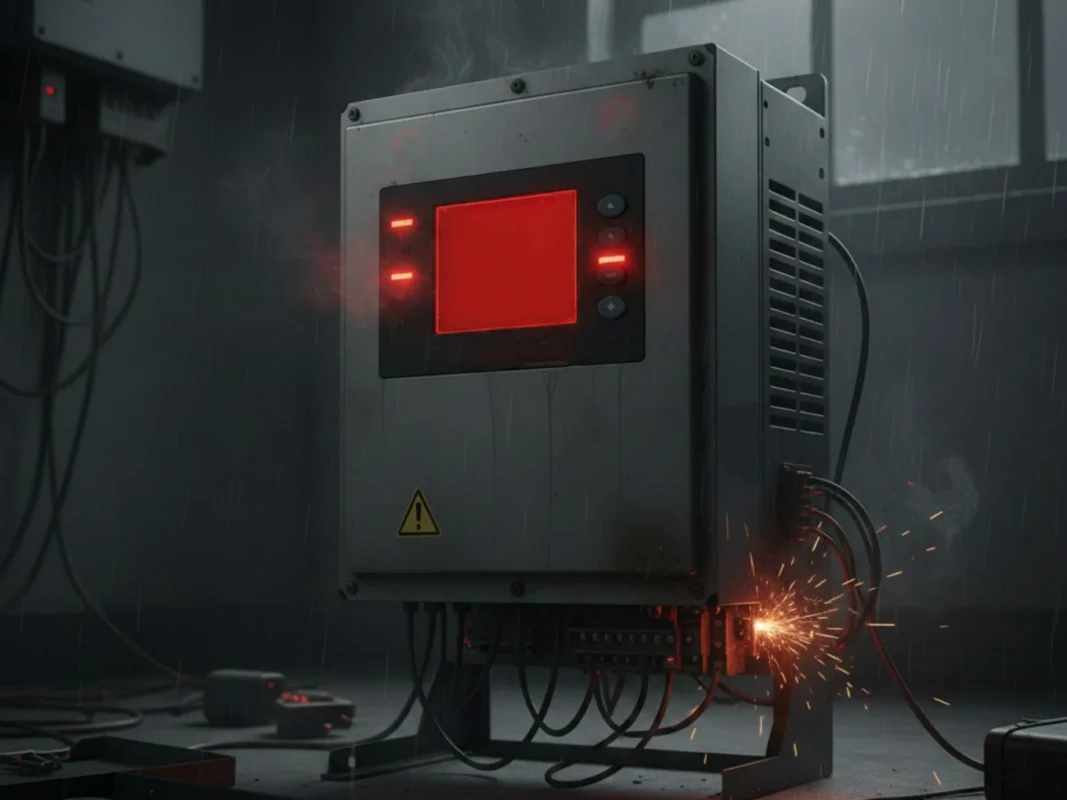
Understanding how inverter DC overvoltage impacts your energy system is crucial, especially if you rely heavily on a solar inverter for daily power. Overvoltage doesn’t just trigger alarms—it can quietly degrade performance over time, sometimes before you even notice.
When the DC input exceeds the inverter’s rated voltage, the system often reduces its operating efficiency to protect itself. This means your solar inverter may not convert all the available DC power into usable AC energy. Imagine having a full tank of water but only being able to pour out half; that’s essentially what happens when overvoltage forces the inverter to throttle its performance. Over time, this can lead to noticeable drops in energy output.
Repeated instances of inverter DC overvoltage can accelerate wear on internal components like capacitors, MOSFETs, and control circuits. Even if the system has built-in protections, frequent voltage spikes put stress on these parts, shortening their lifespan. For homeowners or small businesses depending on solar energy, this means higher maintenance costs and potential downtime.
Overvoltage isn’t just a performance issue—it can also pose safety risks. Excessive DC voltage can trip protective devices, such as fuses or breakers, unexpectedly shutting down your solar inverter. In rare cases, severe overvoltage might even lead to component overheating, smoke, or electrical hazards. Regular monitoring is essential to catch early signs before they escalate.
Another subtle but frustrating effect is erratic system behavior. Your solar inverter might cycle on and off frequently, show inconsistent output, or trigger false fault codes. This can confuse monitoring systems and make it harder to diagnose real issues. Many users don’t realize that inverter DC overvoltage is the root cause, often attributing problems to bad wiring or panel degradation.
Finally, performance loss and component stress have direct financial consequences. Reduced energy efficiency translates into higher electricity bills or lost savings from solar generation. Plus, repairing or replacing damaged inverters can be expensive. Addressing inverter DC overvoltage early helps protect both your system and your wallet.
Solar systems operate under constantly changing conditions: sunlight, temperature, grid behavior. This variability makes inverter DC overvoltage more likely if margins are tight.
MPPT controllers try to extract maximum power, but they cannot override physical voltage limits. When DC voltage exceeds limits, the solar inverter has no choice but to protect itself.
In grid-connected systems, sudden load drops or grid disturbances can indirectly contribute to inverter DC overvoltage, especially when power has nowhere to go.
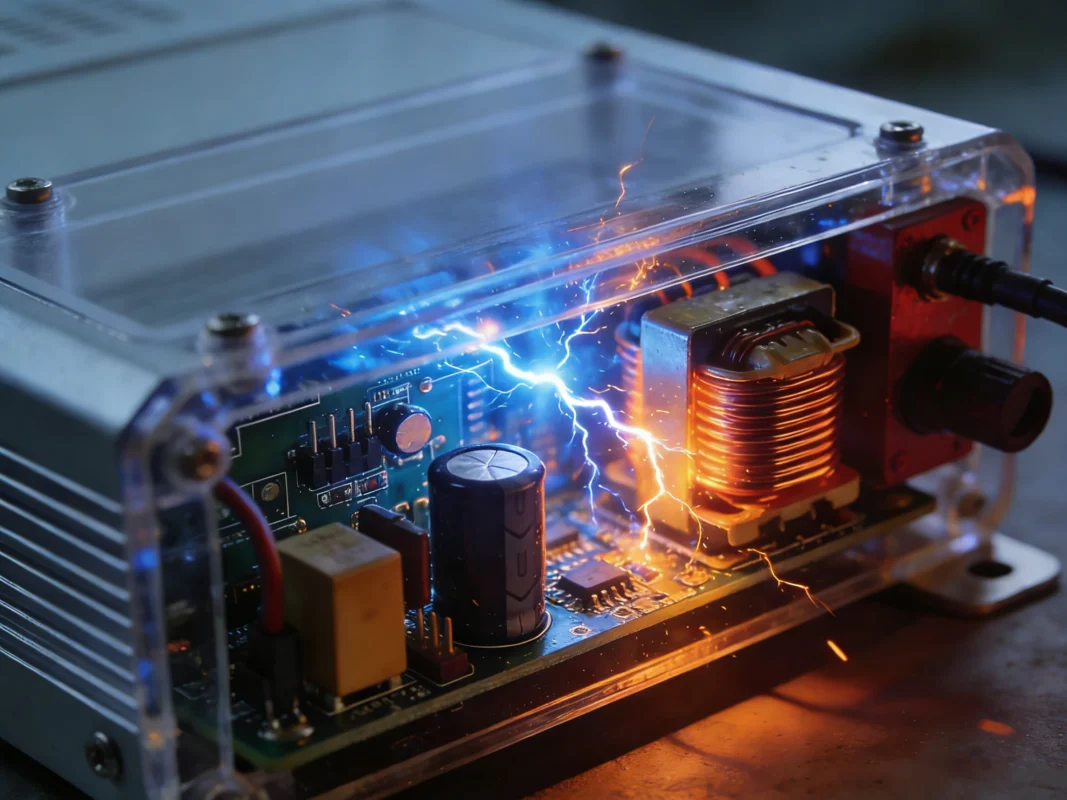
Recognizing the real-world symptoms of inverter DC overvoltage is key to keeping your solar inverter running smoothly. Sometimes the signs are obvious, but other times they’re subtle, and ignoring them can lead to bigger problems down the line. Here’s what to watch out for.
One of the most noticeable symptoms is unexpected shutdowns. Your solar inverter may trip repeatedly, even when sunlight conditions seem normal. This happens because overvoltage triggers built-in protection mechanisms designed to prevent damage. If your system keeps powering off without any apparent reason, inverter DC overvoltage is often the culprit.
Modern solar inverters usually have monitoring displays or connected apps. If you see repeated fault codes or alarm messages related to DC input voltage, this could be a clear indicator of inverter DC overvoltage. It’s important to consult the system manual to understand these warnings instead of ignoring them—they’re telling you the system is under stress.
Even when your solar inverter seems operational, overvoltage can silently reduce efficiency. You might notice your energy generation is lower than expected, especially during peak sunlight hours. Overvoltage forces the inverter to limit its input to avoid damage, which means less electricity reaching your home or battery system.
Inverters are designed to operate quietly, but an overvoltage condition can make internal components work harder than usual. This may cause unusual buzzing, clicking sounds, or excess heat near the inverter. If you detect these signs, it’s a strong hint that inverter DC overvoltage could be stressing the system.
Voltage, current, or energy readings on your solar inverter may jump around or behave inconsistently. Erratic numbers often indicate that the DC input is unstable or exceeding safe limits. Monitoring these fluctuations helps catch inverter DC overvoltage before it leads to permanent component damage.
Finally, repeated overvoltage events can gradually shorten the lifespan of your inverter’s internal components. Capacitors, diodes, and control circuits can wear out faster than expected, which eventually leads to costly repairs or replacements. Early detection of symptoms is the best way to extend system life.
Diagnosing inverter DC overvoltage might sound intimidating at first, but with a systematic approach, you can pinpoint the problem safely and efficiently. Whether you’re a homeowner managing a small solar inverter system or an installer checking a larger array, following these steps can help prevent damage and maintain peak performance.
Start by measuring the DC voltage coming from your solar panels. Use a reliable multimeter and check each string of panels individually. Compare the readings to the voltage specifications of your solar inverter. If the measured voltage consistently exceeds the inverter’s rated input, that’s a strong indicator of inverter DC overvoltage. Remember to do this during peak sunlight hours, as voltage tends to be highest then.
Next, examine all wiring and connections. Incorrect series-parallel configurations or loose terminals can amplify voltage spikes. Look for signs of wear, corrosion, or mismatched wire sizes. Even a small misconnection can contribute to inverter DC overvoltage, so take your time to verify every connection is secure and correctly routed.
Most solar inverters provide real-time monitoring or data logs. Check the voltage readings, error messages, and trip history. Frequent overvoltage alarms or fluctuating DC input readings are clear symptoms. If your inverter allows, download logs for a longer-term analysis to spot patterns that may not be obvious at first glance.
Temperature and sunlight intensity can affect panel voltage. On cold, sunny days, panels can produce higher-than-expected voltage. Evaluate whether environmental factors are contributing to spikes. This step helps differentiate between a system fault and natural voltage variation, which is critical for diagnosing inverter DC overvoltage accurately.
Finally, inspect and test protective components like surge protection devices or DC fuses. Faulty or degraded protection can allow voltage to exceed safe limits. Replacing worn components often resolves overvoltage issues and prevents recurrent stress on the solar inverter.
If the steps above don’t reveal the issue, consult the inverter’s technical guidelines. They often provide thresholds, troubleshooting flowcharts, and recommended inspection routines. Following manufacturer-recommended procedures ensures safety while accurately diagnosing inverter DC overvoltage.
Once you’ve identified inverter DC overvoltage, the next step is taking practical action to fix it. The good news is that most issues can be addressed with careful adjustments, monitoring, and maintenance. Here’s a hands-on guide to resolving overvoltage problems while keeping your solar inverter safe and efficient.
One of the most effective solutions is to revisit your solar array configuration. If panels are connected in series and producing too much voltage for your inverter, consider reconfiguring them into parallel strings or a mixed series-parallel setup. This reduces the DC input reaching the inverter, preventing overvoltage while maintaining overall system output.
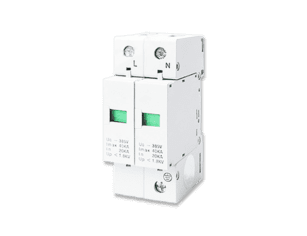
Voltage limiters or DC surge protection devices are essential tools for preventing inverter DC overvoltage. If your system lacks proper protection, installing high-quality devices can prevent spikes from reaching the inverter. In some cases, upgrading existing protection to handle higher loads or sudden surges solves recurring overvoltage problems.
Environmental factors like temperature swings or uneven shading can exacerbate DC overvoltage. Installing proper shading devices, optimizing panel placement, or using cooling techniques can help reduce voltage fluctuations. Even minor improvements in temperature management can stabilize the DC input for your solar inverter.
Regular inspection of wiring, connections, and inverter components is a practical yet often overlooked solution. Tighten loose connections, replace worn cables, and clean panel surfaces to ensure consistent voltage. Routine checks reduce the risk of inverter DC overvoltage and prolong system life.
Sometimes the simplest solution is ensuring that your inverter’s DC input rating matches the solar array output. Using an inverter with a slightly higher DC input tolerance can handle fluctuations without triggering overvoltage. Always verify the inverter’s rated limits against real-world panel outputs to prevent repeated stress.
Finally, proactive monitoring is a game-changer. Set up alerts or alarms for high DC voltage events. Many solar inverters allow remote monitoring through apps or dashboards, making it easier to detect overvoltage early and take action before any damage occurs. Early detection can save both time and money.
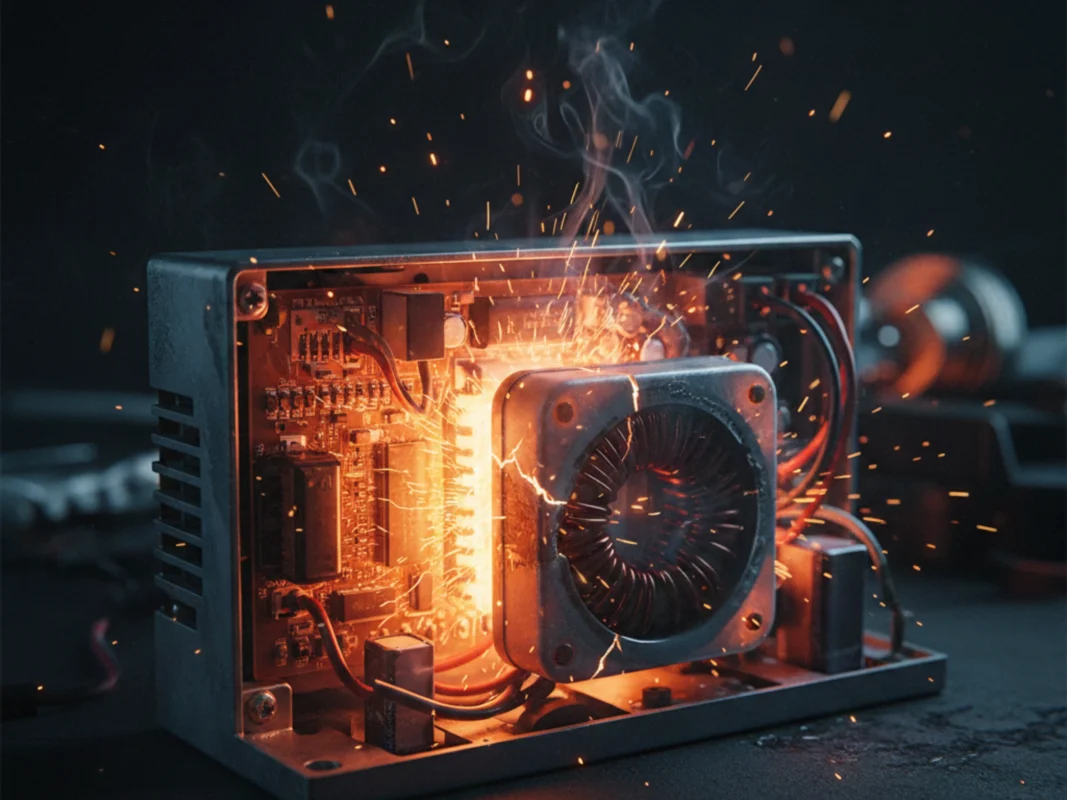
The best way to deal with inverter DC overvoltage is to prevent it from happening in the first place. Proactive measures can save you time, money, and headaches, while keeping your solar inverter operating at peak efficiency. Here’s a practical approach to prevention.
It all starts with design. Ensure your solar array voltage matches the DC input rating of your inverter. Oversizing the array without accounting for the inverter’s limits is a common mistake that leads to overvoltage. Careful planning of panel strings, series-parallel configuration, and total system voltage is essential to prevent inverter DC overvoltage from day one.
Using high-quality wiring, connectors, and protection devices reduces the risk of voltage spikes. Cheap or worn components can fail unexpectedly, creating conditions for overvoltage. Investing in durable materials ensures that your solar inverter receives stable DC input and minimizes long-term issues.
Surge protection is not just for lightning—it also helps manage DC voltage spikes caused by environmental changes or sudden shading. Installing DC surge arresters or voltage limiters provides an extra layer of safety, preventing inverter DC overvoltage from reaching critical components.
Set up a routine for monitoring your system. Modern solar inverters often come with apps or dashboards that track voltage, current, and system health. Regularly reviewing these metrics allows you to catch trends or small overvoltage events before they escalate into serious problems.
Sometimes overvoltage happens simply because users or installers aren’t aware of the system’s voltage limits. Educating everyone involved about safe operating ranges, environmental effects on DC voltage, and early warning signs ensures that preventative measures are applied consistently.
Routine maintenance is another crucial preventive step. Inspect wiring, connectors, and inverter components for wear or corrosion. Clean panels to avoid hotspots and uneven voltage output. Maintaining a solar inverter system regularly reduces the likelihood of unexpected inverter DC overvoltage events.
Inverter DC overvoltage is not just a technical detail—it’s a system-level warning. Whether you’re working with a solar inverter or a standalone power setup, understanding inverter DC overvoltage gives you control instead of surprises.
Inverter DC overvoltage occurs when the DC input voltage to your inverter exceeds its rated maximum. This can stress internal components, reduce efficiency, trigger alarms, or even damage the inverter. A solar inverter needs stable DC input to operate safely.
The main causes include sudden spikes in solar panel output, incorrect wiring, series-parallel configuration errors, temperature effects, or faulty components. Even environmental factors like cold, sunny mornings can push panel voltage above safe levels.
Look for frequent inverter shutdowns, alarms, erratic display readings, reduced energy output, unusual noises, or overheating. Monitoring apps or the inverter’s display can provide clear indicators of inverter DC overvoltage.
While modern inverters have protection mechanisms, repeated overvoltage can shorten component lifespan, reduce efficiency, and in extreme cases, pose safety risks like overheating or electrical faults.
Yes. Cold temperatures, bright sunlight, or sudden shading changes can increase the voltage produced by solar panels, potentially causing inverter DC overvoltage even in correctly designed systems.
Begin by checking the array voltage, inspecting wiring, reviewing inverter logs, and evaluating environmental conditions. Adjusting panel configuration or installing voltage limiters can often resolve the issue.
Proper system design, using appropriately rated inverters, installing surge protection devices, regular monitoring, and routine maintenance are key preventive measures. Education of users and installers also helps avoid accidental overvoltage.
Most modern solar inverters can handle brief overvoltage events without damage. However, repeated or prolonged spikes increase wear on components and can reduce system lifespan.
Yes. When overvoltage occurs, the inverter may throttle input to protect itself, reducing the amount of DC power converted to usable AC electricity. This can noticeably lower overall system output.
If repeated overvoltage occurs, if alarms persist despite adjustments, or if you notice unusual noises, heat, or erratic readings, it’s wise to consult a qualified solar technician. Early intervention can prevent costly repairs and ensure your solar inverter remains safe.







 Turkish
  Romanian