



If you’ve spent any time researching solar systems, you’ve probably noticed something interesting: most people obsess over panels, but barely talk about the inverter—until something goes wrong.
In reality, choosing the right pv inverter supplier can make or break your entire solar setup. Panels quietly sit on your roof doing their job. The inverter, on the other hand, works nonstop, handling heat, voltage fluctuations, grid interaction, and sometimes batteries too. And behind every reliable inverter is a pv inverter supplier that either understands real-world usage—or doesn’t.
Think of your solar inverter as the system’s translator. Solar panels produce DC power. Your home runs on AC power. The inverter converts, regulates, protects, and optimizes that energy every single day.
A serious pv inverter supplier understands that this is not a passive component. It’s an active control center. Poor inverter design or weak component sourcing often leads to failures years before the panels degrade.
One thing experienced installers learn quickly: the cheapest inverter almost always costs more in the long run. A pv inverter supplier focused only on price usually cuts corners on thermal design, internal protection, or firmware testing.
That might not show up in year one. But by year three or four, you’ll see unexplained shutdowns, efficiency drops, or communication errors.
Installers don’t enjoy callbacks. When they consistently choose a reliable pv inverter supplier, service calls drop, customer trust rises, and systems last longer. That’s why professionals care deeply about who’s behind the inverter—not just what’s printed on the spec sheet.
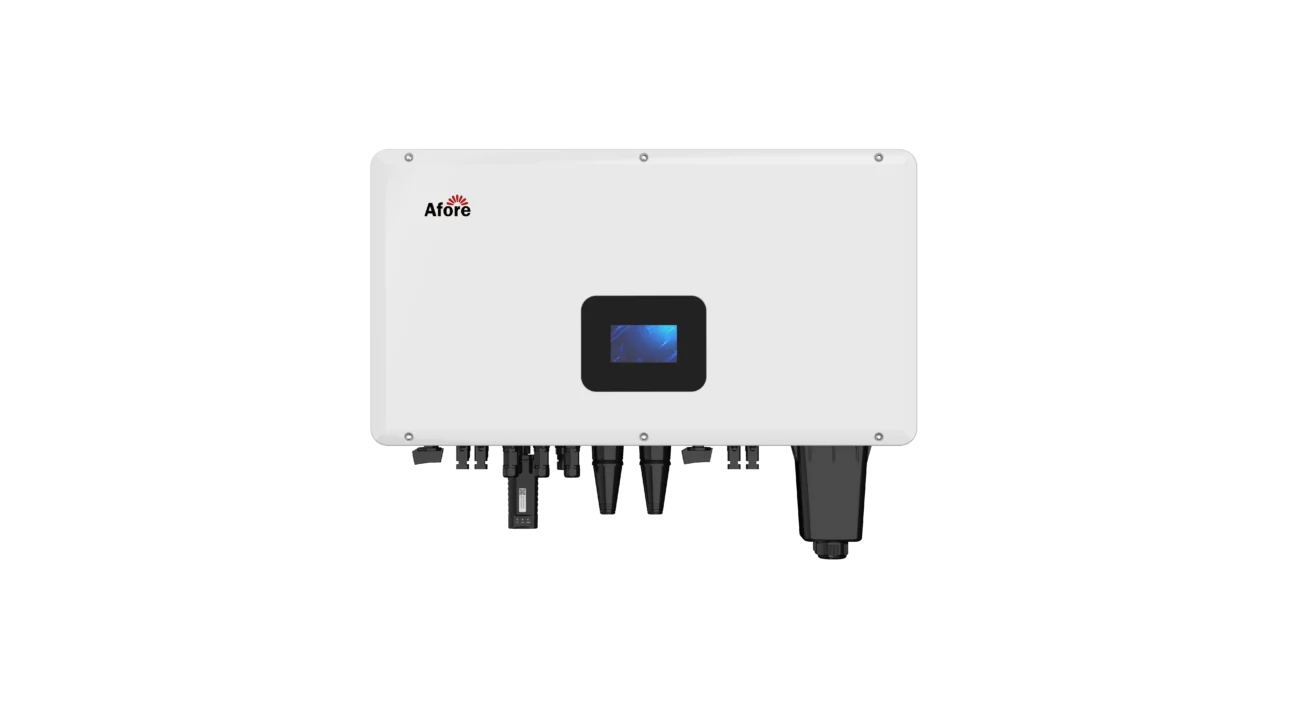
A lot of people assume a pv inverter supplier simply manufactures a box, ships it out, and moves on. In reality, a professional supplier plays a far more involved role—one that directly affects system reliability, safety, and long-term performance.
If you’ve worked with enough solar projects, you start to notice a clear line between suppliers who truly understand inverters and those who just sell them. The difference shows up not on day one, but over years of real-world operation.
One of the most important—and often overlooked—jobs of a professional pv inverter supplier is maintaining product consistency across production batches.
In the field, consistency matters more than flashy specs. Installers expect the same terminal layout, the same internal protection logic, and the same firmware behavior every time they open a unit. When a pv inverter supplier lacks proper quality control, small variations creep in: wiring points shift slightly, menus change without notice, or performance curves differ from previous units.
Over time, these inconsistencies cause installation errors, longer commissioning times, and unnecessary service calls. A professional pv inverter supplier avoids this by enforcing strict component sourcing rules, standardized assembly procedures, and repeatable testing processes before any solar inverter leaves the factory.
Another defining trait of a professional pv inverter supplier is the quality of their technical documentation.
Clear wiring diagrams, detailed fault explanations, grid interaction notes, and commissioning guides are not optional extras. They are essential tools for installers, system designers, and maintenance teams. A well-prepared pv inverter supplier assumes the product will be used in different environments, under different electrical codes, and by professionals with varying levels of experience.
System compatibility is closely tied to this. A reliable pv inverter supplier designs each solar inverter to integrate smoothly with common system components—panels, batteries, protection devices, and monitoring hardware—without requiring workarounds or guesswork.
In practice, this means fewer on-site surprises, faster setup, and fewer calls asking, “Why isn’t this behaving the way it should?” Good documentation reflects deep product knowledge and builds trust long after installation day.
Perhaps the clearest difference between an average supplier and a professional pv inverter supplier is what happens after the sale.
Inverters are long-term assets. They operate daily, under heat, electrical stress, and changing grid conditions. Over a system’s lifespan, questions will come up—firmware updates, fault codes, monitoring issues, or replacement planning. A professional pv inverter supplier plans for this reality from the start.
This includes maintaining firmware updates, providing clear troubleshooting guidance, and ensuring spare parts or compatible replacements remain available years down the line. For homeowners and installers alike, this support directly impacts system uptime and peace of mind.
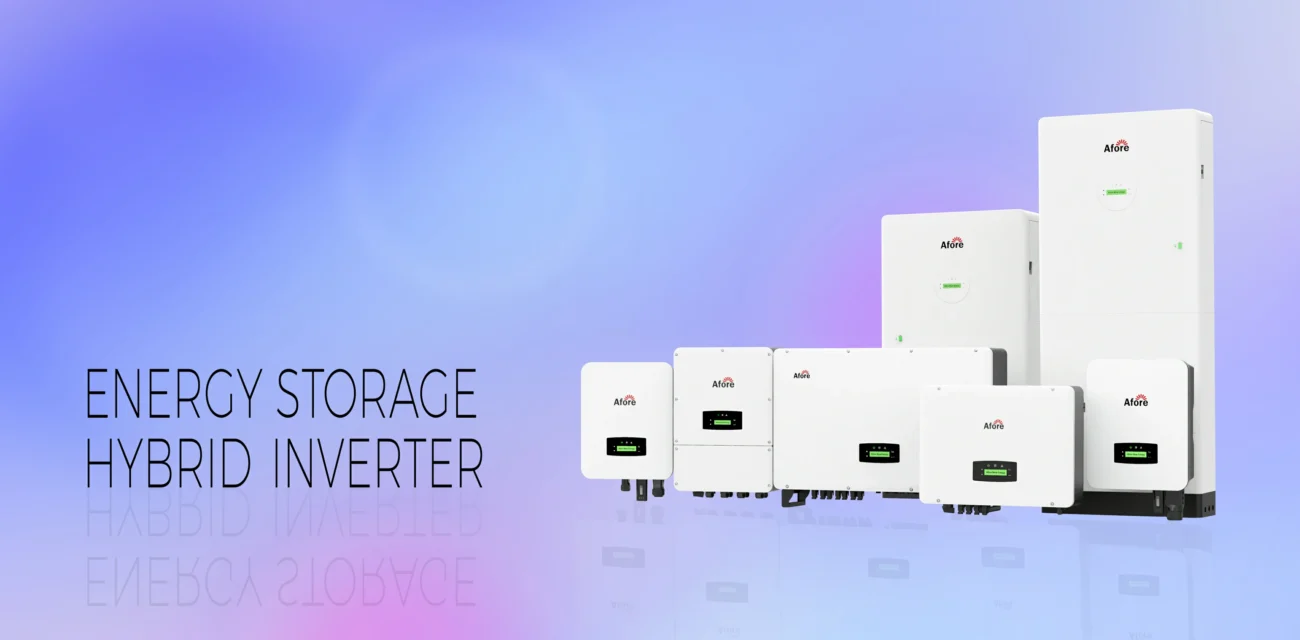
A solar inverter isn’t just converting power. It’s constantly balancing voltage, tracking maximum power points, handling grid feedback, and protecting your system during faults.
Any pv inverter supplier worth considering understands these real-world operating conditions.
Different systems need different inverter logic. A residential grid-tied setup behaves very differently from an off-grid or hybrid system with batteries.
A capable pv inverter supplier designs products for specific use cases—not one-size-fits-all solutions.
Efficiency ratings and why numbers alone can mislead
High efficiency on paper doesn’t guarantee real efficiency in hot garages, outdoor enclosures, or fluctuating loads. Experienced pv inverter suppliers test beyond laboratory conditions.
Choosing a pv inverter supplier isn’t just about comparing datasheets or chasing the highest efficiency number. In real projects, the suppliers that perform well on paper aren’t always the ones that perform well in the field. What actually matters is how the supplier designs, tests, and supports the solar inverter over its entire working life.
Below are the core criteria professionals consistently use when evaluating whether a pv inverter supplier is truly worth trusting.
A reliable pv inverter supplier treats manufacturing standards as a foundation, not a marketing point. Compliance with electrical and safety regulations reflects disciplined engineering, careful component selection, and structured testing procedures.
In practical terms, this means the solar inverter behaves predictably under voltage fluctuations, grid disturbances, and temperature stress. Suppliers who cut corners here often rely on minimum compliance testing rather than full operational validation. That difference may never appear in a brochure—but it shows up clearly in long-term reliability.
A pv inverter supplier that understands regulatory requirements deeply is far more likely to deliver equipment that performs safely and reliably in real-world installations.
One of the clearest indicators of a serious pv inverter supplier is how they test their products.
Laboratory tests alone aren’t enough. Experienced suppliers expose their solar inverter designs to heat cycles, partial shading scenarios, unstable grid conditions, and continuous load operation. These tests mirror what actually happens once the system is installed in a garage, utility room, or outdoor enclosure.
Suppliers without strong engineering teams tend to design for ideal conditions. Professional pv inverter suppliers design for failure scenarios—because that’s where true reliability is proven. This mindset comes only from accumulated field experience and feedback, not from theory alone.
Another often-overlooked criterion is supply continuity. A pv inverter supplier may offer an excellent product today, but if they cannot maintain production stability or long-term availability, that creates serious problems down the road.
Installers and system owners need assurance that replacement units, compatible models, and spare components will still be accessible years after installation. A professional pv inverter supplier plans product lifecycles carefully, avoiding sudden design changes that break compatibility or complicate system upgrades.
From a trust standpoint, supply stability reflects commitment. It shows the supplier isn’t chasing short-term sales, but is invested in the long-term performance of every solar inverter already in the field.
A strong pv inverter supplier is honest about what their equipment can—and cannot—do.
Instead of overpromising, they clearly communicate operating ranges, derating behavior, and environmental limitations. This transparency helps system designers make informed decisions and prevents unrealistic expectations after installation.
In practice, clear performance boundaries reduce warranty disputes and system dissatisfaction.
Finally, communication matters more than many people expect. When questions arise, a professional pv inverter supplier responds with clear, technically accurate answers—not vague reassurances.
Whether it’s interpreting fault logs, adjusting system parameters, or clarifying installation requirements, responsive support reflects real expertise behind the product. Over time, this becomes one of the strongest indicators of a supplier’s reliability.
A pv inverter supplier that communicates well doesn’t just sell a solar inverter—they help ensure it performs exactly as intended throughout its lifespan.

One of the most common points of confusion in solar projects is where responsibility actually lies. When something goes wrong, homeowners often aren’t sure whether to call the installer or the pv inverter supplier. Understanding this division clearly helps avoid delays, finger-pointing, and unnecessary downtime.
In a well-designed system, both sides have clearly defined roles—and when each does their part properly, the solar inverter performs exactly as expected.
A professional pv inverter supplier is responsible for everything that happens inside the inverter itself.
That includes electrical design, internal safety protections, firmware behavior, communication logic, and how the solar inverter responds to abnormal conditions such as grid instability or voltage fluctuations. The supplier determines how fault codes are generated, how the unit derates under heat, and how safely it shuts down during emergencies.
In real-world projects, this responsibility also extends to clear technical guidance. A reliable pv inverter supplier provides accurate manuals, wiring diagrams, and configuration instructions so the product can be installed and operated correctly. When these materials are unclear or incomplete, even skilled installers are left guessing.
The local installer plays an equally important, but very different, role.
Installers are responsible for system layout, inverter placement, cable sizing, grounding, ventilation, and overall site compliance. They decide where the solar inverter is mounted, how airflow is managed, and how it integrates with the rest of the electrical system.
Even the best pv inverter supplier cannot compensate for poor installation practices. Inadequate ventilation, improper wiring, or incorrect configuration can cause overheating, nuisance faults, or reduced efficiency—issues that are often mistakenly blamed on the inverter itself.
This is why experienced installers pay close attention to supplier documentation and follow recommended installation conditions closely.
The most effective solar projects happen when the pv inverter supplier and installer work as partners, not as separate or competing entities.
A professional pv inverter supplier understands that installers are the final link between the product and real-world performance. That’s why strong suppliers invest in installer education, clear fault diagnostics, and accessible technical support channels.
In practice, this cooperation leads to faster troubleshooting, fewer system callbacks, and higher customer satisfaction. When installers can quickly interpret inverter behavior and communicate efficiently with the supplier, issues are resolved before they escalate.
When roles are clearly defined, everyone benefits.
System owners know who to contact. Installers work more efficiently. The pv inverter supplier receives accurate feedback instead of vague complaints. Over time, this clarity reduces downtime and extends system lifespan.
In the end, the question isn’t whether the supplier or installer is more important. It’s whether both understand their responsibilities and work together to ensure the solar inverter performs reliably for years—not just during the warranty period, but throughout its entire service life.
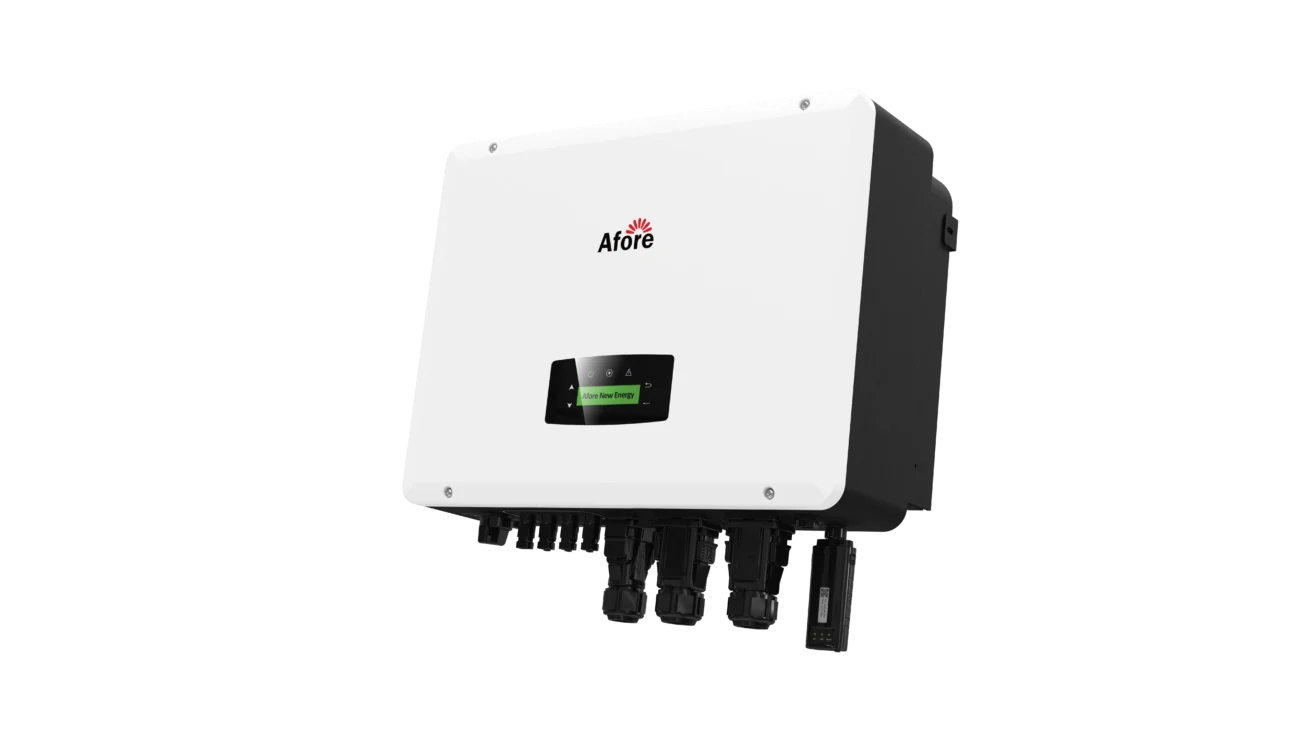
Most problems with solar systems don’t start on the roof—they start at the decision stage. After years of observing installations and troubleshooting underperforming systems, a few mistakes show up again and again when people choose a pv inverter supplier.
These missteps are understandable, especially for first-time buyers. But knowing them ahead of time can save years of frustration and unnecessary expense.
One of the most common mistakes is choosing a pv inverter supplier based purely on upfront cost.
On paper, two inverters may look similar, but the difference in internal components, thermal design, and firmware quality can be dramatic. Lower-cost options often rely on thinner heat sinks, less robust protection circuits, or limited testing. These shortcuts rarely show up immediately—but they surface over time as reduced efficiency, unexpected shutdowns, or shortened lifespan.
A professional pv inverter supplier designs with long-term operation in mind. When evaluating value, it’s worth asking not just how much the solar inverter costs today, but how it will perform after years of daily use under real environmental stress.
Another frequent misconception is that a solar inverter is a simple, interchangeable component.
In reality, inverters differ significantly in how they handle grid fluctuations, partial shading, high temperatures, and load spikes. A pv inverter supplier with real engineering depth designs control algorithms that adapt smoothly to changing conditions, rather than reacting abruptly or conservatively.
People who overlook these differences often end up with systems that technically work—but never perform as efficiently or as smoothly as expected. This is especially noticeable in residential systems with varying daily loads.
Many buyers focus only on their current setup and forget to consider what happens next.
Choosing a pv inverter supplier without thinking about future battery integration, system expansion, or backup power needs can limit options later. Some inverters require full replacement to support upgrades that others handle with minimal changes.
A forward-thinking pv inverter supplier designs products with modularity and upgrade paths in mind. Even if you don’t plan to expand immediately, flexibility protects your investment.
It’s easy to underestimate the importance of support—until you need it.
When a fault code appears or performance doesn’t match expectations, timely and accurate guidance makes all the difference. A pv inverter supplier that disappears after the sale leaves installers and system owners struggling to diagnose issues on their own.
Finally, many people choose a pv inverter supplier without fully considering where the inverter will actually be installed.
Heat, ventilation, humidity, and mounting location all affect performance. Some suppliers design their solar inverter assuming ideal conditions, while others build in wider operating tolerances and clearer installation guidance.
Ignoring these environmental factors often leads to avoidable problems like thermal derating or premature component wear—issues that are wrongly blamed on the inverter instead of the decision process.
Heat kills electronics. Experienced pv inverter suppliers invest heavily in cooling design, internal layout, and component spacing.
A stable monitoring platform is part of the inverter’s value. Reliable pv inverter suppliers treat software as seriously as hardware.
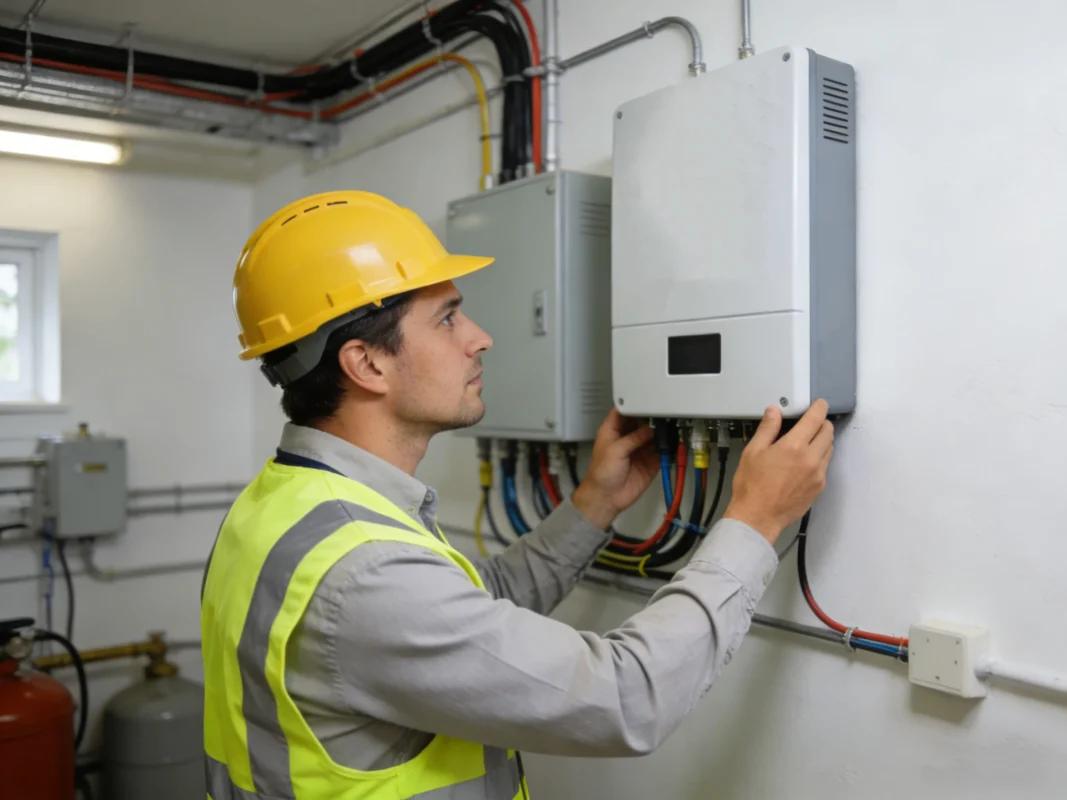
Clear terminals, logical menus, and fast setup save time. Installers remember which pv inverter suppliers respect their workflow.
When something goes wrong, clarity matters. Good pv inverter suppliers design systems that explain problems instead of hiding them.
Documentation, videos, and support lines show long-term commitment.
Oversizing wastes money. Undersizing causes frustration. A knowledgeable pv inverter supplier helps get this balance right.
Even if you don’t install batteries now, choosing a pv inverter supplier that supports future upgrades is smart planning.
Quiet operation, clear indicators, and stable performance matter in daily life.
At the end of the day, solar success isn’t about chasing specs or buzzwords. It’s about choosing a pv inverter supplier that understands real-world conditions, supports long-term operation, and treats reliability as non-negotiable.
Panels come and go. Incentives change. But a well-chosen pv inverter supplier quietly keeps your system running year after year—and that’s where real value lives.
There’s no single number that fits every home. The right inverter size depends on peak load, not average daily energy use.
For example, starting a refrigerator, air conditioner, or water pump can briefly require several times more power than normal operation. A pv inverter supplier typically recommends sizing the inverter to handle these short but demanding moments without overload.
In practical terms, this means reviewing which appliances may run at the same time and understanding their startup requirements. Oversizing slightly for safety is usually smarter than cutting it too close.
Yes—when properly selected and installed, a solar inverter is absolutely suitable for residential use.
A well-designed inverter converts solar energy efficiently, manages household loads smoothly, and protects both the system and the home’s electrical network. The key factor is choosing a pv inverter supplier that designs inverters specifically for long-term residential operation, not just theoretical efficiency.
From real-world experience, homeowners who prioritize reliability and support tend to be far more satisfied than those who focus only on specs.
The main disadvantage is that a solar inverter is an active electronic device, which means it’s sensitive to heat, ventilation, and installation conditions.
Over time, poor airflow, extreme temperatures, or unstable grid conditions can affect performance. This is why the role of the pv inverter supplier is so important—good suppliers design robust thermal management and clear protection logic to reduce these risks.
In short, the inverter isn’t a weak point by default, but it does require thoughtful selection and proper installation.
This is a surprisingly common question, and the answer is often more complex than people expect.
High bills can result from system undersizing, increased household consumption, limited solar production during certain seasons, or inverter operation constraints. In some cases, the solar inverter may be operating correctly, but usage patterns have changed—electric vehicles, new appliances, or extended working-from-home hours all increase demand.
A knowledgeable pv inverter supplier helps ensure the inverter is matched correctly to both production and consumption, minimizing these surprises.
Battery size depends on how long you want backup power, not just how powerful the inverter is.
An inverter might support large loads, but without sufficient battery capacity, runtime will be short. A professional pv inverter supplier looks at both inverter power rating and desired backup duration when recommending battery sizing.
In real-world residential systems, this balance is critical. Overspending on inverter capacity without matching battery storage often leads to disappointing backup performance.








 Turkish
  Romanian