



If you’re planning a commercial solar project, there’s one phrase you’re going to hear over and over again:
commercial solar interconnection.
And here’s the truth most installers don’t tell you early enough:
Your panels and your solar inverter are the easy part.
Getting permission to connect to the grid? That’s where timelines stretch, budgets tighten, and patience gets tested.
I’ve worked with warehouses, manufacturing plants, office parks, and retail centers navigating commercial solar interconnection from start to finish. Some projects sailed through. Others stalled for months because one document was missing or one transformer was overloaded.
This guide is everything I wish every business owner knew before starting the commercial solar interconnection process.
At its core, commercial solar interconnection is the formal process of connecting your business’s solar power system to the local utility grid.
It involves:
Without commercial solar interconnection approval, your system cannot legally export power.
That means:
Think of it like building a highway ramp. You can build your parking lot (your solar array). But until the utility approves your on-ramp, you’re not merging into traffic.
And in commercial projects, that merge is regulated carefully.
Residential systems are usually small and predictable.
Commercial systems? Different story.
A 20 kW rooftop system rarely stresses the grid.
A 500 kW or 2 MW commercial installation absolutely can.
The larger your system:
This is why commercial solar interconnection requires detailed technical studies that homeowners never see.
Most commercial buildings operate on three-phase power. That adds complexity to:
Utilities review all of this during commercial solar interconnection analysis.
If your inverter settings don’t match grid protection standards?
You’re going back to engineering revisions.
In commercial solar interconnection planning, one critical early decision is:
Will you export power to the grid?
If yes → Full interconnection review.
If no → You may qualify for simplified approval (depending on utility rules).
I’ve seen businesses avoid six months of delay simply by designing a non-export system using inverter export controls.
That’s a strategic decision — not just an engineering one.
If you take away one thing from this guide, let it be this: commercial solar interconnection is not a single form you submit — it’s a structured, multi-phase approval pathway that determines whether your system ever produces financial value.
I’ve seen beautifully engineered projects sit idle for months because someone underestimated the commercial solar interconnection process. On the flip side, I’ve also seen large-scale systems move smoothly because the team treated interconnection as a core workstream from day one.
Let’s walk through how commercial solar interconnection actually unfolds in the real world — not just on paper.
Before filing anything, serious developers conduct technical reconnaissance.
This phase is often skipped by inexperienced teams — and that’s where trouble starts.
A strong commercial solar interconnection strategy begins with:
Why does this matter?
Because commercial solar interconnection approval depends heavily on whether your local circuit can absorb new generation without destabilizing voltage or overloading equipment.
In large projects, even a few percentage points of additional backfeed can trigger expensive upgrades.
From experience, this early diligence can save six months of redesign later.
This is where commercial solar interconnection becomes strategic.
Are you planning to:
Your export strategy directly impacts the complexity of the commercial solar interconnection review.
Full export systems typically require:
Non-export systems may qualify for simplified screening — provided export control is robust and verifiable.
A well-designed export limitation plan using programmable solar inverter controls can dramatically reduce review time.
This is not just engineering. It’s smart project positioning.
Now the formal commercial solar interconnection process begins.
The utility solar application is the official submission package requesting permission to interconnect.
A complete application generally includes:
Here’s something many business owners don’t realize:
Most delays in commercial solar interconnection happen because of incomplete or inconsistent documentation.
Utilities are methodical. If something doesn’t align — for example, the inverter cut sheet lists one voltage range but the single-line shows another — the application pauses.
Clean documentation signals professionalism and speeds review.
After submission, utilities conduct an initial screening.
This determines whether your commercial solar interconnection qualifies for fast-track approval or requires detailed study.
Screening typically evaluates:
If your system passes screening thresholds, the process moves quickly.
If it fails screening, the project moves into formal study.
This fork in the road defines your timeline.
For larger commercial systems, engineering studies are standard.
These may include:
Each layer digs deeper into how your system affects the grid.
Utilities analyze:
During commercial solar interconnection studies, adjustments are common.
You may be asked to:
This is where having experienced engineering representation matters.
The commercial solar interconnection process at this stage is technical — not administrative.
If upgrades are required, the utility will provide a cost estimate.
Potential items include:
Commercial solar interconnection costs can range from modest administrative fees to substantial capital contributions.
The key is transparency.
Request itemized breakdowns. Understand assumptions. Review whether export limitation redesign could reduce costs.
Strategic adjustments at this stage can materially change your return on investment.
Once technical approval is achieved, the utility issues a grid connection agreement.
This document formalizes your commercial solar interconnection.
It outlines:
Read this carefully.
The grid connection agreement governs how your system operates for years — sometimes decades.
It may include provisions allowing the utility to curtail export during grid stress events.
Understanding these clauses protects your long-term financial model.
After agreement execution, physical work proceeds.
During this phase of commercial solar interconnection implementation:
Precision matters here.
Incorrect inverter settings can invalidate earlier approval assumptions and delay final authorization.
Field commissioning should verify:
Utilities sometimes require a witnessed test before energization.
Before energizing, utilities often conduct:
This stage confirms that your installed system matches what was approved during commercial solar interconnection review.
Discrepancies — even minor ones — can cause delays.
Alignment between design documents and installed equipment is essential.
This is the milestone everyone waits for.
PTO for business PV is the formal written authorization allowing the system to operate in parallel with the grid.
Without PTO for business PV:
Commercial solar interconnection is not complete until PTO for business PV is granted.
Only then does your investment start delivering its intended financial performance.
Utilities are documentation-driven. For commercial solar interconnection, expect to provide:
If your utility solar application package is clean and complete, approval moves faster.
Sloppy documentation? Expect delays.
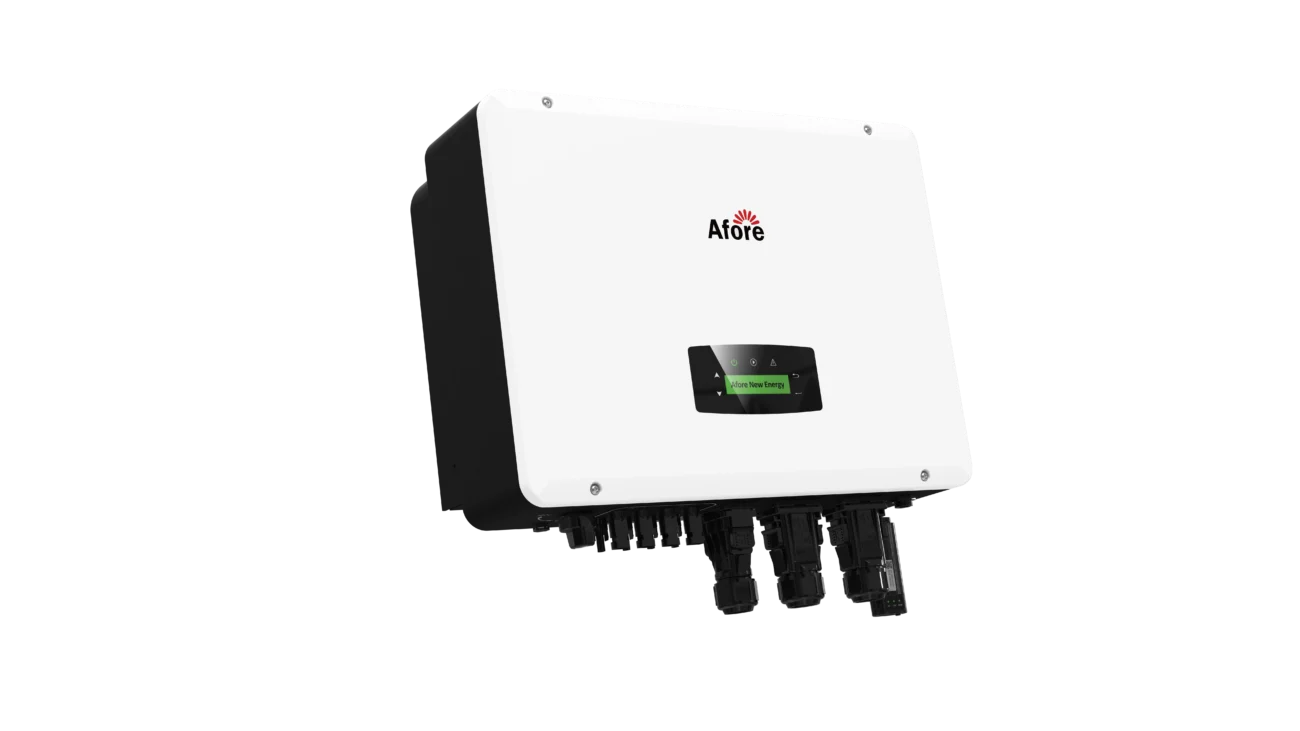
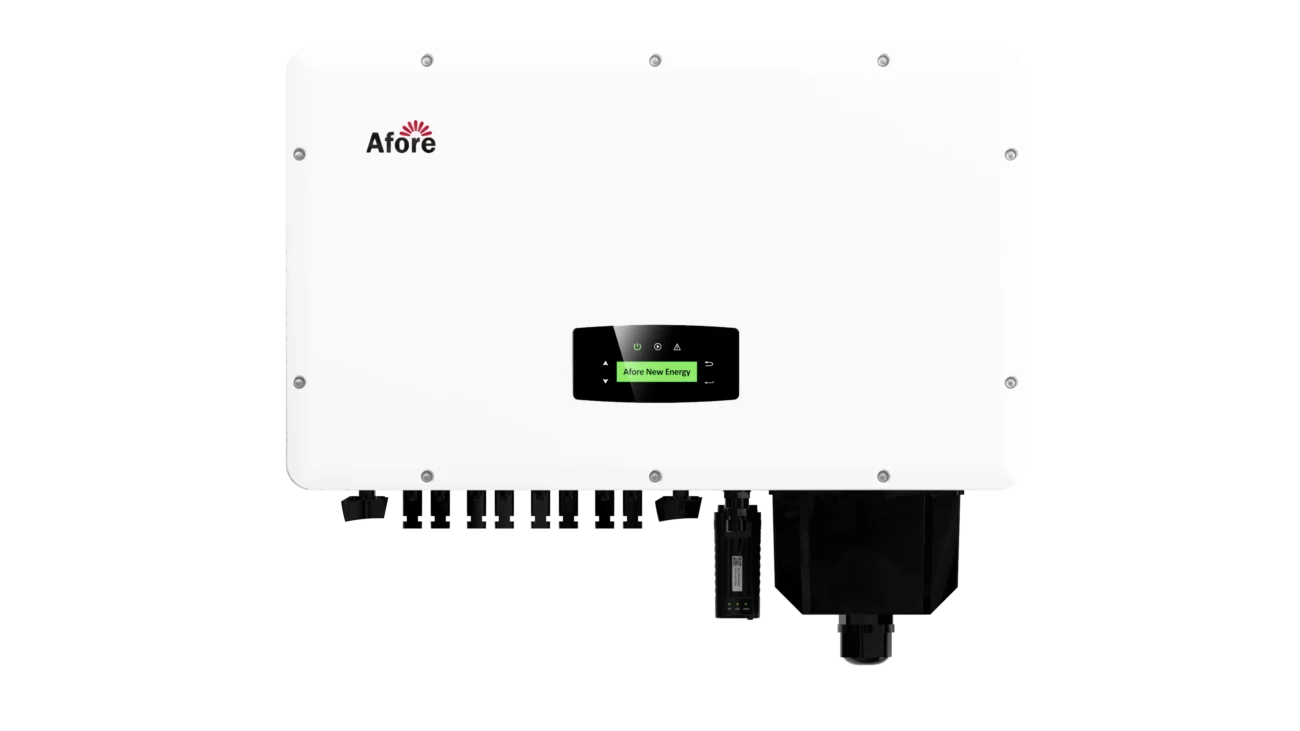
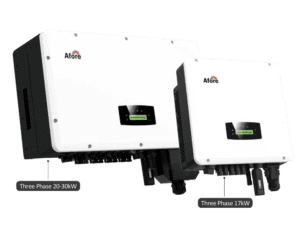
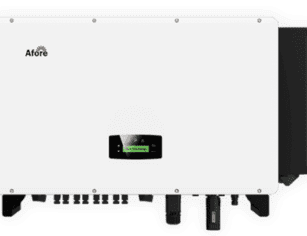
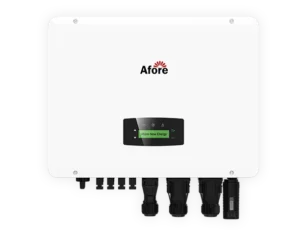
The solar inverter is the brain of your system — and utilities pay close attention to it during commercial solar interconnection.
They evaluate:
Modern smart inverters can:
In my experience, properly configured inverter settings can significantly streamline commercial solar interconnection approval.

Let’s be honest — commercial solar interconnection rarely gets delayed because “the utility is slow.”
In most cases, delays are predictable. Preventable. Sometimes even self-inflicted.
If you want your project to move efficiently toward PTO for business PV, you need to understand where delays actually happen — and how to stay ahead of them.
Below are the most common roadblocks in commercial solar interconnection, and practical strategies to avoid them.
This is the single biggest delay driver in commercial solar interconnection.
Utilities process applications methodically. If your utility solar application is missing:
The review stops.
And here’s the painful part: once returned, your application may go back to the end of the queue.
In commercial solar interconnection, documentation discipline signals competence. Sloppy paperwork signals risk — and utilities respond accordingly.
You can design a technically flawless system — but if the local feeder is saturated, commercial solar interconnection becomes complicated.
Utilities evaluate:
If your project exceeds screening limits, it moves into detailed studies.
That’s when timelines stretch.
Many businesses assume “bigger is better.” In reality, oversized systems often trigger expensive upgrades during commercial solar interconnection review.
Strategic sizing can mean the difference between a 90-day approval and a 9-month process.
One of the most financially disruptive delays in commercial solar interconnection is unexpected infrastructure upgrades.
Common examples include:
These upgrades can take months to design, procure, and install.
And in some jurisdictions, the project developer bears part — or all — of the cost under the grid connection agreement.
In commercial solar interconnection planning, conservative financial modeling is not pessimism — it’s professionalism.
Your solar inverter is the nerve center of your system — and utilities scrutinize it carefully during commercial solar interconnection.
Common configuration issues include:
Even minor misalignment between submitted documents and installed settings can delay final approval.
A properly configured solar inverter often accelerates commercial solar interconnection approval. A misconfigured one guarantees delays.
Commercial solar interconnection is not a passive process.
Utilities may request:
If your team takes weeks to respond, your timeline expands accordingly.
Utilities manage large application queues. Slow responses suggest low project readiness.
Interconnection is collaborative. Efficient communication keeps your project moving forward.
Once approved, the grid connection agreement must be reviewed and executed.
Legal review delays are surprisingly common.
Some businesses underestimate the importance of clauses related to:
Extended legal back-and-forth can stall commercial solar interconnection finalization.
The grid connection agreement is not just paperwork — it governs long-term system operation.
You’ve passed engineering review. Construction is complete. Everything looks good.
Then the witness test fails.
Common issues:
These technical oversights can delay PTO for business PV — sometimes by weeks.
Commercial solar interconnection doesn’t end at approval. Field execution must align perfectly with approved documentation.
One of the most overlooked delay factors is simply poor planning.
Commercial solar interconnection for mid-size systems often takes 3–6 months. Larger systems can take 6–12 months, especially if studies are required.
If your financial model assumes 60-day approval for a 1 MW export system, you are setting yourself up for frustration.
Patience isn’t optional in commercial solar interconnection — it’s part of the process.
Businesses often underestimate this phase.
Potential cost categories include:
I always recommend building a contingency line item specifically for commercial solar interconnection surprises.
Because they happen.
Here’s something I’ve learned after working through multiple commercial projects:
commercial solar interconnection is won or lost at the design table — not at the utility counter.
Most delays, upgrade costs, and study requirements can be traced back to early design decisions. When engineering teams treat commercial solar interconnection as a compliance afterthought, the utility review becomes reactive and expensive.
But when interconnection strategy is embedded into system design from day one, approvals move faster, costs shrink, and PTO for business PV becomes predictable.
Below are the most effective strategic design choices that simplify commercial solar interconnection — grounded in real-world project execution.
A common mistake in commercial projects is sizing the system based purely on available roof or land area.
More panels. More capacity. More savings — right?
Not necessarily.
Utilities evaluate how much energy you export back to the grid during commercial solar interconnection review. If your system significantly exceeds your facility’s daytime load, you’ll trigger:
Instead, design around:
When system capacity aligns closely with internal consumption, commercial solar interconnection review is often smoother and faster.
Right-sizing is not leaving money on the table — it’s reducing regulatory friction.
If your facility consumes most of its energy during solar production hours, export limitation can be a powerful tool.
Rather than allowing unrestricted export, your system can use programmable solar inverter controls to:
Utilities often apply simplified screening to non-export or export-limited systems during commercial solar interconnection.
In practical terms, that can mean:
But export limitation must be robust and verifiable. During commercial solar interconnection review, utilities will request:
When export control is thoughtfully engineered, it becomes one of the most effective strategies for simplifying commercial solar interconnection.
Where you connect to the grid matters.
The point of interconnection influences:
Connecting at a lightly loaded service transformer may simplify commercial solar interconnection. Connecting at a saturated node can trigger costly upgrades.
In some cases, shifting the POI upstream — even if it increases installation complexity — reduces overall interconnection burden.
Early electrical studies should evaluate:
Smart POI selection is one of the most underappreciated factors in commercial solar interconnection success.
Modern solar inverter technology includes advanced grid-support functions that utilities increasingly expect.
During commercial solar interconnection review, utilities assess:
Designing with inverters capable of dynamic grid support helps demonstrate compliance and grid stability contribution.
In practical terms, this may:
When inverter configuration aligns with utility interconnection standards from the beginning, commercial solar interconnection becomes less adversarial and more collaborative.
Protection systems are not just checkboxes in the utility solar application.
They are critical components of commercial solar interconnection compliance.
Your design should address:
Many delays occur when protection details are underdeveloped at submission time.
A well-prepared protection scheme — complete with calculated settings and coordination studies — signals engineering rigor and reduces back-and-forth during commercial solar interconnection review.
This is where experienced electrical engineering input adds measurable value.
Commercial solar interconnection is easier when the utility is part of the conversation early.
Pre-application meetings allow you to:
This early engagement transforms the commercial solar interconnection process from reactive to proactive.
It also builds professional rapport — which matters when clarification requests arise later.
Many teams assume the electrical design that works for installation will automatically satisfy commercial solar interconnection requirements.
That’s not always true.
Installation design focuses on:
Interconnection design focuses on:
Treat commercial solar interconnection engineering as a parallel workstream — not a subset of construction drawings.
This separation reduces redesign risk later.
The grid connection agreement may include curtailment provisions, allowing the utility to temporarily limit export during grid stress.
Designing for flexibility — including programmable inverter settings and monitoring capabilities — ensures your system remains compliant under dynamic conditions.
Forward-thinking commercial solar interconnection planning accounts for:
Future-proofing your system protects both operational continuity and long-term financial performance.
Strategic design also includes financial alignment.
Commercial solar interconnection can introduce:
Build conservative assumptions into your ROI projections.
Assume:
When financial modeling reflects interconnection realities, your business avoids unpleasant surprises.
Commercial solar interconnection timelines vary by:
Small systems: 1–3 months
Mid-sized: 3–6 months
Large commercial: 6–12+ months
Planning for this window avoids cash flow pressure.
Commercial solar interconnection isn’t just paperwork.
It’s engineering.
It’s negotiation.
It’s risk management.
It’s strategy.
The businesses that succeed:
Solar panels generate power.
But commercial solar interconnection determines whether that power actually creates value for your business.
Get this phase right, and your system becomes a long-term asset.
Rush it, and you’ll feel it in delays, costs, and frustration.
The timeline for commercial solar interconnection varies widely depending on system size, export capacity, and grid conditions:
• Small systems (typically under 100 kW, minimal export): 1–3 months
• Mid-sized systems (100 kW – 500 kW): 3–6 months
• Large commercial systems (500 kW – multiple MW, exporting): 6–12+ months
Factors influencing the timeline include the completeness of your utility solar application, grid capacity, required engineering studies, and any upgrade obligations. Planning for realistic approval windows is essential to avoid financial and operational surprises.
For commercial solar interconnection, utilities typically require a detailed package, including:
• Solar inverter certification and technical cut sheets
• Single-line electrical diagram
• Protection relay settings and coordination studies
• Anti-islanding compliance statement
• Site layout plan and interconnection point
• Load analysis and projected export limits
Submitting a complete, accurate package is the fastest way to avoid delays. Incomplete documentation is the single largest cause of extended review periods.
PTO for business PV is the final approval from your utility allowing your system to operate in parallel with the grid. Without PTO:
• You cannot legally export power
• Net metering or energy crediting does not begin
• Energy savings are limited to onsite consumption only
Essentially, PTO for business PV marks the point where your system begins generating real financial value. Until it’s granted, your commercial solar interconnection remains incomplete.
Commercial solar interconnection costs can include:
• Application and study fees
• Engineering review charges
• Infrastructure upgrade contributions (transformers, lines, relays)
• Metering and inspection fees
Strategies to manage costs:
• Engage the utility early to understand potential upgrade requirements
• Consider export-limiting system designs to reduce infrastructure demands
• Budget contingencies for unexpected interconnection adjustments
• Plan your cash flow around the timeline of PTO for business PV
Proper budgeting and strategic planning often prevent surprise expenses from derailing the project.
Yes. Utilities increasingly prefer systems with advanced inverter capabilities because they:
• Limit export automatically
• Provide voltage and frequency support
• Offer reactive power adjustment
• Respond dynamically to grid conditions
• Ensure anti-islanding protection
Properly configured smart inverters reduce technical concerns during commercial solar interconnection review, sometimes expediting approval and simplifying engineering study requirements.
If your planned system exceeds the local circuit’s capacity:
• Utilities may require grid upgrades such as transformer replacement, line reconductoring, or additional protective devices
• You might need to implement export limitation or non-export controls
• Connection at a different point in the network may be necessary
Early assessment of feeder capacity and strategic system design can prevent this issue. If unavoidable, budgeting and timeline adjustments will be required to complete commercial solar interconnection successfully.
Absolutely. Real-world experience shows these approaches work:
• Conduct pre-submission internal audits of all technical documents
• Engage the utility early to identify grid constraints
• Align system size with onsite load and realistic export potential
• Design inverter settings to meet utility standards from the start
• Maintain clear communication with utility engineers throughout the process
Proactive planning doesn’t just reduce delays — it often shortens PTO for business PV approval by months.
Yes. Engineering studies required during commercial solar interconnection can lead to:
• Unexpected infrastructure costs
• Changes to inverter configuration or system size
• Adjusted timelines affecting energy savings projections
Including these potential costs in your financial modeling ensures your commercial solar project remains financially viable, even if grid upgrades are required.
The grid connection agreement defines:
• Export limits and curtailment rights
• Responsibility for future upgrades
• Insurance and liability requirements
• Metering obligations and reporting
Understanding these terms upfront ensures your system remains compliant over its lifetime and avoids costly operational conflicts after PTO for business PV is granted.









 Turkish
  Romanian