




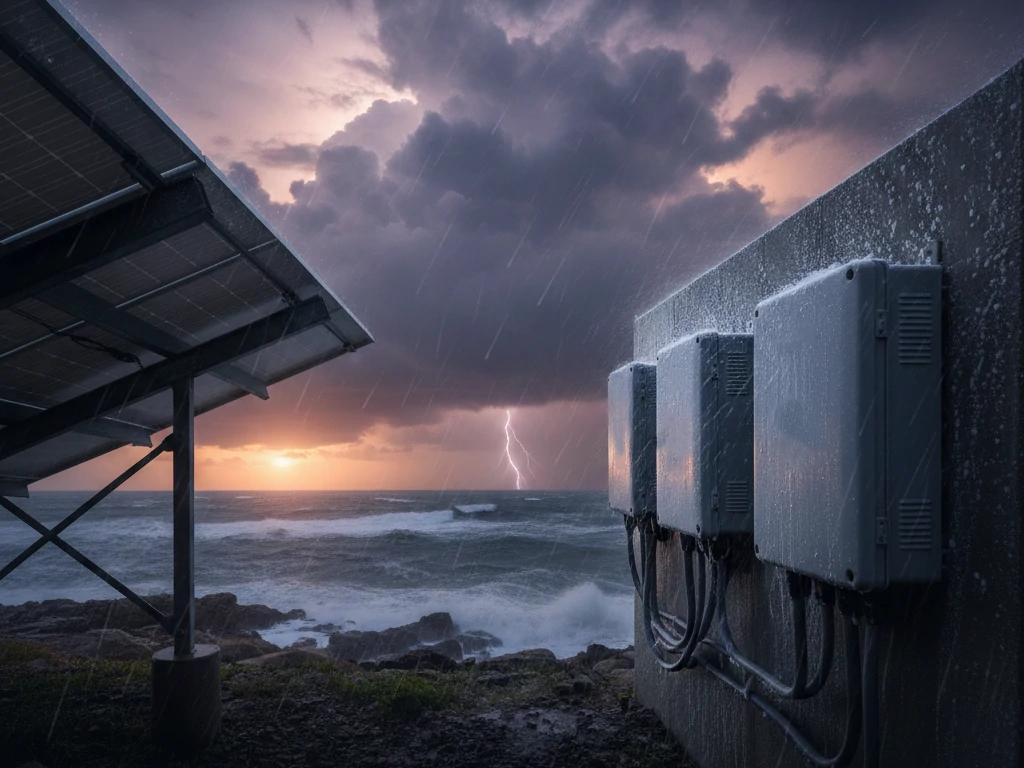
If you’re planning a solar installation near the ocean, coastal solar inverter selection isn’t just a technical step—it’s a mission-critical decision. The salty breeze, high humidity, and frequent storms that come with beachside locations can wreak havoc on standard solar inverters. That’s why understanding corrosion-resistant designs, salt mist protection, and IP66 PV inverter standards is essential for keeping your solar system operational and your investment safe.
In this guide, I’ll walk you through everything from environmental challenges to practical maintenance tips, drawing on real-world insights from solar installations in high-salinity environments. By the end, you’ll be confident in choosing the right solar inverter that can thrive in coastal conditions.
If you’ve ever walked along the shoreline early in the morning, you’ve felt it—the invisible layer of salt in the air. It settles on railings, cars, windows, and yes, on solar equipment. That’s exactly why coastal solar inverter selection is not just a technical checkbox. It’s a long-term reliability decision.
Inland solar systems and coastal systems live in completely different worlds. The inverter—the heart of any solar setup—converts DC power into usable AC electricity. When that inverter is exposed to salt spray, high humidity, strong winds, and airborne sand, its internal components are under constant stress. Poor coastal solar inverter selection can quietly shorten system lifespan by years.
Let’s break down why this matters in practical, real-world terms.
Salt doesn’t simply make surfaces wet. It accelerates oxidation. When microscopic salt particles land on metal terminals, heat sinks, or circuit boards inside a standard solar inverter, corrosion begins almost immediately. You won’t see it on day one—but give it six to twelve months, and the damage becomes measurable.
From field inspections in coastal regions, I’ve personally seen:
Once corrosion starts, electrical resistance increases. That leads to heat buildup. Heat leads to efficiency loss. And efficiency loss eventually leads to inverter shutdown or failure.
This is exactly why coastal solar inverter selection must prioritize corrosion mitigation from the start. Retrofitting protection later is always more expensive than choosing correctly upfront.
Coastal environments are humid—even on days that don’t feel particularly damp. Nighttime cooling followed by morning warmth causes condensation cycles inside enclosures that are not properly sealed.
Without proper salt mist protection and sealing standards, moisture can:
An inverter rated only for mild outdoor use simply isn’t engineered for that repeated moisture stress.
This is where an IP66 PV inverter becomes critical. The IP66 rating ensures complete protection against dust and powerful water jets, significantly reducing the risk of internal moisture intrusion. In proper coastal solar inverter selection, IP66 isn’t “nice to have”—it’s baseline protection.
Beachside installations face another challenge: mechanical stress.
Wind-driven sand behaves like fine sandpaper. Over time, it can erode seals, scratch coatings, and weaken protective finishes. Storms add sudden pressure changes and water exposure. An inadequately sealed inverter may survive one storm—but repeated exposure is where failure occurs.
Strong coastal solar inverter selection considers:
I’ve seen coastal installations where simply raising the inverter 30–50 cm above expected splash level dramatically reduced corrosion issues. Small planning details make large long-term differences.
Let’s talk numbers for a moment.
Replacing a failed solar inverter isn’t cheap. Beyond the equipment cost, you may face:
When coastal corrosion causes premature inverter failure in year three instead of year ten, the total cost of ownership increases significantly.
Proper coastal solar inverter selection protects return on investment by:
Another overlooked reason coastal solar inverter selection matters is performance consistency.
Corrosion and moisture don’t always cause immediate shutdown. Sometimes they cause subtle degradation:
These “soft failures” reduce annual energy yield quietly over time. In coastal installations, even a 2–3% efficiency loss compounds over years.
A properly designed corrosion resistant inverter with tested salt mist protection maintains stable electrical performance despite exposure. That consistency is what separates a system that simply runs from one that runs reliably for decades.
Coastal corrosion doesn’t just affect performance—it can impact safety.
Oxidized terminals increase resistance, which increases heat. Excessive heat can lead to insulation breakdown. In extreme cases, this may elevate fire risk.
Regulatory inspections in coastal regions increasingly scrutinize:
Proper coastal solar inverter selection ensures the inverter aligns with environmental protection standards, reducing liability and inspection complications.
Here’s something many installers overlook: not all warranties treat coastal installations the same.
Some standard warranties exclude damage caused by:
That means if coastal solar inverter selection is done without verifying environmental suitability, you might void coverage unintentionally.
Selecting an inverter engineered for coastal use—such as one with verified salt mist testing and appropriate IP rating—helps preserve warranty validity and protect your investment.
Inland systems focus on heat, dust, and electrical efficiency. Coastal systems must consider:
The design philosophy shifts from “weather resistant” to “corrosion defensive.”
That’s why coastal solar inverter selection isn’t simply about choosing a standard outdoor solar inverter. It’s about selecting an inverter built specifically for aggressive atmospheric conditions.
Solar energy is a long-term commitment—20 to 25 years or more. The inverter is typically the component most likely to require replacement during that time.
If the system is installed near the ocean, coastal solar inverter selection directly determines whether replacement happens once—or multiple times.
Choosing a corrosion resistant inverter with certified salt mist protection and an IP66 PV inverter enclosure dramatically increases the probability of reaching full design lifespan.
In sustainability terms, that means:
That’s smart engineering—and smart environmental stewardship.
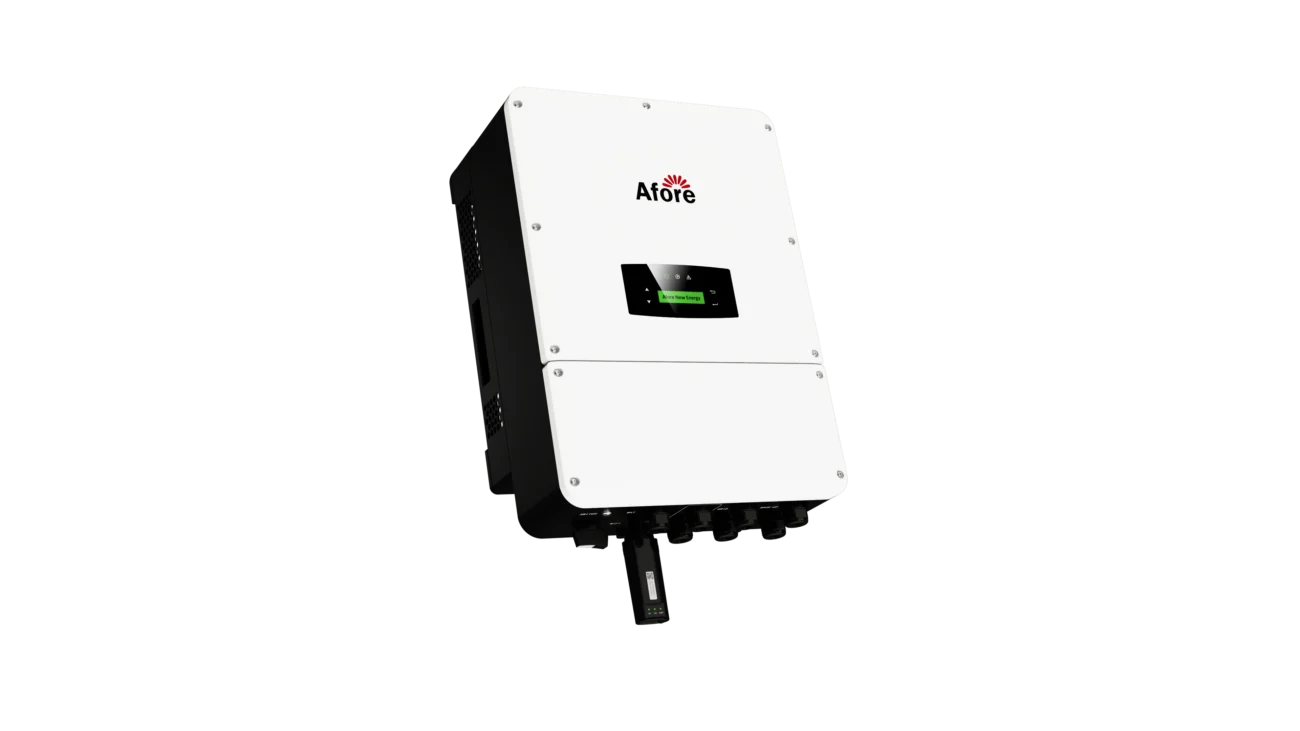
When it comes to coastal installations, a corrosion resistant inverter is more than a luxury—it’s a necessity.
A high-quality inverter designed for salty environments will feature:
Personally, I’ve seen installations where inverters without proper coatings began showing rust spots within six months. Switching to a corrosion-resistant design extended the system’s life by years.
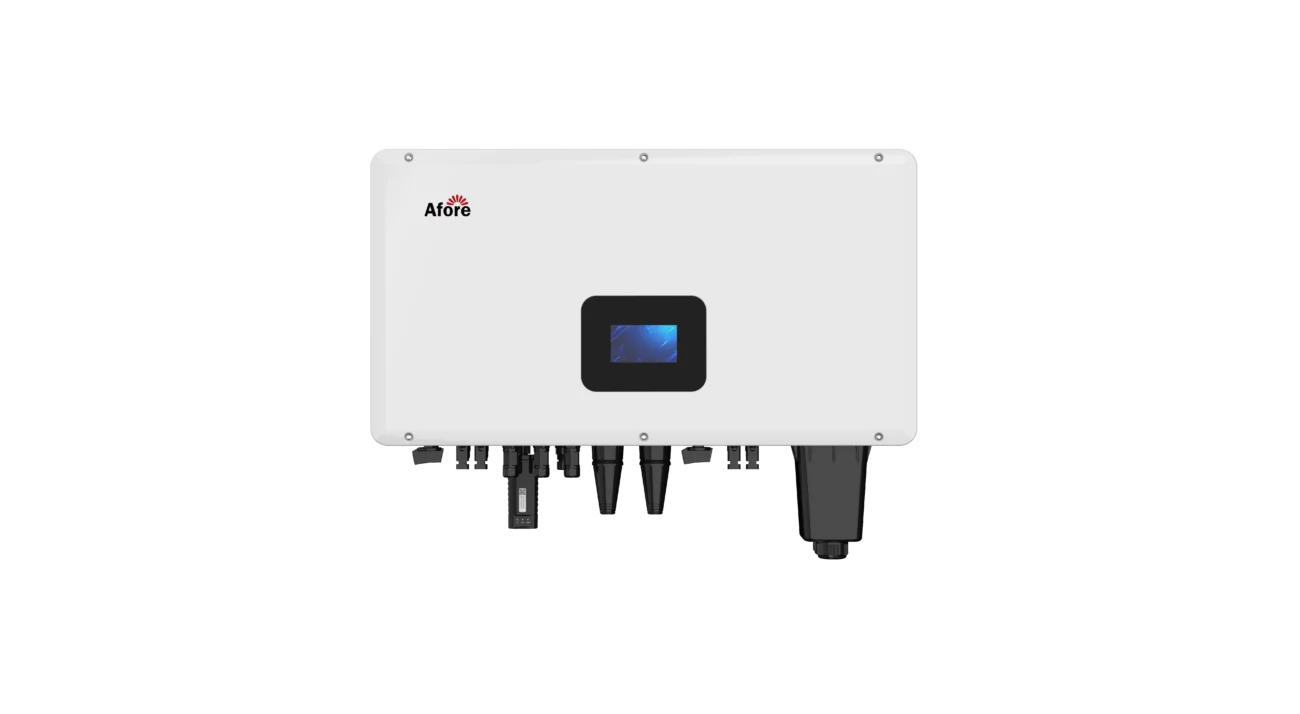
If you’re installing solar systems near the coast, salt isn’t just an inconvenience—it’s a silent enemy. That’s why salt mist protection is a non-negotiable factor in coastal solar inverter selection. Without it, your inverter may appear fine on the outside while corrosion quietly eats away at its electrical heart.
Salt mist is composed of tiny, airborne saline droplets carried by wind from the sea. When these droplets land on metallic surfaces or enter poorly sealed electronics, they accelerate oxidation. Over time, this can degrade terminals, circuit boards, and even the inverter’s enclosure. In practical terms, what looks like a minor environmental exposure can lead to efficiency loss, intermittent faults, or complete inverter failure if left unchecked.
Many installers assume that coastal inverters just need waterproofing. In reality, salt mist is far more corrosive than plain water. Here’s why:
I’ve seen field cases where an inverter installed just ten meters from the shoreline began showing terminal corrosion within six months. A standard inverter would have required replacement within two years, but one with proper salt mist protection stayed operational for over a decade. That’s a dramatic difference in both maintenance costs and system reliability.
A critical part of coastal solar inverter selection is ensuring that the inverter has undergone rigorous testing against salt mist exposure. The most widely recognized standards include:
When selecting an inverter for beachside or near-shore installations, always ask for documentation proving it meets these or equivalent standards. An inverter may be IP66-rated, but without proper salt mist certification, internal components can still degrade prematurely.
Salt mist doesn’t attack every part of an inverter equally. Knowing which areas are most at risk helps guide both selection and maintenance:
A well-designed corrosion resistant inverter addresses each of these vulnerabilities with marine-grade coatings, reinforced seals, and corrosion-proof metals.
Even if an inverter is designed for coastal use, there are steps you can take to maximize protection:
From experience, even minimal preventive measures can extend inverter life by years in high-salinity environments. Salt mist protection isn’t just a design feature—it’s part of an ongoing maintenance philosophy.
If there’s one spec you absolutely cannot ignore, it’s the IP rating. For beachside solar, IP66 PV inverter is the gold standard.
In other words, an IP66 inverter is sealed against sand, dust, and splashing seawater—essential for a coastal setup.
If you prefer NEMA standards, an IP66 inverter roughly equates to NEMA 4X, which is widely recognized for outdoor corrosion resistance.
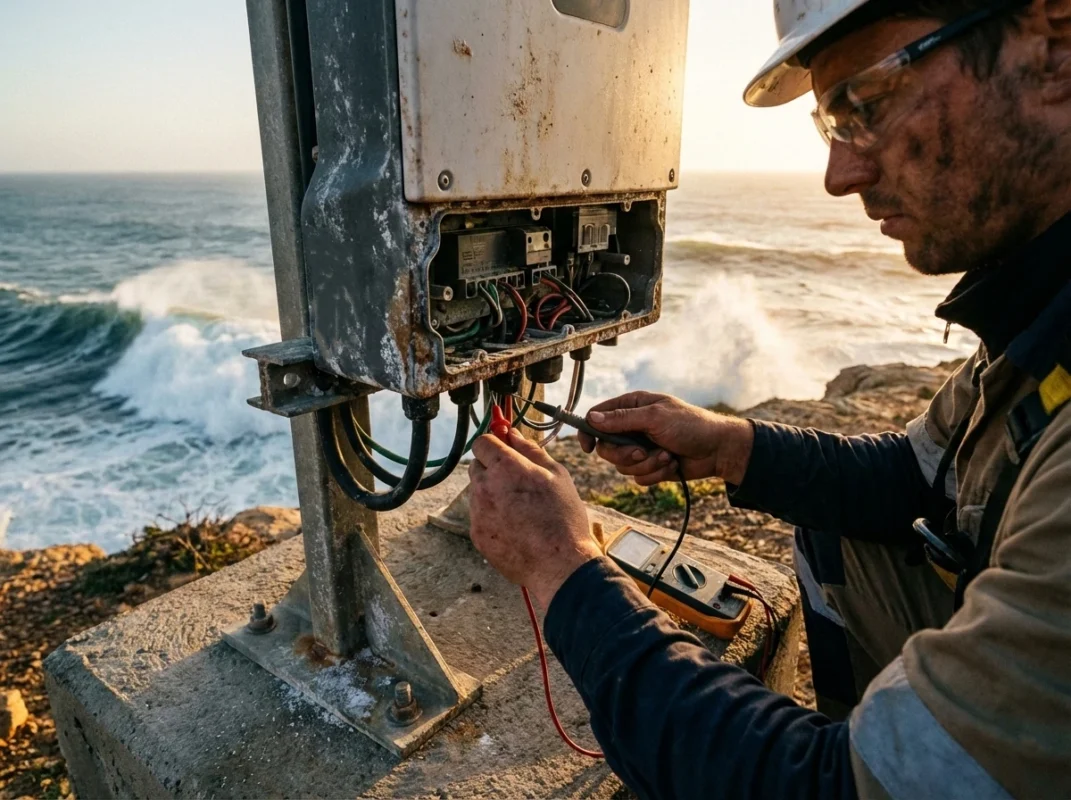
Selecting the right inverter for a coastal solar installation isn’t guesswork—it’s a careful process that balances environmental realities, electrical performance, and long-term reliability. Coastal solar inverter selection goes beyond just picking an IP rating or corrosion-resistant model. It’s about evaluating every factor that could affect your system in salty, humid, and storm-prone conditions.
Here’s a step-by-step approach based on real-world experience with beachside and near-shore solar installations. Following these steps can save you time, money, and headaches down the line.
The first step in any coastal solar inverter selection process is understanding your site. Coastal microclimates can vary significantly, even within a few hundred meters of the shoreline. Consider the following:
Mapping these environmental factors early ensures your coastal solar inverter selection aligns with the real risks the inverter will face.
Once you understand your environment, focus on inverter specifications that resist corrosion and moisture intrusion. Key considerations include:
Don’t underestimate the importance of this step. I’ve seen installations with standard outdoor inverters fail within months simply because they lacked proper corrosion protection.
Environmental durability is critical, but the inverter must also meet your energy needs. Consider:
Balancing durability with performance ensures your coastal solar inverter selection supports both energy reliability and system longevity.
Proper installation dramatically extends the life of any coastal solar system. Some practical tips include:
Even a top-rated corrosion resistant inverter can fail prematurely if installation ignores these environmental factors.
Maintenance is not an afterthought—it’s part of coastal solar inverter selection strategy. Regular inspections can catch minor corrosion before it becomes critical:
A proactive maintenance routine combined with the right inverter can dramatically extend system lifespan, often by a decade or more.
Finally, ensure the inverter is covered for the specific challenges of coastal environments:
Failing to verify warranty and compliance can turn a well-selected inverter into a costly liability if damage occurs.
Effective coastal solar inverter selection is a multi-step process:
Following these steps ensures your solar inverter not only survives the harsh seaside environment but continues to deliver reliable energy for years. The upfront effort pays off with reduced downtime, fewer replacements, and a long-lasting, efficient coastal solar system.
Installing a solar system near the coast is only half the battle. Even the best coastal solar inverter selection won’t guarantee long-term reliability without proactive maintenance. Coastal environments are unforgiving: salt-laden air, high humidity, and frequent storms can slowly degrade inverters, mounting hardware, and wiring. Maintaining your system properly ensures efficiency, safety, and longevity, turning a high-quality corrosion resistant inverter into a decades-long investment.
The cornerstone of any coastal maintenance plan is regular inspections. Aim for a check-up every three to six months, focusing on:
From field experience, systems inspected at least twice a year show significantly lower failure rates than neglected units, even when exposed to heavy coastal conditions.
Salt deposits may appear harmless, but over time, they accelerate corrosion. Cleaning is essential:
A little care goes a long way. In several coastal installations I’ve managed, simple seasonal cleaning prevented minor corrosion from escalating into costly repairs.
Gaskets, seals, and enclosures are your first line of defense against salt mist. Over time, rubber or silicone can degrade:
Even an IP66 PV inverter depends on healthy seals to maintain its rated protection. Neglecting this can allow water and salt intrusion that defeats the enclosure’s design purpose.
Even corrosion-resistant metals benefit from additional protection:
In practice, preventive coatings can extend inverter life by years, reducing both downtime and replacement costs.
Regularly track your system’s output to catch early signs of degradation:
Performance monitoring complements physical inspections, allowing early intervention before minor issues turn into major failures.
Coastal storms bring additional risks:
Being proactive before and after extreme weather preserves the integrity of the inverter and its enclosure, ensuring your system survives harsh conditions.
Keeping records may seem tedious, but it has tangible benefits:
A maintenance log is an invaluable part of coastal solar inverter selection strategy, ensuring longevity and accountability.
Maintaining a solar system in a coastal environment is not optional—it’s essential. Focus on:
With consistent care, your corrosion resistant inverter with salt mist protection will continue to deliver efficient energy reliably, even in the harshest seaside environments. Proper maintenance transforms a well-selected inverter into a long-lasting, low-risk energy asset.
Avoid these pitfalls to extend system life:
Choosing the right inverter for coastal installations is more than checking boxes—it’s about protecting your investment and ensuring reliable energy production. A high-quality solar inverter with corrosion resistant features, salt mist protection, and IP66 PV inverter standards will withstand the harsh seaside environment for years. Combine this with proactive maintenance, and you’re set for a long-lasting, trouble-free solar system.
Remember, the ocean can be beautiful—but it’s unforgiving to electronics. Invest wisely in your coastal solar inverter selection, and you’ll reap clean, sustainable energy for decades to come.
Yes, salt mist can be highly damaging. Even trace amounts of airborne saline particles can corrode terminals, connectors, and circuit boards inside a standard solar inverter. Over time, this leads to efficiency loss, intermittent faults, and even complete failure. That’s why salt mist protection is a critical feature when choosing a coastal solar inverter. A properly sealed and corrosion-resistant unit dramatically reduces this risk and ensures long-term performance.
For installations near the ocean or in areas with frequent salt spray, an IP66 PV inverter is recommended as the minimum. This rating guarantees complete protection against dust and strong water jets, making it ideal for high-salinity, humid environments. While IP66 is the baseline, additional corrosion-resistant design features further improve reliability and extend service life.
Maintenance is essential to prolong the life of your corrosion resistant inverter:
• Inspect for corrosion, oxidation, or water ingress every 3–6 months.
• Clean salt deposits gently using fresh water and soft cloths. Avoid abrasive tools.
• Check gaskets, seals, and enclosure integrity. Replace worn or hardened components.
• Apply protective coatings to exposed metal parts where safe.
• Monitor system performance to detect early signs of degradation.
Consistent attention to these steps can prevent minor salt damage from escalating into costly repairs.
Yes, many manufacturers offer warranties specifically designed for coastal or high-salinity installations. These often cover:
• Corrosion-related damage
• Water ingress under specified IP ratings
• Salt-induced electrical faults
It’s crucial to confirm that your inverter’s warranty explicitly includes coverage for coastal conditions. Keep detailed records of your installation environment, as this documentation may be necessary for warranty claims.
The NEMA equivalent of an IP66 PV inverter is approximately NEMA 4X. This rating ensures protection against corrosion, wind-driven rain, and dust, making it suitable for outdoor use in coastal environments. While NEMA and IP standards differ slightly in testing methodology, NEMA 4X provides a reliable benchmark for inverter durability in high-salinity locations.
Absolutely. Even a corrosion resistant inverter benefits from periodic cleaning. Salt deposits and airborne debris can accumulate on enclosures and connectors, accelerating corrosion. Gentle cleaning with fresh water and non-abrasive tools, combined with routine inspections, can significantly extend system lifespan and maintain consistent energy production.
Coastal wind carries not only salt but also sand and debris, which can erode coatings, compromise seals, and stress mounting hardware. Proper installation—elevated mounts, protective barriers, and secure fastening—reduces mechanical wear and complements salt mist protection and corrosion-resistant design.








 Turkish
  Romanian