



High DC/AC overloading is a term that frequently appears in the context of solar systems and inverters. While it may sound a bit technical at first, it plays a vital role in optimizing energy production and system efficiency. This article will explore high DC/AC overloading in detail, providing insights into inverter clipping ratios, PV system oversizing, and how these concepts contribute to maximizing energy yield.
High DC/AC overloading refers to the practice of intentionally pairing a solar inverter with a larger capacity of photovoltaic (PV) modules than the inverter can handle. Essentially, this involves over-sizing the DC input (from the solar panels) in relation to the inverter’s AC output. It may sound counterintuitive, but the logic behind it is based on optimizing system performance across various conditions, especially in locations with inconsistent sunlight or fluctuating energy demands.
When we talk about “high DC/AC overloading,” we’re referring to a scenario where the DC capacity (from the solar panels) exceeds the inverter’s ability to convert that energy into usable AC power. However, this doesn’t mean the system is inefficient—it’s actually designed to take advantage of peak performance during the sunniest hours, when the system has the potential to generate more energy than the inverter can convert.
Solar designers choose to use high DC/AC overloading ratios for several reasons, all of which contribute to maximizing energy output and system efficiency. One of the key reasons for overloading is to compensate for the natural variation in solar irradiance. Solar energy production is never consistent throughout the day due to factors such as cloud cover, seasonal changes, and the time of day.
By oversizing the DC array in relation to the inverter, designers ensure that even when energy production dips—such as during cloudy periods or early mornings and late afternoons—the system can still generate power efficiently. This overloading allows the inverter to reach its maximum capacity during peak sunlight hours, ensuring that as much energy as possible is converted into usable power before clipping occurs.
In essence, this approach allows for optimal energy generation, even if part of the energy from the solar panels is “clipped” (i.e., beyond the inverter’s maximum capacity) at certain times. This overcapacity provides room for performance variability, ensuring that on clear, sunny days, the system can fully capture and utilize the energy generated by the panels.
At the core of high DC/AC overloading is the concept of balance. When designing a solar system, it’s crucial to find a balance between maximizing the solar panel capacity and the inverter’s output limits. Too much overloading can lead to excess clipping, where the inverter fails to convert all the energy it could have under ideal conditions. On the other hand, underloading (or undersizing the system) could mean a loss in potential energy production during peak sunlight.
For example, imagine a system that is perfectly sized for the inverter’s rated capacity. Under ideal conditions, this system could generate a certain amount of energy. However, if the DC system is slightly oversized, it will produce more energy than the inverter can handle. This excess power is clipped, meaning the inverter simply won’t convert it, leading to a loss of potential energy. However, this loss is often minimal compared to the gains made during peak production hours.
A common misconception is that high overloading is wasteful, but when designed carefully, this approach can significantly improve overall energy production and system efficiency. It’s a calculated decision to ensure that the system is designed to meet energy needs even in the face of variability in sunlight.
If high DC/AC overloading is the strategy, then the inverter clipping ratio is the steering wheel. It’s the number that determines whether your system is intelligently optimized—or quietly bleeding performance.
Over the years, I’ve reviewed dozens of system designs where the panels were fine, the wiring was solid, but the inverter clipping ratio was either misunderstood or ignored. And that’s usually where performance gaps hide.
Let’s unpack this properly.
The inverter clipping ratio—often expressed as the DC/AC ratio—is the relationship between the total installed DC capacity of the PV array and the rated AC output capacity of the solar inverter.
It’s calculated like this:
DC Array Size (kW) ÷ Inverter AC Rating (kW)
For example:
That 1.2 value represents the inverter clipping ratio.
When this ratio rises above 1.0, you’re entering the territory of high DC/AC overloading.
And here’s the key: high DC/AC overloading is not a mistake. It’s intentional. The inverter clipping ratio defines how aggressively that overloading strategy is applied.
High DC/AC overloading only works if the inverter clipping ratio is chosen wisely. Too conservative, and you leave energy on the table. Too aggressive, and clipping losses eat into your financial returns.
A properly selected inverter clipping ratio helps you:
Solar modules rarely operate at nameplate power. Heat, dust, wiring losses, and real-world irradiance conditions reduce output. Because of this, a system with a 1.0 DC/AC ratio will almost never operate at full inverter capacity.
That’s why high DC/AC overloading makes sense. A slightly elevated inverter clipping ratio ensures the inverter spends more hours operating near its sweet spot—where conversion efficiency is highest.
Think of it like running a car engine in its optimal RPM range. That’s where it performs best.
Clipping occurs when the DC input power exceeds the inverter’s AC output limit. At that point, the solar inverter caps output at its rated AC capacity.
Here’s what’s important:
Clipping usually happens during a small window of peak irradiance—often around midday on clear, cool days.
For most of the year, systems operating under high DC/AC overloading are actually below inverter limits. That means the inverter clipping ratio is helping the system capture more low- and mid-level irradiance energy.
In real-world performance modeling, moderate clipping often increases total annual production compared to a perfectly matched 1.0 ratio.
This is why high DC/AC overloading is common in modern PV system oversizing strategies.
There’s a misconception that clipping equals wasted energy. Technically yes—some instantaneous power is curtailed. But the broader picture matters more.
With high DC/AC overloading:
That extra shoulder energy often outweighs the brief midday clipping.
When designed properly, high DC/AC overloading combined with an optimized inverter clipping ratio leads to higher annual yield.
And in energy economics, annual yield is what counts.
Now we get into the serious engineering conversation.
There is no universal “perfect” inverter clipping ratio. It depends on:
In regions with high irradiance and low temperature, aggressive high DC/AC overloading may increase clipping losses. In hotter climates, module output drops, which naturally reduces clipping.
From financial modeling experience, many commercial systems operate between 1.15 and 1.35 DC/AC ratios. Utility-scale systems sometimes push beyond that depending on grid conditions.
But here’s the rule of thumb:
When additional DC capacity costs less per watt than inverter capacity, increasing the inverter clipping ratio can improve project IRR—up to a point.
When clipping losses begin to exceed the marginal energy gains, the design becomes economically inefficient.
That tipping point is where intelligent PV system oversizing stops and over-optimization begins.
When people first hear the term high DC/AC overloading, their instinct is usually hesitation. “Why would I intentionally oversize the DC side of my system?” It sounds risky. It sounds inefficient.
But here’s the truth from years of system analysis and field performance reviews: when engineered correctly, high DC/AC overloading is one of the most practical and financially intelligent tools available to maximize energy yield in modern PV systems.
This isn’t theory. It’s performance-driven design rooted in real irradiance curves, inverter behavior, and long-term production modeling.
Let’s break down why high DC/AC overloading works — and where its real value shows up.
At its core, high DC/AC overloading increases total annual energy production — not by boosting peak power, but by improving energy capture across the full production curve.
Here’s something many system owners don’t realize: solar arrays rarely operate at nameplate DC capacity. Module temperature rise alone can reduce output by 10–20% during hot conditions. Add wiring losses, dust accumulation, and irradiance variability, and real-world production almost never hits the theoretical maximum.
This is where high DC/AC overloading becomes powerful.
By intentionally increasing DC array capacity relative to the solar inverter rating, you allow the inverter to operate closer to its optimal loading range for more hours of the year. Instead of spending large portions of the day underloaded, the inverter works in its high-efficiency zone more consistently.
The result?
Yes, clipping occurs during peak irradiance. But in most climates, that clipping window is relatively short compared to the cumulative gain across the rest of the day.
From a yield perspective, high DC/AC overloading reshapes the production curve. It flattens the top slightly but broadens the base significantly.
And in solar economics, annual kilowatt-hours matter far more than momentary peak power.
When carefully modeled, high DC/AC overloading consistently helps maximize energy yield without meaningfully increasing system risk.
One of the most overlooked advantages of high DC/AC overloading is how it performs under imperfect conditions.
Cloud cover, haze, seasonal shifts — these are realities in almost every climate. On cloudy days, solar modules operate far below peak capacity. In traditional 1.0 DC/AC ratio systems, the inverter may spend much of the day operating at 40–60% load.
That’s inefficient.
With high DC/AC overloading, the additional DC capacity compensates for reduced irradiance. Even when sunlight is diffused, the system can push more current into the inverter, keeping it operating closer to its design sweet spot.
Let me give you a practical example.
Imagine two systems installed side by side:
On a bright, clear day, both systems may clip briefly. But on a cloudy day, System B produces noticeably more usable AC energy because its inverter remains better loaded throughout the day.
Over an entire year — especially in regions with frequent cloud variability — this difference accumulates.
High DC/AC overloading improves resilience against irradiance fluctuations. It doesn’t magically create sunlight, but it ensures you extract more usable energy from the sunlight you do receive.
And from a grid stability perspective, smoother, more consistent production can actually reduce output volatility compared to underloaded systems.
Now let’s talk about what most project developers and system owners actually care about: financial performance.
High DC/AC overloading is not just an engineering concept. It’s a capital allocation strategy.
In many markets, adding additional DC modules is significantly less expensive per watt than increasing inverter capacity. Inverters carry higher cost per kW compared to modules. That pricing dynamic makes PV system oversizing economically attractive.
When you increase the DC side instead of the AC side, you:
However, this only works when the inverter clipping ratio is optimized correctly. If clipping losses exceed the value of additional energy captured during shoulder hours, returns diminish.
This is where real modeling experience matters. You have to examine:
From my experience reviewing financial simulations, moderate high DC/AC overloading typically increases revenue stability and accelerates payback periods, especially in systems selling energy at fixed or time-of-use rates.
But let’s be clear: aggressive overloading without analysis can become economically inefficient. There is a tipping point.
The sweet spot lies where incremental DC cost is lower than incremental AC upgrade cost — and clipping losses remain within acceptable limits.
When designed thoughtfully, high DC/AC overloading transforms a system from peak-power focused to revenue-optimized.
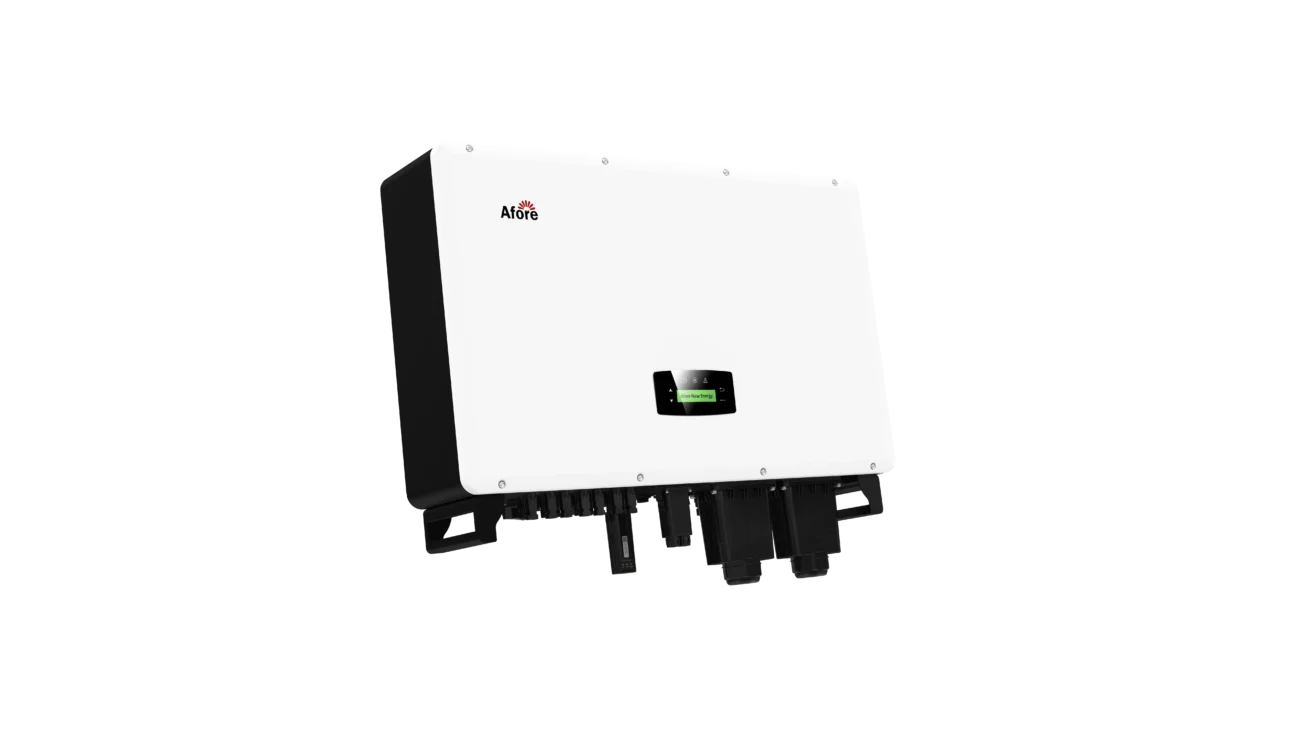
The optimal clipping ratio depends on several factors, including geographical location, average sunlight hours, panel efficiency, and the type of inverter used. It’s important to balance the risk of clipping with the potential for maximizing energy production.
To calculate the optimal clipping ratio, solar designers typically:
Advanced modeling tools are available that can simulate different DC/AC ratios and help designers choose the best configuration based on specific site conditions. These tools consider factors like local climate, panel orientation, and shading, ensuring that the clipping ratio is optimized for maximum energy production.
One concern that often comes up when discussing high DC/AC overloading is the potential effect on the lifespan of string inverters. Overloading doesn’t necessarily harm the inverter, but if the system is constantly near its maximum capacity, it could lead to overheating or premature wear and tear.
To avoid damaging the inverter, it’s essential to select an inverter that’s designed to handle high overloading. Additionally, ensuring that the inverter operates within its thermal limits and doesn’t operate at maximum capacity for extended periods can help prolong its lifespan.
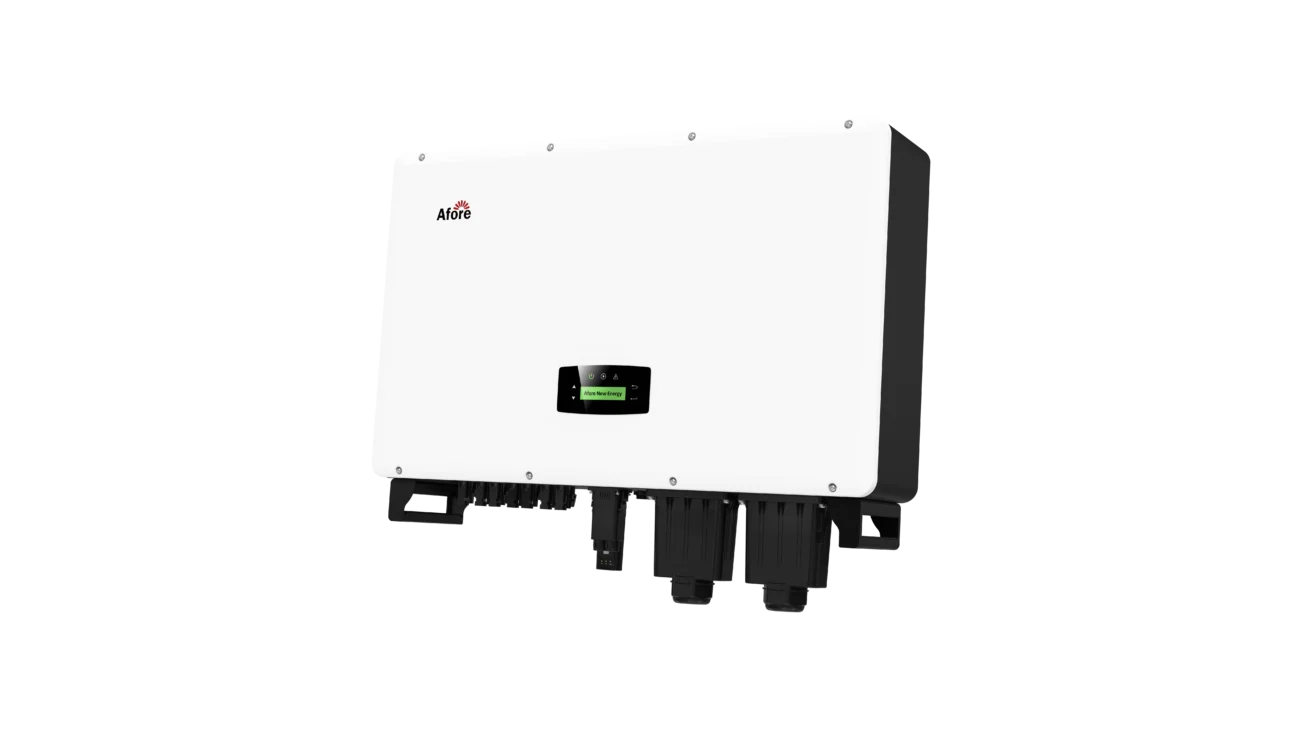
Solar designers use high DC/AC overloading ratios to ensure that solar systems perform optimally, even during periods of high solar irradiance. This allows for greater energy yield, especially during peak sunlight hours, and compensates for variations in sunlight.
Overloading doesn’t directly harm the inverter, but if the system constantly operates near its maximum capacity, it could reduce the inverter’s lifespan. Proper thermal management and inverter selection can mitigate this risk.
Inverter clipping becomes economically inefficient when the system consistently clips more power than it produces during peak hours, reducing the overall energy yield. This can be avoided by selecting an optimal DC/AC ratio and inverter size.
The optimal clipping ratio depends on factors like the solar panel’s peak DC power output, the inverter’s AC capacity, and local weather conditions. Modeling tools can help calculate the best clipping ratio based on these parameters.
Yes, high DC/AC overloading can improve energy production on cloudy days by compensating for the lower solar output. The excess capacity in the DC system can capture more energy, even in less-than-ideal conditions.








 Turkish
  Romanian