




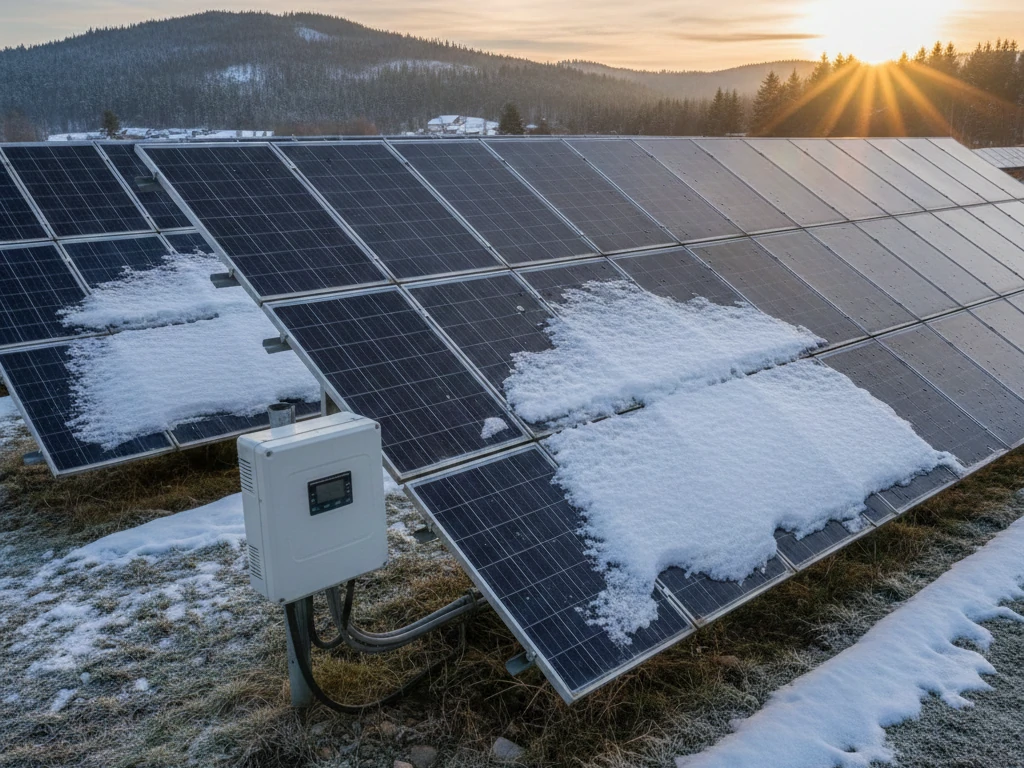
If you’ve ever watched frost creep across your solar array at sunrise and wondered whether your system can actually handle that kind of cold, you’re not alone.
Designing a solar inverter for cold climates isn’t just about buying a rugged box and hoping for the best. It’s about understanding physics, materials, voltage behavior, ventilation, snow load, condensation, and something most people overlook: startup behavior in freezing air.
I’ve worked with off-grid cabins buried in snow, mountain telecom shelters, and rural homes where winter lasts half the year. And if there’s one thing I’ve learned, it’s this:
Cold doesn’t kill solar systems.
Poor design does.
This guide breaks down exactly how to choose, install, and maintain the right solar inverter for cold climates, while optimizing winter PV performance and protecting your long-term investment.
Let’s clear up a common myth right away:
Solar panels actually perform better in cold weather.
But the system behind them? That’s where things get complicated.
When selecting a solar inverter for cold climates, you must account for:
Cold regions amplify electrical behavior. That means mistakes become expensive faster.
If you’ve ever stepped outside on a crystal-clear winter morning and noticed how sharp and bright the sunlight feels, you’re not imagining it. Cold air is denser. The sky is often clearer. And surprisingly, your solar system may actually be working harder than it does on a hot summer afternoon.
But here’s the nuance — and this is where real system design matters:
Cold weather improves panel efficiency, yet it simultaneously increases electrical stress on your inverter.
When designing or selecting a solar inverter for cold climates, understanding this dual effect is absolutely critical. Let’s break it down in practical, field-tested terms.
Most people assume solar panels hate winter. The opposite is true.
Solar cells are semiconductor devices. As temperature drops, internal electrical resistance decreases. Lower resistance means electrons move more efficiently. That translates into higher voltage output.
In real-world winter PV performance data from cold regions, we often see:
However — and this is the part that separates experienced designers from beginners — voltage rises significantly in cold weather.
Every solar panel has a temperature coefficient. For each degree Celsius the temperature drops below standard test conditions (25°C), voltage increases by roughly 0.3% to 0.5%.
Let’s make that tangible.
If a string is safely below inverter voltage limits at 25°C, it may exceed those limits at -20°C.
That’s why choosing a properly rated solar inverter for cold climates is not optional. It must be able to handle the maximum calculated winter open-circuit voltage — not just average conditions.
Failure to calculate cold-weather voltage is one of the most common system design mistakes I’ve seen in northern installations.
Low temperature PV start-up is an issue that rarely gets discussed in consumer guides, but it absolutely matters in real installations.
Inverters don’t operate constantly at dawn. They require a minimum DC voltage threshold to “wake up.” In winter, several factors interfere with clean start-up:
In extremely cold environments, panels may produce high voltage but insufficient current at sunrise. The inverter may attempt to start, shut down, and restart repeatedly.
A true solar inverter for cold climates must:
In professional system design, we simulate the lowest historical temperature and calculate worst-case Voc before finalizing string sizing. This protects both equipment longevity and system reliability.
When winter PV performance matters — especially for off-grid homes or remote infrastructure — startup stability becomes mission-critical.
Cold, clear mornings are the most electrically stressful moment for your system.
Here’s why:
If your system is marginally designed, this is when it fails.
A properly selected solar inverter for cold climates must have:
In practical terms, I always recommend leaving at least 10–15% safety margin between calculated winter Voc and inverter maximum DC input.
That buffer protects against unexpected extreme temperature events.
Here’s something many homeowners find surprising: snow can increase solar production.
Fresh snow reflects sunlight — a phenomenon known as albedo effect. In clear conditions, reflected light increases total irradiance hitting the panels.
This can temporarily improve winter PV performance beyond what summer conditions provide.
However, this also increases electrical load on your inverter.
Again, a robust solar inverter for cold climates must manage both:
Designing for average conditions is not enough. Winter extremes define system durability.
Of course, snow doesn’t always help.
Accumulated snow can:
Partial shading in cold weather often results in unstable power curves. Inferior MPPT tracking algorithms may struggle.
A high-quality solar inverter for cold climates must respond quickly to irregular power curves and optimize output despite uneven snow melt patterns.
In real installations, tilt angle and snow load solar design directly influence how quickly arrays shed snow and resume full production.
Proper snow load solar design isn’t just structural — it affects electrical stability and inverter workload.
Cold weather doesn’t just affect panels. It impacts internal inverter electronics.
Key stress points include:
Repeated freeze-thaw cycles introduce condensation risk inside enclosures.
A durable solar inverter for cold climates must be engineered to handle:
This is where installation environment matters.
Indoor installation reduces extreme cycling. Outdoor units require proper enclosure rating and snow clearance.
Winter PV performance isn’t only about production numbers. It’s about survivability.
Another overlooked factor: cable contraction.
Copper wiring contracts slightly in cold temperatures. If connections were not torqued properly during installation, winter contraction may loosen terminals.
Loose connections increase resistance, which can cause:
In cold regions, selecting a solar inverter for cold climates should go hand-in-hand with professional-grade installation practices.
In grid-tied systems, short shutdowns are inconvenient.
In off-grid systems, they’re dangerous.
When powering remote homes, telecommunications equipment, or agricultural operations, winter reliability becomes critical.
A correctly specified solar inverter for cold climates ensures:
In freezing regions, redundancy and conservative design are not overengineering — they’re responsible engineering.
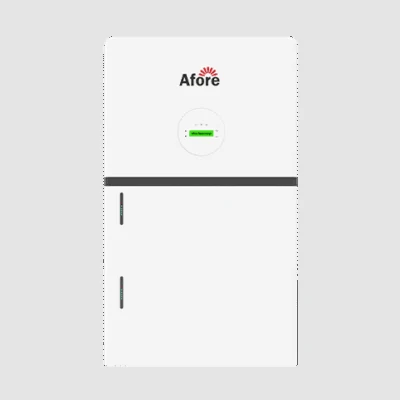
Let’s be honest — not every inverter that works fine in mild weather is ready for deep winter.
I’ve seen systems that performed beautifully in autumn suddenly start throwing faults the first week temperatures dropped below freezing. The panels were fine. The wiring was fine. The weak link? The inverter simply wasn’t designed for prolonged cold exposure.
Choosing the right solar inverter for cold climates isn’t about marketing claims. It’s about measurable electrical limits, component durability, environmental protection, and conservative engineering margins.
Below are the core technical requirements I insist on when designing systems for harsh winter environments.
This is the first specification you should check — and most people misunderstand it.
Manufacturers list:
These are not the same.
An inverter may operate at -20°C but only start at -10°C. That difference matters in real-world winter PV performance.
In extremely cold regions, your solar inverter for cold climates must:
If the inverter cannot start on a freezing sunrise, your low temperature PV start-up stability is compromised from day one.
From a design standpoint, I always compare historical minimum temperatures for the installation site with inverter start-up specs — not just operating specs.
That’s how you build reliability into the system instead of hoping for mild winters.
Cold weather increases panel voltage. That’s physics, not opinion.
Every serious installation in cold regions must calculate maximum open-circuit voltage (Voc) at the lowest expected temperature.
A properly specified solar inverter for cold climates must have sufficient DC voltage headroom to handle:
I recommend designing string voltage so that calculated winter Voc does not exceed 85–90% of the inverter’s absolute maximum DC input rating.
Why leave margin?
Because extreme cold events happen. Record-breaking mornings happen. And voltage tolerance isn’t where you want to gamble.
This approach protects long-term reliability and prevents nuisance shutdowns that harm winter PV performance.
Low temperature PV start-up behavior is often overlooked until problems appear.
During winter mornings, panels may produce high voltage but unstable current due to frost, snow melt patterns, or partial shading.
A capable solar inverter for cold climates must include:
Inferior MPPT control can cause:
In off-grid or critical-load systems, that instability becomes more than a nuisance — it becomes a reliability risk.
When evaluating specifications, look beyond peak efficiency numbers. MPPT operating window width matters more in winter than laboratory efficiency ratings.
Cold regions don’t just stay cold — they fluctuate.
Daytime sun warms enclosures. Nighttime temperatures plummet. This creates repeated thermal expansion and contraction inside the inverter.
Key internal components affected include:
A properly engineered solar inverter for cold climates should use:
Repeated thermal stress is one of the main causes of long-term inverter failure in snowy regions.
Snow load solar design isn’t just structural — it must account for how environmental stress transfers to electronics over time.
Condensation is the silent killer in cold climates.
Here’s how it happens:
Over months, this leads to corrosion and insulation degradation.
A durable solar inverter for cold climates must include:
Snow load solar design also affects inverter placement. Units installed too close to snow accumulation zones are more prone to moisture intrusion.
From field experience, condensation damage rarely appears in year one — but it shortens lifespan dramatically over time.
Designing for moisture resilience protects your investment long after installation.
In winter environments, ventilation openings are vulnerable.
Snowdrifts can block air inlets. Ice buildup can restrict airflow. Restricted airflow leads to overheating once the inverter begins operating under load — even in cold air.
Yes, inverters can overheat in winter.
A well-specified solar inverter for cold climates must have:
In cold regions, I strongly recommend installing the inverter:
Snow load solar design and inverter ventilation planning must work together.
Cold weather can impact grid behavior in some regions. Voltage fluctuations, especially in rural grids, become more common during heavy winter loads.
A resilient solar inverter for cold climates should include:
In remote areas, winter storms may cause temporary grid instability. Your inverter must reconnect safely and consistently without manual intervention.
Reliable winter PV performance depends not only on solar input but also on stable AC behavior.
For hybrid and off-grid systems, battery management becomes critical in freezing environments.
Lithium-based batteries typically restrict charging below 0°C. Lead-based batteries lose capacity in cold temperatures.
A capable solar inverter for cold climates must:
Without proper coordination, winter PV performance may appear strong on the panel side but fail at the storage stage.
Energy produced is meaningless if it cannot be safely stored.
Finally, the most underrated technical requirement isn’t a specification — it’s philosophy.
In cold climates, conservative sizing wins.
That means:
Cutting costs by sizing too tightly may work in mild climates.
In freezing regions, it leads to repeated shutdowns, service calls, and shortened lifespan.
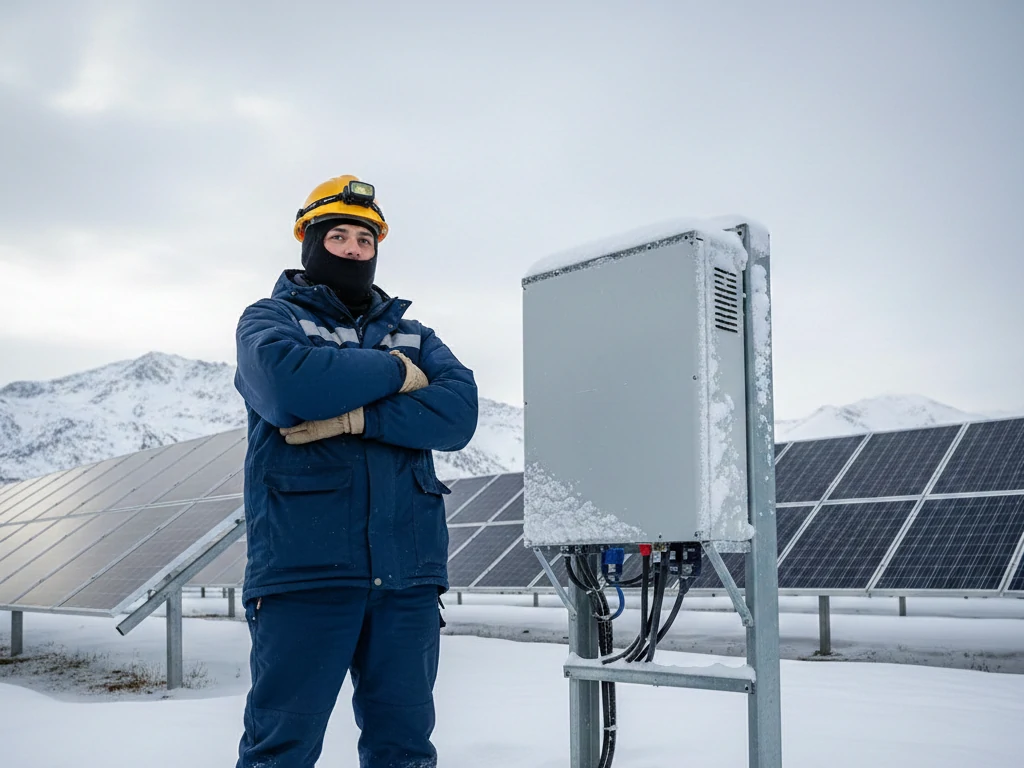
Snow load solar design impacts system stability and inverter reliability.
Heavy snow increases:
If cables shift under snow weight, connections can loosen — causing intermittent DC faults that affect the solar inverter for cold climates.
Design panels at angles that encourage sliding.
This improves winter PV performance and reduces shading duration.
Snow load solar design should always prioritize:
Now let’s talk about performance, not just survival.
You must calculate maximum open-circuit voltage at the lowest recorded temperature.
Cold increases voltage by roughly 0.3–0.5% per °C drop.
If your string configuration is marginal in summer, it can exceed inverter limits in winter.
Every professional selecting a solar inverter for cold climates runs this calculation before installation.
Frost creates partial shading patterns.
Advanced MPPT behavior improves winter PV performance by adapting quickly to irregular irradiance.
A quality solar inverter for cold climates responds dynamically instead of locking onto weak power points.
This is a common debate.
But in winter, snow buildup around ventilation openings can reduce airflow.
A solar inverter for cold climates installed outdoors must have protected ventilation channels.
Indoor placement:
In extremely cold regions, I often recommend indoor installation when possible.
Still, the chosen solar inverter for cold climates must be rated for both environments.
Energy storage adds complexity.
Cold temperatures reduce battery capacity and charging efficiency.
A solar inverter for cold climates integrated with storage must coordinate battery heating or temperature monitoring.
Winter PV performance depends heavily on battery behavior during cold charging.
Let me share something practical.
In one mountain cabin project, the inverter kept shutting down every sunrise.
The issue?
Voltage spikes during low temperature PV start-up exceeded MPPT limits.
We redesigned string length and upgraded to a properly rated solar inverter for cold climates.
Problem solved instantly.
Cold climates punish shortcuts.
If there’s one lesson I’ve learned after years of working on winter installations, it’s this:
Cold weather doesn’t destroy solar systems overnight — neglect does.
A properly designed solar inverter for cold climates can handle freezing temperatures, voltage spikes, and snow reflection. But even the best system needs routine inspection to maintain strong winter PV performance year after year.
Below is a practical, field-tested maintenance checklist specifically tailored for cold regions. This isn’t theory — it’s what actually prevents shutdowns in January.
Snow accumulation is one of the most common winter hazards.
Even when panels are tilted properly under snow load solar design principles, drifting snow can build up around the inverter enclosure.
Why this matters:
A reliable solar inverter for cold climates depends on consistent airflow. Even in freezing temperatures, internal components generate heat under load.
Maintenance tip:
Ventilation is non-negotiable for winter PV performance.
Cold air increases voltage — sometimes dramatically.
Every winter, especially during the coldest weeks, review your system logs.
You’re looking for:
A properly selected solar inverter for cold climates should operate safely within limits, but monitoring confirms your original voltage calculations remain valid.
If you notice voltage approaching maximum thresholds more frequently than expected, it may indicate:
Proactive monitoring prevents expensive failures.
Freeze-thaw cycles create hidden stress.
Here’s what happens:
Over time, this can corrode circuitry and compromise insulation.
A well-built solar inverter for cold climates includes protective coatings and sealing, but maintenance still matters.
Inspection checklist:
Moisture damage is gradual. Catching it early protects long-term reliability.
Copper contracts in freezing temperatures.
If connections were not torqued properly during installation, winter contraction can loosen terminals.
Loose connections can cause:
Once per winter season, inspect:
A stable solar inverter for cold climates relies on stable electrical connections.
This step is especially important in regions with large temperature swings between day and night.
Maintenance isn’t just about electronics.
Heavy snow stresses mounting systems, and shifting arrays can affect wiring alignment.
During winter inspections:
Proper snow load solar design should prevent structural issues, but seasonal checks verify that design assumptions are holding true.
Mechanical stress can indirectly affect your solar inverter for cold climates if cables loosen or grounding becomes compromised.
Cold mornings reveal weaknesses.
Watch how your system behaves at sunrise on the coldest days.
Healthy low temperature PV start-up should show:
If you observe frequent start-stop sequences, that may indicate:
Consistent monitoring ensures your solar inverter for cold climates maintains optimal winter PV performance.
If your system includes storage, winter maintenance becomes even more critical.
Cold temperatures affect:
For battery-integrated systems, confirm:
Your solar inverter for cold climates must coordinate safely with batteries during freezing conditions. A mismatch between inverter charging behavior and battery temperature can reduce lifespan significantly.
Energy production is only useful if storage remains stable.
One of the most valuable maintenance tools is data comparison.
At the end of each winter season:
A stable solar inverter for cold climates should demonstrate predictable behavior across multiple winters.
Unexpected production drops may signal:
Long-term data analysis is part of responsible system ownership.
Even experienced system owners benefit from periodic third-party evaluation.
In cold regions, I recommend:
A professionally maintained solar inverter for cold climates often lasts years longer than neglected systems.
Preventative maintenance costs far less than mid-winter emergency repairs.
Cold regions are not the enemy of solar energy.
In fact, with the right planning, winter PV performance can exceed expectations.
But it requires:
Choosing the correct solar inverter for cold climates isn’t just a purchase decision.
It’s a design philosophy.
When engineered correctly, your solar inverter for cold climates won’t just survive winter.
It will thrive in it.
And that’s the difference between a system that struggles… and one that powers through blizzards without missing a beat.
Yes — but only if the solar inverter for cold climates is rated for sub-zero operation. Standard units may operate poorly or fail to start below freezing.
Install above expected snow line, use protective covers that maintain airflow, and conduct regular clearing. Snow load solar design must consider ventilation access.
Yes. Cold weather increases voltage output. That’s why proper string sizing is critical when selecting a solar inverter for cold climates.
Often yes. Indoor installation reduces thermal stress and condensation risks. However, the solar inverter for cold climates must still tolerate wide temperature swings.
Use insulated enclosures, battery heating systems, and ensure your solar inverter for cold climates supports temperature-aware charging protocols.








 Turkish
  Romanian