




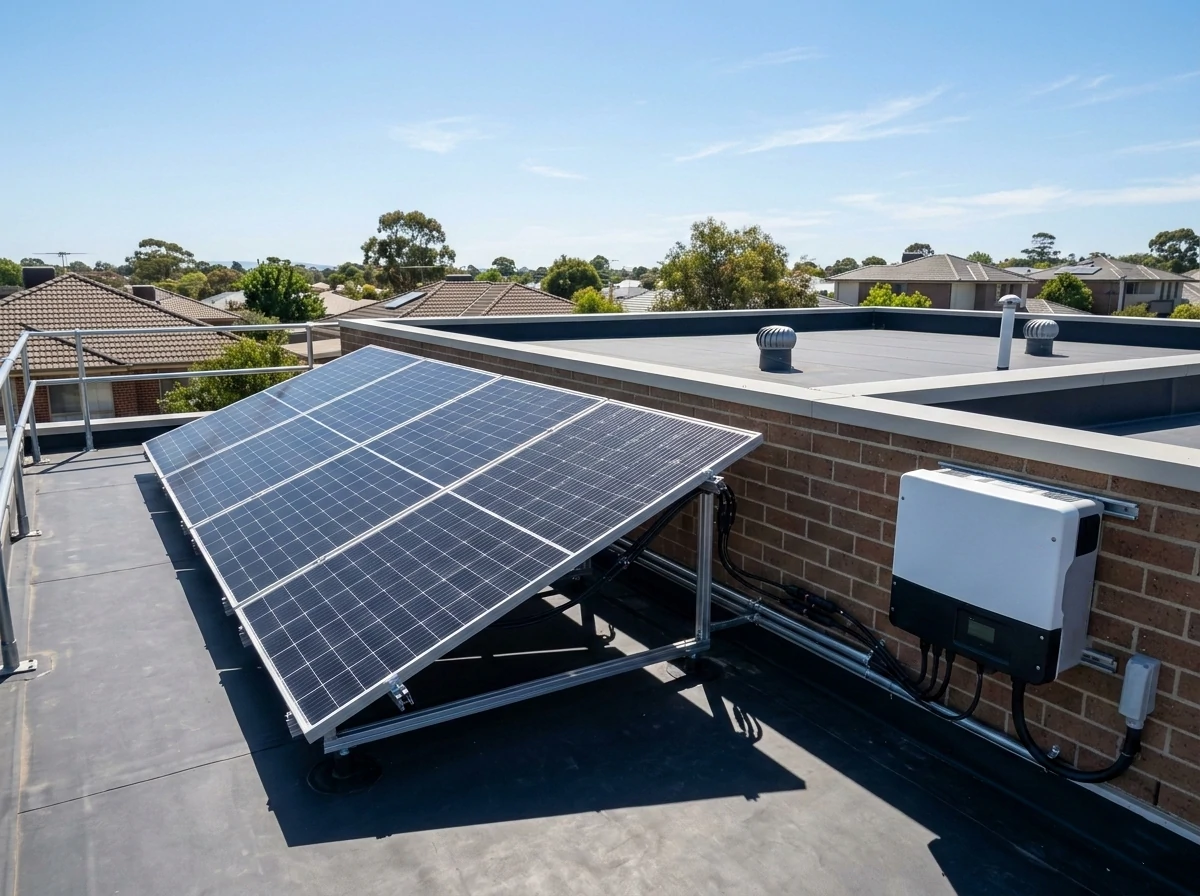
If you’ve recently upgraded to 700W solar panels, you’re probably wondering what kind of inverter will handle this powerhouse efficiently. Choosing the right inverter for 700W solar panels isn’t just a technical decision—it can make or break your solar investment. In this guide, we’ll cover everything from compatibility to performance optimization, and we’ll keep it practical, easy to understand, and based on real-world experience.
When you think about your solar setup, your inverter is like the heart of the system. No matter how strong your 700W solar panels are, if the inverter can’t handle the load or optimize output, you’re leaving energy—and money—on the table.
A solar inverter converts the DC electricity produced by your panels into AC electricity for home use. But here’s the catch: ultra-high power panels like 700W modules push in more current and voltage than standard panels. Using a subpar inverter can result in energy clipping, overheating, or even system shutdowns.
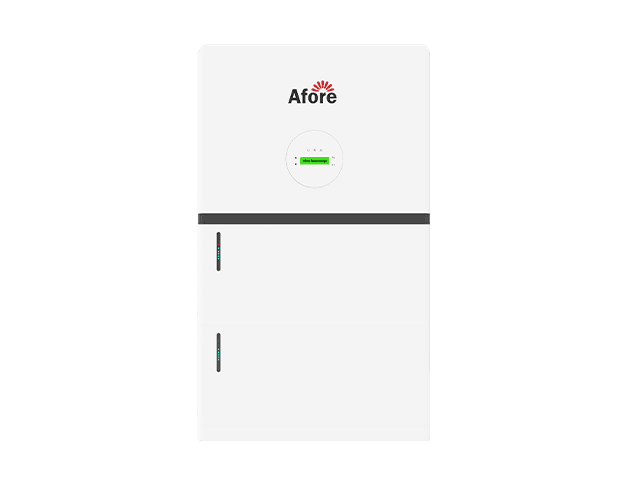
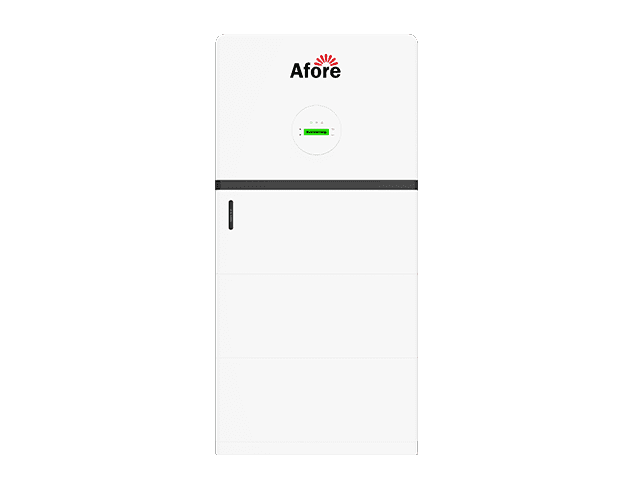
You might have heard about hybrid inverters—these versatile units can manage both solar input and battery storage. For homeowners thinking of future-proofing their system or integrating energy storage, a hybrid inverter can be a game-changer. Not only does it manage 700W solar panels efficiently, but it also allows for energy independence during grid outages.

Selecting the right inverter for 700W solar panels isn’t just a matter of matching wattage—it’s about understanding how your panels interact with the inverter, the type of modules you’re using, and the overall energy flow in your system. High-power panels like 700W units produce more current and higher voltages than standard panels, which can create unique challenges if the inverter isn’t carefully chosen.
One of the first things to consider is N-type module compatibility. N-type panels are known for higher efficiency and reduced degradation over time, making them ideal for high-output applications. However, their electrical characteristics differ slightly from traditional P-type panels, especially regarding voltage and current thresholds.
If your inverter isn’t compatible with N-type modules, you may face efficiency losses or even operational issues. For instance, a standard inverter may not be able to handle the slightly higher voltage or may limit the maximum input current, reducing the energy harvested during peak sun hours. Always ensure that your chosen inverter explicitly supports N-type modules to get the most out of your 700W solar panels.
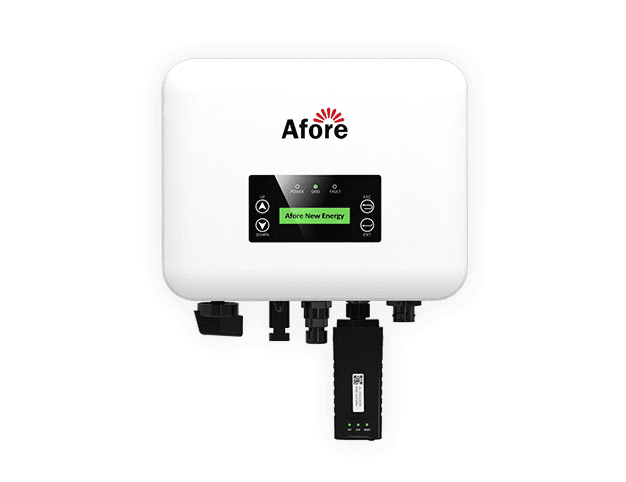
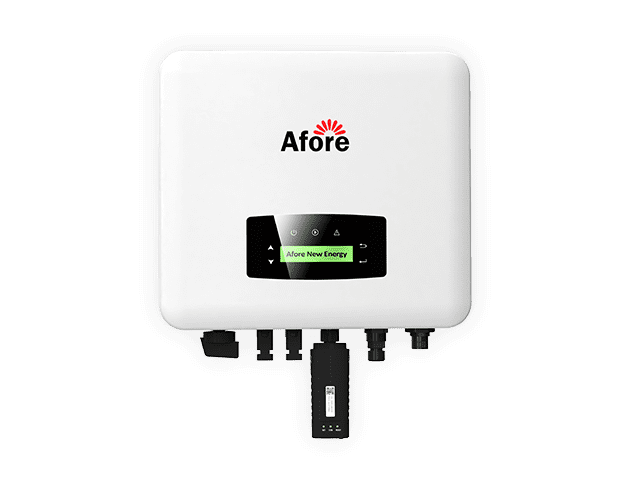
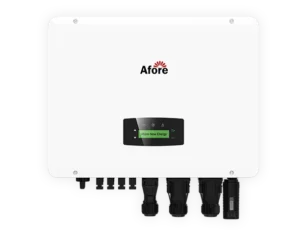
When dealing with 700W panels, you’ll likely be looking at a high current string inverter. Unlike smaller string inverters designed for conventional 300–400W panels, high-current inverters are engineered to handle the increased amperage that comes from ultra-high power modules.
A critical factor here is the inverter’s maximum input current. Oversizing the inverter slightly can prevent clipping during peak solar production, which is common with large panels. It’s also essential to match the inverter’s MPPT (Maximum Power Point Tracking) capabilities with your array configuration. Proper MPPT ensures each string of panels produces optimal output without unnecessary losses.
Another important consideration is the inverter’s voltage range. 700W solar panels can generate higher voltages, especially in cold weather when panel voltage tends to increase. Your inverter must have a wide enough input range to handle this variation safely. Using an inverter with a narrow voltage tolerance can result in tripping or reduced efficiency, which defeats the purpose of upgrading to high-power modules.
Additionally, consider whether your system will have multiple strings. Some inverters offer dual or even triple MPPT inputs, which can help manage shading or orientation differences across your array. This feature is particularly useful for residential rooftops or commercial installations where panel exposure may vary.
Efficiency is key when pairing an inverter with 700W panels. High-output panels push the inverter harder, and any energy lost as heat is essentially wasted potential. Look for inverters with robust thermal management systems, including proper cooling and heat dissipation. This ensures the inverter operates at peak efficiency even on hot days or during high solar irradiance periods.
Poor thermal design can lead to derating, where the inverter intentionally reduces output to prevent overheating. By considering efficiency and thermal performance early, you protect both your investment and the overall energy yield of your system.
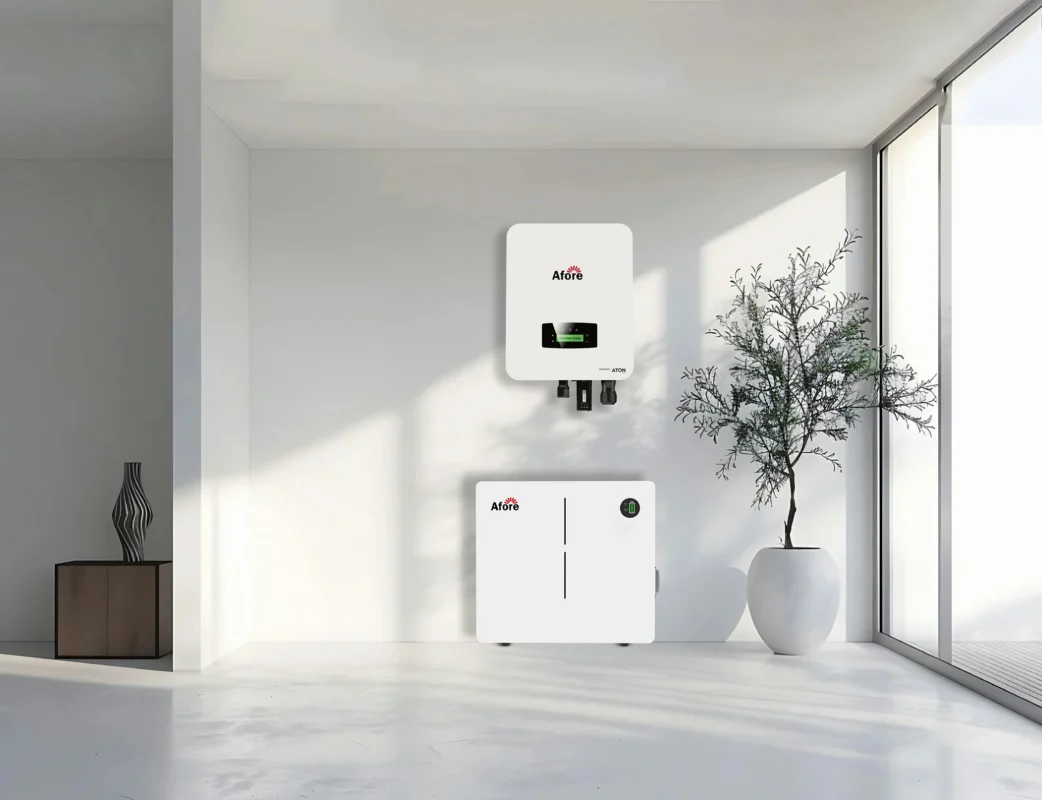
Finally, think about future energy expansion. A hybrid inverter—capable of managing both solar generation and battery storage—can be a smart choice for long-term planning. Even if you don’t plan to add batteries now, a hybrid inverter allows for future energy storage integration, giving you flexibility to store excess solar energy and use it during peak demand or outages.
Hybrid inverters also often come with advanced monitoring features, helping you track performance at the panel or string level. This can be invaluable for troubleshooting and maintaining your 700W solar panel system at maximum efficiency over its lifespan.
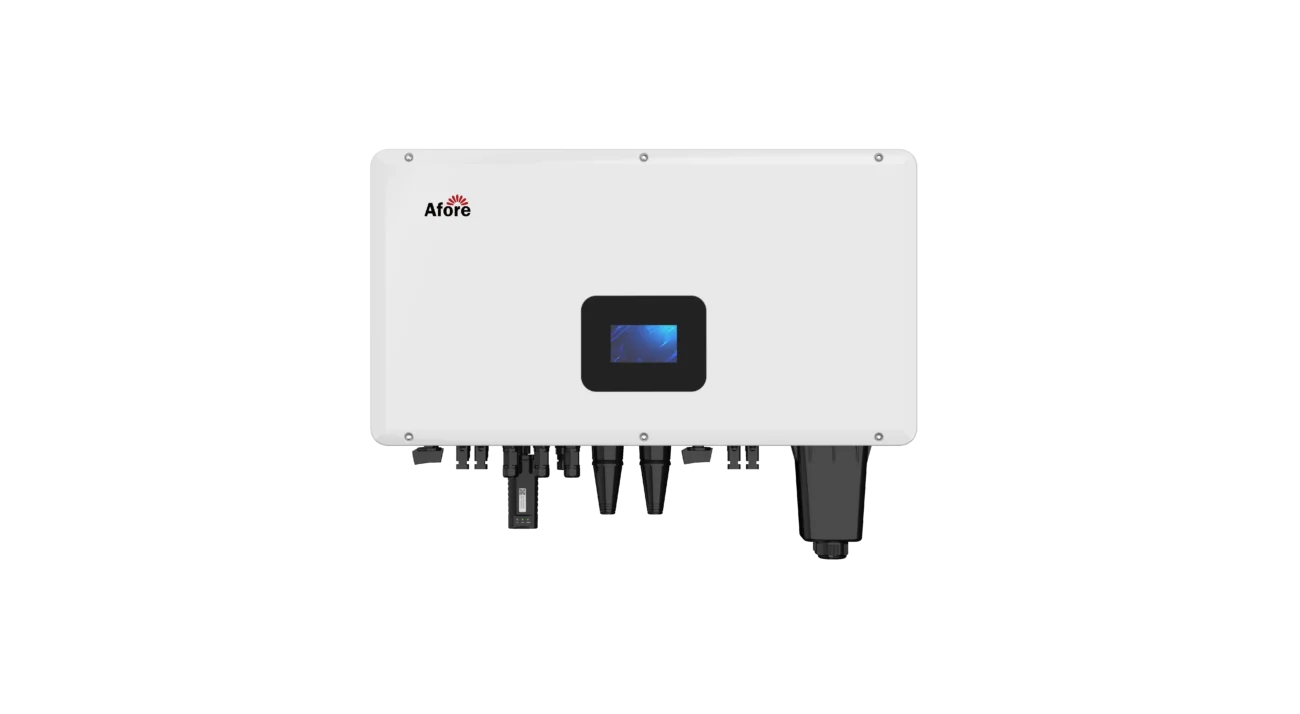
Getting the sizing right isn’t just about wattage. There are several calculations and real-world tweaks that make a huge difference.
Start by understanding the maximum current your 700W solar panels produce. A typical 700W panel may produce around 11–12 amps at peak power. Multiply this by the number of panels in series or parallel, and ensure your inverter can handle that. Oversizing the inverter slightly is often better than undersizing—it reduces the risk of energy loss.
A critical consideration is the DC/AC ratio. For ultra-high power modules like 700W panels, the best ratio typically ranges between 1.1:1 and 1.3:1. This ensures the inverter operates near its maximum efficiency without frequent clipping. Running the inverter too small relative to your panel output can cause unnecessary energy loss during peak sun hours.
Hands-on experience matters, so here are some tried-and-tested tips for a smooth installation.
Before installing your inverter, ensure your panels are oriented optimally. Even the best solar inverter can’t compensate for poor panel placement. South-facing arrays in the northern hemisphere capture maximum sunlight, and tilt angles should be adjusted seasonally for peak performance.
With 700W panels, the current is high, so cable sizing is crucial. Undersized wires can overheat and cause energy loss or fire hazards. Use wires rated for higher current and double-check your overcurrent protection devices. Always follow local electrical codes.
Modern hybrid inverters come with monitoring software that tracks performance in real-time. Check for clipping, voltage spikes, or any unusual temperature rise. Regular maintenance ensures longevity and peak performance, especially when working with high-output panels.
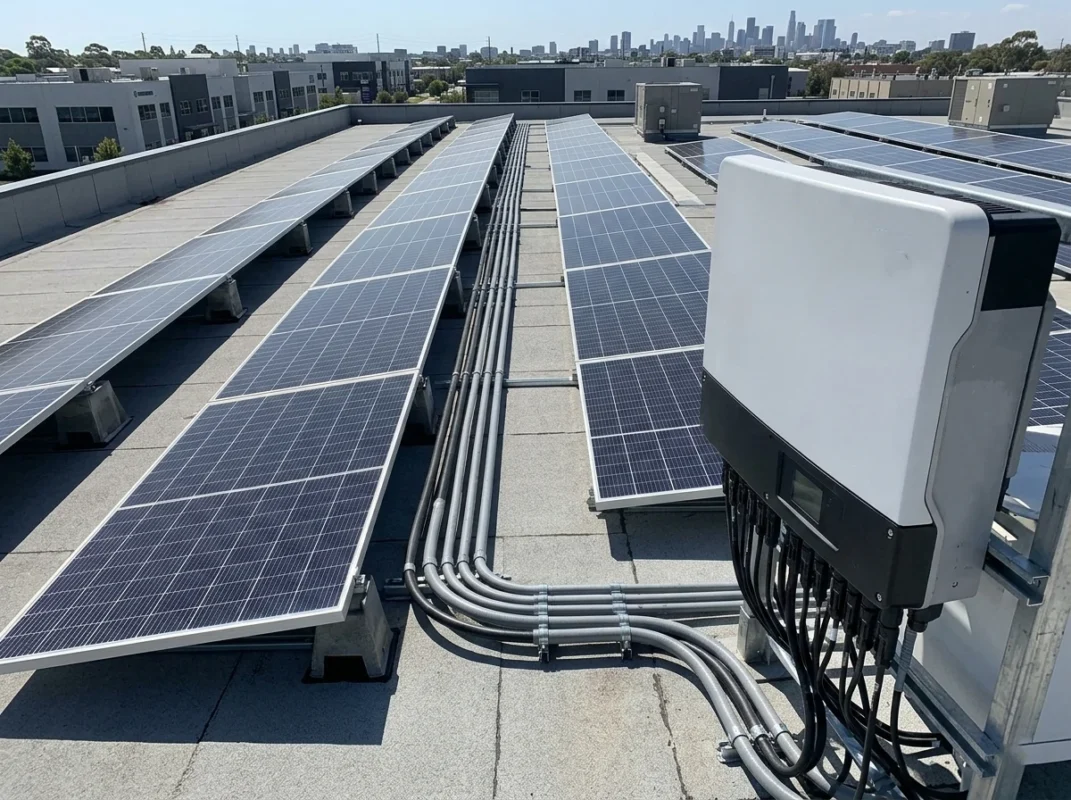
Installing 700W solar panels is exciting, but with higher power comes a few unique challenges. Even seasoned installers and homeowners encounter issues if the inverter isn’t carefully chosen or the system isn’t properly configured. Understanding these common problems and knowing how to address them ensures you get the most out of your inverter for 700W solar panels.
One of the most common issues with ultra-high power panels is inverter clipping. This happens when your panels generate more electricity than the inverter can convert, typically during peak sunlight hours. While minor clipping is normal, frequent energy loss can add up over time, reducing your system’s overall efficiency.
How to overcome it:
By proactively sizing your inverter and balancing the strings, you can minimize wasted energy and maintain consistent output.
High-output panels like 700W units produce more current, which naturally increases the thermal load on your inverter. Overheating can lead to efficiency derating, frequent shutdowns, or even long-term damage if not addressed.
Tips to manage heat effectively:
Proper heat management ensures your solar inverter runs efficiently, even on the hottest summer days.
With 700W solar panels, voltage spikes—especially in cold weather—can occasionally exceed the inverter’s safe input range. This can cause your inverter to trip or shut down unexpectedly. Additionally, some grids have strict voltage limits, which must be respected to remain compliant.
How to handle this:
These precautions prevent unnecessary downtime and help you maintain smooth operation throughout the year.
Because 700W panels produce higher current, wiring mistakes can be costly. Undersized wires, poor connections, or inadequate protection can lead to overheating, energy loss, or even fire hazards.
Installation best practices:
Following these steps ensures both safety and optimal performance from your inverter for 700W solar panels.
High-output systems require ongoing monitoring. Without proper tracking, it’s easy to miss performance issues like small clipping events, voltage deviations, or minor shading problems that can cumulatively reduce energy production.
Effective solutions:
Monitoring not only keeps your system efficient but also extends the lifespan of both your panels and your inverter.
Once you’ve narrowed down your inverter for 700W solar panels, the next major decision is whether to go with a single-phase or three-phase inverter. This choice affects not just efficiency and performance, but also how your system interacts with your home or commercial grid. Making the wrong choice can lead to energy losses, overheating, or even unnecessary system complexity.
For most residential setups, a single-phase inverter is often sufficient, especially if you’re working with a moderate number of 700W solar panels. Single-phase inverters are simpler to install and generally more cost-effective.
Key advantages:
However, keep in mind that high-power panels like 700W modules produce significant current. Even with a single-phase system, you need a high current string inverter or one that can handle the increased input to prevent clipping and maintain peak efficiency.
Practical tip: If your total system output is approaching the limits of your single-phase connection, consider splitting the array into multiple inverters or strings to balance the load. This ensures each panel operates close to its maximum potential without overwhelming the inverter.
When dealing with larger arrays—such as multiple 700W solar panels on a commercial roof or a large residential property—three-phase inverters often make more sense. Three-phase inverters distribute the electrical load evenly across three conductors, reducing thermal stress and improving overall efficiency.
Benefits of three-phase systems include:
Real-world insight: Many commercial installations opt for three-phase inverters because they can easily manage shading or orientation differences between strings, thanks to multiple MPPT channels. This ensures each string is operating optimally, even if part of the array is partially shaded.
The decision between single-phase and three-phase isn’t just technical—it’s also about budget and future needs. Single-phase inverters are typically cheaper and easier to maintain, while three-phase inverters provide higher efficiency for large systems but may involve more complex wiring and setup.
Considerations for making the right choice:
Whether you choose single-phase or three-phase, a hybrid inverter or an inverter with multiple MPPT channels can help you maximize output from 700W panels. Multiple MPPT inputs allow different strings to operate independently, reducing the impact of shading, panel orientation differences, or voltage mismatch. This feature is especially valuable for high-current setups or N-type module arrays.
You don’t want to overpay, but cutting corners can hurt efficiency. Here’s a practical approach:
Understanding the theory behind 700W solar panels and their inverters is one thing, but seeing how these setups perform in real-life conditions can make all the difference. By looking at practical examples and actionable tips, you’ll gain insight into what works, what doesn’t, and how to optimize your own system.
In a typical residential installation with five 700W solar panels, pairing them with a high current string inverter resulted in almost full utilization of panel output throughout the year. Proper N-type module compatibility ensured minimal degradation and excellent performance even in partial shading scenarios.
Key takeaways:
This example highlights that careful planning—string sizing, orientation, and inverter selection—is critical to making the most out of 700W solar panels in a home setting.
For a commercial rooftop setup with over 20 panels, a three-phase solar inverter provided the necessary capacity and stability. With multiple MPPT channels, each string could operate independently, which is essential when parts of the array are shaded at different times of the day.
Lessons learned from this installation:
Commercial setups particularly benefit from hybrid inverter capabilities, which allow future integration with energy storage for peak shaving or backup power.
Some homeowners combine 700W solar panels with a battery system using a hybrid inverter. This approach stores excess solar energy during the day for use at night or during grid outages.
Practical insights from this type of setup:
This setup demonstrates that even with ultra-high power panels, careful integration of storage and monitoring can maximize energy independence while protecting your system.
From these real-world examples, several practical tips emerge:
By applying these insights, homeowners and commercial installers can maximize both the efficiency and longevity of their inverter for 700W solar panels system.
Upgrading to 700W solar panels is exciting—but without the right inverter, you won’t see their full potential. Whether you opt for a high current string inverter or a hybrid inverter, focus on efficiency, compatibility, and practical installation considerations. By carefully sizing your inverter, accounting for N-type module compatibility, and monitoring system performance, you’ll maximize your solar output and enjoy the financial and environmental benefits for years to come.
Choosing the right inverter isn’t just about numbers—it’s about getting the most out of your investment, safeguarding your system, and enjoying the peace of mind that comes from reliable, high-efficiency solar energy.
High-current string inverters with N-type module compatibility are ideal. Ensure the inverter’s maximum input voltage and current can accommodate the full array.
For a single 700W N-type panel, peak current is typically 11–12A. Multiply by your number of parallel strings to calculate max input current. Choose an inverter with a safety margin above this value.
Yes, especially during peak sunlight. Using a slightly oversized inverter or adjusting the DC/AC ratio reduces clipping risk.
A DC/AC ratio between 1.1:1 and 1.3:1 is recommended for 700W solar panels. This ensures the inverter operates efficiently while minimizing energy loss.
Absolutely. Hybrid inverters are compatible with batteries, allowing you to store excess energy for nighttime or grid outages. They are particularly useful if you plan to expand your 700W panel system.








 Turkish
  Romanian