




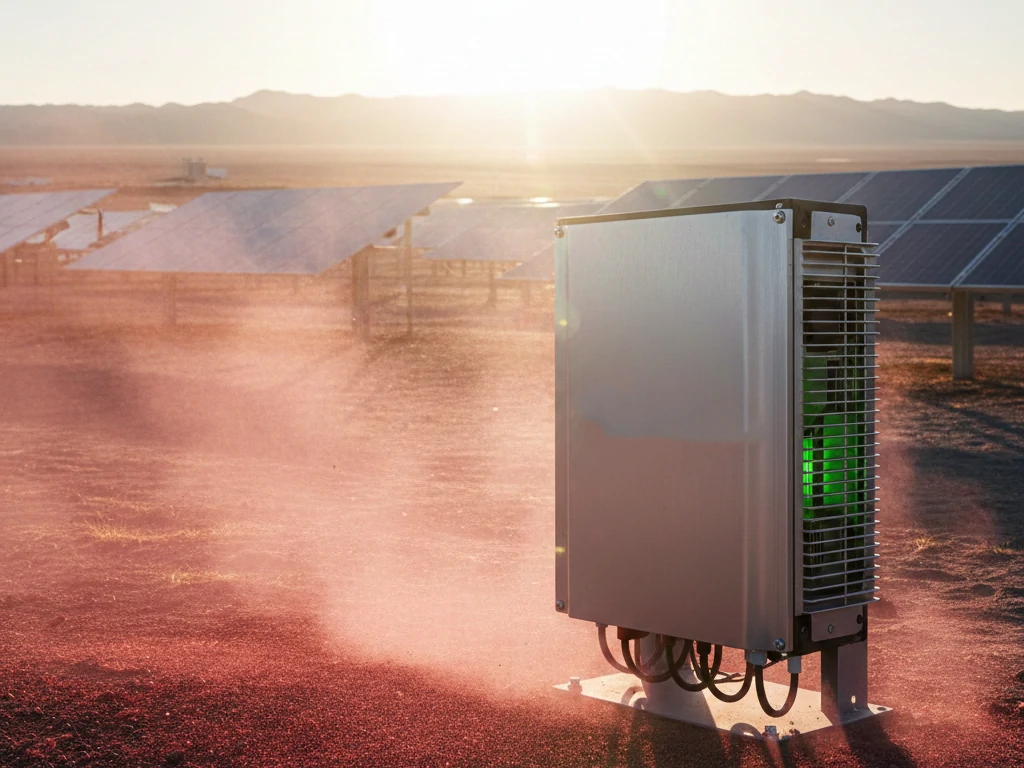
If you’ve ever opened an inverter cabinet in the middle of a scorching afternoon, you already know this: heat changes everything.
A high temperature solar inverter is not just a marketing phrase. It’s a real-world necessity for solar systems operating in rooftops that hit 70°C surface temperatures, warehouses without ventilation, and utility-scale sites baking under relentless sun. When temperatures climb, performance drops, components stress, and long-term reliability is tested.
I’ve worked on projects where systems looked perfect on paper — ideal DC/AC ratio, clean layout, optimal tilt — yet production numbers fell short every summer. The culprit? Thermal stress and improper inverter selection.
In this in-depth guide, we’re going to break down everything about the high temperature solar inverter: how it behaves under heat, how the inverter derating curve works, how to design proper thermal management PV strategies, and how to build resilient desert solar solutions that survive year after year.
A high temperature solar inverter doesn’t magically ignore physics. Semiconductor devices inside every solar inverter — IGBTs, MOSFETs, capacitors — are extremely temperature sensitive.
As temperature increases:
The hotter it gets, the harder the inverter works. And the harder it works, the hotter it gets. That feedback loop is what designers must control.
Even the most robust high temperature solar inverter will reduce output if internal temperature crosses safe limits. That’s not a flaw. It’s protection.
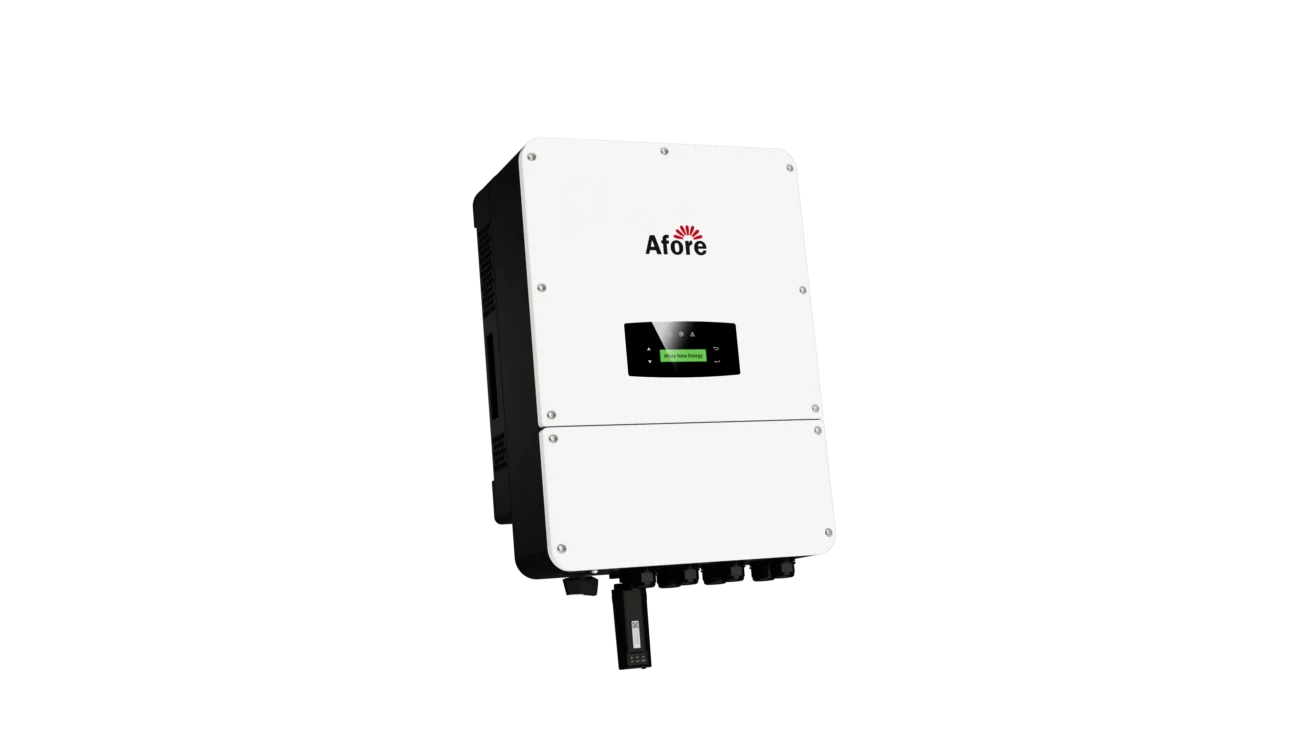
If you design, install, or operate a high temperature solar inverter, there’s one graph you absolutely cannot afford to ignore: the inverter derating curve.
I’ve seen projects lose thousands in annual yield simply because no one took this curve seriously. On paper, the system was perfect. In reality, it spent every hot afternoon throttling back power. The culprit wasn’t poor equipment. It was misunderstanding how temperature affects output.
Let’s break this down properly.
The inverter derating curve is a performance chart that shows how much output power a solar inverter can deliver as ambient temperature rises.
Under laboratory conditions — usually around 25°C — a solar inverter operates at 100% of its rated capacity. But once temperatures climb past a defined threshold (often between 40°C and 50°C), the inverter begins reducing output to protect its internal components.
That controlled reduction is called derating.
A well-designed high temperature solar inverter typically maintains full output longer before the curve starts to slope downward. In harsh climates, that difference can directly impact annual energy production and return on investment.
Derating is not a defect. It’s protection.
Inside every high temperature solar inverter are sensitive components:
As temperature increases, electrical resistance rises. Switching losses increase. Internal heat builds faster than it can dissipate. If the inverter continued operating at full power without adjustment, component failure would be inevitable.
The inverter derating curve acts like a safety valve. It lowers output to keep internal temperatures within safe limits.
In other words, derating extends lifespan.
Ignoring it shortens it.
While specifications vary by model and design architecture, most string inverters begin derating between:
However, a properly engineered high temperature solar inverter may sustain rated output slightly beyond that point before entering the derating phase.
What matters most is not just the starting temperature — it’s the slope of the inverter derating curve.
A steep curve means rapid power loss as temperature rises.
A flatter curve means more stable performance in extreme heat.
When designing systems in hot regions, this distinction becomes critical.
Let’s look at a practical example.
Imagine a 100 kW commercial installation in a region where summer temperatures regularly hit 48°C. If the inverter derating curve reduces output by 10–15% during peak solar hours, that lost production occurs precisely when irradiance is strongest.
That’s not a minor dip. That’s revenue lost every single hot afternoon.
A high temperature solar inverter with optimized thermal architecture and a more gradual inverter derating curve can significantly reduce this performance drop.
Over a year, that difference can translate into measurable financial gains.
Here’s something many overlook: the inverter derating curve is based on ambient temperature, but internal temperature is what truly matters.
Ambient temperature might be 45°C.
Enclosure surface temperature could be 60°C.
Internal heat sink temperature could exceed 75°C.
Poor installation practices — such as mounting on sun-facing metal walls without ventilation — can accelerate derating even if ambient air is within acceptable limits.
This is where thermal management PV becomes essential.
A well-installed high temperature solar inverter with proper airflow clearance, shading, and spacing can maintain lower internal temperatures, delaying the onset of derating.
Several real-world conditions affect how quickly a solar inverter reaches derating thresholds:
In desert solar solutions, these factors compound each other. High ambient temperature plus radiant heat plus low wind speed equals aggressive thermal stress.
In such conditions, selecting a high temperature solar inverter with advanced thermal design and carefully studying its inverter derating curve is not optional — it’s risk management.
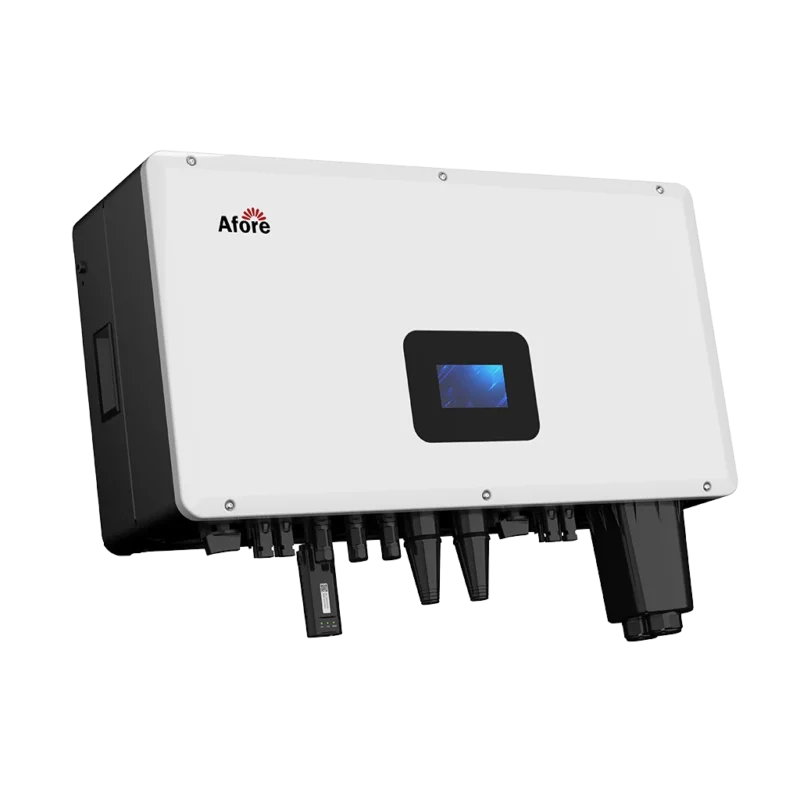
A true high temperature solar inverter is designed for:
It’s not just about software limits. It’s about physical architecture.
Standard units may operate up to 45°C efficiently. A well-built high temperature solar inverter may sustain stable performance at 50°C or more before significant derating begins.
That difference matters in hot zones.
If you ask me what really determines whether a high temperature solar inverter lasts 5 years or 15 years, my answer is simple: thermal management PV.
Not panel efficiency.
Not DC sizing.
Not even inverter topology.
Heat control is the real differentiator.
Every high temperature solar inverter converts DC power into AC through high-speed switching components. That conversion generates heat. A lot of it.
Now combine that with:
If that heat cannot escape efficiently, internal temperatures rise rapidly. Once internal temperature approaches design limits, the inverter derating curve activates and output begins to drop.
That’s just the short-term effect.
The long-term effect? Accelerated aging of capacitors, solder joints, and semiconductor modules.
Thermal management PV is about preventing that cycle from becoming chronic.
It’s not about keeping the inverter cool once.
It’s about controlling heat every single day for years.
Here’s a principle every installer should understand:
For many electronic components, every 10°C increase in operating temperature can cut expected lifespan roughly in half.
That’s not a theory. That’s physics.
Inside a high temperature solar inverter, the most heat-sensitive components include:
Even if the inverter is rated for high ambient temperatures, sustained operation near upper limits accelerates degradation.
Thermal management PV strategies reduce stress before the inverter derating curve has to intervene aggressively.
The goal is stability — not survival mode.
Passive cooling should always be your first line of defense.
Why?
Because passive systems don’t fail.
No moving parts.
No motors.
No bearings.
Key passive thermal management PV practices include:
Avoid west-facing walls that absorb afternoon heat. In hot climates, east or shaded north-facing walls (in the northern hemisphere) reduce surface temperature significantly.
Even a robust high temperature solar inverter will struggle when mounted against a sun-baked metal surface.
Maintain at least 300mm clearance around the inverter. Follow vertical spacing recommendations carefully.
Hot air rises. If the top clearance is blocked, heat accumulates rapidly.
Installing reflective backing panels behind inverters can reduce radiant heat absorption.
Simple canopies reduce enclosure temperature by 10–15°C in many field cases. That temperature drop alone can delay inverter derating curve activation by several hours per day.
These are low-cost, high-impact interventions.
In extremely hot regions, passive methods alone may not be enough.
Active thermal management PV systems include:
A properly designed high temperature solar inverter often integrates intelligent fan control. Fans only activate when internal sensors detect temperature rise beyond a threshold.
However, active cooling introduces maintenance considerations:
In desert solar solutions, dust is the enemy. Regular cleaning schedules are essential to ensure airflow remains effective.
Active cooling works — but only if maintained.
You can select the best high temperature solar inverter available, but poor installation can negate its advantages.
Common mistakes I’ve personally seen include:
These mistakes force the inverter derating curve to activate prematurely and repeatedly.
And repeated derating cycles increase thermal cycling stress — which shortens lifespan.
Desert solar solutions require a different mindset.
Ambient temperatures may exceed 50°C. Surface temperatures can approach 70°C or more.
In these conditions, thermal management PV must include:
A high temperature solar inverter designed for such climates still depends on external airflow and environmental planning.
No inverter is immune to poor thermal conditions.
One of the most overlooked tools in thermal management PV is performance monitoring.
If you see consistent midday power dips during high-temperature months, that’s not coincidence. That’s the inverter derating curve responding to heat stress.
Use data to:
Sometimes small modifications — like adding a ventilation gap or repositioning conduit — can stabilize internal temperatures significantly.
Thermal management PV is not static. It evolves with observation.
Here’s something I always tell system owners:
A high temperature solar inverter isn’t just about surviving peak summer. It’s about performing consistently for a decade.
Thermal management PV planning should consider:
When you design with margin — not minimum compliance — you reduce stress across the system.
And reduced stress means:
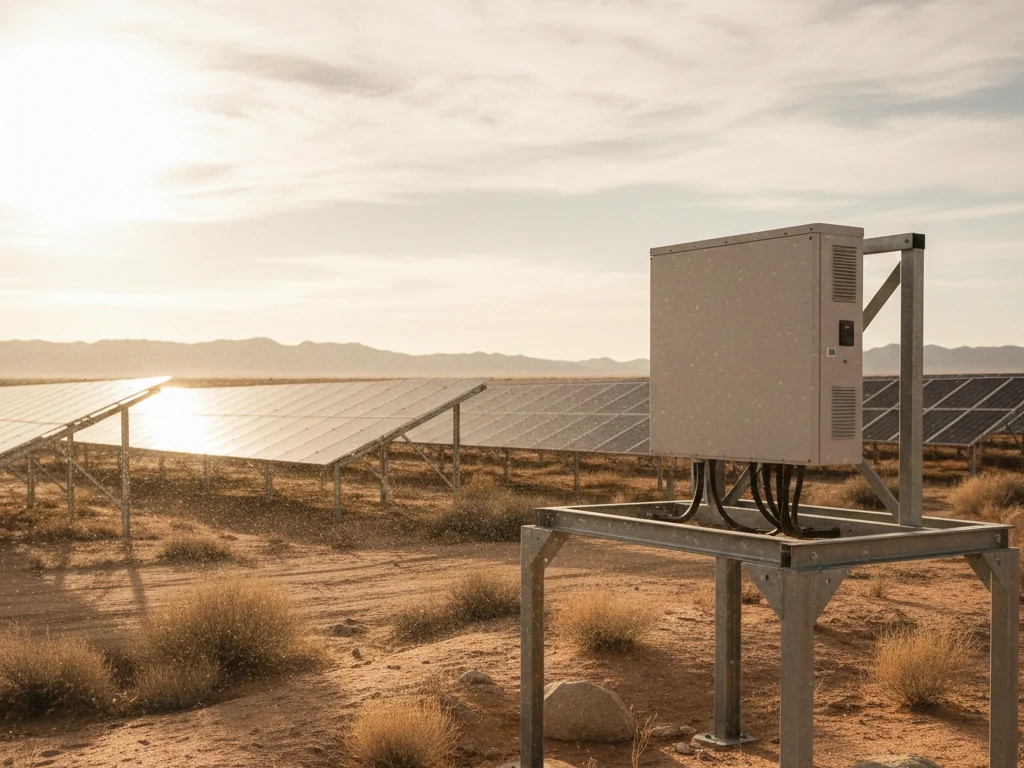
If you’ve ever spent a summer afternoon in a desert solar field, you know the challenge is real. Temperatures routinely soar past 45°C, surfaces bake to 70°C, and dust storms can roll in without warning. In these conditions, a standard solar inverter simply won’t cut it. This is where desert solar solutions and a properly designed high temperature solar inverter become essential.
I’ve personally audited desert installations where energy yield dropped by 10–15% during peak summer hours. The reason wasn’t the panels, the DC wiring, or shading — it was heat stress on the inverters. Once we addressed thermal management, production stabilized and reliability improved dramatically. Let’s dig into what makes a desert-ready solar system truly resilient.
Desert climates are harsh for solar inverters for several reasons:
In such conditions, the inverter derating curve is not a theoretical tool—it’s a daily reality. A high temperature solar inverter designed for desert operation maintains performance longer and resists thermal stress better than standard models.
Mounting inverters off the ground or away from walls increases airflow around the unit. Hot air rises naturally, so allowing for unobstructed escape paths reduces internal temperatures and delays derating.
Even simple sun canopies can reduce enclosure temperature by 10–15°C. This translates directly into more hours of full-rated output from your high temperature solar inverter.
Using reflective coatings or panels behind inverters can reduce radiant heat gain. This small design tweak has a significant impact in desert environments.
Dust is arguably the most insidious challenge. Regular cleaning schedules and dust-resistant enclosures protect cooling fins and vents. Forced-air fans can help, but only if dust is managed; otherwise, they can accelerate overheating.
Installers and operators should track real-time temperature and output data. Watching how the high temperature solar inverter responds to daily peaks allows proactive adjustments, like adding temporary shading or adjusting airflow paths.
When selecting a high temperature solar inverter for desert solar solutions, focus on:
This is not about over-engineering—it’s about protecting investment and maximizing yield under extreme conditions.
From experience, these small but critical practices can make or break desert solar projects:
Even in the harshest desert conditions, a high temperature solar inverter combined with proper design, installation, and monitoring can perform reliably for a decade or more.
Electrolytic capacitors degrade rapidly with heat. Rule of thumb:
For every 10°C increase, lifespan halves.
Even the best high temperature solar inverter depends on internal components that must be protected.
IGBT junction temperatures directly affect:
This is why inverter derating curve behavior is carefully calibrated.
Never install a high temperature solar inverter:
Instead:
Hot air rises.
Mounting the high temperature solar inverter too close to ceiling areas traps heat.
Leave space above for heat dissipation.
Many assume oversizing solves everything.
But oversizing without considering inverter derating curve behavior in high heat leads to unexpected clipping.
Better approach:
Simple metal awnings can reduce enclosure surface temperature by 10–15°C.
That alone can dramatically improve high temperature solar inverter output.
High-albedo coatings reduce heat absorption.
Used widely in desert solar solutions.
A high temperature solar inverter is not about surviving one hot afternoon.
It’s about surviving 10 summers.
Heat is predictable. Climate data is available. Design mistakes are avoidable.
When you:
You dramatically increase efficiency, stability, and ROI.
If you’re building systems in hot regions, don’t treat heat as an afterthought.
Design for it.
Because in solar, temperature isn’t just a number — it’s performance, reliability, and long-term profitability wrapped into one.
High heat increases internal electrical resistance and switching losses inside a high temperature solar inverter. As temperature rises, efficiency drops and the inverter derating curve begins limiting output to protect components.
Most begin derating between 45°C and 50°C ambient temperature. However, a well-designed high temperature solar inverter may maintain full output slightly longer depending on thermal management PV architecture.
For desert solar solutions, hybrid cooling works best — strong passive heat sinks combined with temperature-controlled active airflow. Dust-resistant design is critical for any high temperature solar inverter operating in extreme environments.
Install shade canopies, maintain airflow clearance, avoid direct sun exposure, and monitor inverter derating curve data. Even a high temperature solar inverter requires environmental protection.
Yes. Prolonged heat exposure accelerates capacitor aging and semiconductor degradation. Choosing a robust high temperature solar inverter and implementing proper thermal management PV significantly extends operational lifespan.








 Turkish
  Romanian