



Let’s be honest—most people obsess over panel efficiency, module degradation, or even tilt angles. But if you’ve ever been on-site when a system suddenly drops output, you know the uncomfortable truth:
your entire solar project can live or die by the inverter.
That’s where inverter redundancy in solar stops being a “nice-to-have” and becomes a core design philosophy.
Whether you’re an EPC engineer, project developer, or someone managing a utility-scale plant, understanding inverter redundancy in solar is the difference between stable revenue and unpredictable downtime.
In this guide, we’ll go deep—practical, tactical, and grounded in real-world experience—on how to design redundancy the right way, avoid common mistakes, and maximize system uptime without blowing your budget.
At its core, inverter redundancy in solar means designing your system so that if one inverter fails, the system continues operating with minimal loss.
Instead of relying on a single point of conversion, you distribute risk across multiple units.
Sounds simple—but the impact is massive.
Imagine this:
Now compare that to a system designed with inverter redundancy in solar:
This is where system uptime optimization becomes tangible—not theoretical.
In today’s projects, especially utility-scale:
That’s why inverter redundancy in solar is now baked into serious EPC design strategies.
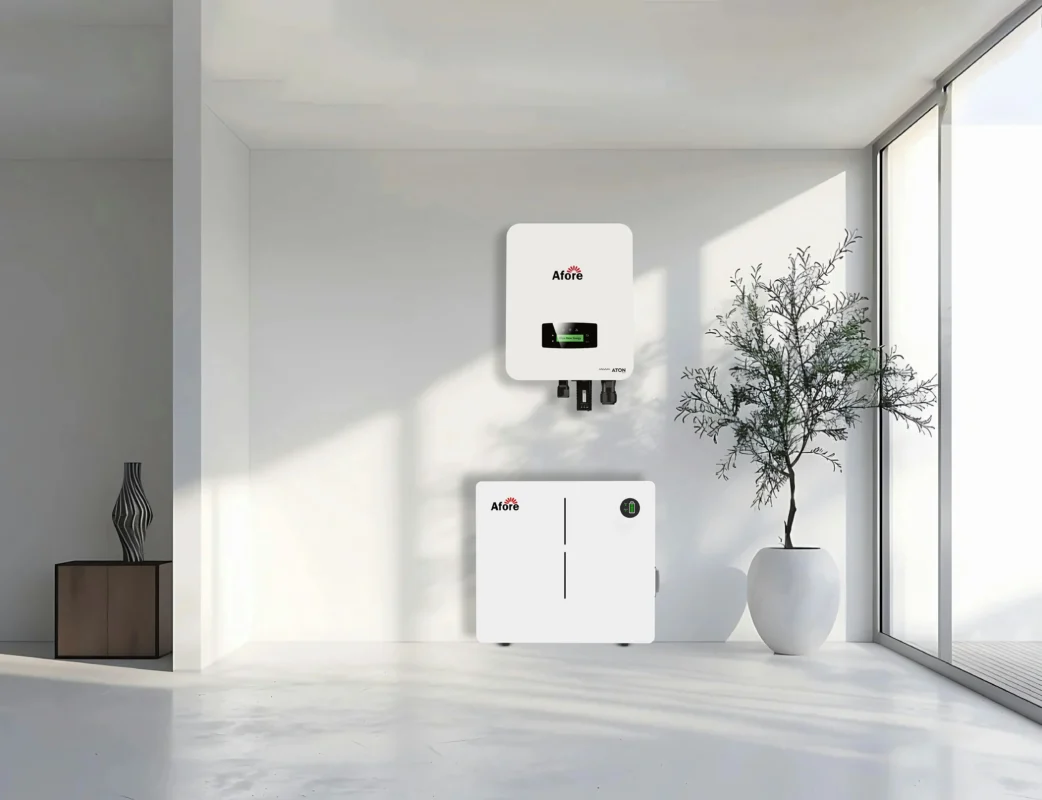
When it comes to designing a reliable solar system, understanding the different types of inverter redundancy in solar is essential. Redundancy ensures that a single inverter failure doesn’t bring your entire system offline, supporting both system uptime optimization and long-term financial stability. Let’s break down the main approaches used in modern solar projects.
Central inverters are traditional in large solar installations. They handle power conversion for a substantial portion of the array. To implement redundancy here:
Pros: Lower wiring complexity and simplified layout.
Cons: A failure still affects a large portion of the system, and maintenance can be cumbersome.
Even with central systems, inverter redundancy in solar can be achieved by installing extra capacity or a backup inverter.
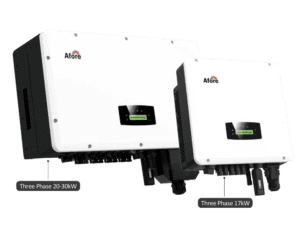
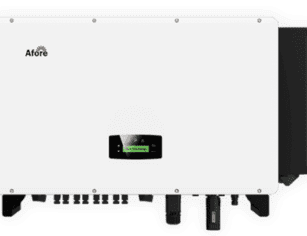
String inverters break the array into smaller sections, each with its own inverter. This naturally lends itself to redundancy:
This approach makes N+1 redundancy solar easier to implement. By slightly oversizing or adding an extra string inverter, you ensure full output even under failure conditions. String inverter systems are particularly effective for system uptime optimization, reducing the financial risk of downtime.
Some modern inverters use modular designs:
This creates built-in inverter redundancy in solar, combining hardware-level protection with system-level backup. The advantage is clear: maintenance can be performed without taking the entire inverter offline, and failure impacts are minimized. Modular designs are highly recommended for large-scale or critical installations where uptime is non-negotiable.
Selecting the proper type depends on:
For utility-scale plants, a combination of string inverters with N+1 redundancy solar or modular units often provides the optimal balance between resilience, cost, and system uptime optimization. Central inverters may still be viable but require careful planning to mitigate the impact of single failures.
By understanding these types of inverter redundancy in solar, EPC engineers and project managers can design systems that keep the lights on, revenue flowing, and investors happy—even when inverters fail.
When designing a robust solar system, N+1 redundancy solar is one of the most effective strategies for ensuring continuous power output. This approach is central to achieving reliable inverter redundancy in solar and maintaining optimal system uptime optimization. Let’s break down how it works and why it matters.
The term “N+1” is straightforward:
In practice, this means if one inverter fails, the extra unit immediately compensates, preventing any reduction in power production. This simple principle transforms a solar array from vulnerable to resilient.
For example, a 10 MW site might require 10 string inverters for full capacity. By adding one more inverter:
This design philosophy directly supports system uptime optimization, reducing financial and operational risks.
The advantages go beyond failure mitigation:
From an EPC perspective, incorporating N+1 redundancy solar early in the design phase is one of the most practical EPC design tips for building resilient utility-scale plants.
This approach is particularly valuable for:
By integrating inverter redundancy in solar through N+1 redundancy solar, project designers can safeguard revenue, reduce risk, and ensure that the system operates at peak performance—no matter what failures occur.
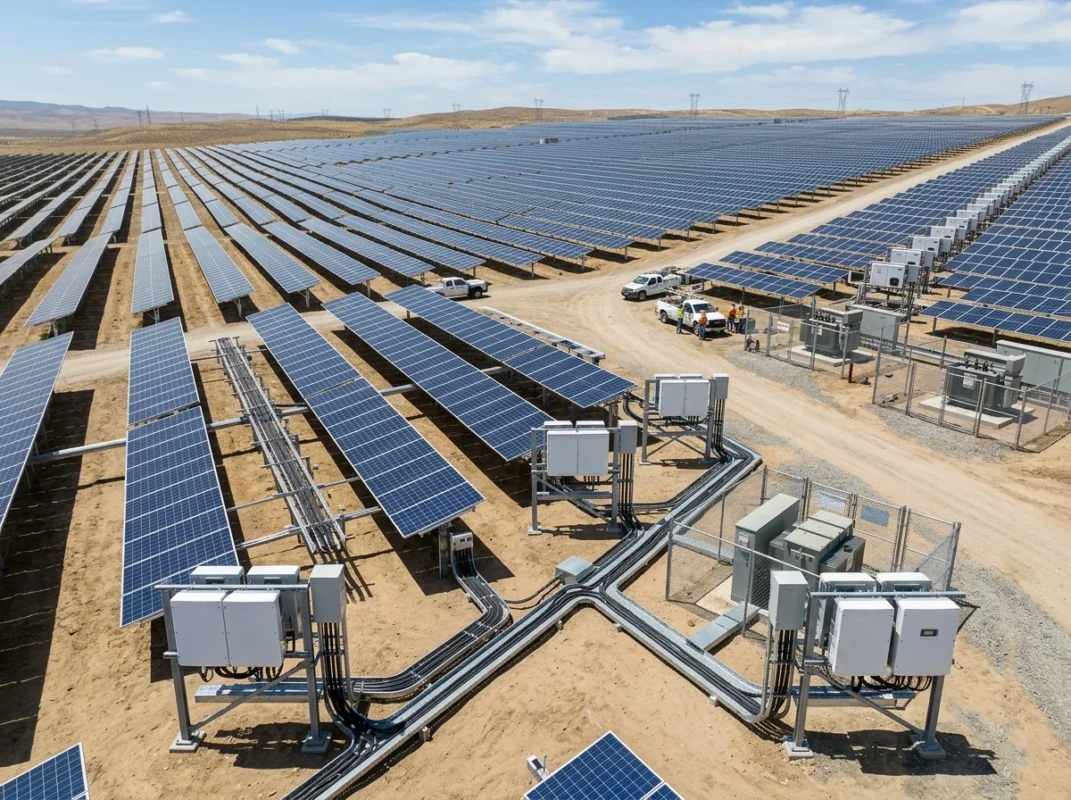
Let’s break it down.
A 10 MW plant:
Now multiply that over a year.
This is why inverter redundancy in solar directly ties to ROI.
Among these, inverter redundancy in solar is the foundation.
People often confuse:
Inverter redundancy in solar addresses the second—which is far more damaging.
Designing for reliability isn’t something you bolt on at the end—it has to be baked into the system from day one. In real projects, the difference between a high-performing plant and a problematic one often comes down to how well inverter redundancy in solar is planned during the EPC phase. Below are practical, field-tested EPC design tips that go beyond theory and directly support system uptime optimization.
Most designs focus on peak performance. Experienced engineers, however, design for failure scenarios first.
Ask yourself:
By mapping out worst-case scenarios early, you can structure inverter redundancy in solar to minimize production loss. This is also where N+1 redundancy solar starts to make sense—not as overdesign, but as risk control.
Your inverter choice directly shapes your redundancy strategy.
From practical experience, systems using distributed architectures tend to achieve better system uptime optimization because failures are localized. This is why many modern EPC teams prioritize architectures that inherently support inverter redundancy in solar.
One of the most underrated EPC design tips is strategic oversizing.
Instead of designing exactly to required capacity:
This approach aligns perfectly with N+1 redundancy solar, allowing the system to maintain output even when one unit is offline. The cost increase is marginal compared to the long-term gains in reliability.
Layout decisions have a bigger impact than most people expect.
Best practices include:
A well-distributed layout strengthens inverter redundancy in solar by reducing the risk of multiple units failing simultaneously due to localized conditions.
Redundancy without visibility is risky.
To fully leverage inverter redundancy in solar, you need:
Smart monitoring enables faster response times and supports predictive maintenance, which is critical for system uptime optimization. In practice, early fault detection often prevents minor issues from becoming major outages.
Even the best-designed system will eventually require maintenance. The key is minimizing downtime during those events.
Design considerations:
These details may seem minor on paper, but in real-world conditions, they directly impact how effective your inverter redundancy in solar strategy actually is.
Before finalizing the design, test it.
This step is often skipped, but it’s one of the most valuable EPC design tips. Simulation ensures that your inverter redundancy in solar strategy works not just in theory, but in real operating conditions.
There’s always pressure to reduce upfront costs. But cutting corners on redundancy can be expensive later.
A well-balanced design:
From experience, projects that prioritize inverter redundancy in solar during the EPC phase consistently deliver better long-term returns and fewer operational headaches.
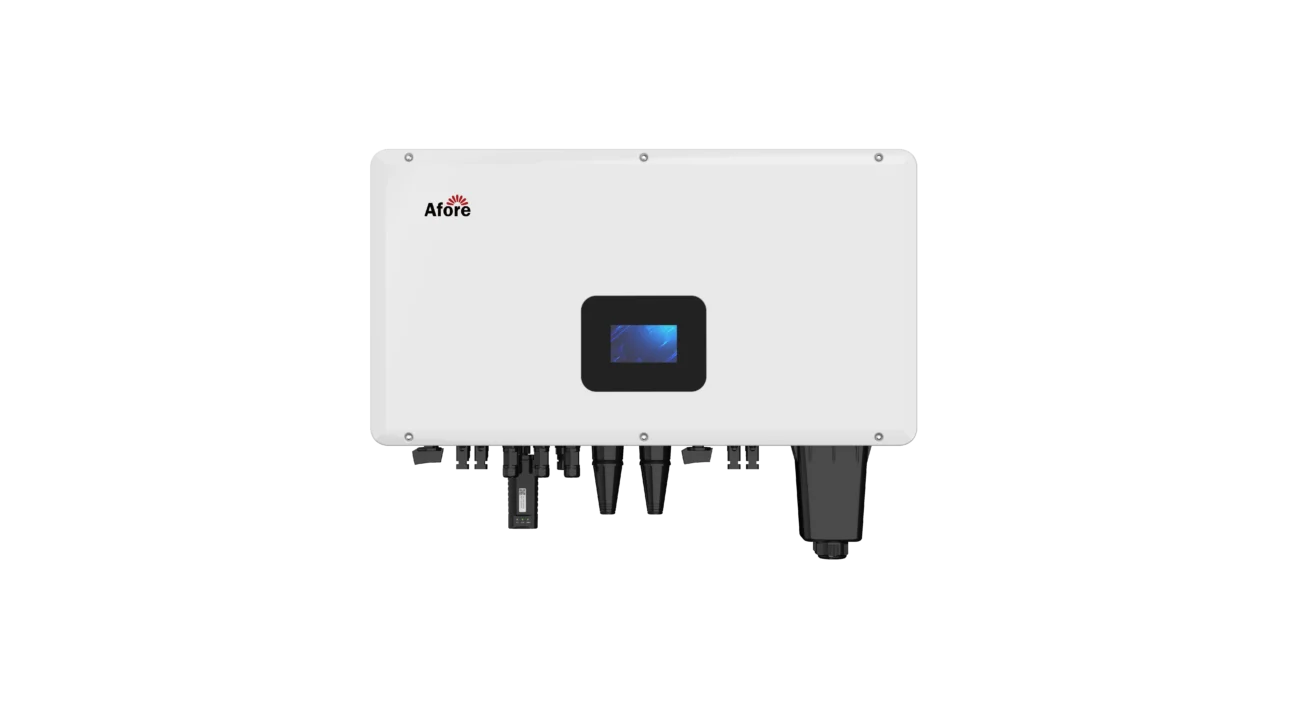
When it comes to building a resilient solar system, the debate between string and central inverters isn’t just about cost—it’s about how well your design supports inverter redundancy in solar. The choice you make here directly impacts failure risk, maintenance strategy, and overall system uptime optimization.
String inverters are inherently distributed. Each unit handles a smaller portion of the array, which means:
In contrast, central inverters concentrate capacity:
From a practical standpoint, inverter redundancy in solar is far easier to achieve with string inverters because risk is spread across multiple units rather than concentrated in one.
With string systems, implementing N+1 redundancy solar is straightforward:
This flexibility makes it easier to maintain full output even during maintenance or unexpected failures.
Central inverter systems, on the other hand, require:
That complexity can limit how effectively inverter redundancy in solar is implemented.
Maintenance is where the difference becomes very real.
With string inverters:
With central inverters:
This is why string-based designs typically deliver better system uptime optimization in real-world conditions.
Central inverters may offer lower initial costs, but they come with higher operational risk. String inverters may require slightly higher upfront investment, yet they provide stronger inverter redundancy in solar, reduced downtime, and more predictable performance.
In most modern projects, especially where uptime is critical, the balance increasingly favors distributed architectures that naturally support redundancy.
It’s a fair question—and one that comes up in almost every project discussion. The short answer is yes, inverter redundancy in solar can increase upfront costs. But the real story is more nuanced.
Implementing inverter redundancy in solar typically involves:
These elements naturally push CAPEX higher compared to a minimal design.
In practice, the cost difference is usually modest. That’s because:
From field experience, many projects find that improving system uptime optimization doesn’t require a dramatic budget jump—just smarter allocation.
Here’s where perspective matters.
Without proper inverter redundancy in solar:
With redundancy:
So while CAPEX may rise slightly, the lifecycle value of inverter redundancy in solar almost always justifies the investment—especially in medium to large-scale systems.
In modern system architecture, modular design has quietly become one of the smartest ways to implement inverter redundancy in solar—without adding entirely separate backup units. Instead of relying on external redundancy, the protection is built directly into the inverter itself.
A modular inverter is made up of multiple independent power modules working together inside a single unit. Each module contributes a portion of the total output.
If one module fails:
This creates a form of internal inverter redundancy in solar, reducing the risk of total inverter shutdown.
From an operational perspective, modular systems are highly resilient:
This directly supports system uptime optimization, especially in large or mission-critical installations.
Modular designs are particularly valuable in:
By combining internal modular protection with external redundancy strategies, engineers can create layered inverter redundancy in solar—a practical approach that balances reliability, cost, and long-term performance.
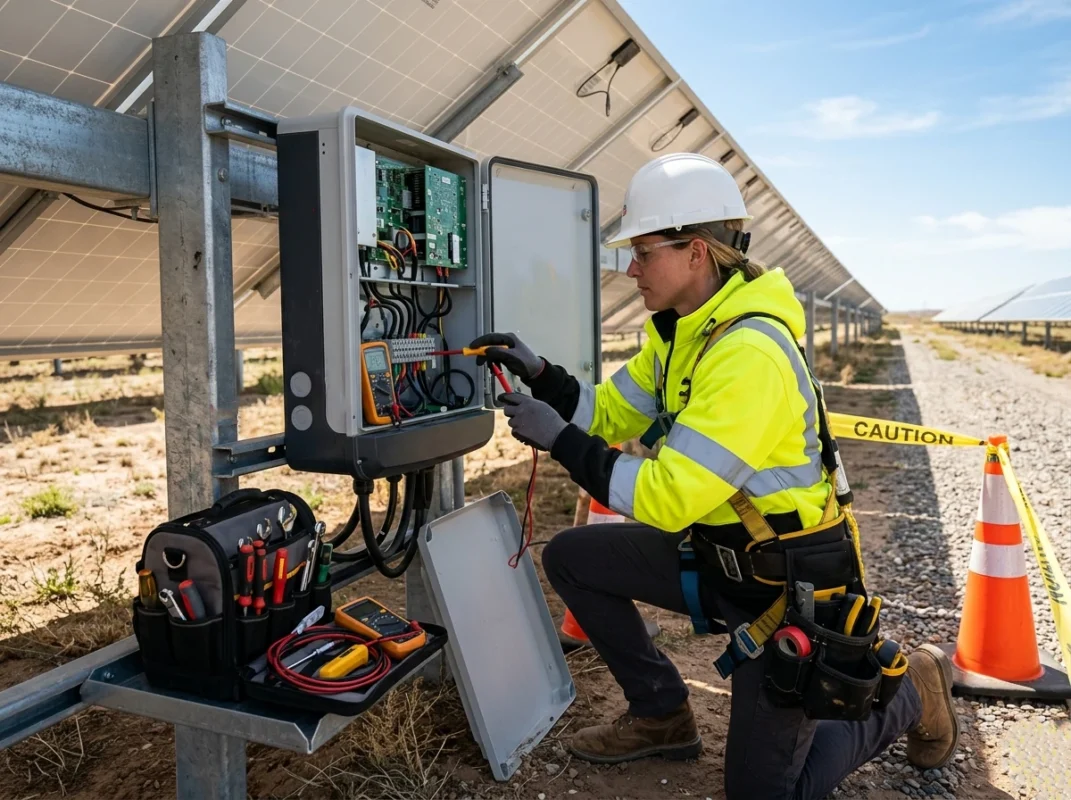
Even well-funded solar projects can run into trouble if inverter redundancy in solar is poorly executed. In practice, the biggest issues don’t come from technology limitations—they come from design decisions that overlook real-world operating conditions. Let’s walk through the most common mistakes and how to avoid them.
One of the most frequent missteps is assuming inverters rarely fail. In reality:
Designs that ignore this often lack sufficient inverter redundancy in solar, leading to unexpected downtime. A more realistic failure model is essential for proper system uptime optimization.
Relying too heavily on large-capacity units creates hidden risk:
Without distributed design or N+1 redundancy solar, the system becomes vulnerable. Spreading capacity across multiple inverters is a more resilient approach.
Redundancy only works if failed components can be quickly serviced or replaced.
Common oversights include:
These issues slow down repairs, weakening the effectiveness of inverter redundancy in solar.
Another critical mistake is underinvesting in monitoring systems.
Without:
Operators may not even realize redundancy is being used until performance drops significantly. Strong monitoring is a cornerstone of system uptime optimization.
Perhaps the biggest mistake is adding redundancy late in the design process.
Effective inverter redundancy in solar must be planned from the beginning—integrated into layout, sizing, and system architecture. Retrofitting redundancy is always less efficient and often more expensive.
Designing effective inverter redundancy in solar isn’t about adding extra hardware—it’s about making smart, coordinated decisions across the entire system. The following best practices are drawn from real project experience and are essential for achieving strong system uptime optimization.
Relying on a single approach can leave gaps. The most reliable systems layer different methods:
This layered approach strengthens inverter redundancy in solar and ensures failures are absorbed at different levels rather than cascading through the system.
On paper, everything works perfectly. In the field, conditions are less forgiving.
Account for:
Designing with these realities in mind makes your inverter redundancy in solar strategy far more effective and improves long-term system uptime optimization.
Redundancy only delivers value if issues are detected early.
Best practices include:
Fast response times ensure that redundancy is a temporary safeguard—not a long-term crutch.
Good systems aren’t static. Energy demands, regulations, and technologies evolve.
By leaving room for:
you make it easier to extend inverter redundancy in solar without major redesign. This is one of the most practical EPC design tips for long-term project success.
Before commissioning, test your assumptions:
This step confirms that your inverter redundancy in solar design performs as expected in real scenarios, not just in theory.
If there’s one takeaway from years of working with solar systems, it’s this:
failures are not rare—they’re inevitable.
The question isn’t if something will fail. It’s how your system handles it when it does.
That’s why inverter redundancy in solar is no longer a luxury. It’s the backbone of modern solar design.
When done right, it:
And most importantly—it gives you peace of mind.
Because in solar, reliability isn’t built on perfect components.
It’s built on smart design.
Inverter redundancy in solar is critical because utility-scale systems operate at high capacity, where even short downtime leads to significant revenue loss. A single inverter failure can impact megawatts of production if no redundancy is in place. By distributing risk and enabling continuous operation, redundancy ensures stable output, supports grid compliance, and improves long-term system uptime optimization.
To design N+1 redundancy solar with string inverters, first calculate the number of inverters required for full capacity (N). Then add one additional inverter (+1) within each system block. Configure the system so remaining inverters can absorb extra load if one fails. This approach ensures no loss in output and strengthens overall inverter redundancy in solar.
Inverter redundancy in solar can increase initial CAPEX slightly due to additional inverter capacity and supporting infrastructure. However, the increase is usually moderate. In most cases, improved reliability, reduced downtime, and better system uptime optimization offset the upfront cost, resulting in stronger long-term financial performance.
A modular inverter contains multiple independent power units within a single system. If one module fails, the remaining modules continue operating, reducing the overall impact. This built-in structure provides internal inverter redundancy in solar, allowing the system to maintain partial or near-full output without relying solely on external backup.
Without inverter redundancy in solar, a single inverter failure on a 10MW site can reduce output by 5–10%, depending on system design. With proper redundancy, such as distributed architecture or N+1 redundancy solar, the impact is typically limited to 1–2%. This significantly improves system uptime optimization and protects overall energy yield.








 Turkish
  Romanian