



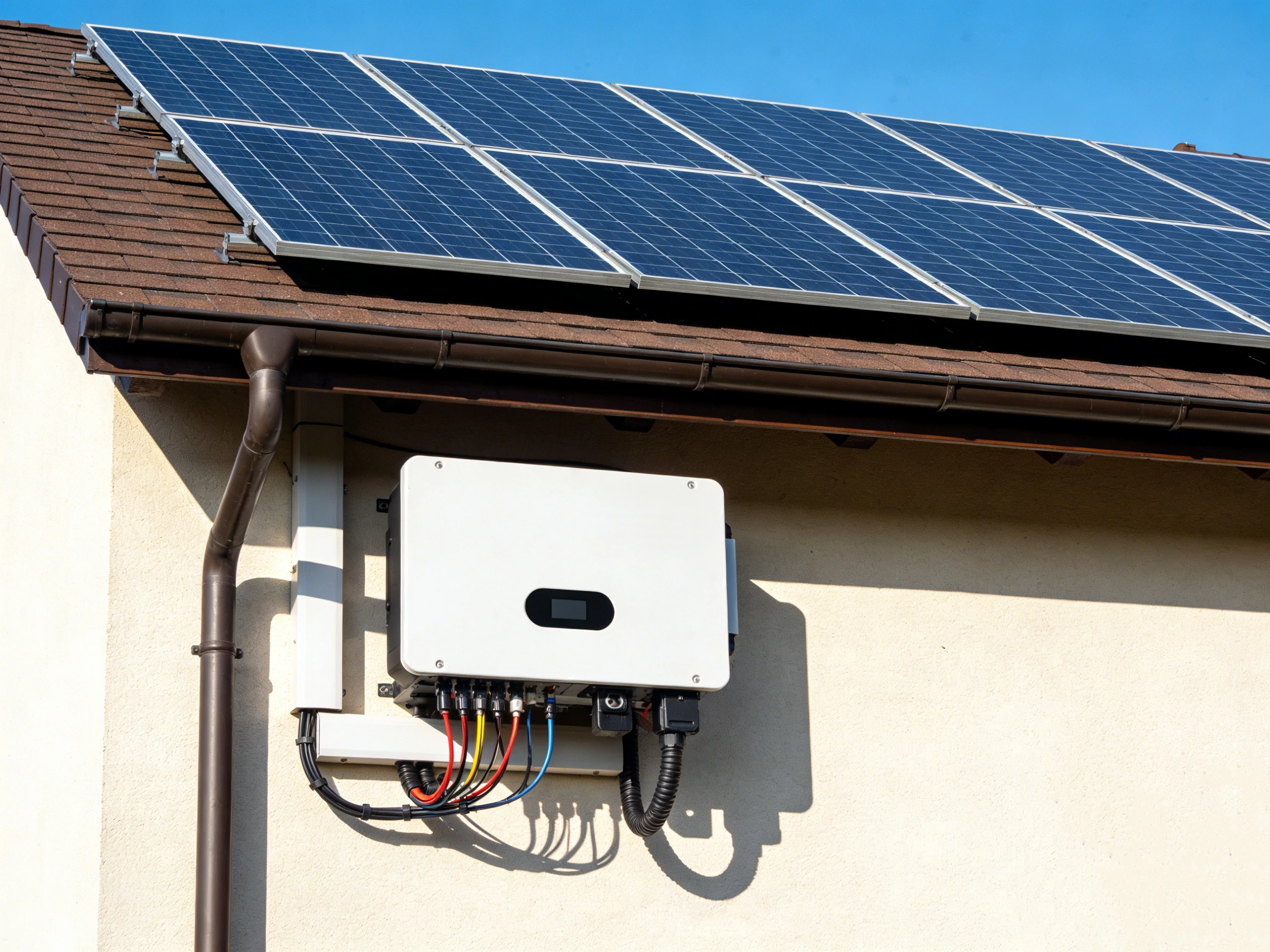
When we talk about solar power systems, everyone focuses on solar panels, right? But if you’ve been around solar setups long enough, you know that the inverter impact on performance ratio can be a game-changer. Sure, your panels capture sunlight, but the way your inverter converts that DC power into AC can significantly affect the system’s overall efficiency. In this article, I’ll walk you through everything you need to know about inverter impact on performance ratio, PV system PR calculation, and practical ways to improve your system’s output.
Before diving into the inverter’s role, let’s get on the same page about performance ratio (PR). Simply put, PR measures how efficiently your solar PV system converts sunlight into usable electricity compared to its theoretical maximum. It’s expressed as a percentage, and a higher PR means your system is performing closer to its full potential.
The PV system PR calculation is straightforward in theory but can be tricky in practice. Here’s the formula most engineers use:
PR = (Actual Energy Output) / (Reference Energy Output based on Irradiance)
Actual energy output comes from your solar inverter readings, while reference energy output is determined by irradiance and panel specs. Any inefficiency in your system—like shading, dust, temperature, or inverter losses—will reduce PR.
Now, here’s where things get interesting. The inverter impact on performance ratio is not just technical jargon—it’s a real factor that affects the electricity your system delivers. The inverter is essentially the heart of your solar PV system. It converts the DC energy generated by your panels into AC power usable by your home or the grid.
Inverter efficiency tells you how much of the DC energy gets converted into usable AC. A standard inverter operates between 95% and 99% efficiency. That might sound minor, but over a year, that tiny difference can account for thousands of kilowatt-hours. When you consider improving solar yield, selecting a high-efficiency inverter is crucial.
Even the best solar inverter experiences some losses. Common types include:
Each of these factors directly influences the inverter impact on performance ratio, and understanding them helps you optimize your system.
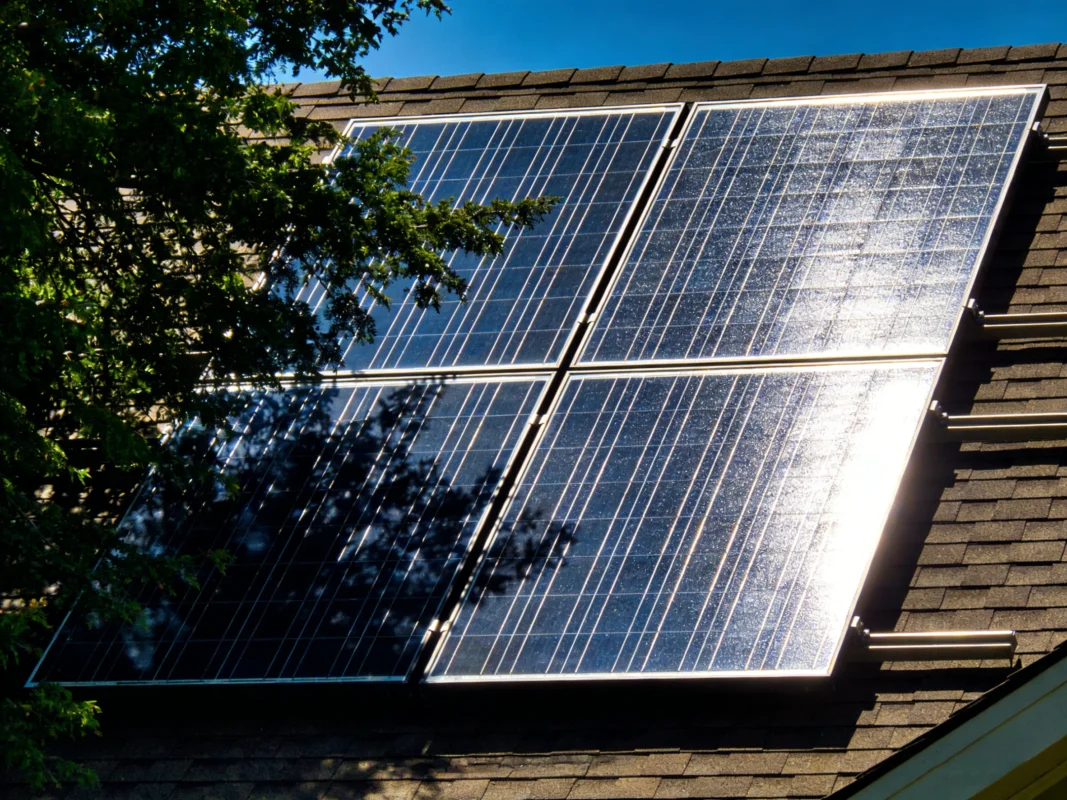
Understanding the inverter impact on performance ratio isn’t just about technical specs—it’s about how multiple factors interact in real-world conditions. Even a high-quality solar inverter can underperform if the system isn’t configured correctly. Let’s break down the main factors that influence PR and discuss actionable steps to optimize your system.
One of the biggest contributors to PR variation is improper inverter sizing. An undersized inverter struggles to handle peak panel output, which leads to “clipping,” where excess energy is wasted. On the flip side, an oversized inverter can operate inefficiently during typical daily loads, particularly in the morning and late afternoon when sunlight is lower. Matching the inverter capacity to your PV array is critical. A well-sized inverter ensures smooth DC-to-AC conversion and reduces losses, directly improving your inverter impact on performance ratio. Remember, system design also matters: string length, panel orientation, and series/parallel connections all influence inverter performance.
Heat is a silent efficiency killer. Most solar inverters lose performance as internal temperature rises. If your inverter is placed in a hot, poorly ventilated area, its conversion efficiency can drop several percentage points, dragging down the overall PR. Proper placement—like shaded, ventilated locations—is essential. Additionally, dust, humidity, and corrosion can indirectly affect inverter performance. Regular inspection and cleaning, even simple dust removal, can help maintain steady PR and extend inverter lifespan.
Even minor shading on a single panel can ripple through the system, lowering overall performance. While modern solar inverters with multiple MPPT channels can mitigate these effects, shading still impacts inverter impact on performance ratio. Panel mismatch—differences in age, degradation, or electrical characteristics—also forces the inverter to operate below optimal efficiency. Strategically placing panels and maintaining uniform conditions across the array can minimize these losses. For homeowners or operators, trimming trees or repositioning modules often produces immediate gains in PR.
How you use the electricity matters too. Inverters operate most efficiently within a certain load range. Consistently running the system at very low or very high loads can reduce conversion efficiency. For systems tied to household consumption, spreading out high-power usage or adding energy storage solutions helps balance loads and keeps the inverter impact on performance ratio high. Essentially, understanding your energy patterns allows you to maximize inverter efficiency over time.
Regular maintenance goes beyond panel cleaning. Checking inverter connections, ensuring firmware is up-to-date, and monitoring error logs can prevent efficiency drops. Small software optimizations in inverters can improve MPPT tracking and reduce conversion losses. This proactive approach ensures that your PR doesn’t just stay stable—it improves over time. Remember, the inverter is the system’s heart, and consistent care is key for long-term energy yield.
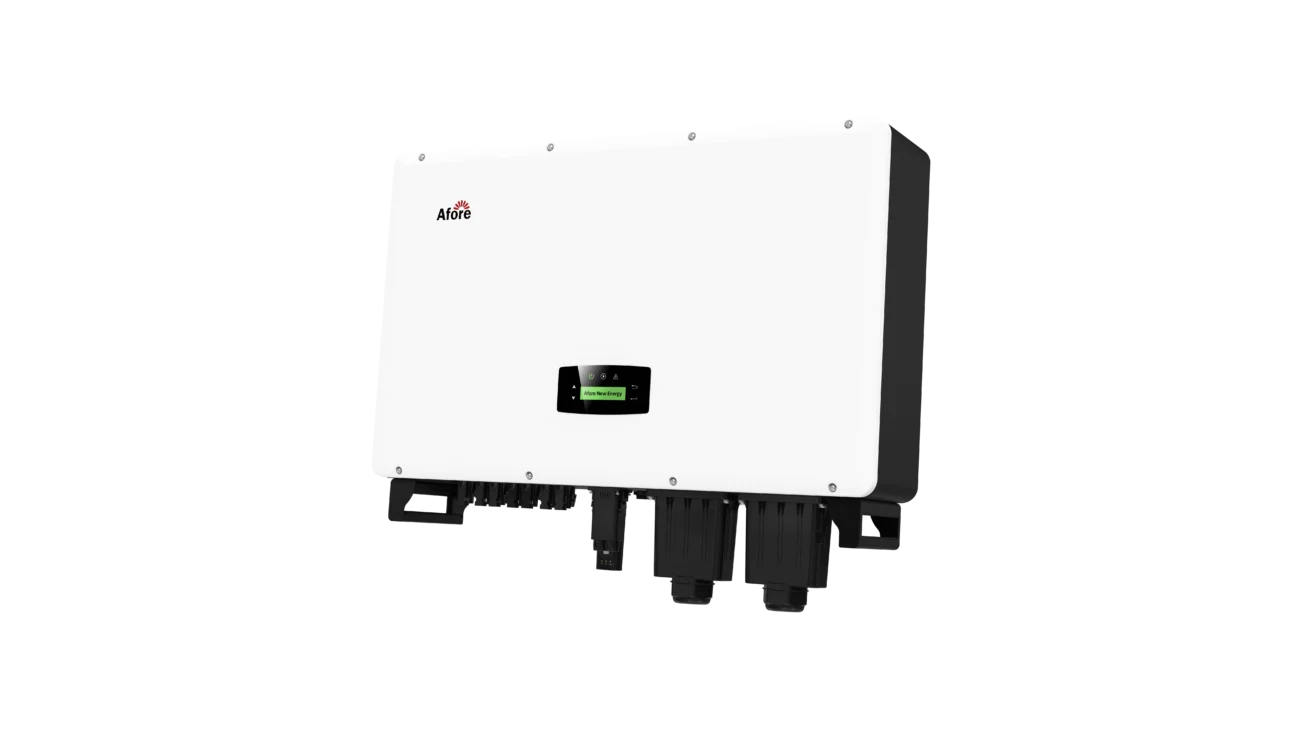
Improving your solar system’s output isn’t just about installing high-efficiency panels—it’s about managing the entire system, especially your solar inverter and its surroundings. Focusing on practical steps can significantly boost your inverter impact on performance ratio and overall energy production. Here are actionable tips grounded in real-world experience.
It might sound obvious, but many people underestimate how dirt, dust, and debris affect energy yield. Even a thin layer of dust can reduce panel output by 5–10%, which in turn stresses your solar inverter and lowers PR. Regularly inspecting and cleaning panels—especially after pollen season or heavy dust storms—ensures optimal sunlight absorption. Don’t forget to check for minor damages or loose connections, as these small issues can quietly drag down your PV system PR calculation.
Heat is one of the leading causes of inverter-related losses. Placing your inverter in a shaded, well-ventilated area helps it maintain peak efficiency throughout the day. Poor airflow or direct sun exposure can cause thermal derating, reducing the inverter impact on performance ratio. If your inverter is indoors, consider adding ventilation or a small fan system to keep temperatures stable. Over time, these adjustments can noticeably improve energy output.
Modern solar inverters often come with multiple MPPT channels, which allow them to track the maximum power point for different panel strings independently. This is particularly useful if you have partial shading, panel mismatch, or different orientations. Using these MPPT channels effectively ensures each string contributes its maximum energy, directly enhancing PR and improving solar yield. Even minor adjustments, like reconfiguring strings or balancing loads, can make a measurable difference.
You can’t improve what you don’t track. Monitoring daily and monthly performance through inverter logs or energy management systems helps identify trends or drops in PR. For example, a sudden decrease might indicate shading, a faulty panel, or inverter inefficiency. Regular monitoring allows for timely intervention, keeping your PV system PR calculation accurate and consistent over time. Personal experience shows that operators who actively track PR often achieve 3–5% higher annual energy yield compared to passive systems.
Even small amounts of shading can disproportionately reduce output, especially in older or single-MPPT inverters. Trim trees, reposition panels, or use layouts that avoid shadows during peak sun hours. By reducing shading, you not only protect your panels’ output but also ensure your solar inverter operates near its optimal efficiency. This simple adjustment is one of the most effective ways to enhance the inverter impact on performance ratio without costly upgrades.
Finally, how you consume electricity affects solar yield indirectly. Systems that consistently operate at very low or very high loads can reduce inverter efficiency. Implementing smart load distribution or integrating energy storage helps maintain inverter operation within its most efficient range. Over time, this approach contributes to higher PR and better improving solar yield results. Simple habits, like running high-energy appliances during peak sun hours, can make a real difference.
Understanding theory is important, but seeing how the inverter impact on performance ratio plays out in real-world systems really drives the point home. Let’s explore practical scenarios that highlight how inverter choices and management affect solar yield.
Take a typical 5 kW residential PV system. The panels themselves can generate up to 6,800 kWh annually under ideal conditions. However, if the solar inverter efficiency is only 95%, the system loses about 340 kWh every year simply in conversion. Upgrading to an inverter with 98% efficiency boosts the delivered energy to around 6,664 kWh—a difference of roughly 324 kWh annually. Over a decade, that’s thousands of extra kilowatt-hours, all thanks to understanding the inverter impact on performance ratio and choosing an efficient inverter.
In another scenario, a home installs panels in a partly shaded area. Even a small tree shadowing 10% of the array can drop the PR significantly. A solar inverter with a single MPPT struggles to optimize output, causing noticeable energy loss. By switching to an inverter with multiple MPPT channels, each string can operate near its maximum power point, reducing the negative effect of shading. This practical example illustrates how system configuration, in combination with inverter capabilities, directly affects PV system PR calculation and overall yield.
Consider a small commercial setup where peak power usage occurs at night. The inverter runs mostly at low loads during the day, which is its least efficient operating range. Over time, PR drops, and energy that could have been fed to the grid is partially lost. Introducing simple load-shifting practices or energy storage during peak solar hours helps the inverter operate in its optimal range, enhancing inverter impact on performance ratio and improving improving solar yield without replacing hardware.
These examples highlight key takeaways:
By observing these real-world outcomes, it becomes clear that optimizing the inverter impact on performance ratio isn’t just theoretical—it’s a practical strategy that pays off in energy savings and system reliability.
Even experienced solar users sometimes misunderstand the role of the inverter impact on performance ratio. These misconceptions can lead to suboptimal decisions, reduced energy yield, and confusion when analyzing system performance. Let’s clarify the most common myths.
A frequent misconception is that any solar inverter will perform similarly. In reality, inverter efficiency, MPPT performance, and thermal handling vary significantly. Two inverters with the same rated capacity can deliver very different energy outputs. Overlooking these differences can negatively affect your PV system PR calculation and overall inverter impact on performance ratio.
Some believe that top-tier panels automatically compensate for inverter inefficiencies. While high-efficiency panels capture more sunlight, a poorly performing inverter can waste a significant portion of that energy during DC-to-AC conversion. This highlights why understanding the inverter impact on performance ratio is crucial: your inverter’s efficiency directly affects the usable power delivered to your home or the grid.
It’s often assumed that shading or slight mismatches always reduce output irreversibly. Modern inverters with multiple MPPT channels can mitigate minor shading or mismatch effects. Although this doesn’t eliminate all losses, proper inverter selection and string configuration can preserve PR and improve improving solar yield, especially in partially shaded installations.
Many users underestimate how maintenance impacts PR. Dust, debris, and loose connections can affect inverter operation, reduce efficiency, and lower the inverter impact on performance ratio. Simple, regular checks and cleaning can prevent unnoticed energy losses and maintain consistent system performance over time.
Optimizing your solar inverter goes beyond simply installing it. The inverter impact on performance ratio can be maximized through strategic decisions and regular maintenance. Here’s how to ensure your system consistently delivers peak output.
Proper inverter sizing is the first step toward optimal performance. An undersized inverter clips excess energy during peak sunlight hours, reducing overall yield. Conversely, an oversized inverter may operate inefficiently at low loads, lowering your inverter impact on performance ratio. Balancing inverter capacity with your PV array ensures smooth DC-to-AC conversion and stable PR.
Heat is one of the most common causes of efficiency loss. Inverters operate best within a specific temperature range; exceeding this range can reduce conversion efficiency. Place your inverter in a cool, ventilated area to prevent thermal derating. Even small adjustments, like shading the inverter or improving airflow, can improve performance and protect your investment in the long term.
Modern inverters often receive firmware updates that improve MPPT tracking and overall efficiency. Keeping your solar inverter updated ensures the device operates at peak capability. Properly configuring MPPT channels can also mitigate the effects of shading or panel mismatch, directly enhancing the inverter impact on performance ratio.
Inverter efficiency varies depending on load. Operating consistently at very low or very high loads can reduce PR. Monitoring energy consumption and shifting high-demand usage to peak sunlight hours can help the inverter operate in its optimal efficiency range. This simple behavioral adjustment can contribute to noticeable improvements in improving solar yield.
Routine maintenance keeps your inverter running smoothly. Check connections, inspect for dust or debris, and monitor error logs to prevent unnoticed performance drops. An actively maintained inverter supports accurate PV system PR calculation and sustained energy output.
Monitoring your system’s performance is essential for understanding the inverter impact on performance ratio. Accurate measurement allows you to spot inefficiencies, track improvements, and ensure your PV system consistently delivers optimal output.
Performance ratio (PR) measures the actual energy output of a solar system against its theoretical potential. It accounts for environmental factors, system losses, and inverter efficiency. A sudden drop in PR often points to inverter inefficiencies, shading issues, or panel mismatch. Using accurate PV system PR calculation tools ensures you get a realistic picture of performance.
Modern monitoring platforms provide real-time data on inverter output, DC/AC conversion efficiency, and MPPT tracking. Regularly checking these metrics helps identify underperforming components or operational issues. Even simple actions, like reviewing daily yield trends, can uncover patterns that affect the inverter impact on performance ratio.
Consistent monitoring also informs maintenance priorities. For example, repeated PR drops during specific times may indicate overheating or temporary shading. Acting on these insights—adjusting inverter placement, trimming obstructions, or balancing strings—can directly improve improving solar yield without hardware changes.
By measuring and monitoring PR consistently, operators can optimize inverter performance, validate system designs, and predict long-term energy production. This proactive approach ensures your solar inverter contributes fully to energy efficiency and supports more reliable PV system PR calculation.

The inverter impact on performance ratio is often underestimated. While panels catch sunlight, your inverter decides how efficiently that sunlight becomes usable power. Paying attention to inverter efficiency, placement, maintenance, and system configuration can significantly boost your improving solar yield efforts. Remember, monitoring your PV system PR calculation isn’t just technical—it’s a practical step toward maximizing the return on your solar investment.
A carefully chosen, well-maintained solar inverter can make a substantial difference in real-world energy output, proving that every detail counts when it comes to solar performance.
Inverter efficiency directly impacts the inverter impact on performance ratio. Even a small difference—say 95% vs. 98% efficiency—can result in hundreds of kilowatt-hours lost annually in a residential system. High-efficiency inverters ensure more DC power from panels is converted to usable AC energy, which significantly improves your PV system PR calculation and overall energy yield.
Several factors contribute to inverter-related PR losses:
• Improper sizing: An inverter too small clips peak energy, while an oversized inverter runs inefficiently at low loads.
• Temperature: Heat can reduce conversion efficiency if the inverter isn’t properly ventilated.
• Shading and panel mismatch: Uneven panel output reduces the overall efficiency the inverter can achieve.
• Maintenance: Loose connections, dust, or software issues can subtly lower performance. Addressing these areas ensures a higher inverter impact on performance ratio and supports improving solar yield.
Yes, inverters with multiple MPPT channels can partially mitigate minor shading or mismatch. While they won’t completely eliminate losses, these inverters optimize each string independently, reducing the negative effect on PR. Proper string configuration combined with a capable solar inverter can significantly improve the inverter impact on performance ratio.
Regular monitoring—ideally daily or weekly—helps you spot drops in PR early. This allows timely intervention, whether adjusting loads, cleaning panels, or checking inverter settings. Continuous tracking ensures your PV system PR calculation remains accurate and your energy yield stays high.
Absolutely. Routine checks, cleaning, and firmware updates keep the inverter running at peak efficiency. Updates can improve MPPT algorithms, while maintenance prevents unnoticed energy losses. Together, they help maintain a stable inverter impact on performance ratio and contribute to long-term improving solar yield.








 Turkish
  Romanian