




When it comes to renewable energy, most people talk about solar panels, but few consider the solar inverter—the unsung hero that converts DC into AC for our homes. To truly understand a solar installation’s sustainability, we need an inverter life cycle assessment. This isn’t just technical jargon—it’s the key to grasping how your energy choices affect the planet, from production to disposal.
Understanding an inverter life cycle assessment is essential if you want to get a real picture of how solar inverters impact the environment. It’s not just about the electricity they convert—it’s about their entire life, from the raw materials used to make them, to their operational efficiency, and finally, how they are disposed of. Think of it like a full environmental “scorecard” for your inverter.
An inverter life cycle assessment (LCA) is a methodical evaluation of the environmental impacts associated with all stages of an inverter’s life. This includes material extraction, manufacturing, transport, installation, operation, maintenance, and end-of-life treatment. Unlike a simple energy efficiency rating, an LCA takes a holistic view, including the often-overlooked carbon footprint of solar inverters. By doing so, it helps system designers, engineers, and homeowners make smarter decisions about sustainable PV installations.
You might be wondering, “Why should I care about the life cycle of an inverter?” Well, even though inverters don’t look flashy like solar panels, they contribute significantly to a system’s overall environmental impact. High-efficiency inverters, for instance, may have slightly higher production emissions but save more energy during operation, ultimately lowering their total footprint. Conducting an LCA lets you identify these trade-offs and optimize both performance and sustainability.
Moreover, with the rise of LCA energy storage solutions, understanding your inverter’s life cycle helps in designing energy storage systems that complement solar inverters efficiently. This means fewer energy losses, lower operational costs, and a smaller environmental footprint over the system’s lifetime.
An inverter life cycle assessment breaks down the environmental impact into five key stages:
Knowing the details of an inverter life cycle assessment allows you to make smarter, environmentally responsible decisions:
In short, an LCA isn’t just a technical report—it’s a roadmap for making your solar installation as green as possible. By understanding every stage, you can reduce both the carbon footprint of solar inverters and the total environmental impact of your renewable energy setup.
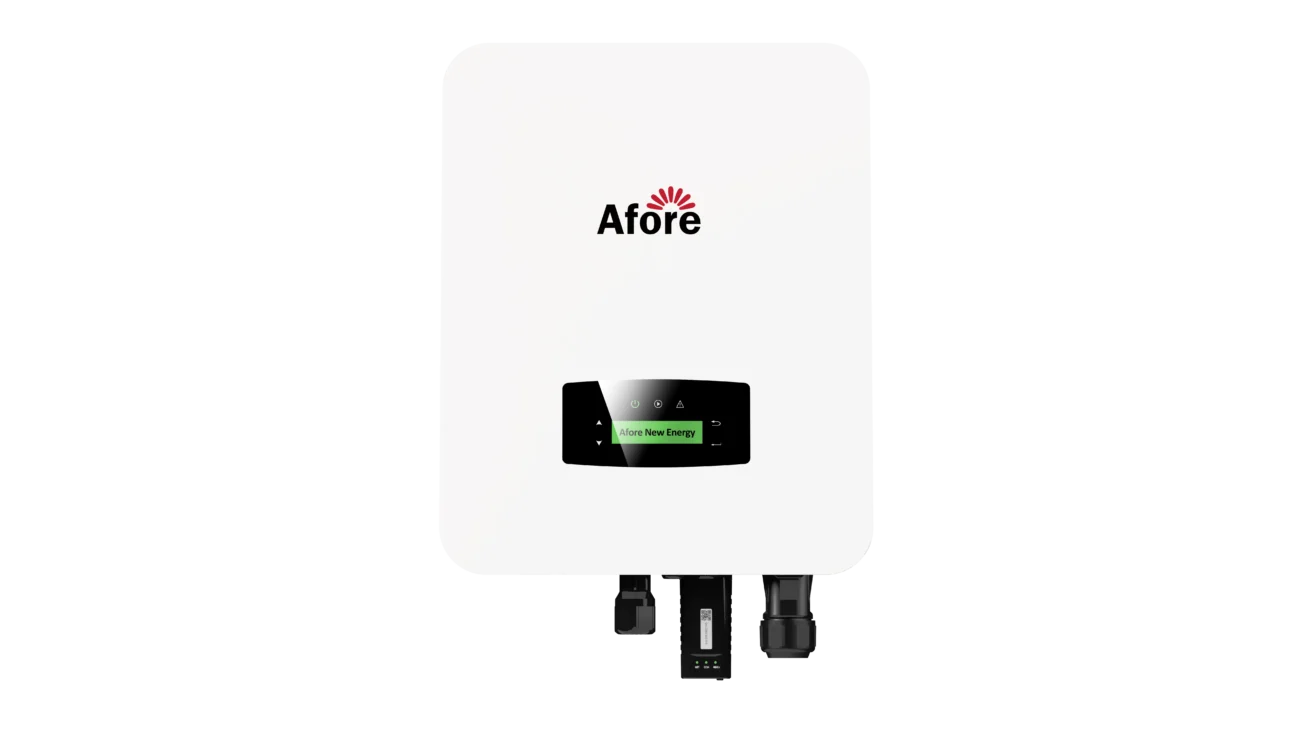
When we talk about sustainability in solar energy, panels often steal the spotlight. But the carbon footprint of solar inverters is equally important. Inverters are responsible for converting DC electricity from your panels into usable AC power, and this process, along with their production and disposal, contributes to a system’s overall emissions. An inverter life cycle assessment reveals that the environmental cost of an inverter can account for 5–15% of a solar installation’s total carbon footprint, depending on its size and efficiency. Understanding this impact helps in designing more sustainable PV systems.
Here’s an interesting fact: most people assume panels dominate the carbon footprint, but inverters aren’t negligible. Panels have a higher upfront manufacturing footprint due to glass, aluminum, and silicon processing, but they usually last longer than inverters. Inverters, although smaller, consume energy during production and release CO2 over shipping and disposal.
From practical experience, high-efficiency inverters often have a slightly higher production footprint, but this is offset by lower operational energy losses over their lifespan. So, while panels might take the spotlight in environmental discussions, the inverter’s role is crucial in total system sustainability. A thorough inverter life cycle assessment makes these trade-offs clear, helping you make informed choices.
Reducing an inverter’s carbon footprint doesn’t have to be complicated. Here are some actionable strategies:
By following these strategies, you can significantly decrease the environmental impact of your inverter while maximizing the performance of your sustainable PV system. Understanding the full picture of your inverter’s emissions is key to smart, eco-conscious solar planning.
When assessing the sustainability of a solar installation, one metric often overlooked is the energy payback time (EPBT) of inverters. EPBT measures how long an inverter needs to operate before it generates the same amount of energy that was consumed during its production. Understanding this metric is crucial for designing sustainable PV systems and accurately interpreting an inverter life cycle assessment.
Calculating EPBT for a solar inverter involves two key factors: the total energy input during manufacturing and the energy the inverter delivers over its operational lifetime. Energy used in mining materials, manufacturing circuit boards, and assembly counts toward the input, while the inverter’s efficiency and operational hours determine the output. High-efficiency inverters might take slightly more energy to produce, but they typically offset that “investment” faster thanks to lower energy losses during operation.
Inverters generally have a shorter EPBT compared to solar panels. While panels require extensive processing for silicon, glass, and aluminum, inverters are smaller and less energy-intensive to produce. On average, a quality solar inverter reaches energy payback in about 1–2 years, whereas panels may take 2–4 years depending on their efficiency and materials. This means that from a sustainability standpoint, selecting a durable, high-efficiency inverter can significantly improve the overall environmental performance of a solar system.
Knowing the EPBT helps in decision-making beyond just installation costs. If an inverter has a shorter EPBT, its environmental benefits start earlier, reducing the total carbon emissions over the system’s life. Integrating inverters with LCA energy storage solutions can also improve the effective EPBT of the entire system by smoothing energy delivery and minimizing losses. Additionally, proper maintenance and timely firmware updates can extend operational life, further lowering the relative energy footprint and enhancing long-term sustainability.
By understanding and applying EPBT insights, you can make your solar inverter choice more environmentally responsible, ensuring your system not only performs well but also minimizes its carbon footprint over time.
Thinking about a solar inverter’s end-of-life might not be the most exciting part of solar planning, but it’s one of the most critical for sustainability. An inverter life cycle assessment isn’t complete without evaluating what happens when the system reaches the end of its useful life. Without proper disposal or recycling, inverters can contribute significantly to e-waste and environmental contamination.
Inverters contain metals, semiconductors, and electronic components that can release toxins if not handled correctly. Simply throwing an inverter into a landfill risks leaching harmful substances into the soil and water. Even small inverters, when multiplied across thousands of installations, represent a sizable environmental challenge. Understanding the carbon footprint of solar inverters requires considering not just production and operation but also these end-of-life impacts.
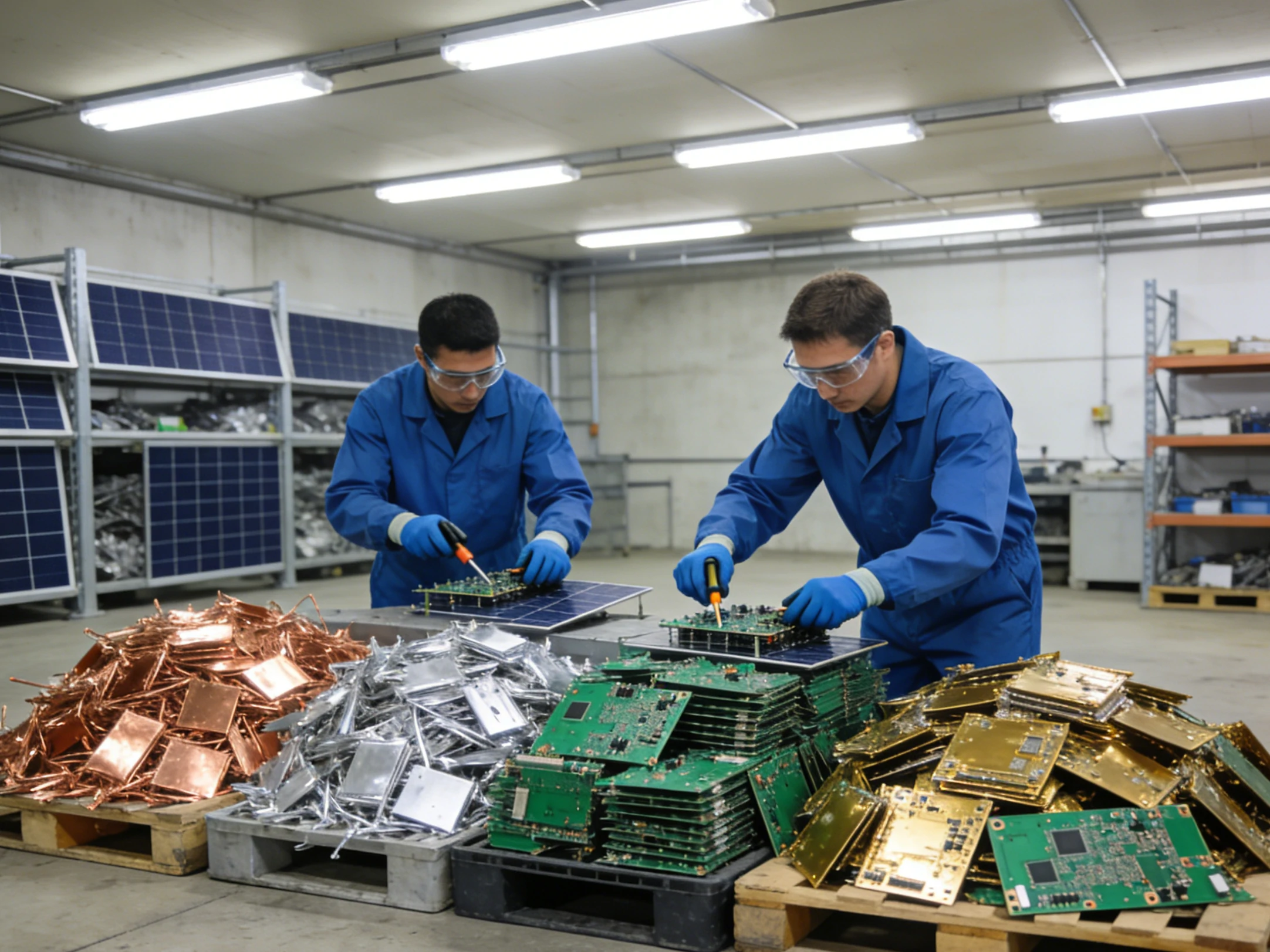
One of the most effective ways to mitigate end-of-life impacts is recycling. Metals like copper and aluminum can be recovered and reused, reducing the need for new raw material extraction. Circuit boards and other electronics can be processed to reclaim valuable components while safely handling hazardous materials. Some systems can even be refurbished or repurposed for smaller energy setups, extending their life and reducing overall environmental burden.
By considering end-of-life impacts from the start, you can make your solar installation more environmentally responsible. Pairing high-efficiency inverters with LCA energy storage solutions and proper recycling plans ensures that the system’s sustainable PV benefits are maximized throughout its entire life cycle. A well-planned approach not only reduces e-waste but also ensures the total carbon footprint of solar inverters remains as low as possible over time.
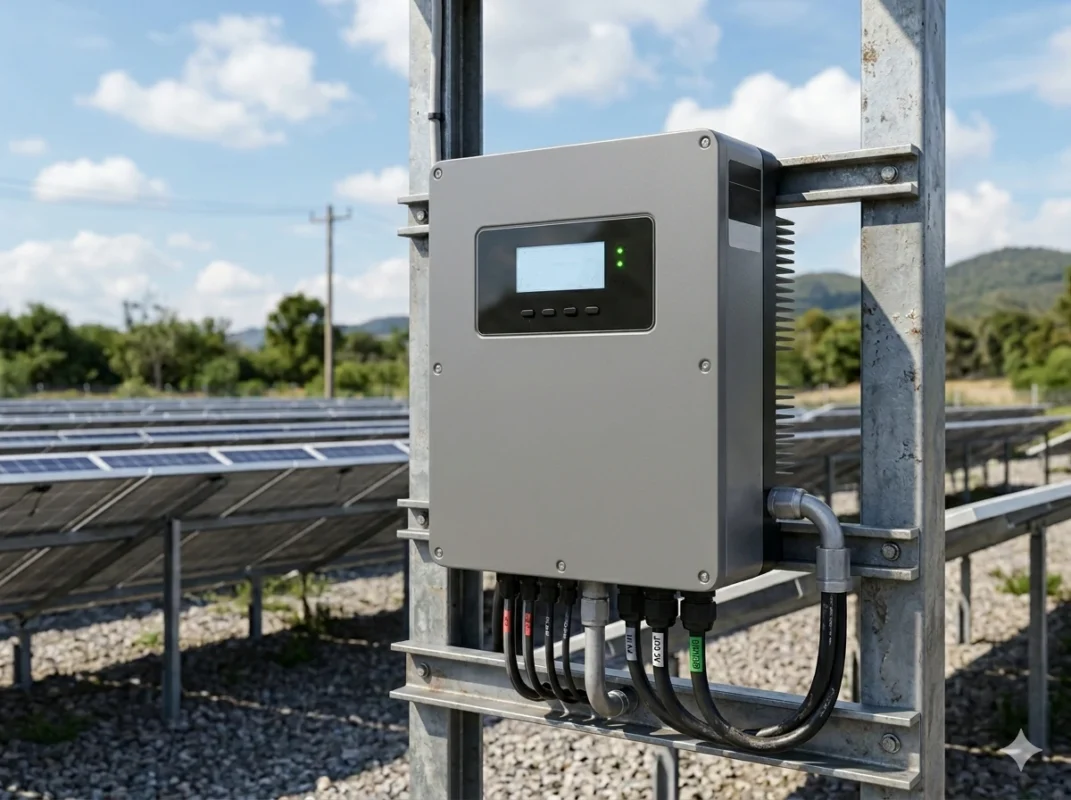
Understanding an inverter life cycle assessment is only useful if you put it into practice. Integrating LCA insights into your solar project allows you to make smarter, environmentally responsible decisions and maximize the sustainability of your sustainable PV system. It’s not just about picking a high-efficiency inverter—it’s about designing the entire system with the full life cycle in mind.
One of the first steps is sizing your inverter correctly. Oversized inverters may seem like a “future-proof” choice, but they require more materials to manufacture and often operate less efficiently at low loads. Using LCA data, you can balance inverter capacity with expected energy production, minimizing both the carbon footprint of solar inverters and operational losses. High-efficiency units matched to your system’s load profile will pay back their embodied energy faster, improving the overall EPBT of the installation.
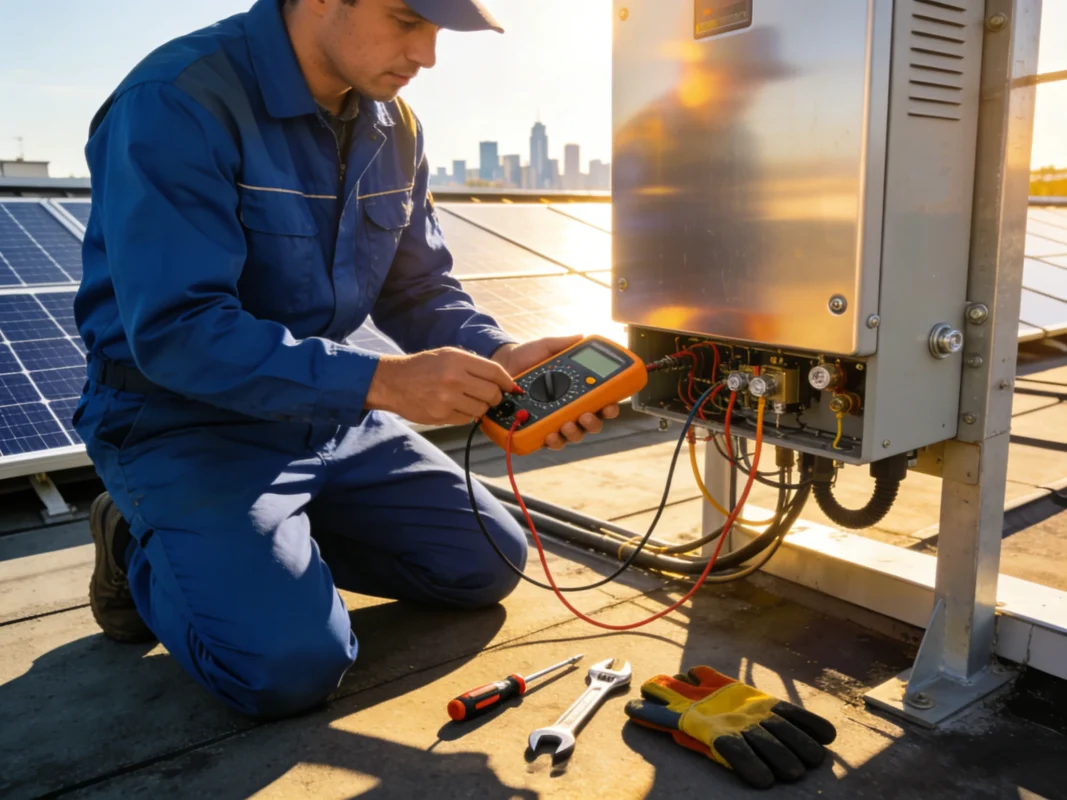
LCA isn’t just about the initial design—it also includes operational management. Regular maintenance, such as checking ventilation, updating firmware, and monitoring energy losses, can extend an inverter’s lifespan significantly. The longer an inverter lasts, the more its manufacturing impact is spread over time, reducing per-year environmental costs. Pairing this approach with LCA energy storage solutions ensures that energy is used efficiently and sustainably throughout the system’s lifetime.
Integrating LCA also requires planning for end-of-life management. Choosing modular inverters or units with recyclable components makes it easier to recover metals and electronics when they reach the end of their useful life. Proper disposal and recycling reduce e-waste and minimize the total environmental impact, keeping the carbon footprint of solar inverters as low as possible.
By incorporating inverter LCA insights into solar planning, you gain multiple advantages:
In short, integrating inverter life cycle assessment into planning isn’t an optional step—it’s essential for anyone serious about building a truly sustainable PV system. When done correctly, it ensures that every component of your solar installation contributes to long-term environmental benefits rather than hidden costs.
An inverter life cycle assessment isn’t just a nerdy exercise—it’s your roadmap to greener, smarter solar installations. By considering the carbon footprint of solar inverters, operational efficiency, and end-of-life strategies, you can make choices that truly matter for the planet.
Remember, sustainable energy isn’t only about panels—it’s about every piece of your system, including the humble yet mighty solar inverter. Your next step? Dive into LCA studies and optimize your installation for the long haul.
The carbon footprint of solar inverters comes mainly from raw material extraction and manufacturing. Metals like copper and aluminum, along with semiconductors and circuit boards, require significant energy to produce. On average, an inverter accounts for roughly 5–15% of the total emissions of a solar PV system. Choosing high-efficiency models and using recycled materials can reduce this footprint over its life cycle.
Inverters usually have a shorter energy payback time (EPBT) than solar panels because they are smaller and less energy-intensive to manufacture. While a panel may take 2–4 years to generate the energy consumed in its production, quality inverters often achieve EPBT in 1–2 years. Efficiency and proper sizing can further reduce operational losses, making the overall system more sustainable.
End-of-life impacts include potential e-waste and toxic materials if inverters are not recycled properly. Metals and electronic components can harm the environment when disposed of in landfills. Recycling, reusing components, and modular designs help minimize waste, lower the carbon footprint of solar inverters, and extend the environmental benefits of your solar system.
There are several practical steps to lower the environmental impact: select high-efficiency inverters, perform regular maintenance, extend operational life, use recycled materials, and ensure proper end-of-life recycling. Integrating LCA energy storage solutions can also optimize energy use and reduce overall emissions throughout the system’s life.
Absolutely. Routine maintenance like checking for overheating, updating firmware, and monitoring performance keeps efficiency high. This not only maximizes energy output but also spreads the manufacturing emissions over a longer period, effectively lowering the inverter life cycle assessment impact per year.
The right inverter affects system efficiency, longevity, and emissions. Proper sizing, high-efficiency models, and modular components improve performance and reduce the total environmental footprint. Incorporating LCA insights into design ensures every decision—from installation to end-of-life—supports a truly sustainable solar PV system.








 Turkish
  Romanian