




If you’ve ever thought about bringing solar energy to your farm or rural business, the USDA REAP grant for solar could be a game-changer. I’ve seen firsthand how small investments in solar can drastically reduce energy costs and make farms more sustainable. But understanding the application process, eligibility, and potential pitfalls can feel overwhelming. That’s why this guide walks you through everything—from basic definitions to step-by-step application advice—so you can take advantage of this opportunity with confidence.
The rural energy for America program (REAP) is a federal initiative aimed at helping farmers, ranchers, and rural small businesses adopt renewable energy technologies. In essence, the USDA offers grants and loan guarantees to offset the cost of installing renewable energy systems, particularly solar panels.
Think of it like this: you’ve got a farm with soaring energy bills, but you also have a sunny rooftop just begging for solar panels. REAP helps you turn that potential into savings. And it’s not just a small perk—this program has funded thousands of agricultural solar projects across the country, offering tangible support for sustainable farming.
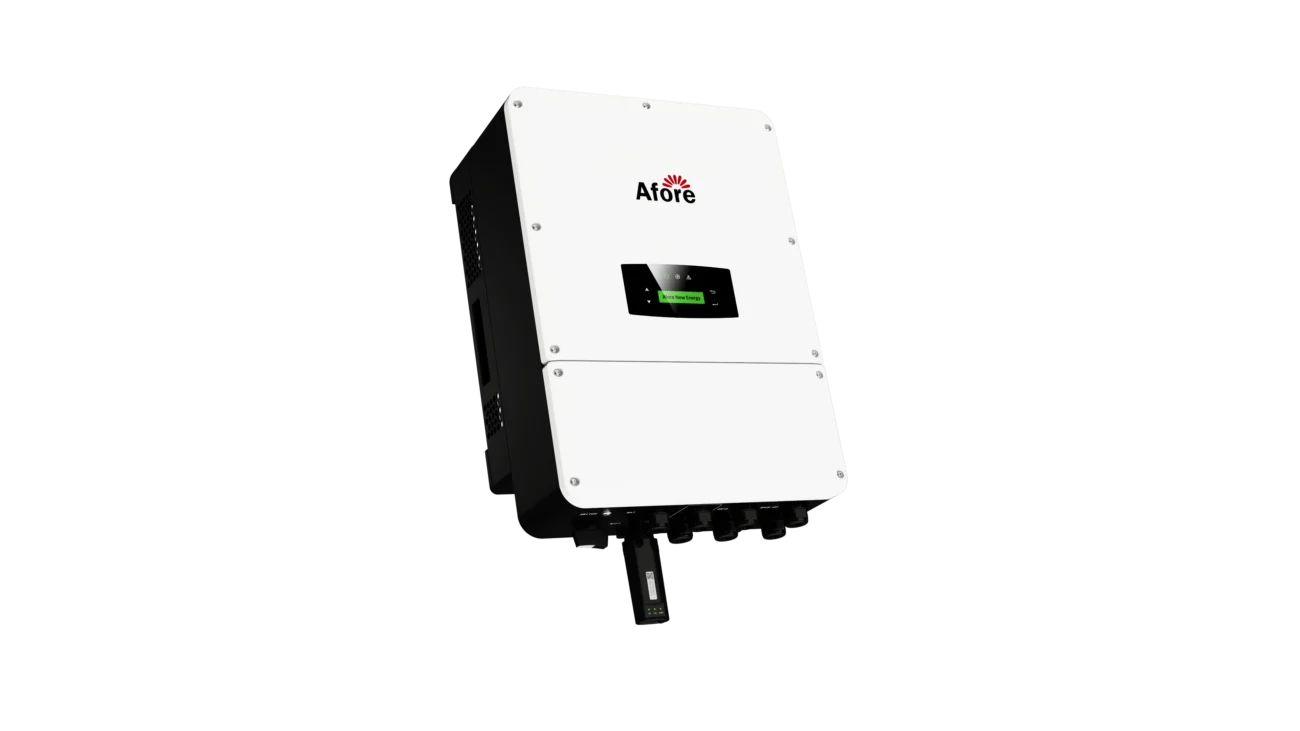
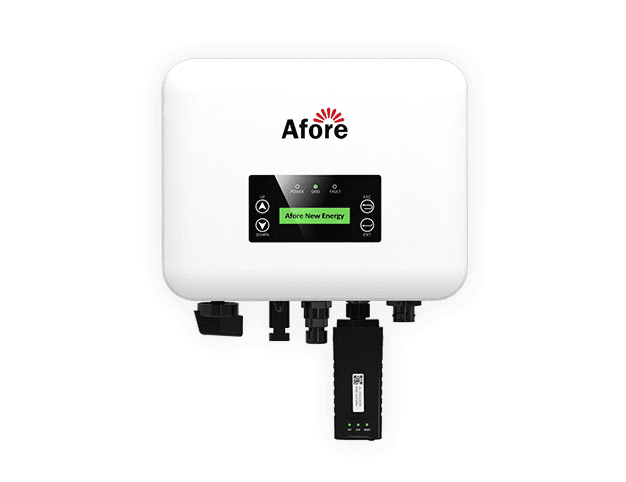
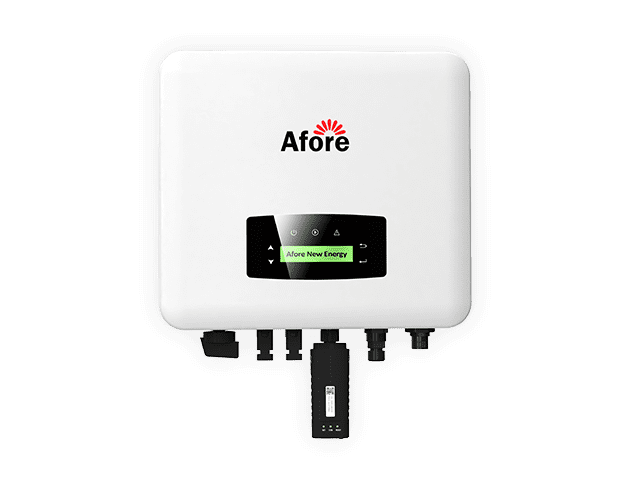
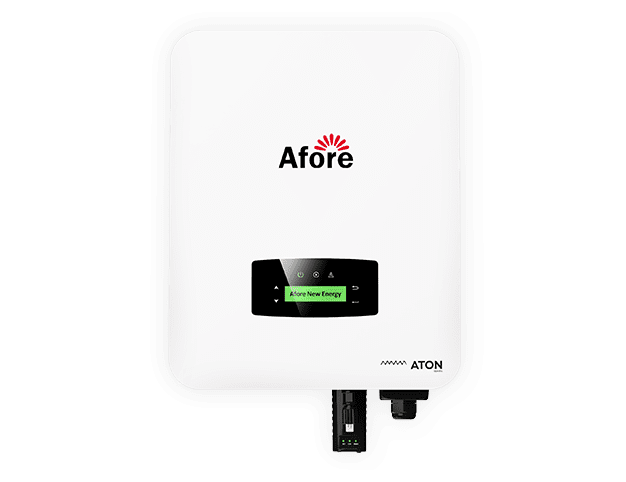
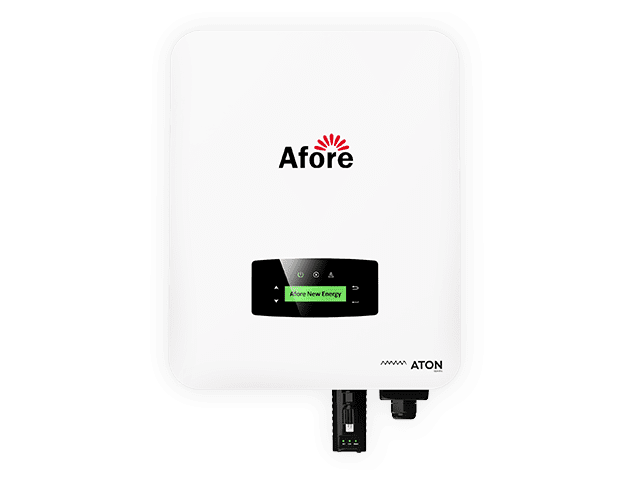
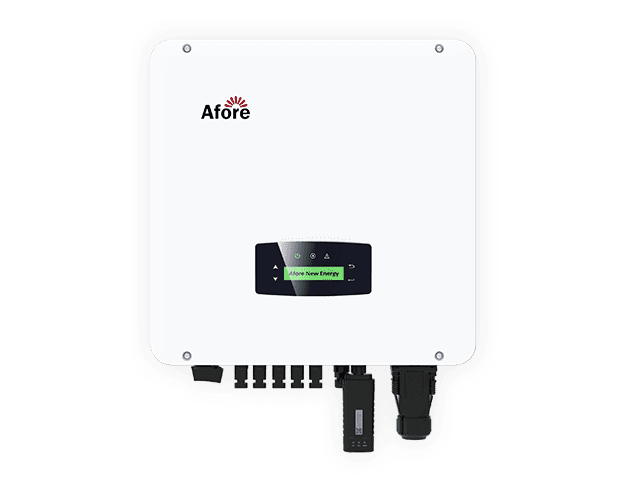
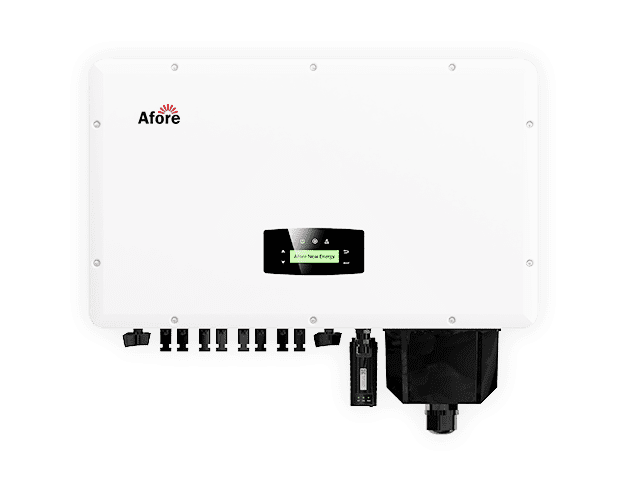
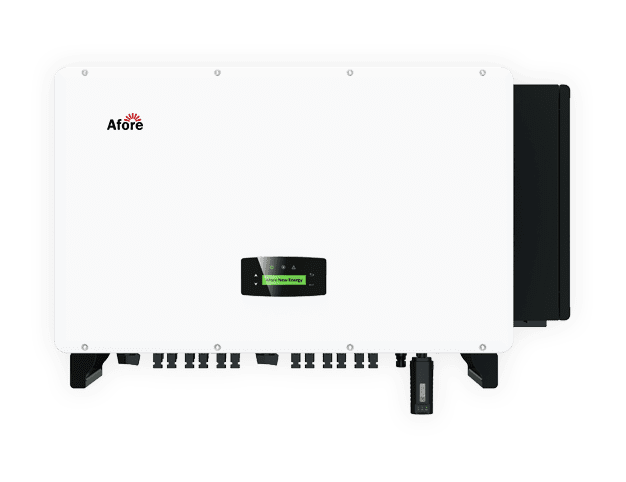
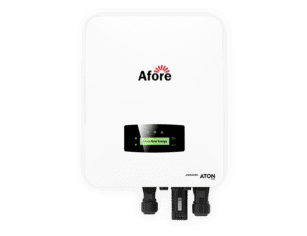
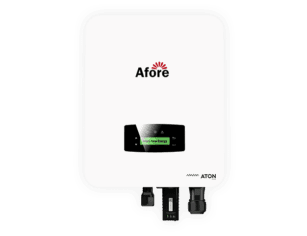
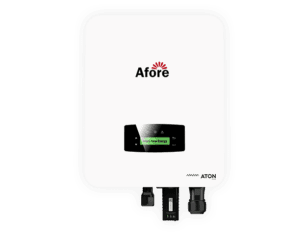
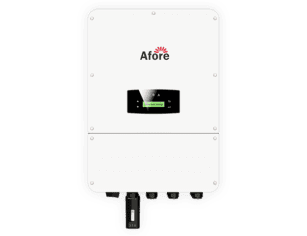
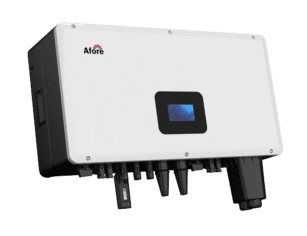
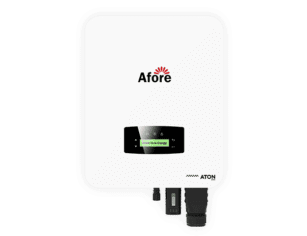
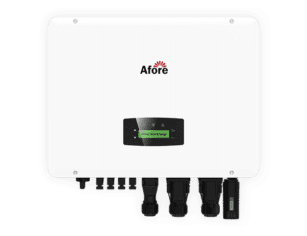
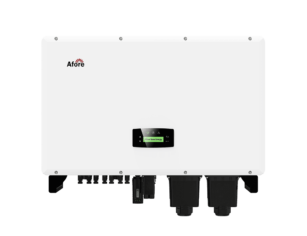
Through REAP, farmers can access agricultural PV funding, which essentially provides financial assistance to install photovoltaic (PV) solar systems that power farm operations. These systems often include solar inverters, which are crucial for converting the DC power from solar panels into usable AC electricity.
Eligibility isn’t as strict as you might think, but there are clear rules. To qualify for the USDA REAP grant for solar:
Additionally, if you’re applying for grants aimed at solar for farms, your operation’s primary income source should be agricultural. That means hobby farms or marginal operations may face more scrutiny, though loan guarantees may still be accessible.
The beauty of this program is that it supports a wide range of farm sizes—from small family-owned operations to larger agribusinesses looking to integrate solar inverters and other renewable technologies.
When it comes to adopting renewable energy on your farm or rural business, the USDA REAP grant for solar offers several tangible benefits that go far beyond simple cost savings. From financial incentives to environmental impact and long-term operational efficiency, understanding these advantages can help you make an informed decision.
One of the most immediate benefits of the REAP program is its financial support. In 2026, grants typically cover 25–50% of eligible project costs, significantly reducing the upfront investment for solar installations. This means that farmers and rural businesses can install a solar system, including solar inverters and photovoltaic panels, without straining their budget.
Additionally, REAP grants can be combined with federal solar tax credits and other local incentives, creating a powerful synergy that maximizes savings. By lowering the financial barrier, the program allows farms to redirect funds toward other operational priorities, whether that’s upgrading irrigation systems or expanding storage facilities.
Beyond financial support, REAP grants contribute to long-term sustainability. Solar energy helps reduce reliance on fossil fuels, lowering your farm’s carbon footprint and promoting environmentally friendly operations. Using agricultural PV funding, you can integrate renewable energy solutions that directly impact sustainability goals while maintaining operational efficiency.
Farms that adopt solar often see measurable environmental benefits, such as reduced greenhouse gas emissions and decreased dependency on the local electricity grid. These benefits not only appeal to eco-conscious consumers but can also improve community relations and strengthen your farm’s reputation as a sustainable business.
Installing solar panels and solar inverters through REAP funding can enhance energy reliability for critical farm operations. With solar power, farms can maintain consistent electricity supply for irrigation pumps, cold storage, lighting, and other essential equipment—even during periods of high demand or fluctuating grid availability.
Moreover, predictable energy costs allow for better financial planning. Instead of worrying about seasonal spikes in electricity bills, farm owners can allocate resources more efficiently. This operational stability often leads to increased productivity and long-term savings, which is particularly valuable for small and mid-sized farms managing tight margins.
Finally, the REAP grant indirectly supports growth and productivity. By reducing energy expenses, farms can reinvest savings into expanding operations, upgrading technology, or introducing new crops and livestock systems. Over time, these improvements can create a cycle of reinvestment and efficiency, making solar not just a cost-saving measure but a strategic business decision.
In short, the USDA REAP grant for solar empowers farmers to modernize operations, enhance sustainability, and secure long-term financial and operational resilience—all while taking a proactive step toward renewable energy adoption.
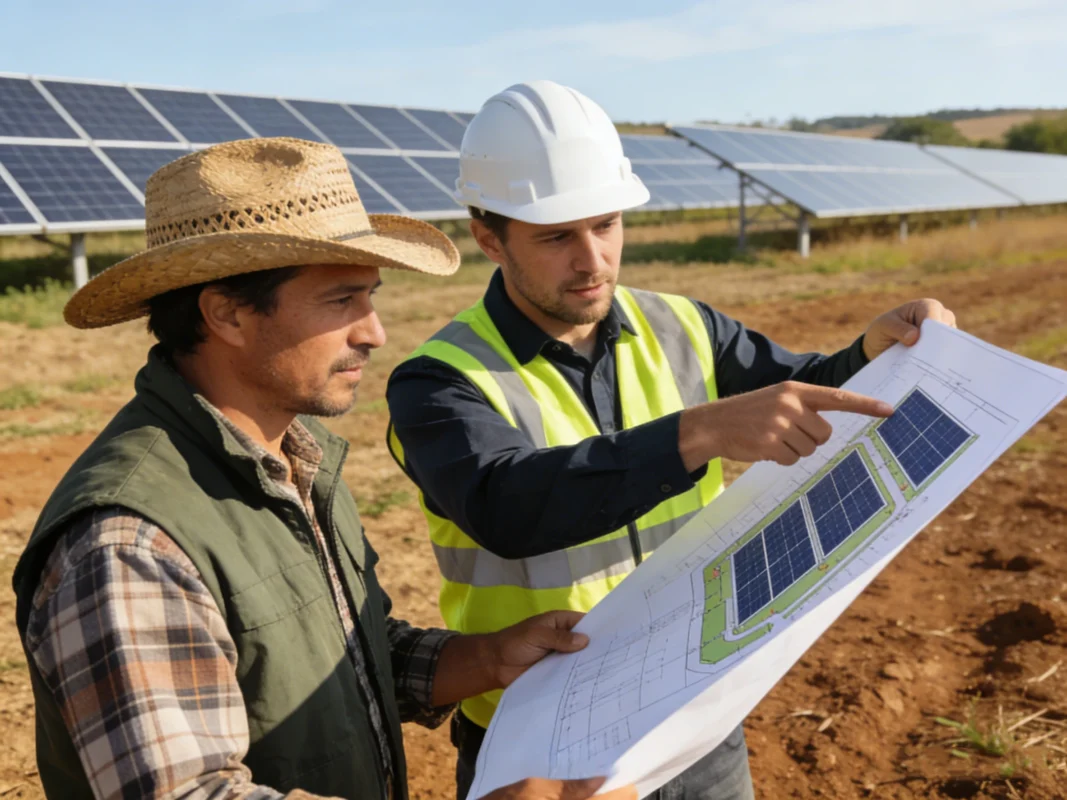
Applying for a USDA REAP grant for solar may seem overwhelming at first, but with a clear plan and the right preparation, the process is manageable—even for farmers and rural businesses who are new to federal funding. Breaking the process into structured steps can save time, prevent errors, and maximize your chances of approval. Below is a practical, step-by-step guide based on successful applications and common best practices.
Before you start any application, take a close look at your farm or business’s current energy consumption. Identify which operations are energy-intensive, such as irrigation systems, cold storage units, or lighting in barns and greenhouses.
Conducting a solar site assessment is critical. Evaluate your roof space, land area, or other potential installation sites for solar panels. Determine the capacity needed to offset a significant portion of your energy usage. At this stage, including details about solar inverters is important, as these components convert DC power from panels into usable AC electricity and are often required for USDA project approvals.
A thorough energy assessment will not only inform your application but also help you estimate costs and potential savings, making your proposal more convincing to USDA reviewers.
A strong REAP application requires careful documentation. Essential materials typically include:
Tip: Keep documentation clear, organized, and easy to read. Avoid vague statements or incomplete forms. USDA reviewers are looking for tangible, realistic project plans that clearly illustrate cost-effectiveness and environmental impact.
Once documentation is ready, identify which costs are eligible for funding. REAP grants generally cover 25–50% of eligible project costs, including equipment like solar panels, inverters, wiring, and installation services.
It’s helpful to create a line-item budget showing how the grant will reduce your overall project expenses. This clarity helps USDA evaluators quickly understand the financial structure and makes your application stronger. If you plan to combine REAP funding with federal solar tax credits, indicate this in your proposal to show maximum financial efficiency.
Applications can be submitted online through the USDA portal or via paper forms. Online submission is generally faster and allows easier tracking of your application status. When completing your application, pay close attention to:
Small mistakes, such as missing signatures or incomplete cost breakdowns, can delay approval. Double-check every detail before submitting. Consider having a consultant or someone experienced in REAP grants review your application for accuracy.
Once submitted, the USDA reviews applications based on technical feasibility, cost-effectiveness, and environmental impact. They assess:
Projects that clearly demonstrate sustainability, financial prudence, and measurable energy benefits tend to score higher. Understanding these criteria in advance allows you to craft a compelling proposal that meets USDA expectations.
During the review process, USDA may request additional information or clarifications. Respond promptly and provide clear, detailed answers. Common requests include:
Timely and thorough responses can prevent delays and show reviewers that your farm or business is serious about the project.
After evaluation, successful applications receive grant approval. Once approved:
Monitoring your system ensures compliance with reporting requirements and helps demonstrate the effectiveness of the REAP program, which may support future applications for additional funding.
By following these steps, farmers and rural businesses can navigate the USDA REAP process with confidence, turning solar potential into tangible savings and sustainability improvements.
While the USDA REAP grant for solar provides significant financial and operational benefits, applicants and recipients often face challenges during the planning, application, and implementation stages. Understanding these hurdles and knowing how to navigate them is essential for ensuring a smooth process and maximizing the impact of your solar investment.
One of the most common challenges is receiving a denial due to eligibility concerns or incomplete applications. Some farms may assume they qualify without verifying USDA definitions for rural businesses or small farms. Others may submit applications with missing documentation, unclear budgets, or insufficient technical details.
How to overcome:
Even with a grant covering 25–50% of eligible costs, some applicants struggle to finance the remaining portion of the project. Unexpected installation costs, additional equipment needs, or unforeseen expenses can make projects financially challenging.
How to overcome:
Installing a solar system on a farm or rural property comes with technical challenges. These can include improper wiring, inefficient panel placement, or inverter malfunctions, which can reduce overall energy production. Without careful planning, these issues can compromise the long-term benefits of the investment.
How to overcome:
Even after approval, delays can occur due to supply chain issues, seasonal limitations, or delays in inspections and reporting. Administrative requirements, such as documenting energy production and cost savings, can also be time-consuming for busy farm operators.
How to overcome:
Facing challenges doesn’t mean abandoning your solar goals. By anticipating common issues, farms can turn obstacles into opportunities:
Ultimately, overcoming these challenges helps you realize the full potential of agricultural PV funding and ensures that your USDA REAP grant for solar translates into long-term operational and financial benefits. Planning, diligence, and proactive management are key to turning a challenging process into a successful, sustainable solar project.
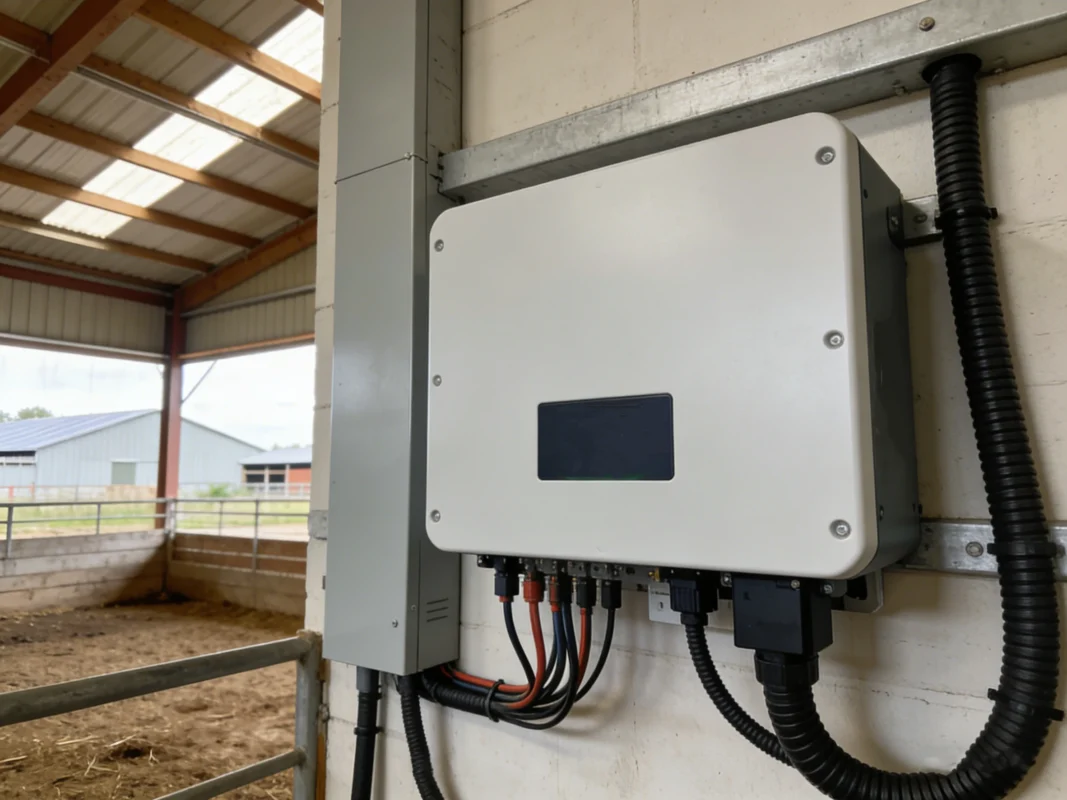
Hearing about real-world results can make the benefits of a USDA REAP grant for solar tangible and relatable. Across rural America, farmers and small businesses are leveraging these grants to transform energy use, cut costs, and boost sustainability. These stories highlight how strategic planning, smart budgeting, and commitment to renewable energy can lead to measurable results.
One mid-sized dairy farm in the Midwest used a USDA REAP grant for solar to install a 50 kW system, including high-efficiency solar inverters. Prior to the project, energy costs were a significant portion of monthly expenses, especially during peak milking periods and refrigeration cycles.
After installation, the farm reported a 40% reduction in electricity bills within the first year. The solar system provided reliable power for milking equipment, cold storage, and lighting, even during peak demand hours. By combining REAP funding with federal solar tax credits, the farm minimized upfront costs and maximized long-term financial benefits. Beyond savings, the farm also reduced its carbon footprint, appealing to environmentally conscious customers and local markets.
A greenhouse specializing in organic produce faced unpredictable energy costs due to heavy lighting and climate control systems. Applying for a REAP grant for solar allowed the farm to install solar panels and solar inverters that could handle high energy loads while maintaining consistent operation.
The project not only stabilized electricity costs but also increased the farm’s profitability. With reliable power, the greenhouse expanded production, added new crops, and improved overall operational efficiency. Monitoring energy output via the inverters helped the farm optimize usage, ensuring maximum energy capture from every panel. This real-life example shows how REAP grants can directly enhance both productivity and sustainability in energy-intensive agricultural operations.
A livestock farm in a rural area struggled with high energy costs for water pumps, feeding systems, and barn lighting. By securing a USDA REAP grant for solar, the farm installed a hybrid system powered by solar panels and efficient solar inverters, covering nearly half of its total energy needs.
The benefits were immediate. Reduced electricity expenses freed capital for additional improvements, such as upgrading irrigation infrastructure and automating feeding schedules. The farm reported improved operational reliability and a smoother workflow for daily chores. The success of this project highlights the value of integrating solar with ongoing farm operations to achieve both financial and operational gains.
Across these examples, several key lessons emerge:
These real-life stories demonstrate how a USDA REAP grant for solar can turn ambitious renewable energy goals into concrete, measurable outcomes. By learning from others’ experiences, rural businesses and farms can plan more effectively, avoid common pitfalls, and maximize both financial and environmental returns from solar projects.
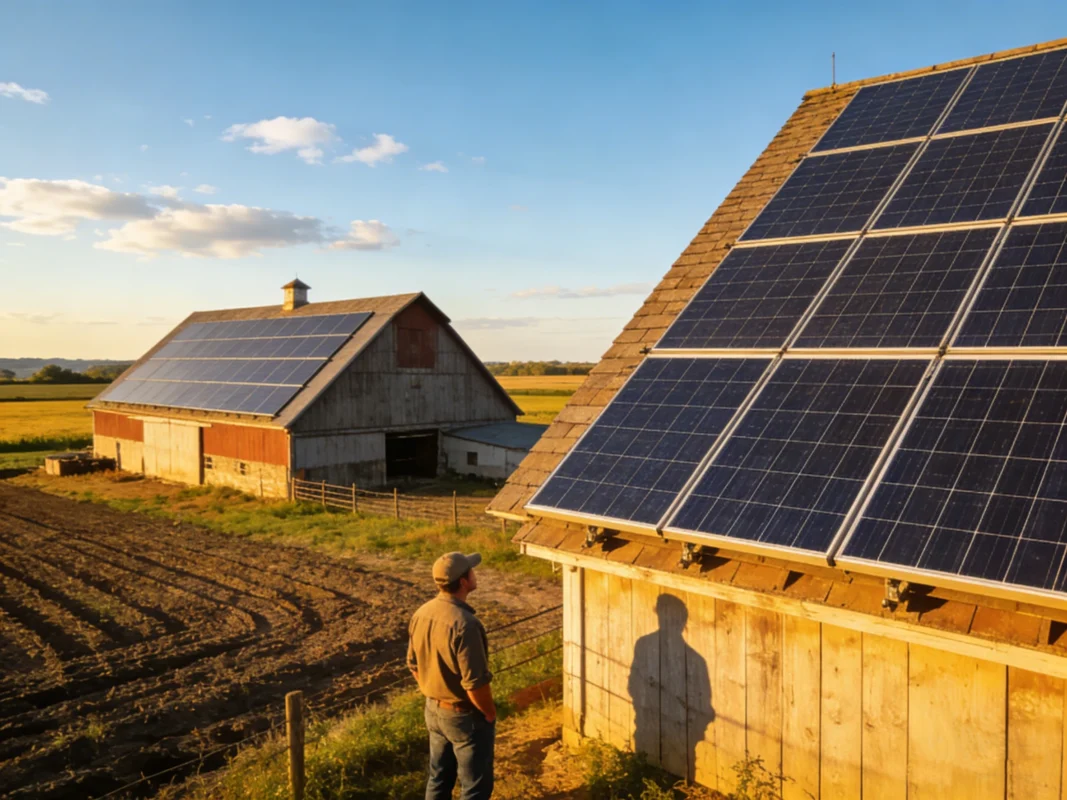
Securing a USDA REAP grant for solar isn’t just about meeting the minimum requirements—it’s about presenting a clear, well-structured, and compelling project. Over the years, successful applicants tend to follow a few consistent strategies that significantly improve their chances of approval.
Timing plays a bigger role than most people expect. Strong applications don’t come together overnight. Start planning your USDA REAP grant for solar months in advance by gathering energy data, identifying system requirements, and outlining your budget.
Early planning also gives you time to refine your proposal and ensure every detail—especially technical elements like solar inverters—is clearly defined. A well-prepared application signals professionalism and reduces the risk of last-minute errors.
USDA reviewers rely heavily on documentation to evaluate projects. Instead of vague estimates, provide concrete numbers backed by energy audits, cost breakdowns, and performance projections.
Clearly explain how your solar system will reduce energy consumption and improve efficiency. Including detailed specifications for key components, such as solar inverters, demonstrates that your project is technically sound and ready for implementation. The more transparent and data-driven your application is, the stronger it becomes.
Even experienced farm owners benefit from a second set of eyes. Consulting with energy professionals, technical advisors, or grant specialists can help you avoid common pitfalls and improve the overall quality of your application.
Experts can also help align your project with agricultural PV funding priorities, ensuring it meets USDA evaluation criteria. This extra step often makes the difference between a rejected proposal and a funded one.
Finally, organization is key—not just during the application process, but after submission as well. Keep all documents, receipts, and project plans in one place. If USDA requests additional information, respond quickly and thoroughly.
A well-organized applicant demonstrates reliability, which can positively influence both approval decisions and future funding opportunities tied to the USDA REAP grant for solar.
The USDA REAP grant for solar is more than just financial aid—it’s a pathway to sustainability, reduced energy costs, and long-term farm resilience. With careful planning, realistic budgeting, and proper system maintenance, solar energy can transform rural operations.
If you’ve been considering solar for your farm, now is the perfect time to explore REAP grants, take advantage of rural energy for America program support, and secure your farm’s energy future. Remember, the combination of grants, tax credits, and smart planning makes solar not only feasible but financially advantageous.
To apply for a USDA REAP grant for solar that includes solar inverters, you need to submit a complete project application with technical specifications, cost estimates, and an energy assessment.
Start by defining your system size and energy needs, then include detailed information about your solar inverters, such as efficiency, expected output, and role in the system. Attach supporting documents like a feasibility study and financial statements. Submitting a clear, well-documented proposal significantly improves your approval chances.
In 2026, the USDA REAP grant for solar typically covers 25% to 50% of eligible project costs.
The exact percentage depends on the project scope and whether additional funding, such as loan guarantees, is included. Many applicants reduce total costs even further by combining REAP grants with tax incentives, making solar installations more financially accessible.
To qualify for the USDA REAP grant for solar, applicants must demonstrate financial viability and meet USDA definitions for farmers or rural small businesses.
For agricultural producers, at least 50% of gross income must come from farming operations. Rural businesses must operate in eligible areas and meet small business size standards. Providing accurate financial records is essential for meeting these requirements.
The approval process for a USDA REAP grant for solar typically takes 2 to 6 months, depending on application complexity and review timelines.
Initial reviews may take several weeks, followed by technical evaluation and final approval. Delays can occur if documentation is incomplete, so submitting a thorough and accurate application helps speed up the process.
Yes, you can combine a USDA REAP grant for solar with federal solar tax credits.
This combination is one of the most effective ways to reduce overall project costs. The grant lowers upfront expenses, while tax credits provide additional savings after installation. Together, they can significantly improve the return on investment for solar projects in rural areas.








 Turkish
  Romanian