



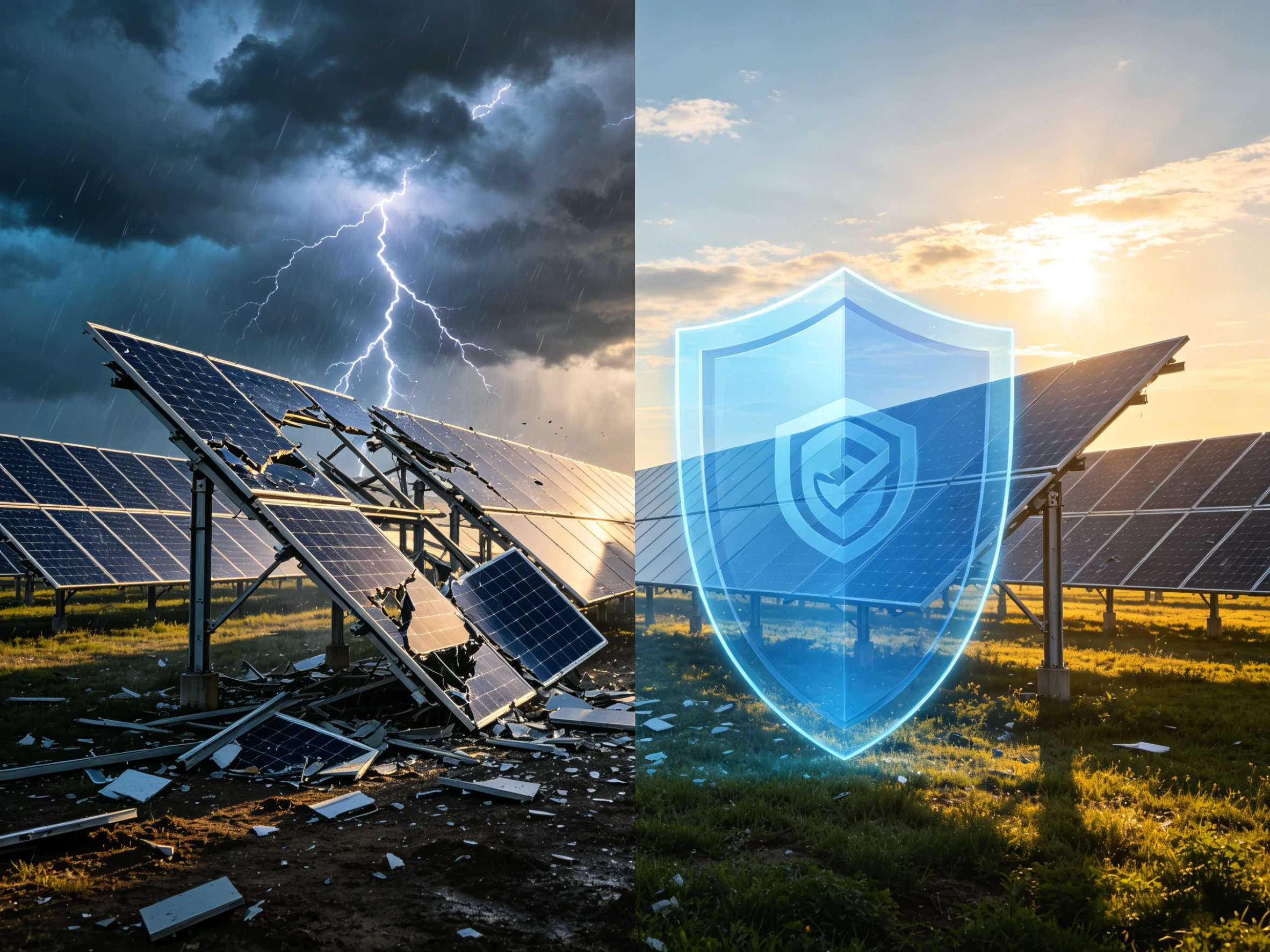
Solar energy has moved far beyond being an “alternative” option. Today, it is a core infrastructure investment for businesses, farms, industrial sites, and utility-scale operators. But here’s something many people overlook until it’s too late—risk.
From extreme weather events to electrical failures, photovoltaic systems are exposed to a wide range of threats. That’s where commercial solar insurance becomes essential. It’s not just a safety net—it’s a financial survival tool for long-term solar success.
In this guide, we’ll break down everything you need to know about commercial solar insurance, including how it works, what it covers, how it compares with warranties, and how to manage risks across large PV installations. We’ll also explore real-world scenarios, claims processes, and technical considerations like solar inverter failures and hardware risk management strategies.
At its core, commercial solar insurance is a specialized insurance policy designed to protect photovoltaic systems used for business or industrial purposes. It covers physical damage, operational interruptions, and financial losses linked to solar energy assets.
Unlike general property insurance, commercial solar insurance is tailored for the unique risks of PV systems, including panel degradation, electrical faults, and environmental damage.
For many operators, commercial solar insurance is not optional—it’s a requirement for financing and long-term project stability.
Solar systems are exposed to unpredictable conditions:
Without commercial solar insurance, even a single incident can lead to significant financial loss.
Another major reason businesses invest in commercial solar insurance is downtime protection. If your system stops producing energy, revenue losses can accumulate quickly.
This is where insuring PV systems becomes critical. Proper insuring PV systems strategies ensure not just physical protection but also financial continuity.
When evaluating commercial solar insurance, it’s important to understand that a policy is never a one-size-fits-all package. Instead, it is built from several core protection layers that work together to reduce financial exposure across a solar project’s entire lifecycle. Whether you are managing a rooftop installation or a utility-scale plant, these components determine how resilient your investment truly is.
The foundation of most commercial solar insurance policies is property damage protection. This coverage applies to the physical assets that make up a PV system, including solar panels, mounting structures, electrical wiring, and supporting infrastructure.
In real-world conditions, solar installations face constant environmental stress. High winds, hailstorms, fire incidents, and unexpected debris impact can all lead to partial or total system failure. Without strong property coverage under commercial solar insurance, even a single extreme weather event can result in significant capital loss.
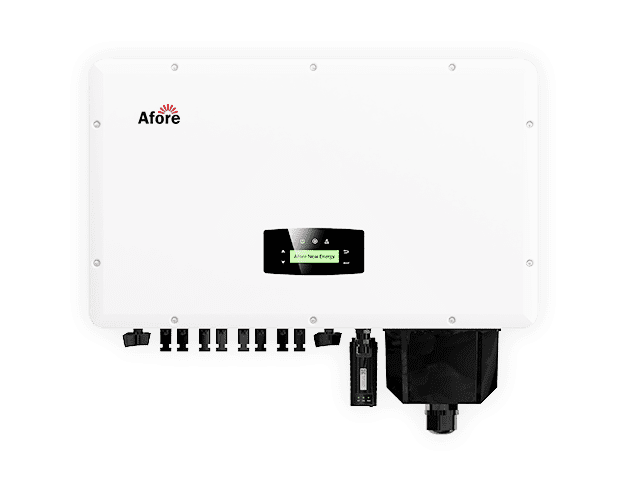
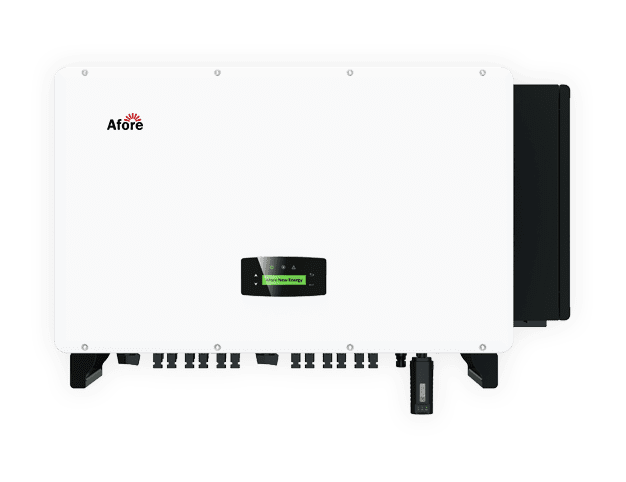
A particularly sensitive component in this category is the solar inverter, which plays a central role in system conversion efficiency. Because inverters are exposed to thermal stress and electrical fluctuations, insurers often assess them separately within property damage evaluations. Their failure can sometimes trigger cascading system downtime, making them a key risk factor in hardware risk management strategies.
Another critical layer of commercial solar insurance is business interruption protection. This component addresses the financial consequences of energy production loss when the system is unable to operate.
For commercial operators, solar installations are not just physical assets—they are income-generating systems. When a system goes offline due to equipment failure or environmental damage, revenue loss begins immediately. Business interruption coverage ensures that the operator is compensated for this downtime, helping stabilize cash flow during repair periods.
This is especially important in cases involving solar inverter malfunction, as inverter issues can shut down an entire array even if panels remain undamaged. In this context, strong insuring PV systems practices are essential to ensure that downtime risks are properly accounted for and financially mitigated.
Liability protection is another essential pillar of commercial solar insurance. It safeguards operators against legal and financial responsibility if the solar installation causes damage to surrounding property or results in personal injury.
Large-scale solar projects often operate near public infrastructure, industrial facilities, or agricultural land. In such environments, even rare incidents—such as electrical faults or structural failure—can lead to third-party claims. Liability coverage ensures that these unexpected events do not escalate into major financial or legal crises.
From a risk perspective, this component is closely tied to overall hardware risk management, as better system design and maintenance reduce the likelihood of external impact.
Modern commercial solar insurance policies also include protection against large-scale environmental risks. These may involve lightning strikes, flooding, heavy snowfall, or severe wind events.
Such risks are often unpredictable, which makes them one of the most important considerations when insuring PV systems. For example, a lightning strike can damage both panels and the solar inverter, potentially disabling an entire system in seconds. Insurance coverage in this area ensures that restoration costs and related losses are financially manageable.
In practice, insurers evaluate site geography, weather history, and installation design before underwriting this layer of commercial solar insurance, making risk assessment a crucial step in policy structuring.
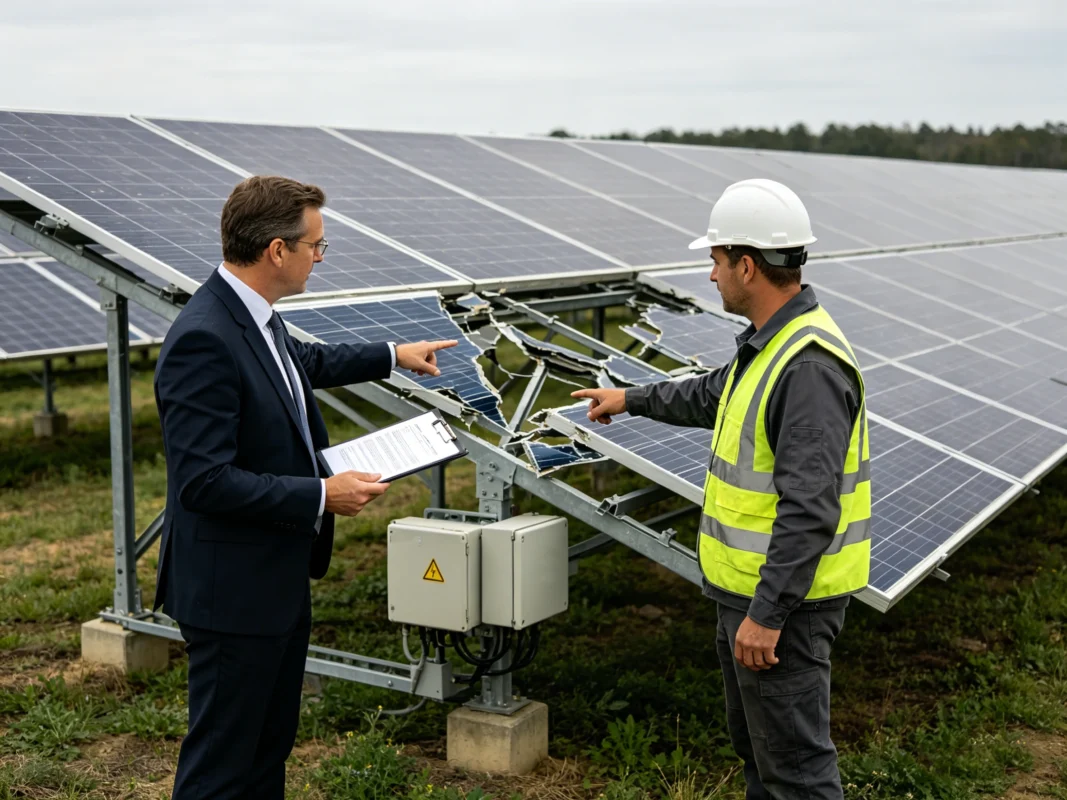
When it comes to commercial solar insurance, simply purchasing a policy is not enough. The real value comes from how well the underlying PV system is prepared, documented, and managed. Effective insuring PV systems requires a combination of technical discipline, operational awareness, and long-term risk planning. In practice, insurers reward well-managed systems with better coverage terms and lower premiums.
One of the most important steps in insuring PV systems is ensuring the system is designed with risk in mind from the very beginning. Insurers closely evaluate layout efficiency, electrical architecture, and component selection before issuing commercial solar insurance.
For example, systems with poor spacing, weak ventilation, or inefficient wiring layouts are more likely to experience overheating and electrical stress. These design weaknesses often increase exposure to solar inverter failure, which is one of the most critical risk points in any PV installation.
A well-structured design not only improves energy output but also strengthens eligibility for broader commercial solar insurance protection.
Regular maintenance is a cornerstone of effective insuring PV systems. Many claims are denied or reduced due to lack of maintenance records, making documentation just as important as the physical upkeep itself.
Preventive maintenance should include scheduled inspections of panels, wiring systems, mounting structures, and especially the solar inverter, which is highly sensitive to temperature and electrical fluctuations. Early detection of wear, corrosion, or overheating can significantly reduce system downtime and insurance claims.
From an insurance perspective, consistent maintenance demonstrates responsible hardware risk management, which directly influences policy evaluation under commercial solar insurance.
Another best practice in insuring PV systems is conducting thorough environmental risk assessments. Location plays a major role in determining insurance terms because weather patterns and natural hazards directly affect system reliability.
Operators should evaluate risks such as wind exposure, flood zones, lightning frequency, and temperature extremes. These environmental factors are particularly relevant for commercial solar insurance, as they determine the likelihood of catastrophic system damage.
In high-risk environments, additional protective measures—such as improved grounding systems or enhanced surge protection—are often required to ensure coverage approval.
Accurate documentation is often overlooked but is essential for successful insuring PV systems. Insurers rely heavily on system logs, maintenance records, inspection reports, and performance data when underwriting or processing claims.
In cases involving solar inverter failure or weather-related damage, detailed records can significantly speed up claim approval under commercial solar insurance. Without proper documentation, even valid claims may face delays or disputes.
Maintaining transparency across operations also supports long-term hardware risk management, helping operators identify patterns of degradation before they become costly failures.
Ultimately, the most effective approach to insuring PV systems is treating insurance and risk management as a unified strategy rather than separate functions. Strong operational discipline reduces exposure, while commercial solar insurance provides financial protection when unforeseen events occur.
By aligning system design, maintenance routines, environmental awareness, and documentation practices, operators create a resilient framework that supports both performance and protection across the entire solar asset lifecycle.
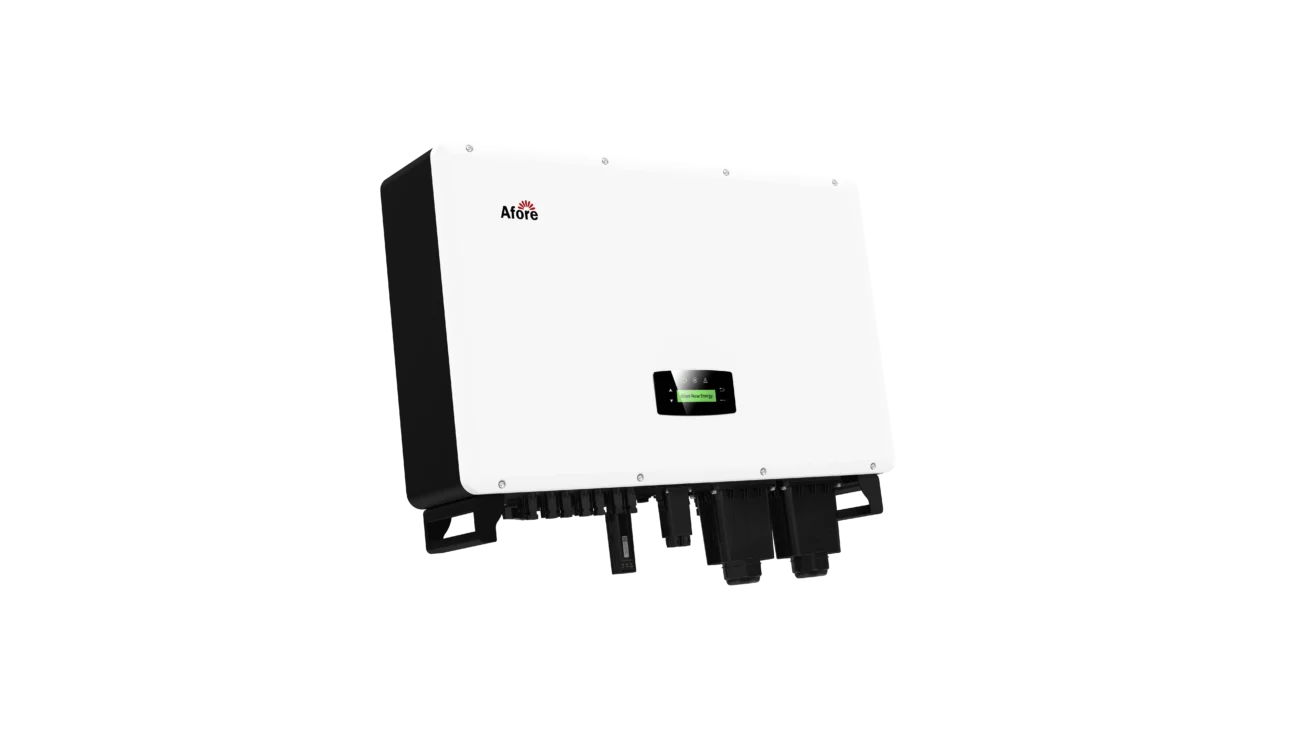
Understanding the difference between solar warranty vs insurance is essential for anyone managing or investing in photovoltaic systems. Although both offer protection, they serve completely different purposes within the lifecycle of a solar project. Confusing the two can leave critical financial gaps, especially in large-scale installations covered under commercial solar insurance.
A solar warranty is typically provided by manufacturers or system suppliers and focuses on product-related issues. It mainly covers defects in materials, workmanship errors, or performance guarantees over a defined period.
However, a warranty is limited in scope. It does not protect against external risks such as storms, fire, theft, or operational downtime. Even when a solar inverter fails due to environmental stress rather than manufacturing defects, warranty coverage may not apply. This limitation is a key reason why relying solely on warranties is insufficient for long-term protection.
In contrast, commercial solar insurance is designed to handle external and unpredictable risks. It covers physical damage, weather-related events, liability exposure, and financial losses caused by system downtime.
For example, if a severe storm damages a PV system or causes inverter shutdown, commercial solar insurance can compensate for repair costs and lost revenue. This makes it a critical layer of protection beyond what warranties provide, especially in insuring PV systems for commercial-scale operations.
The real difference in solar warranty vs insurance lies in coverage depth. A warranty protects against internal defects, while commercial solar insurance protects against external threats and financial disruption.
For operators focused on long-term stability, combining both ensures complete coverage. Strong hardware risk management further bridges the gap between the two, reducing failure rates and improving overall system resilience.
Effective hardware risk management is a core pillar of long-term solar project stability and plays a direct role in how insurers evaluate and price commercial solar insurance. It focuses on identifying, reducing, and continuously monitoring risks associated with physical components in a photovoltaic system. Without it, even well-designed systems can face unexpected failures and higher insurance exposure.
The first step in hardware risk management is understanding where failures are most likely to occur. In solar projects, common risk points include solar panels, wiring systems, mounting structures, and especially the solar inverter, which is highly sensitive to heat, voltage fluctuations, and long-term wear.
By mapping these vulnerabilities early, operators can better prepare maintenance schedules and reduce the probability of system downtime that would otherwise trigger commercial solar insurance claims.
A strong hardware risk management strategy relies heavily on preventive maintenance. Regular inspections help detect early signs of corrosion, overheating, or mechanical fatigue before they escalate into system failures.
Continuous monitoring is equally important. Tracking performance data allows operators to identify abnormal patterns, particularly in the solar inverter, which often shows early warning signals before complete failure. These practices not only improve system reliability but also strengthen eligibility for favorable commercial solar insurance terms.
One of the most overlooked aspects of hardware risk management is its connection to insurance performance. Insurers assess maintenance quality, failure history, and system resilience when underwriting commercial solar insurance policies.
A well-managed system demonstrates lower operational risk, which can lead to better coverage conditions and reduced premiums. In this way, hardware risk management is not just a technical requirement but also a financial strategy that directly supports insuring PV systems more effectively.
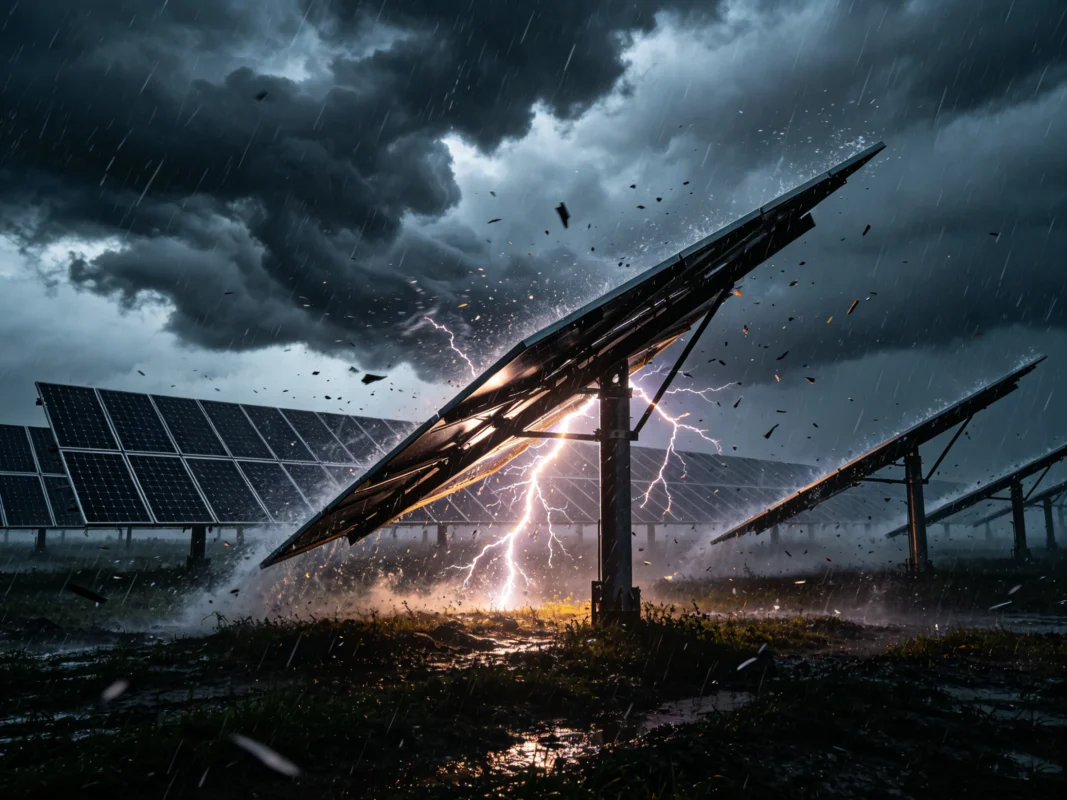
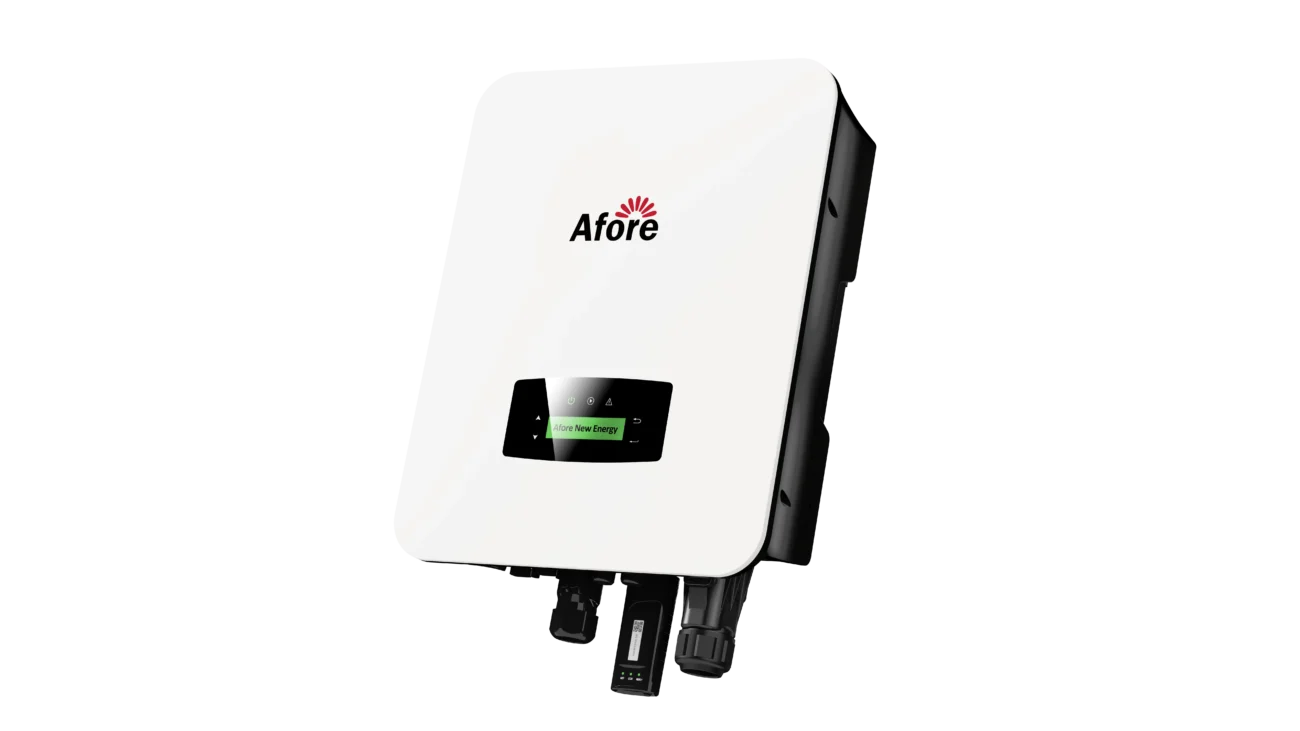
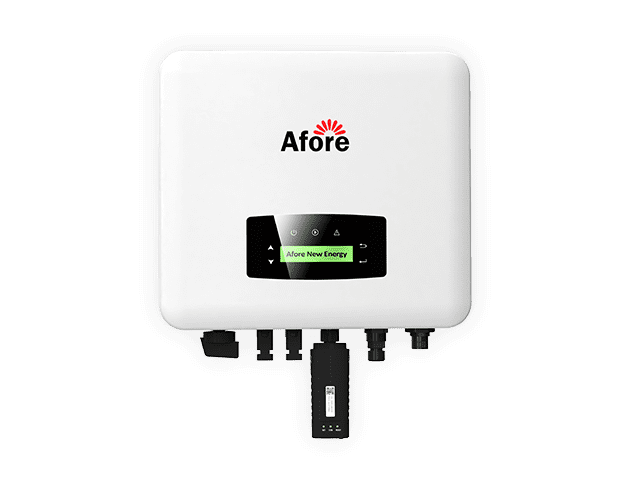
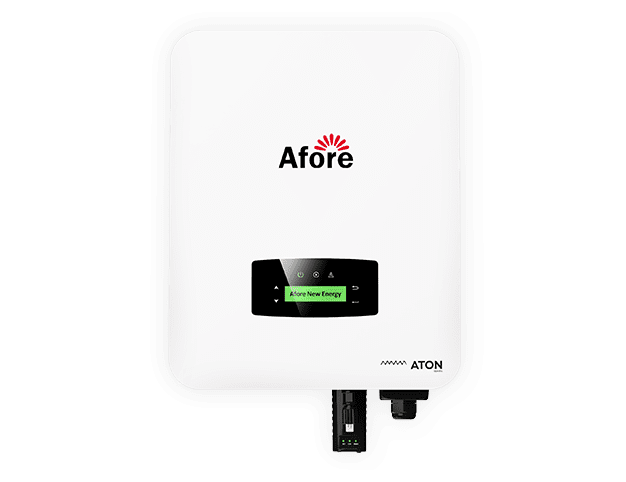
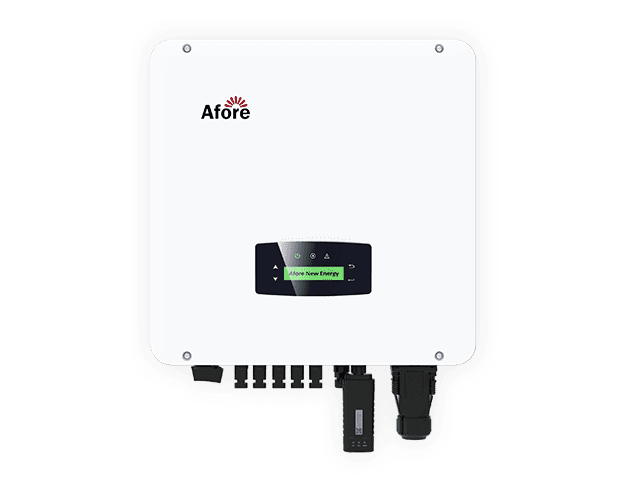
The solar inverter is one of the most critical components in any photovoltaic system, and it plays a decisive role in both system performance and risk exposure. Because of its central function in energy conversion, inverter reliability is closely evaluated in commercial solar insurance policies. Understanding how inverter risks are managed is essential for operators who want to reduce downtime, control losses, and strengthen their overall insuring PV systems strategy.
A solar inverter is responsible for converting direct current (DC) generated by solar panels into alternating current (AC) used by electrical grids or on-site consumption. This continuous workload makes it highly vulnerable to stress-related issues.
Common risks include overheating, voltage fluctuations, moisture intrusion, and component fatigue over time. Even minor inefficiencies can escalate into complete system shutdowns. Because a single inverter failure can affect an entire PV array, insurers treat it as a high-impact risk factor when underwriting commercial solar insurance.
When a solar inverter fails, energy production can stop immediately, leading to direct financial losses. For commercial operators, this downtime is often more costly than the physical repair itself.
This is where commercial solar insurance becomes essential. Many policies include business interruption coverage that compensates for revenue loss during inverter repair or replacement. Without this protection, even short-term failures can significantly affect project profitability and cash flow.
In the broader context of insuring PV systems, inverter reliability is one of the most closely monitored performance indicators.
Effective hardware risk management is key to reducing solar inverter failures. Preventive measures include proper thermal management, surge protection systems, routine inspections, and real-time performance monitoring.
These practices help identify early warning signs such as abnormal temperature rises or inconsistent output patterns. By addressing issues early, operators can significantly reduce the likelihood of major failures that trigger commercial solar insurance claims.
From an insurance perspective, well-maintained inverter systems demonstrate lower operational risk, which can improve policy terms and support more favorable insuring PV systems evaluations.
Insurers place strong emphasis on solar inverter condition when assessing commercial solar insurance applications. Systems with stable performance history and strong maintenance records are often viewed as lower risk.
As a result, inverter reliability does not only affect technical performance but also directly influences insurance cost, coverage scope, and claim approval efficiency.
Filing a claim under commercial solar insurance can feel complex, especially when large-scale photovoltaic systems are involved. However, understanding the correct process helps operators reduce delays, avoid disputes, and secure fair compensation. A well-prepared claim also reflects strong insuring PV systems practices and effective hardware risk management, both of which influence how smoothly insurers handle the case.
The first step in any commercial solar insurance claim is immediate response. Once damage is detected—whether caused by storms, electrical faults, or solar inverter failure—operators should secure the site and prevent further deterioration.
Accurate documentation is critical at this stage. Photos, videos, and system logs should clearly capture the extent of damage. Insurers rely heavily on this evidence to assess the validity and scope of the claim. Incomplete documentation is one of the most common reasons for delays in commercial solar insurance processing.
After documenting the incident, the next step is notifying the insurance provider as soon as possible. Early notification ensures the claim is recorded within policy timelines and allows the assessment process to begin quickly.
At this stage, operators typically submit a preliminary report outlining what happened, which components were affected, and whether the solar inverter or other critical equipment is involved. Strong insuring PV systems documentation, including maintenance history and performance logs, helps support this initial submission.
Once the claim is filed, insurers usually arrange a technical inspection. Experts evaluate system damage, verify the cause of failure, and determine whether it aligns with policy coverage under commercial solar insurance.
The condition of key components—especially the solar inverter—is closely analyzed, as inverter issues often determine whether system downtime qualifies for compensation. This stage also reviews whether proper hardware risk management practices were in place prior to the incident.
After inspection, the insurer reviews all findings and calculates compensation based on repair costs, replacement needs, and potential revenue loss. If the claim meets policy conditions, approval is granted and settlement follows.
Efficient insuring PV systems practices, such as maintaining detailed maintenance logs and monitoring system performance, significantly improve approval speed and reduce disputes. Ultimately, well-managed commercial solar insurance claims depend on transparency, documentation quality, and proactive risk management across the entire solar operation.
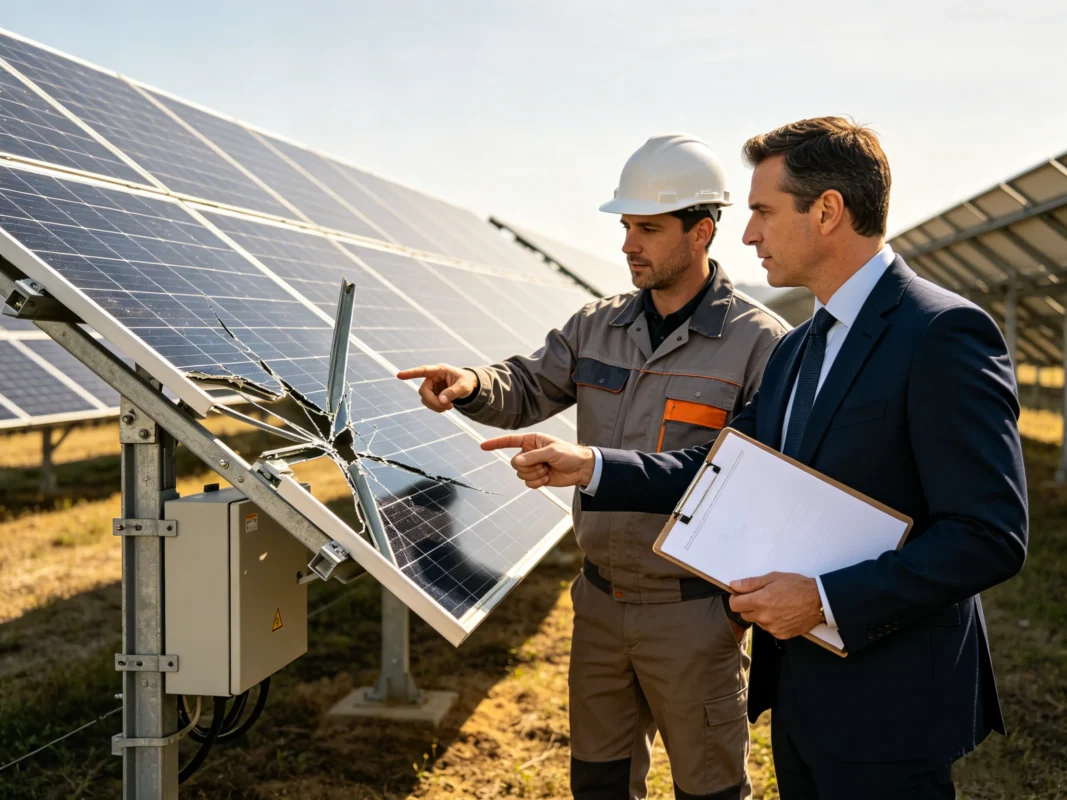
To optimize commercial solar insurance, operators should:
All of these improve insuring PV systems reliability and reduce long-term costs.
Commercial solar insurance is not just a financial product—it is a critical risk management tool for modern solar infrastructure.
When combined with proper insuring PV systems strategies, a clear understanding of solar warranty vs insurance, and strong hardware risk management, it creates a resilient foundation for long-term solar investment success.
And as the industry continues to expand, attention to solar inverter reliability and protection will only become more important.
If there is one takeaway, it is this: solar energy is powerful—but only when it is protected by equally powerful risk strategies like commercial solar insurance.
A commercial solar insurance policy typically covers physical damage to solar panels, mounting structures, wiring systems, and critical components like the solar inverter. It also includes protection against natural disasters such as storms, lightning, and flooding. In addition, many policies offer business interruption coverage, which compensates for income loss when the system stops operating. Liability protection is often included as well, covering third-party damage or injury related to the solar installation. Overall, it is designed to protect both physical assets and financial performance.
Yes, in many cases commercial solar insurance includes business interruption coverage that applies when a solar inverter fails and causes system downtime. Since inverter failure can stop energy production across the entire PV system, insurers may compensate for the resulting loss of revenue, depending on policy terms. However, coverage usually depends on proper maintenance records and whether hardware risk management practices were followed before the failure occurred.
Most commercial solar insurance policies include lightning damage under environmental risk protection. A lightning strike can damage panels, wiring, and especially the solar inverter, making it one of the most critical risks in PV systems. However, coverage conditions may vary, and insurers often require proper grounding systems and surge protection as part of insuring PV systems requirements. Without proper safeguards, claims may be partially reduced or rejected.
To file a commercial solar insurance claim, operators should first document all visible damage with photos, videos, and system performance logs. Next, the insurer must be notified immediately. A detailed report should include affected components such as panels or the solar inverter. After submission, insurers typically conduct a technical inspection to confirm the cause and extent of damage. Strong hardware risk management records can significantly speed up the approval process and reduce disputes.
In many cases, yes. While commercial solar insurance may cover integrated systems, large-scale battery storage often carries additional risks such as thermal runaway, degradation, and electrical instability. These risks may not be fully covered under standard insuring PV systems policies. A separate or extended policy ensures better protection, especially when batteries operate alongside solar inverter systems in high-capacity installations.








 Turkish
  Romanian