



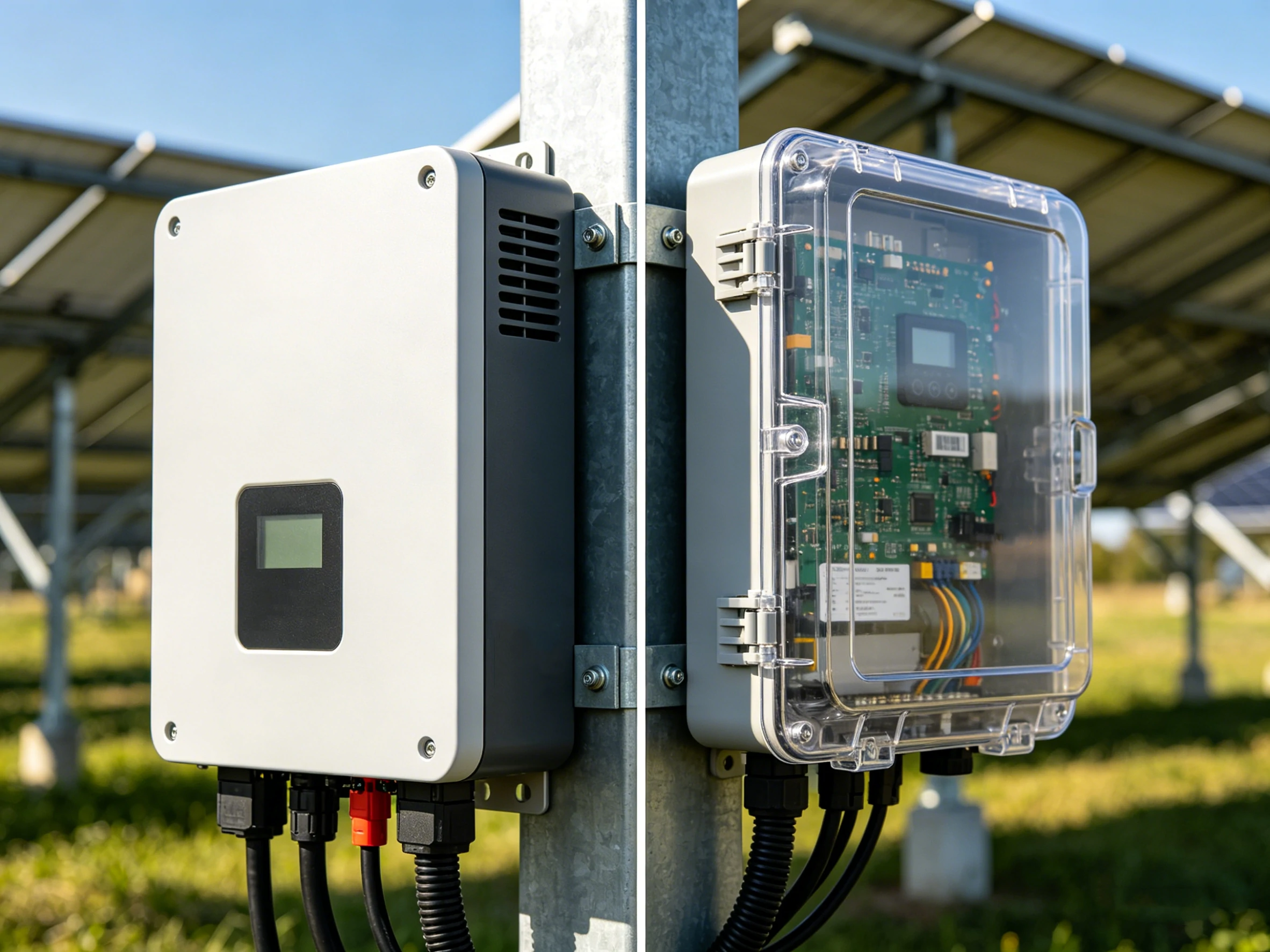
When it comes to protecting a solar inverter, most people focus on electrical performance, efficiency, or wiring. But in real-world conditions, the housing often determines whether your system lasts 5 years or 20 years. That’s where inverter enclosure materials become critical.
In this in-depth guide, we’ll break down everything you need to know about inverter enclosure materials, from environmental resistance to long-term durability, and how to choose the right solution for different climates and installation scenarios.
You’ll also learn how polycarbonate vs Aluminum inverter designs perform in real installations, how NEMA 4X vs IP66 ratings compare, and why UV resistant PV housing is essential in outdoor solar applications.
Most installers underestimate how much inverter enclosure materials affect system reliability. A solar inverter is constantly exposed to heat, humidity, UV radiation, dust, and sometimes even salt spray in coastal regions.
If the enclosure fails, the entire system becomes vulnerable.
Good inverter enclosure materials ensure:
In practice, choosing the right inverter enclosure materials can be the difference between maintenance-free operation and constant repair calls.
Choosing the right inverter enclosure materials is one of the most important steps in ensuring long-term performance and reliability of a solar inverter system. In real-world installations, the enclosure is constantly exposed to heat, UV radiation, humidity, and mechanical stress. That’s why engineers carefully evaluate different material options instead of relying on a one-size-fits-all solution.
Below are the most commonly used inverter enclosure materials, each with distinct strengths and trade-offs depending on the environment and application.
Aluminum remains one of the most widely used inverter enclosure materials in both commercial and industrial solar installations. Its biggest advantage is excellent thermal conductivity, which helps dissipate heat generated by a working solar inverter. This is especially important in high-load or high-temperature environments where internal heat buildup can reduce system efficiency.
Another key benefit is structural strength. Aluminum enclosures can withstand impact, vibration, and harsh outdoor conditions, making them suitable for rooftop and ground-mounted systems.
However, aluminum is not completely immune to environmental stress. In coastal or high-humidity regions, improper coating or surface treatment can lead to gradual corrosion. For this reason, aluminum-based inverter enclosure materials are often treated with protective finishes to extend lifespan and maintain sealing integrity.
Polycarbonate is a lightweight and highly flexible alternative among modern inverter enclosure materials. It is especially valued for its natural resistance to corrosion, making it a strong choice for humid, coastal, or chemically exposed environments where metal housings may degrade over time.
In addition, polycarbonate performs well in applications requiring electrical insulation, reducing the risk of conductivity-related issues inside the solar inverter system. It is also easier to mold into compact or complex shapes, which helps designers create space-efficient enclosures.
That said, polycarbonate does have limitations. Compared to aluminum, it offers lower heat dissipation and may require additional design considerations for thermal management. Without proper stabilization, long-term UV exposure can also affect durability, although modern inverter enclosure materials made from UV-stabilized polycarbonate significantly reduce this risk.
Hybrid designs combine multiple inverter enclosure materials, typically pairing aluminum structural frames with polymer-based panels. This approach aims to balance strength, weight, and environmental resistance in a single solution.
These composite enclosures are increasingly used in advanced solar inverter installations where performance demands are high and environmental conditions vary. The aluminum component provides rigidity and thermal control, while polymer sections improve corrosion resistance and reduce overall weight.
From an engineering perspective, hybrid inverter enclosure materials offer a practical compromise, especially in installations where neither aluminum nor polycarbonate alone fully meets all environmental requirements.
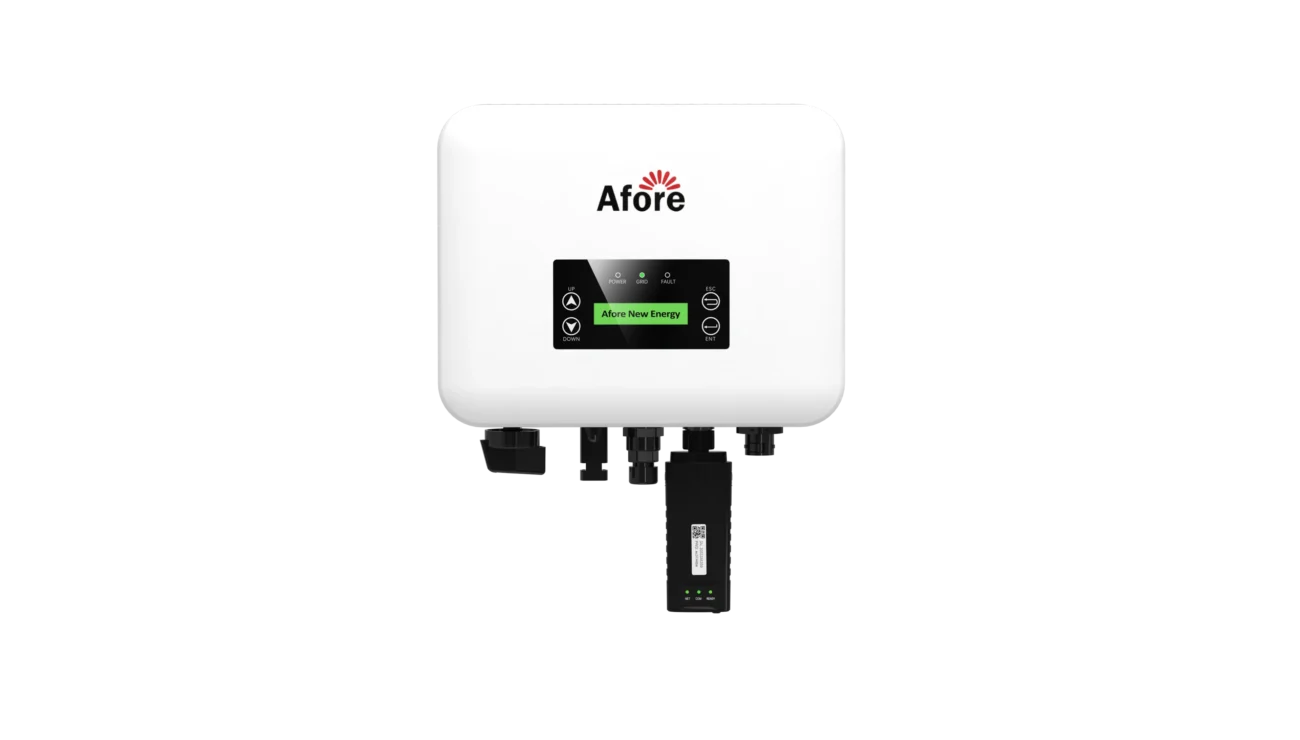
When evaluating inverter enclosure materials, one of the most practical and frequently discussed comparisons is polycarbonate vs Aluminum inverter designs. In theory, both materials can protect a solar inverter, but in real-world applications, performance differences become much more noticeable depending on climate, installation method, and long-term exposure conditions.
Understanding these differences helps avoid costly maintenance issues and premature system failures.
Aluminum clearly performs better in thermal management. Its high conductivity allows heat generated by the solar inverter to dissipate quickly, reducing internal temperature buildup. This is especially important in high-load systems or hot environments where overheating can shorten equipment lifespan.
Polycarbonate, on the other hand, acts as an insulator. While this helps protect against external temperature swings, it can trap heat inside if ventilation or internal design is not properly optimized. For this reason, aluminum-based inverter enclosure materials are often preferred in high-power installations.
In humid or coastal environments, polycarbonate has a natural advantage. It does not rust or corrode, making it highly stable for long-term outdoor use. This is one reason why many engineers consider it a reliable choice in challenging climates.
Aluminum, while generally corrosion-resistant, can still degrade over time if protective coatings are damaged. In harsh environments, maintaining surface integrity becomes critical for long-term performance of inverter enclosure materials.
Aluminum offers superior mechanical strength and better impact resistance, making it suitable for exposed or high-risk installations. However, it is heavier, which can increase installation complexity.
Polycarbonate is lightweight and easier to handle, reducing labor effort and installation time. In compact solar inverter setups or rooftop systems, this advantage can be significant.
In real-world applications, the choice between polycarbonate vs Aluminum inverter solutions is rarely absolute. Instead, it depends on balancing thermal performance, environmental exposure, and structural requirements. Engineers often select inverter enclosure materials based on site-specific conditions rather than general assumptions.
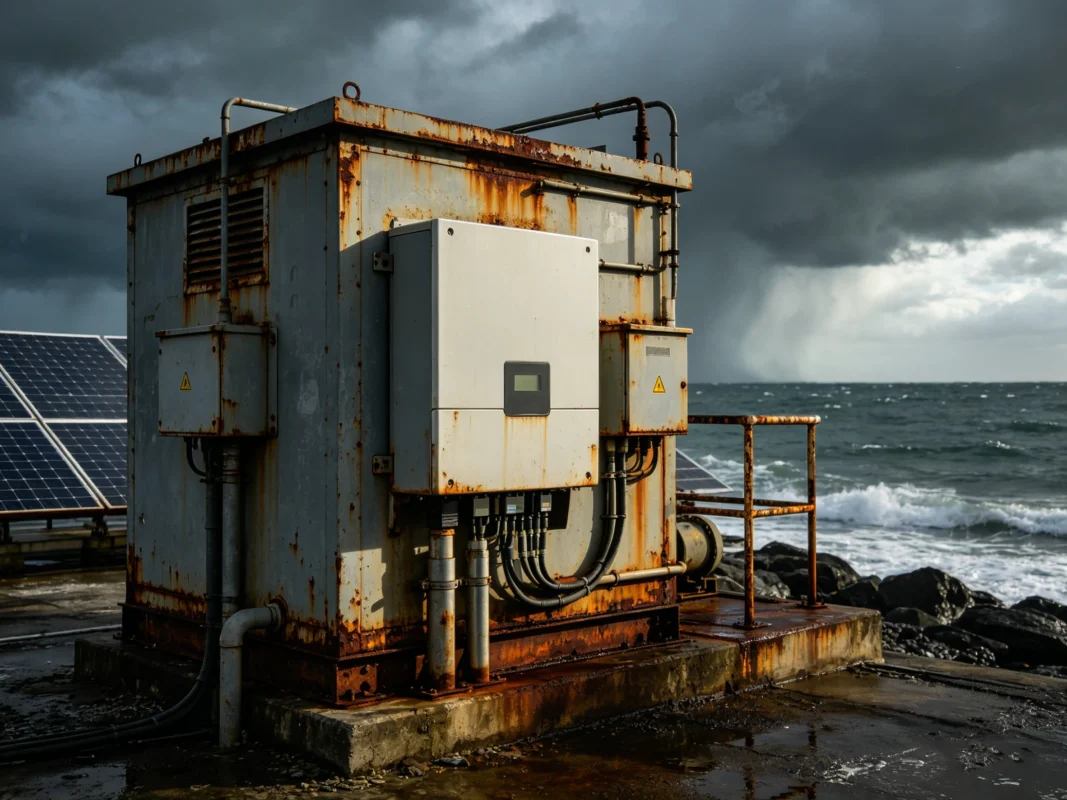
In real-world installations, inverter enclosure materials are constantly exposed to harsh environmental stress. A solar inverter may operate reliably under ideal conditions, but outdoor environments introduce variables that can significantly impact durability, sealing performance, and long-term stability. Understanding these challenges is essential for selecting the right enclosure design and avoiding premature system degradation.
One of the most persistent threats to inverter enclosure materials is prolonged UV exposure. Over time, ultraviolet radiation can break down polymer structures, leading to surface fading, brittleness, and reduced mechanical strength. This is particularly critical for plastic-based housings used in outdoor solar inverter installations.
Without proper UV stabilization, even high-quality materials can degrade faster than expected. That is why UV resistant PV housing is often specified in outdoor environments where sunlight exposure is constant and intense.
High humidity levels create another major challenge, especially for metal-based inverter enclosure materials. Moisture ingress can lead to condensation inside the enclosure, increasing the risk of corrosion on internal components and electrical instability.
In coastal or tropical regions, salt-laden air accelerates this process further. Even small sealing imperfections can compromise a solar inverter, making proper gasket design and corrosion-resistant coatings essential for long-term reliability.
Daily and seasonal temperature swings place continuous stress on inverter enclosure materials. Expansion and contraction cycles can weaken seals, loosen fittings, and reduce structural integrity over time.
In high-performance systems, thermal load from the solar inverter itself adds another layer of complexity. If the enclosure cannot effectively manage internal heat, it may lead to accelerated material fatigue or reduced component lifespan.
Wind load, dust accumulation, and occasional physical impact also influence the durability of inverter enclosure materials. Over time, these external forces can affect sealing performance and overall enclosure stability, especially in exposed installations.
A properly designed UV resistant PV housing ensures long-term durability of inverter enclosure materials.
Key benefits include:
In hot climates, UV resistant PV housing is not optional—it is mandatory for reliable solar performance.
Without it, even high-quality inverter enclosure materials degrade faster than expected.
When selecting inverter enclosure materials, protection ratings play a crucial role in determining how well a solar inverter can withstand environmental stress. Among the most commonly referenced standards are NEMA 4X vs IP66, both designed to evaluate enclosure resistance against dust, water, and corrosion. However, they originate from different testing systems and emphasize slightly different performance priorities.
Understanding these differences is essential for ensuring long-term reliability in real-world installations.
The NEMA 4X standard focuses primarily on protection against environmental hazards such as windblown dust, rain, splashing water, and corrosive agents. This makes it especially relevant for industrial environments where inverter enclosure materials may be exposed to chemical or high-moisture conditions.
In practical terms, NEMA 4X-rated enclosures are often selected for outdoor solar inverter systems in coastal or industrial areas where corrosion resistance is a key concern. The rating does not only address sealing performance but also emphasizes material durability under chemically aggressive environments.
The IP66 rating is part of the international ingress protection system. It ensures that enclosures are completely dust-tight and protected against strong water jets from any direction. For inverter enclosure materials, this means a high level of sealing performance suitable for outdoor installations exposed to rain, wind, and dust.
Unlike NEMA ratings, IP66 focuses more strictly on ingress protection performance without explicitly evaluating corrosion resistance. This makes it widely used in global solar inverter applications where standardized testing is required.
In real-world usage, NEMA 4X vs IP66 is not about which is better overall, but which aligns more closely with environmental conditions. NEMA 4X is often preferred in corrosive environments, while IP66 is commonly selected for general outdoor protection.
Both standards depend heavily on the quality of inverter enclosure materials, sealing design, and manufacturing precision. Without proper construction, even high-rated enclosures may fail under prolonged field exposure.
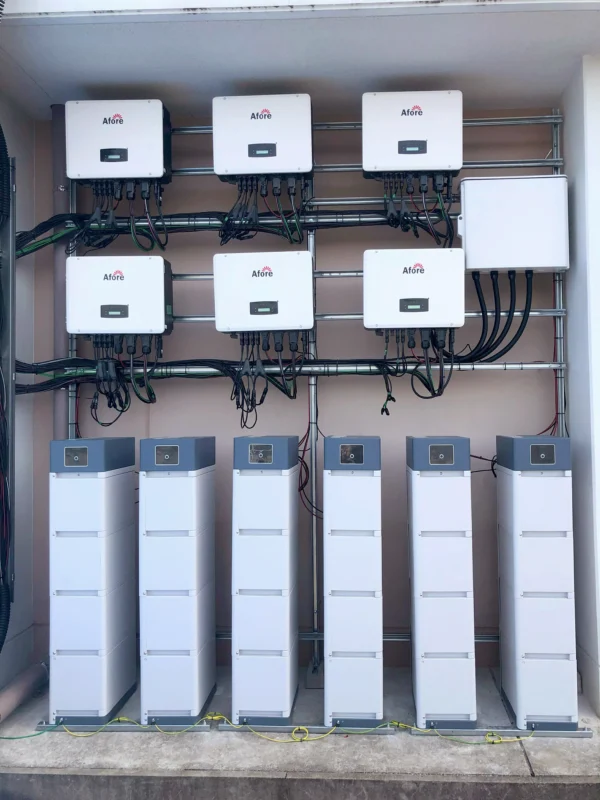
The lifespan of a solar inverter is not determined by electrical components alone. In real-world conditions, inverter enclosure materials play a decisive role in protecting internal circuits from environmental stress. Even a well-designed inverter can fail prematurely if the enclosure cannot withstand heat, moisture, or UV exposure over time.
Understanding this relationship is essential for improving long-term system reliability and reducing maintenance costs.
One of the most direct ways inverter enclosure materials influence lifespan is through moisture protection. If water or humidity penetrates the enclosure, it can cause corrosion on circuit boards, connectors, and sensitive electronic components inside the solar inverter.
High-quality sealing systems and corrosion-resistant materials significantly reduce this risk. In humid or coastal environments, even small sealing weaknesses can shorten operational life dramatically.
Heat is another critical factor. A solar inverter generates continuous thermal load during operation, and poor heat dissipation can accelerate internal aging.
Aluminum-based inverter enclosure materials help release heat more efficiently, reducing stress on electronic components. In contrast, poorly ventilated or thermally insulating materials may trap heat, leading to performance degradation over time. Consistent temperature control is one of the key contributors to extended inverter lifespan.
Outdoor installations expose inverter enclosure materials to constant UV radiation. Over time, UV exposure can weaken structural integrity, especially in polymer-based housings without proper stabilization.
This degradation may lead to cracking, brittleness, or loss of sealing performance, all of which directly impact the protection level of the solar inverter. Using UV-resistant designs helps slow down this aging process.
Wind load, vibration, and physical stress also affect long-term durability. Strong inverter enclosure materials maintain structural stability, ensuring that seals remain intact and internal components remain protected throughout the system’s operational life.
From real-world installation experience, the performance of inverter enclosure materials often differs significantly from what datasheets suggest. A solar inverter may appear equally reliable on paper, but field conditions such as humidity, heat cycles, and dust exposure quickly reveal how well the enclosure actually performs over time.
In hot and dry regions, aluminum-based inverter enclosure materials tend to perform well due to strong heat dissipation. However, in coastal or tropical environments, polycarbonate housings often show better long-term stability because they resist corrosion and moisture ingress more effectively.
Field technicians often observe that even high-rated enclosures fail when sealing is not properly installed. The effectiveness of inverter enclosure materials depends not only on the material itself but also on gasket quality, fastening consistency, and maintenance practices.
Over time, systems with well-matched inverter enclosure materials experience fewer thermal issues and lower failure rates. In contrast, mismatched material selection—such as poor UV resistance or inadequate corrosion protection—can shorten the lifespan of a solar inverter significantly, even when internal components are high quality.
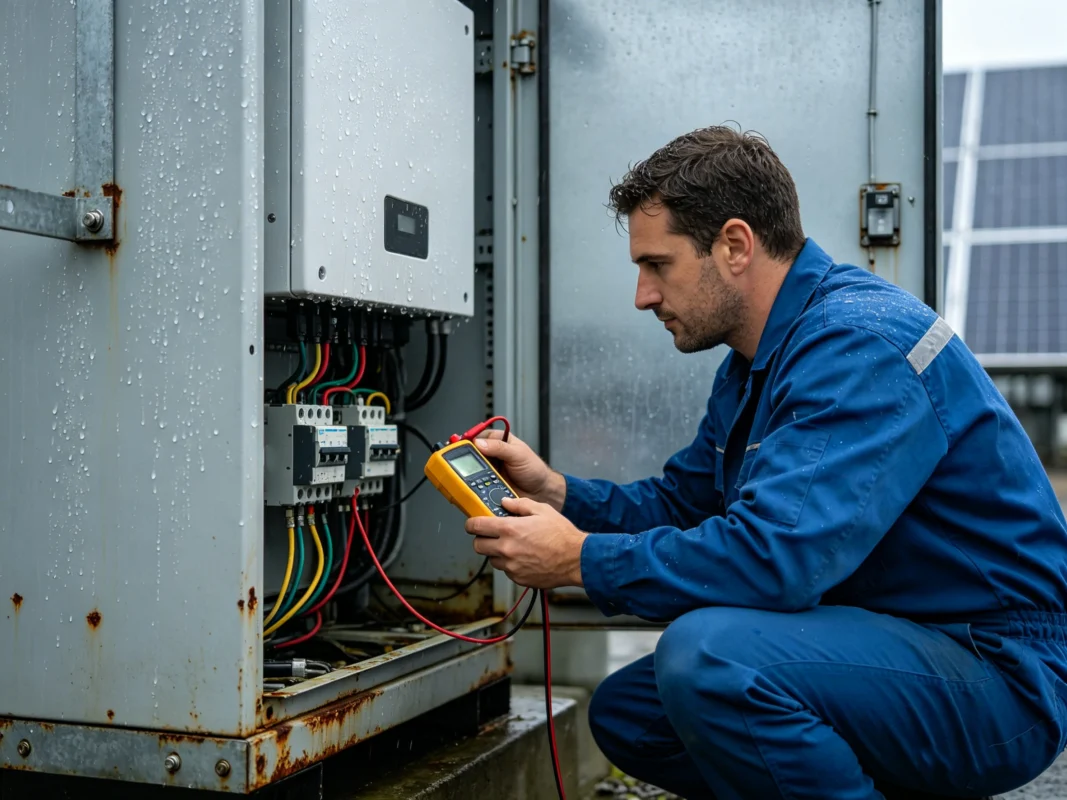
Selecting the right inverter enclosure materials for a solar inverter system is often underestimated, and in practice, many failures are not caused by electrical design but by poor enclosure decisions. Understanding common mistakes helps prevent early degradation, unnecessary maintenance, and reduced system efficiency.
One of the most frequent mistakes is choosing inverter enclosure materials without considering the actual installation environment. A material that performs well in dry climates may fail quickly in coastal or high-humidity regions. For example, insufficient corrosion resistance can lead to sealing breakdown and internal moisture buildup inside a solar inverter.
Another common issue is neglecting UV exposure. Outdoor systems require UV resistant PV housing, yet many installations use materials without proper stabilization. Over time, UV degradation can weaken structural integrity, causing cracking or brittleness that compromises the protection of the solar inverter.
Improper comparison of polycarbonate vs Aluminum inverter solutions is also a frequent mistake. Some users select materials based solely on cost or weight without evaluating thermal performance, mechanical strength, or long-term durability. This often results in overheating issues or premature wear in demanding environments.
Misinterpreting NEMA 4X vs IP66 ratings can lead to under-protected systems. While both standards offer strong environmental resistance, they serve different testing philosophies. Choosing the wrong standard for the site conditions can reduce the effectiveness of inverter enclosure materials and shorten system lifespan.
Even high-quality inverter enclosure materials can fail if installation is poorly executed. Weak sealing, uneven tightening, or lack of periodic inspection can allow dust or moisture ingress, directly affecting the performance of the solar inverter over time.
The future of inverter enclosure materials is moving toward:
As solar technology expands, inverter enclosure materials will become even more specialized.
When choosing inverter enclosure materials, consider:
And always evaluate polycarbonate vs Aluminum inverter options based on real-world conditions, not just specifications.
Selecting the right inverter enclosure materials is not just an engineering decision—it’s a long-term investment in system reliability.
Whether you choose aluminum, polycarbonate, or a hybrid design, the goal is the same: protect the solar inverter from environmental stress and ensure stable performance over time.
Understanding inverter enclosure materials, comparing polycarbonate vs Aluminum inverter, and selecting the right UV resistant PV housing and protection rating like NEMA 4X vs IP66 will dramatically improve system durability.
In the end, better inverter enclosure materials always translate into fewer failures, lower maintenance costs, and higher energy reliability.
There is no universal answer because it depends on the installation environment. Aluminum-based inverter enclosure materials provide better heat dissipation and mechanical strength, making them suitable for high-load or high-temperature conditions. Plastic options, especially polycarbonate, perform better in corrosive or high-humidity environments due to their natural resistance to rust and chemical degradation. In practice, the decision often comes down to balancing thermal needs and environmental exposure.
A UV resistant PV housing protects inverter enclosure materials from long-term sunlight exposure, which can cause polymers to become brittle or discolored. By reducing UV degradation, the enclosure maintains its structural integrity, sealing performance, and mechanical strength. This directly helps extend the operational lifespan of a solar inverter, especially in regions with strong year-round sunlight.
When comparing NEMA 4X vs IP66, both standards provide strong protection against dust and water ingress. IP66 focuses on dust-tight sealing and resistance to powerful water jets, while NEMA 4X also emphasizes corrosion resistance in harsh environments. The effectiveness of either rating still depends heavily on the quality of inverter enclosure materials and sealing design.
High-quality polycarbonate inverter enclosure materials can resist moderate hail impact due to their flexibility and impact strength. However, extreme hailstorms may still cause surface damage depending on thickness, design structure, and installation angle. Aluminum housings generally offer higher rigidity, but impact resistance also depends on enclosure engineering rather than material alone.
Preventing corrosion requires a combination of material selection and proper design. Using corrosion-resistant inverter enclosure materials, applying protective coatings, ensuring proper sealing, and selecting appropriate NEMA 4X vs IP66 rated designs all contribute to long-term durability. Regular inspection and maintenance further reduce the risk of moisture-related damage to a solar inverter system.








 Turkish
  Romanian