




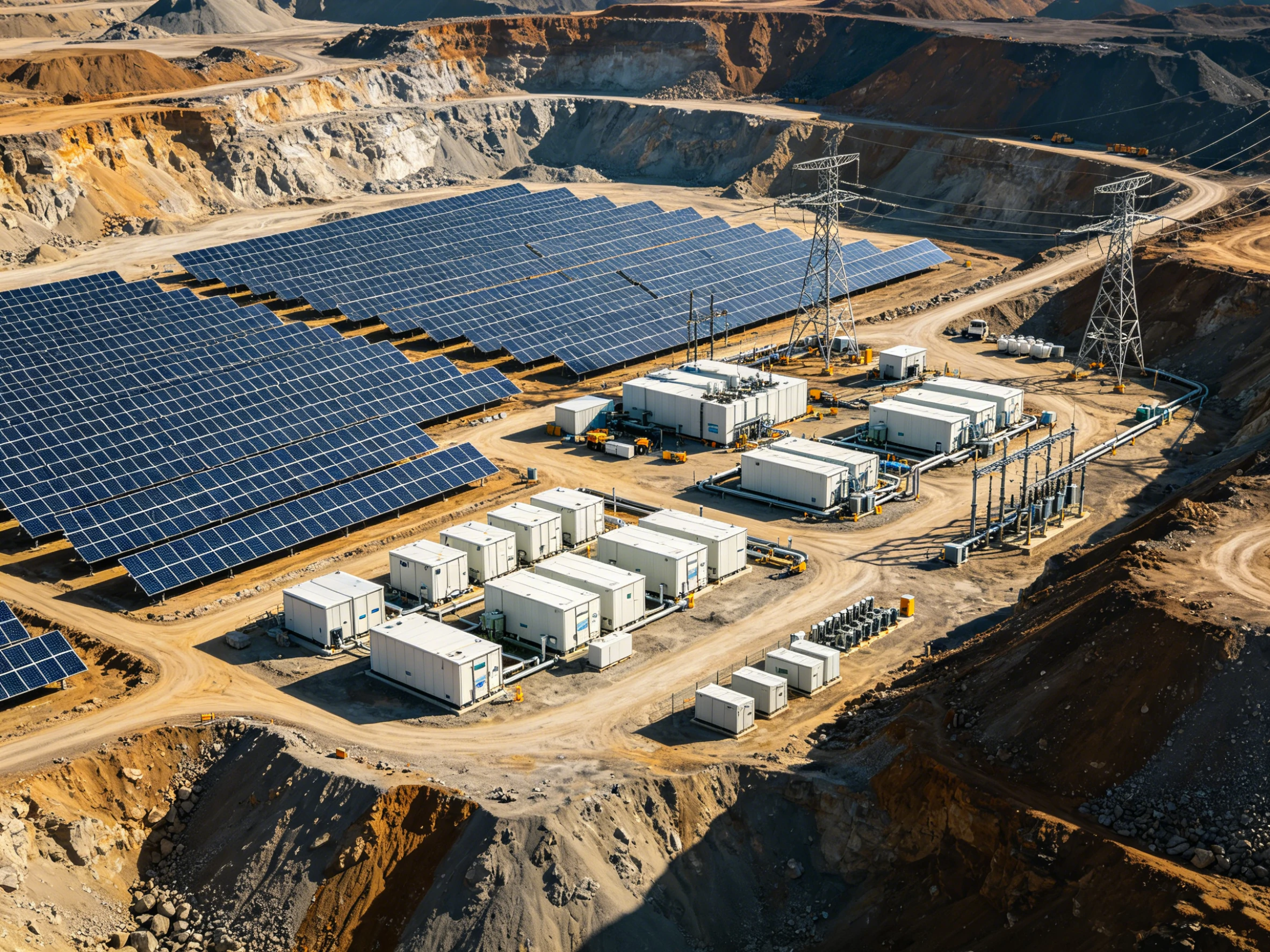
If you’ve ever spent time around a remote mining site, you already know one thing: energy is everything. Without it, production stops. But relying on diesel alone? That’s expensive, unpredictable, and frankly, outdated.
That’s exactly where solar power for mining steps in—not as a trendy add-on, but as a serious, cost-saving, reliability-boosting solution that more operators are quietly adopting.
In this guide, I’ll walk you through what actually works in the field, what doesn’t, and how to build a system that survives dust, heat, vibration, and the kind of conditions most power systems never see.
The mining industry has reached a point where energy strategy directly impacts survival. In many remote operations, relying solely on diesel generation is no longer sustainable—financially, operationally, or environmentally. That’s why solar power for mining is shifting from an experimental option to a core infrastructure decision.
One of the biggest pressures facing operators today is fuel logistics. Transporting diesel to remote sites is expensive, slow, and often unpredictable. Weather disruptions, road conditions, and geopolitical factors can all impact delivery schedules. As a result, operational costs fluctuate heavily, making long-term budgeting difficult. By integrating solar power for mining, companies can reduce dependence on fuel supply chains and stabilize energy costs over time.
Diesel generators require frequent maintenance and are prone to unexpected failures, especially under continuous heavy load. Every hour of downtime in mining translates directly into lost productivity and revenue. Modern off-grid mining energy systems, especially those paired with storage and hybrid configurations, help maintain continuous power flow and reduce generator strain. This improves uptime and reduces the risk of operational bottlenecks.
Regulatory expectations around emissions are tightening globally. Mining companies are under increasing pressure to reduce carbon output and demonstrate sustainable practices. Adopting solar power for mining helps lower greenhouse gas emissions while supporting ESG goals. It also positions operations more favorably for future compliance requirements and stakeholder expectations.
Remote mining sites are increasingly moving toward self-sufficient power systems. Instead of depending entirely on external fuel logistics, operators are investing in remote site PV systems combined with storage and hybrid integration. This shift enhances energy security and reduces exposure to external market volatility.
Understanding how solar power for mining functions in real-world operations is essential before deployment. Unlike small commercial setups, mining energy systems are designed for heavy loads, unstable environments, and continuous operation. The system is not just about generating electricity—it’s about managing power flow intelligently across multiple sources.
At the foundation of solar power for mining are photovoltaic (PV) arrays. These panels capture sunlight and convert it into direct current (DC) electricity. In mining environments, PV systems are usually oversized to compensate for dust accumulation, weather variation, and high energy demand. Proper layout and tilt design are critical to maintain consistent output in remote site PV systems.
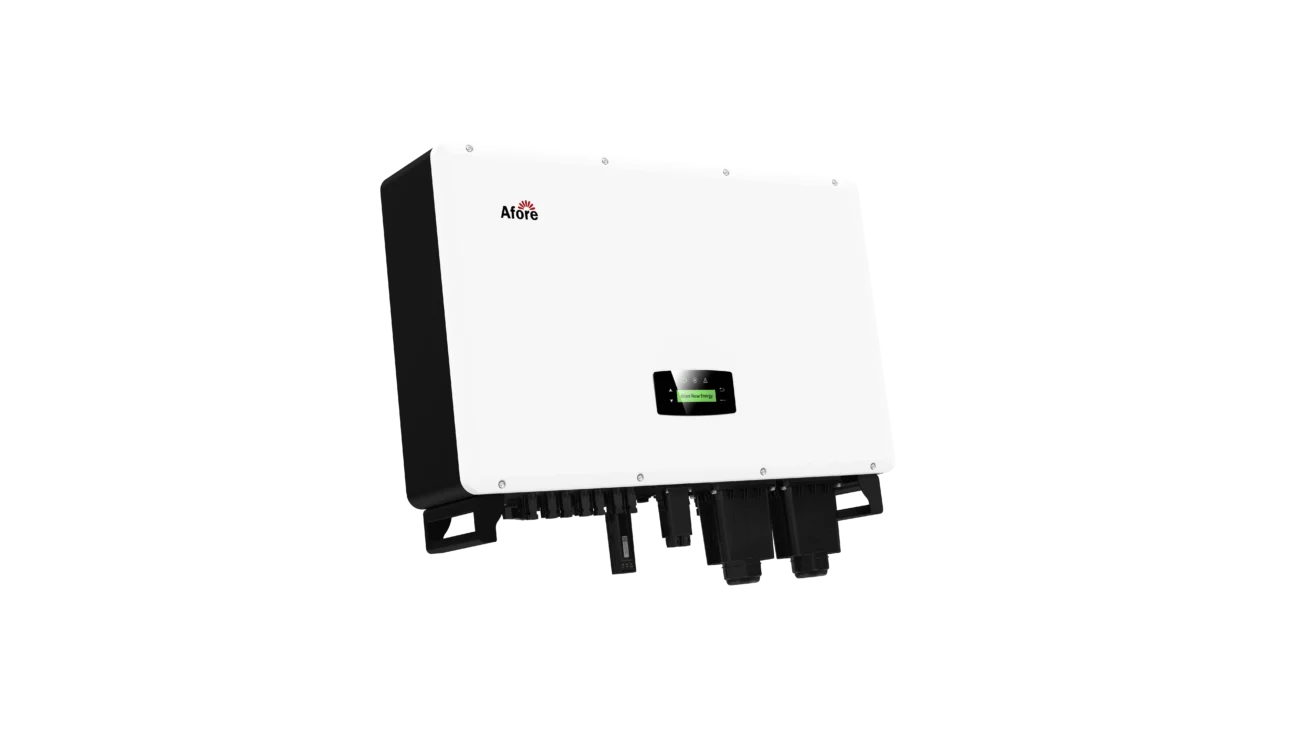
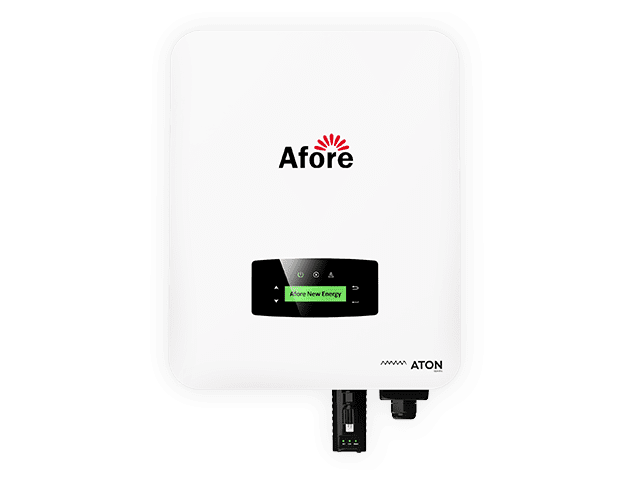
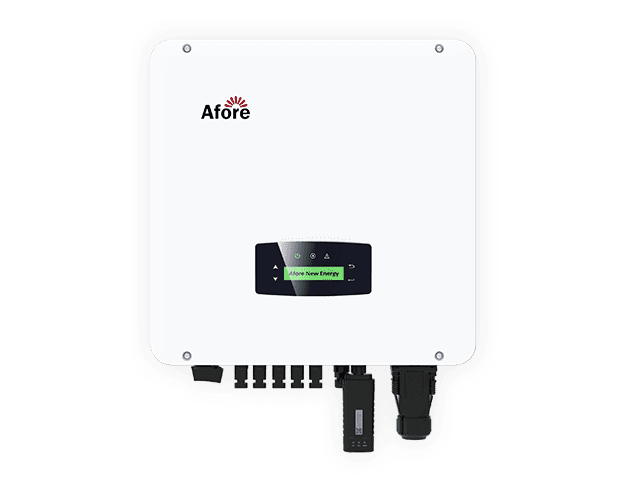
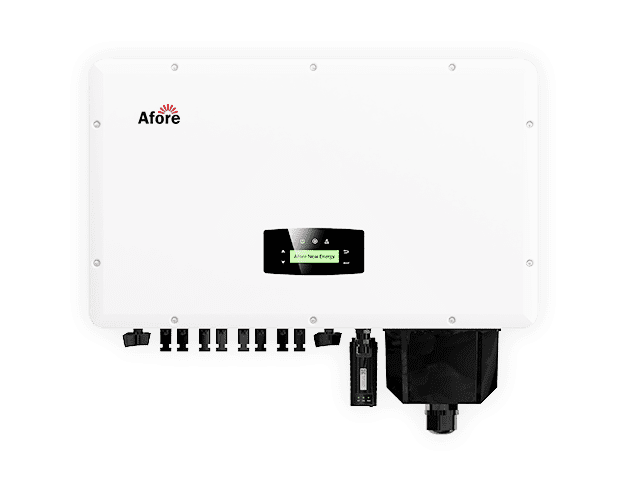
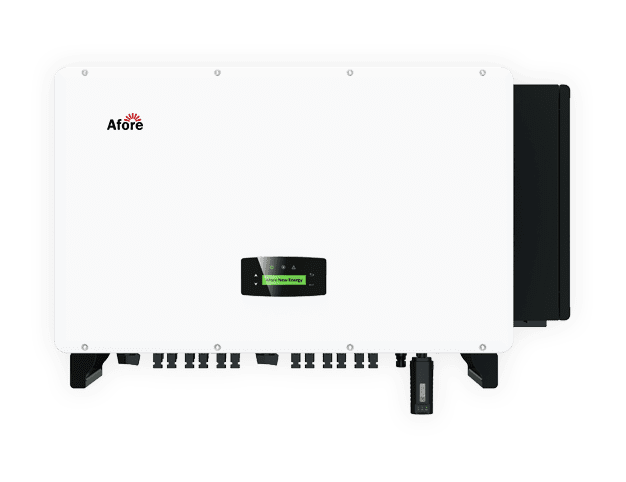
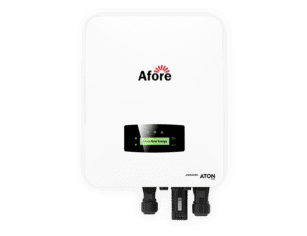
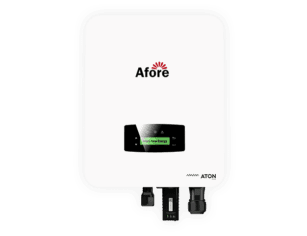
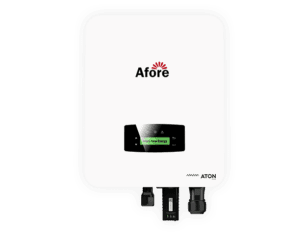
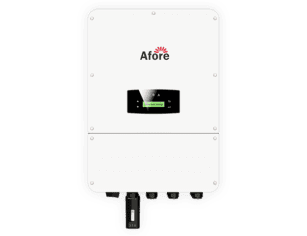
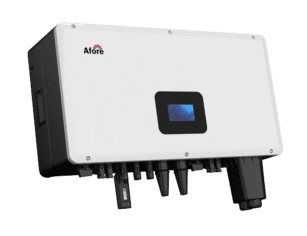
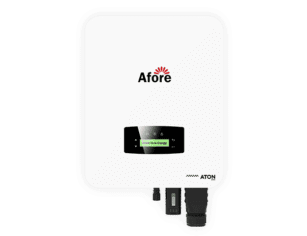
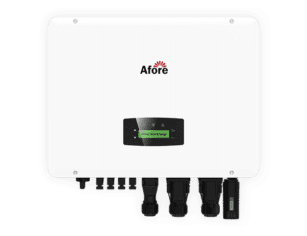
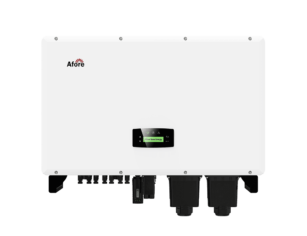
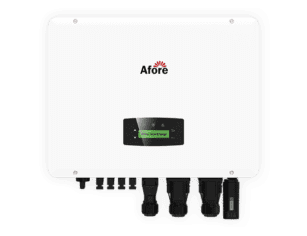
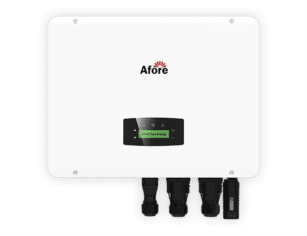
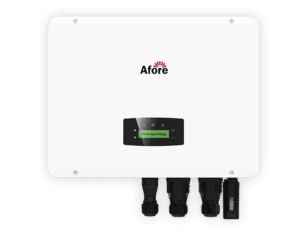
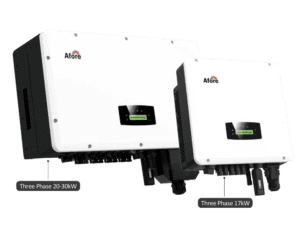
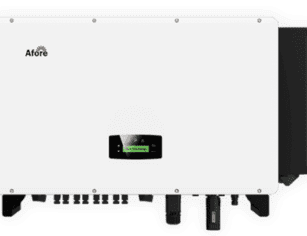
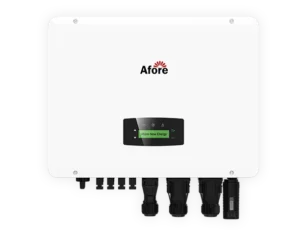
Since mining equipment operates on alternating current (AC), a solar inverter is required to convert DC into usable power. In industrial applications, inverters also regulate voltage stability and manage load fluctuations. This ensures that heavy machinery can run without interruption even when solar input changes throughout the day. In many cases, a hybird inverter is used to integrate solar, battery storage, and diesel backup into a single coordinated system.
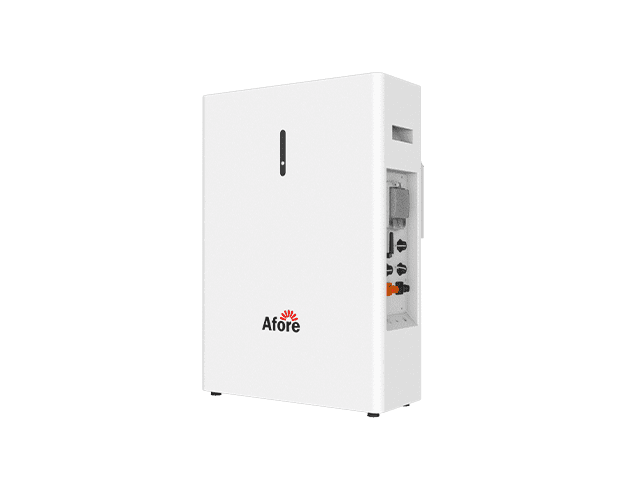
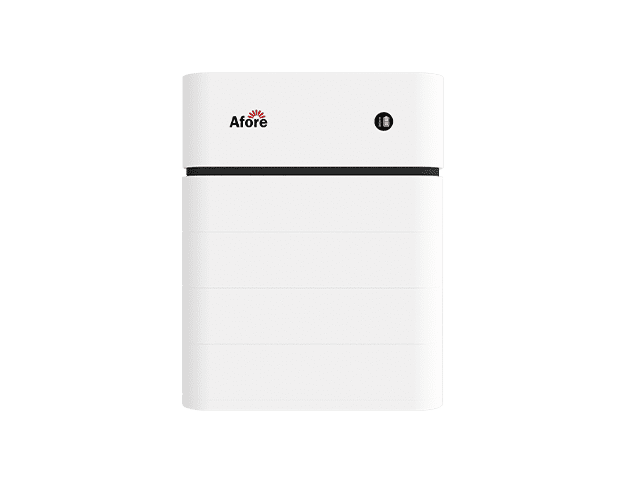
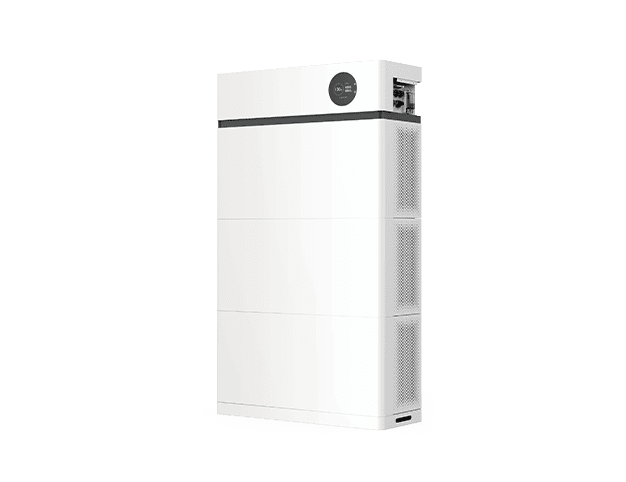
Battery storage plays a critical role in stabilizing solar power for mining systems. Energy generated during peak sunlight hours is stored and later released during nighttime or high-demand periods. This reduces reliance on generators and ensures continuous power availability, especially in off-grid mining energy environments.
Modern mining power systems rely on smart controllers that balance energy between solar input, storage, and backup generators. This layered approach prevents overload, reduces fuel consumption, and improves efficiency across the entire site. When properly designed, solar power for mining becomes a dynamic and self-regulating energy ecosystem rather than a single-source supply.
When evaluating energy strategies for remote or high-demand extraction sites, solar power for mining stands out not just as an alternative, but as a long-term operational upgrade. Its value goes far beyond cost savings—it reshapes how mining sites manage risk, energy stability, and sustainability under harsh conditions.
One of the most immediate advantages of solar power for mining is the sharp reduction in diesel consumption. In remote locations, fuel is not just expensive to buy—it is expensive to transport, store, and secure. Every delivery involves logistical planning, safety risks, and exposure to price volatility. By integrating solar generation, mines can offset a large portion of daily energy demand, reducing dependency on fuel supply chains. Over time, this leads to more predictable operating costs and improved financial planning.
Unlike diesel generators that can fluctuate under load or fail due to mechanical issues, solar power for mining systems provide a more stable and predictable energy input when properly designed. When combined with storage and a solar inverter, the system smooths out energy delivery throughout the day. Even when sunlight varies, the energy flow remains consistent, reducing sudden drops that could interrupt sensitive mining equipment. In hybrid setups using a hybird inverter, transitions between solar, battery, and backup power occur seamlessly, minimizing downtime risks.
In off-grid mining energy scenarios, operational efficiency is closely tied to how well energy is managed. Solar integration reduces the need for constant fuel handling and generator maintenance, freeing up labor and resources for more critical tasks. It also reduces wear on diesel equipment, extending service intervals and lowering repair frequency. This operational simplification can significantly improve overall site productivity, especially in locations where maintenance access is limited.
Environmental expectations are becoming a defining factor in mining operations. Governments, investors, and local communities are increasingly focused on reducing emissions and improving sustainability performance. Solar power for mining helps reduce carbon output by offsetting diesel usage, making it easier for companies to meet environmental targets and reporting standards. This not only supports compliance but also strengthens corporate reputation and stakeholder confidence.
Another major advantage of solar power for mining is its scalability. Systems can be expanded in phases, allowing operators to match energy infrastructure with project growth. Whether integrating additional PV capacity or upgrading storage systems, remote site PV systems can evolve alongside operational needs. This flexibility ensures that energy infrastructure does not become a limiting factor in future expansion.
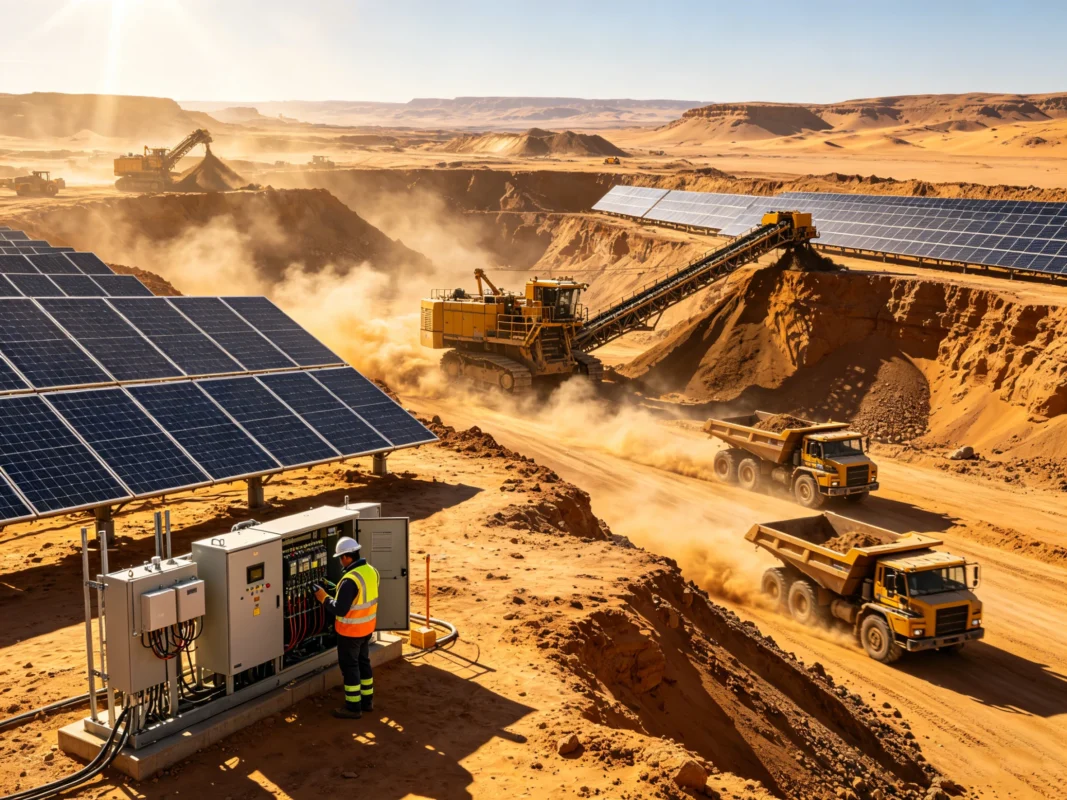
Designing remote site PV systems for mining environments is very different from standard solar installations. These systems must operate in extreme heat, heavy dust, strong vibrations, and locations where maintenance access is limited. A well-designed solar power for mining setup is not just about generation capacity—it’s about resilience, durability, and long-term stability under pressure.
Every successful solar power for mining project begins with a detailed site assessment. Engineers need to understand solar irradiance levels, seasonal weather patterns, terrain conditions, and shading risks. In mining environments, even small changes in elevation or equipment placement can affect system efficiency. Mapping energy demand is equally important, including peak loads, continuous loads, and critical systems that must never shut down. This foundation ensures that remote site PV systems are properly sized and realistically designed for actual operating conditions.
Mining sites are rarely flat, clean, or stable. PV structures must be engineered to withstand uneven ground, wind exposure, and occasional mechanical impact from nearby operations. Mounting systems are often reinforced with heavy-duty frameworks to ensure long-term stability. In solar power for mining applications, panel placement must also consider accessibility for cleaning and inspection without disrupting site operations. Proper structural planning reduces long-term maintenance risks and improves system lifespan.
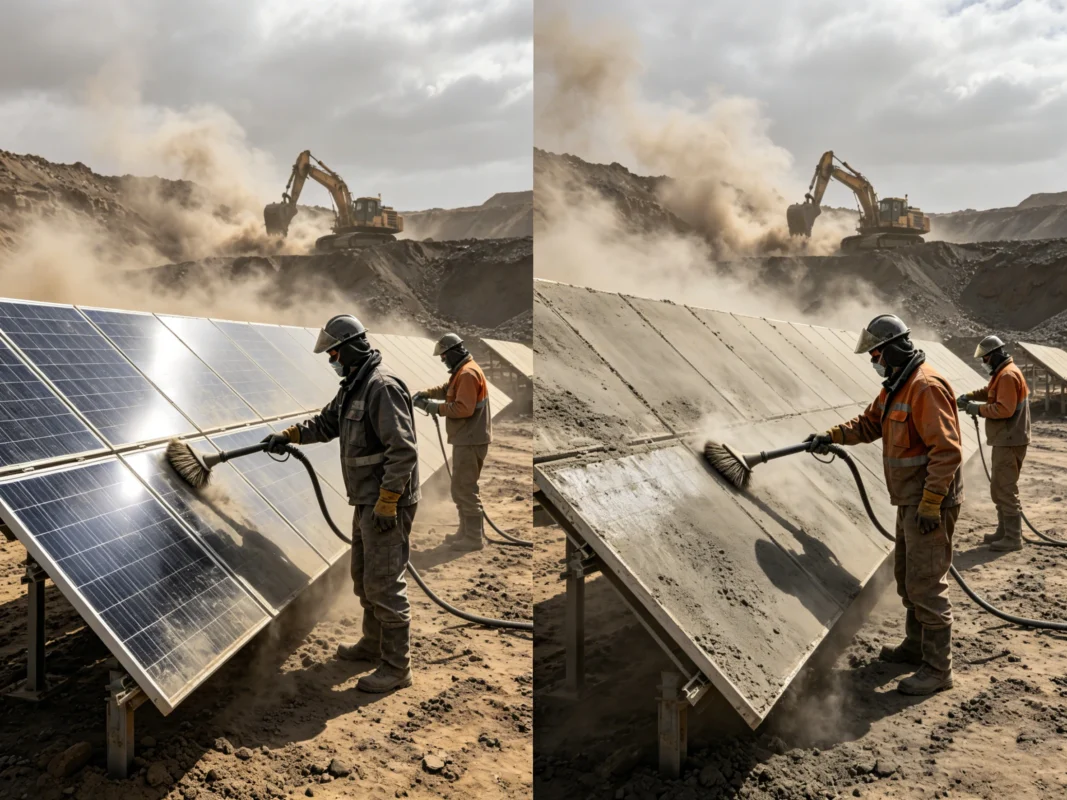
Dust accumulation is one of the biggest challenges in remote site PV systems. It reduces panel efficiency and increases cleaning frequency. To address this, systems often use elevated mounting designs and optimized tilt angles to reduce particle buildup. In hotter climates, thermal management is also critical. High temperatures can reduce panel efficiency and strain electrical components. Ventilation space, heat-resistant materials, and strategic spacing all contribute to maintaining stable output in solar power for mining installations.
Beyond physical design, electrical configuration plays a key role. Long cable runs are common in mining sites, so voltage drop management becomes essential. Proper conductor sizing, optimized routing, and balanced load distribution help maintain efficiency. In many remote site PV systems, energy is routed through centralized control systems that coordinate solar generation, storage, and backup generation. This ensures that solar power for mining remains stable even under fluctuating demand conditions.
Because mining sites are often far from service hubs, maintenance planning must be proactive rather than reactive. Systems are designed with modular components, remote monitoring capabilities, and simplified access points. This reduces downtime and ensures that issues can be identified before they escalate. In solar power for mining, reliability depends not only on design quality but also on how easily the system can be maintained under real-world constraints.
Selecting the right solar inverter is one of the most critical decisions in any solar power for mining system. In harsh mining environments, the inverter is not just a conversion device—it is the control center that determines stability, efficiency, and system survival under extreme conditions.
Mining sites expose equipment to dust, vibration, heat, and continuous heavy load. A suitable solar inverter must be designed with sealed protection, high thermal tolerance, and strong resistance to mechanical stress. In solar power for mining applications, weak or residential-grade inverters fail quickly, leading to downtime and costly replacements. Industrial-grade units ensure stable operation even in demanding remote site PV systems.
Mining equipment often creates sudden power spikes when starting up. Crushers, conveyors, and pumps can generate high surge demands that stress electrical systems. A reliable inverter must handle these fluctuations without shutting down or degrading performance. In solar power for mining, strong surge capacity ensures continuous operation and protects downstream equipment from instability.
Modern mining operations rarely rely on a single power source. That’s why many systems use a hybird inverter to integrate solar, battery storage, and diesel backup. This allows seamless switching between energy sources depending on demand and availability. In off-grid mining energy setups, this flexibility is essential for maintaining uninterrupted power supply.
High conversion efficiency reduces energy loss and maximizes solar output. Advanced monitoring features also allow operators to track performance in real time, identify faults early, and optimize energy usage. In solar power for mining, these capabilities improve long-term reliability and reduce operational risk in remote environments.
While solar power for mining offers strong long-term advantages, real-world deployment in mining environments comes with unique technical and operational challenges. These issues are not theoretical—they directly affect uptime, efficiency, and equipment lifespan in remote site PV systems.
Mining operations rarely run on stable energy consumption. Heavy machinery such as crushers, pumps, and conveyors can create sudden spikes in demand. This variability can stress the system if not properly designed. The solution in solar power for mining setups is to use properly sized storage systems and fast-response solar inverter technology that can instantly balance load changes without interruption.
Dust is one of the most persistent problems in mining environments. It reduces panel efficiency and increases maintenance frequency. In remote site PV systems, mitigation strategies include optimized tilt angles, elevated mounting structures, and scheduled cleaning cycles. Protective coatings can also help reduce dust adhesion, ensuring more consistent energy output in solar power for mining installations.
Mining sites often span large areas, which leads to long DC or AC cable runs. This can result in voltage drops and energy loss if not properly engineered. The solution involves careful system layout, correct conductor sizing, and strategic placement of power conversion equipment. In off-grid mining energy systems, optimizing electrical pathways is essential for maintaining efficiency.
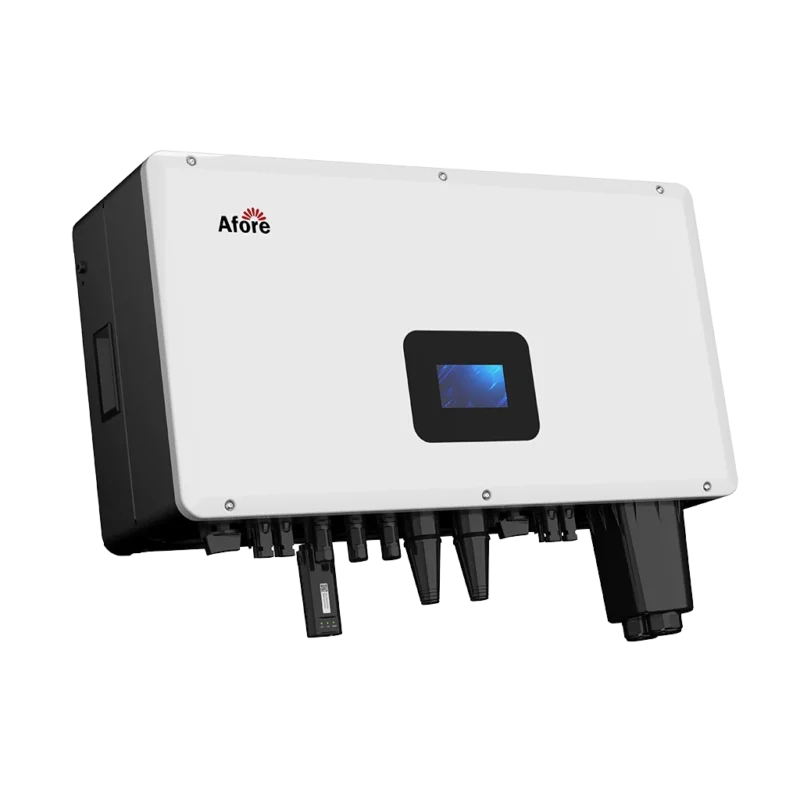
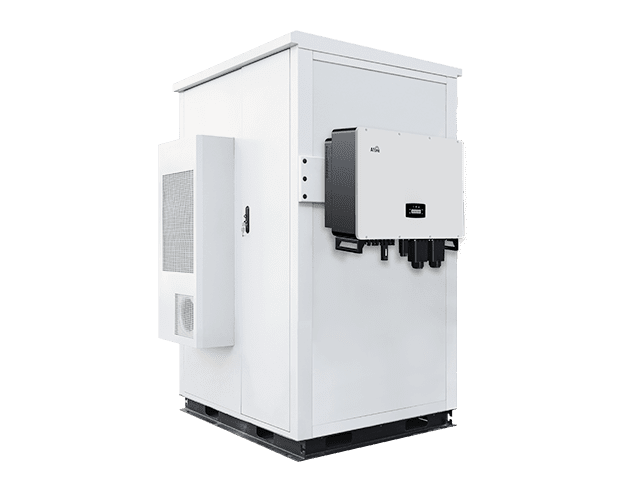
Vibration from heavy machinery and extreme temperature fluctuations can damage sensitive electronics. To address this, rugged solar inverters and control systems must be installed in reinforced, insulated enclosures with vibration-dampening supports. This improves reliability and extends system lifespan in demanding solar power for mining environments.
Implementing solar power for mining is not a plug-and-play process. It requires structured planning, engineering precision, and a clear understanding of site-specific conditions. Unlike conventional energy systems, mining environments demand higher resilience, better redundancy, and smarter energy coordination across remote site PV systems.
The foundation of any solar power for mining project starts with a detailed energy audit. This includes measuring peak demand, average consumption, and identifying critical loads that must remain uninterrupted. Mining operations often include a mix of high-surge equipment and continuous-load systems, so accurate profiling is essential. Without this step, system sizing can lead to either underperformance or unnecessary overspending in off-grid mining energy design.
Once energy demand is understood, the next step is evaluating the physical environment. This includes solar irradiation levels, dust intensity, temperature extremes, and terrain layout. These factors directly influence panel orientation, mounting design, and system efficiency. In remote site PV systems, environmental stress is often the biggest performance variable, making this step critical for long-term success of solar power for mining installations.
At this stage, engineers design the overall system structure. This includes selecting PV capacity, battery storage size, and control architecture. A key decision is whether to use a standard solar inverter setup or integrate a hybird inverter system for multi-source energy management. Hybrid configurations are often preferred in mining because they allow seamless switching between solar, storage, and backup generators, ensuring uninterrupted operation.
All components must meet industrial standards suitable for harsh mining environments. This includes reinforced panels, high-capacity storage systems, and rugged solar inverters designed for vibration, heat, and dust resistance. Engineering validation ensures compatibility between components and confirms that the system can handle real-world mining loads before installation begins.
Installation in mining environments requires careful coordination with ongoing operations. Electrical systems must be installed in phases to avoid disrupting production. Proper cable routing, grounding, and protective housing are essential for safety and efficiency. During this stage, solar power for mining systems are integrated with existing diesel infrastructure if hybrid operation is required.
Before full operation, the system undergoes testing under real load conditions. Engineers verify inverter response, battery discharge behavior, and load balancing accuracy. Adjustments are made to optimize performance in off-grid mining energy environments. This step ensures that solar power for mining operates reliably under fluctuating demand and harsh site conditions.
After deployment, continuous monitoring becomes essential. Real-time data tracking helps identify inefficiencies, predict maintenance needs, and optimize energy usage. Regular inspection of panels, inverters, and storage systems ensures long-term reliability. In remote site PV systems, proactive maintenance is key to sustaining stable solar power for mining performance over time.
Understanding the financial performance of solar power for mining is essential before large-scale deployment. While the upfront investment can be significant, the long-term economic benefits often outweigh initial costs when systems are properly designed and managed.
The initial cost of solar power for mining includes PV arrays, storage systems, solar inverter infrastructure, and installation in harsh environments. However, once operational, the reduction in diesel consumption leads to substantial savings. In many off-grid mining energy setups, fuel savings alone can significantly shorten the payback period.
Typical ROI timelines for solar power for mining range from 2 to 5 years, depending on site conditions and energy demand. Reduced generator usage also lowers maintenance costs and extends equipment lifespan. This improves overall operational efficiency in remote site PV systems, making energy expenditure more predictable.
Beyond direct savings, solar power for mining reduces exposure to fuel price volatility and supply chain disruptions. When integrated with hybrid systems using a hybird inverter, it also enhances energy security. Over time, this stability becomes a key financial advantage, especially in remote operations where reliability directly impacts productivity.
Here’s the honest answer: if you’re running a remote or energy-intensive operation, ignoring solar power for mining is leaving money on the table.
It’s not about replacing everything overnight. It’s about building a smarter, more resilient energy system—one that cuts costs, reduces risk, and keeps your operation running no matter what.
From my experience, the mines that succeed with solar aren’t the ones chasing trends—they’re the ones solving real problems. And right now, energy is one of the biggest problems in the industry.
If you approach it right, solar power for mining isn’t just an upgrade. It’s a competitive advantage.
Yes, but not as a standalone source. Solar power for mining is most effective when designed as a hybrid system with battery storage and backup generation. Heavy machinery creates high surge demands, so system sizing must include load peaks, not just average consumption. With properly configured solar inverter systems and storage support, even large mining equipment can operate reliably.
Off-grid mining energy systems reduce dependence on diesel logistics, which are costly and often unreliable in remote regions. They also improve energy stability, lower operational expenses, and reduce environmental impact. Over time, solar power for mining helps create more predictable energy costs and stronger operational independence.
In mining environments, equipment protection is critical. Rugged solar inverters should be installed in sealed, reinforced enclosures with proper ventilation and vibration-dampening mounts. Regular inspection and dust management practices also help maintain system reliability in solar power for mining setups.
The ROI for solar power for mining typically ranges from 2 to 5 years, depending on energy consumption, diesel costs, and system design. Savings come primarily from reduced fuel usage and lower maintenance requirements. In remote site PV systems, hybrid integration further improves financial returns by optimizing energy efficiency.
Voltage drops are common in large mining layouts. The solution involves proper cable sizing, optimized system layout, and minimizing unnecessary distance between generation and load centers. In off-grid mining energy systems, careful electrical design ensures that solar power for mining remains efficient even over long transmission distances.











 Turkish
  Romanian