




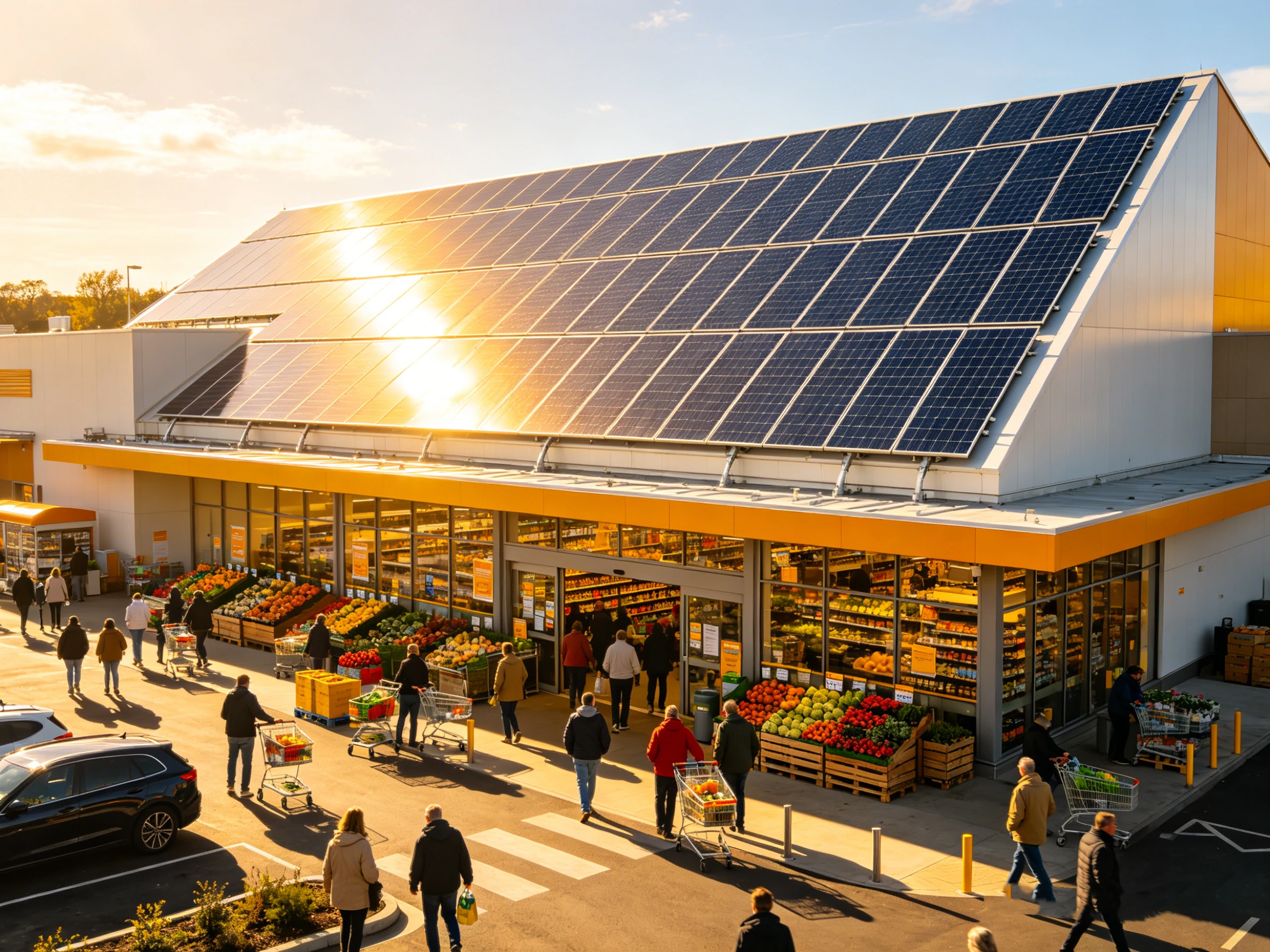
Solar for supermarkets is quickly becoming one of the most practical and cost-effective energy strategies in the retail industry. With rising electricity prices, heavy refrigeration loads, and increasing ESG pressure, more retailers are seriously looking at solar for supermarkets as a long-term solution rather than just an experiment.
In this guide, we’ll break down how solar for supermarkets works in real-world operations, how it connects with storage systems, and why it is reshaping the future of grocery and retail energy management. We’ll also explore system design, cost savings, peak demand reduction, and integration with modern building systems.
Solar for supermarkets is not just about sustainability—it’s about survival in a high-energy-cost environment. Supermarkets operate 24/7 refrigeration systems, lighting, HVAC, and logistics support systems that create constant power demand.
One of the biggest reasons solar for supermarkets is growing is the predictable nature of daytime energy usage. Most supermarkets operate at peak capacity during daylight hours, which aligns perfectly with solar generation.
At the same time, solar for supermarkets helps reduce reliance on grid electricity during expensive peak tariff periods. This is especially important in urban retail zones where electricity pricing fluctuates significantly.
Supermarkets are among the most energy-intensive retail buildings. A large portion of consumption comes from refrigeration systems, which run continuously.
This is where solar for supermarkets becomes highly valuable. It offsets daytime loads and reduces grid dependency.
In many modern designs, solar for supermarkets is paired with monitoring systems that track refrigeration loads in real time. This ensures that energy is used efficiently without compromising food safety.
Today’s consumers expect retail businesses to adopt clean energy. Implementing solar for supermarkets not only reduces operating costs but also improves brand perception.
It’s important to note that many global retailers already rely on solar for supermarkets to meet internal sustainability targets.
In real-world applications, solar for supermarkets is not just a rooftop installation—it functions as a fully integrated energy system designed to support continuous retail operations. Supermarkets run on stable, high-demand electricity loads, especially from refrigeration, lighting, and HVAC systems. Because of this, solar for supermarkets must be engineered to balance generation, storage, and real-time consumption without disrupting daily operations.
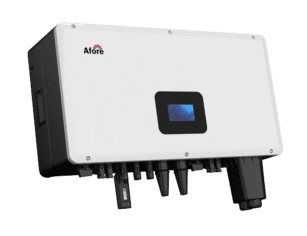
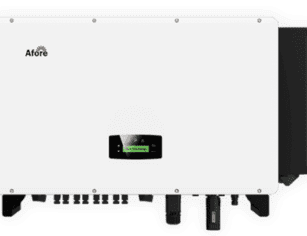
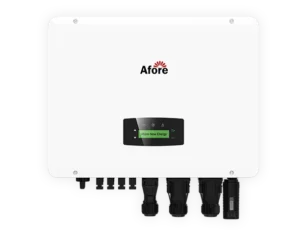
At the core of solar for supermarkets, solar panels generate direct current (DC) electricity during daylight hours. This energy is immediately converted into alternating current (AC) through a solar inverter, making it usable for refrigeration units, lighting systems, and other in-store electrical equipment.
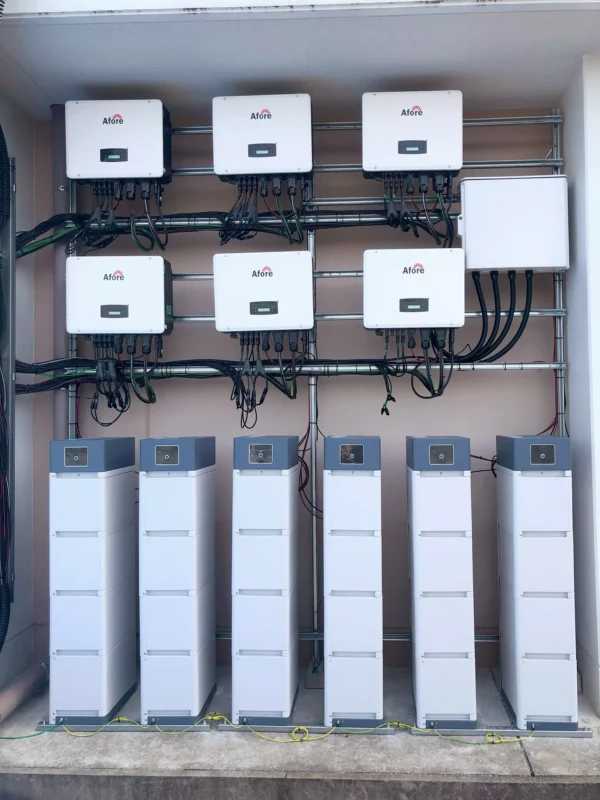
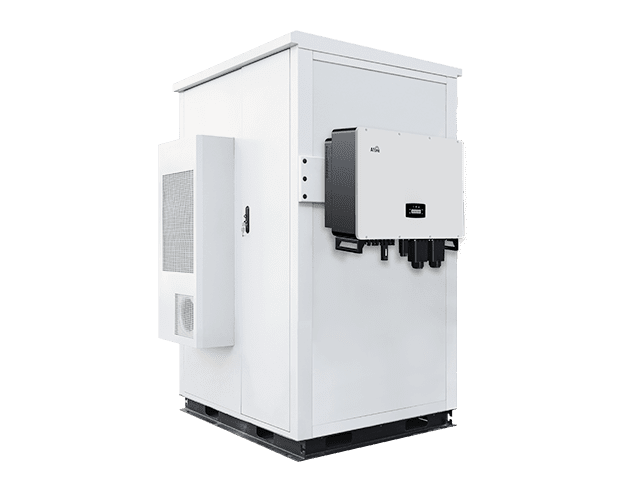
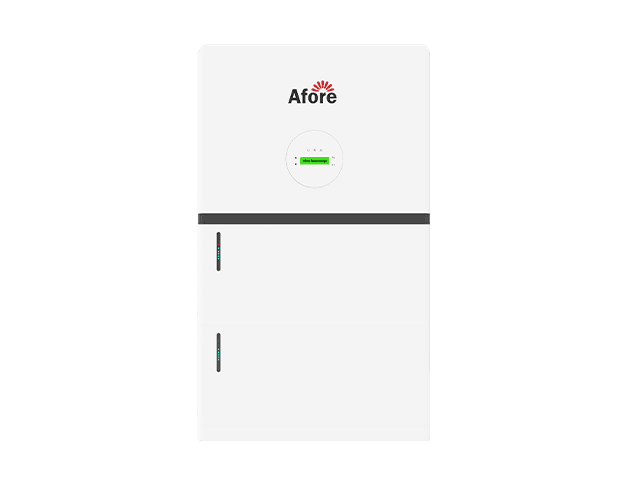
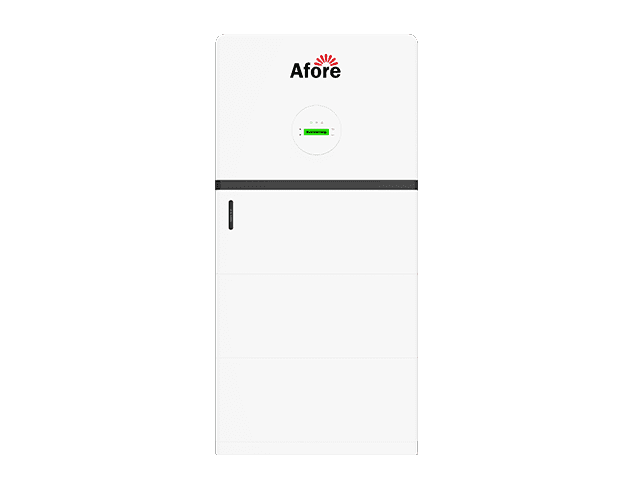
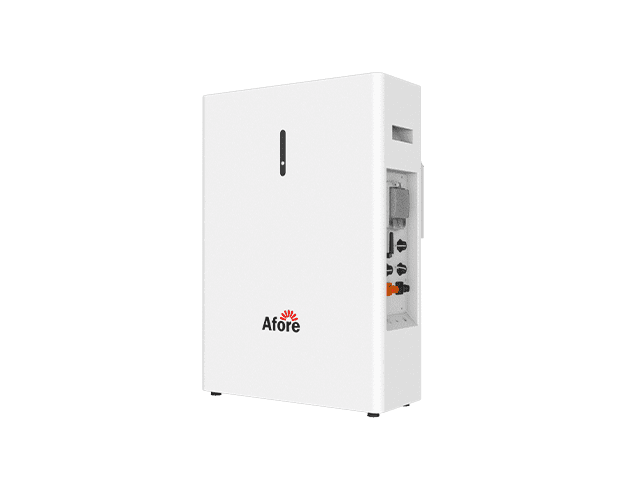
When solar production exceeds immediate demand, excess electricity is not wasted. Instead, it is directed into battery systems through an energy storage inverter, which manages charging efficiency and system stability. This is a key reason why solar for supermarkets can significantly reduce reliance on grid electricity during peak hours.
One of the most important operational features of solar for supermarkets is intelligent load prioritization. Supermarkets typically have non-stop refrigeration demands, so energy management systems prioritize these critical loads first.
During peak sunlight hours, solar for supermarkets systems are often configured to supply refrigeration and HVAC systems directly, reducing strain on the grid. Lighting and secondary systems are then supported based on available solar output and stored energy capacity. This dynamic balancing ensures stable operations while maximizing energy efficiency.
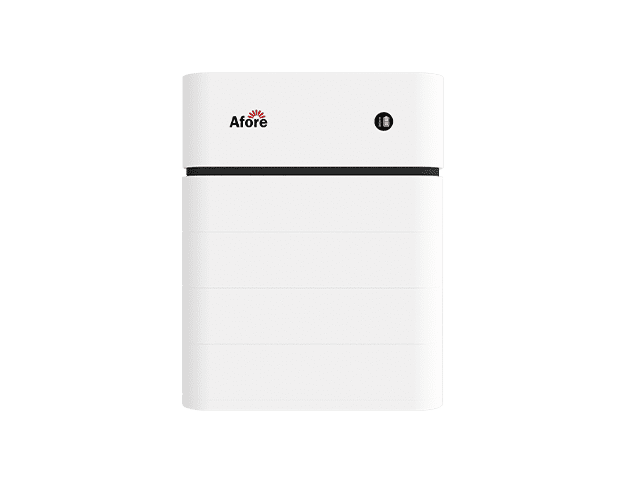
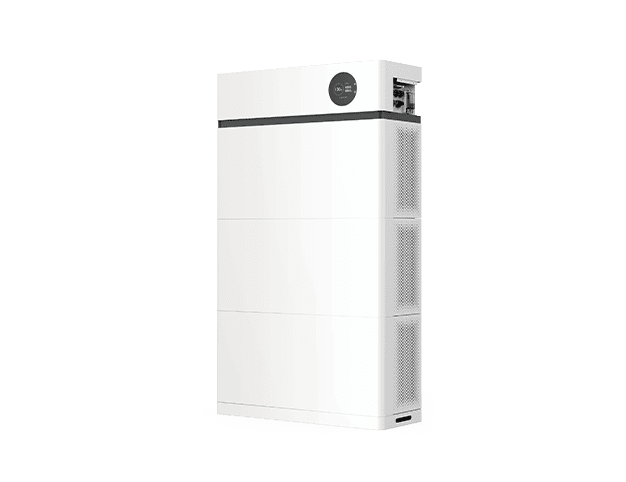
Energy storage plays a crucial role in making solar for supermarkets effective beyond daylight hours. Batteries charged during the day allow supermarkets to continue operating on stored energy during evenings or periods of high electricity pricing.
This integration of storage systems ensures that solar for supermarkets remains valuable even when solar generation is unavailable. It also supports smoother energy transitions, especially during sudden demand spikes or short-term grid interruptions.
When properly implemented, solar for supermarkets creates a stable, self-balancing energy ecosystem. It reduces peak grid dependency, improves cost control, and enhances operational resilience.
More importantly, solar for supermarkets allows retailers to maintain consistent refrigeration performance while lowering overall energy volatility—one of the biggest challenges in large-scale retail environments.
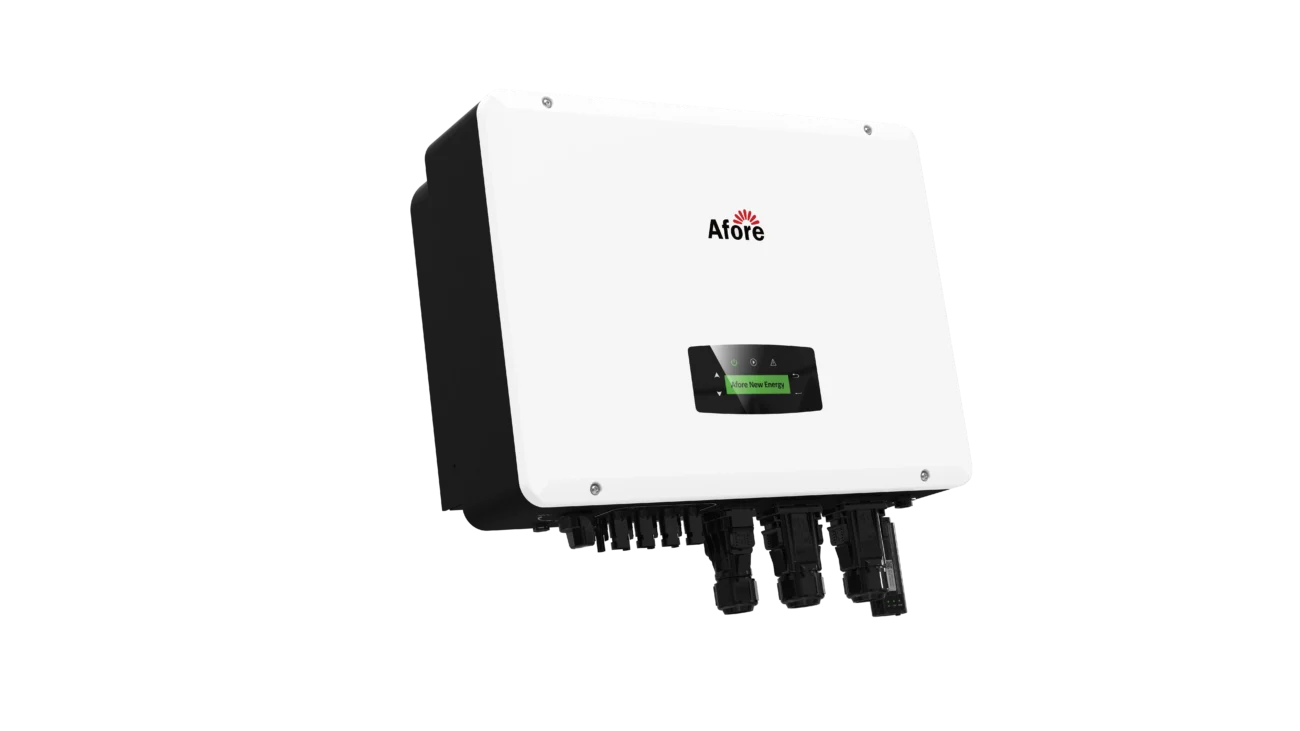
Integrating commercial refrigeration solar with solar for supermarkets systems is one of the most impactful ways to reduce energy consumption in retail environments. Refrigeration is typically the largest and most constant energy load in a supermarket, running continuously to preserve food quality and safety. Because of this, aligning refrigeration demand with solar generation creates significant operational and financial benefits.
In a well-designed solar for supermarkets system, solar energy is directly used to power refrigeration units during daylight hours. This reduces the need to draw electricity from the grid when solar production is at its highest.
Through commercial refrigeration solar, compressors and cooling systems can operate more efficiently during peak sunlight periods. This direct load support helps stabilize energy usage and reduces stress on the electrical infrastructure, especially during high-demand retail hours.
One of the key advantages of combining solar for supermarkets with refrigeration systems is reduced operational strain. By offsetting a large portion of refrigeration demand with solar energy, supermarkets can significantly lower electricity costs.
This approach also minimizes the impact of peak electricity pricing. Since refrigeration runs continuously, even small reductions in grid dependency can lead to meaningful long-term savings. In many cases, commercial refrigeration solar contributes to smoother energy distribution across the entire store.
Another critical benefit of solar for supermarkets is improved resilience in maintaining cold chain integrity. When paired with energy storage systems, commercial refrigeration solar can provide backup support during short-term grid fluctuations or outages.
This ensures that refrigeration systems continue operating without interruption, protecting perishable goods and reducing waste. For supermarkets, this reliability is just as valuable as cost savings, making solar for supermarkets a strategic investment rather than just an energy upgrade.
One of the most important financial benefits of solar for supermarkets is peak load shaving.
Electricity tariffs are often highest during peak demand periods. By using solar and battery systems, supermarkets can reduce grid consumption during these expensive hours.
With peak load shaving, stored energy is used during high-tariff periods instead of drawing power from the grid.
This is a core advantage of solar for supermarkets, especially in urban retail environments.
By reducing peak demand, solar for supermarkets can significantly lower utility bills.
Many commercial electricity bills include demand charges based on peak usage. Through solar for supermarkets, these peaks can be flattened.
Combined with retail PV energy storage, supermarkets can avoid sudden spikes in energy usage.
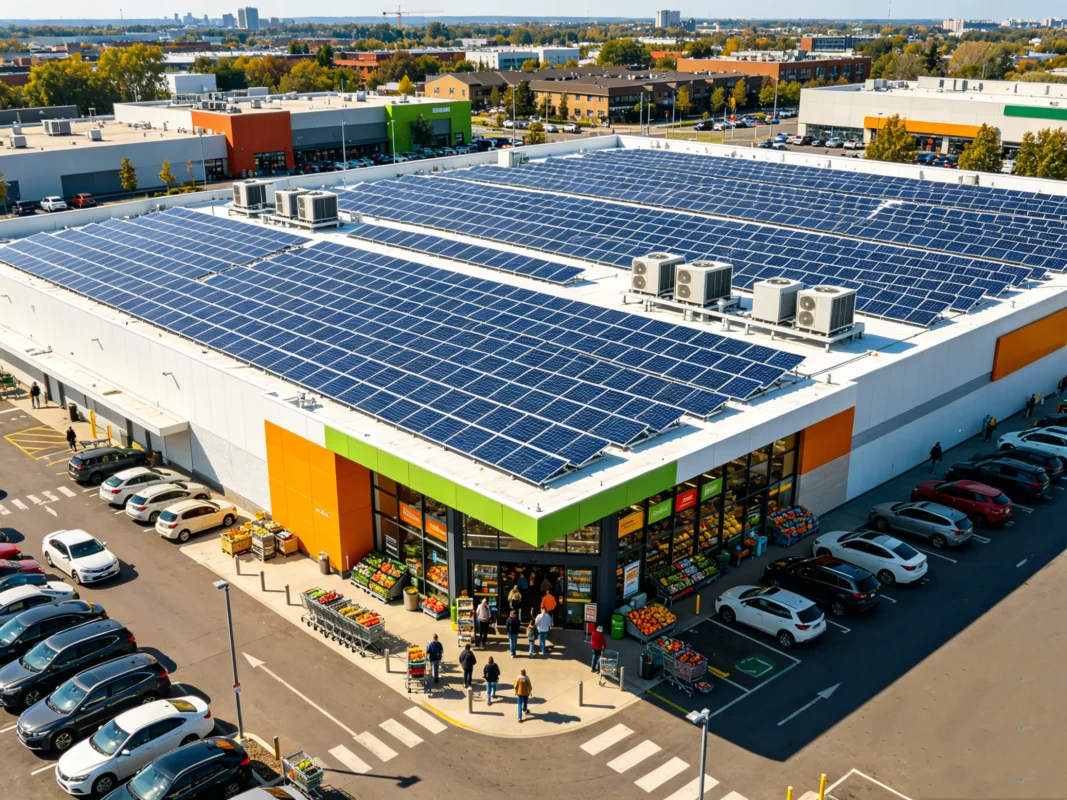
No solar for supermarkets system works without proper power conversion and control systems.
Two key components are:
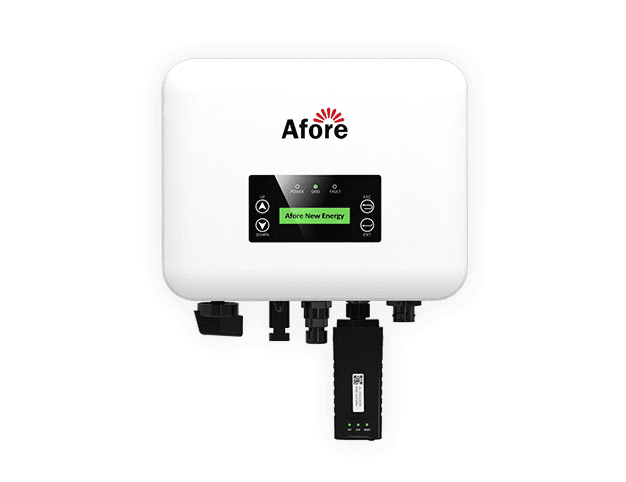
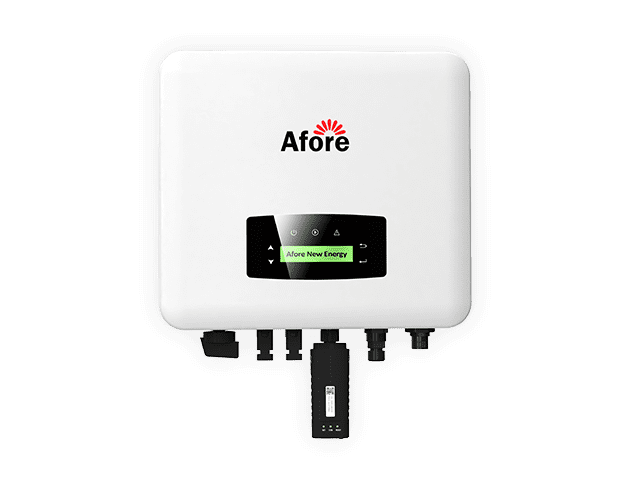
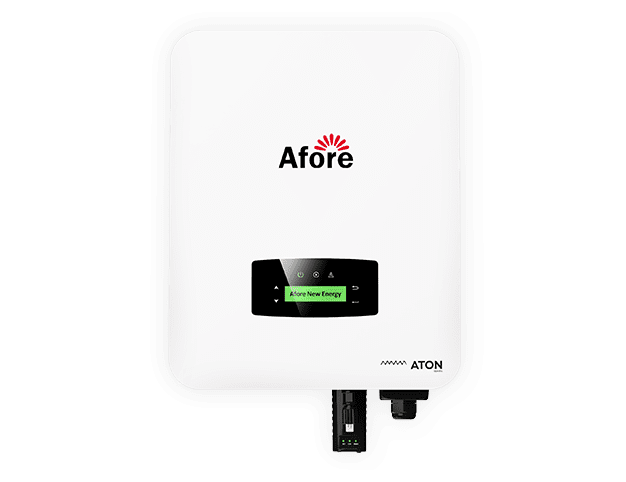
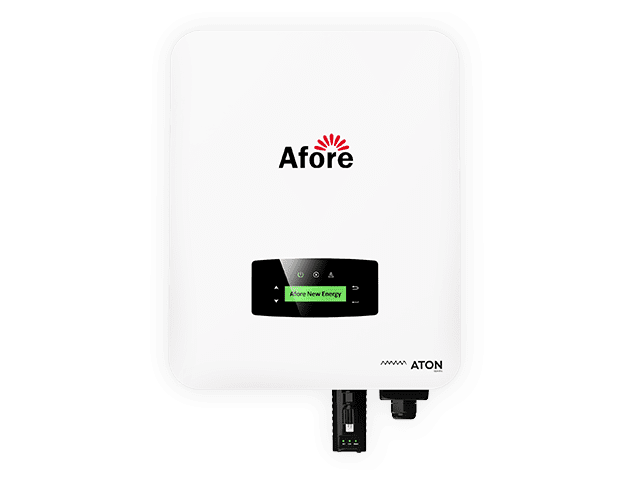
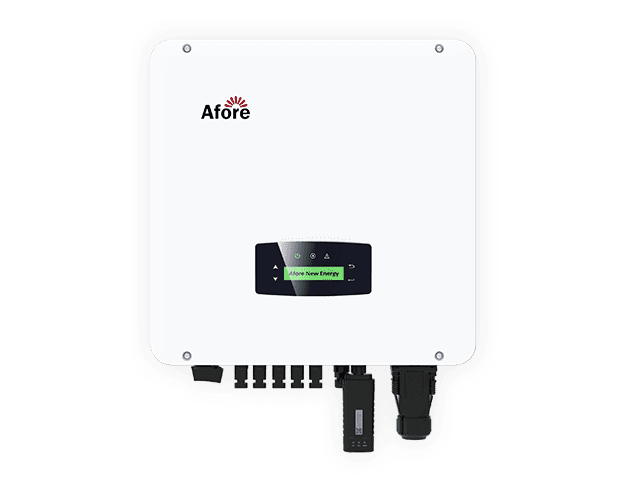
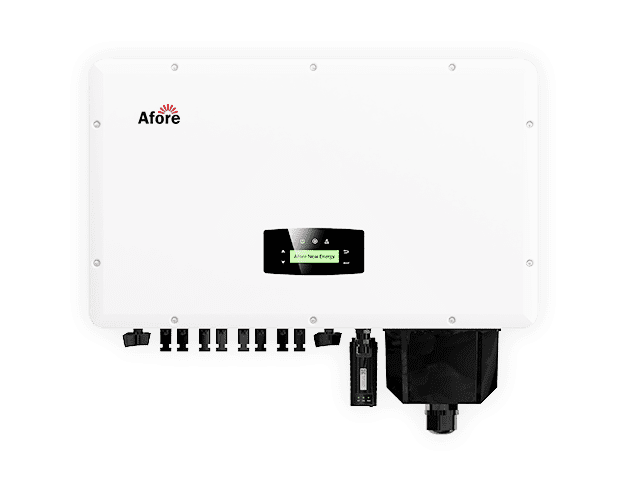
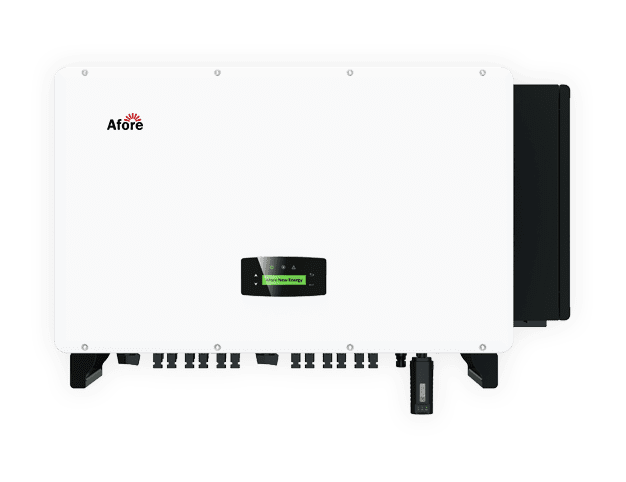
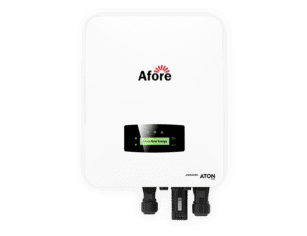
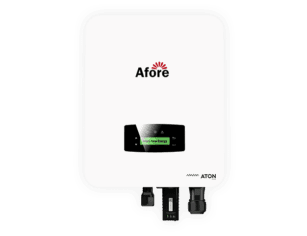
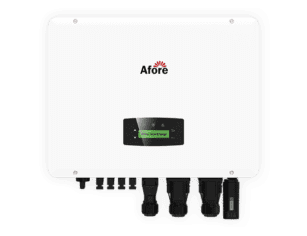
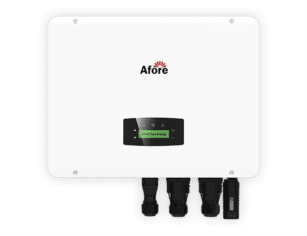
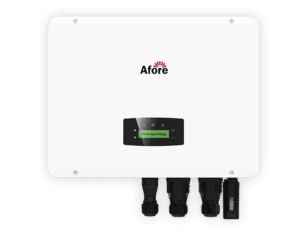
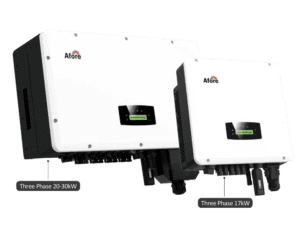
The solar inverter converts DC power from solar panels into usable AC electricity.
In solar for supermarkets, the inverter ensures stable power delivery to refrigeration systems, lighting, and HVAC.
A high-quality solar inverter improves efficiency and reduces energy loss.
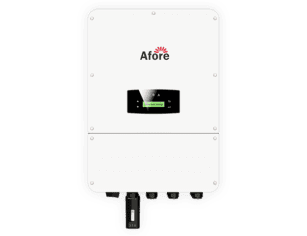
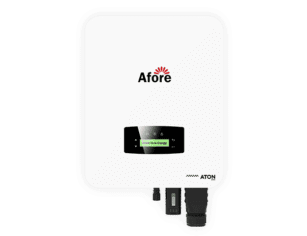
The energy storage inverter manages charging and discharging of batteries.
In solar for supermarkets, it ensures energy is stored during low-demand periods and released during peak demand.
Without an energy storage inverter, solar for supermarkets would lose much of its flexibility.
Modern solar for supermarkets systems rely on smart coordination between inverters, storage, and real-time monitoring.
This ensures energy flows efficiently across the entire supermarket operation.
Designing an effective solar for supermarkets system is not a plug-and-play process. It requires a deep understanding of how energy flows through a retail environment, especially one dominated by continuous refrigeration loads. A well-executed design ensures that solar for supermarkets delivers consistent savings, operational stability, and long-term reliability.
Every successful solar for supermarkets project starts with a thorough energy audit. This involves analyzing hourly consumption patterns across refrigeration, HVAC, lighting, and auxiliary systems.
In practice, refrigeration often accounts for the majority of the load, which means the system must be designed to support it first. By mapping out peak usage times and seasonal variations, engineers can align solar production with actual demand. This step is critical to avoid underperformance or oversizing in solar for supermarkets installations.
Once the load profile is clear, the next step in solar for supermarkets design is sizing the system correctly. This includes determining the capacity of solar panels, selecting the appropriate solar inverter, and configuring battery storage with an energy storage inverter.
System sizing is not just about maximizing generation—it’s about optimizing efficiency. Oversized systems may waste energy without proper storage, while undersized systems fail to deliver meaningful savings. Integrating retail PV energy storage at this stage allows excess daytime energy to be captured and reused during peak pricing periods.
A critical part of implementing solar for supermarkets is seamless integration with existing electrical systems. This includes connecting to distribution panels, refrigeration circuits, and building management systems.
Modern supermarkets often rely on automation platforms, so the solar system must communicate with these controls in real time. This allows energy to be distributed dynamically, supporting peak load shaving and prioritizing critical loads like refrigeration.
After installation, continuous monitoring ensures that solar for supermarkets operates at peak performance. Advanced monitoring tools track generation, storage levels, and consumption patterns.
Over time, adjustments can be made to improve efficiency, especially as energy usage evolves. Routine maintenance, such as panel cleaning and system inspections, further ensures that solar for supermarkets remains a reliable and high-performing asset for years to come.
For most operators, the real driver behind adopting solar for supermarkets is not just sustainability—it’s the numbers. When properly designed, solar for supermarkets turns energy from a fixed expense into something far more controllable and predictable. Over time, that shift can significantly improve operating margins in a business where costs are tightly managed.
The most immediate financial benefit of solar for supermarkets is reduced electricity bills. By generating power on-site, supermarkets can offset a large portion of their daytime energy usage, especially from refrigeration and lighting.
Because these loads run consistently, the savings are not theoretical—they show up month after month. In many real-world cases, solar for supermarkets can cut grid electricity usage by a meaningful percentage, creating stable, long-term cost reductions without changing store operations.
Beyond basic energy savings, solar for supermarkets plays a major role in controlling demand charges. Utilities often charge commercial users based on their highest peak usage, not just total consumption.
With peak load shaving, supermarkets use solar generation and stored energy to avoid spikes during high-demand periods. When combined with retail PV energy storage, this strategy can significantly reduce costly demand charges, which are often overlooked but can represent a large portion of the bill.
The return on investment for solar for supermarkets depends on system size, energy prices, and how effectively storage is used. However, the inclusion of retail PV energy storage and smart energy management typically shortens the payback period.
What makes solar for supermarkets especially attractive is its long lifespan. Once installed, the system continues generating value for years, while also protecting against future electricity price increases. Over time, this creates not just savings, but a more resilient and predictable cost structure for supermarket operations.
Adopting solar for supermarkets has become a practical way for retailers to align with growing ESG expectations while still focusing on profitability. Energy use is one of the largest contributors to a supermarket’s carbon footprint, so reducing reliance on grid electricity has a direct environmental impact.
By switching to solar for supermarkets, retailers can significantly cut greenhouse gas emissions tied to daily operations. Because refrigeration and HVAC systems run continuously, even partial solar adoption leads to measurable reductions over time.
Many retailers now track sustainability metrics closely. Implementing solar for supermarkets provides clear, reportable data on energy savings and emissions reduction, making ESG reporting more transparent and credible.
Consumers are increasingly aware of environmental responsibility. Investing in solar for supermarkets signals a long-term commitment to sustainability, helping retailers build trust and differentiate themselves in a competitive market.
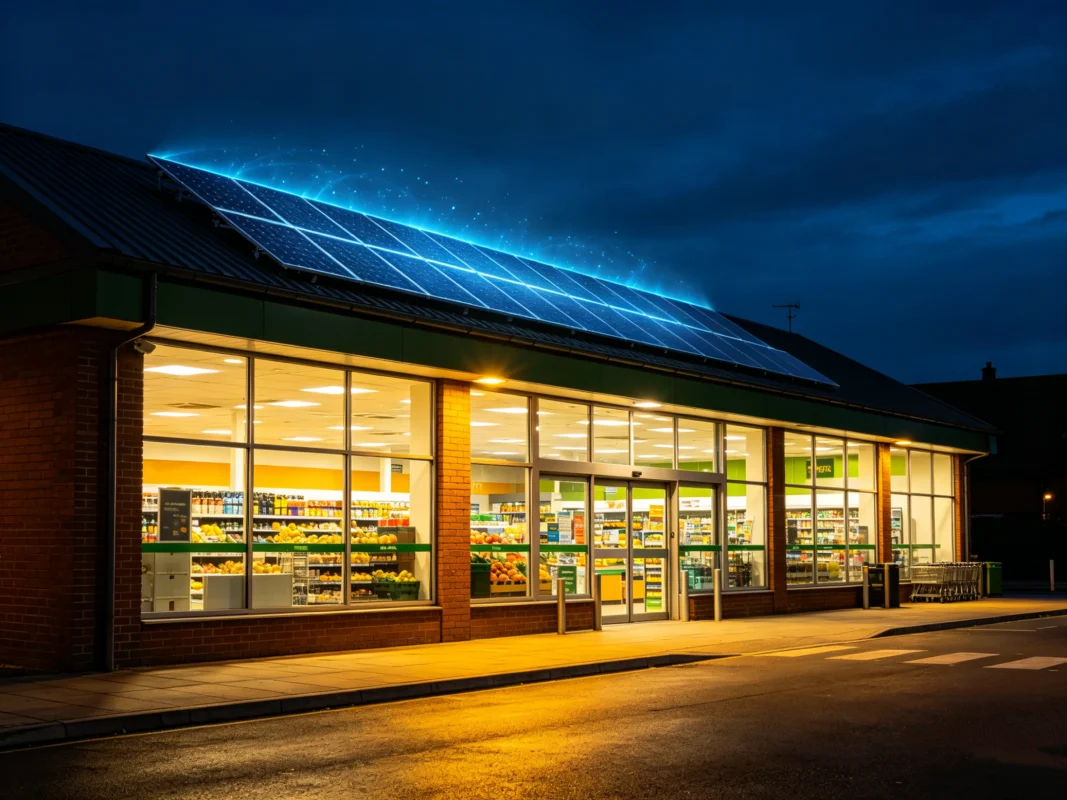
While solar for supermarkets offers strong long-term value, implementation is not without its challenges. Understanding these early helps avoid costly mistakes and ensures better system performance over time.
One of the biggest barriers to solar for supermarkets is the initial capital cost. Installing panels, inverters, and storage systems requires a significant upfront investment, especially for large retail spaces.
Not all supermarket rooftops are ideal for solar installations. Structural constraints, shading, and limited surface area can affect how much energy solar for supermarkets systems can generate.
Modern solar for supermarkets systems involve multiple components, including storage and energy management systems. This adds complexity to both installation and ongoing maintenance, requiring proper planning and skilled oversight to ensure long-term reliability.
Solar for supermarkets is no longer optional—it is becoming a core part of modern retail infrastructure.
From retail PV energy storage to peak load shaving, every element works together to reduce costs and improve efficiency.
When properly designed, solar for supermarkets transforms energy from a fixed cost into a controllable asset.
With solar for supermarkets, most grocery stores can reduce electricity costs by around 20% to 50%, depending on system size, energy usage patterns, and local electricity rates. Savings are highest when solar production aligns with daytime refrigeration and lighting loads. Additional gains come from reducing peak demand charges, making solar for supermarkets a strong long-term cost control strategy.
Yes, when paired with retail PV energy storage, solar for supermarkets can provide short-term backup power for refrigeration systems. While full-day backup may require larger battery capacity, even partial support helps maintain safe temperatures and protect perishable goods during outages.
An effective setup typically combines a high-efficiency solar inverter for converting solar energy and an energy storage inverter for managing battery charging and discharging. In solar for supermarkets, this combination ensures stable power delivery, efficient storage use, and better system control during peak load conditions.
Modern solar for supermarkets systems can connect with building automation platforms through energy management software. This allows real-time coordination between solar generation, refrigeration, HVAC, and lighting, ensuring energy is distributed where it’s needed most while supporting peak load shaving.
Absolutely. Solar for supermarkets reduces carbon emissions and provides measurable sustainability data. This supports ESG reporting, improves environmental performance, and demonstrates a clear commitment to responsible energy use.
For systems using retail PV energy storage, the payback period typically ranges from 4 to 8 years. The timeline depends on electricity pricing, system design, and how effectively the system reduces peak demand through solar for supermarkets energy management strategies.










 Turkish
  Romanian