




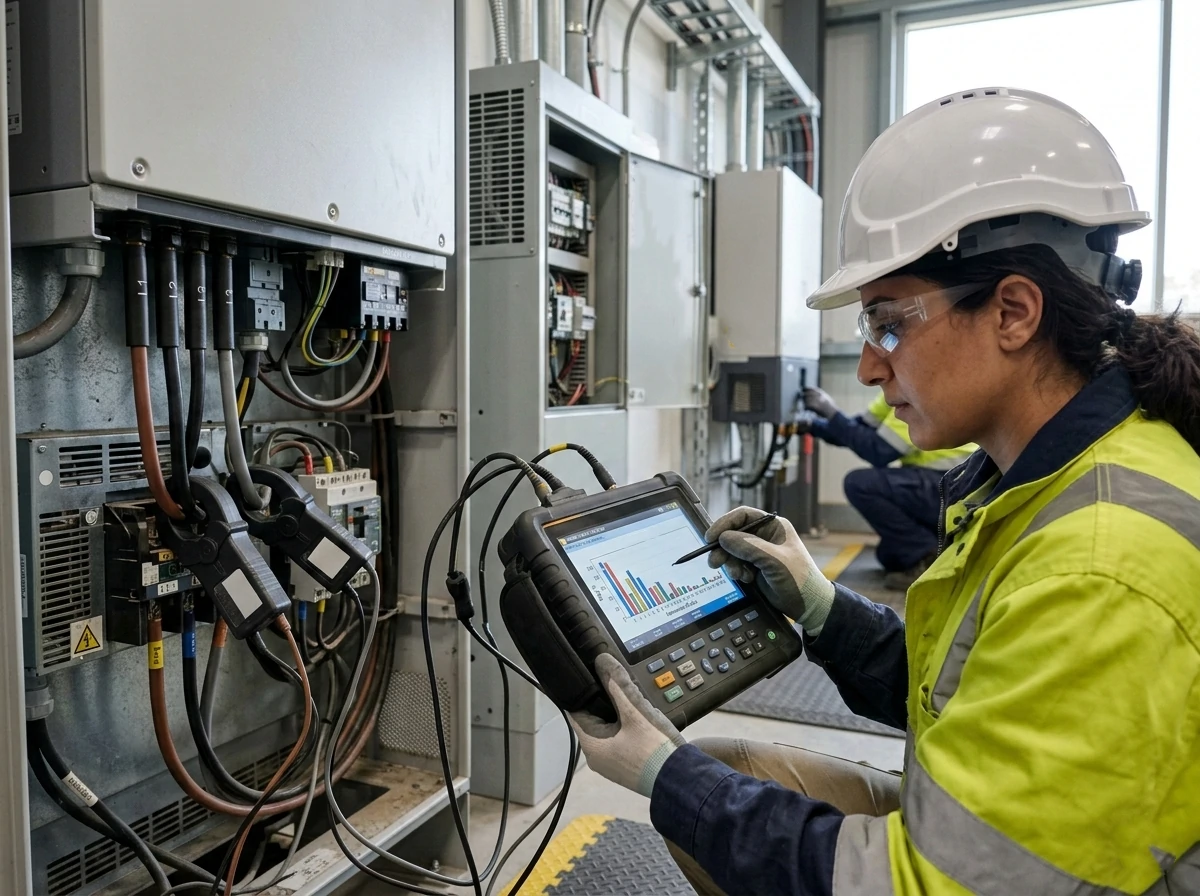
If you’re diving into solar power systems, one topic that often confuses both engineers and homeowners alike is solar inverter THD requirements. You may have heard about Total Harmonic Distortion (THD) and how it affects your system’s performance, grid power quality, and compliance with industry standards like IEEE 519. But what does it all really mean? In this article, I’ll walk you through everything you need to know, from the basics of THD to practical tips on measuring it in real-world solar installations.
Total Harmonic Distortion, or THD, is a measure of how much your inverter’s output deviates from a pure sine wave. Think of it like the static you sometimes hear on an old radio—it’s unwanted noise that can cause interference. For solar inverters, THD affects grid power quality, equipment lifespan, and even the efficiency of your energy system.
In simple terms, if your solar inverter THD requirements are not met, your inverter could produce voltage and current harmonics that disrupt sensitive devices, reduce transformer efficiency, and even lead to penalties from utilities.
You might be wondering, “Okay, so a little THD won’t hurt, right?” Well, it depends. High harmonic distortion can:
That’s why understanding solar inverter THD requirements is crucial whether you’re installing a residential PV system or managing a large solar farm.
When we talk about solar inverter THD requirements, we’re not just discussing a technical number buried in a datasheet. We’re talking about how your entire solar installation behaves when it connects to the grid. And that connection? It’s governed by strict standards designed to protect grid power quality, maintain system stability, and ensure fairness across all connected users.
If you’ve ever dealt with a utility interconnection agreement, you already know—they take harmonic distortion seriously.
Let’s break down what that means in practical, real-world terms.
The electric grid is essentially a shared ecosystem. Every generator, transformer, motor, and electronic device connected to it influences the overall waveform. Ideally, that waveform is a clean 50 Hz or 60 Hz sine wave. In reality, nonlinear devices—including a sloar inverter—introduce harmonics.
Without clear standards:
That’s why solar inverter THD requirements are not optional technical preferences—they are enforceable limits embedded in grid codes and utility contracts.
The moment your PV system exports power, it becomes part of the public electrical infrastructure. And that carries responsibility.
One of the most referenced frameworks globally is IEEE 519 compliance. This standard sets recommended limits for harmonic current injection at the Point of Common Coupling (PCC). The goal is simple: prevent any one installation from degrading grid power quality for everyone else.
Under IEEE 519 guidelines:
Now here’s something many installers overlook: compliance isn’t evaluated at the inverter terminals—it’s evaluated at the PCC. That means cable impedance, transformer characteristics, and system size all influence whether your project meets solar inverter THD requirements.
In larger installations, especially commercial and utility-scale plants, this becomes critical. Even if the inverter spec sheet claims low distortion, system integration can push harmonic levels higher.
That’s where engineering judgment matters.
While IEEE 519 compliance is widely referenced, it’s not the only rulebook. Many regions have their own grid codes that go further, especially in areas with high PV penetration.
Utilities may require:
From experience, I can tell you this: if you wait until commissioning to think about solar inverter THD requirements, you’re already behind.
It’s far more efficient to model harmonic behavior during system design. Harmonic studies, impedance analysis, and transformer sizing should all align with expected distortion levels.
That proactive approach protects both compliance and reputation.
Let’s talk practically for a moment.
A poorly designed inverter—or even a properly designed one installed in the wrong electrical environment—can affect:
Harmonic currents flowing through system impedance create harmonic voltage distortion. That distortion doesn’t stay local—it propagates.
This is why solar inverter THD requirements are closely tied to grid power quality metrics such as:
Modern inverter topologies, especially multi-level designs, significantly reduce harmonic injection. But performance also depends on switching strategy and output filtering.
And here’s a real-world insight: oversizing filters without system-level harmonic modeling can create resonance issues. That’s why harmonic mitigation should never be guesswork.
In high-penetration solar regions, utilities are increasingly concerned about aggregate distortion. One system with slightly elevated harmonics may not cause issues. But hundreds of systems? That’s different.
Total Harmonic Distortion solar installations contribute cumulatively to feeder-level distortion. If unmanaged, this can:
That’s why advanced grid operators now evaluate solar inverter THD requirements in the context of system-wide harmonic planning—not just individual installations.
If you want to consistently meet solar inverter THD requirements, design discipline is non-negotiable.
Here’s what experienced engineers prioritize:
These steps reduce distortion risk before equipment even arrives onsite.
In my own projects, I’ve seen systems fail harmonic testing not because the inverter was defective, but because cable lengths, transformer configuration, and grounding were not optimized.
Standards don’t punish poor hardware—they punish poor integration.
Meeting solar inverter THD requirements once isn’t enough. Grid conditions change.
Seasonal load shifts, neighboring installations, and even utility network upgrades can influence harmonic performance.
Best practice includes:
Large-scale projects increasingly install permanent power quality analyzers. This ensures continuous verification of IEEE 519 compliance and protects long-term grid power quality.
For utility-scale solar, this level of oversight is becoming standard practice.
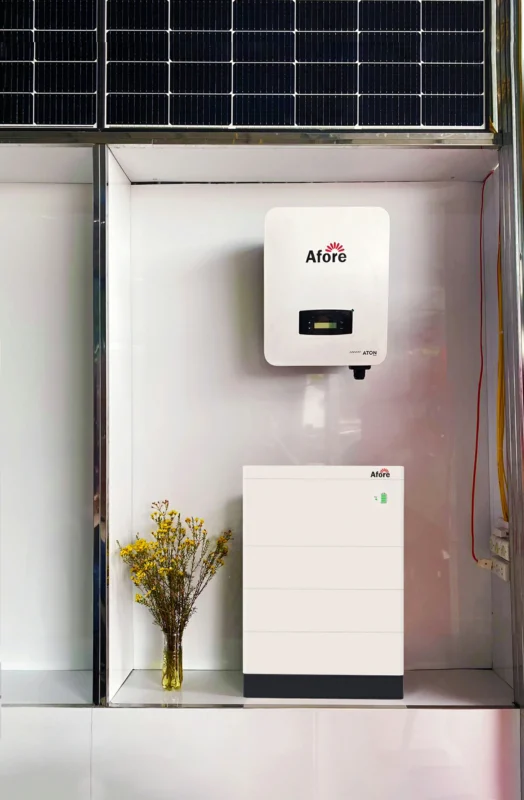
Different inverter designs produce different THD levels. Multilevel inverters, for example, often have significantly lower THD than basic single-phase designs. When evaluating solar inverter THD requirements, you need to consider:
Did you know that your system’s load can affect THD too? Nonlinear loads—like computers, LED lighting, and variable frequency drives—can exacerbate harmonic distortion. That’s why large commercial PV systems require careful THD monitoring to meet IEEE 519 compliance.
If you really want to understand whether your system meets solar inverter THD requirements, you can’t rely on spec sheets alone. You have to measure. And not casually—but methodically, under real operating conditions.
Over the years, I’ve seen too many installations assume compliance because the inverter manual claimed low distortion. Then commissioning day comes, and harmonic levels at the point of common coupling (PCC) are higher than expected. That’s when project timelines get uncomfortable.
So let’s walk through how to properly measure and analyze Total Harmonic Distortion solar systems generate—and how to do it in a way that aligns with IEEE 519 compliance and protects long-term grid power quality.
One of the most common mistakes in harmonic testing is measuring in the wrong place.
If you’re verifying solar inverter THD requirements, measurements should typically be taken:
Here’s why this matters.
An inverter might show 2% current THD at its terminals, but cable impedance and transformer characteristics can amplify harmonic voltages by the time you reach the PCC. And remember—utilities evaluate compliance at the PCC, not inside your inverter cabinet.
In larger plants, harmonic propagation through collector systems can significantly affect grid power quality, especially when multiple inverters operate in parallel.
So always measure where it counts.
To evaluate solar inverter THD requirements properly, you need professional-grade instrumentation. At minimum:
A basic meter with a THD function may give you a quick estimate, but it won’t provide harmonic order breakdown, which is essential for IEEE 519 compliance verification.
When measuring Total Harmonic Distortion solar installations produce, the harmonic spectrum matters just as much as the total percentage. The 5th, 7th, and 11th harmonics are often the dominant contributors in inverter-based systems.
Let’s break this down into a practical field workflow.
Step 1: Confirm System Operating Conditions
THD must be measured under steady-state, full-load conditions. Partial loading can skew results.
Step 2: Install Measurement Equipment at the PCC
Clamp current sensors and connect voltage leads according to safety standards. Double-check polarity.
Step 3: Record Voltage and Current Waveforms
Capture at least several cycles of waveform data and log harmonics up to the 50th order.
Step 4: Calculate THD
THD is calculated as:
Where:
Step 5: Compare Against Limits
Now compare your results against local utility standards and IEEE 519 compliance thresholds.
If voltage THD exceeds 5% at the PCC, you likely have a compliance issue affecting grid power quality.
Here’s a key distinction many newcomers overlook.
Utilities typically regulate voltage THD at the PCC, while inverter manufacturers specify current THD at the output.
Understanding this difference is essential when evaluating solar inverter THD requirements. High current distortion doesn’t always translate to high voltage distortion—but in weak grids (low short-circuit ratio), it often does.
And weak grids are increasingly common in rural solar deployments.
The short-circuit ratio (SCR) plays a major role in determining how harmonics affect grid power quality.
In weak-grid scenarios, even a compliant sloar inverter can contribute to excessive voltage THD.
That’s why harmonic studies during system design are critical. Meeting solar inverter THD requirements isn’t just about equipment specs—it’s about grid strength.
Once measurements are taken, the real work begins: interpretation.
A harmonic spectrum chart will show:
In solar systems, odd harmonics (3rd, 5th, 7th) dominate due to switching behavior. Triplen harmonics (multiples of 3) can accumulate in neutral conductors in certain configurations.
When reviewing spectrum data for solar inverter THD requirements, ask:
This deeper analysis ensures accurate assessment of Total Harmonic Distortion solar output.
In utility-scale plants, harmonic measurement becomes more complex.
You may have:
In such environments, compliance with IEEE 519 compliance standards often requires:
From field experience, harmonic interaction between parallel inverters can create amplification effects. Even when each inverter meets individual solar inverter THD requirements, collective operation can push harmonic voltage higher at the PCC.
That’s why system-level measurement is essential.
One-time commissioning tests are helpful—but not sufficient.
Over time:
All of these can impact grid power quality.
For commercial and industrial facilities, continuous monitoring ensures ongoing compliance with solar inverter THD requirements and avoids unpleasant surprises during utility inspections.
In larger projects, installing permanent analyzers has become best practice.
Let’s be honest—field conditions are rarely perfect.
You may encounter:
Each of these can distort your THD readings—ironically while trying to measure distortion.
Careful setup, calibration, and validation are critical for accurate assessment of Total Harmonic Distortion solar systems produce.
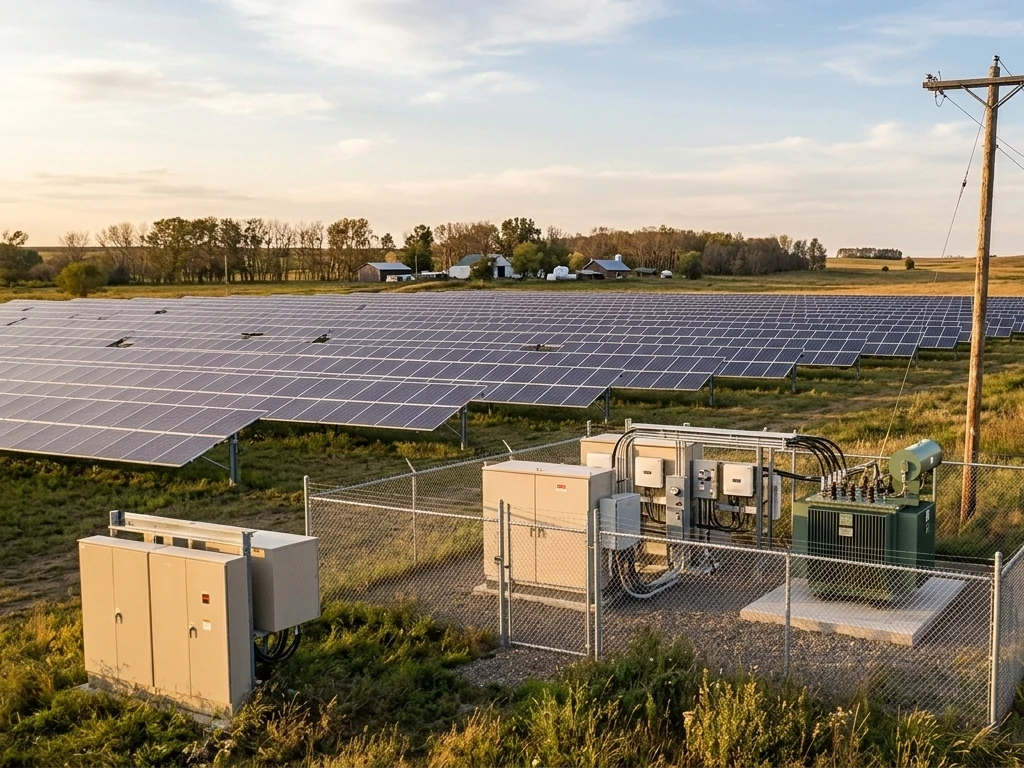
So you’ve measured your system. The numbers are in. And unfortunately, they’re higher than expected.
If your readings exceed acceptable solar inverter THD requirements, don’t treat it as a failure. Treat it as a design signal. High harmonic distortion is rarely random—it usually points to a mismatch between inverter behavior, grid strength, filtering strategy, or overall system integration.
The good news? In most cases, THD issues can be mitigated effectively with the right engineering approach. Let’s break down how.
Before installing filters or adjusting equipment, pause and diagnose.
High Total Harmonic Distortion solar systems generate typically falls into one of these categories:
Jumping straight into mitigation without understanding the source often wastes time and budget. Meeting solar inverter THD requirements requires system-level thinking, not component-level assumptions.
In my experience, a proper harmonic study saves far more money than reactive corrections later.
One major factor affecting grid power quality is grid strength.
In weak grid environments, harmonic currents translate into higher voltage distortion. Even a compliant sloar inverter can produce excessive voltage THD if the utility network impedance is high.
Mitigation strategies here may include:
Improving short-circuit ratio at the PCC often reduces voltage distortion without touching the inverter itself.
And yes—this is a common scenario in rural or remote solar installations.
Passive filters remain one of the most widely used solutions when solar inverter THD requirements are not met.
These filters typically consist of tuned LC circuits designed to:
They’re relatively simple and reliable. However, improper tuning can create resonance issues, especially if multiple inverters operate in parallel.
That’s why filter design must be based on measured harmonic spectrum data—not assumptions.
When properly engineered, passive filters significantly improve Total Harmonic Distortion solar performance without introducing system instability.
In more complex or variable-load systems, passive filters may not be enough.
Active harmonic compensators dynamically inject counter-harmonic currents to cancel distortion. These systems are particularly useful when:
Active compensation provides adaptive correction, helping maintain compliance with IEEE 519 compliance thresholds over time.
It’s more advanced and typically more expensive—but for large commercial or utility-scale plants, it can be the most reliable way to stay within solar inverter THD requirements under changing operating conditions.
Sometimes the solution isn’t external equipment—it’s configuration.
Modern inverters allow adjustments such as:
Adjusting switching frequency can significantly influence harmonic magnitude. Higher switching frequencies typically reduce harmonic distortion but may increase thermal stress.
Reactive power management can also improve grid power quality, especially in voltage-sensitive networks.
If you’re dealing with high THD, review inverter settings before investing in hardware upgrades. Proper configuration alone can bring performance back within solar inverter THD requirements.
Here’s something many engineers underestimate: harmonic amplification between parallel inverters.
When multiple units synchronize to the grid, their switching harmonics can align and amplify at certain frequencies.
This is especially relevant in large plants with dozens of string inverters feeding a shared transformer.
Mitigation methods include:
Without this system-level coordination, meeting solar inverter THD requirements on paper doesn’t guarantee real-world compliance.
Transformers and cable runs aren’t passive bystanders in harmonic performance.
High impedance cables can increase voltage distortion. Transformer leakage reactance can either dampen or amplify harmonics depending on system configuration.
To maintain strong grid power quality, consider:
In several field projects I’ve reviewed, simply correcting transformer impedance selection reduced voltage THD below required thresholds—no additional filters needed.
This reinforces an important point: solar inverter THD requirements are influenced by integration decisions as much as inverter design.
In commercial and industrial solar installations, onsite loads can influence harmonic behavior.
Variable frequency drives, LED lighting, UPS systems, and data equipment all introduce harmonics. When combined with inverter harmonics, distortion can compound.
Mitigation strategies include:
Total Harmonic Distortion solar systems generate doesn’t exist in isolation—it interacts with everything connected to the same bus.
Maintaining compliance with IEEE 519 compliance often requires looking beyond the PV system itself.
Let’s address the elephant in the room: mitigation costs money.
But non-compliance costs more.
Failure to meet solar inverter THD requirements can lead to:
When evaluated over the lifecycle of a solar asset, investing in harmonic control is not just technical—it’s strategic.
Good harmonic design improves efficiency, protects equipment, and reinforces long-term system credibility.
To consistently stay within solar inverter THD requirements, experienced engineers follow these principles:
These practices ensure stable Total Harmonic Distortion solar performance and sustained grid power quality.
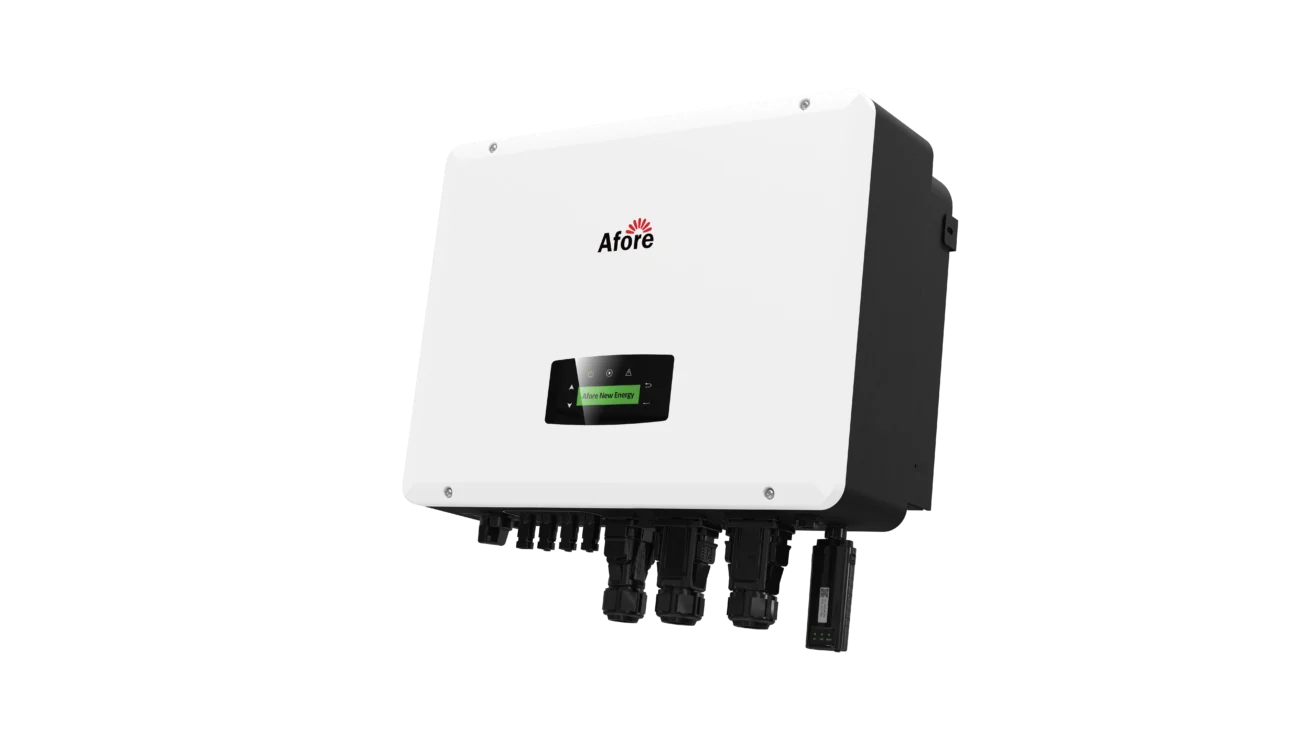
If your PV system includes batteries, THD can affect charge/discharge efficiency. High distortion may trigger inverter protective mechanisms, reducing overall system performance.
Some regions have stricter standards than IEEE 519. Always check local grid codes, especially when connecting large-scale PV plants. Compliance not only ensures safety but avoids costly penalties.
THD measures harmonic distortion in inverter output. High THD can reduce efficiency, damage equipment, and interfere with sensitive electronics. Ensuring low THD is critical for IEEE 519 compliance and grid power quality.
Most utilities follow IEEE 519 guidelines. Typically, the total current THD should be below 5%, but commercial string inverters aim for under 3% to stay compliant.
Yes. High harmonic levels can create flickering lights, buzzing sounds, and even malfunction in computers or industrial drives. Monitoring THD is essential to prevent these issues.
Generally, yes. Modern commercial inverters are designed to maintain THD under 3% to meet utility and regulatory standards. However, always check specific local requirements.
Use power analyzers at inverter outputs, record voltage and current waveforms, and analyze harmonics up to at least the 50th order. Summing the squares of harmonic voltages gives total THD.








 Turkish
  Romanian