





If you’ve landed here, chances are you’re dealing with one of the most frustrating power problems out there: inverter not charging battery.
I’ve seen it in homes, workshops, RV setups, off-grid cabins—you name it. Everything looks normal, the inverter turns on, lights blink, maybe the screen even says “charging”… yet the battery percentage doesn’t move. Sound familiar?
Let me say this upfront: when an inverter not charging battery issue shows up, it’s rarely random. There’s always a reason. And in most cases, it’s fixable without replacing half your system.
We’ll talk about solar inverter behavior, common mistakes, overlooked settings, battery health, and hands-on troubleshooting you can actually do.
At its core, an inverter converts DC power from a battery into usable AC power. But modern systems—especially a solar inverter—do much more. They manage charging, prioritize power sources, protect batteries, and monitor loads.
When an inverter not charging battery situation happens, it usually means the charging logic is being interrupted somewhere in that chain.
Charging is the most complex task an inverter performs. It involves voltage sensing, current limits, temperature compensation, and safety cutoffs. One incorrect parameter is enough to stop charging entirely.
Slow charging. Battery percentage stuck at 80%. Frequent switching between modes. These are all early signs of inverter not charging battery problems that people often dismiss—until the system fails completely.
A solar inverter typically charges batteries in stages: bulk, absorption, and float. If any stage is skipped or misconfigured, charging may stop prematurely.
This is why many users think the inverter is broken, when in reality the system believes the battery is already “full.”
If the inverter is overloaded or prioritizing AC output, battery charging can be limited or disabled. I’ve seen countless inverter not charging battery cases caused simply by excessive load during daylight hours.
Charging decisions depend on:
Miss one of these, and boom—inverter not charging battery again.
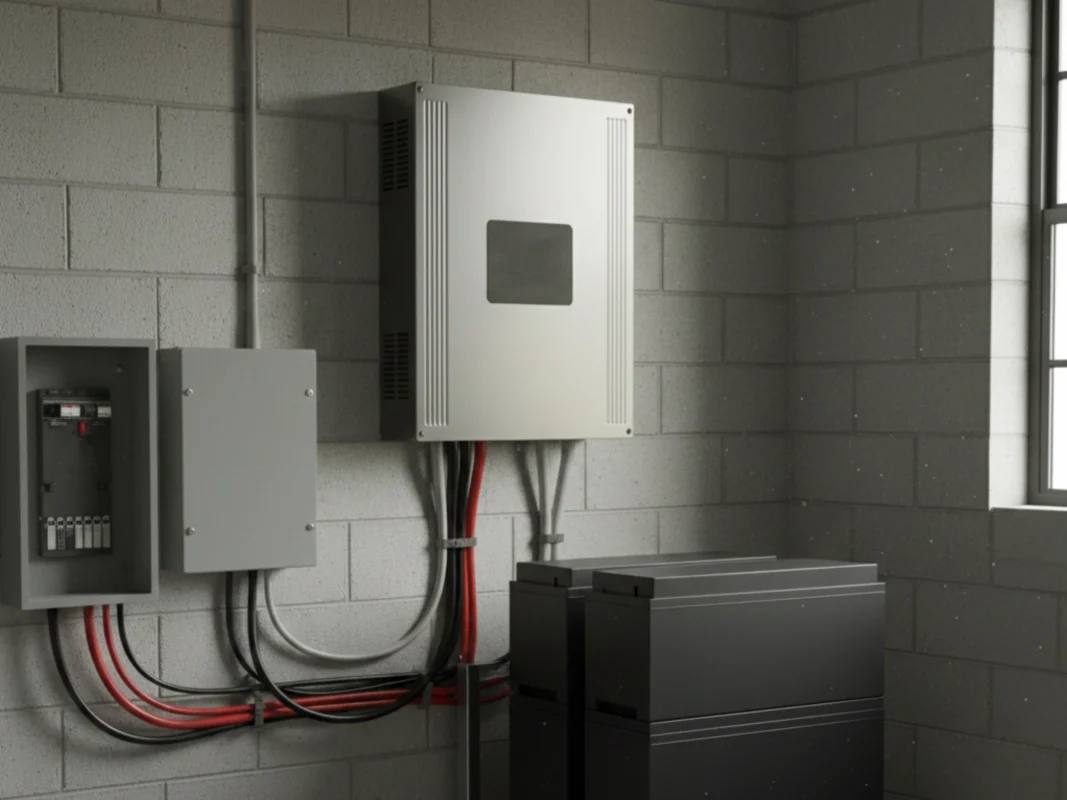
When people run into an inverter not charging battery problem, the first reaction is usually, “The inverter must be broken.”
In reality, that’s rarely the full story.
From hands-on experience, most charging failures come down to a few repeat offenders. Some are obvious once you know where to look. Others are sneaky and can waste days if you’re checking the wrong thing.
Let’s walk through the most common causes—starting with the simplest and working our way up.
This one sounds basic, but it causes more inverter not charging battery issues than anything else.
A battery connection can look “fine” at a glance and still fail under load. Slightly loose terminals, oxidized cable ends, or poorly crimped lugs can all block charging current. The inverter may power on, show normal voltage, and still refuse to charge.
Here’s what I’ve personally seen happen:
In many cases, tightening terminals or cleaning corrosion immediately resolves the inverter not charging battery issue. If you only check one thing, start here.
Voltage mismatch is a silent deal-breaker.
If your inverter is designed for one system voltage and your battery bank is wired differently, charging simply won’t happen. The inverter’s protection logic steps in and shuts charging down to avoid damage.
Common scenarios include:
This is one of those inverter not charging battery situations where everything “turns on,” but nothing actually works the way it should.
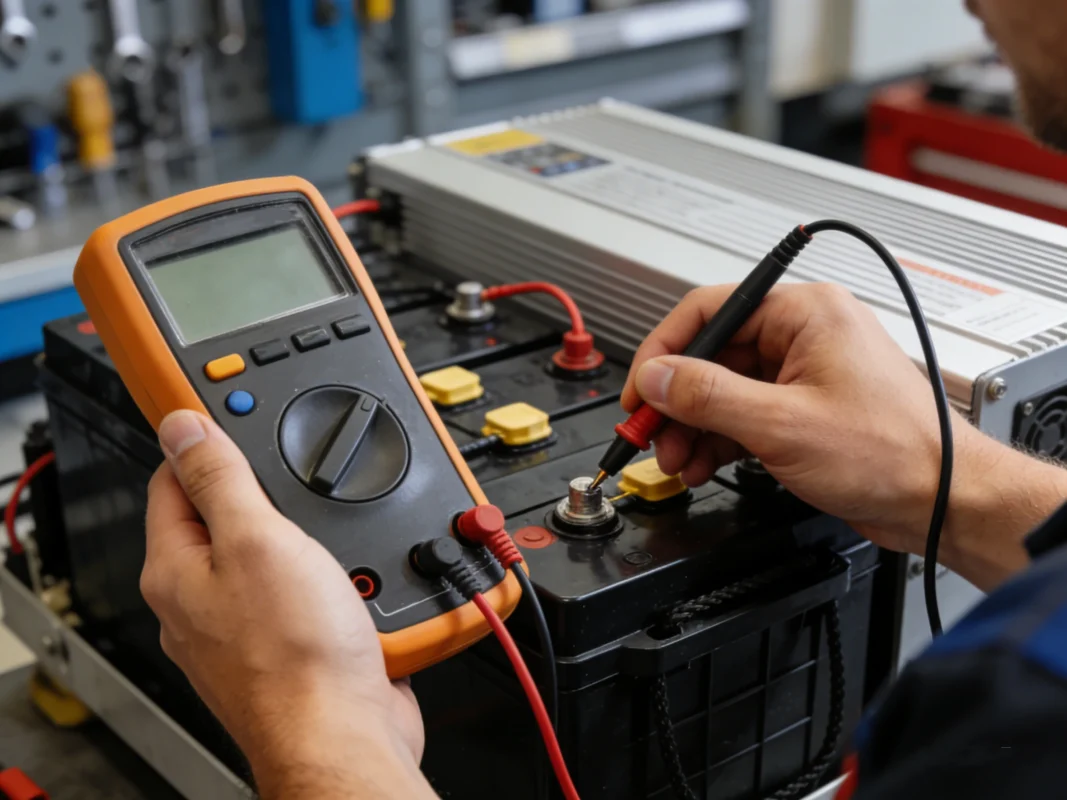
Always confirm the total battery voltage with a multimeter—not just the label on the battery.
If wiring and voltage are correct, the problem may be internal.
Inside every inverter is a charging circuit responsible for regulating current and voltage. If that section is damaged, the inverter can still operate normally while refusing to charge the battery.
Typical signs include:
In these cases, inverter not charging battery isn’t caused by user error. It’s often the result of power surges, overheating, or long-term stress on the charging components.
Here’s a frustrating truth: sometimes the inverter isn’t charging because it can’t.
If a battery has been deeply discharged for too long, its voltage may fall below the inverter’s minimum detection threshold. When that happens, the inverter doesn’t even recognize the battery as chargeable.
This leads to a classic inverter not charging battery loop:
Older batteries with internal damage can behave the same way. They may show voltage briefly, then collapse under charging current.
Modern inverters rely heavily on software settings, and one wrong value can stop charging entirely.
Common configuration mistakes include:
I’ve seen many inverter not charging battery problems solved simply by reviewing settings line by line. No tools, no replacements—just careful configuration.
If your inverter was recently installed, updated, or reset, settings should always be your next stop after wiring checks.
This cause is often overlooked.
If the inverter is busy supplying heavy loads, it may temporarily pause or limit battery charging. Some systems are designed to prioritize output over charging, especially when power demand is high.
Symptoms include:
In these cases, the inverter not charging battery issue isn’t a fault—it’s a design decision. Reducing load or adjusting priority settings usually fixes it.
Batteries don’t like extremes, and inverters know it.
High temperatures can trigger charging cutbacks to prevent overheating. Low temperatures slow chemical reactions inside the battery, making charging inefficient or impossible.
If your inverter not charging battery problem appears only during very hot afternoons or cold mornings, temperature compensation may be the real reason—not hardware failure.
Understanding these common causes changes how you troubleshoot. Instead of guessing or replacing parts blindly, you can narrow the issue down logically.
In most real-world cases of inverter not charging battery, the fix is:
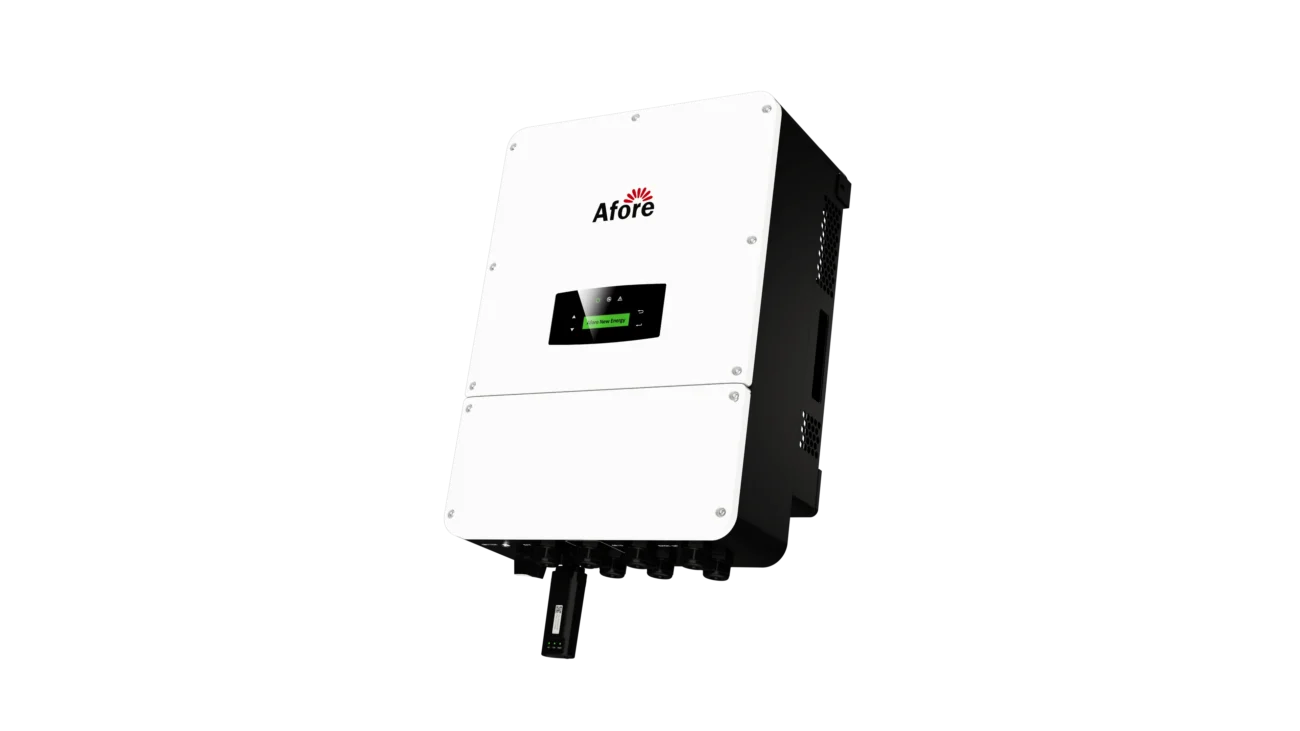
A solar inverter can’t charge if input voltage is too low. Cloudy days, shading, or incorrect panel wiring all contribute.
Many solar inverter systems have built-in charge controllers. If that section fails, charging stops even though the inverter still works.
Grid-first, solar-first, battery-first—choose wrong, and you’ll see inverter not charging battery even when everything else looks perfect.
If grid power is available, some systems intentionally stop charging batteries to reduce wear.
When you’re facing an inverter not charging battery issue, guessing is the fastest way to waste time—and sometimes money.
The good news is that most charging problems can be narrowed down quickly if you follow a clear, logical process.
This step-by-step approach is based on real-world troubleshooting, not theory. Start from the simplest checks and move forward only when each step is confirmed.
Before touching the inverter, check the battery itself.
Displays can be misleading. An inverter may show “battery connected” even when the actual voltage is too low to accept a charge. This is one of the most common reasons for an inverter not charging battery situation.
What to do:
If the voltage is far below normal, the inverter may intentionally refuse to charge. In that case, the problem isn’t the inverter—it’s battery condition or deep discharge.
This single test often explains an inverter not charging battery problem within minutes.
Once voltage is confirmed, move to the physical connections.
Loose cables, corroded terminals, and partially blown fuses can all interrupt charging current while still allowing the inverter to power on. I’ve seen countless cases where everything “looked fine,” yet the inverter not charging battery issue was caused by one weak connection.
What to look for:
Even a small amount of resistance can block charging. Tightening and cleaning connections has resolved more inverter not charging battery problems than any software adjustment ever will.
Modern inverters rely heavily on configuration. If settings are wrong, charging may be limited or disabled entirely.
This is where many people get stuck, especially after a system reset or installation. An inverter not charging battery problem often comes down to one overlooked setting.
Key settings to verify:
Take your time here. Don’t assume defaults are correct. Many systems ship with conservative or generic values that don’t match your battery setup.
From experience, incorrect settings account for a large percentage of persistent inverter not charging battery complaints.
An inverter can charge from multiple sources, but troubleshooting requires isolation.
If solar, grid, or generator inputs are all connected at once, it becomes difficult to identify where the failure is happening. A clean test is essential when diagnosing inverter not charging battery issues.
How to test properly:
If charging works with one source but not another, the problem isn’t the inverter—it’s the input path or control logic.
This step is especially important in systems where users assume the inverter is faulty, when in reality the charging source is inactive or insufficient.
Load matters more than most people think.
If the inverter is supplying heavy loads, charging may be paused or severely limited. In some setups, output priority automatically overrides battery charging.
To test this:
If charging starts once loads are reduced, the inverter not charging battery issue is load-related, not a hardware fault.
This step often surprises users because the inverter appears healthy, yet charging never occurs under normal usage conditions.
Charging behavior changes with temperature.
High heat can trigger protective limits that reduce or stop charging. Cold environments slow battery chemistry, making it appear as if the inverter not charging battery, when in fact it’s protecting the system.
Pay attention to:
Environmental factors don’t always cause permanent issues, but they frequently explain intermittent inverter not charging battery complaints.
Finally, don’t ignore what the inverter is trying to tell you.
Error messages, warning lights, or status codes often point directly to charging-related issues. Many users skip this step and jump straight to conclusions.
Common indicators include:
Document these warnings before resetting anything. They provide valuable clues and help avoid repeated inverter not charging battery problems.
Old batteries accept less charge. The inverter may think charging is complete when it’s not.
Sulfated batteries show voltage quickly but store almost no energy—classic inverter not charging battery confusion.
Lead-acid, lithium, gel—each needs different charging behavior.
Cold batteries charge slowly. Hot batteries trigger safety limits.
If you’ve already dealt with an inverter not charging battery situation, you probably don’t want to experience it again. The good news is that most charging failures are preventable.
Prevention isn’t about complicated upgrades or expensive components. It’s about habits, configuration, and understanding how your system behaves over time. The following practices come directly from real-world use and long-term system maintenance.
Routine checks are the single most effective way to prevent an inverter not charging battery problem from showing up unexpectedly.
Battery and inverter systems operate under constant electrical stress. Small issues—loose connections, corrosion, heat buildup—grow quietly until charging suddenly stops.
A practical maintenance routine should include:
These checks take minutes but prevent hours of troubleshooting later. From experience, many inverter not charging battery cases could have been avoided with simple, periodic inspections.
Undersized systems are more likely to fail—and charging problems are often the first symptom.
If the inverter is constantly operating near its limit, charging becomes secondary. Over time, this leads to chronic inverter not charging battery issues, especially during high-demand periods.
To reduce risk:
Systems that are properly sized run cooler, charge more consistently, and experience fewer interruptions in battery charging.
Configuration matters just as much as hardware.
Many users set up their system once and never revisit the settings. Over time, usage patterns change, batteries age, and environmental conditions shift. If settings remain static, an inverter not charging battery issue becomes more likely.
Helpful configuration habits include:
In systems using a solar inverter, this step is especially important. Seasonal sunlight variation alone can affect charging behavior enough to trigger confusion if settings aren’t reviewed.
Batteries rarely fail suddenly. They give warning signs long before an inverter not charging battery problem becomes obvious.
Early indicators include:
Tracking voltage and basic performance trends helps identify declining battery health early. When batteries are maintained proactively, charging issues are far less likely to escalate.
Repeated deep discharge shortens battery life and increases the chance of charging refusal.
Once batteries are pushed below safe thresholds too often, inverters may stop charging altogether as a protective measure. This leads directly to the familiar inverter not charging battery complaint.
Prevent this by:
Balanced usage protects both the inverter and the battery bank.
Heat and poor ventilation quietly damage charging performance.
High temperatures increase internal resistance and trigger protective limits, while cold environments slow battery chemistry. Both can cause intermittent inverter not charging battery behavior that’s difficult to diagnose later.
Preventive steps include:
Stable operating conditions lead to stable charging behavior.
An inverter not charging battery problem can feel overwhelming—but it rarely is. With the right checks, a bit of patience, and a clear understanding of how your solar inverter actually works, most issues are solvable.
This is extremely common.
An inverter can power on and supply AC output while still failing to charge the battery. When inverter not charging battery happens in this situation, the usual causes are incorrect charging settings, battery voltage outside acceptable range, or a charging source that isn’t actually active.
Always remember: output working does not automatically mean charging is working.
Yes, temporarily.
Many systems can run directly from an external power source even when the inverter not charging battery issue exists. The danger is that once the external source disappears, the battery won’t be ready to take over.
This gives a false sense of security and often delays proper troubleshooting.
The fastest way is direct measurement.
If battery voltage drops rapidly under load, fails to rise during charging, or sits far below normal levels, the inverter may intentionally refuse to charge. In many inverter not charging battery cases, the battery itself is the limiting factor—not the inverter.
Absolutely.
As batteries age, internal resistance increases and usable capacity decreases. This can cause charging to stop early or behave unpredictably, leading users to believe the inverter not charging battery, when in reality the battery can no longer accept energy efficiently.
Battery age is one of the most underestimated causes.
Yes, very often.
If loads are prioritized over charging, the inverter may pause or limit battery charging entirely. This is especially noticeable during peak usage periods.
In these cases, inverter not charging battery is not a fault—it’s the system protecting itself.
This usually relates to charging stages or battery condition.
As batteries reach higher charge levels, charging current naturally decreases. With older or damaged batteries, voltage may rise quickly and trick the inverter into thinking charging is complete, resulting in an inverter not charging battery complaint.
Yes—and it happens more than people expect.
Wrong battery type selection, disabled charging options, or conservative current limits can all prevent charging. Many persistent inverter not charging battery cases are solved by reviewing configuration alone.
Settings matter just as much as hardware.
Very much so.
Extreme heat or cold can trigger protective limits inside the inverter or reduce battery efficiency. This can cause intermittent inverter not charging battery behavior that only appears during certain times of day or seasons.
Environmental conditions should always be part of the diagnosis.
It can be.
If batteries remain undercharged or repeatedly cycle improperly, they may overheat, swell, or degrade rapidly. An unresolved inverter not charging battery issue shouldn’t be ignored, especially in enclosed or poorly ventilated areas.
Safety checks are just as important as restoring charging.
No—replacement should be the last step.
In most real-world cases, inverter not charging battery is caused by wiring, settings, battery condition, or load behavior. Replacing the inverter without diagnosis often leads to the same problem repeating.
Always verify the basics before considering replacement.
Charging isn’t always instant.
Depending on battery size and condition, it may take 15–30 minutes before voltage changes are noticeable. If nothing changes after a reasonable observation period, the inverter not charging battery issue may still exist and needs further investigation.
Yes, and those are the hardest to diagnose.
Intermittent issues are often caused by temperature, loose connections, or load fluctuations. These cases reinforce why methodical troubleshooting and regular monitoring are essential.








 Turkish
  Romanian