




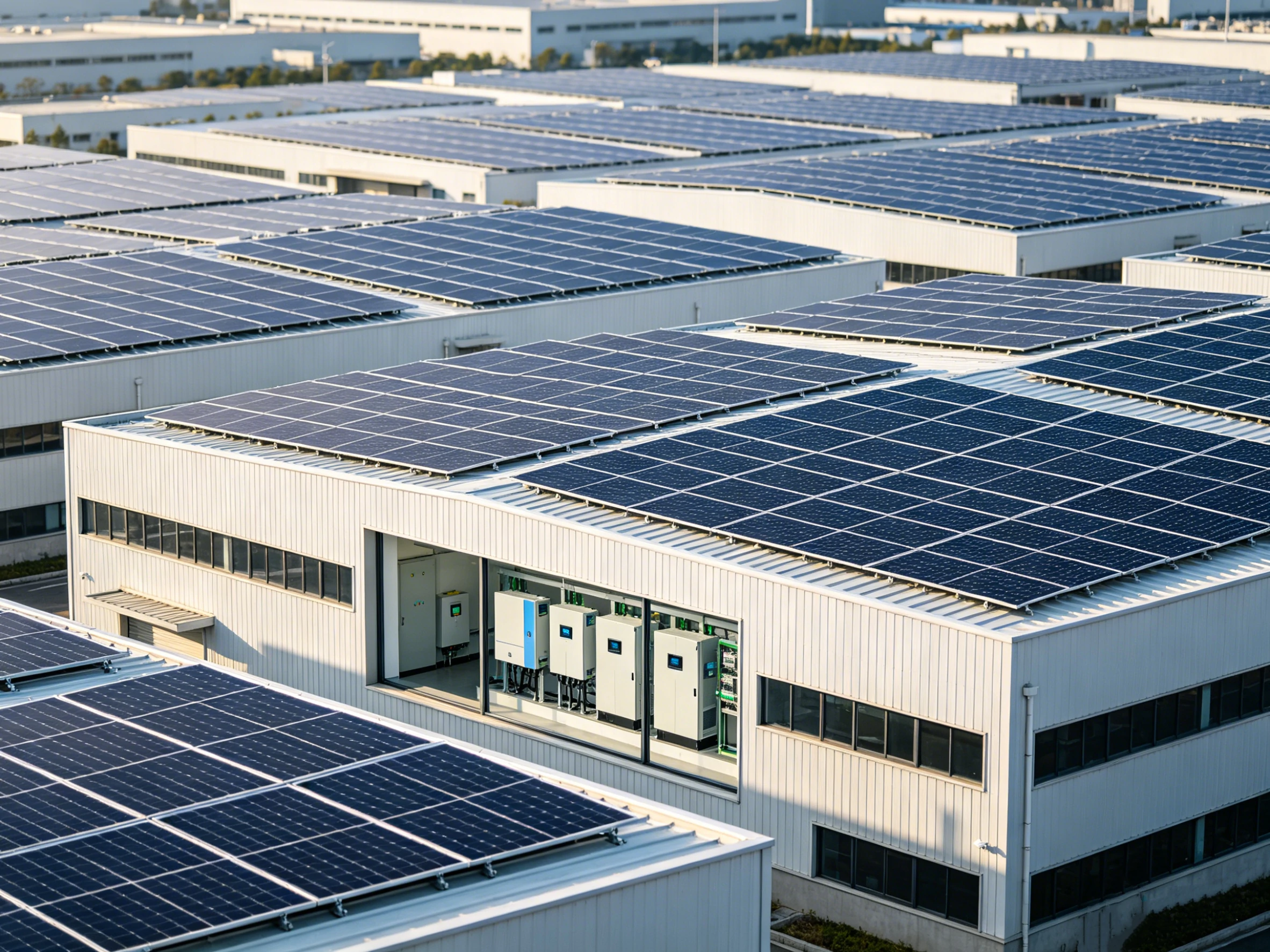
If you’re in the solar business, energy contracting, or commercial EPC space, you’ve probably noticed one thing recently: demand for commercial hybrid inverter wholesale solutions is exploding.
Businesses don’t just want solar anymore—they want smart energy systems that combine solar, storage, and grid flexibility in one integrated platform. And that’s exactly where commercial hybrid inverter wholesale supply becomes a game-changer.
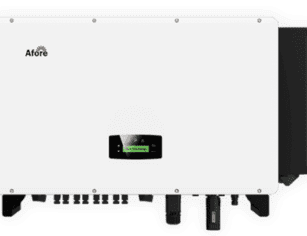
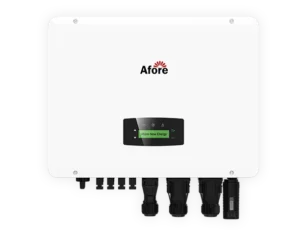
In this guide, we’ll break everything down in a practical, real-world way—from sourcing Bulk hybrid inverters to evaluating commercial ESS solutions, selecting 3-phase hybrid inverter systems, and choosing reliable manufacturers like Afore.
A hybrid inverter is the brain of a modern solar + storage system. It manages energy from solar panels, batteries, and the grid simultaneously.
When we talk about commercial hybrid inverter wholesale, we’re referring to purchasing these systems in bulk for commercial-scale installations—factories, malls, warehouses, farms, and even utility-adjacent microgrids.
Unlike residential systems, commercial hybrid inverter wholesale solutions must handle:
That’s why commercial grade PV inverters are designed with more robust components and smarter energy management algorithms.
Buying one inverter is easy. Buying 100+ units is where strategy matters.
With commercial hybrid inverter wholesale, businesses benefit from:
Many EPC contractors now rely heavily on Bulk hybrid inverters because project scaling demands predictable supply chains.
And in competitive markets like the US, where wholesale solar equipment USA procurement is booming, pricing advantage can decide whether you win or lose a project.
The global energy landscape is shifting rapidly, and businesses are no longer willing to rely solely on unstable grid power. This is one of the key reasons commercial hybrid inverter wholesale solutions are gaining momentum. Companies want more control over how they generate, store, and consume electricity, especially in industries where downtime directly impacts revenue.
By integrating solar generation with battery storage, commercial hybrid inverter wholesale systems allow businesses to operate more independently from the grid. This reduces exposure to peak pricing, outages, and unpredictable utility rate increases. As energy costs continue to rise, this level of control is becoming a strategic necessity rather than a luxury.
Another major driver behind commercial hybrid inverter wholesale adoption is the rise of intelligent energy storage systems. Modern commercial setups are no longer just about generating solar power—they are about optimizing when and how that energy is used.
Through advanced energy management functions, hybrid systems can automatically switch between solar, battery, and grid power depending on demand conditions. This makes commercial ESS solutions highly effective for peak shaving and load balancing in large facilities such as factories, warehouses, and retail centers.
Businesses also prefer scalable solutions that grow with their energy needs. Bulk purchasing of commercial hybrid inverter wholesale units allows companies to standardize infrastructure while reducing long-term operational costs. This scalability is a key factor accelerating the transition toward cleaner and smarter energy systems worldwide.
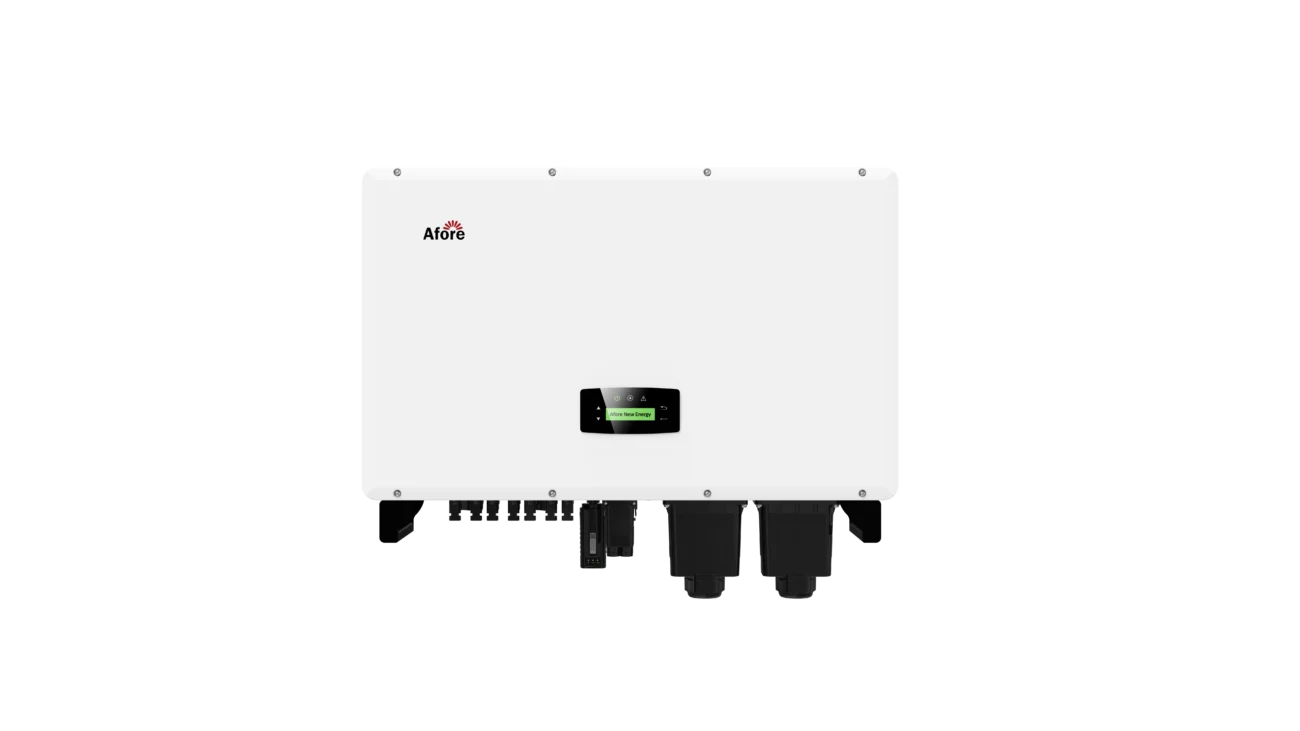
When evaluating commercial hybrid inverter wholesale options, buyers are not just comparing price tags—they are assessing long-term system reliability, efficiency, and scalability. In commercial and industrial projects, even small design differences can significantly impact operational costs and energy performance over time. That’s why understanding core technical features is essential before making bulk purchasing decisions.
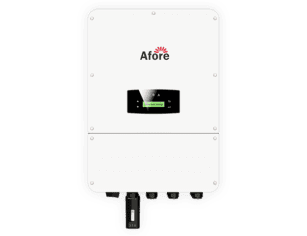
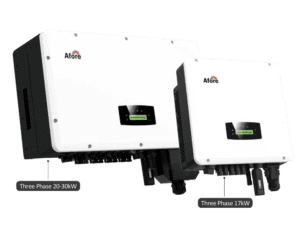
One of the most critical features in commercial hybrid inverter wholesale systems is support for three-phase power. Commercial facilities typically run heavy machinery, HVAC systems, and continuous-load equipment that require balanced power distribution. A reliable 3-phase hybrid inverter ensures stable voltage output across all phases, reducing energy loss and preventing equipment strain.
High conversion efficiency—often above 97% in advanced models—also plays a key role. Even a small efficiency gain can translate into substantial savings when scaled across large installations using Bulk hybrid inverters.
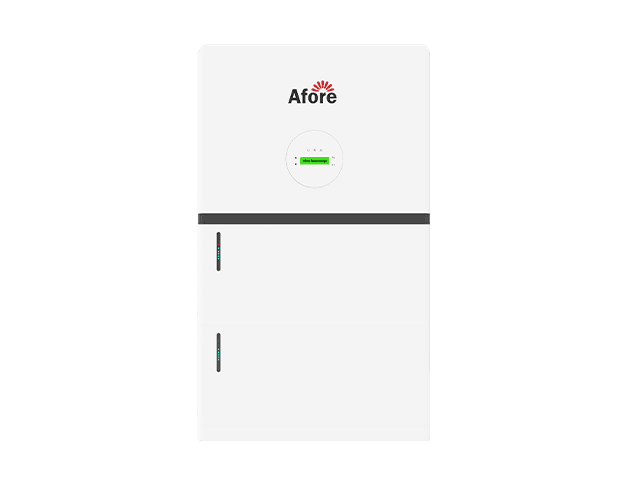
Modern commercial energy strategies rely heavily on commercial ESS solutions, making battery compatibility a top priority. A quality commercial hybrid inverter wholesale product should support a wide range of lithium-ion battery configurations, including high-voltage systems used in industrial applications.
More importantly, the inverter must offer intelligent charge and discharge control. This ensures energy is stored during low-demand or low-cost periods and discharged during peak pricing hours. Without this level of coordination, energy storage efficiency drops significantly, reducing return on investment.
Today’s energy environment demands more than basic power conversion. A strong commercial hybrid inverter wholesale solution should include advanced grid-support functions such as peak shaving, export limitation, and reactive power control. These features are especially important in regions with strict regulations under wholesale solar equipment USA standards.
Remote monitoring and smart diagnostics are also essential. They allow operators to track system performance in real time, quickly identify faults, and optimize energy usage without on-site intervention. This reduces maintenance costs and improves system uptime.
Large-scale commercial projects often expand over time, so scalability is a key requirement. A well-designed commercial hybrid inverter wholesale system should allow easy expansion without requiring a full system redesign.
Durability is equally important. Industrial environments expose equipment to heat, dust, and fluctuating loads, so robust thermal management and protective housing are critical. High-quality commercial grade PV inverters are engineered specifically for these harsh conditions, ensuring consistent performance over many years of operation.
In short, selecting the right commercial hybrid inverter wholesale product means balancing efficiency, integration capability, and long-term operational stability.
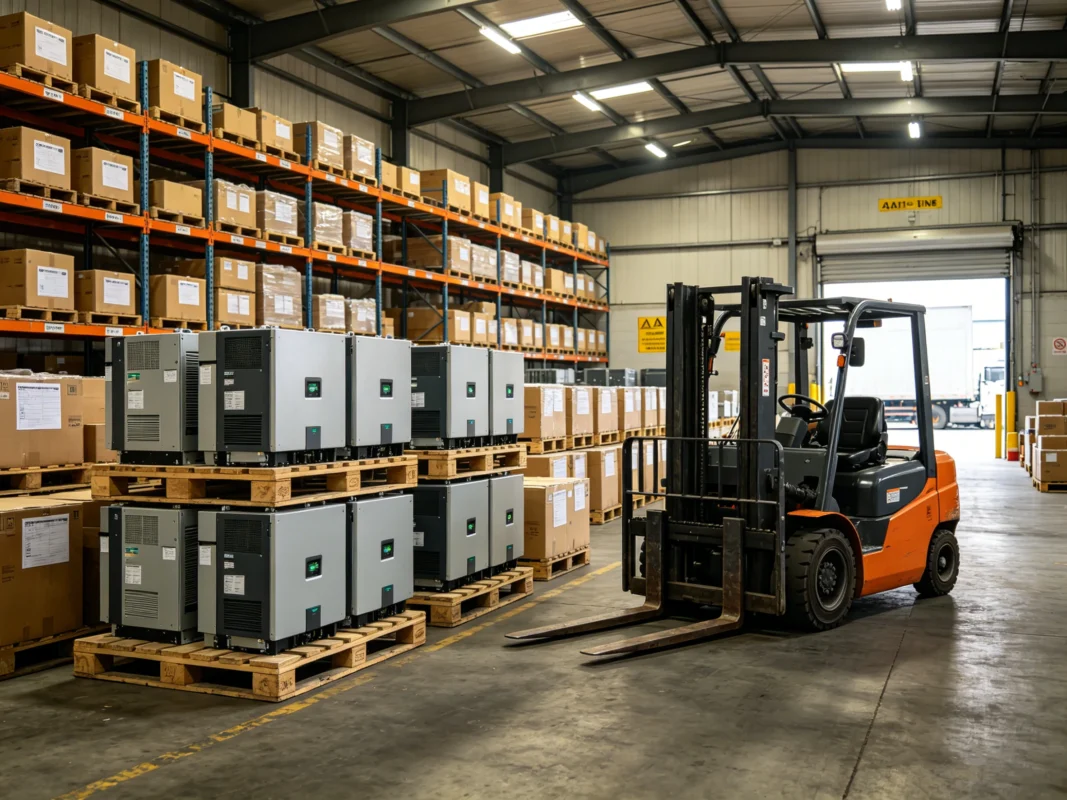
Not all suppliers are equal. In fact, this is where most buyers make mistakes.
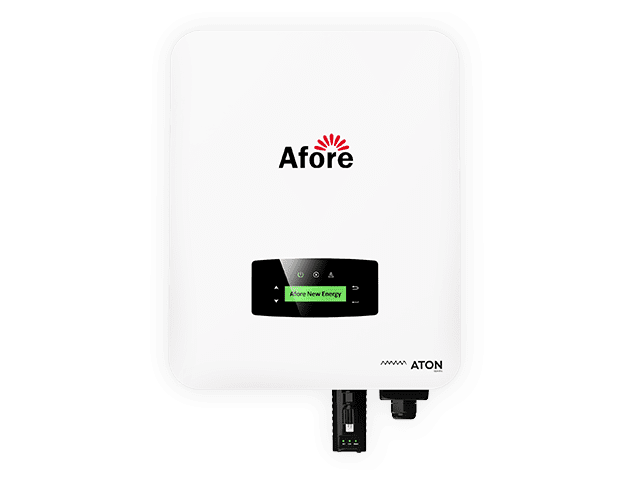
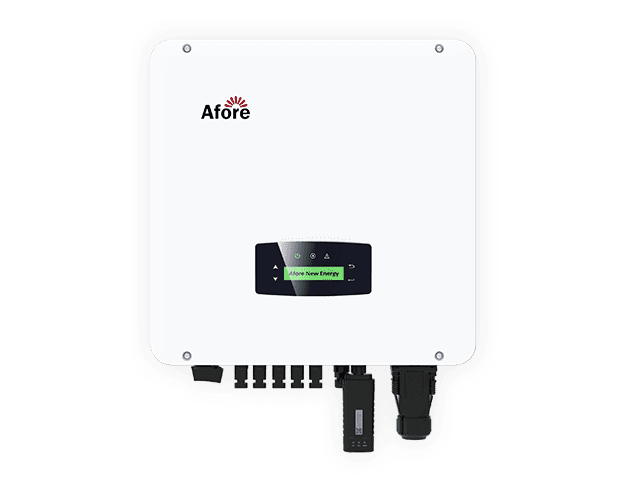
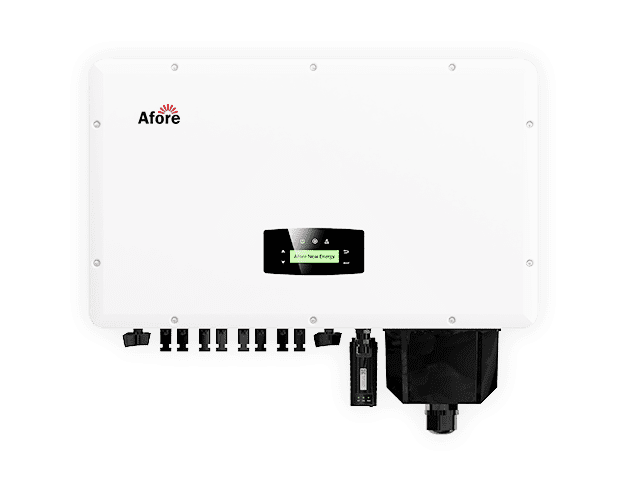
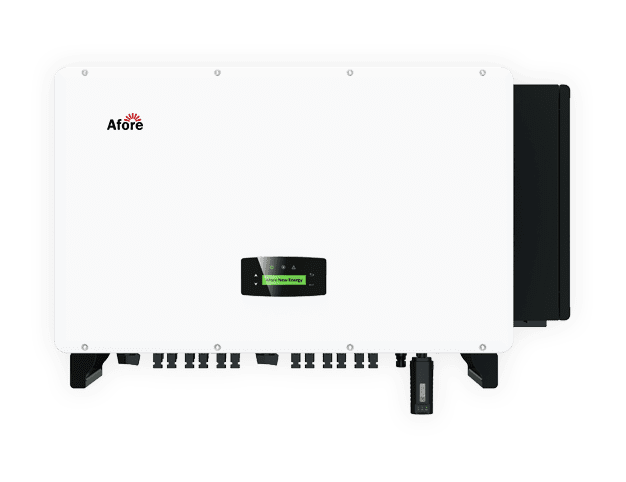
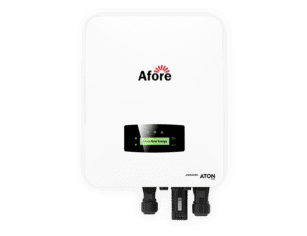
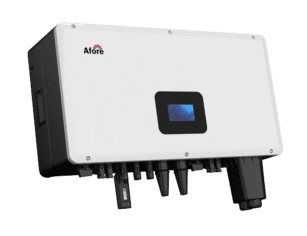
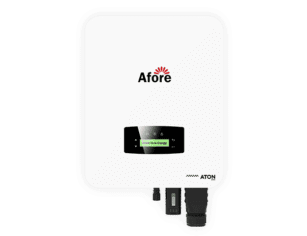
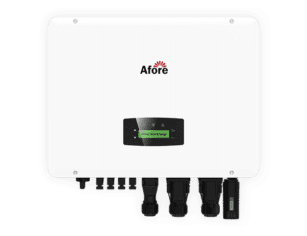
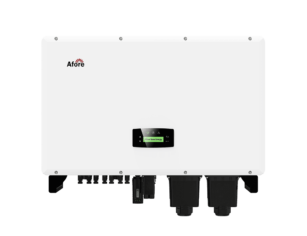
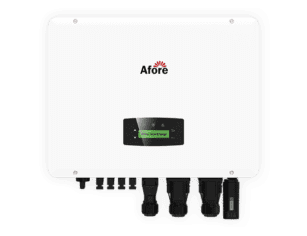
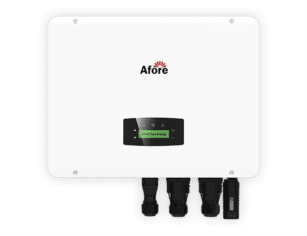
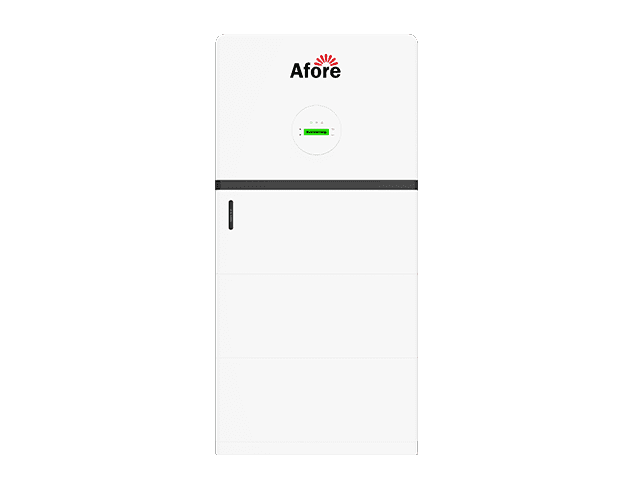
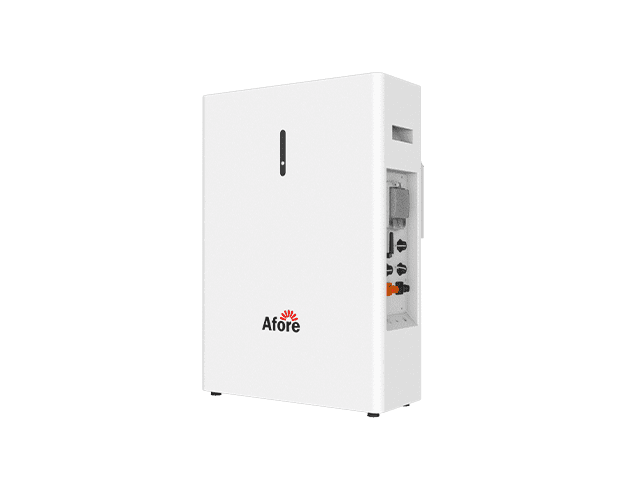
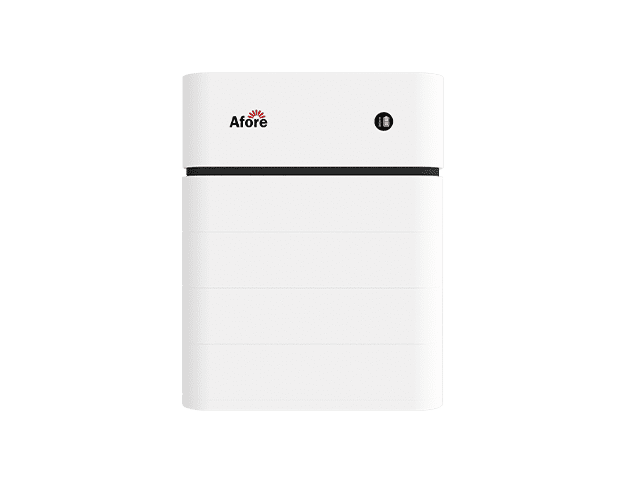
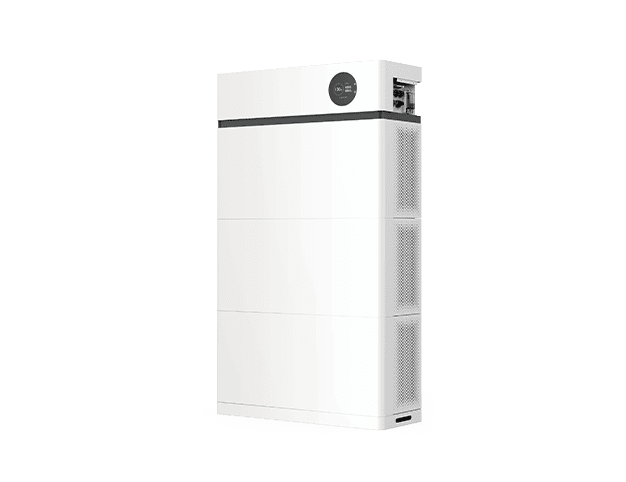
Reliable brands like Afore have built credibility in delivering stable commercial hybrid inverter wholesale solutions across global markets.
What you should evaluate:
When sourcing Bulk hybrid inverters, the goal is not just cost reduction.
It’s about:
Many EPC companies fail because they mix too many inverter models in one project.
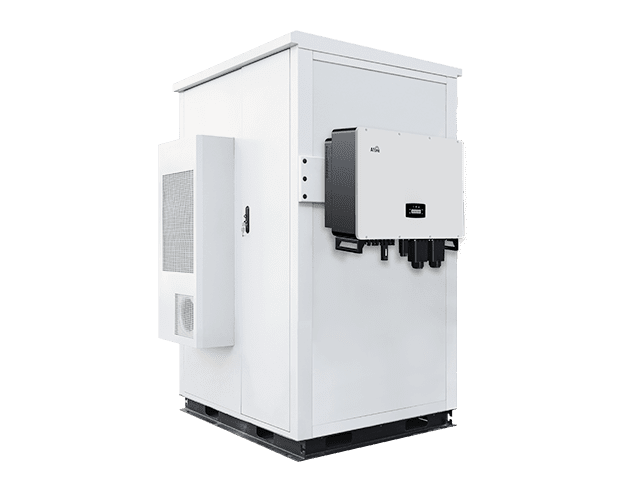
A strong supplier should not only sell inverters but also provide integrated commercial ESS solutions.
This ensures:
Without this integration, even high-quality commercial hybrid inverter wholesale units can underperform.
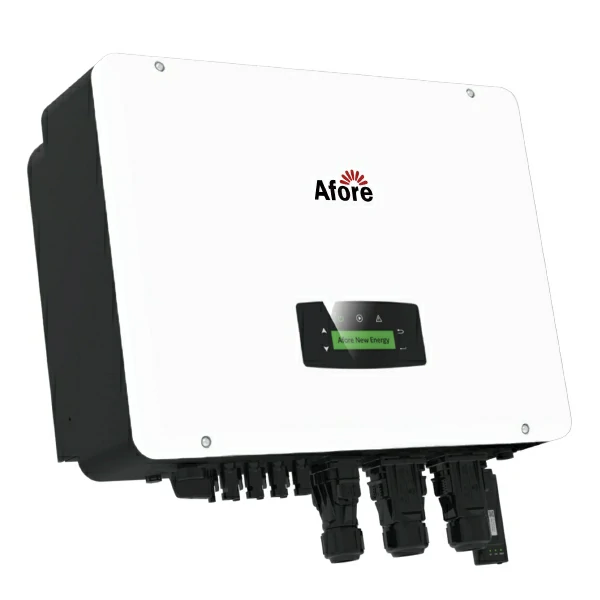
Understanding how these systems actually work under the hood helps you make smarter decisions when sourcing commercial hybrid inverter wholesale solutions. At a commercial scale, performance isn’t just about specs on paper—it’s about how efficiently and reliably the system operates day after day under real load conditions.
At its core, a commercial hybrid inverter wholesale system is responsible for converting DC power from solar panels into usable AC electricity. High-end units typically achieve efficiency levels above 97%, which may not sound dramatic at first—but across large installations, that small percentage translates into significant energy savings.
More importantly, these systems optimize energy flow in real time. They prioritize solar usage, then battery storage, and finally grid power when needed. This layered approach is what makes commercial ESS solutions so effective in reducing operational energy costs.
One of the defining features of modern commercial hybrid inverter wholesale systems is intelligent load management. Instead of passively converting power, these inverters actively decide how energy is distributed across the facility.
For example, during peak demand periods, stored energy can be discharged to avoid high utility charges. During low-demand hours, excess solar energy can be stored for later use. This dynamic control is especially valuable when deploying Bulk hybrid inverters across multiple sites, where consistent performance and centralized monitoring are essential.
Scalability is another key technical advantage. Most commercial hybrid inverter wholesale systems are designed with modular architecture, allowing additional units to be added as energy demand grows.
This is particularly important for businesses planning phased expansions. Instead of overspending upfront, they can deploy a base system and scale gradually using compatible 3-phase hybrid inverter units. Combined with durable commercial grade PV inverters, this modular approach ensures long-term flexibility without compromising system stability.
The demand for wholesale solar equipment USA is growing rapidly due to:
Commercial buyers are increasingly choosing commercial hybrid inverter wholesale systems to stabilize long-term energy expenses.
In many cases, US-based EPC companies now prefer suppliers offering both 3-phase hybrid inverter systems and full commercial ESS solutions.
Sourcing commercial hybrid inverter wholesale systems isn’t just a purchasing decision—it’s a long-term infrastructure investment. Yet many buyers, especially those scaling quickly, fall into avoidable traps that end up costing far more down the line. Understanding these common mistakes can save both time and capital.
One of the biggest mistakes in commercial hybrid inverter wholesale procurement is focusing too heavily on upfront cost. A lower unit price might look attractive, especially when ordering Bulk hybrid inverters, but it often comes with trade-offs in efficiency, durability, or support.
In commercial environments, downtime is expensive. A slightly higher investment in reliable commercial grade PV inverters typically results in better performance, fewer failures, and lower maintenance costs over time. Smart buyers evaluate total cost of ownership, not just initial pricing.
Another frequent issue is overlooking compatibility with commercial ESS solutions. Not all hybrid inverters integrate seamlessly with every battery type or configuration. Mismatched systems can lead to poor charging performance, reduced battery lifespan, or even system instability.
Before committing to any commercial hybrid inverter wholesale order, it’s critical to verify communication protocols, voltage ranges, and energy management capabilities. A well-integrated system ensures smoother operation and maximizes the return on both solar and storage investments.
Commercial applications vary widely, from warehouses to manufacturing plants. Selecting the wrong inverter type—especially when it comes to phase configuration—is a costly mistake. Many buyers underestimate the importance of a 3-phase hybrid inverter, which is essential for handling heavy and unbalanced loads in most commercial settings.
Using an underpowered or improperly configured system can lead to inefficiencies, equipment stress, and operational disruptions.
In regulated markets, failing to meet certification standards can delay or even halt a project. Buyers sourcing commercial hybrid inverter wholesale solutions for markets like the United States must ensure compliance with local grid requirements tied to wholesale solar equipment USA standards.
Skipping this step may result in failed inspections, additional costs, or forced equipment replacement.
Even the best commercial hybrid inverter wholesale systems require ongoing support. Some buyers assume that once the equipment is installed, the job is done. In reality, firmware updates, troubleshooting, and performance optimization are part of long-term system management.
Without reliable technical support, resolving issues across large deployments of Bulk hybrid inverters becomes slow and costly. Strong after-sales service is not optional—it’s essential for maintaining system uptime and protecting your investment.
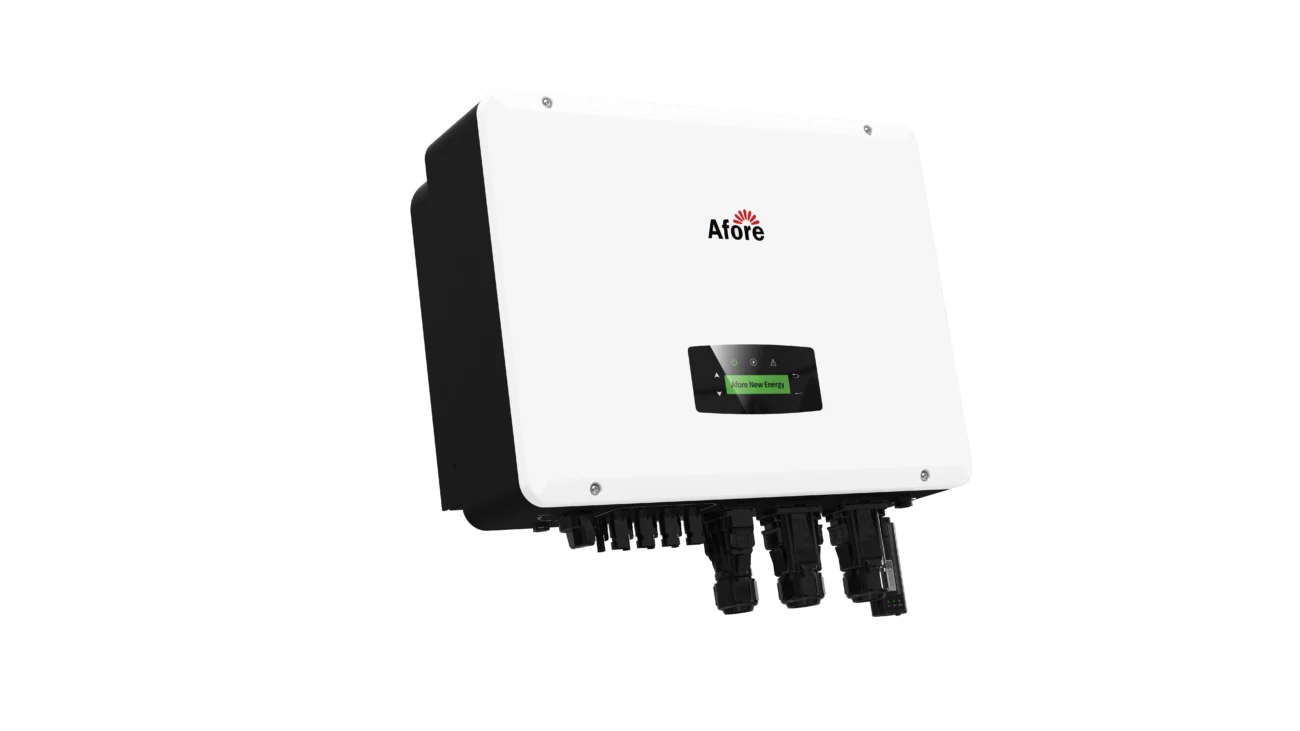
If you are sourcing commercial hybrid inverter wholesale, follow this checklist:
Never rush bulk purchasing decisions.
The global energy market is moving fast, and commercial hybrid inverter wholesale is at the center of that transformation.
Whether you’re sourcing Bulk hybrid inverters, deploying commercial ESS solutions, or scaling with 3-phase hybrid inverter systems, the key is simple: choose reliability over shortcuts.
And in a market where commercial grade PV inverters define system performance, your supplier choice will directly impact long-term profitability.
If you get that part right, everything else becomes easier.
There isn’t a single “best” supplier for every project. The right choice depends on your market, certification requirements, and system scale. When evaluating a commercial hybrid inverter wholesale supplier, focus on product reliability, compliance with local standards, proven project experience, and responsive technical support. A strong supplier should also offer compatible commercial ESS solutions and clear documentation for large-scale deployments.
Yes, most manufacturers and distributors support bulk purchasing. Commercial hybrid inverter wholesale orders are typically designed for EPC contractors, developers, and distributors managing large installations. Buying Bulk hybrid inverters helps reduce unit costs, ensures consistency across projects, and simplifies maintenance and spare parts management.
A 3-phase hybrid inverter provides balanced power output, making it ideal for commercial and industrial loads. It improves system efficiency, supports heavy equipment, and reduces the risk of voltage instability. In commercial hybrid inverter wholesale projects, three-phase systems are often essential for maintaining performance in high-demand environments.
Certification depends on the specific model and target market. For any commercial hybrid inverter wholesale purchase, always verify whether the inverter meets required standards such as UL 1741 SB or equivalent local certifications. This ensures compliance with grid regulations and avoids project delays during inspection and commissioning.
Lead times for commercial hybrid inverter wholesale orders usually range from 2 to 8 weeks. This depends on order volume, customization requirements, and shipping logistics. For large Bulk hybrid inverters orders, it’s recommended to confirm production schedules early to avoid delays in project timelines.
Start by reviewing certifications, production capacity, and real-world project references. A reliable partner in commercial hybrid inverter wholesale should provide consistent product quality, strong after-sales support, and compatibility with commercial ESS solutions. It’s also important to assess their experience with international markets, especially if your project involves wholesale solar equipment USA standards.








 Turkish
  Romanian