



If you’re sourcing equipment for a serious solar project, you’ve probably noticed one thing fast—choosing the right three phase hybrid inverter manufacturer isn’t just a technical decision. It’s a business decision that affects performance, ROI, and your reputation.
The wrong supplier will cost you more in downtime and support headaches than you’ll ever save upfront.
So in this guide, we’ll break it all down—how to evaluate a three phase hybrid inverter manufacturer, what matters in real-world installations, and how to choose the right partner for 3-phase solar storage systems and commercial-scale deployments.
A three phase hybrid inverter is the core control unit in modern commercial solar systems. It converts DC power generated by solar panels into usable AC electricity while simultaneously managing battery storage and grid interaction. Unlike traditional inverters, it operates across three-phase power systems, which are standard in commercial and industrial environments due to their ability to handle higher loads and deliver more stable energy distribution.
What sets a solution from a reliable three phase hybrid inverter manufacturer apart is its ability to seamlessly integrate solar generation, battery storage, and grid power in real time. This means energy can be stored during off-peak hours, used during peak demand, and even fed back into the grid when needed. For businesses, that translates directly into lower energy costs and improved energy resilience.
The shift toward hybrid, three-phase systems isn’t just a trend—it’s a response to real-world energy challenges. Rising electricity prices, stricter energy regulations, and the growing demand for uninterrupted power have made traditional setups less practical.
Today’s 3-phase solar storage systems are designed for flexibility and scale. They allow commercial users to optimize energy usage, reduce reliance on unstable grids, and support high-load equipment without performance drops. When paired with high voltage hybrid inverters, these systems achieve higher efficiency and lower transmission losses, making them ideal for large installations.
Choosing the right three phase hybrid inverter manufacturer often determines whether a project runs smoothly or becomes a long-term liability. Businesses are no longer just buying hardware—they’re investing in intelligent energy systems that need to perform consistently under real operating conditions.
Choosing the wrong three phase hybrid inverter manufacturer can quietly turn a promising solar project into a long-term operational burden. On paper, many suppliers look similar, but the differences only show up once the system is running under real load conditions.
Low-quality manufacturers often cut corners in firmware stability, component selection, and testing. This can lead to unexpected shutdowns, poor grid synchronization, or inefficient battery charging cycles. In commercial environments, even short downtime can translate into significant financial loss. Another common issue is weak compatibility with 3-phase solar storage systems, which results in unstable performance when multiple loads operate simultaneously. Poor technical support also becomes a major risk when troubleshooting is needed urgently.
A dependable three phase hybrid inverter manufacturer focuses on long-term system reliability rather than just product delivery. This includes stable energy conversion performance, strong compatibility with high voltage hybrid inverters, and seamless integration with battery storage and EMS platforms.
More importantly, a reliable partner provides consistent technical support, clear documentation, and tested solutions for commercial deployment. They understand real-world operating conditions and design systems that can handle continuous load variation without performance degradation. In large-scale projects, this level of reliability directly impacts ROI, system uptime, and overall project success.
When evaluating a three phase hybrid inverter manufacturer, it’s easy to get lost in specifications and marketing claims. In real projects, however, only a few core features truly determine whether a system will perform reliably over time. These are the factors that separate a basic supplier from a long-term commercial energy partner.
One of the first things to check is whether the three phase hybrid inverter manufacturer supports high voltage hybrid inverters architecture. High-voltage systems are now widely used in commercial and industrial solar installations because they reduce current flow, minimize energy loss, and improve overall system efficiency.
A capable manufacturer should offer stable compatibility with a wide voltage range, typically supporting lithium battery systems designed for scalable storage. This ensures smoother energy transfer between solar generation, battery storage, and grid consumption. In practical terms, it also means fewer conversion losses and better performance under heavy load conditions, especially in 3-phase solar storage systems where energy demand fluctuates throughout the day.
Modern solar installations are no longer just hardware-driven—they rely heavily on intelligent control systems. A strong three phase hybrid inverter manufacturer should provide advanced EMS integration that allows real-time monitoring and optimization.
This includes features such as load prioritization, peak shaving, time-of-use energy scheduling, and remote system diagnostics. From a B2B perspective, this level of control is essential for reducing operational costs and improving energy efficiency in commercial environments. Without a reliable EMS, even high-quality hardware cannot perform at its full potential.
Scalability is another critical factor. A professional three phase hybrid inverter manufacturer should design systems that can grow with project demand. This includes support for parallel inverter connections, modular system expansion, and flexible configuration options.
In real-world applications, energy needs rarely stay the same. Factories expand, commercial buildings add new equipment, and energy consumption patterns change over time. A scalable system ensures that businesses do not need to replace their entire setup when upgrading capacity.
No matter how advanced the system is, it must meet strict safety and regulatory standards. A reliable three phase hybrid inverter manufacturer should comply with international certifications and regional grid codes.
This is especially important for export-driven projects or multinational installations. Proper certification ensures system safety, electrical stability, and smoother approval processes with local utility providers. It also reduces legal and operational risks during long-term operation.
Finally, beyond technical specifications, a trustworthy three phase hybrid inverter manufacturer must demonstrate real-world validation. This includes field-tested deployments, long-term performance data, and responsive B2B technical support.
For commercial buyers and EPC contractors, after-sales service is just as important as product quality. Fast troubleshooting, firmware updates, and engineering support can significantly reduce downtime and protect project ROI. In many cases, this is what defines a truly dependable commercial solar storage manufacturer versus a basic equipment supplier.
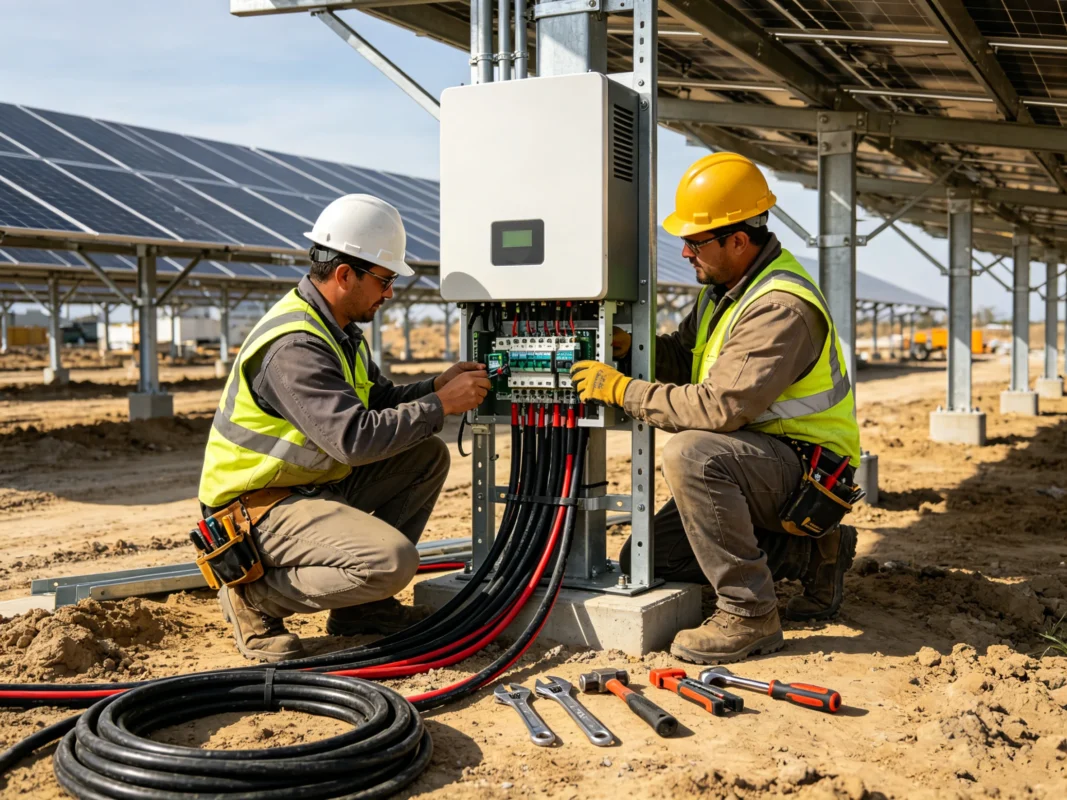
3-phase energy infrastructure has become the backbone of modern commercial and industrial solar deployment. As electricity demand grows and grid instability becomes more common, 3-phase solar storage systems are being widely adopted to improve energy reliability, reduce operating costs, and support high-load environments.
In commercial buildings such as offices, shopping centers, and hotels, energy demand fluctuates significantly throughout the day. A properly designed system using a three phase hybrid inverter manufacturer solution helps balance these fluctuations by storing excess solar energy during low-demand periods and releasing it during peak hours.
This not only reduces electricity bills but also minimizes peak demand charges, which are often a major cost driver for large facilities. Stable power distribution across three phases ensures elevators, HVAC systems, and lighting networks operate without interruption.
Factories and production lines rely heavily on continuous power. Even a brief interruption can result in production delays and financial losses. This is where 3-phase solar storage systems paired with high voltage hybrid inverters play a critical role.
They provide stable energy support for heavy machinery, reduce dependence on the grid, and improve power quality during peak operational hours. Many industrial users also integrate these systems with energy management platforms to optimize load distribution and improve operational efficiency.
In agricultural operations and remote installations, grid access is often limited or unstable. A three phase hybrid inverter manufacturer solution enables reliable off-grid or weak-grid performance, supporting irrigation systems, cold storage, and processing equipment.
These systems ensure consistent power availability even in remote environments, helping reduce fuel dependency and improving long-term operational sustainability.
Choosing a three phase hybrid inverter manufacturer is not something you can rely on spec sheets alone. In real B2B solar projects, performance, communication, and long-term support matter just as much as efficiency numbers. A structured evaluation process helps avoid costly mistakes and ensures system stability over its lifetime.
The first and most important step is verifying actual deployment history. A credible three phase hybrid inverter manufacturer should be able to provide real-world case studies, especially in commercial or industrial environments.
Look beyond marketing claims and ask for:
Manufacturers with proven experience in high voltage hybrid inverters typically demonstrate better system stability and fewer integration issues. If a supplier cannot show real installations, it’s a major warning sign.
Communication speed and clarity often reflect how a supplier handles long-term cooperation. A reliable three phase hybrid inverter manufacturer should respond quickly and provide technically accurate answers—not vague sales language.
During evaluation, pay attention to:
In many B2B solar projects, poor communication early on often leads to delays during installation or commissioning. A professional B2B solar supplier should feel like a technical partner, not just a seller.
After-sales support is where many manufacturers differ significantly. A strong three phase hybrid inverter manufacturer will offer structured technical assistance, including remote troubleshooting, firmware updates, and system optimization guidance.
Key indicators include:
In real operations, fast technical response can prevent system downtime and protect project ROI, especially in large-scale deployments.
Finally, never evaluate a three phase hybrid inverter manufacturer based only on unit price. The real cost includes efficiency performance, maintenance frequency, system lifespan, and downtime risk.
A lower-priced inverter may lead to:
Instead, calculate total lifecycle value. A slightly higher upfront investment often delivers significantly better long-term returns, especially when paired with stable high voltage hybrid inverters designed for continuous commercial operation.
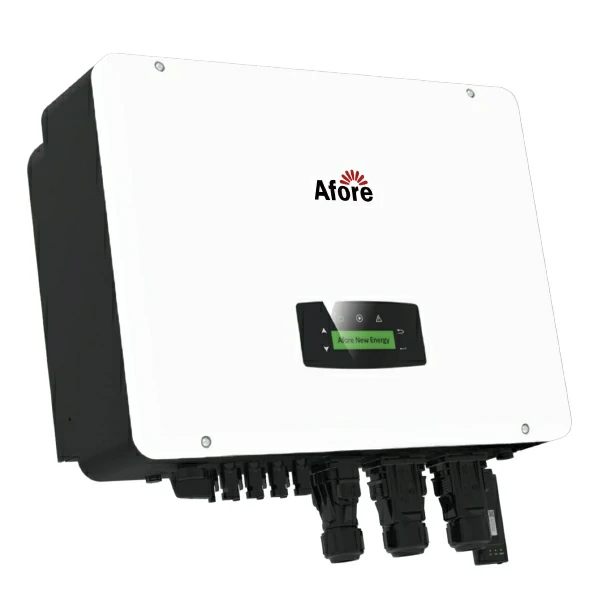
In real commercial solar projects, the choice between high voltage and low voltage systems directly impacts efficiency, installation complexity, and long-term operating cost. A professional three phase hybrid inverter manufacturer will typically recommend system design based on load profile, storage size, and application environment rather than a one-size-fits-all approach.
The most noticeable difference lies in energy conversion efficiency. High voltage hybrid inverters operate at higher DC voltage levels, which reduces current flow throughout the system. Lower current means less heat generation and reduced resistive losses in cables and components.
In contrast, low voltage systems tend to experience higher energy losses during transmission, especially in large-scale 3-phase solar storage systems. Over time, this efficiency gap becomes significant in commercial operations where energy demand is continuous and high.
From a system design perspective, a reliable three phase hybrid inverter manufacturer will prioritize high-voltage architecture for industrial and commercial applications because it delivers more stable and predictable performance under heavy load conditions.
High voltage systems also offer practical installation benefits. Because they operate with lower current, they require thinner cables and simpler wiring configurations. This reduces material costs and speeds up installation time, which is a major advantage for EPC contractors working on large projects.
Low voltage systems, on the other hand, often require thicker conductors and more complex parallel configurations to achieve the same power output. This increases both labor and engineering complexity.
In real-world deployments, experienced engineers often prefer high voltage hybrid inverters for commercial rooftops and industrial facilities due to their cleaner system architecture and easier scalability.
While low voltage systems may appear cheaper initially, the total cost of ownership tells a different story. Over time, energy losses, maintenance requirements, and limited scalability can increase operational expenses.
A well-designed system from a professional three phase hybrid inverter manufacturer using high voltage architecture typically delivers better long-term ROI. Reduced losses, improved efficiency, and lower maintenance needs contribute to overall cost savings.
For businesses investing in 3-phase solar storage systems, the long-term financial benefit of high voltage systems often outweighs the initial price difference, making them the preferred choice for commercial and industrial applications.
Selecting a three phase hybrid inverter manufacturer is a strategic decision, yet many buyers still fall into avoidable traps during procurement. These mistakes often lead to poor system performance, higher operational costs, and long-term reliability issues in 3-phase solar storage systems.
One of the most common mistakes is choosing a supplier based solely on the lowest price. While upfront cost matters, a three phase hybrid inverter manufacturer offering cheaper equipment often compromises on component quality, testing standards, or firmware stability.
In real-world commercial applications, this can result in lower efficiency, frequent maintenance, and unexpected downtime. Over time, these hidden costs outweigh any initial savings. A more reliable approach is to evaluate total system value, especially when dealing with high voltage hybrid inverters used in continuous-load environments.
Another critical error is overlooking battery-inverter compatibility. Not every three phase hybrid inverter manufacturer ensures seamless integration with different battery chemistries or voltage ranges.
Poor compatibility can lead to inefficient charging cycles, reduced battery lifespan, and unstable system behavior under load changes. This is especially important in modern 3-phase solar storage systems, where high-voltage lithium batteries are commonly used. Always verify tested compatibility rather than assuming universal support.
Many buyers rush the purchasing process without conducting proper technical due diligence. This includes failing to review certifications, ignoring real project data, or not testing sample units before bulk orders.
A professional three phase hybrid inverter manufacturer should provide transparent documentation, performance reports, and technical validation. Skipping this step increases the risk of system mismatch, compliance issues, and long-term operational instability. For commercial and industrial projects, thorough evaluation is not optional—it is essential for protecting investment and ensuring system reliability.
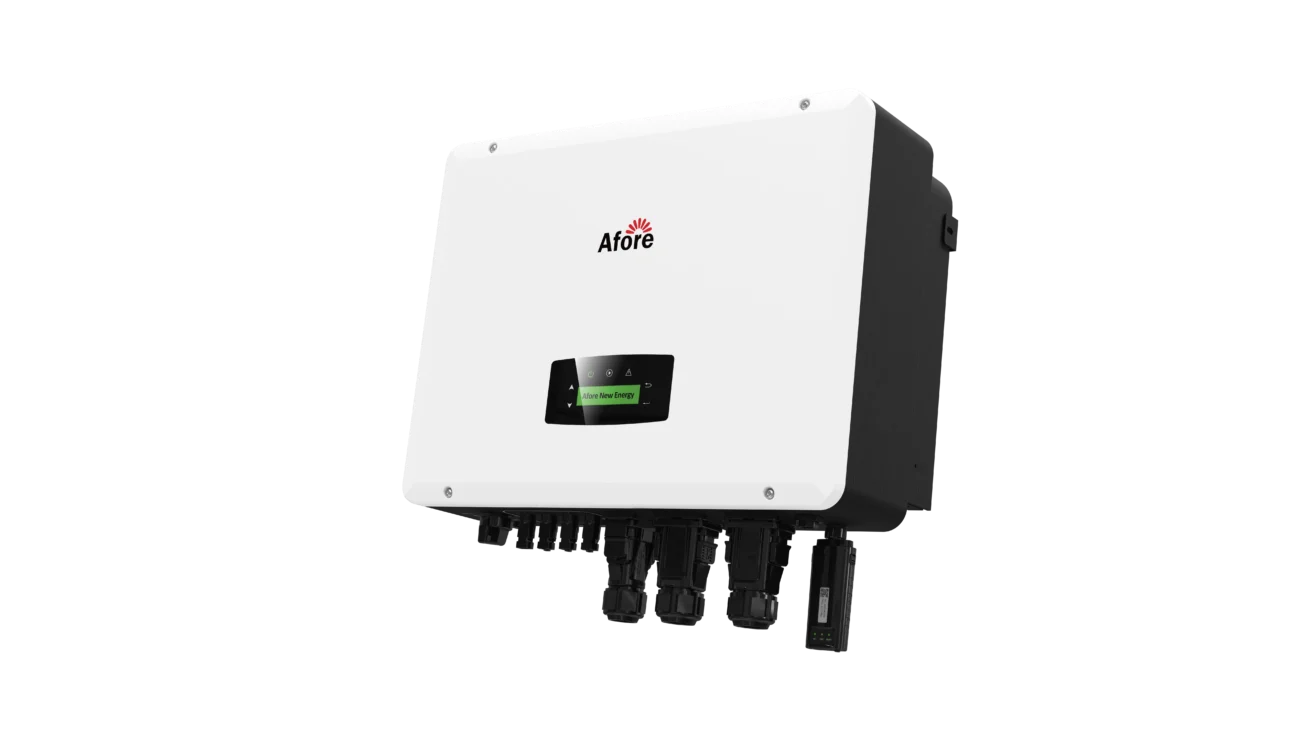
Here’s the honest truth: picking a three phase hybrid inverter manufacturer is not about finding the cheapest option—it’s about finding the most reliable long-term partner.
The right manufacturer will help you:
If you’re working in commercial solar, investing in a trusted three phase hybrid inverter manufacturer, a reliable commercial solar storage manufacturer, and a responsive B2B solar supplier is one of the smartest decisions you can make.
And once you find a good one—stick with them.
Top three phase hybrid inverter manufacturer options in 2026 are typically those with proven commercial deployments, strong certifications, and stable high voltage hybrid inverters technology. Look for manufacturers with real project references, scalable solutions for 3-phase solar storage systems, and responsive B2B technical support rather than focusing only on brand visibility.
Most products from a professional three phase hybrid inverter manufacturer range from 5kW to 50kW per unit. For larger commercial or industrial projects, multiple units can be connected in parallel, allowing systems to scale to hundreds of kilowatts or even megawatt-level 3-phase solar storage systems.
To reach a reliable B2B solar supplier, start by visiting the official website and submitting a detailed inquiry with your project requirements. You can also connect through industry exhibitions, LinkedIn, or direct email. A qualified three phase hybrid inverter manufacturer will usually respond with technical documentation, system proposals, and pricing within a short timeframe.
Using a three phase hybrid inverter manufacturer solution ensures balanced power distribution, higher efficiency, and better support for heavy electrical loads. This is especially important in commercial buildings where equipment such as HVAC systems, elevators, and machinery require stable and continuous power from 3-phase solar storage systems.
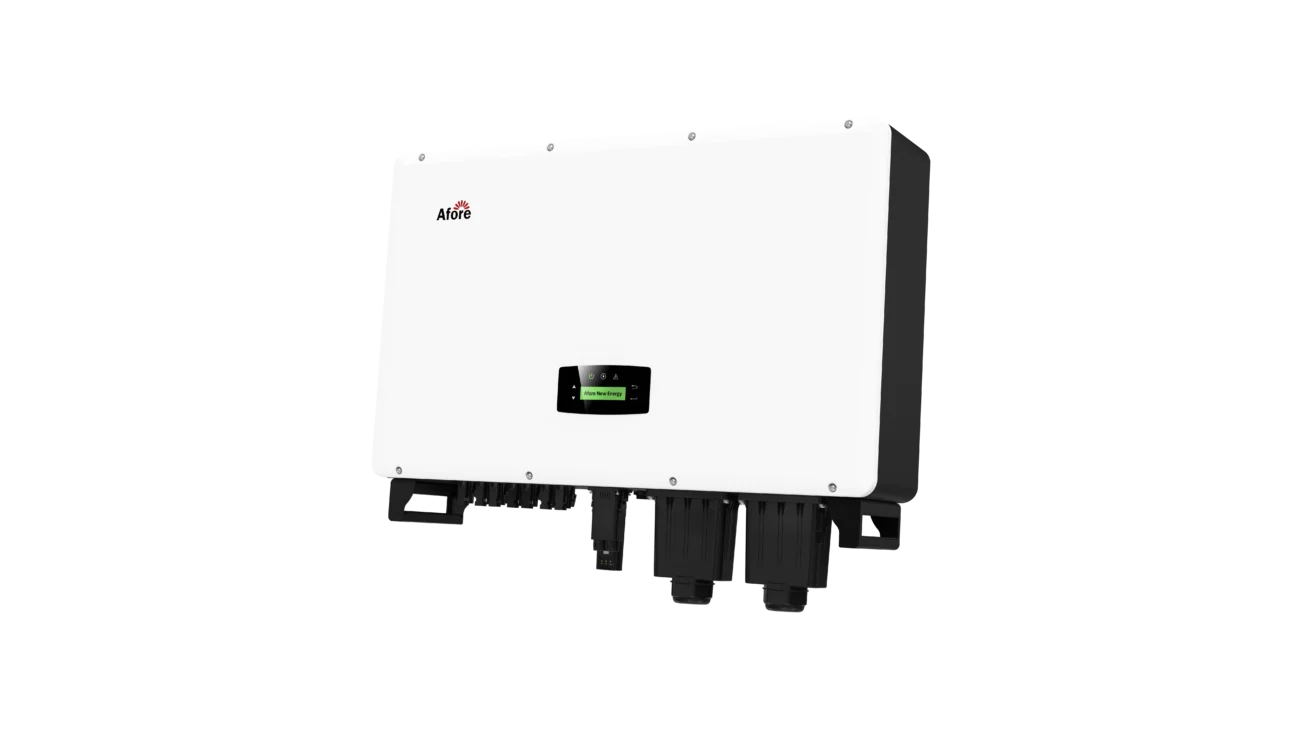
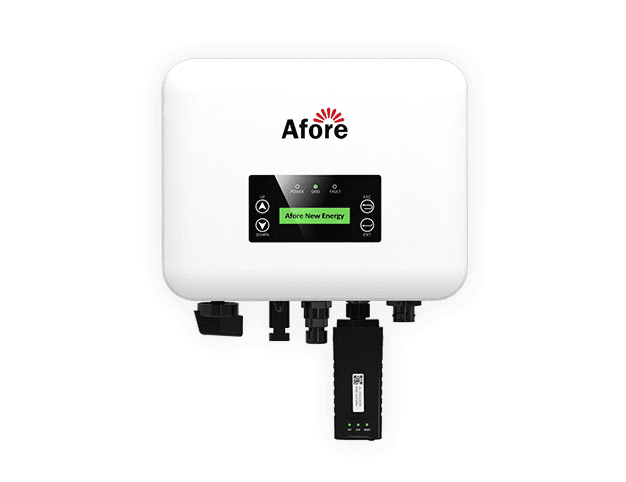
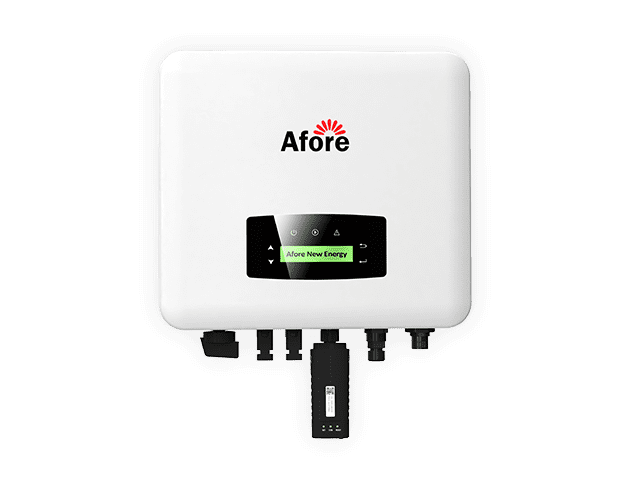
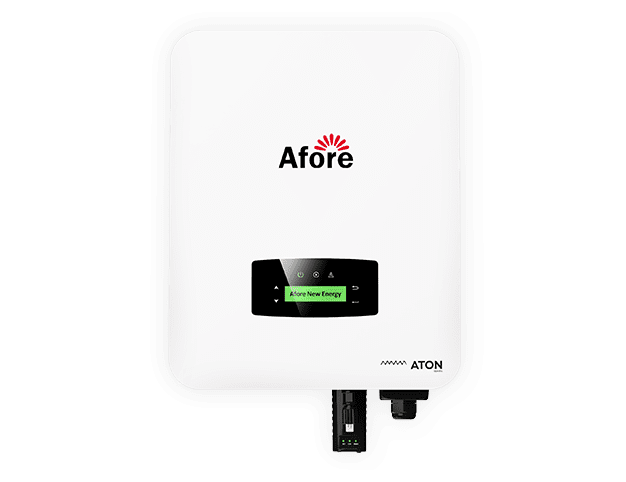
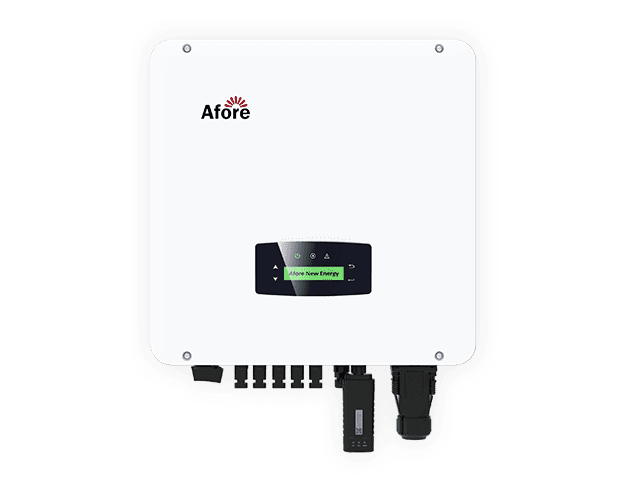
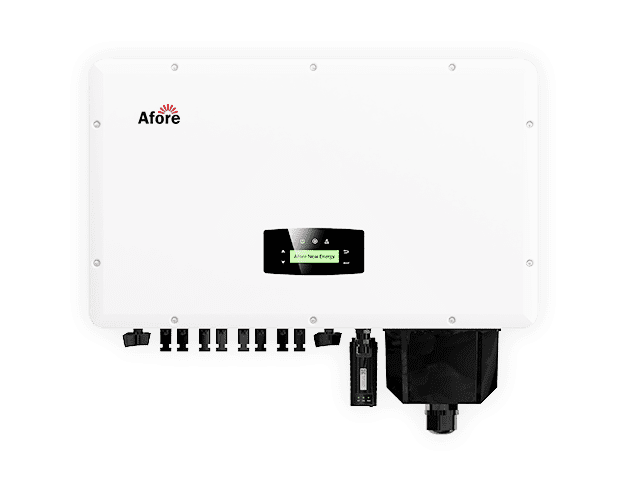
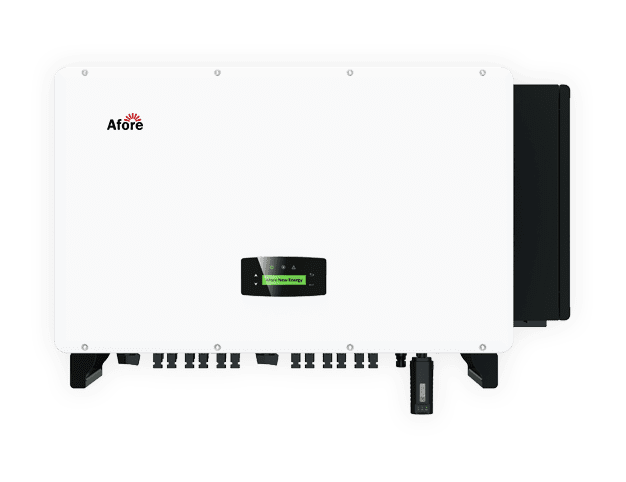
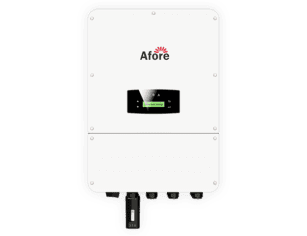
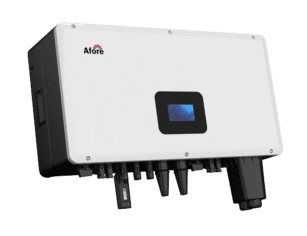
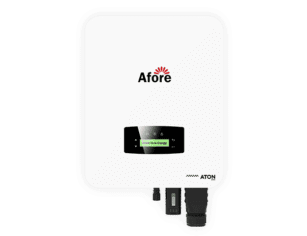
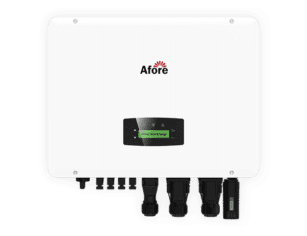
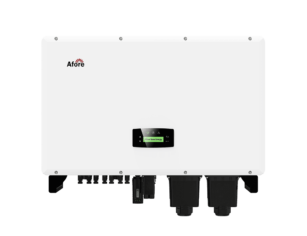
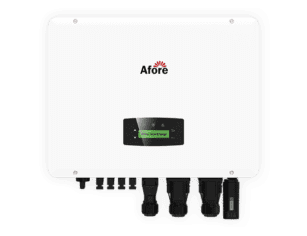
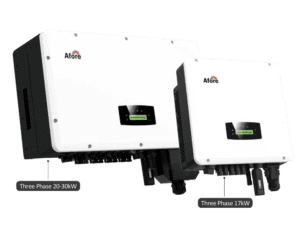
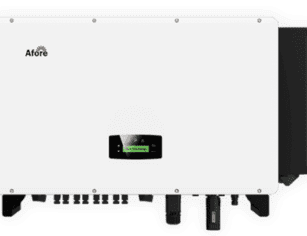
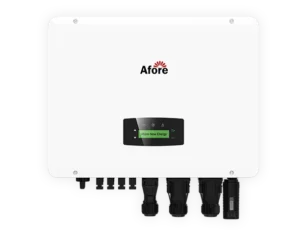
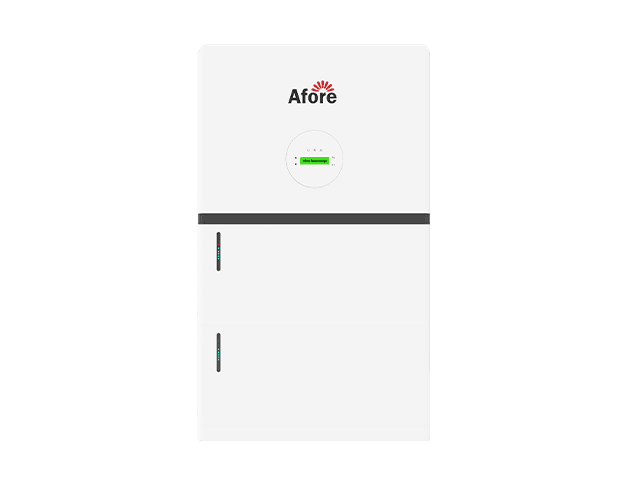
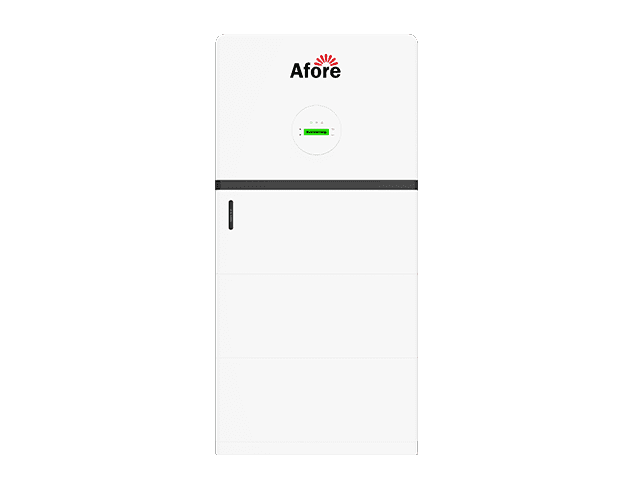
Afore three-phase inverters are generally considered high-efficiency devices within the commercial solar segment, with performance levels typically in the 97%–99% efficiency range under optimal operating conditions.
More specifically:
• Peak conversion efficiency for most modern three-phase hybrid inverters from Afore is close to 98%–99%, which aligns with industry standards for high-quality systems.
• MPPT (Maximum Power Point Tracking) efficiency can exceed 99% in some models, meaning the system is highly effective at extracting maximum energy from solar panels.
In practical terms, this means very little energy is lost during the conversion from DC (solar panels) to AC (usable electricity), which is especially important in 3-phase solar storage systems operating under continuous commercial loads.
Yes, most modern solutions from a three phase hybrid inverter manufacturer are designed to work with high-voltage battery systems. This compatibility improves energy transfer efficiency, supports larger storage capacity, and enhances the overall performance of 3-phase solar storage systems in commercial and industrial applications.








 Turkish
  Romanian