



Для EPC-компаній, монтажників, дистриб’юторів та системних інтеграторів оптові поставки фотоелектричних інверторів для житлових будинків — це не лише питання вибору постачальника. Ця стаття присвячена виключно фотоелектричним інверторам житлового класу, що використовуються в системах розподіленого енергопостачання для житлових будинків та невеликих об’єктів, а також охоплює відповідні сценарії впровадження в секторі легкої комерційної нерухомості, де передбачено використання обладнання житлового класу. Це безпосередньо впливає на повторюваність проектів, трудомісткість монтажу, узгодження з енергопостачальниками, гарантійні зобов’язання, якість моніторингу, навантаження на сервісну службу та довгострокову ефективність портфеля проектів. Проблему з одним інвертором можна вирішити на окремому даху. Однак така сама проблема у 500 будинках, у рамках програми житлового забудовника або в портфелі проектів розподіленої генерації може перетворитися на дорогу експлуатаційну проблему.
Фотоелектричні інвертори побутового класу дедалі частіше використовуються не лише в окремих будинках. Їх встановлюють у житлових комплексах, на дахах багатоквартирних будинків, у рамках громадських програм, пов’язаних із сонячною енергетикою, у невеликих комерційних приміщеннях, у будинках, пристосованих для заряджання електромобілів, та в будівлях малого бізнесу. У таких умовах покупці рідко шукають лише найдешевший інвертор. Їм потрібна платформа, яку можна неодноразово конфігурувати, яка отримала схвалення енергопостачальних компаній, яку можна ефективно встановити, централізовано контролювати та підтримувати протягом багатьох років.
Світовий ринок сонячних інверторів для житлових будинків продовжує розширюватися у міру зростання популярності дахових фотоелектричних систем, збільшення частки використання систем накопичення енергії та підвищення вимог операторів енергомереж до функціональних можливостей інверторів. Водночас ланцюги постачання залишаються вразливими до перебоїв у вантажоперевезеннях, регіональних відмінностей у сертифікації, змін у прошивці, невизначеності щодо тарифів та змін у вимогах до експлуатації електромереж. Це робить закупівлю інверторів рішенням на системному рівні, а не простою купівлею комплектуючих.
Професійний оптовий покупець повинен оцінювати, наскільки інвертор відповідає планам реалізації проєкту, а не лише технічним характеристикам. Правильне рішення залежить від моделі розгортання, складності даху, струму модулів, стратегії накопичення енергії, вимог до моніторингу, правил підключення до електромережі, рівня кваліфікації монтажників, виконання гарантійних зобов’язань та сервісних можливостей постачальника. У цьому посібнику пояснюється, як оцінювати оптові замовлення на фотоелектричні інвертори для житлових будинків з технічної, комерційної, нормативно-правової точки зору та з урахуванням життєвого циклу обладнання.
Оптові закупівлі зазвичай починаються із запиту на ціну, але найважливіші питання стосуються технічних та експлуатаційних аспектів. Перевірка відповідності вимогам виступає суворим фільтром, який необхідно повністю пройти перед тим, як перейти до цінових переговорів та детальної роботи з технічної оптимізації. Інвертор стає стандартним елементом проектування в багатьох системах, тому кожен вибір технічних характеристик може повторюватися в майбутніх проектах. Тому EPC-підрядники та дистриб'ютори повинні розглядати вибір інвертора як частину проектування портфеля проектів.
Перед оформленням замовлення на закупівлю покупці повинні підтвердити тип застосування, очікувані розміри системи, вимоги до підключення до електромережі, конфігурацію фаз, платформу зв’язку, план розвитку акумуляторних батарей, статус місцевої сертифікації та модель обслуговування. Продукт, який добре підходить для простої дахової установки потужністю 5 кВт, підключеної до електромережі, може виявитися непридатним для модулів з високим струмом, установок з обмеженим експортом електроенергії, гібридних систем накопичення енергії або дахових установок, що вимагають функції швидкого відключення.
Головним ризиком при оптових поставках фотоелектричних інверторів для житлових будинків є не лише несправність продукції, а й невідповідність. Невідповідність між вхідним струмом інвертора та фотоелектричними модулями нового покоління може змусити перепроектувати систему. Відсутність дозволів від енергопостачальної компанії може затримати підключення до мережі. Версія прошивки, що відрізняється від сертифікованої, може спричинити питання щодо відповідності вимогам. Недосконалий процес повернення товару (RMA) може призвести до того, що монтажники будуть змушені оплачувати витрати на заміну, які не були передбачені в початковій маржі проекту.
Ефективний критерій відбору акцій на першому етапі повинен охоплювати такі аспекти.
| Фактор, що впливає на рішення про покупку | Що повинні перевіряти професійні покупці | Чому це має значення в масштабі |
|---|---|---|
| Відповідність програми | Підключені до мережі, гібридні, з можливістю резервного живлення, однофазні, трифазні, для житлових або невеликих комерційних об’єктів | Запобігає неправильному вибору продукту для різних типів проєктів |
| Електропроектування | Номінальна потужність, кількість MPPT, діапазон напруги, максимальний вхідний струм, співвідношення постійного та змінного струму | Зменшує кількість проблем, пов’язаних із перепроектуванням та сумісністю модулів |
| Дотримання вимог | Сертифікація з питань безпеки, затвердження відповідно до мережевих правил, узгодження з енергопостачальною компанією, налаштування відповідно до вимог конкретної країни | Дозволяє уникнути затримок з отриманням дозволів та підключенням до мережі |
| Зв'язок | Wi-Fi, Ethernet, стільниковий зв'язок, RS485, доступ до API, портал моніторингу | Забезпечує підтримку в процесі введення в експлуатацію та експлуатації й технічного обслуговування автопарку |
| Виконання гарантійних зобов’язань | Термін дії гарантії, винятки, процедура повернення товару (RMA), політика щодо оплати робіт, запасні одиниці | Контроль витрат на обслуговування протягом життєвого циклу |
| Можливості постачальника | Стабільність виробництва, простежуваність партій, технічна підтримка, документація, сервісне обслуговування на місці | Знижує ризики, пов’язані із закупівлями та операційною діяльністю |
Ці перевірки слід провести до початку комерційних переговорів. Ціна за одиницю набуває сенсу лише після того, як платформа інвертора відповідатиме вимогам щодо технічних характеристик, відповідності та експлуатаційної придатності.
Перш ніж оцінювати архітектуру інверторів, параметри продуктивності чи комерційні умови, оптові покупці повинні пройти спрощену процедуру перевірки на відповідність вимогам, узгоджену з регіональними мережевими кодексами, стандартами безпеки та правилами підключення до енергосистеми. Цей комплексний аналіз дозволяє на ранньому етапі відсіяти моделі інверторів, що не відповідають вимогам, уникаючи марної витрати часу на технічне порівняння та цінове аналізування продуктів, які не зможуть отримати дозвіл, схвалення енергосистеми або легальне впровадження. Перевірка охоплює основні сертифікати безпеки, відповідність вимогам підключення до електромережі, місцеві вимоги енергопостачальних компаній та дійсність документації для конкретної моделі, версії апаратного забезпечення та версії вбудованого програмного забезпечення, призначених для впровадження у великих проектах.
Побутові струнні інвертори, мікроінвертори та гібридні інвертори Кожен із цих типів підтримує різні стратегії розгортання. Струнні інвертори часто обирають у випадках, коли конструкція даху є типовою, затінення обмежене, монтажні бригади працюють за стандартизованими процедурами, а покупець прагне знизити складність супутніх систем. Вони дозволяють спростити процес закупівлі, оскільки обмежений набір номінальних потужностей може покривати широкий діапазон систем для житлових будинків.
Мікроінвертори часто використовуються в тих випадках, коли конфігурація даху є складною, рівень затінення варіюється залежно від модуля, необхідний моніторинг на рівні модулів або місцеві правила безпеки передбачають використання електроніки на рівні модулів. Вони можуть підвищити гнучкість проектування, однак при оптових закупівлях слід враховувати більшу кількість одиниць, вплив зовнішніх факторів на електроніку, розташовану на даху, надійність зв’язку та витрати на заміну на рівні модулів.
Гібридні інвертори доцільно використовувати, коли в житлових або невеликих комерційних проєктах акумуляторні батареї передбачені відразу або можуть бути додані пізніше. Вони можуть спростити майбутні роботи з модернізації, але покупець повинен перевірити сумісність акумуляторних батарей, конфігурацію резервного живлення, сертифікацію відповідно до мережевих стандартів та функції управління енергією. При оптовому замовленні гібридних інверторів ніколи не слід розраховувати на універсальну сумісність з будь-якими акумуляторними батареями. Необхідно комплексно перевірити систему управління акумуляторними батареями, клас напруги, протокол зв’язку, перелік затверджених акумуляторних батарей та місцеві правила безпеки.
Професійні покупці часто отримують більше вигоди від стандартизації, ніж від гонитви за найнижчою спотовою ціною. Обмежений асортимент інверторів дозволяє спростити шаблони проектування, документацію щодо дозволів, навчання монтажників, планування запасних частин, робочі процеси введення в експлуатацію, інтеграцію систем моніторингу та управління гарантійним обслуговуванням.
Наприклад, монтажник, який працює на 300 дахах житлових будинків, може стандартизувати використання приблизно трьох типів інверторів та однієї платформи моніторингу. Це зменшує різноманітність проектних рішень і допомагає виїзним бригадам працювати швидше. Крім того, це знижує кількість помилок у документації, оскільки однолінійні схеми, інструкції з монтажу та декларації про відповідність вимогам електромережі можна повторно використовувати, вносячи контрольовані корективи.
Однак стандартизація не повинна перетворюватися на жорсткість. Компанії, що здійснюють комплексне проектування та будівництво (EPC), повинні передбачати затверджені альтернативні варіанти для забезпечення стійкості ланцюга постачання, особливо в тих випадках, коли графіки реалізації проєктів прив’язані до термінів отримання заохочувальних виплат або дат передачі об’єкта забудовником. Кращим підходом є створення матриці сертифікованих інверторів, яка визначає основні та резервні моделі залежно від регіону, сертифікації, розміру системи та вимог до систем накопичення енергії.
Кваліфікація постачальників — це один із найбільш недооцінених аспектів оптової торгівлі закупівля сонячних інверторів. Низька ціна може приховувати недосконалість документації, несумісність прошивки, обмежені запаси запчастин, повільну технічну підтримку або незрозумілі умови гарантійного обслуговування. Ці проблеми можуть не виявлятися під час придбання, але стають очевидними під час введення в експлуатацію та технічного обслуговування.
Кваліфікований постачальник повинен бути здатний надати повні технічні специфікації, інструкції з монтажу, декларації про відповідність вимогам енергомережі, систему відстеження серійних номерів, контроль версій вбудованого програмного забезпечення, специфікації упаковки, умови гарантії, процедури повернення товару (RMA) та матеріали для технічного навчання. Для міжнародних покупців документація повинна бути локалізована, якщо це необхідно для отримання дозволів та проходження інспекцій.
Виробнича потужність також має важливе значення, але однієї лише потужності недостатньо. Покупці повинні з’ясувати, як постачальник контролює стабільність якості партій продукції, здійснює оновлення апаратного забезпечення, керує оновленнями прошивки та повідомляє про зміни, які можуть вплинути на сертифікацію. Якщо версія поставленого апаратного забезпечення відрізняється від тієї, що вказана в сертифікатах, отримати дозвіл від енергопостачальника може бути складно.
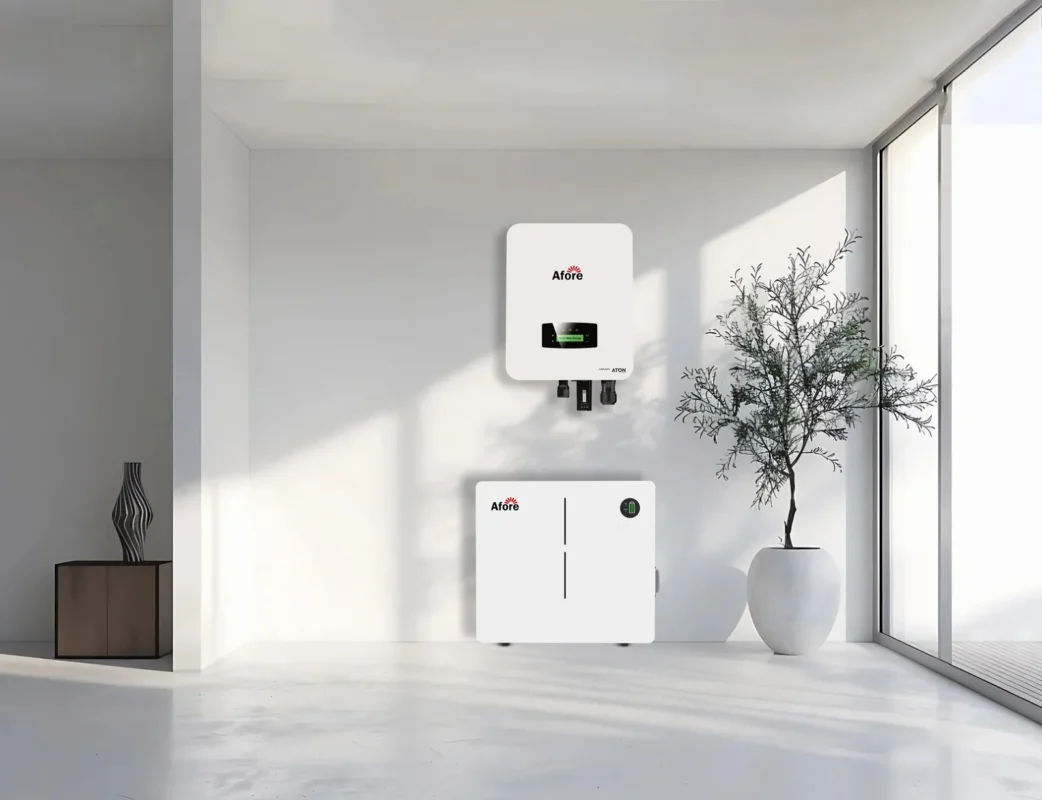
Технічний підбір починається з архітектури, але швидко переходить до деталей електричної частини. У житлових фотоелектричних системах дедалі частіше використовуються модулі з більшою потужністю, більш високі струми в ланцюгах, у деяких випадках — двосторонні модулі, схеми, пристосовані для підключення до систем накопичення енергії, інтелектуальні лічильники, засоби контролю експорту енергії та дистанційний моніторинг. Інвертор повинен відповідати сучасним вимогам до проектування та залишатися працездатним протягом усього терміну експлуатації об’єкта.
Оптимальна архітектура інвертора залежить від умов на об’єкті та бізнес-моделі. Для компаній, що здійснюють монтаж великих обсягів і працюють з подібними типами дахів, струнні інвертори можуть забезпечити ефективну повторюваність проектних рішень. На фрагментованих ринках житлового будівництва зі складними дахами мікроінвертори можуть зменшити обмеження при проектуванні. На ринках, де зростає популярність підключення систем акумулювання, гібридні інвертори можуть розширити можливості для майбутніх рішень.
| Архітектура | Оптимальне розгортання | Основні переваги | Основні проблеми, пов’язані з оптовими закупівлями |
|---|---|---|---|
| Струнний інвертор для житлових приміщень | Стандартні дахи, низький або помірний рівень затінення, типові конструктивні рішення систем | Менша кількість вузлів, простіша конструкція системи кондиціонування, централізований доступ для технічного обслуговування | Межі MPPT, правила проектування ланцюгів, чутливість до затінення |
| Мікроінвертор | Складні покрівлі, моніторинг на рівні модулів, ринки, орієнтовані на швидке відключення | Оптимізація на рівні модулів, гнучкі макети, детальна діагностика | Більша кількість пристроїв, витрати на заміну обладнання на даху, надійність зв’язку |
| Гібридний інвертор | Будинки, готові до зберігання енергії, програми резервного копіювання, оптимізація тарифів за часом споживання, ринки власного споживання | Інтеграція акумуляторів, управління енергоспоживанням, можливості розширення в майбутньому | Сумісність акумуляторів, обмеження резервного живлення, складність сертифікації |
При прийнятті рішення щодо закупівлі слід враховувати реальні умови експлуатації, в яких працюватиме установник. Струнний інвертор може здаватися більш економічним на папері, але якщо у портфелі проєктів є багато затінених дахів або дахів з різною орієнтацією, витрати часу на проєктування та втрати у виробництві можуть перекрити економію. І навпаки, мікроінвертори можуть спростити проєктування дахової системи, але збільшать кількість електронних пристроїв, що перебувають на гарантії.
Номінальна потужність — це не просто питання узгодження вихідної потужності інвертора змінного струму з номінальними характеристиками фотоелектричної системи. Підрядники, що виконують роботи з проектування, будівництва та експлуатації (EPC), повинні враховувати потужність модулів, довжину ланцюгів, напругу при низькій температурі, максимальний вхідний струм, діапазон напруги MPPT, місцеву інтенсивність сонячного випромінювання, орієнтацію даху, очікуване обмеження напруги та обмеження на експорт електроенергії.
У багатьох житлових та невеликих комерційних об’єктах зазвичай враховується співвідношення постійного та змінного струму в межах від 1,2 до 1,5, залежно від кліматичних умов, орієнтації сонячної батареї, структури тарифів та теплових характеристик інвертора. Більший запас потужності постійного струму може покращити річний вихід енергії в умовах слабкого освітлення, але може збільшити обмеження потужності під час пікових значень інсоляції. Це також може спричинити проблеми, якщо вхідний струм інвертора несумісний з обраними модулями.
Сучасні фотоелектричні модулі часто мають вищий робочий струм, ніж старі модулі для житлових будинків. Це одна з найпоширеніших причин невідповідності при закупівлі. Покупець може придбати велику кількість інверторів, виходячи з історичних моделей, а потім виявити, що нові модулі вимагають вищого вхідного струму на один MPPT. Наслідком цього можуть стати обмеження у конфігурації ланцюгів, зниження гнучкості проектування або вимушений перерозподіл запасів.
Кількість каналів MPPT також має значення. Більша кількість каналів MPPT дозволяє враховувати різні орієнтації дахів або умови часткового затінення, але це може призвести до підвищення вартості виробу. Менша кількість каналів MPPT може бути прийнятною у типових житлових комплексах, де дахи мають однакову конструкцію. Оптові покупці повинні зіставляти конфігурацію MPPT інвертора з фактичною різноманітністю об’єктів, а не покладатися на ідеалізовані зразкові проекти.
Фотоелектричні інвертори для житлових будинків зазвичай мають високі пікові показники ККД, які часто знаходяться у верхній частині діапазону 90%. Однак ефективність парку інверторів залежить від зваженого ККД, профілю навантаження, температури, місця монтажу, вентиляції, класу захисту корпусу та поведінки при зниженні номінальної потужності.
Пікова ефективність вимірюється за певних умов і не завжди відповідає щоденним експлуатаційним показникам. Значення зваженої ефективності за європейськими стандартами або стандартами CEC часто є більш корисними, оскільки вони краще відображають роботу при частковому навантаженні. Проте навіть зважена ефективність не показує, як інвертор поводиться на гарячій стіні, у погано провітрюваному гаражі, під балконом або в прибережному середовищі з високою вологістю.
Зниження номінальної потужності через перегрів може призвести до зменшення вихідної потужності в періоди, коли в іншому випадку виробництво сонячної енергії було б високим. Це особливо актуально в жаркому кліматі, у компактних міських установках та в місцях, де інвертори встановлені під прямими сонячними променями. Покупцям слід ознайомитися з діапазоном робочих температур, способом охолодження, класом захисту корпусу, кривою зниження номінальної потужності та вимогами до монтажного простору.
Трохи дорожчий інвертор із кращим терморегулюванням може забезпечити вищу загальну економічну ефективність за весь термін експлуатації, ніж дешевший пристрій, який часто працює на зниженій потужності або передчасно виходить з ладу. Для EPC-компаній, що управляють довгостроковими контрактами з експлуатації та технічного обслуговування, зниження потужності — це не лише проблема продуктивності; це може вплинути на гарантовану віддачу, задоволеність клієнтів та навантаження на сервісну службу.
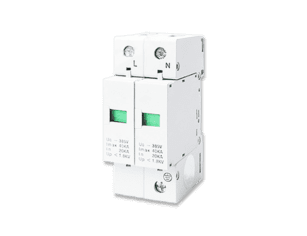
Закупівля інверторів оптом має узгоджуватися із закупівлею модулів, проектуванням кріпильних систем, пристроями захисту, стратегією швидкого відключення та системою розподілу змінного струму. Вхідний струм інвертора, діапазон напруги, тип роз’єму постійного струму, вимоги до заземлення, захист від перенапруги та інтерфейси зв’язку — все це впливає на проектування допоміжних систем.
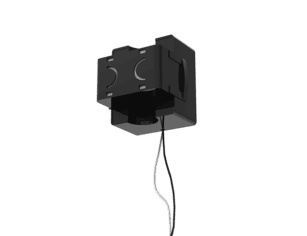
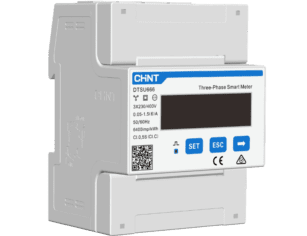
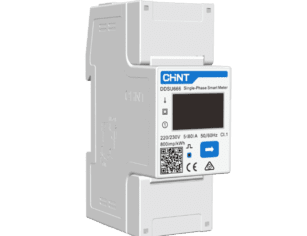
Перед введенням в експлуатацію слід перевірити сумісність з оптимізаторами, пристроями швидкого відключення, лічильниками доходу, трансформаторами струму, лічильниками контролю експорту та акумуляторними системами. У випадках, коли необхідне швидке відключення, архітектура інвертора може впливати на вибір пристроїв для дахової установки та вимоги до їх перевірки. У випадках, коли необхідне обмеження експорту, інвертор повинен надійно взаємодіяти з лічильником або пристроєм контролю.
Вартість такої невідповідності може бути значною. Якщо дистриб’ютор імпортує велику партію інверторів, які не сумісні з найпоширенішими модулями у місцевих запасах, проблему, можливо, не вдасться вирішити за допомогою знижок. Ці запаси, можливо, доведеться поєднати зі старими модулями, перевезти в інший регіон або зберігати доти, доки не з’явиться сумісний проєкт. Це створює навантаження на оборотний капітал та викликає незадоволення у дистриб’юторському каналі.
Відповідність вимогам електромережі є надзвичайно важливою складовою оптових поставок інверторів для житлових фотоелектричних систем, оскільки вимоги до сертифікації різняться залежно від країни, енергопостачальної компанії та версії прошивки. Покупці ні в якому разі не повинні вважати, що модель, сертифікована на одному ринку, автоматично підходить для використання на іншому.
До типових нормативних документів належать стандарти безпеки інверторів, стандарти електромагнітної сумісності та регіональні стандарти підключення до електромереж. Наприклад, стандарт IEC 62109 регулює вимоги до електричної безпеки побутових фотоелектричних інверторів у всьому світі, тоді як IEEE 1547 визначає основні функції підключення розподілених енергетичних ресурсів та протоколи інтеграції в енергосистему, що застосовуються на території Сполучених Штатів. У деяких регіонах Європи стандарти EN 50549 та національні правила експлуатації енергосистеми впливають на роботу інверторів та процедуру їх сертифікації.
Головним моментом для команд із закупівель є те, що сертифікати повинні стосуватися саме тієї моделі, яка постачається. Вони також повинні відповідати ревізії апаратного забезпечення та версії вбудованого програмного забезпечення. Сертифікат для схожої моделі, попередньої версії вбудованого програмного забезпечення або іншого регіонального варіанту може не бути прийнятий комунальними службами чи інспекторами.
| Сфера дотримання вимог | Стандартна перевірка покупця |
|---|---|
| Електробезпека | Сертифікат безпеки інвертора для конкретної моделі |
| Підключення до електромережі | Затверджені профілі енергосистеми для цільового ринку |
| ЕМС | Документація щодо випробувань на електромагнітну сумісність |
| Антиострівний | Сертифіковані процедури відключення та виявлення |
| Функції інтелектуального інвертора | Налаштування «вольт-вар», «частота-ват», «режим роботи під час перебоїв», «коефіцієнт потужності» |
| Місцева документація | Декларації та інструкції з монтажу для конкретних країн |
Для дистриб'юторів, що працюють у кількох країнах, зіставлення сертифікатів має бути частиною системи управління запасами. Партія продукції, призначена для одного регіону, може бути непридатною для використання в іншому регіоні з юридичної або практичної точки зору, якщо відрізняються параметри електромережі, маркування, документація мовою користувача або сертифікати.
Регіональні перевірки відповідності вимогам щодо оптових замовлень на інвертори для житлових фотоелектричних систем
| Регіон | Обов’язкові пункти перевірки відповідності вимогам |
|---|---|
| Сполучені Штати | Сертифікація за стандартами UL 1741 / UL 1741 SB, узгодження підключення децентралізованих джерел енергії (DER) згідно з IEEE 1547-2018, вимоги NEC щодо швидкого відключення, відповідність Правилу 21 штату Каліфорнія для відповідних зон розгортання |
| Європа | Правила підключення до електромережі EN 50549, VDE-AR-N 4105 для ринків Німеччини, технічні вимоги G98/G99 для Великої Британії, маркування CE та документація щодо відповідності вимогам електромагнітної сумісності (EMC) |
| Австралія / Нова Зеландія | Дотримання стандарту AS/NZS 4777.2, відповідність вимогам для включення до реєстру Ради з питань чистої енергії та кваліфікація місцевих монтажників для реалізації проектів |
| Близький Схід, Африка, Латинська Америка, Південно-Східна Азія | Включення до офіційних списків інверторів, затверджених конкретними енергопостачальними компаніями; перевірка сумісності з вимогами місцевих мережевих стандартів; виконання обов’язкових вимог щодо сертифікації імпорту та регіональних вимог до маркування |
Інвертори для житлових будинків, підключені до електромережі, вже не є пасивними пристроями перетворення. Енергетичні компанії та оператори розподільчих мереж дедалі частіше вимагають наявності у інверторів таких інтелектуальних функцій, як забезпечення стабільності напруги та частоти, підтримка реактивної потужності, обмеження експорту електроенергії, моніторинг мережі та дистанційне налаштування параметрів.
Захист від острівного режиму залишається надзвичайно важливим. Інвертор повинен виявляти ненормальні умови в мережі та відключатися відповідно до чинних вимог. Однак сучасні мережеві кодекси можуть також вимагати, щоб інвертор залишався підключеним під час певних збурень для забезпечення стабільності мережі. Це робить правильну конфігурацію відповідно до національних стандартів та профілю мережі надзвичайно важливою під час введення в експлуатацію.
Для EPC-компаній практичним ризиком є помилки під час введення в експлуатацію. Якщо монтажники виберуть неправильний профіль мережі або не встановлять необхідне оновлення прошивки, система може не пройти перевірку або працювати некоректно під час мережевих подій. Оптові покупці повинні перевірити процедуру введення в експлуатацію перед тим, як розповсюдити нову платформу інверторів серед великої команди монтажників.
Вимоги до безпеки різняться залежно від юрисдикції, але професійні покупці повинні оцінювати ізолятори постійного струму, захист від перенапруги, заземлення, системи виявлення дугових замикань (за необхідності), клас захисту корпусу, сумісність роз’ємів та відповідність вимогам щодо швидкого відключення на відповідних ринках.
Швидке відключення може суттєво вплинути на архітектуру системи. На деяких ринках вимагається, щоб провідники, розташовані на будівлях або всередині них, швидко знижували напругу після запуску процедури відключення. Залежно від конструкції системи для цього можуть знадобитися електронні компоненти на рівні модулів, сумісні передавачі, спеціальні функції інвертора або додаткові пристрої, встановлені на даху. Якщо закупівля інверторів здійснюється окремо від проектування систем безпеки, це може призвести до затримок з проведенням перевірок та дорогих робіт з модернізації.
Важливе значення має також координація заходів щодо захисту. Ізолятори постійного та змінного струму, вимикачі, пристрої захисту від перенапруги, пристрої захисту від залишкового струму та схеми заземлення повинні відповідати вимогам виробника інвертора та місцевим електротехнічним нормам. Для компаній, що здійснюють монтаж у великих обсягах, нечіткі вимоги до захисту можуть призвести до неоднорідної практики на місцях та підвищення рівня відмов під час перевірок.
Оптові покупці повинні розглядати документацію як невід’ємну частину товару. Відсутність документів може призвести до затримок із отриманням дозволів на десятках або сотнях об’єктів. Необхідний пакет документів зазвичай включає технічні характеристики, інструкції з монтажу, сертифікати відповідності, протоколи випробувань, гарантійні документи, вхідні дані для однолінійних схем, декларації щодо профілю мережі, посібники з налаштування систем моніторингу та інструкції з техніки безпеки.
Документація повинна вестися за версіями. Якщо технічні характеристики змінюються внаслідок оновлення апаратного забезпечення, може знадобитися оновлення шаблонів проектування. Якщо змінюються інструкції з монтажу, виїзні бригади потребують перепідготовки. Якщо сертифікат підключення до мережі містить посилання на конкретну версію прошивки, бригади з введення в експлуатацію повинні знати, як її перевірити.
Для дистриб'юторів якість документації безпосередньо впливає на репутацію каналу збуту. Монтажники очікують швидких відповідей, коли інспектори вимагають сертифікати або комунальні служби запитують технічні параметри. Дистриб'ютор, який не може надати повний пакет документів, може втратити постійних клієнтів, навіть якщо ціна на продукт є привабливою.
Ефективна стратегія закупівель забезпечує баланс між ціною, доступністю, відповідністю вимогам, ризиками, пов’язаними з запасами, та зобов’язаннями щодо обслуговування. У разі оптових замовлень на інвертори для житлових будинків остаточна вартість з урахуванням доставки може суттєво відрізнятися від зазначеної ціни за одиницю після врахування витрат на фрахт, мита, страхування, складування, обробку вантажу, сертифікацію, резерви на гарантійне обслуговування та логістику заміни.
Компанії, що надають комплексні послуги з проектування, будівництва та експлуатації (EPC), та дистриб’ютори повинні уникати використання одного єдиного неперевіреного джерела постачання. Надійний процес закупівлі включає кваліфікацію постачальників, випробування зразків, перевірку документації, підтверджені графіки виробництва, перевірку партій продукції, затверджені альтернативні варіанти та чіткі процедури заміни в рамках гарантії.
Також важливо розрізняти виробничий термін виконання замовлення та термін, коли продукція стає доступною для проекту. Виробничий термін виконання замовлення за звичайних умов може становити від чотирьох до восьми тижнів, однак митне оформлення, затори в портах, регіональні вимоги до маркування, перевірка документації та внутрішня логістика можуть подовжити фактичний термін доступності. Для проектних потоків, пов’язаних із сезонними піками монтажних робіт, затримка навіть на два тижні може порушити планування робочої сили.
Багато покупців утримують резервні запаси швидкореалізуваних моделей інверторів. Однак надмірні запаси можуть стати ризикованими у разі зміни мережевих стандартів, необхідності оновлення сертифікації прошивки або якщо сучасні тенденції на ринку модулів зроблять старі моделі менш привабливими. Тому стратегія управління запасами повинна ґрунтуватися на підтвердженому попиті в рамках проектів, а не лише на спекулятивних закупівлях.
Прогнозування попиту має передбачати сегментацію інверторів за номінальною потужністю, типом фази, класом напруги, гібридними можливостями, регіоном сертифікації та графіком встановлення. Простого підрахунку очікуваної кількості систем недостатньо, оскільки однофазний інвертор потужністю 6 кВт, підключений до електромережі, та гібридний інвертор потужністю 10 кВт можуть обслуговувати зовсім різні ринки.
Для монтажників прогноз повинен враховувати тип даху, типові розміри системи, очікуваний обсяг поставок модулів, рівень підключення систем накопичення енергії та місцеві правила експорту. Для дистриб’юторів прогноз повинен враховувати темпи продажів через посередників, сезонний попит, регіональні дозволи та запаси для заміни. Для EPC-компаній, що керують житловими забудовами, закупівлі повинні узгоджуватися з етапами будівництва та графіками передачі об’єктів.
Реалістичний прогноз допомагає уникнути двох поширених проблем: дефіциту товарів у пікові місяці монтажу та застарілих запасів після технічних або нормативних змін. Обидві ці проблеми можуть негативно позначитися на рентабельності.
Мінімальні обсяги замовлення на інвертори для побутового використання можуть значно відрізнятися залежно від рівня постачальника, типу моделі, регіональної конфігурації та ринкових умов. Деякі постачальники підтримують невеликі пілотні замовлення, тоді як інші вимагають більших зобов’язань щодо індивідуального маркування, регіональної прошивки або угод про ексклюзивну дистрибуцію.
У договорі купівлі-продажу слід чітко визначити умови «Інкотермс», графік оплати, права на перевірку товару, стандарти упаковки, розподіл запасних одиниць, дату початку дії гарантії та відповідальність за пошкодження вантажу під час перевезення. Покупці також повинні розрахувати митні збори, податки, страхування, складські операції, внутрішні перевезення та доставку «останньої милі» до філій або об’єктів реалізації проектів.
Ціна за одиницю може здаватися привабливою в порту, але стає менш привабливою після врахування місцевих витрат та зобов’язань щодо обслуговування. Для дистриб’юторів вартість з доставкою також має включати підтримку каналу збуту, технічне навчання, обслуговування гарантійних зобов’язань та запаси для заміни. Для EPC-підрядників вона повинна включати час монтажу, час введення в експлуатацію та можливі витрати на повторні візити.
Управління прошивкою набуває дедалі більшого значення. Відповідність вимогам мережевого кодексу, моніторинг роботи, сумісність акумуляторів, контроль експорту та процедури введення в експлуатацію — все це може залежати від версії прошивки. Оптові покупці повинні відстежувати номери моделей, серійні номери, версії апаратного забезпечення, версії прошивки та статус сертифікації у всіх партіях продукції.
Незбіжні партії можуть спричинити проблеми в польових умовах. Одна партія може відповідати необхідному профілю мережі, тоді як інша потребує оновлення. У різних версіях апаратного забезпечення може використовуватися різний модуль зв’язку. Одна версія вбудованого програмного забезпечення може коректно інтегруватися з платформою моніторингу, тоді як інша — спричиняє прогалини в даних.
Рішення полягає не в тому, щоб відмовлятися від будь-якої еволюції продукту. Інверторні платформи потребують оновлень. Рішення полягає в контролі змін. Постачальники повинні повідомляти покупців про зміни в апаратному чи програмному забезпеченні, надавати оновлену документацію та підтверджувати, чи залишається сертифікація чинною.
Ефективність монтажу є одним із головних економічних чинників при масштабному впровадженні фотоелектричних систем у житлових будинках. Інвертор, який легко встановлювати, підключати, налаштовувати та контролювати, дозволяє знизити витрати на робочу силу та підвищити продуктивність проекту. І навпаки, незрозуміле розташування клем, низька зручність користування додатком, ускладнений доступ або ненадійний зв’язок можуть призвести до необхідності повторних виїздів на об’єкт.
Польові бригади приділяють увагу практичним деталям: вазі інвертора, конструкції кронштейна, проходці кабелю, відстані між клемами, маркуванню, класу захисту корпусу, якості дисплея або індикатора, доступу для введення в експлуатацію та монтажному простору. Ці деталі можуть здаватися незначними на етапі закупівлі, але стають важливими при виконанні сотень монтажів.
Добре продумана платформа інвертора забезпечує стандартний порядок виконання монтажних робіт. Монтажники знають, де прокладаються кабелі, як підключаються затискачі CT, як підбираються профілі мережі, як перевіряється прошивка та як активується система моніторингу. Така стандартизація скорочує час на навчання та допомагає новим бригадам швидше досягти необхідної продуктивності.
Покупцям слід провести пілотні установки, перш ніж ухвалювати рішення про закупівлю великих партій. Пілотний проект повинен охоплювати як типові, так і складні об’єкти: затінені дахи, обмежений простір на стінах, слабкий сигнал Wi-Fi, підключення з обмеженими можливостями передачі даних, а також планування, готові до розміщення пристроїв. Мета полягає в тому, щоб перевірити весь робочий процес, а не лише електричні характеристики.
Сучасні побутові інвертори часто використовують мобільні додатки, хмарні портали, бездротове налаштування та дистанційну діагностику. Ці інструменти можуть підвищити ефективність, але також можуть стати «вузькими місцями», якщо управління входом у систему, реєстрація пристроїв, налаштування параметрів або підключення до мережі є ненадійними.
Компанії, що надають комплексні послуги з проектування, закупівлі та будівництва (EPC), повинні оцінити, чи можуть монтажники швидко вводити в експлуатацію кілька систем, чи легко вибирати профілі електромережі, чи можна надійно оновлювати прошивку, чи можна експортувати записи про введення в експлуатацію, а також чи підтримує платформа моніторингу управління декількома об’єктами. Для портфелів проектів можливість централізації даних є такою ж важливою, як і можливість введення в експлуатацію одного об’єкта.
Дистанційне налаштування може зменшити кількість виїздів технічних фахівців, але воно має бути безпечним і контрольованим. Зміни параметрів, що впливають на роботу енергомережі, повинні здійснюватися на підставі відповідних дозволів і бути простежуваними. У випадку великих автопарків неконтрольований доступ може створити ризики, пов’язані з дотриманням нормативних вимог та юридичною відповідальністю.
Найпоширеніші помилки під час введення в експлуатацію є передбачуваними. До них належать: неправильний код країни, неправильний профіль електромережі, зворотна полярність, неякісне з’єднання роз’ємів постійного струму, збій зв’язку, неправильна конфігурація обмеження експорту, помилка в орієнтації струмових кліщів, збій підключення лічильника та невідповідність прошивки.
Ці помилки не завжди зумовлені недбалістю фахівців з установки. Іноді інтерфейс є незрозумілим, документація перекладена неякісно або навчання не відповідає актуальній версії програми. Тому оптові покупці повинні враховувати зручність введення в експлуатацію як один із критеріїв оцінки постачальника.
Навчання має включати реальні сценарії несправностей. Монтажники повинні вміти виявляти помилки полярності, перевіряти напрямок обертання лічильника, контролювати обмеження експорту, перевіряти прошивку, перевіряти роботу системи моніторингу та оформлювати документацію щодо введення в експлуатацію для цілей гарантійного обслуговування. Постачальник, який забезпечує практичне навчання, може значно зменшити кількість проблем на місцях.
Саме на практиці експлуатаційної надійності перевіряються багато рішень щодо закупівлі недорогих систем. Розподілені житлові портфелі створюють логістичні складнощі, оскільки об’єкти географічно розкидані, а клієнти очікують швидкого вирішення проблем. У разі виходу з ладу інвертора монтажник повинен провести діагностику, отримати дозвіл, отримати запасну частину, узгодити час доступу та завершити повторне введення в експлуатацію.
У договорах про оптові закупівлі слід визначити норми запасних одиниць, терміни заміни, документацію щодо повернення товару (RMA), відповідальність за перевезення, вимоги до діагностики, а також наявність компенсації витрат на робочу силу. Місцеві ремонтні центри або регіональні склади можуть скоротити час простою, але лише за умови чіткої організації процесу.
Для дистриб'юторів наявність запасних частин є частиною стратегії захисту бренду. Якщо монтажники не можуть швидко отримати запчастини, вони можуть змінити постачальника, навіть якщо оригінальний продукт працював задовільно.
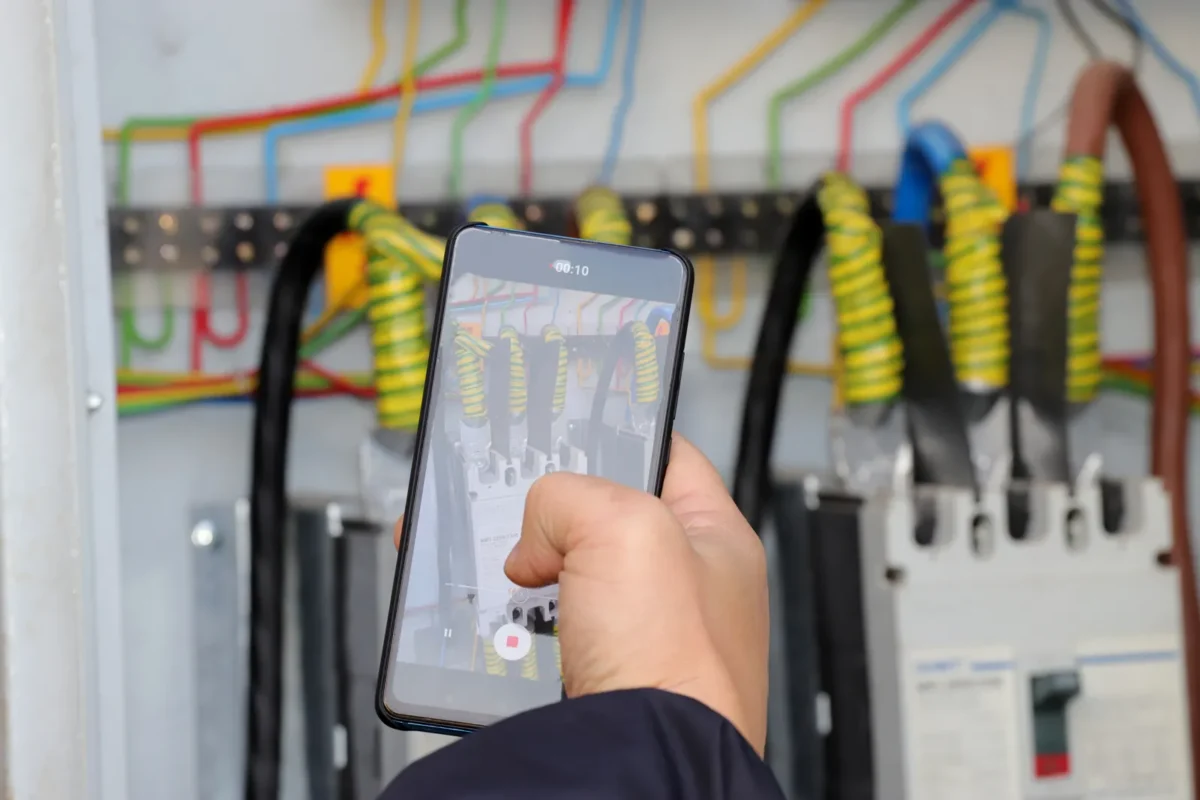
Закупівлю інверторів для житлових будинків слід оцінювати з урахуванням терміну експлуатації обладнання. Тривалість гарантії має значення, але ще важливішим є її виконання. Якість моніторингу, точність спрацьовування сигналів тривоги, час реагування, логістика заміни та доступ до даних — все це впливає на витрати протягом усього життєвого циклу.
10-річна гарантія не є однаковою у різних постачальників. Покупцям слід ознайомитися з переліком винятків, процедурою подання претензій, термінами реагування, відповідальністю за доставку, екологічними обмеженнями, винятками щодо пошкоджень від перенапруги, вимогами до монтажу та можливістю передачі гарантії. Варіанти продовженої гарантії можуть бути корисними, але їх вартість слід порівнювати з очікуваним ризиком заміни обладнання та зобов’язаннями щодо експлуатації та технічного обслуговування.
Гарантійні претензії можуть спричинити приховані витрати для монтажників. Навіть якщо заміна обладнання здійснюється безкоштовно, витрати на оплату праці, проїзд, спілкування з клієнтом, діагностику та повторне введення в експлуатацію можуть не відшкодовуватися. Підрядники, що виконують енергетичні проекти (EPC), повинні враховувати ці витрати при формуванні вартості проекту та під час переговорів з постачальниками.
Важливе значення має також фінансова надійність постачальника. Гарантія має цінність лише в тому випадку, якщо виробник або відповідальний дистриб’ютор залишаються спроможними її виконати. Покупцям слід оцінити фінансову стабільність, присутність на ринку в регіоні, сервісну мережу та оперативність реагування в минулому, перш ніж укладати угоди про закупівлю великих обсягів продукції.
Для окремого побутового споживача може вистачити базового додатка для моніторингу. Для EPC-компанії або менеджера активів система моніторингу повинна забезпечувати огляд на рівні всього парку. До важливих функцій належать інформаційні панелі для кількох об’єктів, фільтрування сигналів тривоги, звітність щодо виробництва, доступ до API, управління правами користувачів, можливість експорту даних та інтеграція з системами управління активами.
Недостатній моніторинг може призвести до затримки виявлення несправностей. Збій у зв’язку може приховати несправність інвертора. Надмірна кількість помилкових тривог може перевантажити сервісні бригади. Обмежений доступ до даних може ускладнити підготовку звітів про ефективність роботи для інвесторів, девелоперів або власників комерційної нерухомості.
Також слід чітко визначити питання власності на дані. Покупці у сегменті B2B повинні розуміти, хто контролює дані об’єкта, як довго вони зберігаються, чи передбачено плату за доступ до API та що відбудеться у разі зміни платформи моніторингу. Для фотоелектричних об’єктів з тривалим терміном експлуатації безперебійність роботи програмного забезпечення є складовою частиною фінансової надійності інверторів.
Компанії, що надають комплексні послуги з проектування, будівництва та експлуатації (EPC), та власники активів повинні відстежувати ефективність роботи інверторів у різних проектах. Це допомагає порівнювати платформи, виявляти повторювані проблеми та вдосконалювати рішення щодо закупівель.
| KPI | Чому це важливо | Основні переваги | Основні проблеми, пов’язані з оптовими закупівлями |
|---|---|---|---|
| Час безвідмовної роботи | Вимірює доступність роботи інверторів у всьому парку | Менша кількість вузлів, простіша конструкція системи кондиціонування, централізований доступ для технічного обслуговування | Межі MPPT, правила проектування ланцюгів, чутливість до затінення |
| Частота несправностей | Виявляє повторювані проблеми, пов’язані з продуктом або його встановленням | Оптимізація на рівні модулів, гнучкі макети, детальна діагностика | Більша кількість пристроїв, витрати на заміну обладнання на даху, надійність зв’язку |
| Середній час ремонту | Демонструє ефективність обслуговування та логістики заміни | Інтеграція акумуляторів, управління енергоспоживанням, можливості розширення в майбутньому | Сумісність акумуляторів, обмеження резервного живлення, складність сертифікації |
| Втрати у виробництві | Встановлює зв’язок між проблемами з інверторами та фінансовими наслідками | ||
| Час реагування на сигнал тривоги | Оцінює оперативність реагування команди з експлуатації та технічного обслуговування | ||
| Коефіцієнт заміщення | Підтримує формування гарантійного резерву та порівняння постачальників | ||
| Доступність зв’язку | Підтверджує надійність моніторингу |
Ці ключові показники ефективності (KPI) слід аналізувати за моделями, партіями, регіонами, монтажними бригадами та типами проєктів. Високий рівень відмов може бути зумовлений якістю продукції, але також може бути наслідком неналежного монтажу, суворих умов навколишнього середовища, неправильних налаштувань електромережі або слабкої інфраструктури зв’язку.

Готовність до використання систем накопичення енергії стає одним із головних чинників у масових поставках фотоелектричних інверторів для житлових будинків. Зниження вартості акумуляторних батарей, тарифи за часом споживання, обмеження на експорт електроенергії, попит на резервне живлення та програми віртуальних електростанцій змінюють вимоги до інверторів. Однак готовність до використання систем накопичення енергії слід ретельно визначати.
Гібридні інвертори є найбільш доцільними у випадках, коли акумуляторні батареї встановлюються одразу, коли ймовірно, що даний сегмент споживачів згодом модернізує системи накопичення енергії, або коли важливе значення мають управління експортом енергії та оптимізація власного споживання. Вони дозволяють спростити інтеграцію акумуляторних батарей із з’єднанням по постійному струму та зменшити необхідність заміни інвертора в майбутньому.
Однак гібридні інвертори можуть коштувати дорожче та вимагати більш складного введення в експлуатацію. Якщо на ринку проектів спостерігається низький рівень впровадження систем накопичення енергії та переважають прості системи, підключені до мережі з обліком споживання за принципом «нетто», стандартні ланцюгові інвертори можуть забезпечити кращу економічну ефективність у найближчій перспективі. Рішення має враховувати очікуваний покупцем рівень підключення систем накопичення енергії та місцеві тарифні умови.
Для розробників та системних інтеграторів гібридна платформа може сприяти розширенню асортименту та наданню додаткових послуг у майбутньому. Для дистриб’юторів вона може підвищити рентабельність, але водночас збільшити навантаження на службу технічної підтримки. Правильний вибір залежить від того, чи здатний канал збуту забезпечити розробку акумуляторів, підготовку документації з безпеки та усунення несправностей.
Сумісність акумуляторів необхідно перевіряти на системному рівні. Високовольтні та низьковольтні акумулятори не є взаємозамінними. Важливе значення мають протоколи зв’язку, інтеграція з системою управління акумуляторною батареєю (BMS), обмеження заряду та розряду, вихідна потужність у режимі резервного живлення, робоча температура, сертифікація безпеки та переліки затверджених акумуляторів.
Гібридний інвертор технічно може підключатися до акумулятора, але все ще не має сертифіката відповідності для цільового ринку. Функція резервного живлення може бути обмежена лише окремими споживачами, а не забезпечувати електропостачання всього будинку. Деякі системи потребують зовнішніх блоків резервного живлення або пристроїв перемикання. Ці деталі впливають на вартість монтажу та очікування споживачів.
Системи управління енергоспоживанням додають ще один рівень. Тарифікація за часом споживання, обмеження експорту електроенергії, регулювання навантаження, координація зарядних станцій для електромобілів та реагування на зміни попиту можуть вимагати використання спеціальних лічильників, комунікаційних шлюзів або хмарних сервісів. Оптові покупці повинні протестувати повні робочі процеси в сфері енергоспоживання, перш ніж позиціонувати платформу як готову до використання систем накопичення енергії або «розумної енергії».
Функції інтелектуальних інверторів можуть впливати на економічну ефективність проєкту. На ринках з обмеженнями на експорт наявність режиму «нульового експорту» або обмеженого експорту може визначати можливість підключення проекту до мережі. На ринках із тарифами за часом споживання логіка заряджання та розряджання акумуляторів може підвищити рівень власного споживання. На розвинених ринках об’єднані системи житлових будинків можуть брати участь у програмах реагування на попит або у програмах віртуальних електростанцій, якщо це дозволяють нормативні акти.
Ці функції вимагають надійного обліку та зв’язку. Помилки в орієнтації струмових хомутів, несумісність лічильників або затримки через хмарні перешкоди можуть підірвати ефективність експортного контролю. У випадку великих портфелів це може стати проблемою дотримання нормативних вимог, а не лише проблемою продуктивності.
EPC повинні підтвердити, чи працюють інтелектуальні функції локально, через хмару чи за допомогою гібридного підходу. Локальне керування може виявитися більш стійким під час перебоїв у роботі Інтернету, тоді як хмарні платформи можуть забезпечити більш детальний аналіз парку транспортних засобів та дистанційні оновлення.
Економічну ефективність закупівлі інверторів слід оцінювати не лише з огляду на їхню ціну. Інвертор впливає на вартість установки, терміни введення в експлуатацію, витрати на експлуатацію та технічне обслуговування, час безвідмовної роботи, гарантійні зобов’язання, витрати на моніторинг та ризик заміни.
Нижча ціна за одиницю може не призвести до зниження загальної вартості проєкту, якщо інвертор вимагає більше часу на монтаж, додаткових пристроїв захисту, платних додаткових функцій моніторингу, частих звернень до служби підтримки або вищих витрат на заміну. І навпаки, вища ціна за одиницю може бути виправданою, якщо вона зменшує кількість виїздів технічних фахівців, покращує моніторинг, сприяє швидшому введенню в експлуатацію та знижує довгостроковий ризик виходу з ладу.
Для EPC-компаній ключовим показником є загальна вартість установки та технічного обслуговування. Сюди входять витрати на закупівлю, перевезення, складування, монтажні роботи, забезпечення сумісності з системами BOS, введення в експлуатацію, документацію, моніторинг, управління гарантійними зобов’язаннями та реагування на запити щодо обслуговування.
Для дистриб'юторів цей показник також включає витрати на підтримку каналів збуту. Продукт із нечіткими умовами гарантії або недостатньою документацією може вимагати значних ресурсів на продаж та технічну підтримку, що знижує ефективну рентабельність.
Ефективність роботи інвертора впливає на загальний обсяг виробленої енергії за весь термін експлуатації. На фактичний обсяг виробництва впливають такі фактори, як ККД, теплові характеристики, час безвідмовної роботи, обмеження напруги, реакція на несправності та точність моніторингу. У великому портфелі об’єктів житлового будівництва навіть незначні відмінності можуть мати істотне фінансове значення.
Якщо інверторна платформа має триваліші простої або повільнішу логістику заміни, втрати у виробництві можуть скоротити очікуваний термін окупності. Якщо система моніторингу не виявляє несправності вчасно, втрати у виробництві можуть тривати тижнями. Якщо проблеми з прошивкою призводять до повторних виїздів сервісних служб, операційні витрати (OPEX) зростають.
На умовно-орієнтовну вартість енергії впливають не лише капітальні витрати (CAPEX), а й терміни заміни обладнання, витрати на технічне обслуговування та енергетичний вихід. Тому професійним покупцям слід використовувати моделі життєвого циклу, а не обмежуватися лише порівнянням початкової вартості.
Дистриб'ютори та монтажники повинні планувати запаси з урахуванням номінальної потужності інверторів, типу фаз, гібридних можливостей, регіону сертифікації та сезонного попиту. Швидко реалізувані стандартні струнні інвертори можуть виправдовувати більші запаси. Спеціалізовані гібридні моделі можуть вимагати більш обережного формування запасів, оскільки вимоги до сумісності та прошивки можуть швидко змінюватися.
Запаси також повинні включати резервні одиниці. Дистриб'ютор, який продає 1 000 одиниць, але не має запасних, може спричинити затримки в обслуговуванні, що негативно позначиться на відносинах із клієнтами. Водночас надмірні запаси можуть створити ризик морального зносу, якщо зміняться вимоги до мережевих стандартів або нові моделі модулів вимагатимуть інших вхідних параметрів інверторів.
Дисциплінована стратегія управління запасами пов’язує прогнозований попит, підтверджені замовлення, резерв на обслуговування та стан сертифікації.
У контрактах слід чітко визначити, хто несе відповідальність за дефекти, заміну робочої сили, доставку, оновлення прошивки, оновлення документації, простої та технічну підтримку. Це особливо важливо у випадках, коли до процесу залучено декількох учасників: виробника, імпортера, дистриб’ютора, підрядника (EPC), монтажника, власника об’єкта та постачальника послуг з експлуатації та технічного обслуговування.
Якщо відповідальність не визначена чітко, у разі виникнення несправностей можуть виникнути суперечки. Постачальник може надати запасну одиницю, але не покривати витрати на монтаж. Компанія, що виконує проект «під ключ» (EPC), може нести відповідальність перед замовником, але не мати можливості відшкодувати витрати. Дистриб’ютор може опинитися між молотом політики виробника та молотом очікувань монтажника.
Чіткий розподіл ризиків допомагає захистити рентабельність та ділові відносини. Крім того, це робить оптові закупівлі більш передбачуваними.
Постачання інверторів оптом слід розглядати як довгострокове партнерство, а не як одноразову операцію. Постачальник повинен забезпечувати підтримку в питаннях проектування, відповідності вимогам, доставки, введення в експлуатацію, моніторингу, гарантійного обслуговування та вдосконалення продукції.
Професійним покупцям потрібні повні та точні технічні матеріали. Сюди входять технічні характеристики, інструменти для проектування, схеми підключення, сертифікати відповідності, посібники з монтажу, інструкції з моніторингу, інструкції з введення в експлуатацію, рекомендації щодо застосування та гарантійна документація.
Інженерна підтримка є особливо цінною під час розгляду проектів комунальними службами та отримання дозволів. Якщо комунальна служба запитує про налаштування режиму роботи в режимі «ride-through», документацію щодо запобігання ізольованому режиму роботи, можливості забезпечення реактивної потужності або деталі щодо контролю експорту, покупець потребує швидких і точних відповідей. Недостатня документація може спричинити затримки на багатьох об’єктах.
Для EPC технічна підтримка з боку постачальників також може сприяти зменшенню кількості помилок у проектуванні. Для дистриб’юторів це підвищує довіру до каналу збуту та зменшує кількість повторюваних технічних запитань.
Забезпечення якості має включати контроль вхідних матеріалів, випробування продукції, відстеження серійних номерів та документацію на рівні партії. У відповідних випадках покупці можуть вимагати проведення заводської інспекції, випробування зразків або перевірки незалежною стороною перед відвантаженням.
Відстежуваність партії має важливе значення у разі виникнення несправностей. Якщо дефектні одиниці продукції можна відстежити до конкретної виробничої партії, покупець може локалізувати ризик та ефективно розглядати гарантійні претензії. Без можливості відстеження навіть невеликий дефект може спричинити невизначеність щодо всього запасу продукції.
Оптові покупці також повинні поцікавитися, як постачальник реагує на зміни в конструкції. Внесення змін у конструкцію обладнання є нормальним явищем, але про них необхідно чітко повідомляти, особливо якщо вони впливають на сертифікацію, монтаж або сумісність запасних частин.
Регіональна підтримка може мати вирішальне значення. Наявність місцевих складів, авторизованих сервісних партнерів, навчання монтажників, рекомендації щодо введення в експлуатацію та допомога у вирішенні технічних проблем дозволяють скоротити час простою та підвищити впевненість монтажників.
Навчання має бути практичним та актуальним. Воно повинно охоплювати питання електромонтажу, введення в експлуатацію, вибір профілю мережі, налаштування систем моніторингу, контроль експорту електроенергії, оновлення прошивки, інтеграцію акумуляторних батарей (за необхідності) та гарантійну документацію. Постачальник, який інвестує в навчання, може знизити рівень помилок під час експлуатації.
Для міжнародних дистриб'юторів регіональне сервісне обслуговування також є однією з умов виходу на ринок. Без місцевої підтримки навіть технічно досконалі продукти можуть зіткнутися з труднощами у завоюванні довіри монтажників.
Реселери та EPC по-різному оцінюють постачальників. Реселери часто надають пріоритет асортименту продукції, стабільності маржі, чіткості гарантійних зобов’язань, надійності поставок, захисту каналів збуту, маркетинговій документації та технічній підтримці. EPC зазвичай надають пріоритет відповідності вимогам, надійності конструкції, ефективності монтажу, дотримання графіків, інтеграції систем моніторингу та довгостроковим ризикам, пов’язаним з експлуатацією та технічним обслуговуванням.
Хороший постачальник може забезпечити обидві ці умови. Він пропонує передбачувані ціни, не завдаючи шкоди партнерам у дистрибуційній мережі, забезпечує наявність продукції, інформує про технічні зміни та професійно розглядає гарантійні претензії. Мета полягає у забезпеченні повторних замовлень, а не лише в успішній першій поставці.
Перш ніж укладати угоду про велике замовлення, покупці повинні провести структурований процес перевірки. Цей процес не має бути складним, але повинен бути чітко організованим.
По-перше, визначте портфель проєктів. Встановіть розміри систем, типи дахів, технічні характеристики модулів, правила підключення до мережі, вимоги до експорту електроенергії, плани щодо накопичення енергії та потреби в моніторингу. По-друге, складіть короткий список архітектур інверторів, які відповідають цим умовам. По-третє, перевірте наявність сертифікатів для конкретної моделі, прошивки та цільового регіону. По-четверте, проведіть випробування монтажу та введення в експлуатацію за допомогою пілотних проєктів. По-п’яте, ознайомтеся з процедурою надання гарантії постачальником, наявністю запасних частин, контролем партій продукції та документацією. Нарешті, узгодьте комерційні умови, виходячи з вартості з урахуванням доставки та ризиків протягом життєвого циклу, а не лише з одиничної ціни.
Анонімний приклад ілюструє цінність такого підходу. Регіональна монтажна компанія планувала стандартизувати використання недорогого струнного інвертора потужністю 6 кВт для кількох сотень будинків. Під час пілотного тестування команда виявила, що максимальний вхідний струм інвертора обмежував сумісність із високострумовими модулями, які вже були замовлені для цього проєкту. Інсталятор уникнув серйозної помилки при закупівлі, виявивши цю проблему ще до відвантаження. Остаточно обраний інвертор мав дещо вищу ціну за одиницю, але дозволив скоротити обсяг робіт з перепроектування та забезпечив дотримання графіка монтажу.
Ще один приклад стосується моніторингу. Дистриб’ютор імпортував партію мережевих інверторів із прийнятними електричними характеристиками, але з обмеженою функціональністю панелі управління парком обладнання. Окремі власники будинків могли переглядати дані про виробництво електроенергії, але монтажники не могли легко керувати сигналами тривоги на кількох об’єктах одночасно. Згодом дистриб’ютору довелося додати окрему функцію моніторингу, що призвело до зменшення прибутку. Перевірка системи моніторингу на рівні платформи дозволила б виявити цю проблему раніше.
Ці сценарії демонструють, чому питання масових поставок фотоелектричних інверторів для житлових будинків слід розглядати як рішення, що стосується інженерних аспектів, дотримання нормативних вимог та сервісного обслуговування.
Забезпечте надійні оптові поставки перевірених фотоелектричних інверторів для житлових об’єктів через професійних постачальників сонячних інверторів, офіційних дистриб’юторів та прямі канали від виробників для EPC-компаній, монтажників та посередників, що реалізують проекти для житлових об’єктів. Авторитетні постачальники гарантують повну сертифікацію, стабільність якості партій продукції та відповідність вимогам мережевих стандартів, що забезпечує масштабоване оптове впровадження домашніх сонячних інверторів у житлових та невеликих комерційних об’єктах. Покупці отримують надійні поставки домашніх фотоелектричних інверторів із повною документацією, випробуваннями зразків та прозорою логістикою, що дозволяє уникнути невідповідностей у закупівлях та затримок у реалізації проектів.
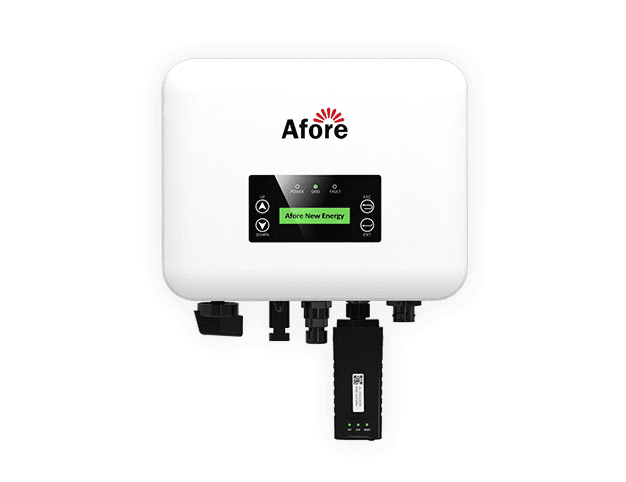
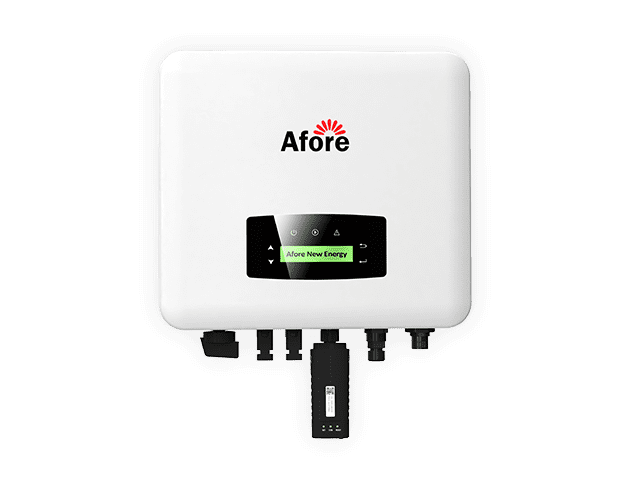
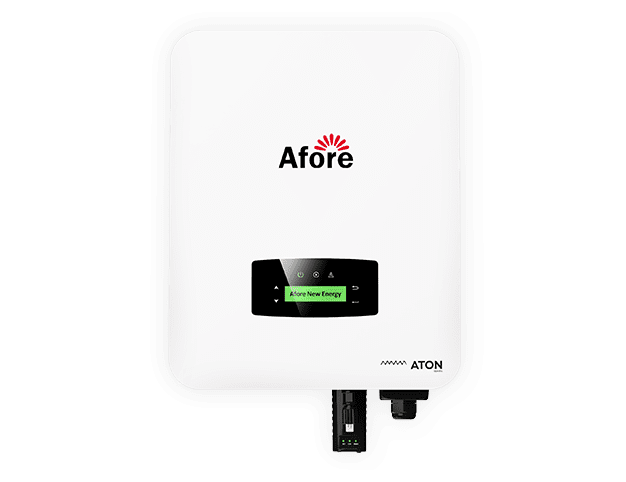
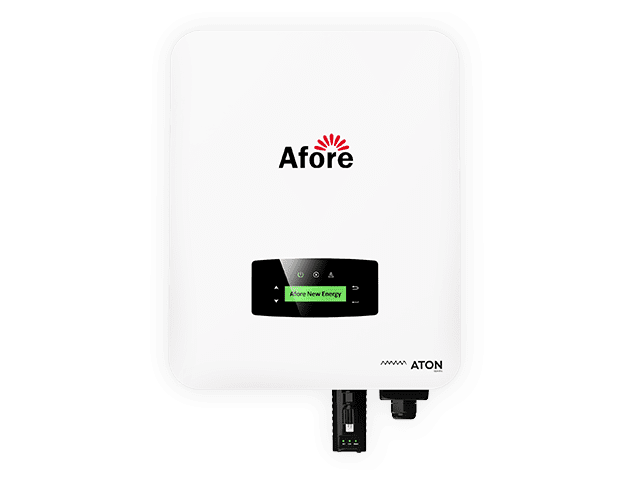
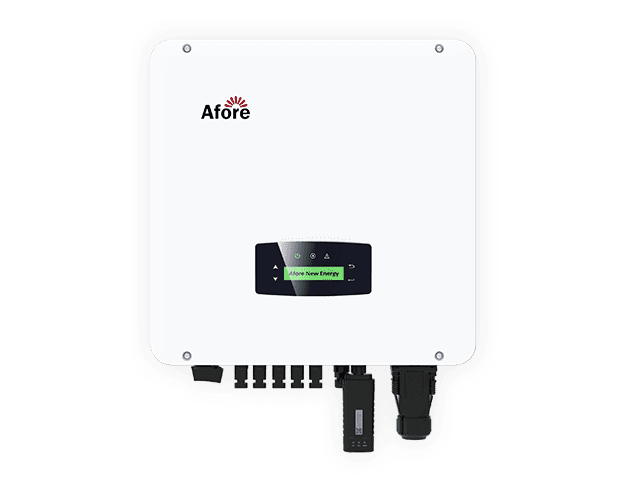
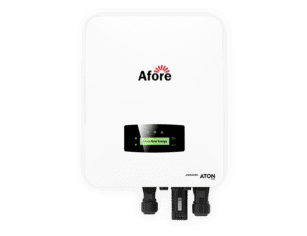
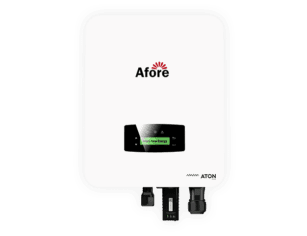
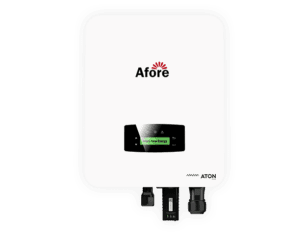
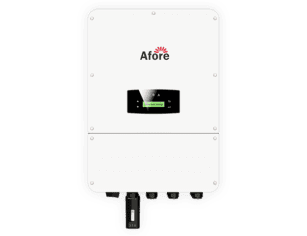
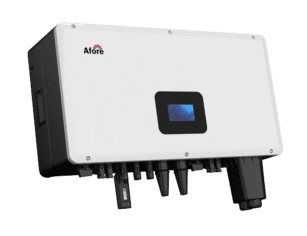
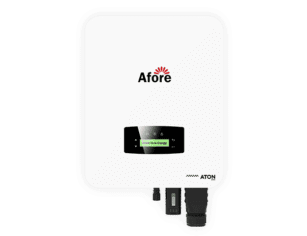
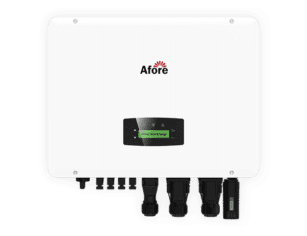
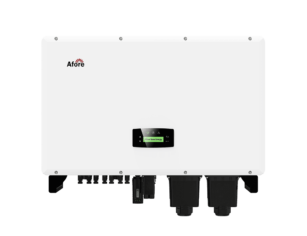
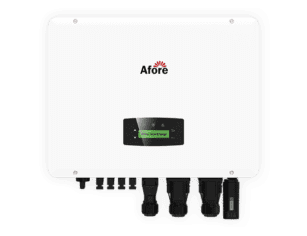
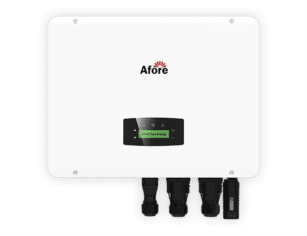
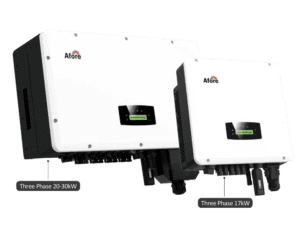
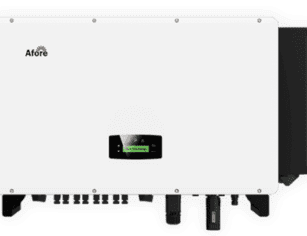
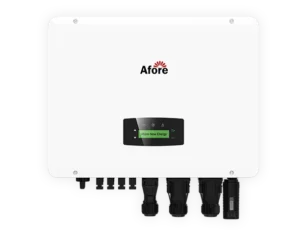
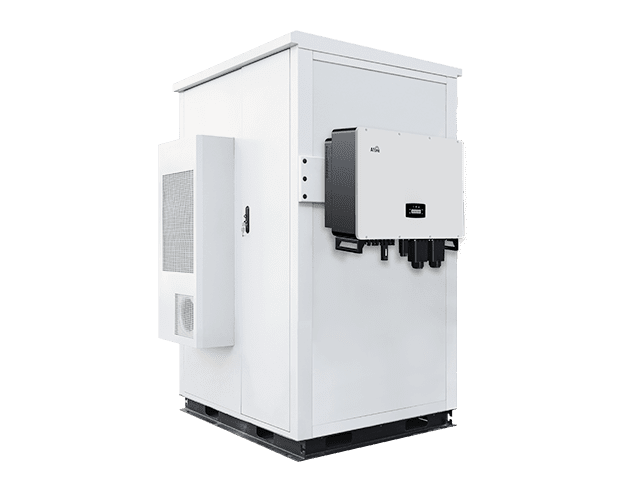
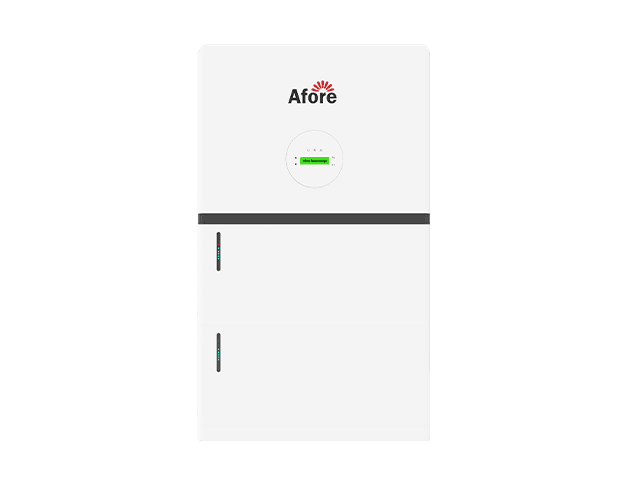
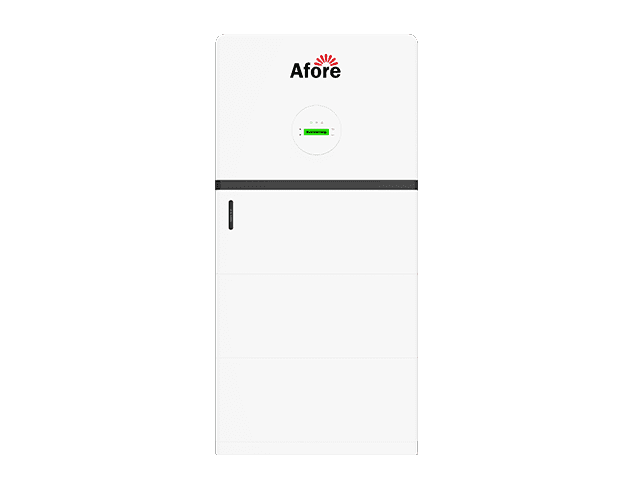
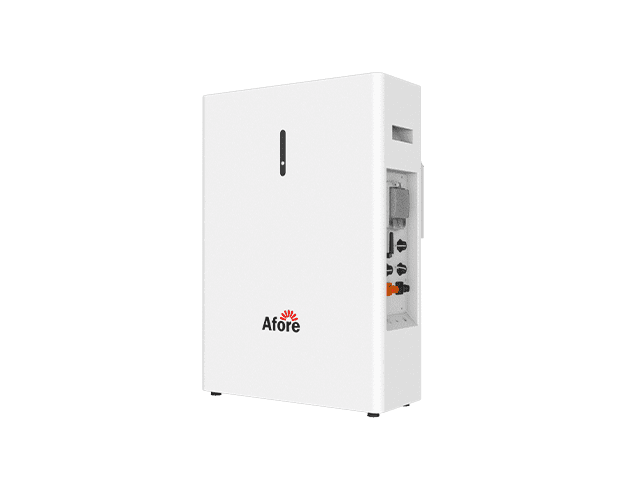
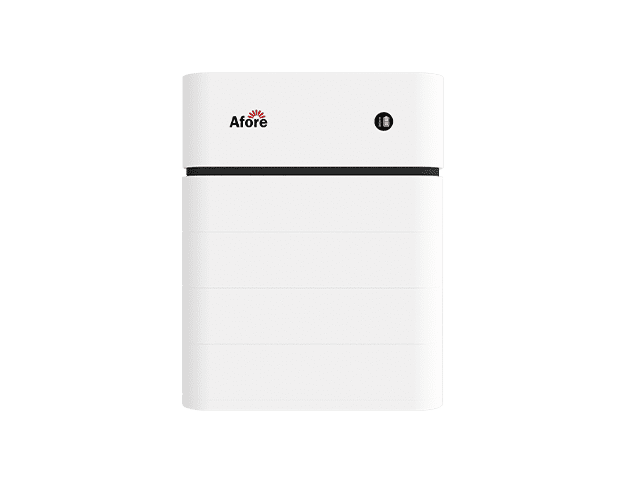
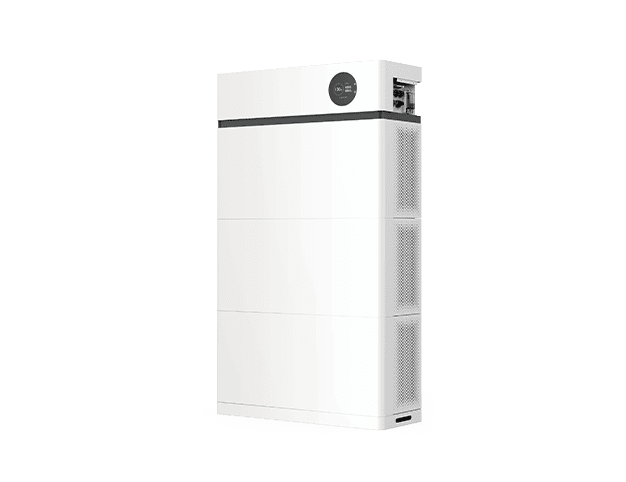
Монтажники постійно обирають енергетичні рішення для дому від Afore завдяки стабільній якості виготовлення, повній регіональній сертифікації та бездоганній сумісності з сучасними фотоелектричними модулями та енергосистемами житлових будинків. Асортимент продукції компанії охоплює однофазні гібридні інвертори серійного виробництва, оптимізовані для різноманітних конфігурацій дахів, умов затінення та вимог до підключення до електромережі в усьому світі. Бренд забезпечує просту інтеграцію систем накопичення енергії для житлових будинків, спрощене введення в експлуатацію та надійну післяпродажну підтримку, що дозволяє знизити витрати на робочу силу та оптимізувати реалізацію великомасштабних житлових проєктів.
Стандартний заводський термін виконання замовлень на оптові партії побутових інверторів зазвичай становить від чотирьох до восьми тижнів за умови стабільного виробництва та нормальної роботи глобальної логістичної системи для міжнародних покупців. Митне оформлення, затори в портах, регіональні вимоги до маркування та перевірка відповідності нормам часто призводять до подовження фактичних термінів поставки для великих портфелів проектів у сфері побутового енергозабезпечення. Стратегічні покупці заздалегідь узгоджують терміни виконання замовлень та підтримують резервні запаси, щоб узгодити оптові поставки з графіками монтажу та кінцевими термінами реалізації проектів у сфері відновлюваної енергетики.
https://standards.ieee.org/standard/1547-2018.html
https://energy.ec.europa.eu/topics/renewable-energy/solar-energy_en








 Turkish
  Romanian