




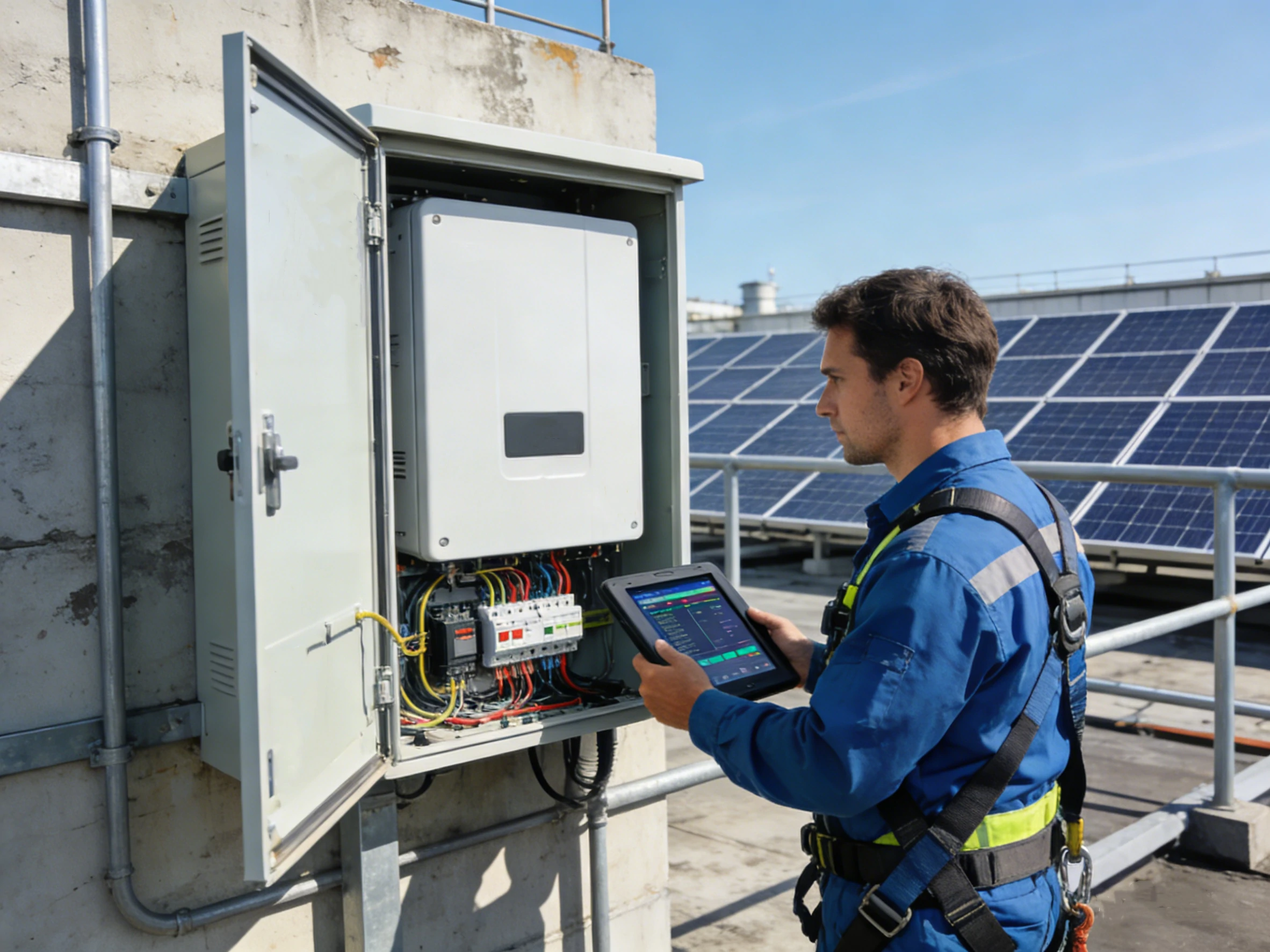
If you’ve worked on a commercial rooftop or utility-scale array long enough, you’ve probably dealt with it: AFCI nuisance tripping solar systems that seem to shut down at the worst possible time.
The inverter stops. Production drops. The monitoring dashboard lights up. The client calls.
And the first question is always the same:
“Is something dangerous happening up there?”
Here’s the truth: sometimes yes. Often no. But you’d better know the difference.
In this deep-dive guide, we’re going to unpack AFCI nuisance tripping solar behavior from a real-world, boots-on-the-roof perspective. We’ll cover:
Before we talk about AFCI nuisance tripping solar, we need to understand what AFCI is really doing.
An Arc-Fault Circuit Interrupter (AFCI) detects unintended electrical arcs. In solar systems, arc faults can occur due to:
Arcs are dangerous because they can reach temperatures above 3,000°C. That’s fire territory.
Modern codes require arc-fault detection in many commercial and residential PV systems because fire prevention is non-negotiable. This is central to PV system safety.
But here’s where things get interesting.
AFCI devices don’t just detect catastrophic arcs. They analyze waveform signatures — high-frequency noise patterns riding on DC current.
And sometimes… they get fooled.
That’s where AFCI nuisance tripping solar begins.
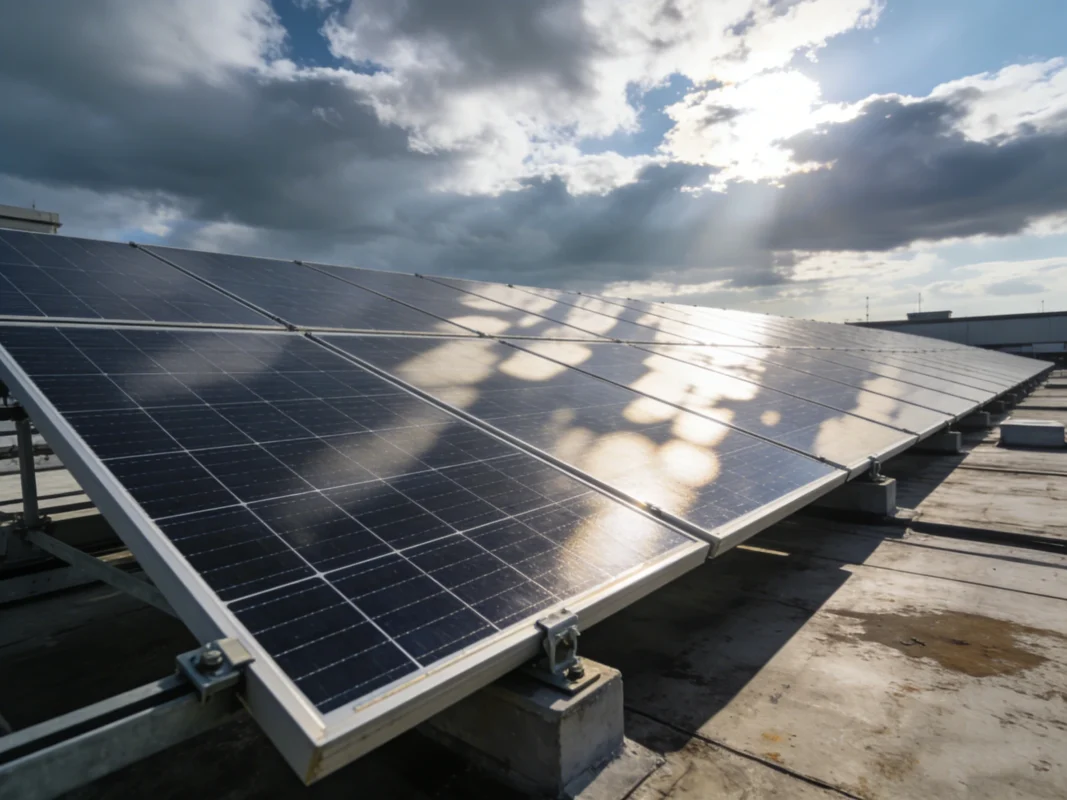
AFCI nuisance tripping solar refers to arc-fault shutdowns triggered by non-dangerous electrical noise or harmless system behavior.
The inverter interprets the signal as an arc. It shuts down. But there’s no real hazard.
In commercial settings, repeated AFCI nuisance tripping solar events can:
And frankly, they can drive technicians crazy.
AFCI nuisance tripping solar events are incredibly common in both commercial and large residential systems. But here’s the thing: every single trip deserves to be taken seriously. The challenge isn’t dismissing the alarm — it’s understanding what actually triggered it.
This is probably the most underestimated cause of AFCI nuisance tripping solar.
A connector doesn’t have to be visibly loose or charred to create problems. Slightly imperfect crimps, incomplete locking, or minor oxidation at the contact point can create micro-resistance variations. These variations generate high-frequency electrical noise — exactly the type of signature that arc detection algorithms are designed to catch.
Important distinction:
To an AFCI circuit, those can look surprisingly similar.
From a PV system safety perspective, you should always treat this as potentially serious until verified. Re-terminate suspect connectors, check torque values, and inspect for discoloration under good lighting. In my experience, re-crimping and re-seating connections has eliminated persistent AFCI nuisance tripping solar issues more times than firmware changes ever have.
Solar arrays are not electrically static systems. They’re dynamic.
When fast-moving clouds pass over an array, especially during edge-of-cloud events, current can spike rapidly. These sudden waveform changes sometimes resemble arc signatures to sensitive detection systems.
This is one of the most misunderstood contributors to AFCI nuisance tripping solar.
Key scenario patterns:
In event logs, you may see the trip coincide exactly with current instability. That doesn’t mean you ignore it — it means your AFCI troubleshooting should include environmental correlation before assuming physical damage.
Long conductor runs are efficient at picking up electromagnetic interference. In large commercial rooftops or ground-mount systems, extended DC string lengths can behave like unintended antennas.
This makes the system more vulnerable to external noise, contributing to AFCI nuisance tripping solar events that have nothing to do with actual conductor damage.
Common risk factors include:
If a site recently added variable-frequency drives, heavy motors, or switching power equipment nearby, your AFCI nuisance tripping solar investigation should expand beyond the PV array itself.
Electrical systems age quietly.
Combiner boxes exposed to heat cycles, humidity, and environmental contaminants can develop mild oxidation at terminals. These connections may pass visual inspection but still introduce electrical irregularities.
This is where solid AFCI troubleshooting makes a difference:
Even without visible burn marks, minor contact degradation can generate the noise that triggers AFCI nuisance tripping solar.
Yes, external equipment absolutely can contribute to AFCI nuisance tripping solar.
High-frequency switching devices, large HVAC systems, industrial drives, and even poorly filtered power electronics can introduce noise into shared grounding paths.
Here’s what makes this tricky:
Yet AFCI nuisance tripping solar continues.
In these cases, you’re not solving a mechanical problem — you’re solving an electromagnetic compatibility issue. Improving grounding continuity, adjusting cable routing, and isolating noisy equipment circuits can reduce these events.
Not every insulation issue produces visible cracks or burn marks.
Small mechanical abrasions, UV aging, or rodent nibbling may create leakage paths or intermittent noise without creating sustained arcs.
This is why insulation resistance testing is critical in AFCI troubleshooting. A borderline megger result can explain recurring AFCI nuisance tripping solar events even when the array looks “fine.”
And again, this is about PV system safety. Even if the trip turns out to be nuisance-related, the inspection ensures you’re not missing a developing hazard.
Let’s talk about something uncomfortable.
Repeatedly performing a solar inverter arc fault reset without investigation can create the illusion of AFCI nuisance tripping solar when a deeper issue exists.
A reset clears the alarm — but it doesn’t eliminate the cause.
Proper procedure after any trip:
If the system trips again under stable conditions, it’s no longer just AFCI nuisance tripping solar — it’s a recurring diagnostic problem.
Let’s be honest: installation quality matters more than most people admit.
Uneven cable routing, poor strain relief, connectors installed under tension — these may not cause immediate failure, but they increase the likelihood of AFCI nuisance tripping solar months later.
Inconsistent workmanship creates electrical variability. And arc detection systems are extremely sensitive to variability.
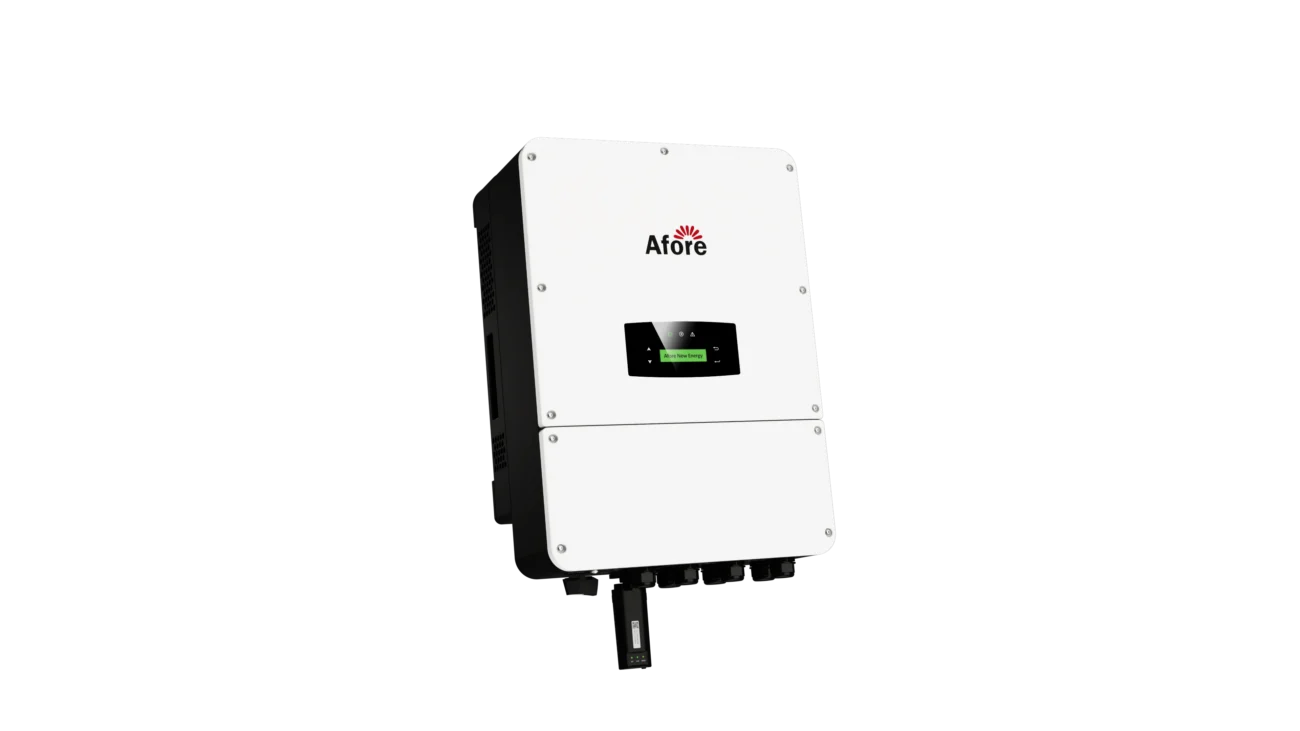
When it comes to AFCI nuisance tripping solar, guessing is expensive. Resetting without inspection is risky. And assuming “it’s just another false alarm” is how real problems get missed.
A disciplined, repeatable AFCI troubleshooting process protects uptime, protects revenue, and most importantly, protects PV system safety.
Below is the structured approach experienced technicians follow in the field — the kind that separates reactive maintenance from professional diagnostics.
Before anything else, shift your mindset.
Yes, AFCI nuisance tripping solar is common. But arc detection exists for a reason. A real DC arc can reach extreme temperatures and ignite rooftop materials in seconds.
So the first rule of AFCI troubleshooting is simple:
Assume it’s real until proven otherwise.
That means no immediate solar inverter arc fault reset without inspection. No dismissing alarms based on past experience. Every event starts as a safety evaluation.
This approach isn’t just good practice — it reinforces long-term PV system safety compliance and liability protection.
Good technicians don’t start with tools. They start with data.
Pull detailed logs from the solar inverter and review:
Patterns tell stories.
For example:
Structured AFCI troubleshooting always begins digitally before going physical.
Now it’s time to inspect the hardware.
Check:
Here’s a hard truth from field experience: most recurring AFCI nuisance tripping solar events trace back to something small that was missed during installation or maintenance.
Look closely. Use proper lighting. Don’t rush.
If you see burn marks or carbonization, stop calling it AFCI nuisance tripping solar — that’s a real arc issue.
Loose terminals are one of the most common triggers behind both real arcs and AFCI nuisance tripping solar.
Temperature cycles cause expansion and contraction. Over time, even properly installed connections can loosen slightly.
Use a calibrated torque tool and verify:
Never “eyeball tightness.” Always measure.
This step alone resolves a surprising percentage of repeat AFCI nuisance tripping solar cases.
Visual inspection is not enough.
Subtle insulation degradation can generate intermittent electrical noise without visible damage. That noise may trigger AFCI nuisance tripping solar even though there’s no sustained arc.
Conduct insulation resistance testing on affected strings:
Weak but not catastrophic insulation readings often explain mysterious arc-fault alarms.
Documented testing strengthens diagnostic credibility and protects service teams legally.
If electrical connections check out, expand your view.
Ask:
High-frequency interference can mimic arc signatures. In commercial settings, this is a frequent contributor to AFCI nuisance tripping solar.
Effective AFCI troubleshooting considers the entire electrical ecosystem, not just the PV array.
Only after inspection and testing should you proceed with a solar inverter arc fault reset.
Follow a controlled sequence:
Improper reset order can introduce additional stress or obscure underlying problems.
A solar inverter arc fault reset is not a fix. It’s a verification step after corrective action.
If AFCI nuisance tripping solar returns immediately under stable conditions, your root cause remains unresolved.
Professional AFCI troubleshooting doesn’t end at restart.
Monitor:
If no further trips occur during varying irradiance and load conditions, the issue may have been resolved.
If trips continue intermittently, dig deeper. Re-evaluate string segmentation. Inspect cable routing. Consider noise mitigation improvements.
Persistent AFCI nuisance tripping solar requires patience and structured elimination of variables.
This is where professionalism shows.
Record:
Why does this matter?
Because PV system safety is not just about fixing issues — it’s about proving due diligence.
Detailed documentation protects technicians, system owners, and asset managers in case of future incidents.
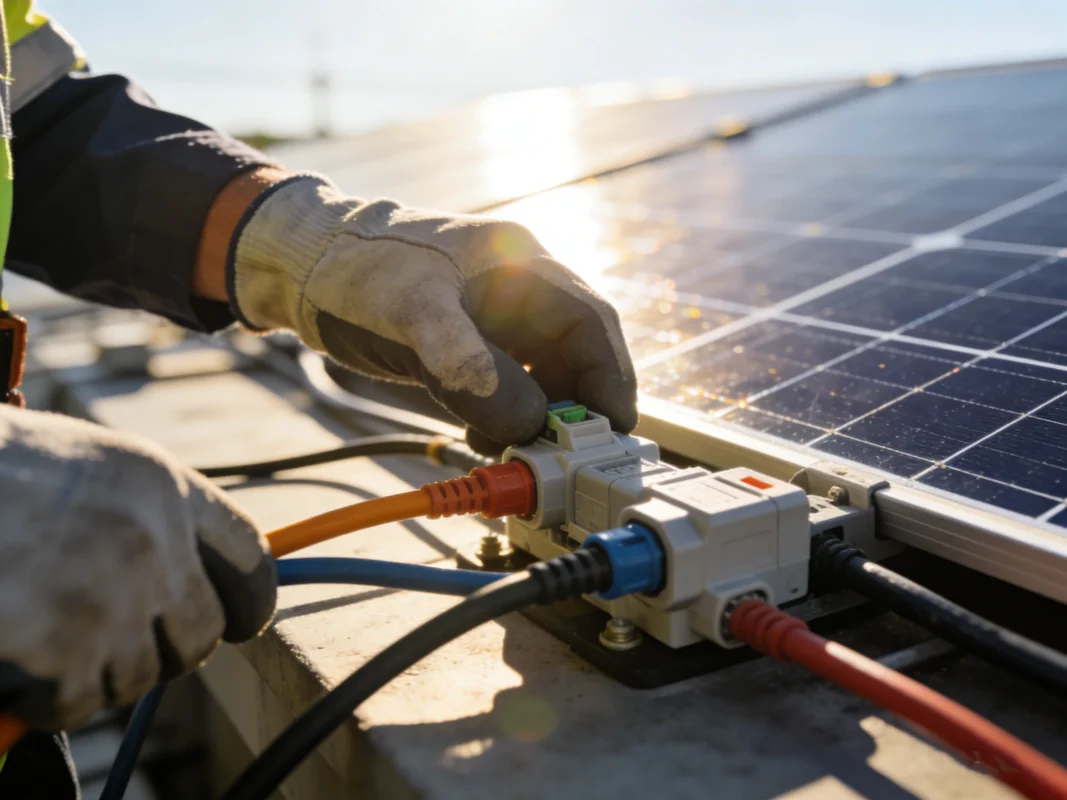
This is where experience really matters.
When you’re dealing with AFCI nuisance tripping solar, the most dangerous mistake isn’t overreacting. It’s underreacting.
An arc-fault alarm means one of two things:
Your job during AFCI troubleshooting is to determine which one you’re facing — without assumptions, shortcuts, or guesswork.
Let’s walk through how seasoned professionals make that distinction in a structured, defensible way.
Before touching anything, remind yourself:
Arc faults are a leading cause of electrical fires in PV systems. That’s why arc detection exists. So even if a site has a history of AFCI nuisance tripping solar, you cannot treat a new event casually.
From a PV system safety standpoint, every alarm begins as a legitimate safety investigation.
Only after inspection, testing, and documentation can you classify it as nuisance.
Real arc faults leave clues.
Look carefully for:
A sustained DC arc produces extreme localized heat. If it’s real, something usually shows it.
By contrast, AFCI nuisance tripping solar events typically leave no visible damage. Everything looks clean. No melting. No charring. No thermal stress indicators.
If physical damage is present, stop calling it nuisance. That’s a confirmed hazard and must be repaired before any solar inverter arc fault reset is attempted.
Modern systems record detailed arc-fault events. Reviewing these logs is a core part of effective AFCI troubleshooting.
Here’s what patterns often reveal:
Signs of a Real Arc Fault:
Signs of AFCI Nuisance Tripping Solar:
If a specific string repeatedly triggers alarms under normal conditions, that strongly suggests a genuine issue.
If trips are sporadic and tied to environmental instability, you may be dealing with AFCI nuisance tripping solar.
Visual inspection only tells part of the story.
A real arc often correlates with degraded insulation. That’s why insulation resistance testing is critical.
Test the affected string:
If insulation readings are weak or inconsistent, the likelihood of a real fault increases.
If all strings test strong and balanced, and no visible damage exists, the event may lean toward AFCI nuisance tripping solar.
But remember — passing insulation tests don’t automatically guarantee it was nuisance. They simply reduce probability.
Solar systems are exposed to dynamic conditions.
Sudden irradiance shifts can create rapid current changes. These waveform fluctuations occasionally resemble arc signatures to sensitive detection circuits.
Ask:
If the alarm consistently aligns with environmental instability, the pattern suggests AFCI nuisance tripping solar rather than a sustained arc.
Still, confirmation requires inspection — not assumption.
In commercial environments, high-frequency noise from nearby equipment can interfere with arc detection.
Large motors, switching devices, and variable-speed systems can introduce electrical noise into shared grounding pathways.
If:
Then AFCI nuisance tripping solar caused by electromagnetic interference becomes a realistic explanation.
This is where broader system awareness becomes part of professional AFCI troubleshooting.
Once inspection and testing are complete, perform a proper solar inverter arc fault reset following safe shutdown and startup procedures.
Then observe.
If the system:
A reset is not proof of nuisance. It is a diagnostic step in the larger investigation.
Repeated immediate trips without environmental triggers almost always indicate a real fault.
Here’s a simplified way experienced teams evaluate the situation:
| Indicator | Real Arc Likely | Nuisance Likely |
|---|---|---|
| Physical damage | Yes | No |
| Consistent string ID | Yes | Often no |
| Stable weather trips | Yes | Rare |
| Irradiance-related | Less common | Common |
| Insulation degradation | Often | Rare |
| External noise present | Possible | Common contributor |
But remember — this table supports judgment. It doesn’t replace inspection.
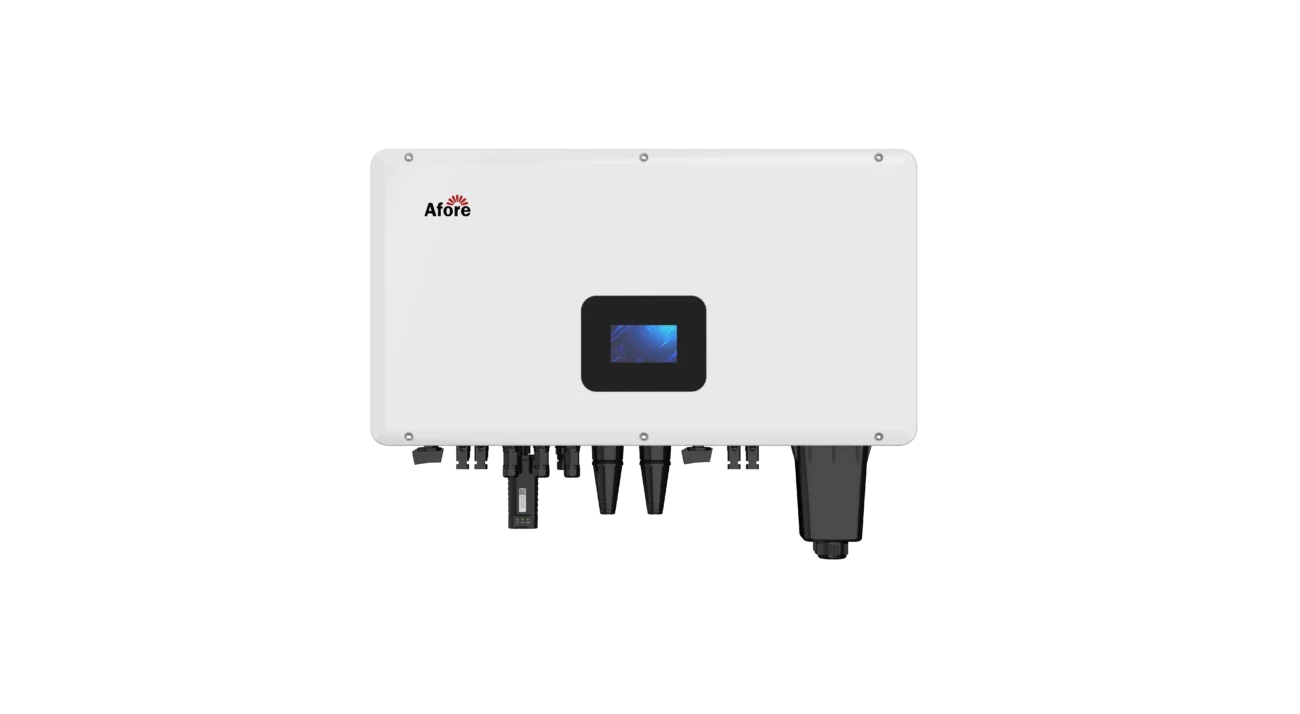
Many technicians treat reset as a routine action. It shouldn’t be.
A solar inverter arc fault reset is not a solution. It’s a final step after validation.
Every solar inverter arc fault reset should be logged.
If AFCI nuisance tripping solar continues after multiple resets, escalate diagnostics.
Prevention is smarter than endless troubleshooting.
Avoid tight bends.
Avoid tension on connectors.
Minimize conductor loops.
Clean installation reduces future AFCI nuisance tripping solar.
Loose terminals are one of the biggest causes of both real arcs and AFCI nuisance tripping solar.
Always torque to spec.
Poor grounding can increase susceptibility to noise-related AFCI nuisance tripping solar.
A solid grounding design improves PV system safety and system stability.
In commercial arrays, scale magnifies everything.
More strings.
Longer runs.
Higher current.
Which means higher probability of AFCI nuisance tripping solar.
For large systems:
The cleaner the layout, the lower the nuisance rate.
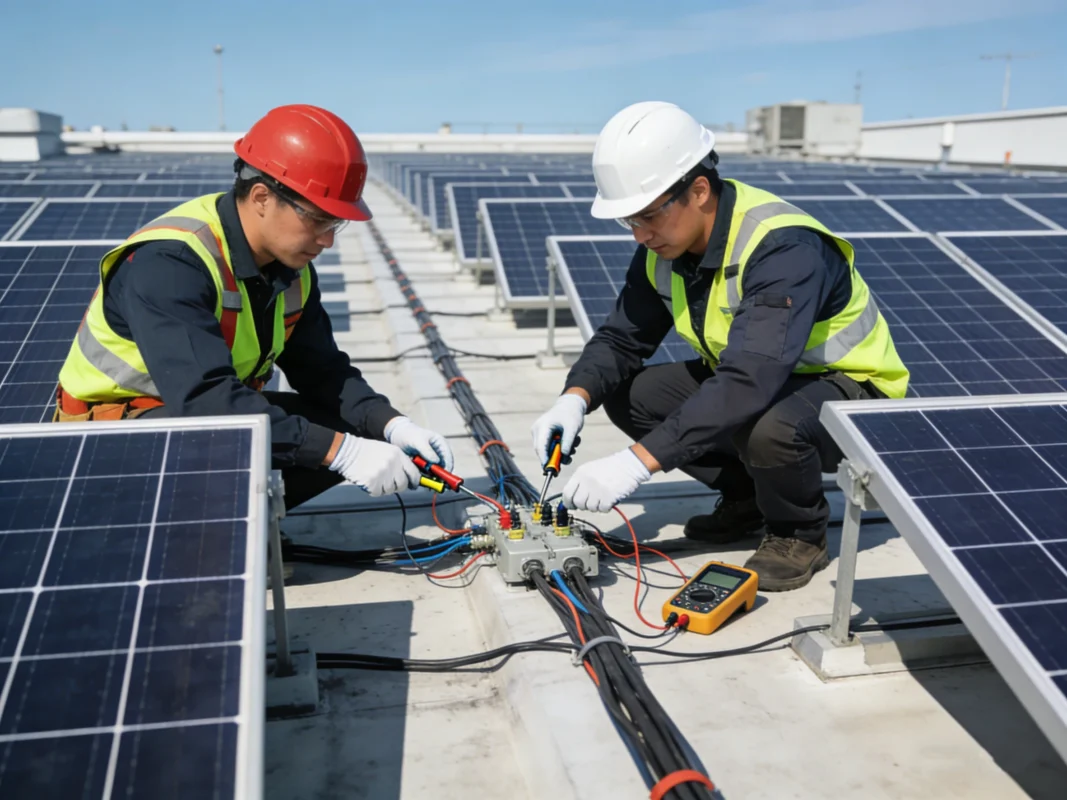
Theory is helpful, but nothing clarifies AFCI nuisance tripping solar like a real situation from the field. Over the years, many technicians have encountered systems that repeatedly shut down due to arc-fault alarms even though the array appeared perfectly healthy. The following example illustrates how a structured AFCI troubleshooting process can separate an actual hazard from a false trigger while maintaining proper PV system safety standards.
A mid-size commercial rooftop PV system had been operating smoothly for nearly a year. Then, over the course of a week, the system began experiencing repeated shutdowns caused by AFCI nuisance tripping solar alarms.
Each shutdown looked the same:
At first glance, the situation looked serious. Arc faults can be dangerous, so the maintenance team treated the event as a potential safety issue rather than immediately assuming it was AFCI nuisance tripping solar.
Before going up to the roof, the technicians reviewed the system logs. Event data from the solar inverter showed a pattern.
Key observations included:
This data suggested that the issue might be related to environmental conditions rather than a damaged conductor. However, because PV system safety is the top priority, the team continued the investigation instead of jumping to conclusions.
Next came a detailed visual inspection of the array and DC wiring.
Technicians checked:
During this inspection, nothing obvious appeared damaged. There were no burn marks, no melted connectors, and no carbon tracking. If a real arc fault had occurred, some evidence would normally be present.
This lack of physical damage made AFCI nuisance tripping solar a more likely explanation, but the team still proceeded with full AFCI troubleshooting.
Even when connectors appear intact, loose or poorly seated connections can produce electrical noise that mimics an arc signature.
The technicians carefully checked torque levels at several points in the DC system. One combiner terminal was found slightly under-torqued. The connection was not loose enough to cause visible damage, but it was not fully secure either.
Connections like this can create tiny fluctuations in current flow. Those fluctuations sometimes trigger AFCI nuisance tripping solar events even though no dangerous arc is actually forming.
After tightening the terminal to the correct torque specification, the team continued testing.
To rule out hidden cable damage, insulation resistance tests were performed on each string.
The results were reassuring:
These results supported the theory that the system was experiencing AFCI nuisance tripping solar rather than a real electrical fault.
Still, the technicians followed proper procedure before restoring operation.
Once inspection and testing were complete, the team carried out a proper solar inverter arc fault reset.
The restart procedure included:
Performing the solar inverter arc fault reset in the correct order ensured that the inverter returned to operation safely and that no underlying faults were overlooked.
After the solar inverter arc fault reset, the system resumed normal operation.
However, the job was not finished yet. Proper AFCI troubleshooting always includes monitoring after a reset.
Over the next several days, technicians watched system data closely. The array continued producing power normally, and no additional arc-fault alarms appeared.
Weather conditions during this monitoring period were similar to those during the earlier shutdowns, including passing clouds and rapid irradiance changes. Despite that, the system remained stable.
This confirmed that the earlier alarms were indeed AFCI nuisance tripping solar events caused by the marginal connection in the combiner box.
This case highlights several important lessons for technicians and system owners.
First, never assume an arc-fault alarm is harmless. Every event should be treated as a potential safety issue until proven otherwise. That approach protects PV system safety and ensures no real hazards are overlooked.
Second, even minor installation imperfections can trigger AFCI nuisance tripping solar events. A connector that is slightly under-torqued or not fully seated may create electrical signatures similar to those of a real arc.
Third, a structured AFCI troubleshooting process makes all the difference. Instead of guessing, technicians followed a logical sequence:
Because each step was completed carefully, the root cause was identified quickly without unnecessary equipment replacement.
AFCI nuisance tripping solar is frustrating. It affects uptime, revenue, and technician morale.
But it’s also a reminder: protection systems are doing their job — sometimes too carefully.
The goal isn’t to silence the alarm.
The goal is to build cleaner systems, perform smarter AFCI troubleshooting, execute proper solar inverter arc fault reset procedures, and protect long-term PV system safety.
Because at the end of the day, the worst outcome isn’t a nuisance trip.
It’s the arc that wasn’t detected.
And that’s a risk no professional should accept.
AFCI nuisance tripping solar is commonly caused by electrical noise, loose connections, long cable runs, rapid irradiance changes, or external interference rather than true arc faults.
A real arc fault typically shows physical damage like burn marks or insulation failure. AFCI nuisance tripping solar events often leave no visible signs and pass insulation testing.
Yes. High-frequency noise from nearby industrial equipment can contribute to AFCI nuisance tripping solar, especially in commercial environments.
A proper solar inverter arc fault reset includes shutting down AC, disconnecting DC, waiting for discharge, inspecting components, and restarting in sequence while ensuring PV system safety.
In most jurisdictions, disabling AFCI violates electrical code and compromises PV system safety. It is not recommended and can expose operators to liability.








 Turkish
  Romanian