




When people talk about improving the performance of a solar installation, they usually focus on panels, batteries, or the latest solar inverter technology. But there’s another factor quietly shaping how much electricity your system actually produces: multi-string MPPT efficiency.
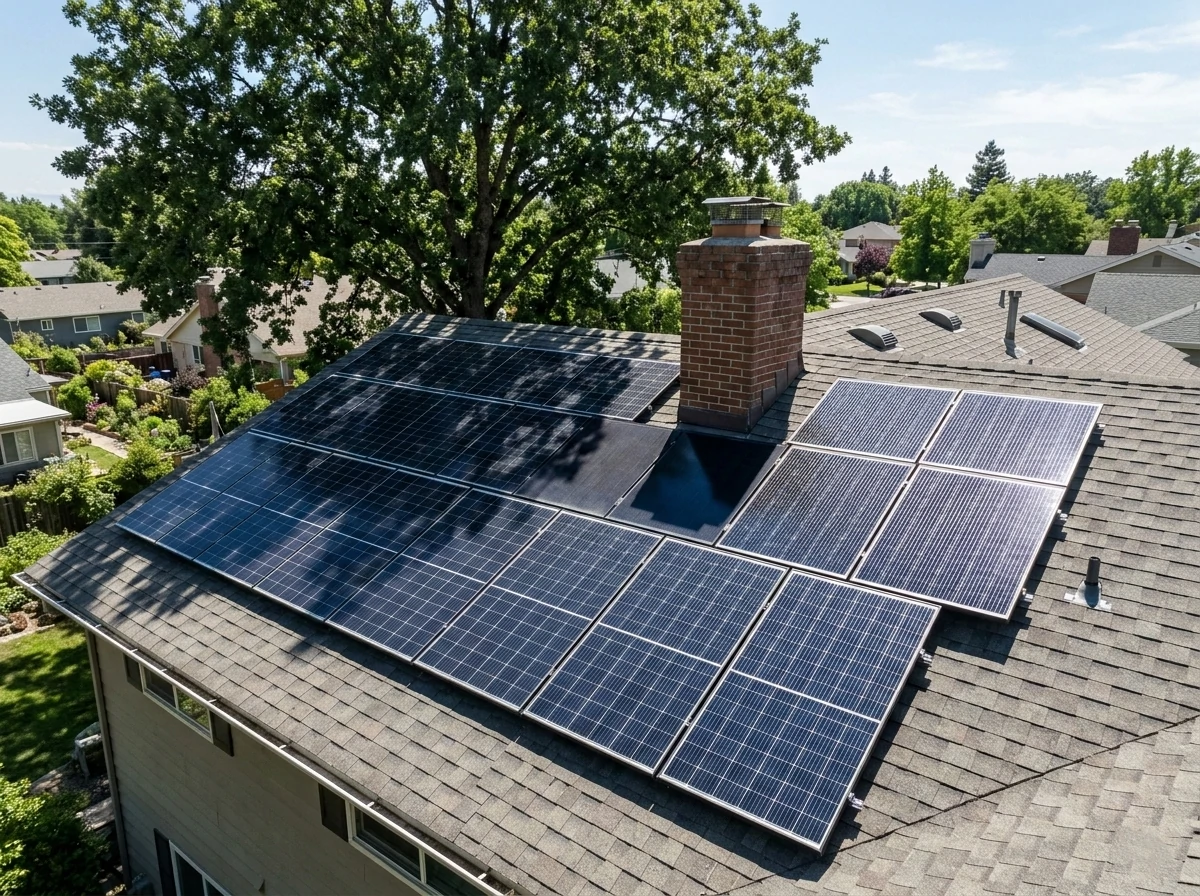
If you’ve ever dealt with solar array mismatch, partial shading, or complicated rooftop layouts, you already know that solar systems rarely operate under perfect conditions. One string gets shade from a chimney. Another faces a slightly different direction. Temperature variations creep in. Suddenly, the system that looked perfect on paper isn’t producing as much power as expected.
That’s where multi-string MPPT efficiency becomes a game changer.
By allowing multiple independent Maximum Power Point Tracking (MPPT) channels, modern inverters can optimize each string separately. The result? Better energy harvest, smarter shading mitigation PV, and higher long-term output.
In this guide, we’ll break down everything you need to know about multi-string MPPT efficiency, including how it works, why it matters, and how installers and engineers use it to boost solar yield in real-world projects.
Before diving into multi-string MPPT efficiency, we need to understand what MPPT actually does inside a solar system.
Every solar panel has a point where voltage and current combine to produce maximum power. This is called the Maximum Power Point (MPP).
However, the MPP constantly changes depending on:
A solar inverter constantly scans the voltage and current curve of the solar array to locate this optimal operating point.
That tracking process is called Maximum Power Point Tracking (MPPT).
Without MPPT, a solar system could easily lose 10–30% of potential energy output.
In lab conditions, all panels receive identical sunlight and temperature. In real life, that almost never happens.
Examples include:
All these factors lead to solar array mismatch, which reduces overall power output if only one MPPT is used.
That’s why modern systems increasingly rely on multi-string MPPT efficiency to maximize energy harvest.
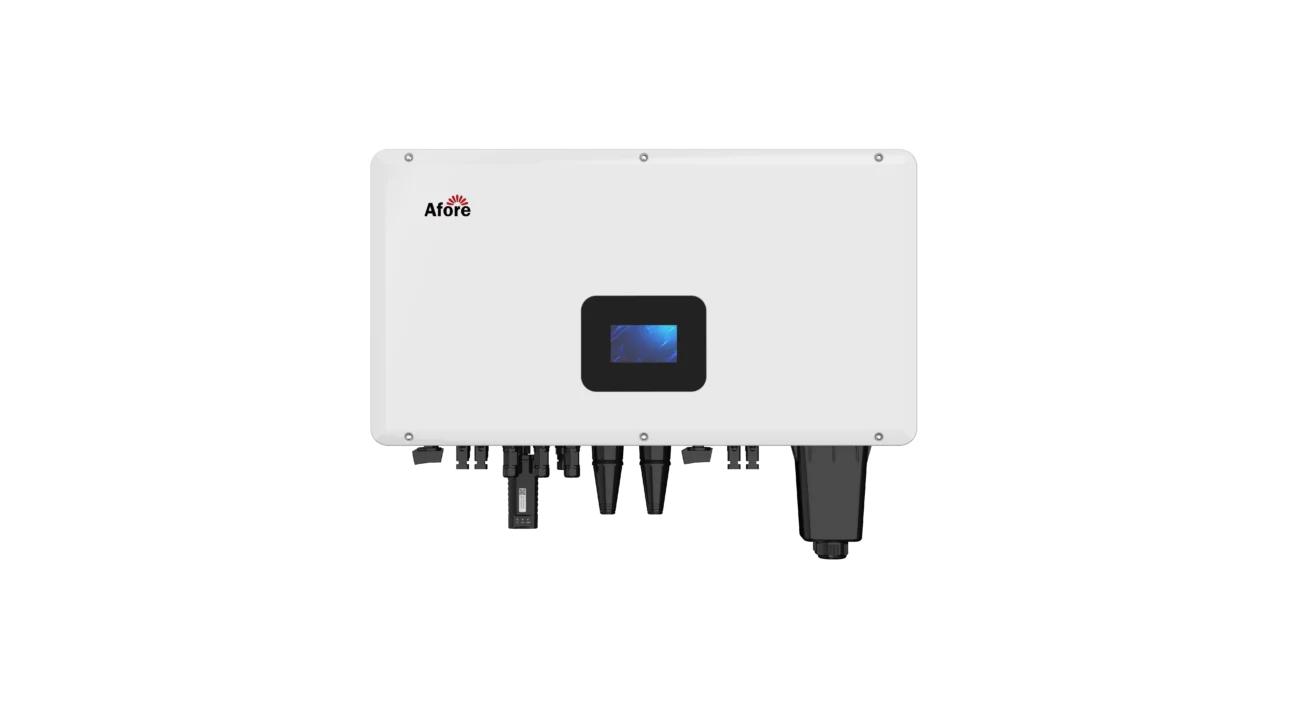
When we talk about multi-string MPPT efficiency, we’re referring to the ability of a solar inverter to maximize power extraction from multiple independent solar strings simultaneously. In practical terms, it means that instead of forcing all panels in an array to operate under one fixed power point, the inverter can track and optimize each string separately. This capability is particularly valuable in real-world conditions where panels face varying sunlight, partial shading, or different orientations.
Imagine a rooftop where one side faces southeast and another southwest, or a commercial installation with multiple roof sections interrupted by skylights or HVAC units. In these situations, a single MPPT channel would force all strings to operate at a compromise voltage, resulting in lost energy. By using multiple MPPT channels, each string can follow its own maximum power point, reducing losses from solar array mismatch and improving overall system performance.
Traditional solar systems often rely on a single MPPT architecture. In this setup, all strings are electrically combined, and the inverter tracks one universal maximum power point. While this works well for uniform arrays under perfect sunlight, it becomes inefficient when conditions vary. A shaded or slightly misaligned string can drag down the performance of the entire array, reducing overall efficiency.
In contrast, multi-MPPT architecture assigns an independent MPPT channel to each string or group of strings. Each MPPT monitors voltage and current in real time and constantly adjusts the operating point to extract maximum power.
The differences are clear:
From an installer’s perspective, multi-MPPT systems offer greater flexibility in rooftop design. You can mix different orientations, panel types, or string lengths without worrying about one underperforming section dragging down the whole system. This adaptability is what makes multi-string MPPT efficiency so valuable in both residential and commercial applications.
The importance of multi-string MPPT efficiency becomes evident when you consider the real-world challenges of solar installations. No array is perfectly uniform: clouds pass, shadows shift throughout the day, and even panels from the same batch can degrade at different rates over time. Without multi-MPPT tracking, these variations create solar array mismatch, reducing total energy output.
High multi-string MPPT efficiency ensures that each string operates at its own optimal point, maximizing daily energy harvest. This is especially critical in systems with partial shading, multiple roof angles, or hybrid setups where solar generation feeds both loads and storage. Better efficiency translates into measurable gains—sometimes 5–10% more annual energy yield compared to single MPPT setups in complex installations.
Moreover, improved multi-string MPPT efficiency reduces the impact of shading and voltage mismatches without requiring additional module-level electronics, simplifying maintenance and long-term reliability. For engineers, designers, and homeowners alike, understanding and prioritizing multi-string MPPT efficiency can mean the difference between an underperforming system and one that consistently delivers its expected output.
Even the most meticulously designed solar system will rarely perform under perfect, uniform conditions. That’s where solar array mismatch comes into play—a situation where different strings in the same system produce varying amounts of power. Mismatch is one of the main reasons multi-string MPPT efficiency is so critical, as it allows each string to operate at its own maximum power point rather than dragging down the entire array. Understanding the real-world causes of mismatch can help installers, engineers, and homeowners make informed design choices that maximize energy harvest.
One of the most common contributors to solar array mismatch is the variation in panel orientation. Even a few degrees of difference can cause strings to produce different voltage and current profiles throughout the day. For example, a roof with east- and west-facing sections will experience morning and afternoon solar peaks at different times. If all strings are connected to a single MPPT, the inverter must compromise, reducing energy yield from both orientations.
By leveraging multi-string MPPT efficiency, each string can independently track its optimal point, allowing east-facing panels to produce maximum power in the morning while west-facing panels peak in the afternoon. This approach minimizes losses caused by orientation differences and ensures the system captures as much solar energy as possible, even on irregular rooftops or multi-section commercial installations.
Partial shading is another major factor causing solar array mismatch. Shadows cast by trees, chimneys, nearby buildings, or even seasonal rooftop equipment can significantly reduce the output of affected panels. Because traditional single-MPPT systems force all strings to operate together, one shaded string can drag down the performance of the entire array.
In contrast, systems designed for multi-string MPPT efficiency isolate shaded strings, allowing unshaded sections to continue operating at peak output. This capability, often referred to as shading mitigation PV, can make a noticeable difference in daily energy harvest, particularly in urban or semi-urban environments where shadows are unavoidable. It also allows installers more flexibility in panel placement without sacrificing overall system performance.
Even when panels are installed under identical conditions, natural degradation and subtle manufacturing differences can introduce solar array mismatch over time. No two panels degrade at exactly the same rate, and variations in cell efficiency or voltage characteristics can compound these differences. Over a system’s 20–25 year lifespan, mismatched strings can slowly reduce energy output if the inverter cannot independently optimize each string.
Here, multi-string MPPT efficiency plays a critical role. By tracking each string individually, the inverter can compensate for slight performance differences, maintaining higher overall system efficiency and prolonging the effective energy production of the installation. In effect, multi-MPPT inverters provide a buffer against real-world imperfections, ensuring that even aging or slightly mismatched panels continue contributing to the system’s energy yield.
In real-world solar installations, shading is almost impossible to avoid. Trees grow, neighboring structures cast shadows, and rooftop features such as vents, skylights, or HVAC units interrupt otherwise ideal panel layouts. Even small shadows can cause significant power losses because solar panels within a string are electrically linked. When one panel underperforms, it can limit the output of the entire string.
This is where multi-string MPPT efficiency becomes a crucial design advantage. By using multiple Maximum Power Point Tracking channels inside a solar inverter, each string can be optimized independently. Instead of forcing all strings to operate under a single electrical condition, the inverter continuously tracks the best operating point for each group of panels.
The result is far better shading mitigation PV performance. Rather than allowing one shaded section to affect the entire array, only the affected string adjusts its operating point while the others continue producing power normally. For installations where partial shading occurs throughout the day, improving multi-string MPPT efficiency can significantly increase the total energy harvested from the system.
To understand why multi-MPPT systems are effective for shading mitigation PV, it helps to consider what happens when a shadow falls across part of a solar array.
When a panel receives less sunlight, its current output drops. In a traditional single-MPPT setup, the inverter must find a compromise operating point for all connected strings. This often forces well-performing panels to operate below their optimal level, creating energy losses across the entire system. In other words, solar array mismatch spreads the impact of shading far beyond the shaded panels themselves.
A system designed for strong multi-string MPPT efficiency avoids this problem. Each MPPT channel monitors the electrical characteristics of its connected string and independently determines the maximum power point. If one string experiences shading, the inverter simply adjusts the operating voltage of that string while leaving the others untouched.
In practice, this leads to several benefits:
For example, imagine a commercial rooftop where one group of panels experiences shade in the morning but receives full sunlight later in the day. With strong multi-string MPPT efficiency, that shaded string will temporarily operate at its own optimized power point while the rest of the array continues generating at peak capacity. Without multi-MPPT tracking, the entire system could suffer reduced output during those shaded periods.
Anyone who has spent time designing solar systems knows that rooftops rarely behave like the clean diagrams shown in design manuals. Installers frequently encounter irregular roof shapes, equipment obstacles, and varying panel orientations. In these conditions, reliable shading mitigation PV becomes essential.
Systems designed with high multi-string MPPT efficiency give installers far more flexibility during the planning stage. Instead of rejecting usable roof areas because of occasional shading, designers can assign those panels to a dedicated MPPT channel. This allows the system to capture additional energy without compromising overall performance.
Installers often value this flexibility for several practical reasons:
These benefits become even more valuable in systems that integrate storage through a hybrid inverter, where consistent solar production supports battery charging and energy management strategies. When solar generation is optimized through strong multi-string MPPT efficiency, the entire energy ecosystem—from generation to storage—operates more smoothly.
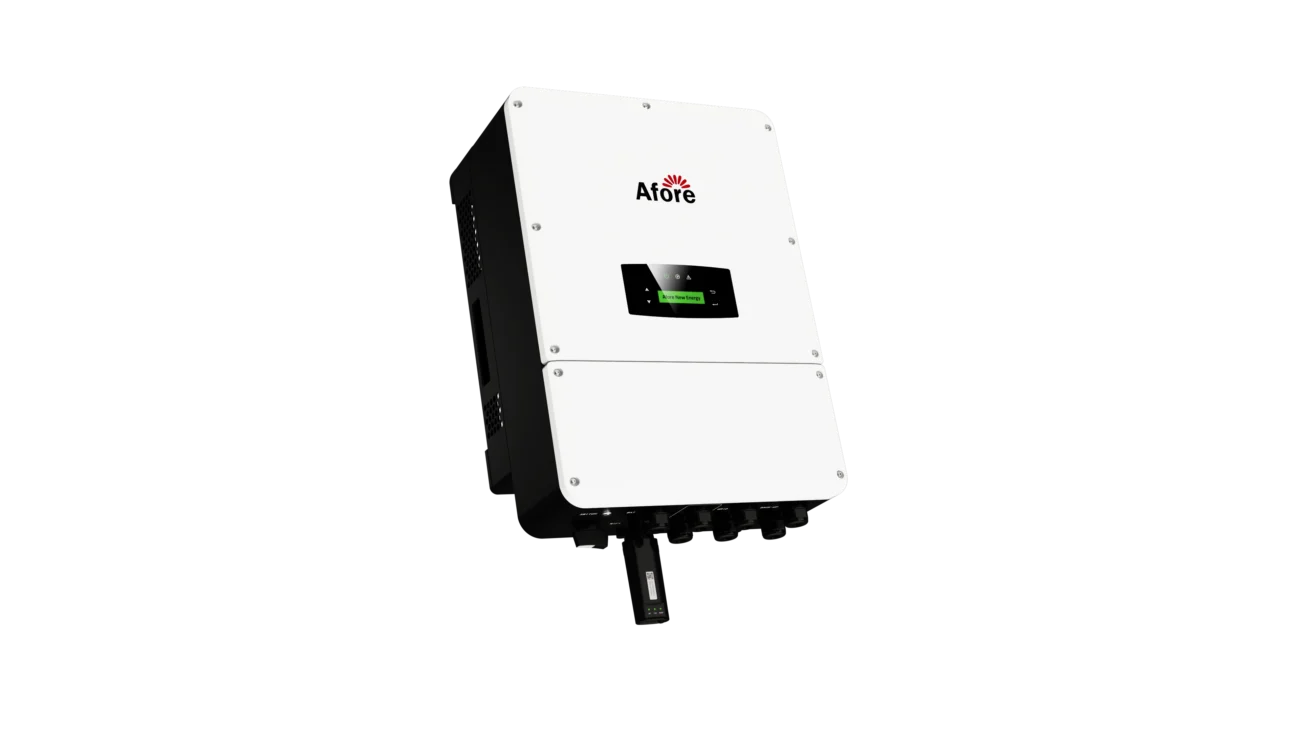
The simple rule is this:
More independent MPPT channels = more flexibility.
But the real-world benefits go deeper.
Each string can operate at a slightly different voltage.
Higher multi-string MPPT efficiency means:
When strings share one MPPT, current mismatch causes losses.
Better multi-string MPPT efficiency prevents strong strings from being limited by weaker ones.
Installers can design arrays based on:
without sacrificing multi-string MPPT efficiency.
When designing a high-performance solar system, one question often comes up: should you rely on module-level power electronics or a solar inverter with strong multi-string MPPT efficiency? Both approaches aim to solve the same challenge—reducing losses caused by solar array mismatch and improving shading mitigation PV. However, they achieve this in different ways and are suited to different types of installations.
Understanding the differences between these approaches helps system designers choose the right architecture for reliability, cost control, and long-term performance.
Module optimizers operate at the panel level. Each solar panel is paired with a small electronic device that performs Maximum Power Point Tracking individually. This means every panel can operate at its own optimal voltage and current regardless of how neighboring panels are performing.
In theory, this approach provides the most granular control. If one panel is shaded or dirty, the optimizer isolates the issue so the rest of the array continues producing normally. This can significantly reduce losses from solar array mismatch, particularly in installations where shading varies across individual panels.
Optimizers also offer advantages such as detailed module-level monitoring and improved shading mitigation PV in highly irregular arrays. However, there are trade-offs. Because an electronic device is installed on every panel, system complexity increases. More components also mean more potential service points over the lifetime of the system.
For installers working on large commercial systems, this additional hardware can increase installation time and long-term maintenance considerations.
An alternative approach is to rely on a solar inverter designed with high multi-string MPPT efficiency. Instead of optimizing each panel individually, the inverter optimizes each string independently through multiple MPPT channels.
Modern multi-MPPT designs can include several tracking inputs, allowing different strings to operate under unique conditions. For example, one string might face east while another faces west, or one group of panels might experience occasional shading from rooftop equipment. With strong multi-string MPPT efficiency, each string tracks its own optimal operating point, greatly reducing the impact of solar array mismatch.
In many installations, this approach delivers excellent shading mitigation PV without requiring electronics on every module. Fewer field-mounted components can simplify installation and reduce long-term maintenance risks.
For many residential and commercial systems, advanced multi-MPPT architecture provides an effective balance between performance, reliability, and system simplicity. By improving multi-string MPPT efficiency, modern inverter designs allow solar arrays to maintain strong production even when real-world conditions are far from perfect.
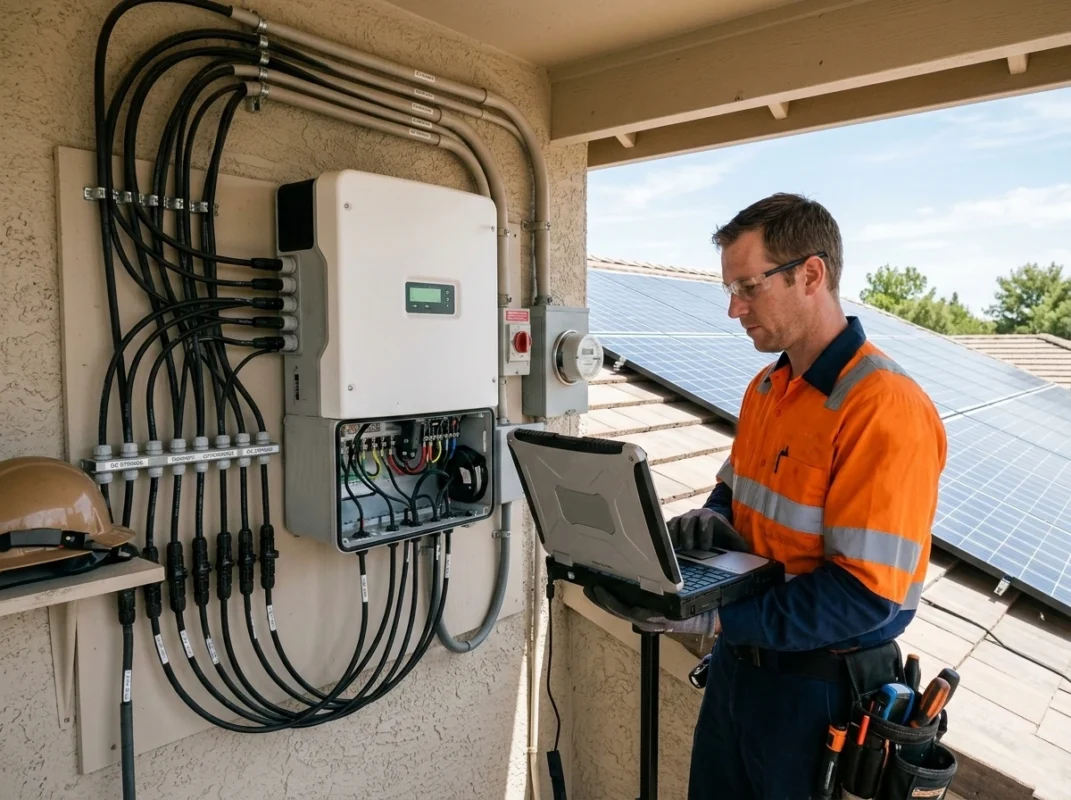
Choosing the right solar inverter involves much more than comparing peak efficiency numbers on a specification sheet. In real installations, the true performance of a system often depends on how effectively the inverter manages multiple solar strings operating under different conditions. This is where multi-string MPPT efficiency becomes a critical evaluation factor.
A well-designed inverter with strong multi-string MPPT efficiency can significantly reduce losses caused by solar array mismatch, improve shading mitigation PV, and allow installers greater flexibility when designing rooftop layouts. When assessing different inverter options, engineers and installers usually focus on several key technical characteristics that directly influence how well the system can optimize energy production.
One of the most obvious indicators of multi-string MPPT efficiency is the number of MPPT inputs available on the inverter. Each MPPT channel independently tracks the maximum power point of the connected solar string. The more MPPT inputs an inverter has, the more independently it can manage strings with different operating conditions.
For example, a residential installation may work well with two or three MPPT channels if the roof orientation is simple. However, larger residential systems or commercial installations often benefit from more MPPT inputs. Multiple channels allow designers to separate strings based on roof orientation, shading exposure, or string length. This reduces the negative effects of solar array mismatch and ensures each group of panels operates at its optimal point, improving overall multi-string MPPT efficiency.
Another important factor when evaluating multi-string MPPT efficiency is the MPPT voltage operating range. Solar arrays do not produce a fixed voltage; instead, voltage changes depending on temperature, sunlight intensity, and system configuration.
An inverter with a wide MPPT voltage range allows installers to design strings more flexibly while still maintaining high efficiency. This flexibility is especially useful when dealing with complex rooftop layouts or mixed panel orientations. By allowing each MPPT channel to track power across a broader voltage window, the inverter can maintain optimal operation even when environmental conditions fluctuate.
A wider tracking range also helps maintain stable multi-string MPPT efficiency in systems experiencing partial shading or temperature variation, both of which can shift the electrical characteristics of a solar string.
The third factor often overlooked is MPPT tracking speed. Solar conditions can change quickly due to moving clouds, passing shadows, or sudden temperature shifts. An inverter must constantly adjust its operating point to keep extracting maximum power.
Fast and precise tracking algorithms improve multi-string MPPT efficiency by responding quickly to these changes. When the inverter detects a shift in voltage or current, it recalculates the maximum power point and adjusts the operating parameters of that string almost instantly.
In installations where shading mitigation PV is important, dynamic tracking speed can make a measurable difference. Faster MPPT response prevents extended periods of suboptimal operation, helping the system maintain higher daily energy production despite fluctuating conditions.
Ultimately, evaluating these three factors—the number of MPPT inputs, voltage range, and tracking responsiveness—provides a clearer picture of how effectively a solar inverter can deliver strong multi-string MPPT efficiency in real-world solar installations.
Even the most advanced solar inverter cannot deliver its full potential if the solar array itself is poorly designed. In real-world installations, careful planning of strings and panel placement plays a major role in achieving high multi-string MPPT efficiency. A well-structured array allows each MPPT channel to operate under stable electrical conditions, reducing losses caused by solar array mismatch and improving overall shading mitigation PV performance.
Experienced installers often approach system design with the goal of keeping operating conditions within each string as consistent as possible. By grouping panels with similar characteristics and environmental exposure, the inverter can track the maximum power point more accurately and maintain stronger multi-string MPPT efficiency throughout the day.
One of the most effective ways to maintain strong multi-string MPPT efficiency is to group panels that share similar sunlight conditions on the same MPPT channel. Panels facing different directions—such as east and west—experience peak sunlight at different times of the day. If these panels are connected to the same MPPT input, the inverter must compromise between their electrical characteristics, leading to reduced output.
By assigning panels with similar orientation and shading patterns to the same string, the system minimizes solar array mismatch. This allows the inverter to track a more stable maximum power point, improving energy production across the entire array. In systems where rooftop space is limited or irregular, this simple design principle can significantly enhance shading mitigation PV.
Another key design consideration involves balancing string lengths and electrical properties. When panels within a string have similar voltage and current characteristics, the inverter can track the maximum power point more efficiently. Large variations in string voltage can make tracking less stable and reduce multi-string MPPT efficiency.
Installers usually aim to keep the number of modules per string consistent whenever possible. This creates a predictable operating range for each MPPT channel and helps maintain stable performance across changing sunlight conditions. Consistency in panel type and electrical specifications also helps reduce long-term solar array mismatch.
Finally, good array design anticipates real-world conditions that may evolve over time. Trees grow, nearby buildings change the shading pattern, and rooftop structures may be added later. Planning for these possibilities can help maintain strong multi-string MPPT efficiency throughout the lifespan of the system.
For example, strings that are more likely to experience shading should be assigned to their own MPPT channel. This approach strengthens shading mitigation PV by isolating shaded sections so they do not affect the performance of the entire array. Thoughtful design at the installation stage ensures the solar inverter can consistently deliver high multi-string MPPT efficiency, even as environmental conditions change over the years.
Commercial solar installations present a completely different set of challenges compared to small residential systems. Large rooftops, complex layouts, multiple orientations, and varying shading conditions make it difficult for every panel to operate under identical conditions. In these environments, improving multi-string MPPT efficiency becomes one of the most effective ways to increase overall system performance.
A commercial solar array may contain dozens—or even hundreds—of strings. Without careful electrical optimization, solar array mismatch can quickly reduce the expected energy yield. That is why many commercial system designers prioritize inverters with multiple MPPT channels. Higher multi-string MPPT efficiency allows each string group to operate at its own optimal point, ensuring that underperforming sections do not drag down the entire system.
In large projects, even a small percentage improvement in multi-string MPPT efficiency can translate into a significant increase in annual energy production. Over the lifetime of a solar installation, this improvement can represent thousands of additional kilowatt-hours of electricity.
Commercial rooftops rarely provide the clean, unobstructed space that solar designers would prefer. HVAC units, ventilation systems, skylights, and structural elements often break up the available installation area. As a result, panel groups may need to be placed in several separate sections of the roof.
This fragmented layout increases the likelihood of solar array mismatch, because different sections of the roof may experience different sunlight conditions throughout the day. Some areas may receive direct sunlight for longer periods, while others are occasionally shaded by nearby equipment or structures.
High multi-string MPPT efficiency allows installers to divide these rooftop sections into separate strings connected to different MPPT inputs. Each string can then operate independently, maintaining its own optimal voltage and current. This greatly improves shading mitigation PV and ensures that a shaded or partially obstructed section does not reduce the output of the entire solar array.
Another common feature of commercial solar systems is the use of multiple panel orientations. Large rooftops often include sections facing slightly different directions or with varying tilt angles. Some projects even intentionally combine east-west arrays to distribute energy production more evenly throughout the day.
When these orientations are connected to the same MPPT channel, the inverter must compromise between different voltage and current conditions. This leads to reduced performance and increased solar array mismatch.
Strong multi-string MPPT efficiency solves this issue by allowing each orientation group to connect to its own MPPT channel. East-facing panels can reach their peak output in the morning, while west-facing panels generate more energy in the afternoon. Because each string is optimized independently, the overall system produces more energy across the full daylight cycle.
Many commercial facilities are now pairing solar generation with energy storage to improve energy management and resilience. In these systems, a hybrid inverter may handle both solar conversion and battery integration. This adds another layer of operational complexity, making reliable multi-string MPPT efficiency even more important.
When solar production is optimized through multiple MPPT channels, the system can generate power more consistently throughout the day. This stable production helps support battery charging schedules and reduces fluctuations in power flow. In other words, strong multi-string MPPT efficiency not only improves solar output but also enhances the performance of the entire energy ecosystem.
For commercial operators focused on maximizing long-term return on investment, the combination of improved shading mitigation PV, reduced solar array mismatch, and flexible system design makes multi-MPPT architecture a key element in modern solar project planning.
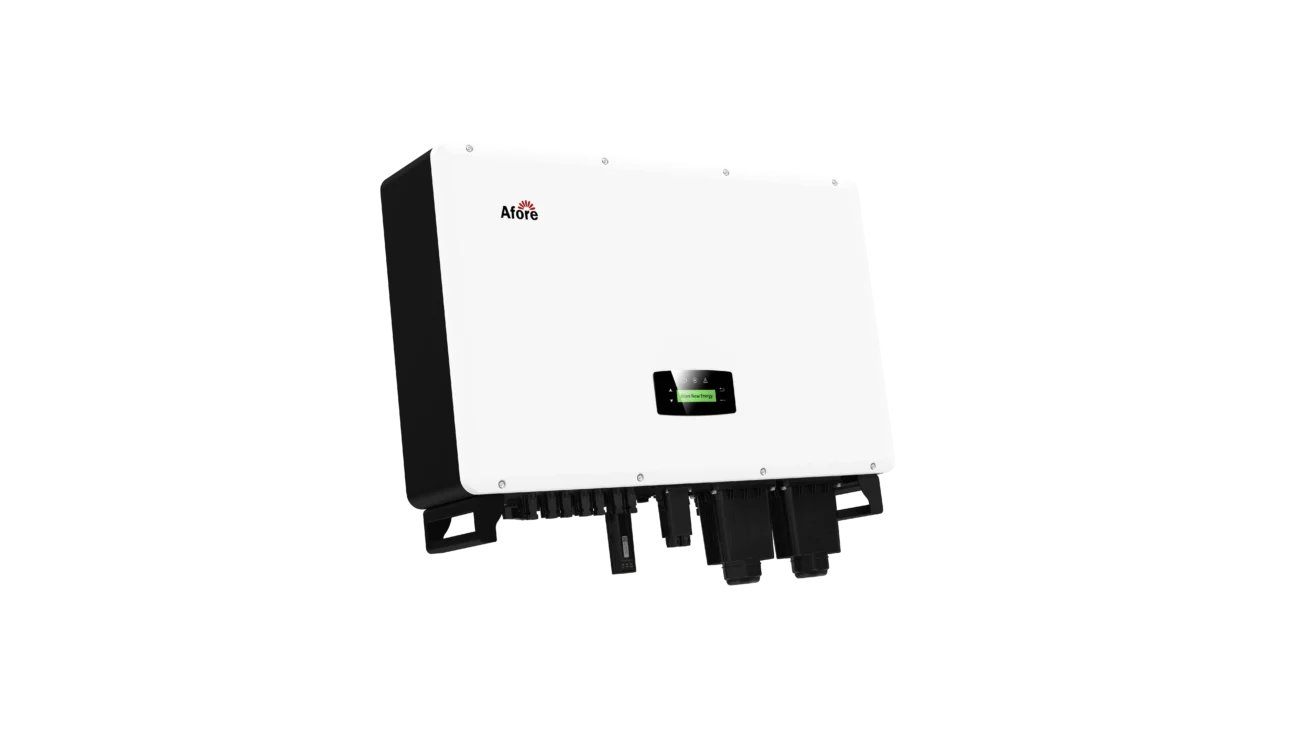
On paper, solar systems often look simple: panels produce DC electricity, the solar inverter converts it into usable AC power, and the building consumes the energy. But anyone who has spent time installing or designing real solar systems knows that reality is far more complicated. Roofs are uneven, sunlight conditions change constantly, and solar array mismatch is almost inevitable.
This is exactly where multi-string MPPT efficiency proves its real-world value. Installers who work with multi-MPPT systems quickly notice how much easier it becomes to design around shading, different roof angles, and mixed panel groups. Instead of forcing the entire array to behave like one perfectly uniform system, multiple MPPT channels allow the inverter to adapt to the imperfections that exist in nearly every installation.
One of the first things installers appreciate about strong multi-string MPPT efficiency is the flexibility it offers during the design phase. Many rooftops include obstacles such as skylights, vents, air-conditioning units, or parapet walls. These elements break the roof into smaller sections where panels may face slightly different directions or receive sunlight at different times of the day.
Without multiple MPPT channels, designers often have to compromise by avoiding certain roof areas or creating inefficient string layouts. This can reduce the total number of panels installed or lead to unnecessary energy losses.
With high multi-string MPPT efficiency, installers can assign each roof section to a different MPPT input. This allows each string to operate independently and minimizes the impact of solar array mismatch. In practice, this means more usable roof space and a more efficient system overall.
Shading is one of the most common issues installers encounter. Even a small amount of shade—caused by nearby trees, neighboring buildings, or rooftop equipment—can reduce output from a string of panels.
In single-MPPT systems, shading on one string can reduce the performance of the entire array. Installers frequently see this during site inspections when monitoring data reveals that one shaded section is limiting production across multiple strings.
Systems designed with strong multi-string MPPT efficiency dramatically reduce this problem. By isolating strings on separate MPPT channels, the inverter can maintain maximum output from unshaded panels while adjusting only the affected string. This improves shading mitigation PV and ensures that temporary shadows do not significantly reduce total energy production.
Another lesson installers often learn after years of system monitoring is that solar arrays rarely remain identical over time. Panels age gradually, dirt accumulation may vary across sections of the roof, and small environmental changes can introduce new sources of solar array mismatch.
Multi-MPPT systems help maintain strong performance despite these changes. Because each string operates independently, small variations in panel performance have less impact on the overall system. This sustained multi-string MPPT efficiency helps ensure that the solar installation continues producing close to its expected output year after year.
For installers responsible for long-term system performance, this reliability is important. When clients see consistent energy production and stable system operation, it reinforces confidence in the technology. In many real-world projects, the combination of better shading mitigation PV, reduced solar array mismatch, and flexible system design makes multi-MPPT architecture one of the most practical solutions available for maximizing solar energy production.
Solar technology has evolved rapidly, but one truth remains: real-world conditions are messy.
Panels get shaded. Roofs face different directions. Arrays grow over time.
That’s exactly why multi-string MPPT efficiency has become such a critical factor in modern solar design.
By allowing independent optimization of multiple strings, advanced inverters dramatically reduce losses from solar array mismatch, improve shading mitigation PV, and increase total system output.
Whether you’re designing a residential installation or a large commercial project, paying attention to multi-string MPPT efficiency can make the difference between a good solar system and a truly great one.
Having many MPPT channels dramatically improves multi-string MPPT efficiency because each solar string can operate independently. In commercial systems with complex layouts, different orientations, and shading patterns, multiple MPPTs prevent one underperforming string from reducing the output of the entire array. This leads to better shading mitigation PV, reduced solar array mismatch, and higher total energy production.
Yes, most modern solar inverter designs allow different panel types or brands to operate on separate MPPT channels. As long as voltage and current specifications remain within acceptable limits, each MPPT can track the optimal point for its connected string. This flexibility helps maintain high multi-string MPPT efficiency even when arrays contain panels from different manufacturers.
To estimate yield improvements from multi-string MPPT efficiency, engineers typically run system simulations comparing single-MPPT and multi-MPPT configurations. These simulations consider shading patterns, orientation differences, and temperature effects. In many installations, improving multi-string MPPT efficiency can increase annual production by 3–10%.
While adding more MPPT channels increases system complexity, modern inverter designs are highly reliable. The benefits of improved multi-string MPPT efficiency, reduced solar array mismatch, and better shading mitigation PV typically outweigh the minimal increase in potential failure points.
Not always. Small residential arrays with identical orientation and minimal shading may perform well with fewer MPPT channels. However, homes with complex roof layouts or partial shading can benefit significantly from improved multi-string MPPT efficiency.








 Turkish
  Romanian