




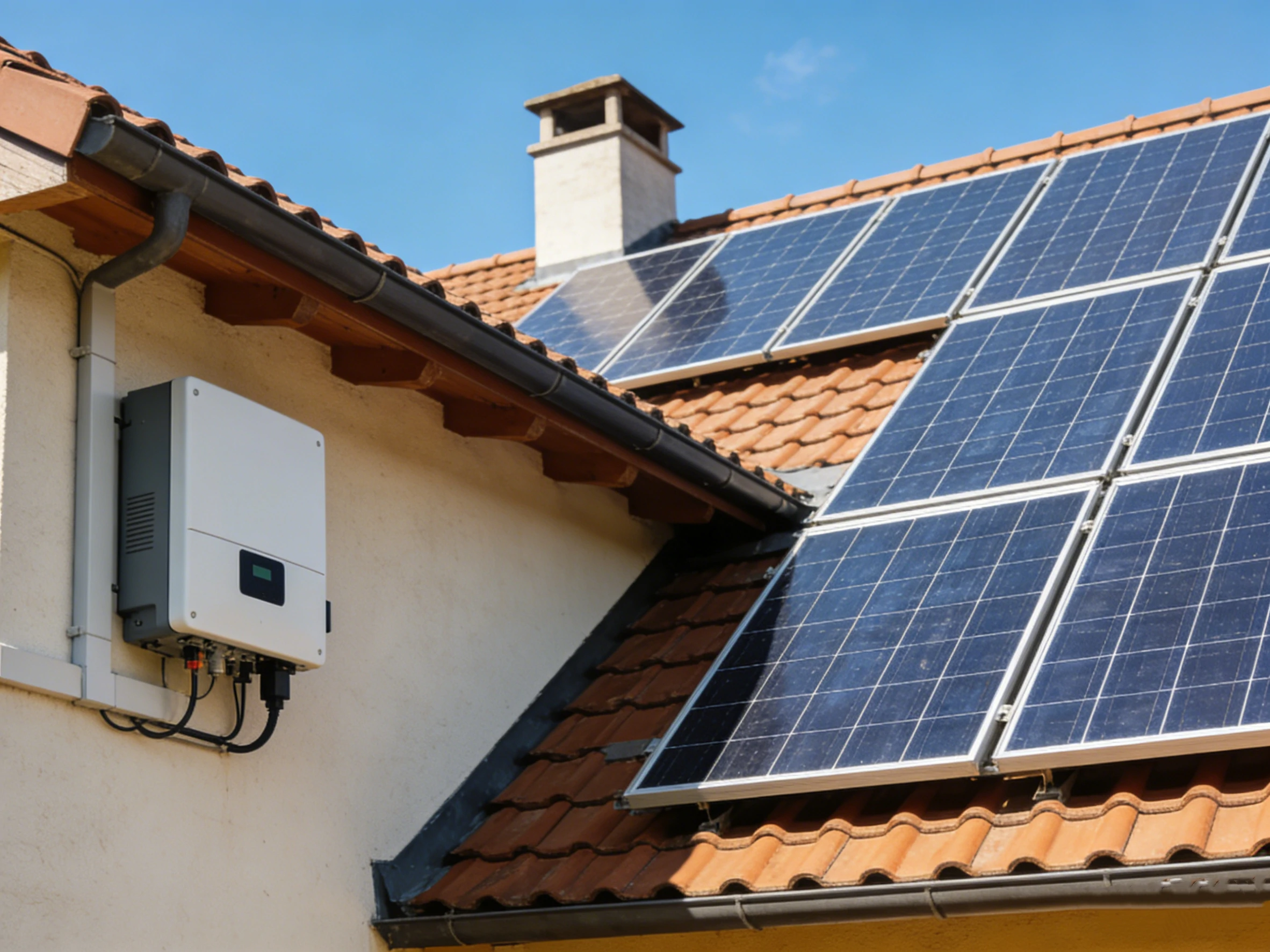
If you’ve ever stared at your solar inverter and realized it’s completely dead, you know the panic that sets in. Your inverter not turning on can be stressful, especially when you rely on solar power to keep your home or office running smoothly. Don’t worry — I’ve been there myself, and I’ll walk you through exactly why this happens, how to troubleshoot it, and what to do to avoid it in the future.
Before we dig into why your inverter is not turning on, let’s talk about what it actually does.
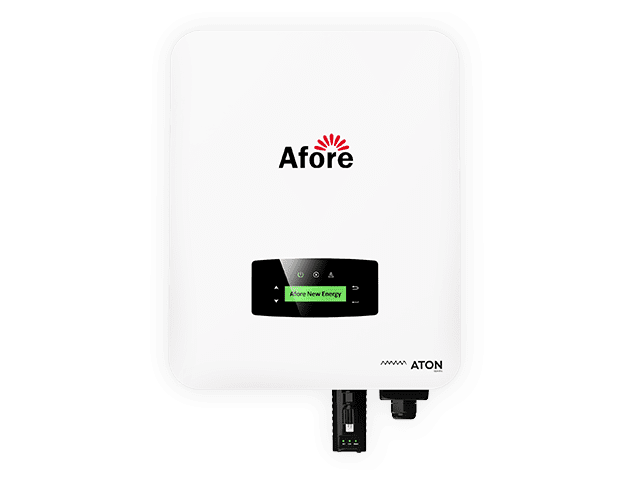
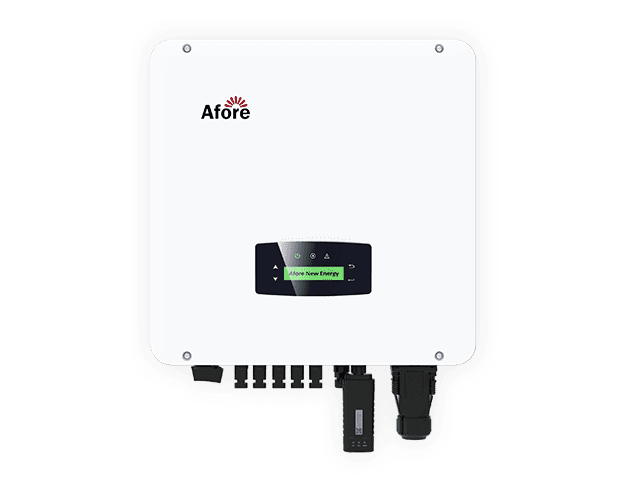
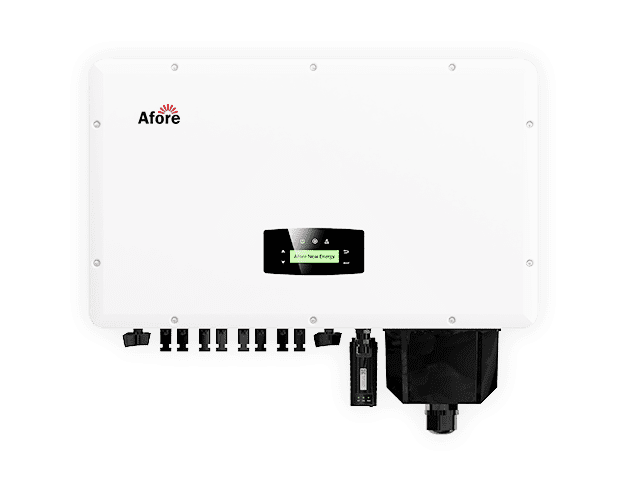
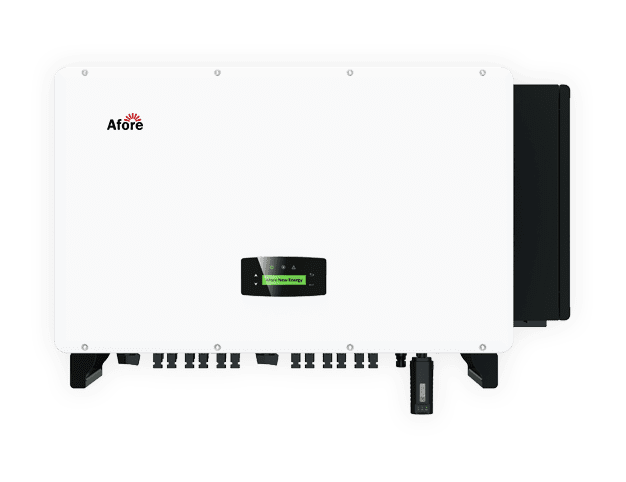
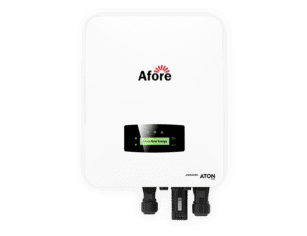
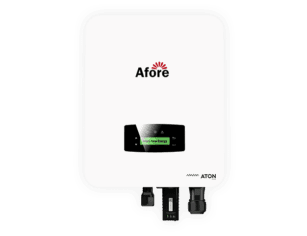
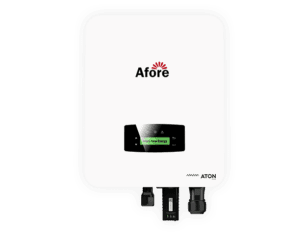
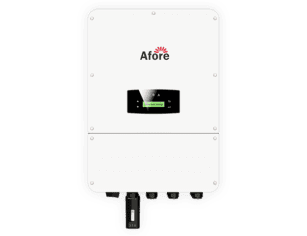
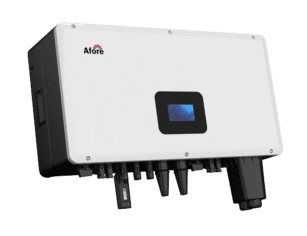
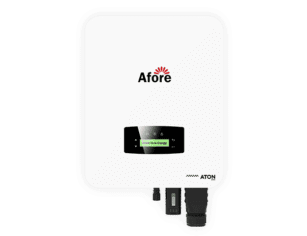
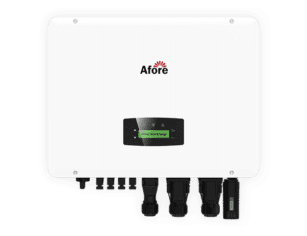
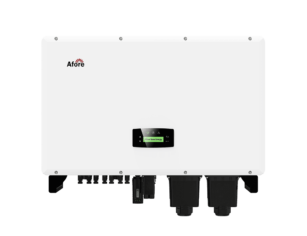
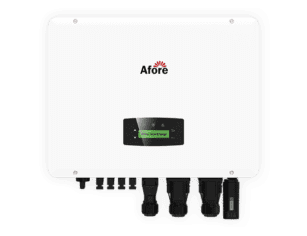
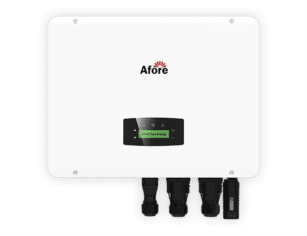
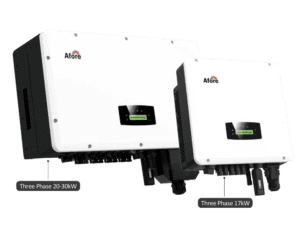
A solar inverter converts the DC electricity generated by your solar panels into AC electricity, which is what powers your lights, appliances, and electronics. Essentially, it’s the brain of your solar setup. If it stops working, your solar system is essentially useless. For businesses looking for high-quality solar inverter solutions, a reliable solar inverter manufacturer like Afore offers tailored options for commercial applications.
Some warning signs include:
Spotting these signs early can save you hours of troubleshooting later.
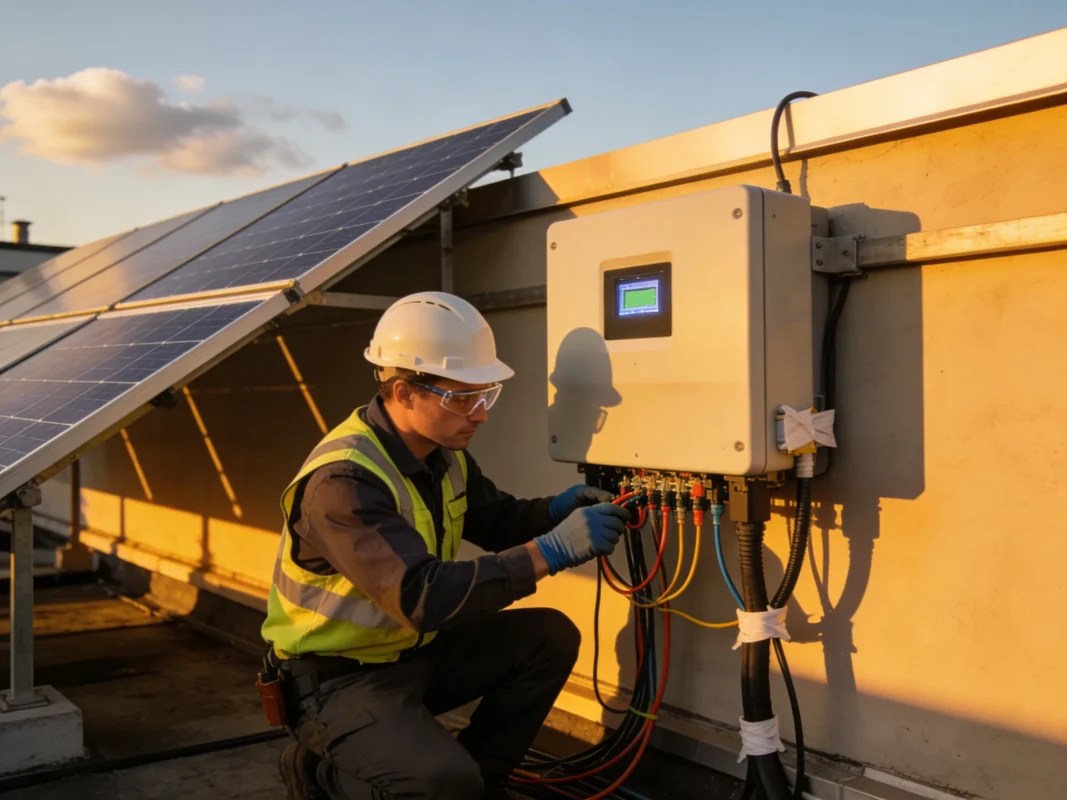
If you’re staring at your solar inverter and it’s refusing to turn on, you’re not alone. This is one of the most common issues homeowners face, and the causes can be surprisingly diverse. Understanding why your inverter is not turning on is the first step to fixing it efficiently and preventing future problems. Let’s break it down.
Often, the simplest explanation is the right one: your inverter isn’t getting the electricity it needs to start. This could be due to:
Checking these basic issues first often saves a lot of time and unnecessary stress.
Your inverter depends on a stable input, either from batteries or directly from solar panels. Problems here can stop it from turning on:
It’s worth inspecting your panels and battery system carefully before assuming the inverter itself is broken.
Sometimes, the problem is inside the inverter itself. While these issues are less common, they are serious and require attention:
Your inverter doesn’t operate in isolation. Environmental conditions can play a role in preventing it from turning on:
Facing a solar inverter that’s not turning on can be nerve-wracking, especially if you rely on it for your home or office power. The good news is, most problems can be diagnosed and fixed without needing expensive replacements. Let’s go step by step to figure out why your inverter is not turning on and what you can do about it.
Before diving into technical troubleshooting, start with the simplest checks. Often, the issue is easier to fix than you think:
These basic checks can save hours of frustration. Many times, a quick reset or a tight connection will bring your inverter back to life.
If the basics are fine, the next step is to check your solar power input:
Even a single underperforming battery or partially shaded panel can cause the inverter not to turn on. Paying attention to these details is key.
Many solar inverters have a built-in reset function:
After restarting, check the display lights or error codes. Sometimes, a simple reset clears minor glitches that could prevent startup.
Inverters have built-in safety mechanisms that prevent them from turning on if internal temperatures are too high:
Overheating is a common, often overlooked reason for a solar inverter not turning on, especially during hot seasons.
If none of these steps work, it’s time to call a qualified technician. Internal issues like blown capacitors, faulty control boards, or serious wiring faults are best handled by professionals:
Troubleshooting a solar inverter that’s not turning on doesn’t have to be overwhelming. Start with the basics, check batteries and panels, reset the system, and inspect for overheating. If these steps don’t solve the problem, a professional technician is the safest option. Taking methodical, step-by-step action not only restores power faster but also prolongs the life of your inverter.
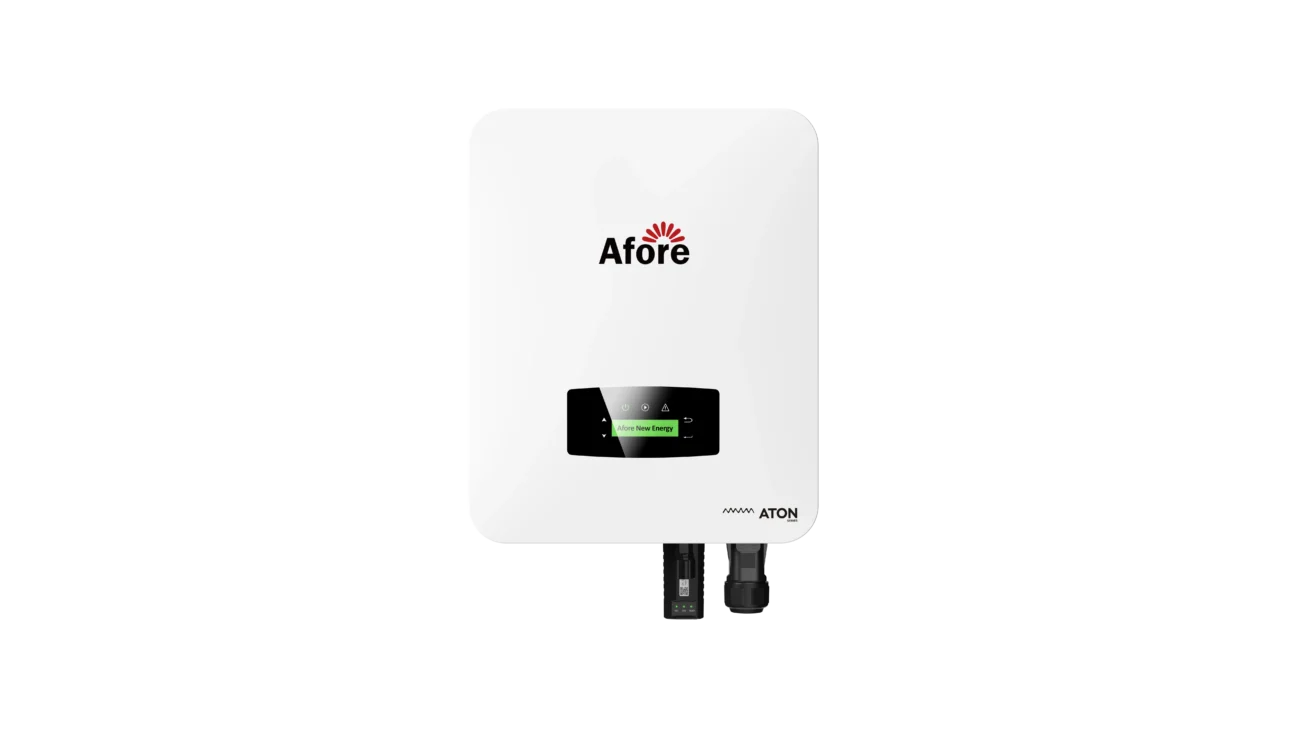
No one wants to deal with an inverter not turning on unexpectedly. The good news is that most issues can be prevented with simple, consistent maintenance and a few smart habits. Taking care of your solar inverter proactively not only reduces downtime but also extends the lifespan of your system. Here’s how to keep your inverter running smoothly.
Regular inspections are the cornerstone of preventing inverter failures:
Simple maintenance goes a long way in preventing your inverter not turning on at the worst possible time.
The environment in which your inverter operates plays a huge role in its reliability:
Environmental care is often overlooked but is critical for long-term inverter health.
Modern monitoring tools can save you from unexpected inverter failures:
A proactive monitoring routine is like having a watchdog for your solar inverter. It ensures you can respond to small issues before they become major problems.
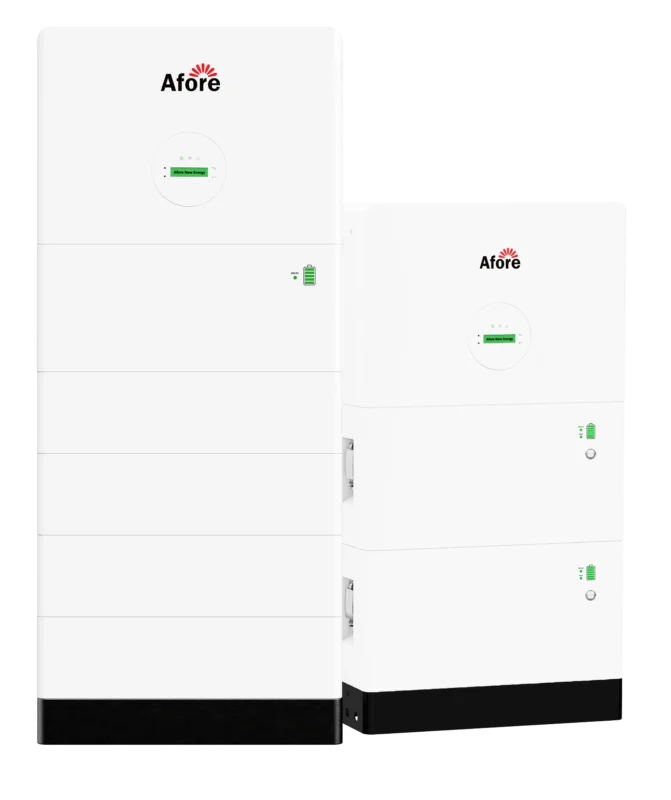
When it comes to a solar inverter not turning on, there are plenty of myths floating around. Believing the wrong information can lead to unnecessary panic, wasted time, or even unsafe attempts at fixing the inverter. Let’s clear up some of the most common misconceptions so you can troubleshoot confidently and protect your system.
Many people assume that if their inverter won’t turn on, it’s a minor software glitch that can be solved with a simple reset. While some inverters do experience small internal glitches, the truth is that most startup failures are caused by hardware issues like:
Relying solely on a reset without inspecting these factors can delay the real solution and put your inverter at risk.
Another common myth is that an older inverter is automatically unreliable. In reality, a well-maintained inverter can function efficiently for 10 to 15 years. Age alone does not mean failure — the key is proper maintenance and timely component checks. Neglecting batteries, wiring, or ventilation is often the actual reason older inverters stop working.
It’s easy to blame the solar panels when your inverter is not turning on, but most panel-related issues are minor. In many cases, the inverter’s failure is due to:
While panel shading or damage can contribute, assuming they are the main culprit often wastes time and resources. Proper diagnostics can pinpoint whether the panels, batteries, or the inverter itself are at fault.
Some homeowners believe they can open and repair their inverter themselves. This is extremely risky:
Understanding this misconception emphasizes the importance of safety and proper expertise when dealing with inverter failures.
Some people think that switching off the inverter when not in use will save energy or prolong its life. In reality:
Sometimes the best way to understand why a solar inverter is not turning on is through real-life experiences. Stories from homeowners and technicians illustrate common causes, mistakes, and solutions, making it easier to relate and learn practical lessons.
Last summer, one homeowner noticed that their inverter was not turning on just as a heatwave hit. Panic set in because the house was relying entirely on solar power. After carefully checking, they discovered a tripped breaker in the main electrical panel. Once reset, the inverter powered up immediately, and the home returned to solar energy without further issues.
Lesson: Sometimes, the simplest issues like tripped breakers or disconnected switches are the reason your inverter isn’t turning on. Never overlook basic checks.
Another story comes from a small office relying on solar energy. The solar inverter suddenly refused to start one afternoon. Upon inspection, it turned out the inverter had overheated because it was installed in a poorly ventilated corner exposed to direct sunlight. After moving it to a cooler, shaded spot and cleaning the vents, the inverter worked perfectly again.
Lesson: Environmental factors like heat and poor ventilation can trigger automatic shutdowns. Regular maintenance and proper placement prevent these problems.
A family had a backup battery system connected to their solar inverter. One morning, the inverter did not turn on, and all appliances switched to grid power. Using a multimeter, they found one of the batteries was completely dead, which prevented the inverter from starting. Replacing the faulty battery restored normal operation.
Lesson: Batteries are often overlooked, yet they are critical for inverter functionality. Monitoring and replacing aging batteries can prevent unexpected shutdowns.
A technician shared a case where a solar inverter was not turning on after routine maintenance. The issue was traced to a slightly loose connection on one of the panel wires. Once tightened, the inverter started immediately.
Lesson: Even minor wiring issues can stop an inverter from turning on. Regular inspections of all connections are essential.
Dealing with an inverter not turning on can feel overwhelming, but it doesn’t have to be. By understanding your solar inverter, performing regular maintenance, and knowing the common causes of failure, you can minimize downtime and protect your investment. Always remember: safety first. If troubleshooting doesn’t resolve the issue, professional help is the smartest option.
Even if your solar panels produce electricity, a dead or low battery, tripped breaker, or internal inverter fault can prevent startup. Always check batteries, wiring, and inverter display codes first before assuming the panels are at fault.
You can troubleshoot basic issues like checking breakers, connections, or performing a reset. However, internal faults like blown fuses or control board problems require professional attention due to high voltage risks.
• Ensure proper ventilation around the inverter.
• Avoid direct sunlight or confined spaces.
• Clean vents and fans regularly.
• Monitor temperature alerts if your inverter provides them.
Overheating is a common reason why an inverter fails to turn on.
Quarterly inspections are ideal for most systems. Check:
• Wiring connections
• Battery voltage and condition
• Vent cleanliness and airflow
• Display for any warning lights or error codes
Regular checks prevent most unexpected failures.
Yes. If your inverter relies on batteries, even one dead or weak cell can prevent startup. Testing battery voltage and replacing aging batteries is essential for reliable operation.
Not necessarily. Some failures are simple, like tripped breakers or loose wiring. However, repeated startup failures or internal faults require professional inspection to prevent damage or safety risks.
With proper care, most inverters last between 10–15 years. Regular maintenance, monitoring, and environmental protection significantly extend lifespan.
Minor glitches may be resolved with a reset or software update, but hardware issues like blown fuses, capacitors, or wiring faults will not be solved by software alone.
Most inverters are designed to operate continuously. Frequent on-off cycling can stress components and is generally unnecessary. Proper monitoring and preventive maintenance are more effective for system longevity.
No. Inverters contain high-voltage components that can be lethal. Only trained and certified technicians should open or repair the internal components of an inverter.








 Turkish
  Romanian