




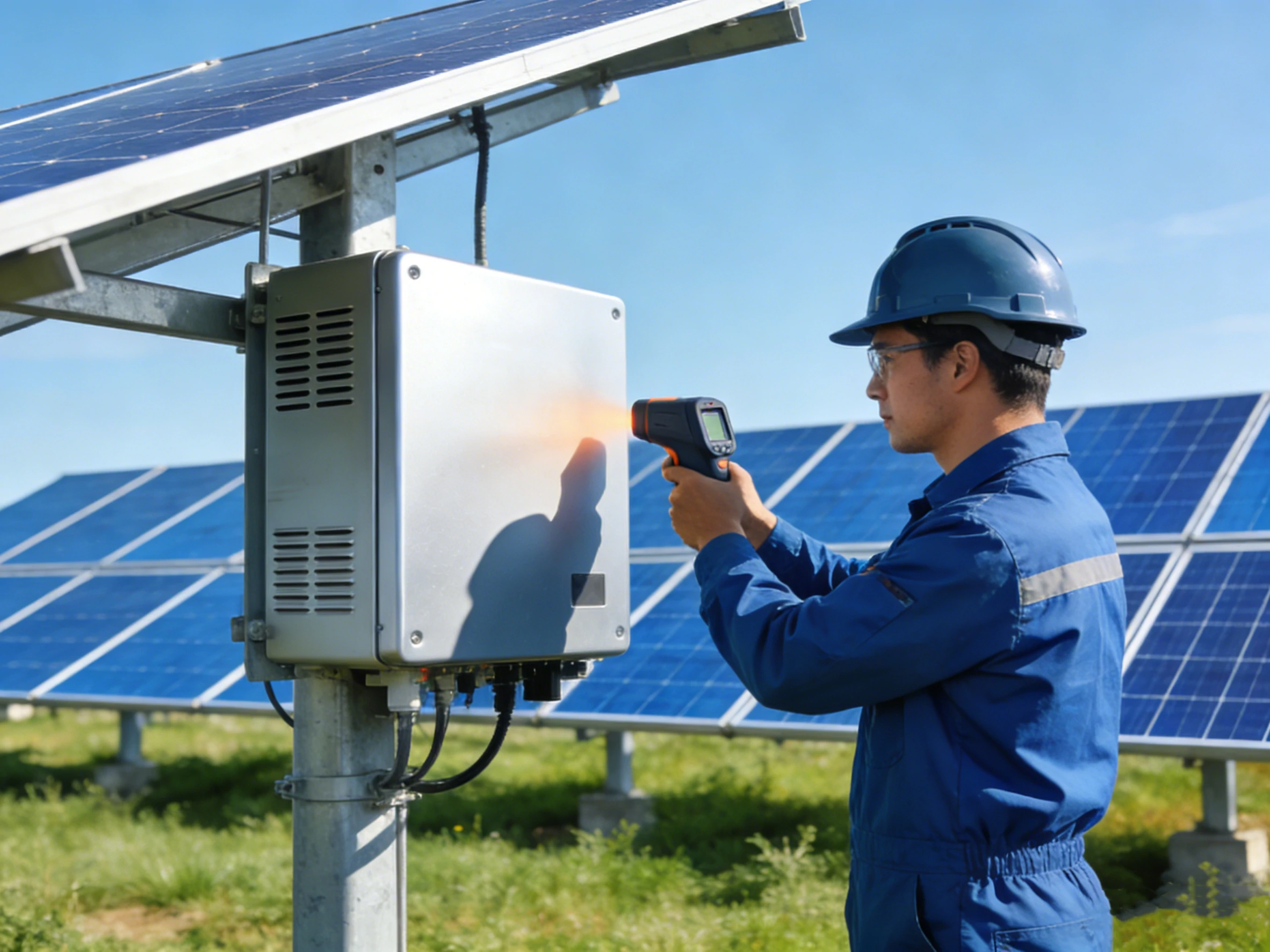
Few things are more frustrating than discovering your system has stopped working when you expect it most. For many homeowners and system owners, inverter shutting down feels sudden, confusing, and sometimes even alarming. One moment everything looks fine, and the next, power production drops to zero. If this has happened to you, you’re definitely not alone. Over the years, I’ve seen countless cases where inverter shutting down wasn’t caused by a major failure, but by common issues that are often misunderstood or overlooked. In this article, we’ll break down what’s really going on when an inverter shuts down, why a solar inverter is designed to behave this way, and how you can diagnose, fix, and prevent shutdowns with confidence—without technical overwhelm or guesswork.
When people first encounter inverter shutting down, the reaction is almost always the same: panic. It’s easy to assume the system has failed or that something expensive just broke. In reality, inverter shutting down is often misunderstood. In many cases, it’s not a malfunction at all, but a deliberate and protective response built into the system’s design. Understanding what this phrase truly means is the first step toward solving the problem instead of guessing at it.
From years of hands-on experience, I can say with confidence that most shutdown events are the inverter doing exactly what it’s supposed to do. A modern solar inverter constantly monitors temperature, voltage, internal load, and grid conditions. When any of these move outside safe operating limits, inverter shutting down becomes a safety mechanism rather than a warning of failure.
One of the biggest misconceptions about inverter shutting down is the idea that it automatically means something is broken. That’s rarely the case. In many situations, the shutdown is preventive. The system is essentially saying, “I’ve detected a condition that could cause damage if I keep running.”
For example, excessive heat is a common trigger. When temperatures rise beyond safe thresholds, inverter shutting down protects sensitive internal components from long-term damage. The same logic applies to abnormal voltage levels or unstable grid conditions. A solar inverter is designed to prioritize safety over continuous operation, even if that means stopping temporarily.
This protective behavior actually increases system longevity. Without it, components would wear out faster or fail suddenly. So while inverter shutting down can be inconvenient, it’s often a sign that the system is actively safeguarding itself and your electrical setup.
Not all shutdowns carry the same meaning, and recognizing the difference can save a lot of stress. A temporary inverter shutting down event is usually short-lived and predictable. It may happen during extreme heat, brief grid instability, or unusually high production periods. Once conditions return to normal, the inverter resumes operation without intervention.
Repeated inverter shutting down, however, tells a different story. If shutdowns occur daily, follow a consistent pattern, or happen under mild conditions, it’s a signal that something underlying needs attention. Common causes include poor ventilation, ongoing electrical irregularities, or internal wear that hasn’t yet reached full failure.
In practical terms, an occasional inverter shutting down episode is usually harmless. Frequent shutdowns, on the other hand, indicate stress that can reduce efficiency and lifespan if ignored. Paying attention to how often and when inverter shutting down occurs helps you decide whether simple adjustments are enough or if professional inspection is necessary.
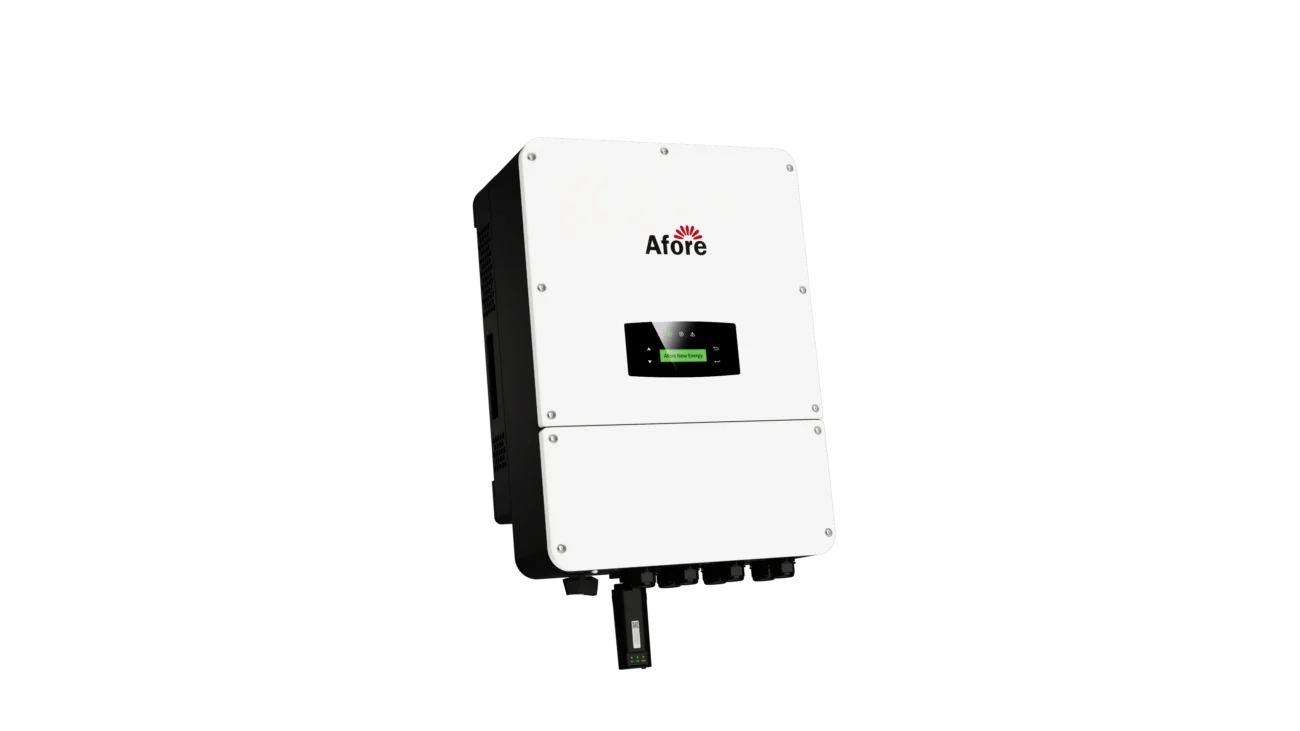
When inverter shutting down happens, there is always a reason behind it—even if it’s not obvious at first glance. Over time, patterns emerge. Based on real-world troubleshooting experience, most shutdown events fall into a few clear categories. Understanding these common triggers helps you move from frustration to clarity and makes it far easier to take the right action.
A solar inverter operates under constant electrical and environmental stress. It converts power, manages heat, communicates with the grid, and protects itself at the same time. When any of these conditions drift outside normal limits, inverter shutting down becomes the system’s way of preventing damage rather than allowing a bigger problem to develop.
Among all the issues that trigger inverter shutting down, overheating stands at the top of the list. Heat is the natural byproduct of energy conversion, and if that heat cannot escape, the system has no choice but to stop operating.
Poor ventilation, blocked air pathways, or direct exposure to intense sunlight can all cause internal temperatures to rise quickly. In warmer climates, even well-installed systems may experience inverter shutting down during peak afternoon hours. A solar inverter is designed with temperature limits for a reason—once those limits are exceeded, shutdown is automatic.
What many people don’t realize is that overheating doesn’t always mean extreme weather. Dust buildup, aging cooling fans, or restricted airflow can cause inverter shutting down even on mild days.
Another very common reason for inverter shutting down is unstable grid voltage. The inverter must stay synchronized with the electrical grid to operate safely. If voltage becomes too high, too low, or fluctuates too rapidly, the system disconnects automatically.
This type of inverter shutting down often follows a pattern. It may happen at the same time every day, especially when local power demand peaks. While it may feel like an inverter problem, the root cause often lies outside the system itself. The solar inverter is simply reacting to conditions it cannot control.
Loose, worn, or improperly tightened connections are silent troublemakers. Over time, vibrations, temperature changes, and material expansion can loosen terminals. These loose connections create resistance, which generates heat and leads to erratic performance.
In many service cases, inverter shutting down was resolved by addressing basic electrical connections. A solar inverter relies on stable input and output pathways. When those pathways are compromised, protective shutdown is the natural outcome.
When a system is pushed beyond its intended operating range, inverter shutting down becomes more likely. This can happen when energy input exceeds design limits or when the inverter is consistently asked to handle more power than it was sized for.
This type of stress doesn’t always cause immediate failure. Instead, it often shows up as repeated inverter shutting down during high production periods. Over time, that stress can shorten the lifespan of internal components if not addressed.
No system runs forever without wear. As components age, their tolerance levels change. Sensors become more sensitive, cooling efficiency decreases, and electrical parts lose consistency. When internal monitoring detects abnormal conditions, inverter shutting down acts as a safeguard.
In older systems, recurring inverter shutting down may not point to a single dramatic failure, but rather to gradual aging. The solar inverter is still functioning, just with less margin for error than it once had.
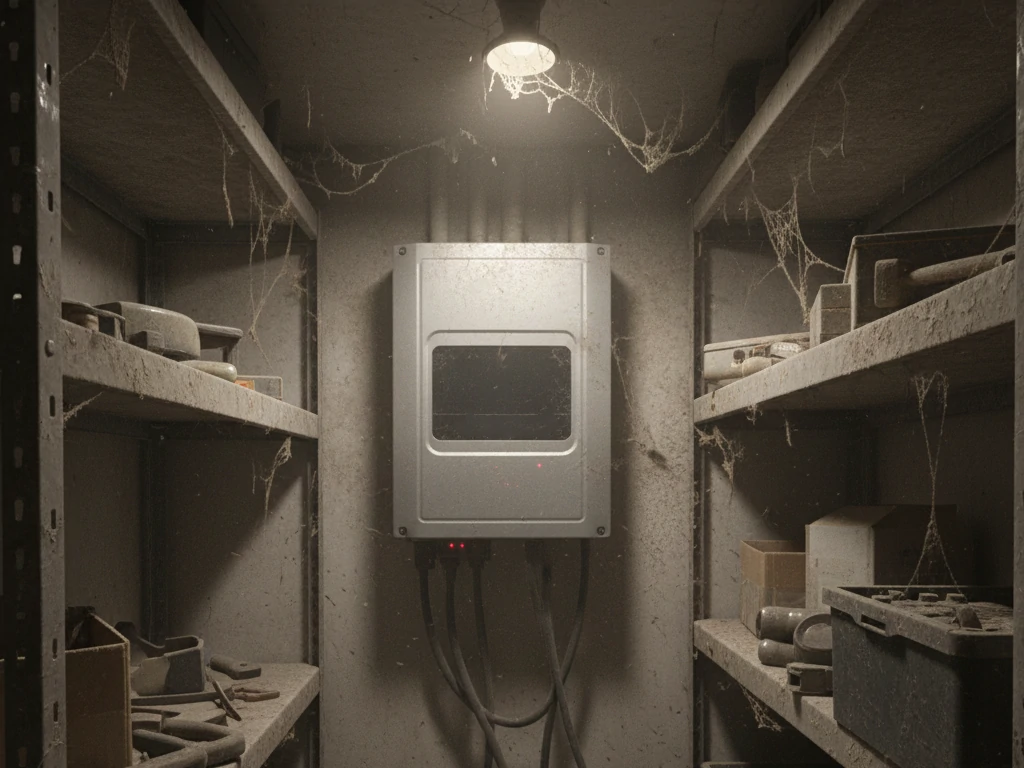
I’ve seen perfectly good systems suffer inverter shutting down simply because the inverter was installed in the wrong place.
Bad locations include:
A solar inverter needs breathing room. Even a few degrees can mean the difference between smooth operation and inverter shutting down every afternoon.
Dust clogs vents. Humidity corrodes contacts. Insects love warm electronics.
Each of these can slowly push a system toward repeated inverter shutting down events. Maintenance matters more than most people think.
When inverter shutting down starts happening, the worst thing you can do is jump straight to assumptions. Diagnosis doesn’t require advanced tools at the beginning—it requires attention, patience, and a logical approach. In my experience, most shutdown issues can be narrowed down by following a clear step-by-step process before any parts are replaced or major decisions are made.
A solar inverter leaves clues. The key is knowing how to read them instead of guessing.
The first and most overlooked step in diagnosing inverter shutting down is simply observation. Many people reset the system immediately, which erases valuable information.
Pay attention to:
If shutdowns occur during hot afternoons, overheating is likely involved. If they happen at the same time every day regardless of weather, grid-related issues may be the cause. A solar inverter rarely shuts down randomly—patterns always exist.
Once patterns are noted, the next step is evaluating heat. Carefully check the surrounding area and airflow conditions. If the enclosure feels unusually warm, heat buildup may be triggering inverter shutting down.
Look for:
A solar inverter depends on proper airflow to maintain safe internal temperatures. Even minor restrictions can push it beyond its thermal limit and cause protective shutdowns.
Environmental factors often contribute to inverter shutting down without being immediately obvious. High humidity, dust, or enclosed spaces can gradually impact performance.
Ask yourself:
These conditions don’t always cause immediate failure, but they steadily increase the likelihood of repeated inverter shutting down events.
If heat and environment seem normal, the next step is to consider electrical factors. Loose or aging connections are a common cause of inconsistent performance.
Signs pointing toward electrical issues include:
A solar inverter requires stable electrical input and output. When that stability is compromised, the system shuts down to protect itself.
Finally, consider whether inverter shutting down is becoming more frequent or severe. Occasional shutdowns during extreme conditions are normal. Increasing frequency or longer downtime is not.
If shutdowns:
Then the issue likely extends beyond environmental factors and may involve internal wear or system mismatch. At this stage, professional evaluation becomes important to prevent long-term damage.
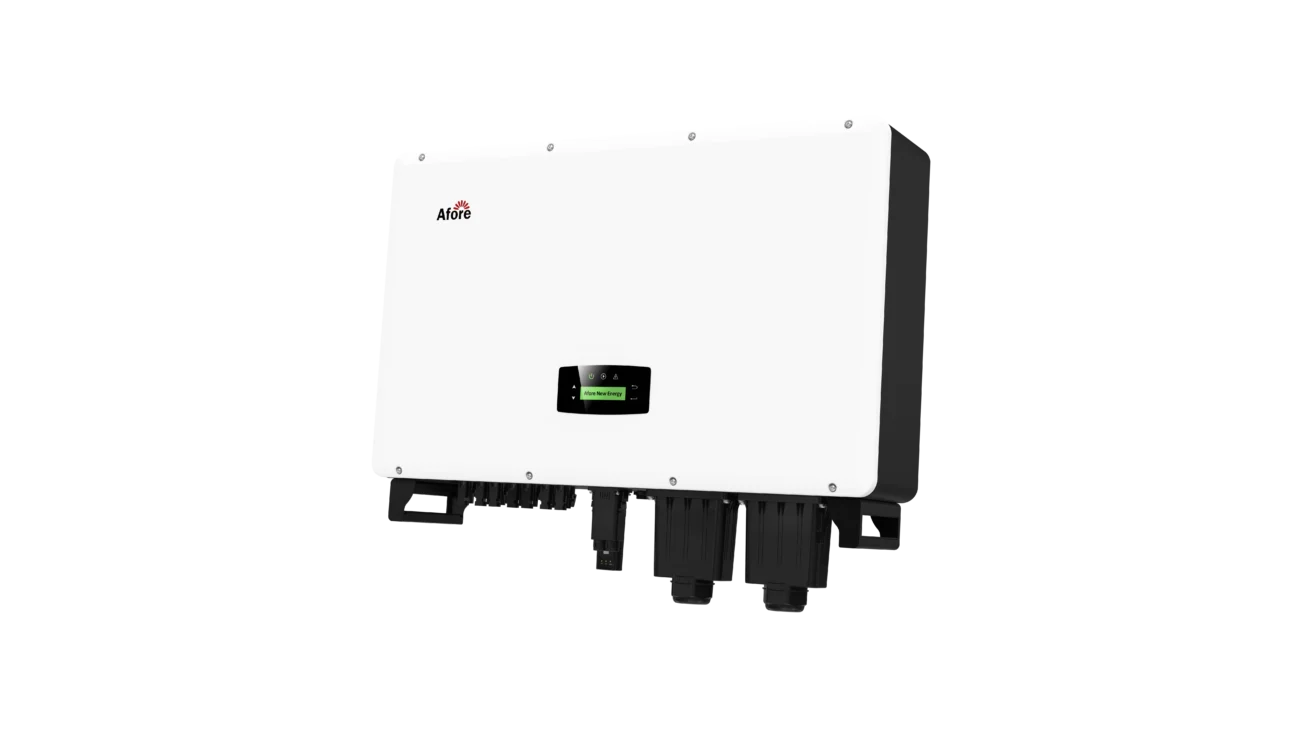
Once the cause of inverter shutting down becomes clearer, the next step is taking action. The good news is that many shutdown issues don’t require complex repairs or major system changes. In real-world situations, a handful of practical fixes solve a large percentage of inverter shutting down problems. The key is applying the right solution to the right cause instead of relying on trial and error.
A solar inverter is a sensitive piece of equipment, but it’s also resilient when given the right operating conditions.
One of the most effective fixes for inverter shutting down is improving airflow. Since overheating is a leading cause of shutdowns, addressing ventilation often brings immediate results.
Simple improvements include:
In many cases, lowering the surrounding temperature by just a few degrees is enough to stop recurring inverter shutting down events. A solar inverter doesn’t need extreme cooling—just consistent, unobstructed airflow.
Dust and debris may seem harmless, but over time they trap heat and restrict airflow. Regular cleaning is one of the most overlooked yet effective solutions for inverter shutting down.
Focus on:
This simple habit can dramatically reduce heat-related inverter shutting down and extend the operating life of the solar inverter.
Loose or aging electrical connections are another common source of shutdowns. Tightening and securing connections often resolves unpredictable inverter shutting down behavior.
A qualified inspection can:
When electrical pathways are stable, the solar inverter operates more efficiently and is far less likely to shut down unexpectedly.
In some cases, minor operational adjustments can make a big difference. If inverter shutting down occurs during peak production, reducing system stress during those hours may help.
This can include:
While the inverter is designed to protect itself, easing constant stress lowers the chance of repeated inverter shutting down.
One mistake many people make is applying multiple fixes at once. Instead, make one change and observe the results. This approach helps identify what actually solved the inverter shutting down issue.
Track:
A solar inverter responds quickly to improved conditions, so positive changes often show results within days.
While many causes of inverter shutting down can be identified and even resolved with basic observation and simple fixes, there are situations where calling a professional isn’t just recommended—it’s essential. Knowing when to escalate can save time, prevent further damage, and keep your system operating safely.
A solar inverter is designed with safety features, but it’s still an electrical device. Ignoring repeated or severe shutdowns can lead to bigger problems that simple troubleshooting won’t fix.
If inverter shutting down occurs on a daily basis, or consistently at the same time under normal conditions, it signals an underlying issue that requires professional attention. Patterns like these often indicate:
While it’s tempting to keep resetting the system, repeated shutdowns can gradually reduce efficiency or even shorten the life of the solar inverter. A trained professional can pinpoint the root cause and implement a long-term solution.
Certain warning signs mean immediate intervention is needed. Call a professional if you notice:
These symptoms indicate stress beyond normal operation. Professional inspection ensures safety and prevents minor problems from escalating into costly repairs.
Sometimes inverter shutting down is caused by issues that aren’t visible externally, such as loose internal connections, failing components, or subtle wiring problems. These situations require tools, expertise, and experience to diagnose safely.
A qualified technician can:
Attempting to troubleshoot these issues without training can worsen the problem and create safety hazards.
Even if the shutdown seems minor, if you are unsure about the cause, calling a professional is the safest route. A solar inverter is a critical part of your energy system, and early professional intervention can prevent recurring inverter shutting down, improve reliability, and give you peace of mind.
Recognizing when inverter shutting down goes beyond normal operation is key. Acting promptly ensures your system remains safe, efficient, and long-lasting.
After years in the field, I can tell you this: inverter shutting down is rarely random. There’s always a reason. And most of the time, it’s fixable.
Your solar inverter is trying to protect itself and your system. When you listen to the signs instead of ignoring them, you regain control.
If you take one thing away from this guide, let it be this: inverter shutting down is a message, not a mystery. Once you learn the language, everything gets easier.
Not at all. Often, inverter shutting down is a protective measure. The system is designed to prevent damage from overheating, voltage spikes, or other unsafe conditions. Occasional shutdowns don’t necessarily indicate failure.
Yes. Overheating is the leading cause of inverter shutting down. If the internal temperature exceeds safe limits, the inverter will stop operating until it cools down. Improving ventilation and reducing exposure to direct sunlight often resolves this issue.
Ideally, shutdowns should be rare. Frequent inverter shutting down—especially under normal conditions—signals that something needs attention, such as airflow problems, electrical instability, or system overload.
Absolutely. Dust and debris can block vents and trap heat, increasing the likelihood of inverter shutting down. Regular cleaning of the inverter and its surrounding area improves airflow and reduces stress on internal components.
Occasional protective shutdowns typically don’t cause damage. However, repeated shutdowns over time can increase wear on internal components and reduce the overall efficiency and lifespan of the solar inverter.
Yes. If grid voltage is too high, too low, or fluctuates rapidly, the solar inverter will shut down to prevent damage. This type of shutdown is common in areas with unstable power supply.
The shutdown itself is not dangerous; it’s a safety response. However, ignoring frequent or escalating inverter shutting down events could lead to more serious system issues, which may pose safety risks.
Occasional resets are fine, but repeated inverter shutting down should not be ignored. Resetting without addressing the root cause may temporarily restore function but won’t prevent future shutdowns.
Yes. Incorrect placement, restricted airflow, or improper electrical connections can all trigger inverter shutting down. Ensuring the solar inverter is installed in a well-ventilated, accessible, and safe location reduces the risk of recurring shutdowns.
If shutdowns are frequent, unpredictable, or accompanied by unusual signs such as burning smells, sparks, or persistent error indicators, it’s time to call a professional. Early intervention prevents damage and ensures long-term reliability of your solar inverter.








 Turkish
  Romanian