



If you’re dealing with a solar inverter, chances are you’ve heard the term inverter AC overvoltage thrown around. Honestly, it can sound scary if you’re not an electrical engineer, but stick with me. Overvoltage isn’t just a technical annoyance; it can seriously harm your solar setup, shorten your inverter’s life, and even pose safety risks.
Let’s dive in, get practical, and cover everything from causes to prevention. By the end of this article, you’ll feel confident spotting, handling, and preventing inverter AC overvoltage in your solar system.
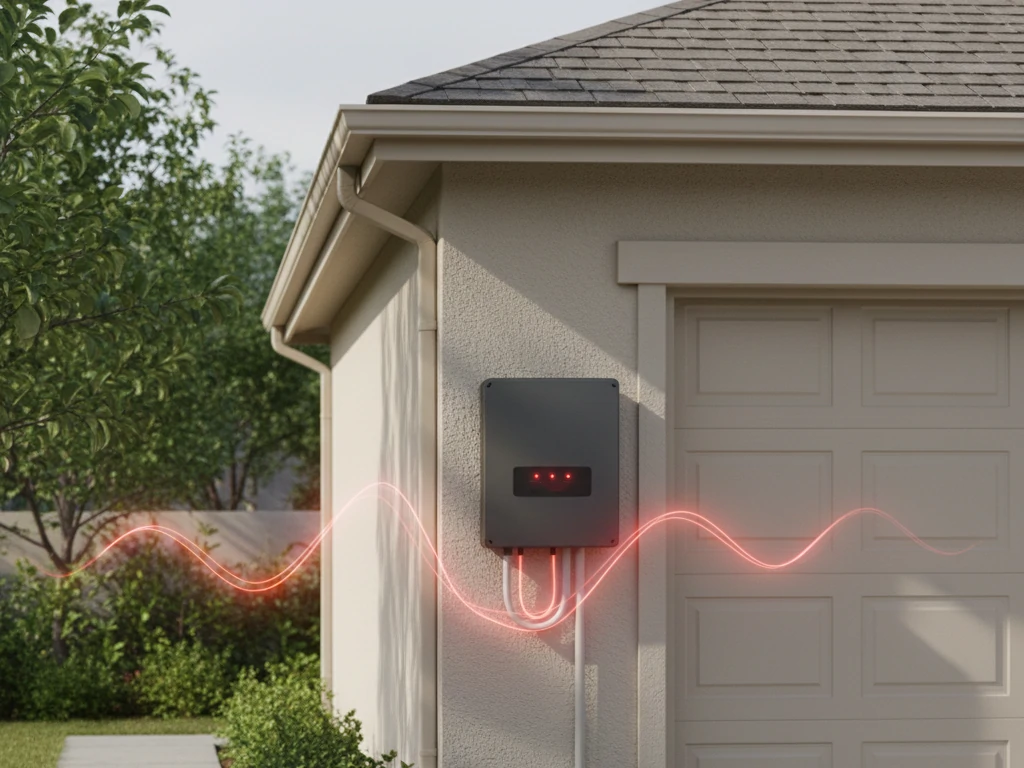
Simply put, inverter AC overvoltage occurs when the alternating current (AC) coming out of your inverter exceeds the voltage level it’s supposed to deliver. Think of your inverter as a traffic controller—its job is to make sure electricity flows at the right speed (voltage). When voltage spikes beyond the safe limit, it’s like cars racing out of control.
In practical terms, this could mean your solar inverter is outputting 260 volts instead of the standard 230 volts. That extra voltage may not immediately fry your devices, but over time, it can lead to component failure.
Several factors can cause AC overvoltage. Some are technical, some are environmental. For instance, if your home is connected to a fluctuating grid, sudden surges can push the inverter beyond its safe limits. Even the simplest wiring mistakes can result in overvoltage. And yes, lightning and storms can send unexpected voltage spikes straight into your system.
Here are some telltale signs:
Pay attention to these warning signs early. Trust me, ignoring them can turn a minor issue into a costly repair.
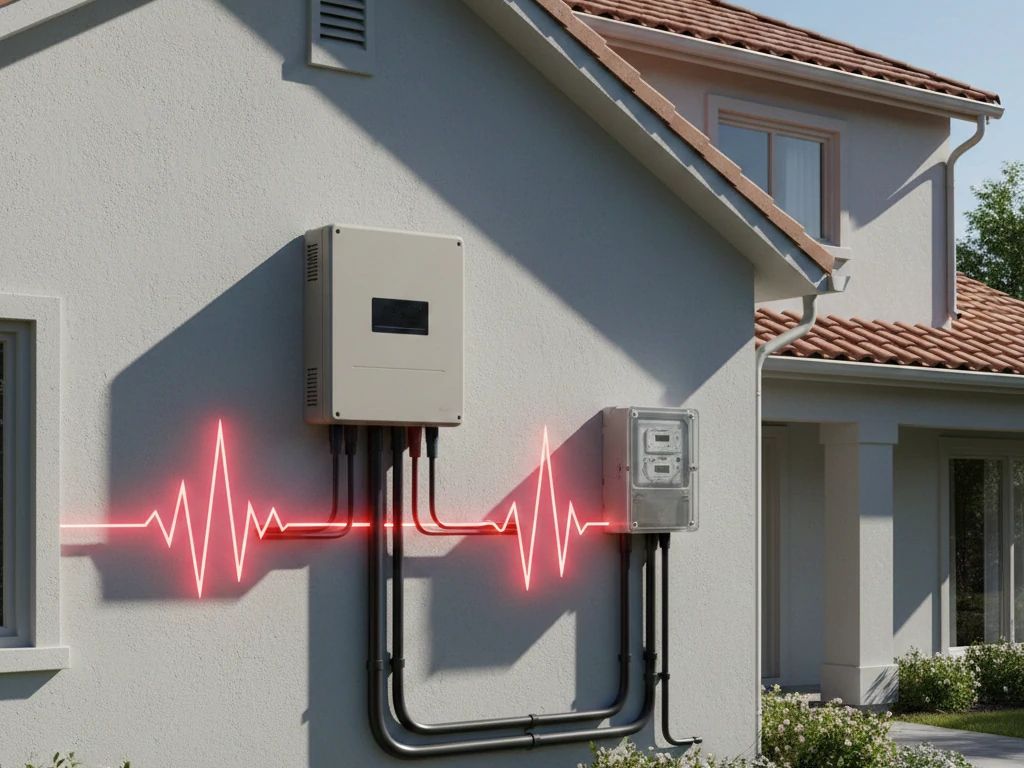
Understanding what triggers inverter AC overvoltage is crucial if you want to protect your solar system and avoid costly repairs. While the term sounds technical, the causes are often a mix of simple installation issues, grid fluctuations, and environmental factors. Let’s break them down in a practical, easy-to-follow way.
One of the most common culprits is an unstable electricity grid. When the grid experiences sudden surges—maybe due to high demand during peak hours, a sudden reconnect after a blackout, or other load changes—your solar inverter can receive more voltage than it’s designed to handle.
From my field experience, I’ve seen homes in areas with older grid infrastructure frequently encounter minor voltage spikes that, if unchecked, gradually stress inverter components. Even a 10–15% surge over the nominal voltage can trigger protection circuits or, over time, damage sensitive parts.
It might surprise some, but human error is often behind overvoltage issues. Loose wires, poor grounding, or incorrectly sized cables can all cause voltage to spike.
For instance, I once inspected a residential solar system where a single loose connection in the main AC line caused repeated overvoltage warnings. Tightening the connection and rechecking the grounding resolved the issue almost immediately. Small installation mistakes like these are easy to overlook but can have big consequences.
Even the most carefully installed system isn’t immune to internal faults. Aging components inside the inverter—like capacitors, transformers, or circuit boards—can fail, leading to unpredictable AC output.
In practical terms, this might mean your inverter starts outputting higher voltage than expected, even when the grid is stable. Regular monitoring and preventative maintenance help catch these internal malfunctions before they cause serious problems.
Mother Nature can be harsh on electrical systems. Lightning strikes, heavy storms, or rapid weather changes can induce sudden voltage spikes. Even if your system is technically installed correctly, a nearby lightning strike can momentarily push your AC voltage above safe levels.
From experience, homes without any form of surge protection are much more likely to experience overvoltage damage after storms. That’s why investing in protective devices and checking the system after extreme weather events is a smart move.
To sum it up, the main causes of inverter AC overvoltage fall into four categories:
Being aware of these causes allows homeowners and installers to take proactive steps—like proper wiring, surge protection, and regular system checks—to minimize risk and protect their investment in a solar inverter.
When inverter AC overvoltage happens, the damage isn’t always immediate or obvious. In many cases, the real impact shows up gradually—through reduced efficiency, frequent shutdowns, or unexpected system failures. Understanding how AC overvoltage affects a solar inverter helps you react early instead of dealing with expensive repairs later.
In the short term, inverter AC overvoltage usually triggers protection mechanisms. Most modern inverters are designed to shut down automatically when AC voltage exceeds safe limits. While this sounds reassuring, repeated shutdowns are not harmless.
In real-world installations, I’ve seen systems where daily voltage spikes caused the inverter to disconnect from the grid multiple times a day. The result? Lost energy production and frustrated system owners wondering why their solar output keeps dropping.
Short-term effects often include:
Even if the inverter restarts normally, these repeated events place strain on internal components.
This is where inverter AC overvoltage becomes a serious long-term problem. Continuous exposure to high AC voltage slowly degrades internal components such as capacitors, power transistors, and control circuits.
From a technician’s point of view, overvoltage-related wear is one of the most common reasons inverters fail earlier than expected. A solar inverter that should last well over a decade may start showing signs of failure years earlier if overvoltage events are frequent.
Long-term consequences include:
Once internal damage reaches a certain point, software resets or basic fixes won’t help. Replacement becomes the only option.
Beyond equipment damage, inverter AC overvoltage can pose real safety risks. Excessive voltage increases the chance of overheating, insulation breakdown, and in rare cases, electrical arcing.
I’ve personally seen situations where prolonged overvoltage led to melted connectors and scorched terminals—clear signs of thermal stress. For homeowners, this increases the risk of electrical fires. For installers or technicians, it raises the danger during maintenance or inspections.
Safety-related effects may include:
This is why voltage issues should never be ignored, even if the system appears to be “mostly working.”
One of the biggest problems with inverter AC overvoltage is that it often flies under the radar. The system might still operate, but not optimally. Energy losses, reduced lifespan, and hidden safety risks accumulate quietly over time.
Many solar owners only realize there’s a serious issue when the inverter stops working altogether. By then, the damage is already done.
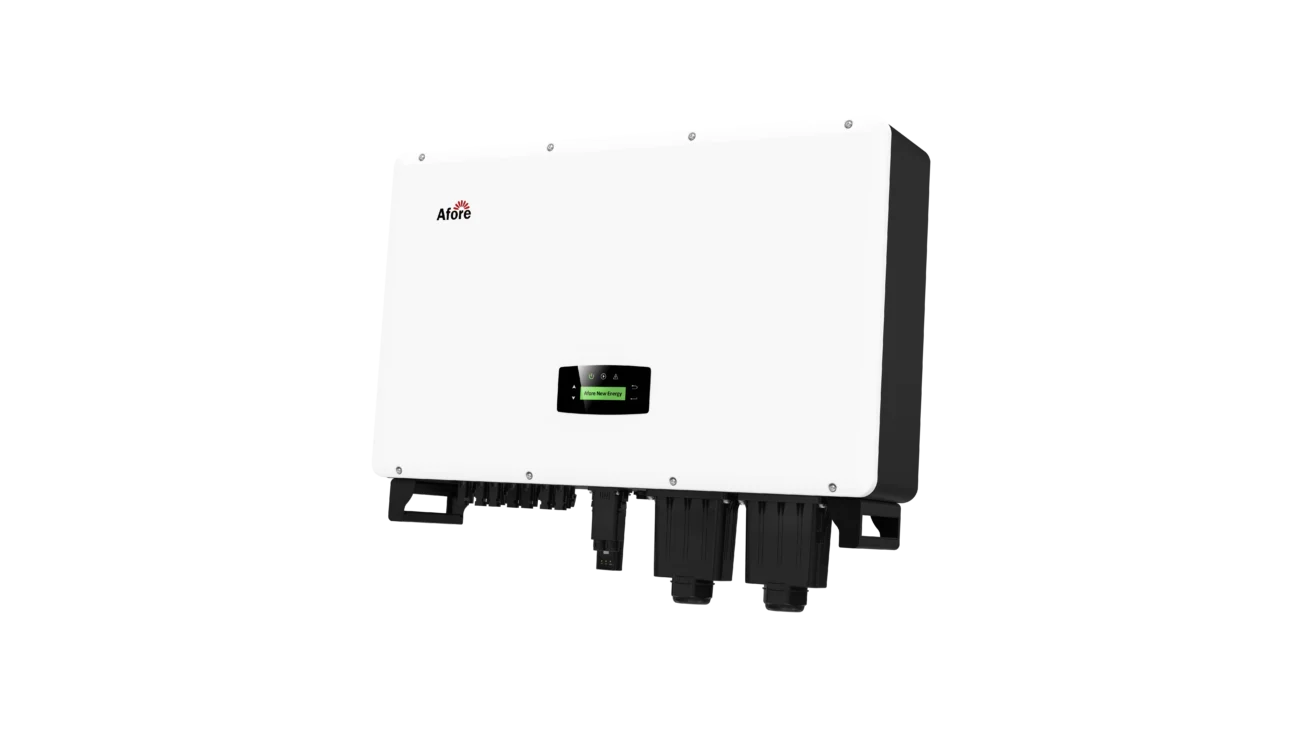
Detecting inverter AC overvoltage early can save you a lot of trouble. The sooner you spot abnormal voltage levels, the easier it is to prevent long-term damage to your solar inverter and the rest of the electrical system. The good news is that you don’t need to be an electrical engineer to notice the warning signs—you just need to know where to look.
Most modern solar systems come with basic monitoring functions that display real-time AC voltage data. When inverter AC overvoltage occurs, the inverter usually records it as a fault, warning, or protection event.
From hands-on experience, one of the first things I recommend is simply checking the inverter’s voltage history. Repeated high-voltage readings—especially during peak solar production hours—are a strong indicator that something isn’t right.
Key things to watch for include:
Even if the system resumes normal operation afterward, these records provide valuable clues.
If you want more clarity, external AC voltage meters or sensors can provide an extra layer of insight. Plug-in voltage monitors or panel-mounted meters allow you to see real-time fluctuations without opening the inverter or touching live components.
In several installations I’ve worked on, these external tools revealed short voltage spikes that the inverter log alone didn’t fully explain. This kind of data is especially useful in areas where grid voltage is unstable or changes throughout the day.
External monitoring helps you:
Not all signs of inverter AC overvoltage appear on a screen. Sometimes the system tells you something is wrong through physical or behavioral changes.
Common real-world indicators include:
These symptoms don’t always point directly to overvoltage, but when they appear together, voltage should be the first thing you check.
One practical detection method is comparing the grid voltage with the inverter’s AC output. If the grid voltage is already high, the inverter may be pushed into an overvoltage condition while trying to synchronize.
In several residential cases, I found that the inverter was operating correctly, but the incoming grid voltage was already close to the upper safety limit. Once solar production increased, inverter AC overvoltage became unavoidable without corrective action.
This comparison helps determine:
Ignoring early signs of inverter AC overvoltage often leads to bigger problems. What starts as occasional shutdowns can turn into permanent inverter damage or safety hazards.
Early detection allows you to:
Preventing inverter AC overvoltage is far easier—and far cheaper—than fixing the damage after it happens. The key is to think proactively. A well-prepared system doesn’t just react to voltage spikes; it minimizes the chances of them occurring in the first place. Based on real-world installations and troubleshooting experience, the following strategies make the biggest difference.
Most inverter AC overvoltage problems start at installation. Incorrect system design, poor grounding, or mismatched components can quietly create voltage stress that builds over time.
Good installation practices include:
In several cases I’ve seen, simply correcting grounding or shortening AC cable length significantly reduced voltage rise during peak solar production. Small design choices matter more than people realize.
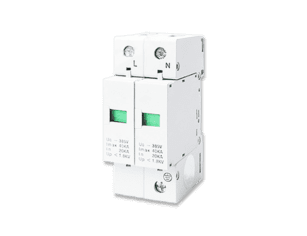
External voltage disturbances are a major cause of inverter AC overvoltage, especially in areas with unstable grids or frequent storms. Surge protection devices and voltage regulation equipment act as a buffer between the grid and your solar inverter.
From practical experience, systems with proper surge protection show far fewer inverter shutdowns during storms or grid switching events. These devices don’t just protect the inverter—they also safeguard wiring, breakers, and connected loads.
Key benefits include:
Even a perfectly installed system can develop problems over time. Loose terminals, corrosion, and insulation wear can all contribute to voltage instability.
Regular inspections help catch these issues early:
In my experience, many inverter AC overvoltage issues are discovered during routine checks—long before they cause real damage.
Monitoring plays a critical role in prevention. Continuous voltage tracking allows you to spot trends before they become faults.
Early warning signs might include:
By identifying these patterns, you can adjust system settings or investigate grid conditions before the inverter is forced into protective shutdowns.
In areas with naturally high grid voltage, prevention sometimes means adapting the system to local conditions rather than forcing it to operate at the edge of its limits.
This can involve:
These steps help the solar inverter operate more smoothly and reduce unnecessary stress.
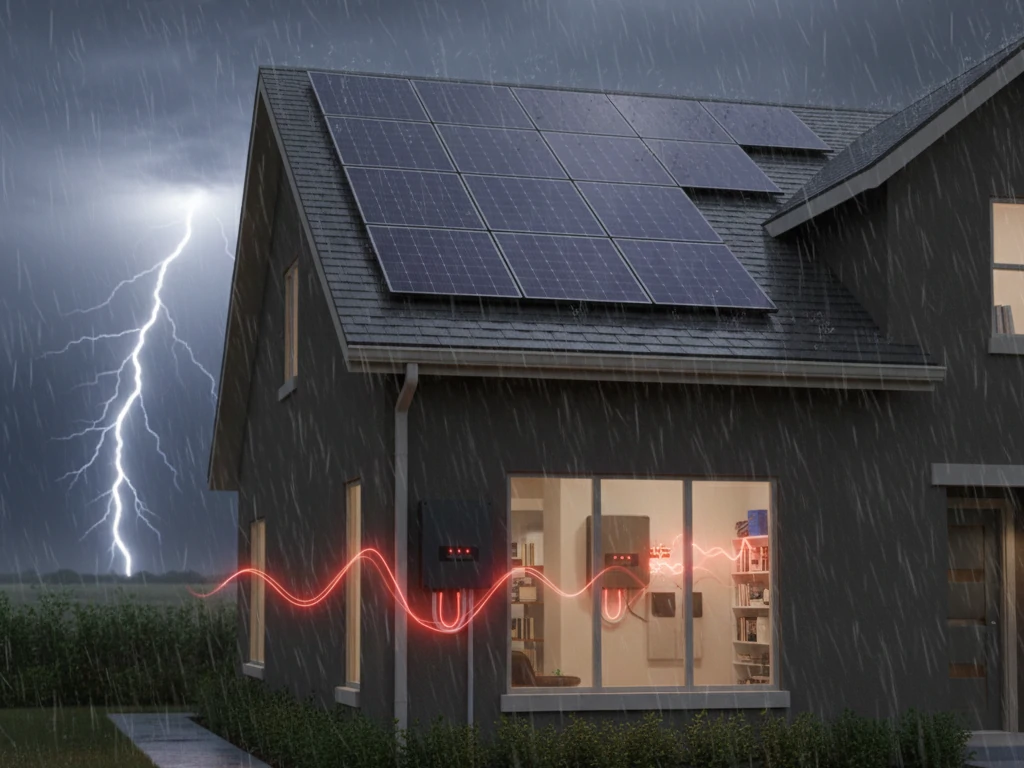
When inverter AC overvoltage shows up, panic is the worst reaction. Most overvoltage problems can be diagnosed step by step if you stay methodical. Over the years, I’ve learned that troubleshooting is less about guessing and more about narrowing down where the voltage problem actually starts—whether it’s the grid, the wiring, or the solar inverter itself.
The first rule when dealing with inverter AC overvoltage is to confirm that the problem is real and repeatable. One-off voltage spikes happen, but recurring events signal a deeper issue.
A practical troubleshooting sequence looks like this:
In many cases, this process quickly reveals whether the inverter is reacting to external voltage conditions or generating abnormal output internally.
Loose or poorly terminated connections are a surprisingly common cause of inverter AC overvoltage warnings. Even slight resistance at AC terminals can lead to voltage rise under load.
During inspections, pay close attention to:
I’ve seen systems where simply re-terminating AC cables eliminated recurring overvoltage alarms entirely. Never underestimate the impact of good electrical housekeeping.
Sometimes the inverter isn’t the problem at all. In areas with high baseline grid voltage, the solar inverter may struggle to stay within safe limits when exporting power.
A clear sign of grid-related issues is when:
In these situations, troubleshooting means confirming grid behavior rather than replacing inverter components unnecessarily.
If wiring and grid conditions check out, the focus shifts inward. Internal component aging or control issues can cause unstable voltage regulation.
Warning signs include:
At this stage, advanced diagnostics or professional evaluation is usually required. Attempting internal repairs without proper training can create serious safety risks.
One of the most overlooked troubleshooting skills is knowing your limits. If inverter AC overvoltage persists after basic checks, continuing DIY fixes can make things worse.
Call a qualified technician if:
Experience matters in these situations, and professional diagnostics can prevent long-term damage.
Some modern inverters have AC overvoltage protection built-in. If your system is aging, upgrading can save you headaches. Look for units with automatic voltage regulation (AVR) features.
Smart energy management systems can alert you to voltage anomalies before they cause damage. They can also help optimize your solar output by detecting underperforming components.
Upgrading isn’t cheap, but think of it as insurance. Avoiding a single inverter replacement can justify the investment, especially in larger systems.
Talking about inverter AC overvoltage in theory only goes so far. The real learning happens when you see how these issues play out in actual installations. Over the years, I’ve come across a wide range of situations—from simple residential setups to more complex commercial systems—where AC overvoltage caused real problems and valuable lessons.
In one residential case, a homeowner reported that their solar inverter kept shutting down in the early afternoon. Mornings were fine, evenings were fine, but around midday the system would suddenly disconnect.
After reviewing voltage logs, the pattern became clear: as solar production peaked, AC voltage at the inverter terminals rose above safe limits. The grid voltage in the area was already on the high side, and when excess solar power was pushed back into the grid, inverter AC overvoltage occurred repeatedly.
The solution didn’t involve replacing equipment. Instead, the issue was addressed by improving wiring connections, verifying grounding, and adjusting system parameters within allowable ranges. Once those steps were taken, the inverter stopped shutting down and energy production stabilized.
Key lesson: Overvoltage is often a system-level issue, not a defective inverter.
In a small commercial installation, inverter AC overvoltage showed up in a more subtle way. The system didn’t shut down entirely, but energy output was consistently lower than expected. Occasional warning messages appeared, but they were often ignored.
A deeper inspection revealed mild but persistent AC overvoltage events caused by long AC cable runs and undersized conductors. The voltage rise increased with load, stressing the inverter without triggering immediate shutdown.
After upgrading cable sizing and correcting termination points, voltage levels returned to normal. The system’s efficiency improved almost instantly.
Key lesson: Even moderate overvoltage, if continuous, can quietly reduce performance and shorten inverter lifespan.
Another common scenario involves severe weather. In one case, a system experienced repeated inverter AC overvoltage warnings following a series of storms. The inverter itself wasn’t damaged, but surge-induced voltage spikes were reaching the AC side.
A physical inspection showed minor insulation damage and compromised grounding connections caused by moisture and corrosion. Once grounding was restored and surge protection was improved, the overvoltage issues disappeared.
Key lesson: Environmental stress can create overvoltage problems long after the storm has passed.
Across dozens of systems, a few patterns keep repeating:
In nearly every case, the cost of prevention and early correction was far lower than the cost of repairing or replacing a damaged solar inverter.
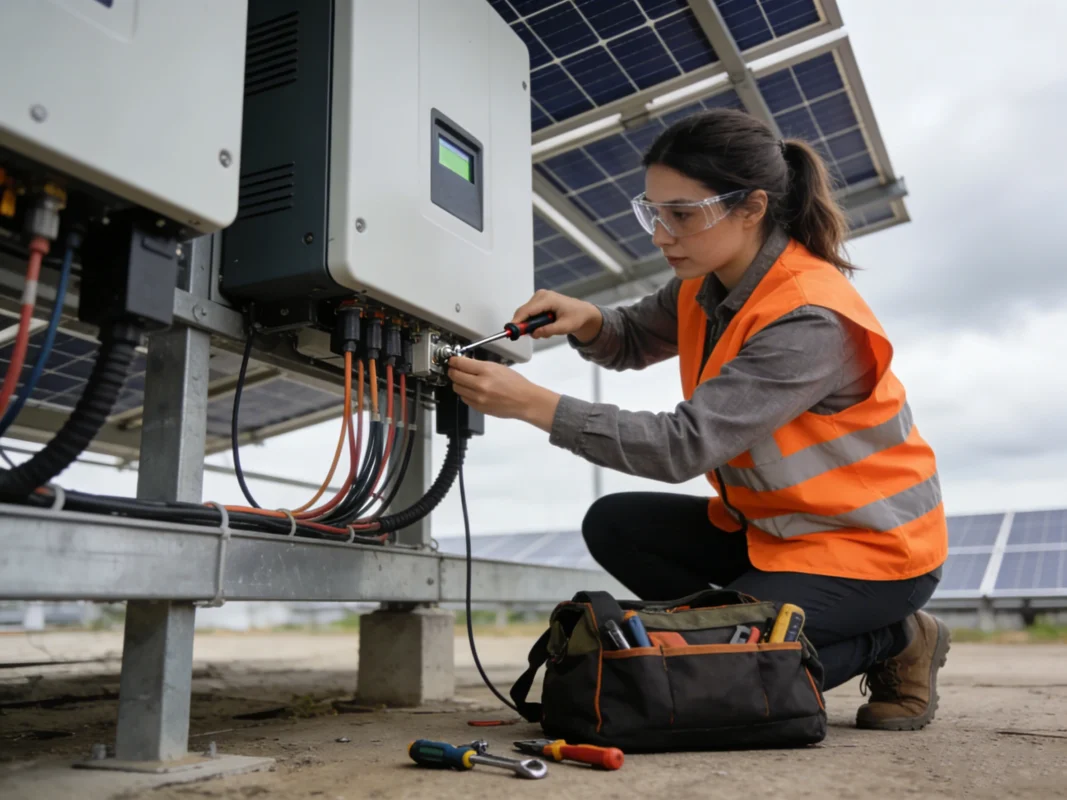
In the end, solar systems work best when they’re treated as living electrical environments, not “set-and-forget” equipment. Voltage conditions change, grids evolve, and components age. Paying attention to inverter AC overvoltage is part of responsible system ownership.
A little awareness goes a long way. Stay observant, act early, and your solar system will reward you with stable performance, long service life, and peace of mind.
In most residential and commercial systems, inverter AC overvoltage occurs when the AC output voltage consistently exceeds the upper limit of the normal operating range. While short spikes can happen, sustained high voltage is what causes real concern. If voltage readings stay above safe limits during normal operation, it’s a clear sign of overvoltage.
Yes, severe inverter AC overvoltage can cause instant damage, especially during sudden surges. More commonly, however, the damage is gradual. Repeated exposure slowly degrades internal components, reducing the lifespan of the solar inverter without obvious early symptoms.
Midday is when solar production peaks. If grid voltage is already high, exporting more energy can push the inverter past safe voltage thresholds. This combination makes midday one of the most common times for inverter AC overvoltage events to occur.
No. In many cases, the inverter is responding correctly to external conditions. High grid voltage, poor wiring, or grounding issues often cause inverter AC overvoltage without any internal inverter fault.
Look for repeated shutdowns paired with voltage warnings in the system logs. You may also notice power production dropping suddenly during peak sunlight hours. These patterns are strong indicators of inverter AC overvoltage.
Absolutely. Each time the inverter disconnects to protect itself, energy production stops. Over time, frequent inverter AC overvoltage events can significantly reduce total energy output and system efficiency.
Yes. Persistent high voltage increases heat stress on cables, connectors, and internal components. If left unresolved, inverter AC overvoltage can raise the risk of overheating and, in extreme cases, electrical fires.
At a minimum, voltage should be reviewed during routine maintenance checks. In areas with unstable grid conditions, more frequent monitoring is recommended. Regular checks help catch inverter AC overvoltage before it causes damage.
Yes, and it’s more common than people think. Loose connections, undersized cables, or poor grounding can all contribute to voltage rise under load, triggering inverter AC overvoltage warnings.
Generally, yes. Older systems may lack modern voltage protection features and often suffer from aging components or outdated wiring practices, making them more vulnerable to inverter AC overvoltage.
No. Automatic resets are a protective response, not a solution. Repeated resets indicate ongoing voltage stress. Ignoring inverter AC overvoltage almost always leads to reduced inverter lifespan or eventual failure.
The safest approach is to review voltage readings and system logs, then inspect wiring and grounding. If the cause isn’t immediately clear, consulting a qualified professional is the best way to address inverter AC overvoltage safely.








 Turkish
  Romanian