



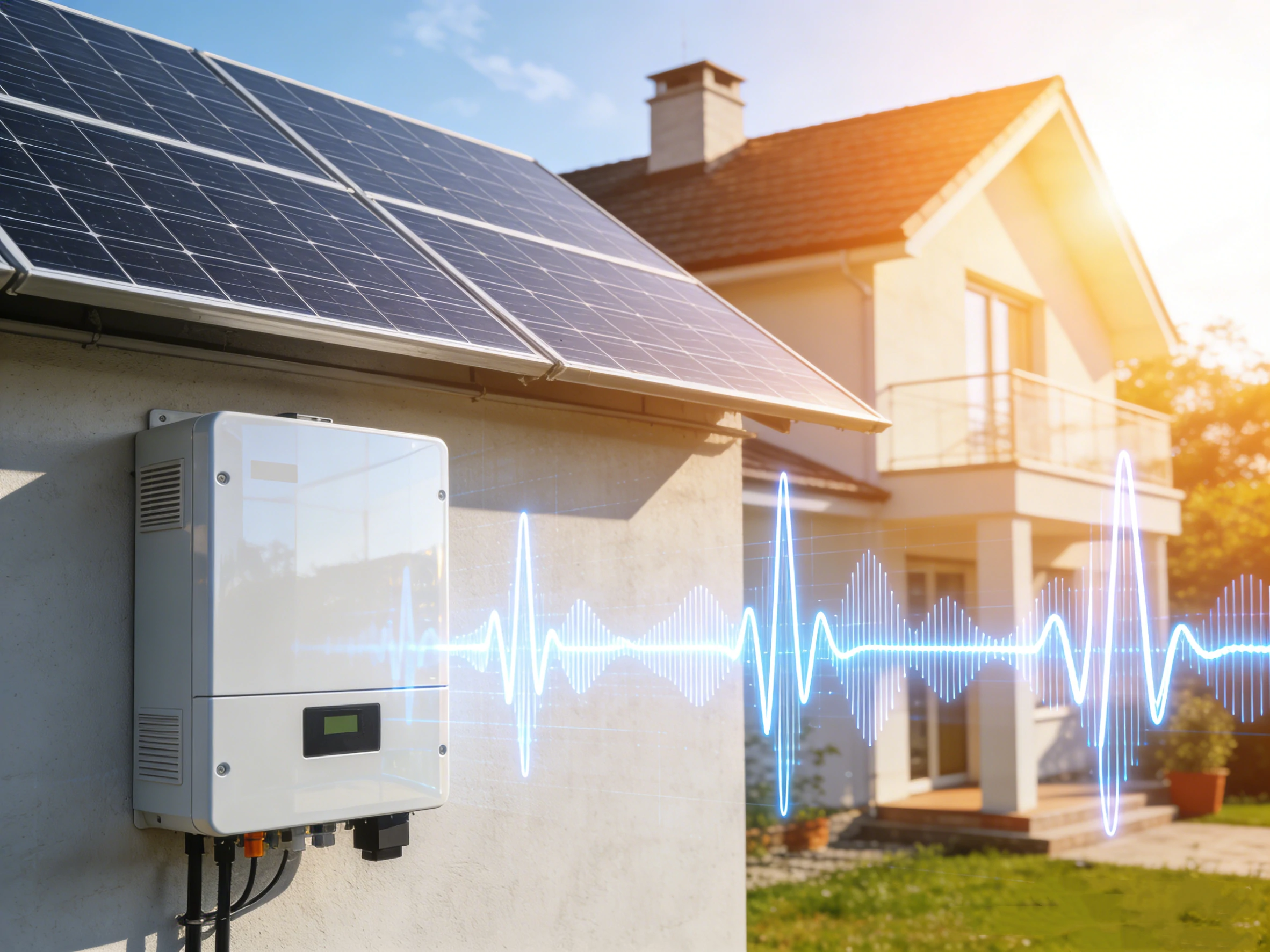
If you’ve ever tried to dig into solar inverter harmonics, you probably know the feeling—your head spins, numbers fly everywhere, and suddenly you start questioning your life choices. Been there. But here’s the good news: once you break this topic into digestible pieces, it becomes way less intimidating and a lot more interesting than it sounds.
In this long-form guide, we’ll walk through what solar inverter harmonics actually are, why they matter, how they affect the efficiency and lifespan of your solar setup, and what you can realistically do about them. Along the way, you’ll see plenty of practical explanations, personal insights, and down-to-earth examples.
Let’s dive in.
When people hear the phrase solar inverter harmonics, their brains often leap straight to complicated waveforms drawn on an engineering whiteboard. But harmonics, at their core, are simply electrical distortions—little unwanted “echoes” of voltage or current at different frequencies that shouldn’t really be there.
A solar inverter is responsible for converting DC power from solar panels into AC power that your home can actually use. Ideally, that AC output should be a clean, smooth sine wave. But perfection doesn’t exist in the real world, and various interactions—switching operations, load types, wiring conditions—can cause deviations in the waveform.
Those deviations?
Yep. Solar inverter harmonics.
Harmonics pop up for several reasons:
In practice, solar inverter harmonics are more like background noise than a catastrophic problem. But just like background noise, once it gets loud enough, you can’t ignore it anymore.
Most people expect fireworks when there’s an issue with solar inverter harmonics—sparks, smoke, flashing red lights, dramatic movie-style failure. Honestly, real problems tend to show up more quietly.
You might notice:
When I first dealt with solar inverter harmonics in my own system, the only sign was a weird buzzing from a small fan that should’ve been silent. It took me weeks to connect the dots, but once I did, everything suddenly made sense.
Even if your system looks fine on the surface, harmonics can gradually eat into efficiency.
Some issues include:
Individually, these may seem minor. But over months or years, solar inverter harmonics can lead to real, measurable energy losses. Think of it like driving with under-inflated tires—not enough to ruin your day, but enough to matter.
When most people think about solar systems, they focus on panels, sunlight, or the inverter loading ratio. But there’s a hidden factor that quietly affects performance, efficiency, and even long-term reliability: solar inverter harmonics.
Harmonics are essentially electrical distortions caused when the inverter converts DC power from the solar panels into AC power for your home or the grid. While they may sound technical, their effects are very tangible. Ignoring harmonics is like ignoring a subtle vibration in a car engine—it doesn’t always stop the vehicle, but over time, it wears down components, reduces efficiency, and creates invisible inefficiencies in your energy system.
Here’s the thing most homeowners and even some installers don’t realize: harmonics create stress on your electrical network. They don’t just exist in theory—they generate extra heat, additional current, and minor voltage spikes that ripple across the system.
Over time, this hidden stress can:
Even a small harmonic distortion, if ignored for years, can subtly degrade the system’s overall energy yield. A properly designed inverter setup, combined with awareness of harmonics, helps mitigate these invisible issues—keeping the system running smoother and protecting your investment.
Here’s a more human aspect that rarely gets discussed: harmonics affect comfort. Yes, your lights may flicker slightly, or sensitive electronics like computers, audio equipment, or HVAC systems may behave unpredictably. Over months, you may notice subtle hums or voltage fluctuations that aren’t dangerous—but are annoying enough to impact daily life.
A well-balanced solar setup, with harmonics under control, ensures:
It’s easy to overlook harmonics because they’re invisible—but ignoring them is like leaving tiny stress fractures untreated. Over time, these “small” distortions can affect the performance and reliability of your entire solar system.
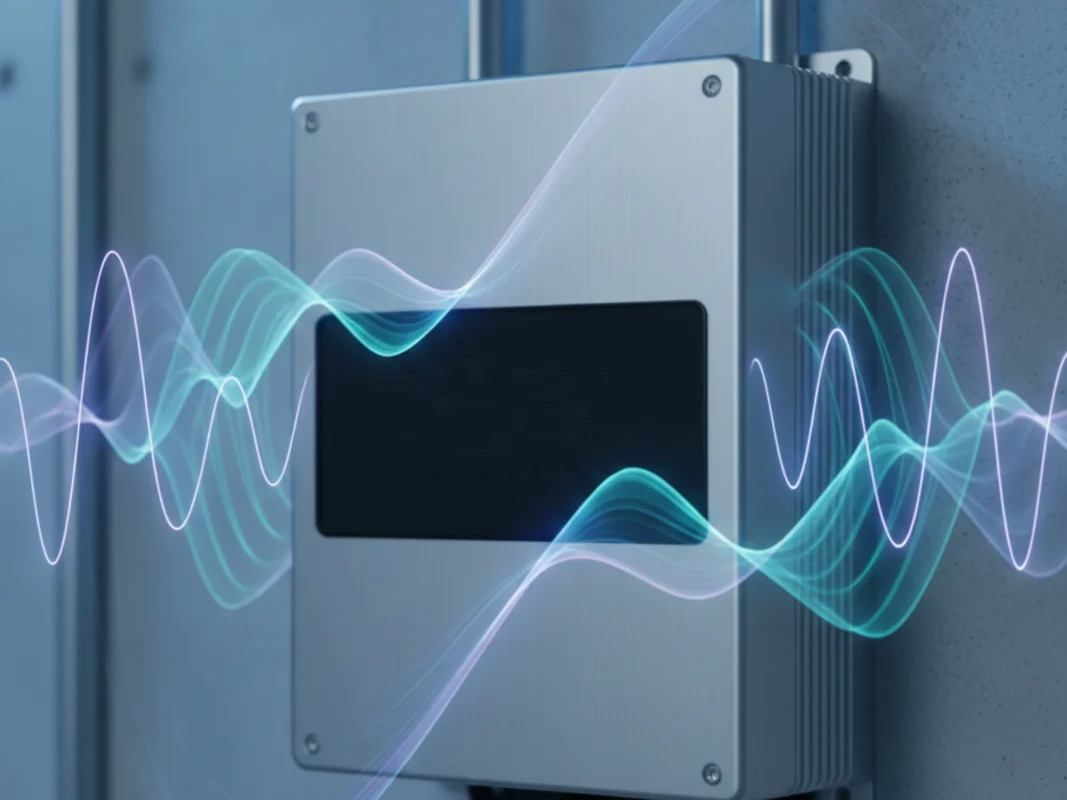
Harmonics in a solar system don’t appear out of thin air—they have identifiable sources that interact in subtle but significant ways. Understanding where they come from is essential if you want your solar inverter to operate efficiently, maintain clean AC output, and avoid long-term stress on your electrical network.
In essence, harmonics are unwanted distortions in the electrical waveform. While your eyes can’t see them, they manifest in heat, small voltage fluctuations, and minor interference with sensitive electronics. Let’s break down the main culprits.
One of the primary sources of harmonics is the inverter’s own switching mechanism. The solar inverter converts DC from your panels into AC through high-speed electronic switches. This process—known as pulse-width modulation—creates small, rapid fluctuations in the AC waveform.
Key points to note:
In short, the way your solar inverter operates internally is the starting point for understanding harmonic behavior.
Harmonics don’t only originate at the inverter—they are amplified by certain types of loads in your home. Nonlinear loads such as computers, LED lighting, variable-speed fans, and modern appliances draw current in bursts rather than smoothly.
Why this matters
Monitoring and understanding how your household loads interact with the inverter helps maintain a cleaner system and reduces invisible electrical stress.
Believe it or not, the physical layout of your system also plays a role in harmonics. Long cable runs, improperly sized conductors, or complex routing can introduce resistance, inductance, and capacitance, which subtly distort the AC waveform.
Considerations include:
Even in a perfectly sized and installed system, ignoring wiring design can leave your solar inverter working harder than necessary and slightly degrading power quality.
Once you understand that solar inverter harmonics exist, the next step is recognizing that not all harmonics are the same. Different types of harmonics affect your system in different ways, influencing efficiency, reliability, and the smoothness of your AC power. By learning to distinguish between them, you can take targeted steps to minimize their impact and optimize your system’s performance.
In a solar system, harmonics generally fall into three main categories: low-order harmonics, high-order harmonics, and interharmonics. Each has unique characteristics, causes, and implications for both your solar inverter and household electrical network.
Low-order harmonics are the most common and easiest to detect. They include the 2nd, 3rd, 5th, and 7th multiples of the fundamental AC frequency (for example, in a 50 Hz system, 100 Hz, 150 Hz, 250 Hz, etc.).
Key features:
Although they’re the easiest type to measure, ignoring them can gradually affect system performance, increase operating temperatures, and even shorten the lifespan of sensitive equipment.
High-order harmonics appear at much higher multiples of the fundamental frequency, often beyond the 11th or 13th order. They are usually less intuitive but can be equally problematic.
Characteristics include:
Managing high-order harmonics often requires careful attention to inverter design, filtering, and system layout—especially in larger or grid-tied installations.
Interharmonics are a less obvious but increasingly important category. Unlike integer multiples of the fundamental frequency, interharmonics occur at non-integer frequencies, often caused by variable-speed drives, fluctuating loads, or certain inverter behaviors.
Why interharmonics matter:
Understanding interharmonics is essential for advanced system optimization, particularly in environments with mixed residential and industrial loads or multiple inverter installations.
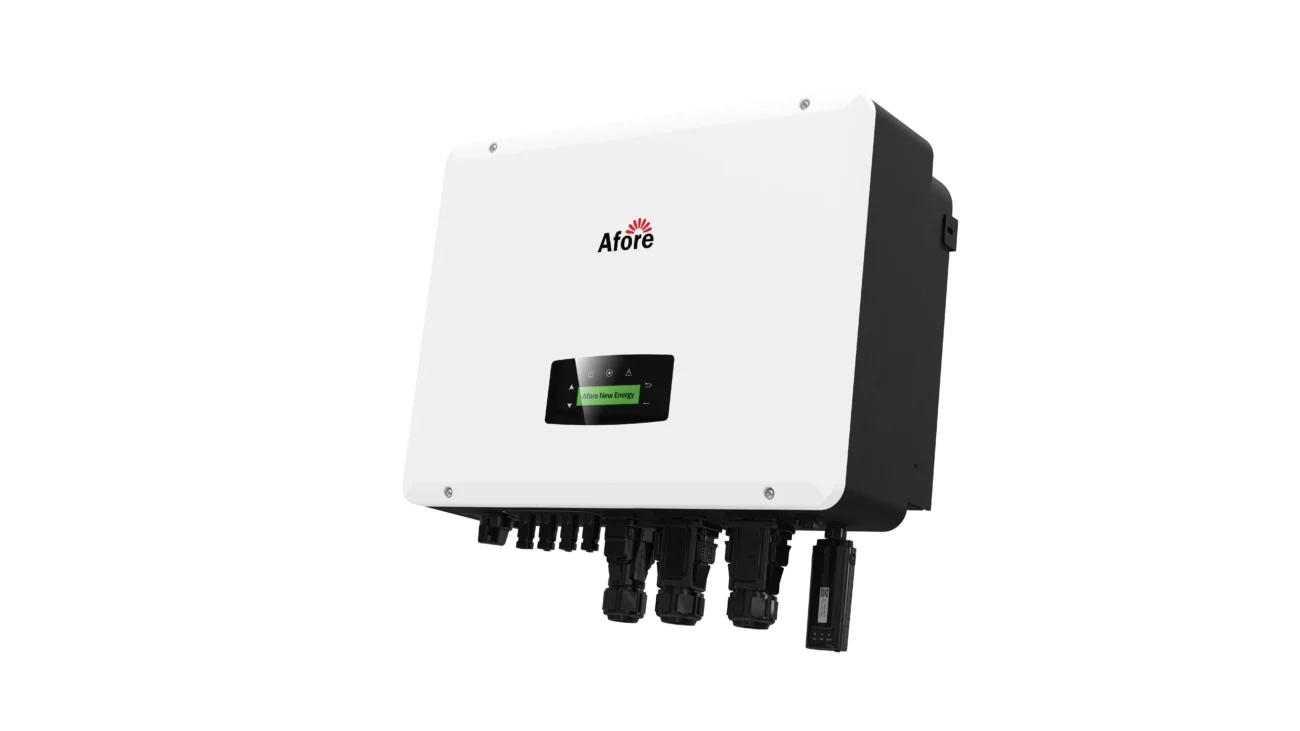
Measuring solar inverter harmonics might sound like a job for specialized engineers in a high-tech lab, but the truth is, you can get meaningful insights without losing your mind—or your weekend. The key is understanding which tools, techniques, and metrics actually matter and avoiding overcomplicating the process with unnecessary gadgets or jargon.
Harmonics are invisible distortions in your AC waveform, but their effects are tangible: heating, efficiency loss, and subtle stress on your electrical network. Measuring them doesn’t need to be intimidating—it’s about systematic observation, practical tools, and interpreting the results in context.
First, select a measurement device appropriate for the type of harmonics you want to detect:
Remember, more expensive or complicated equipment doesn’t always give you more usable information. Focus on tools that provide clarity, not clutter.
Where you measure is just as important as what you measure. To capture a meaningful picture of harmonics in your system:
This approach helps you identify whether the harmonics originate from the inverter itself, from household nonlinear loads, or from cable layout and interactions.
Harmonics aren’t constant—they fluctuate with sunlight, load, and temperature. A single snapshot may be misleading.
Practical tips for logging:
Logging over time turns raw measurements into actionable insight, helping you decide if intervention or optimization is necessary.
Once you have data, it’s easy to overreact to small fluctuations. Here’s how to stay focused:
The goal isn’t perfection—it’s a cleaner, more efficient, and more reliable system.
Measurement becomes meaningful only if you act on the insights:
By combining careful measurement with practical corrective steps, you can manage harmonics effectively, ensuring your solar inverter runs efficiently and your household or building enjoys cleaner, more stable power.
Once you’ve measured and understood the sources and types of harmonics in your solar system, the next step is action. Ignoring solar inverter harmonics can quietly degrade performance, reduce efficiency, and create long-term stress on both your inverter and household electronics. Fortunately, there are practical ways to reduce or manage harmonics without overcomplicating your system.
Effective harmonic management is about strategy, not perfection. The goal is to minimize their impact on energy conversion, improve power quality, and protect both your solar inverter and connected loads.
The first line of defense is the inverter itself. Modern inverters offer settings that can influence harmonic generation:
Even small tweaks can make a noticeable difference in overall waveform quality and inverter efficiency.
Harmonics are amplified when nonlinear loads—like LED lighting, computers, or variable-speed fans—draw irregular currents. Mitigation strategies include:
By addressing the root cause of load-induced harmonics, you reduce stress on the inverter and improve energy stability across your home or building.
Physical wiring can either amplify or dampen harmonics. Smart cable management includes:
Even small changes in cable layout can result in cleaner AC output and better inverter performance.
For persistent or high-level harmonic issues, installing dedicated harmonic mitigation devices can help:
These devices are particularly useful in commercial or industrial solar setups but can also benefit residential systems with high nonlinear load presence.
Reducing harmonics isn’t a one-time task. Continuous monitoring and maintenance ensure long-term performance:
A proactive approach ensures your solar inverter operates efficiently, minimizes electrical stress, and provides clean, stable power for years.
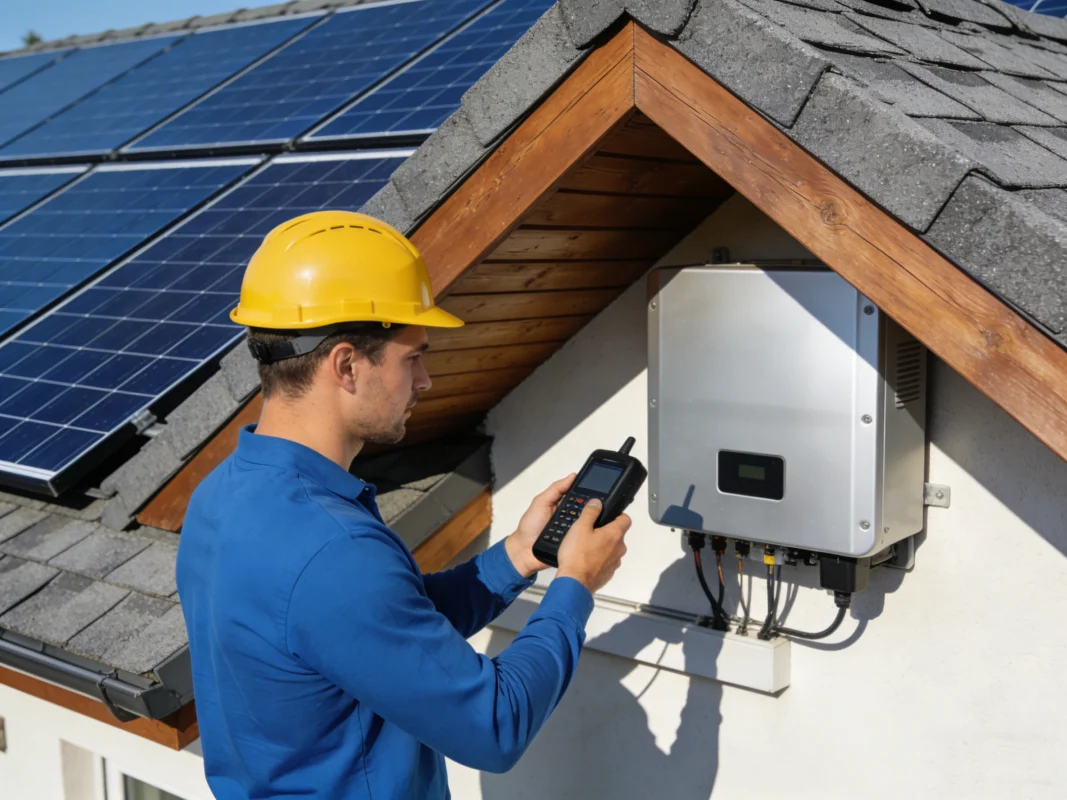
When thinking about solar systems, most people focus on energy production, efficiency, or return on investment. Few stop to consider the subtle safety risks posed by solar inverter harmonics. While harmonics are primarily an efficiency and waveform issue, they can also influence the safety of your electrical system if left unmanaged.
Harmonics create small but persistent distortions in AC voltage and current. Over time, these distortions interact with electrical components, creating conditions that can increase heat, stress equipment, and in extreme cases, lead to failures that affect both your solar inverter and household wiring.
One of the most direct safety impacts of harmonics is additional heating. Harmonics cause:
This additional heat may not trigger immediate alarms, but over months or years, it can degrade insulation, reduce the lifespan of wiring, and increase the risk of electrical faults.
Harmonics can interfere with the normal operation of protective devices:
By subtly affecting these safety mechanisms, harmonics introduce potential risks that are easy to overlook but important for long-term system reliability.
Another indirect safety consideration involves electronics that are sensitive to voltage and current quality:
Ensuring that your solar inverter produces clean, stable AC power protects not just efficiency, but also the electronics that keep your household or building safe and operational.
Understanding the safety implications of harmonics isn’t meant to alarm—it’s meant to inform. Practical measures include:
These measures help ensure your solar system remains safe, reliable, and efficient, while reducing hidden risks caused by harmonic distortion.
Solar inverter harmonics might sound intimidating, but once you understand them, they become just another part of solar system health — like checking tire pressure or cleaning gutters. They’re manageable, predictable, and usually easy to minimize with a few smart steps.
A solar inverter is one of the hardest-working devices in your entire energy setup. When harmonics are kept under control, your whole system
Solar inverter harmonics are unwanted distortions in the AC power your inverter produces. Ideally, the inverter outputs a smooth sine wave, but real-world systems often introduce tiny “echoes” or irregularities. These distortions can affect performance, efficiency, and sometimes appliance behavior.
In most cases, harmonics aren’t immediately dangerous, but they do put extra stress on electrical equipment. Over time, high levels of harmonics can reduce inverter lifespan, overheat wiring, and cause appliances to wear out faster.
No, harmonics are invisible. However, you might notice subtle signs like flickering LED lights, buzzing fans, or appliances that behave strangely during peak solar production. These can be indirect indicators of high harmonic content.
Yes. While a small amount of harmonics is normal, excessive levels can reduce overall inverter efficiency, slightly lower AC output, and increase energy losses over time. Monitoring your system helps prevent long-term performance dips.
Every solar inverter produces some level of harmonics because of the way it converts DC from solar panels into AC. The difference is in the amount—well-designed systems minimize harmonics, while poorly tuned setups can amplify them.
Indirectly, yes. Changes in sunlight affect how much power your panels generate, which in turn influences the inverter’s switching behavior. This can slightly shift harmonic patterns, especially during very bright or very cloudy conditions.
Yes, especially with nonlinear loads like computers, LED drivers, or chargers. When these loads draw power in irregular pulses, they interact with the inverter output and can increase the presence of solar inverter harmonics.
If you notice flickering lights, buzzing, or unusual inverter behavior, professional testing is highly recommended. A trained technician can measure Total Harmonic Distortion (THD), identify sources, and recommend solutions.
Yes. Batteries and inverters connected to them can experience additional heat and minor efficiency losses if harmonic levels are high. Over time, this can slightly reduce battery lifespan or affect charging stability.
No, harmonics can’t be completely removed because they’re a natural byproduct of AC conversion. However, proper system design, load management, and good wiring practices can reduce them to harmless levels and keep your solar system running smoothly.
Absolutely. Long cables can create resonance and amplify harmonics. Shorter, well-organized runs with proper grounding help minimize unwanted distortion in your system.
Harmonics are structured distortions at specific frequencies, usually multiples of the main AC frequency. Electrical noise is random, unpredictable interference. Both affect power quality, but harmonics are easier to measure and manage.








 Turkish
  Romanian