




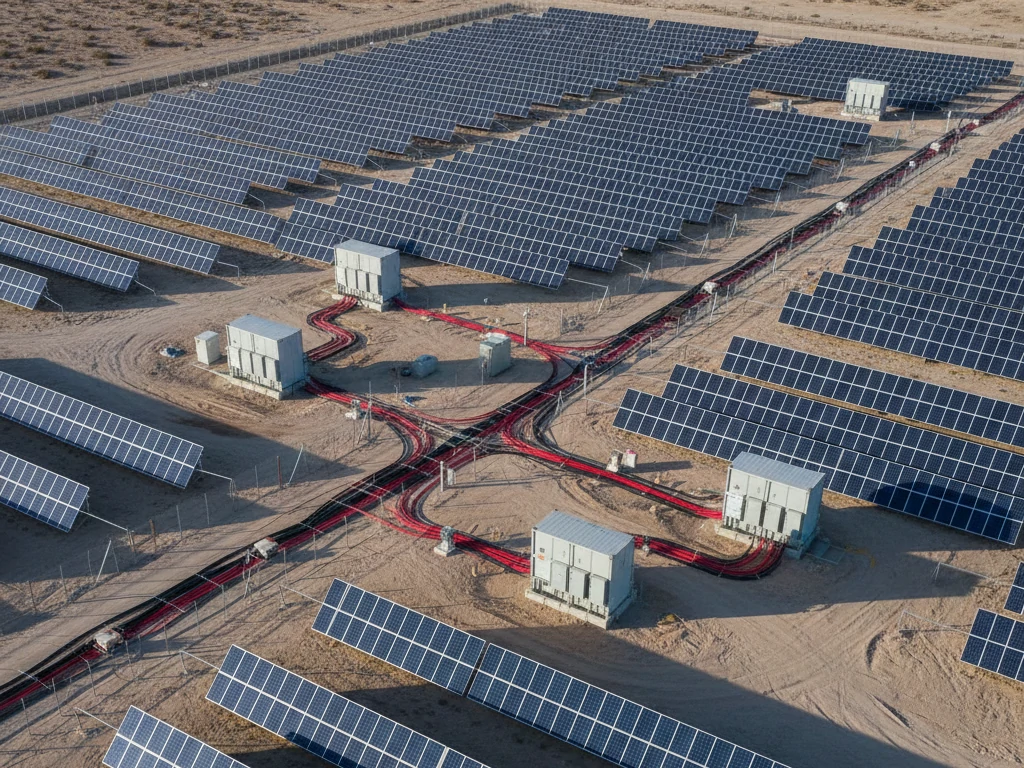
If you’ve spent any time working on large solar projects in the past few years, you’ve probably noticed one thing: conversations keep drifting toward the 1500V string inverter. Not as a buzzword, not as a future concept, but as a practical, here-and-now solution that’s reshaping how utility-scale and large commercial solar plants are designed and built.
This isn’t just a voltage upgrade. The move to a 1500V string inverter touches everything—from 1500V PV system design and installation workflows to long-term operating costs and string inverter BOS savings. And if you’re responsible for system performance, CAPEX control, or lifecycle reliability, understanding why this shift matters is no longer optional.
In this guide, I’ll break down how a 1500V string inverter actually performs in the field, why it’s becoming the backbone of the Utility scale string inverter market, and what installers, engineers, and asset owners should realistically expect when stepping up from 1000V architectures.
A few years ago, the 1500V string inverter was still treated with caution. Engineers worried about safety, installers worried about training, and project owners worried about risk. Today, those concerns haven’t disappeared—but they’ve been addressed through experience.
The simple truth is that higher voltage unlocks efficiency at scale. In a large solar inverter deployment, voltage determines current, and current determines losses. By raising system voltage, a 1500V string inverter allows lower current for the same power output. That single change cascades into smaller cable sizes, fewer combiner components, and cleaner layouts.
This is one of the core reasons Utility scale string inverter configurations are now replacing older centralized designs in many regions.
No one shifts infrastructure standards lightly. The move toward 1500V PV system design happened because project economics demanded it. Land costs increased. Grid connection rules tightened. Margins shrank.
A 1500V string inverter helps offset those pressures by reducing material usage, labor hours, and long-term maintenance costs. Over a 25- to 30-year lifecycle, these savings are not theoretical—they’re measurable.
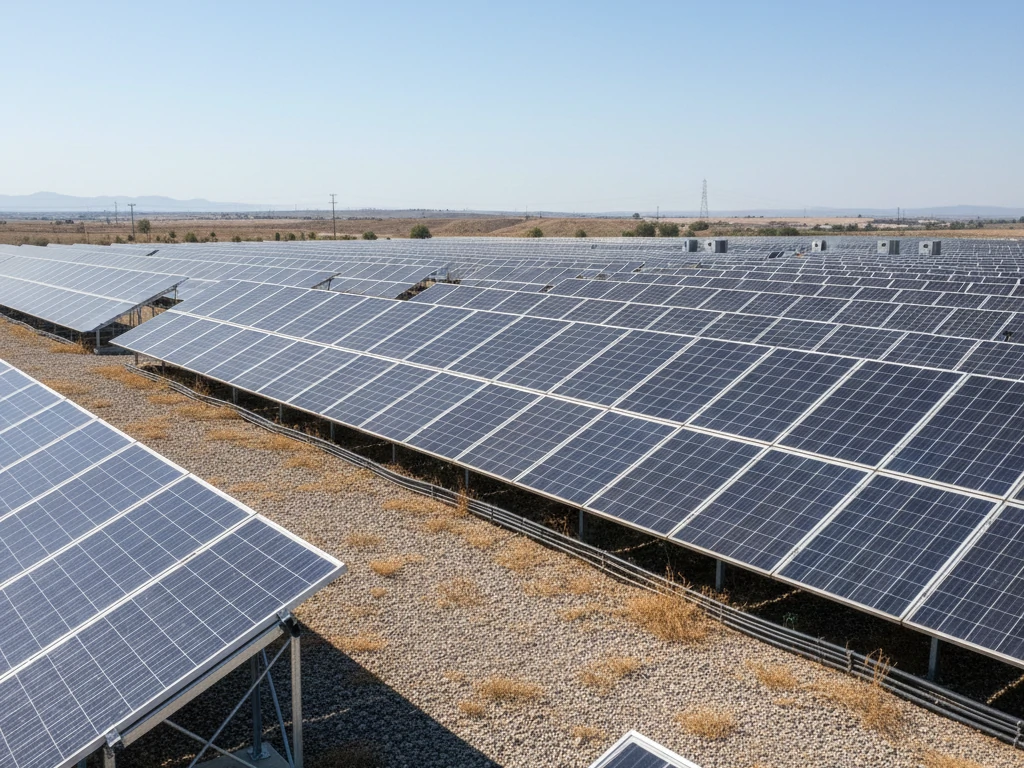
A 1500V PV system design isn’t just a higher-voltage copy of a 1000V system. It’s a different way of thinking about strings, cable runs, and inverter placement.
With a 1500V string inverter, you can typically:
This matters enormously in utility-scale environments where every meter of cable and every junction box adds cost and complexity.
In real-world projects—uneven terrain, long distances, mixed orientations—a 1500V string inverter gives designers more breathing room. You’re less constrained by voltage drop calculations, and you can adapt layouts without redesigning the entire DC side.
That’s one reason Utility scale string inverter solutions are gaining traction in large ground-mounted installations with irregular layouts.
The phrase string inverter BOS savings gets thrown around a lot, but let’s break it down honestly.
With a 1500V string inverter, BOS savings mainly come from:
Each item might seem modest on its own, but across thousands of strings, the cumulative effect is substantial.
In many regions, labor—not equipment—is the biggest cost driver. A 1500V string inverter simplifies wiring and reduces handling time. Installers spend less time pulling cable and troubleshooting connections, which directly translates into schedule reliability.
From an EPC perspective, string inverter BOS savings often show up as reduced project risk, not just lower line items.
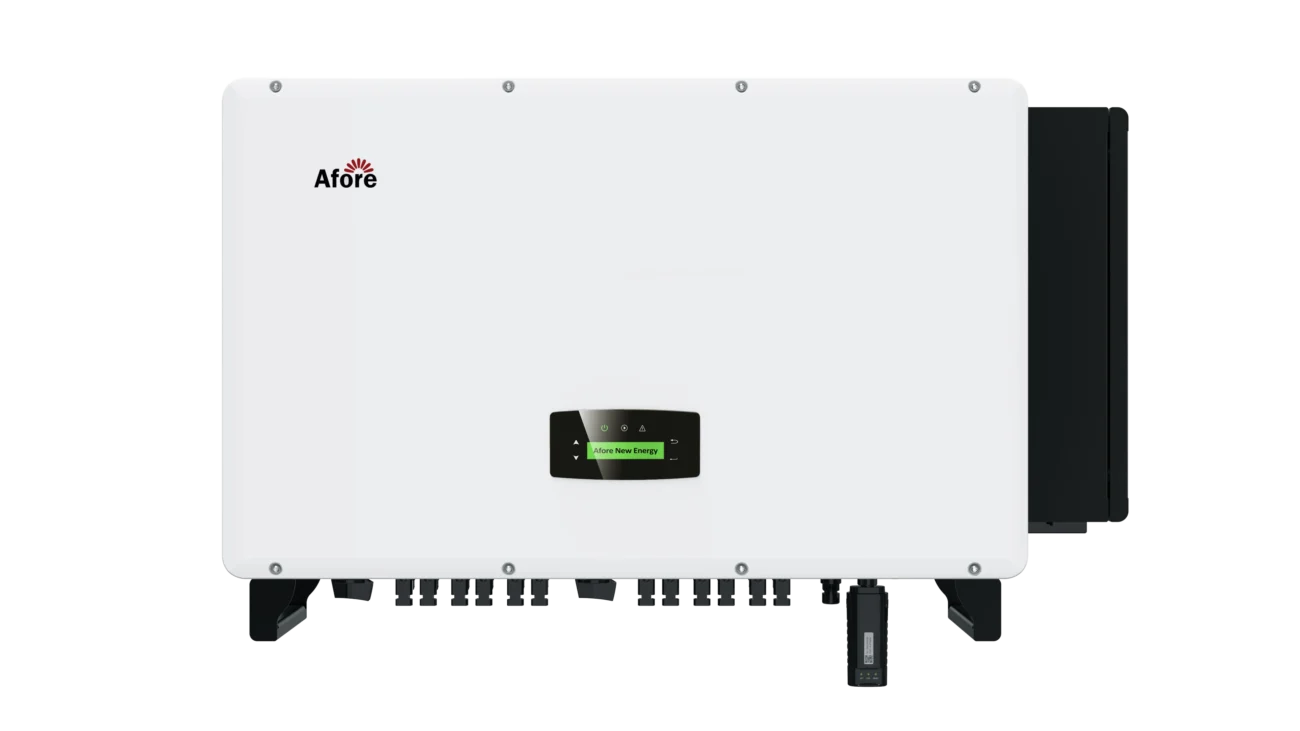
When people talk about a 1500V string inverter, performance is usually the first thing mentioned—but rarely explained in real-world terms. On paper, efficiency numbers look impressive. In the field, however, performance is shaped by heat, dust, partial shading, long cable runs, and unpredictable weather. This is where a 1500V string inverter quietly proves its value day after day.
Below is a practical, experience-driven breakdown of how these systems actually perform once the project is live.
In theory, most modern solar inverter designs look efficient. In reality, a 1500V string inverter delivers more usable energy because higher voltage means lower current. Lower current directly reduces resistive losses across DC cabling, especially in large-scale layouts with long runs.
Over the course of a year, this translates into measurable gains in delivered kilowatt-hours—not just during peak sun hours, but also during mornings, evenings, and cloudy conditions. For utility-scale projects, even a small percentage increase in energy yield has a meaningful financial impact.
This is one of the key reasons Utility scale string inverter systems continue to replace older architectures in performance-focused projects.
Solar plants rarely operate at full power for long periods. Most of the time, systems are running at partial load due to changing irradiance, temperature fluctuations, or grid constraints.
A 1500V string inverter is particularly effective in these conditions. With more flexible voltage windows and optimized MPPT operation, it maintains stable conversion efficiency even when sunlight is inconsistent. This results in smoother power curves and fewer performance dips throughout the day.
From an asset owner’s perspective, this consistency improves forecast accuracy and long-term yield confidence.
Lower current doesn’t just improve efficiency—it also reduces heat. In high-temperature environments, thermal stress is one of the biggest enemies of long-term reliability.
By operating at higher voltage, a 1500V string inverter minimizes internal and external heat buildup. Cooler operation helps protect power electronics, extends component lifespan, and reduces the likelihood of thermal derating during hot weather.
In field deployments, this often shows up as fewer performance drops during peak summer months compared to lower-voltage systems.
No solar array is perfectly uniform. Soiling, module aging, shading, and installation tolerances all introduce mismatch over time. A 1500V string inverter handles this reality more gracefully by isolating performance at the string level.
Instead of allowing one underperforming section to affect a large portion of the plant, issues remain localized. This granular control is a major performance advantage over centralized solutions and a defining feature of Utility scale string inverter layouts.
From a troubleshooting standpoint, faster fault isolation also means quicker recovery and less lost production.
Performance isn’t just about efficiency—it’s also about uptime. A 1500V string inverter architecture naturally distributes risk across multiple units.
If one inverter experiences a fault, the rest of the system continues operating. In real-world projects, this prevents small technical issues from turning into major production losses. Over the lifespan of the plant, higher availability directly improves total energy output.
This distributed resilience is a core reason why many engineers now favor string-based designs for large installations.
Not every project site is ideal. Uneven terrain, varying orientations, and long distances between arrays and grid connection points are common challenges.
A 1500V string inverter performs reliably under these conditions because higher voltage provides more design flexibility. Voltage drop becomes easier to manage, and string layouts can be adapted without compromising system performance.
In complex environments, this flexibility often makes the difference between a design that works on paper and one that performs well in the field.
Performance advantages shouldn’t disappear after commissioning. One of the understated strengths of a 1500V string inverter is how well it maintains output over time.
Reduced electrical stress, improved thermal behavior, and easier maintenance all contribute to stable long-term operation. For projects designed around 20- to 30-year lifespans, this consistency supports realistic energy modeling and bankable projections.
In short, performance gains from a 1500V string inverter are not just immediate—they compound year after year.
Choosing between a 1500V string inverter and a traditional central inverter isn’t just a technical decision—it’s a financial, operational, and long-term reliability choice. Both architectures have their place, but understanding the nuances in real-world conditions can make or break project performance. Let’s dive into the practical differences and why many large-scale projects are increasingly favoring 1500V string inverter solutions.
One of the biggest advantages of a 1500V string inverter over a central inverter is decentralization. In central inverter systems, a single inverter often handles the output of hundreds of modules. If that inverter fails, a significant portion of the array stops producing power until it is repaired.
With 1500V string inverters, power conversion is distributed across multiple units. A single inverter going offline only affects its dedicated strings, while the rest of the plant continues generating. From a practical standpoint, this means less downtime and higher overall system availability—a critical factor for utility-scale solar projects where lost energy can translate directly into lost revenue.
Maintenance is another area where 1500V string inverters shine. Central inverters are often large, heavy, and located in dedicated buildings or rooms, which makes servicing more time-consuming and logistically complex. Any fault requires specialized equipment to replace or repair components, which can extend downtime and increase labor costs.
In contrast, 1500V string inverters are smaller, lighter, and usually mounted close to the arrays they serve. This allows technicians to isolate issues quickly, perform swaps more efficiently, and maintain higher uptime. Over the lifetime of the system, the cumulative impact on operational costs is significant, contributing directly to string inverter BOS savings.
Central inverters provide a single point of conversion, which can mask string-level performance issues. Shading, module mismatch, or partial soiling affects the entire group connected to that central unit, reducing the effective energy yield.
1500V string inverters, on the other hand, offer string-level MPPT (Maximum Power Point Tracking). This means each string operates independently, optimizing output under varying conditions. In practice, this allows better mismatch management, faster fault detection, and more predictable energy output. For asset owners, this granularity reduces uncertainty and improves the accuracy of long-term performance forecasts.
The architecture of 1500V string inverter systems also provides more design flexibility. Because these inverters can handle longer strings and are less constrained by voltage drop, engineers can optimize layouts for uneven terrain, long DC runs, or mixed orientations without compromising performance.
Central inverter systems often require more uniform string lengths and careful planning to avoid overloading, which can complicate installation in complex sites. For large ground-mounted or rooftop projects, the flexibility of 1500V string inverters translates into both cost savings and simplified project execution.
Cost is rarely a single-factor decision, and here the distinction is clear. While central inverters may have lower upfront equipment costs per unit of power, the associated Balance of System (BOS) expenses—cabling, combiner boxes, trenching, and labor—can be higher.
A 1500V string inverter reduces these costs because higher voltage enables fewer parallel strings, smaller cable cross-sections, and less extensive civil works. When combined with easier maintenance and higher uptime, the overall project economics often favor string-based architectures, particularly in Utility scale string inverter projects.
Finally, scalability is an important consideration. Central inverter systems are effective at a certain size, but as projects expand or system requirements evolve, adding capacity can be cumbersome. Each expansion often requires additional central inverters, new switchgear, and complex integration.
With 1500V string inverters, adding capacity is more modular. Extra strings can be added with minimal disruption to existing operations, and firmware-controlled features allow easier adaptation to changing grid requirements or performance optimization strategies.
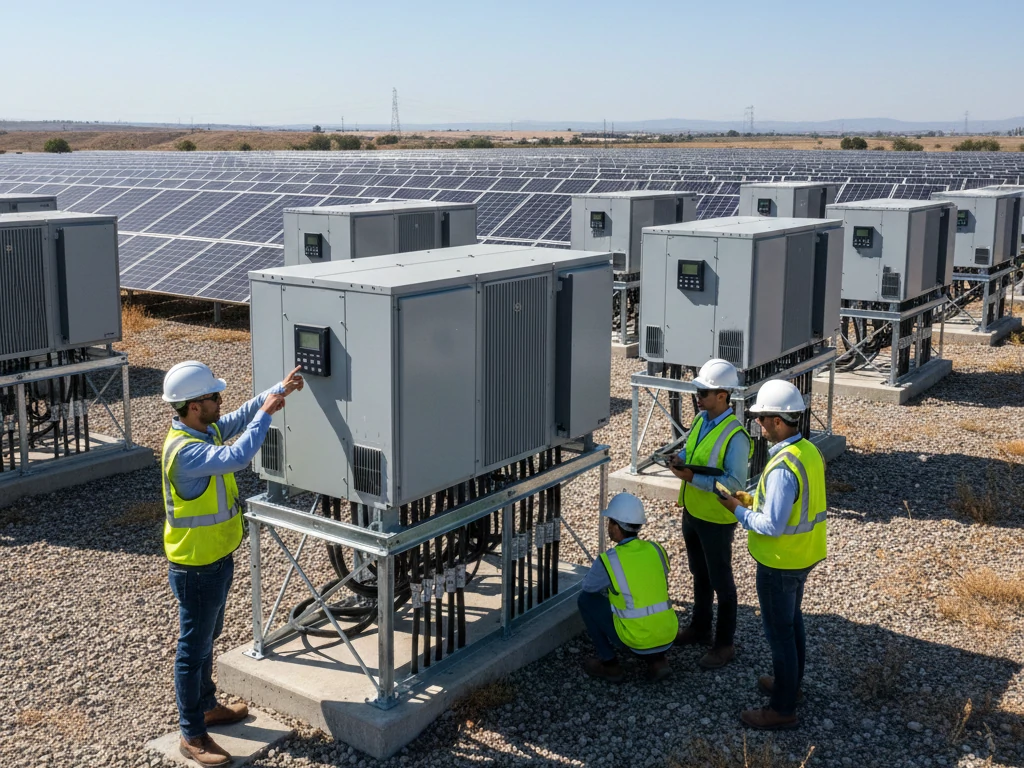
There’s no sugarcoating it: a 1500V string inverter operates at voltages that require respect. Training, PPE, and procedures must be upgraded accordingly.
However, modern 1500V PV system design includes:
When installed correctly, these systems are no more dangerous than legacy designs.
Most safety incidents aren’t caused by voltage—they’re caused by shortcuts. Teams experienced with solar inverter installations adapt quickly to 1500V once proper protocols are in place.
Modern grids demand more from a solar inverter than simple DC-to-AC conversion. A 1500V string inverter supports advanced grid functions such as voltage ride-through, reactive power control, and frequency support.
These capabilities are increasingly mandatory for utility-scale projects.
As grid requirements tighten, flexibility matters. A 1500V string inverter provides more headroom for firmware updates and control strategies, protecting long-term project value.
Installing a 1500V string inverter system isn’t just a matter of swapping out equipment—it requires careful planning, attention to detail, and adherence to updated safety and design standards. Done correctly, these best practices maximize performance, reduce string inverter BOS savings risks, and ensure long-term reliability. Drawing from real-world experience, let’s break down the essential steps and considerations for a successful installation.
Before touching a single wire, a detailed site assessment is crucial. A 1500V PV system design must consider:
Proper layout planning ensures strings are as long as possible without exceeding voltage drop limits, while also minimizing cabling and trenching costs. Early-stage planning directly contributes to string inverter BOS savings and reduces surprises during construction.
One of the most critical differences in a 1500V string inverter installation is the choice of cables. Higher voltage requires:
Routing should minimize sharp bends, avoid potential mechanical damage, and ensure easy access for inspection or replacement. In practice, proper cable management not only improves safety but also reduces long-term maintenance challenges.
Unlike central inverter setups, 1500V string inverters allow longer strings and fewer parallel circuits. To maximize efficiency:
These small but deliberate steps make commissioning smoother and maintenance simpler over the system’s lifecycle.
High-voltage installations like 1500V PV system design demand careful attention to grounding and surge protection. Practical tips include:
Field experience shows that upfront investment in grounding pays off by preventing equipment damage, reducing downtime, and enhancing personnel safety.
Commissioning a 1500V string inverter is more than flipping a switch. Best practices include:
A systematic commissioning approach ensures the inverter performs as expected and aligns with real-world efficiency and availability metrics.
Working with 1500V DC requires heightened safety awareness:
Properly trained personnel significantly reduce risk while maintaining high installation quality.
A complete installation isn’t finished until documentation is thorough. Include:
Accurate records make future maintenance, troubleshooting, and warranty claims far easier, and are essential for maximizing Utility scale string inverter project ROI.
While the advantages of a 1500V string inverter are clear in many cases, it’s important to remember that no single solution fits every project. Choosing the right inverter voltage and architecture requires evaluating system size, site conditions, budget, and long-term operational goals. Here’s a practical breakdown based on real-world experience.
In general, large commercial rooftops, utility-scale ground-mounted arrays, and projects with long DC runs stand to gain the most from a 1500V PV system design. Here’s why:
For projects where efficiency, long-term reliability, and scalable design matter, the 1500V approach often provides a clear edge.
Not every project requires 1500V. Smaller systems, such as medium-sized rooftops or installations with very short DC runs, may not realize the same benefits. In these scenarios:
In short, a lower voltage design can be more practical when system scale or site complexity doesn’t justify the higher voltage.
A good rule of thumb is to assess both CAPEX and OPEX:
Decision-makers should model both construction and operational costs to determine if a 1500V string inverter architecture truly adds value for their specific project.
Other practical considerations include:
These factors ensure that the choice of a 1500V system is grounded in operational reality rather than marketing hype.
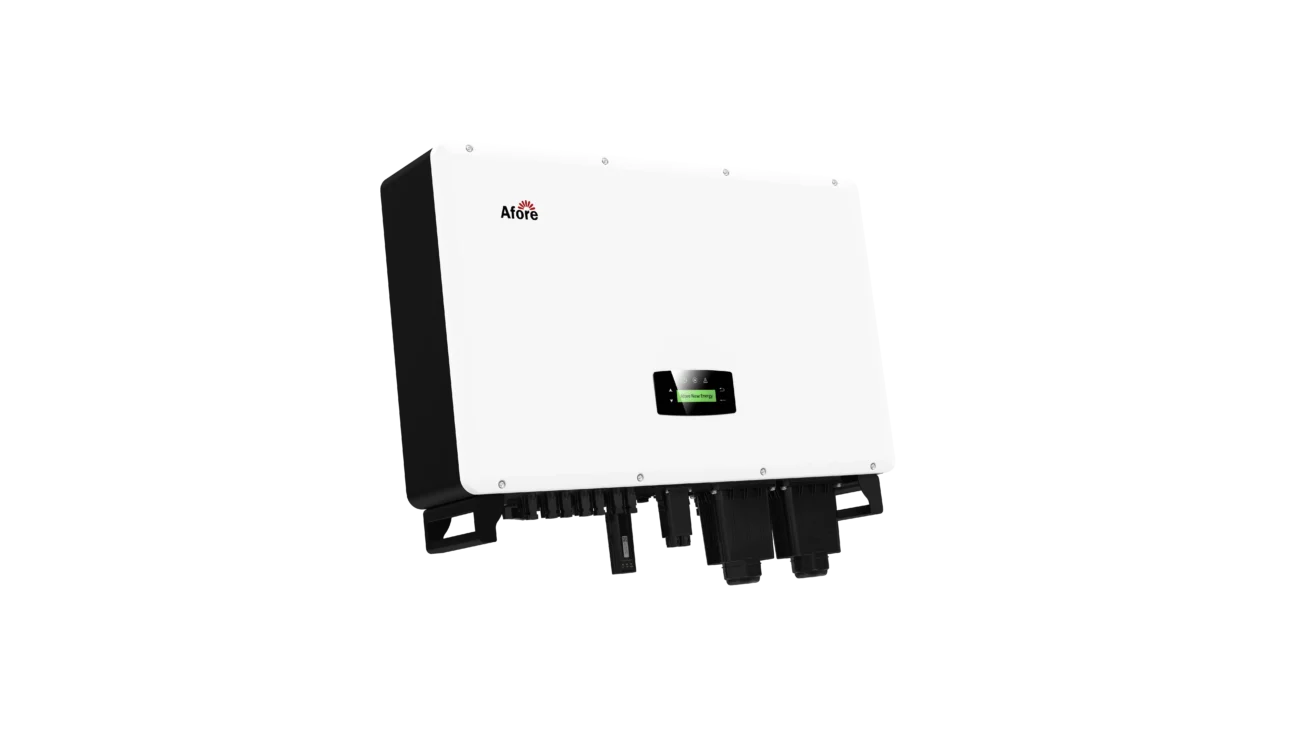
The rise of the 1500V string inverter isn’t about chasing trends—it’s about solving real problems in modern solar development. From Utility scale string inverter deployments to smarter 1500V PV system design, this technology delivers efficiency where it actually matters.
If your goal is lower lifecycle cost, higher uptime, and a more resilient solar inverter architecture, the case for 1500V is no longer theoretical. It’s practical, proven, and already shaping the next generation of solar power systems.
The shift to a 1500V string inverter allows higher power delivery with lower current, reducing losses, material usage, and installation complexity in commercial and utility-scale projects.
By enabling longer strings and fewer parallel circuits, a 1500V string inverter cuts down on cabling, combiner boxes, and labor, creating real string inverter BOS savings.
In many cases, yes. A Utility scale string inverter architecture offers better redundancy, easier maintenance, and higher system availability than central inverters.
A 1500V PV system design requires higher-rated insulation, compatible connectors, and careful routing to maintain safety and compliance.
Higher voltage demands stricter lockout procedures, proper PPE, arc fault protection, and thorough installer training when working with a 1500V string inverter.








 Turkish
  Romanian